Are Loyalty Programs Still Worth It? New Data Shows Shifting Rewards Value
Loyalty programs are everywhere. Whether it’s a coffee shop stamp card, an airline miles account, or a paid retail membership, nearly every brand seems to be competing for a permanent spot in your wallet. But the landscape is changing quickly, and recent data from 2024 and 2025 raises a pointed question: are these programs actually delivering on their promises, or are consumers slowly waking up to diminishing returns? The numbers tell a nuanced and sometimes surprising story.
The Scale of Loyalty Programs Has Never Been Larger
American consumers held 1.265 billion active loyalty program memberships in 2024. That’s a staggering figure, and it reflects just how deeply embedded these programs have become in everyday shopping. The average shopper holds 19 memberships, with only 9 being actively used. So while sign-ups are booming, actual engagement tells a much more complicated tale.
More than 90% of companies now have some form of loyalty program, making it harder for any single program to stand out from the crowd. Forecasts predict that the global loyalty management market, which is currently worth around $8.6 billion USD, will be worth over $18.2 billion USD by 2026. The industry is growing, but the critical question consumers are asking is whether that growth is translating into real value for them personally.
Rewards Still Drive Real Spending Behavior

The data makes one thing clear: loyalty programs do change how people shop. Most consumers, about 72%, say loyalty programs make them more likely to spend with their preferred brand, while over half, at 56%, actually increase their spending because of the program. These are not trivial behavioral shifts. They represent a concrete return on investment for brands that get their programs right. The average annual spend of members who redeem rewards is 3.1 times that of members who don’t, and members of loyalty programs generate 12 to 18% more incremental revenue growth per year than non-members.
In 2024, 93% of loyalty program members earned or redeemed a reward over the past six months, suggesting that engagement is genuinely high among those who stick with these programs. And 84% of consumers say loyalty programs impact their decision to keep shopping with a business or brand. Still, the growing tension is not whether programs work in theory – it’s whether consumers are actually getting a fair deal in practice.
The Devaluation Problem Is Getting Worse
Here is where the modern loyalty picture gets uncomfortable. Points and miles are quietly losing their value at a rate that most consumers don’t fully realize until they try to redeem. Airline miles have been devaluing at a rate far outpacing regular inflation, around 15% annually, compared to the U.S. inflation rate which hovers around 2 to 3% per year. That’s a dramatic erosion of value that builds up silently over time. In the credit card industry, these moves are known as “devaluations,” and they’re getting more and more common, with devaluations seen “day after day across the board” in airlines and hotels, according to experts at The Points Guy.
Major brand programs have made the problem concrete with specific policy changes. Examples include Starbucks doubling its minimum redemption requirement from 50 to 100 stars for free coffee or snacks, Dunkin’ raising spending requirements from $40 to $50 to earn a free cup of coffee, Marriott increasing maximum award night prices from 100,000 points to 150,000 points, and Delta SkyMiles requiring members to spend an average of 33% more to maintain elite status. Loyalty program devaluation represents a calculated business strategy rather than an unfortunate accident, with programs typically devaluing by raising the number of points or miles needed for rewards, decreasing the value of points, or limiting redemption options.
Paid Loyalty Programs Are Rising, But So Are Cancellations

One of the most notable shifts in recent years is the surge in paid loyalty programs, where consumers fork over a fee in exchange for premium benefits. Roughly 70% of consumers paid for a loyalty program in 2024, up sharply from 53% in 2023. U.S. paid retail membership fee revenues reached $46.39 billion in 2025, an increase of 10.8% year over year. Amazon Prime remains the clear dominant force, but smaller competitors are all fighting for a share of consumers’ limited budgets.
However, paid programs come with real retention challenges. Roughly half of all cancellations in paid loyalty programs occur within the first year of membership, with the primary reason being that consumers didn’t use the benefits enough to justify the cost, according to McKinsey. In 2024, the Mastercard Economics Institute found that consumers were looking to balance prices and priorities, and some consumers were assessing their budgets with an eye to letting go of subscriptions they weren’t using as much as they once did. The value exchange has to be immediately obvious, or members simply walk away.
Personalization Is the Gap That’s Killing Engagement

Consumers today expect loyalty programs that feel tailored to them, not generic point buckets. While 71% of consumers expect personalized interactions from brands, only 22% of businesses actually provide this level of service, according to McKinsey. That is a massive disconnect, and it shows up in engagement numbers across the board. Customers are eight times as likely to be satisfied with a loyalty program if it feels personalized to them, according to Forbes.
Financial rewards and simplicity remain the most important loyalty program attributes, with 86% of respondents rating them as “important” or “very important,” and four out of five consumers reporting they value flexibility when earning and redeeming program rewards. Meanwhile, 44% of global consumers consider themselves “very” or “extremely” loyal to brands, down from 48% the year prior, according to Twilio’s 2025 data. The loyalty baseline is slipping, and the brands that aren’t investing in personalization are feeling it most.
Gamification and Emotional Connection Are Reshaping the Future
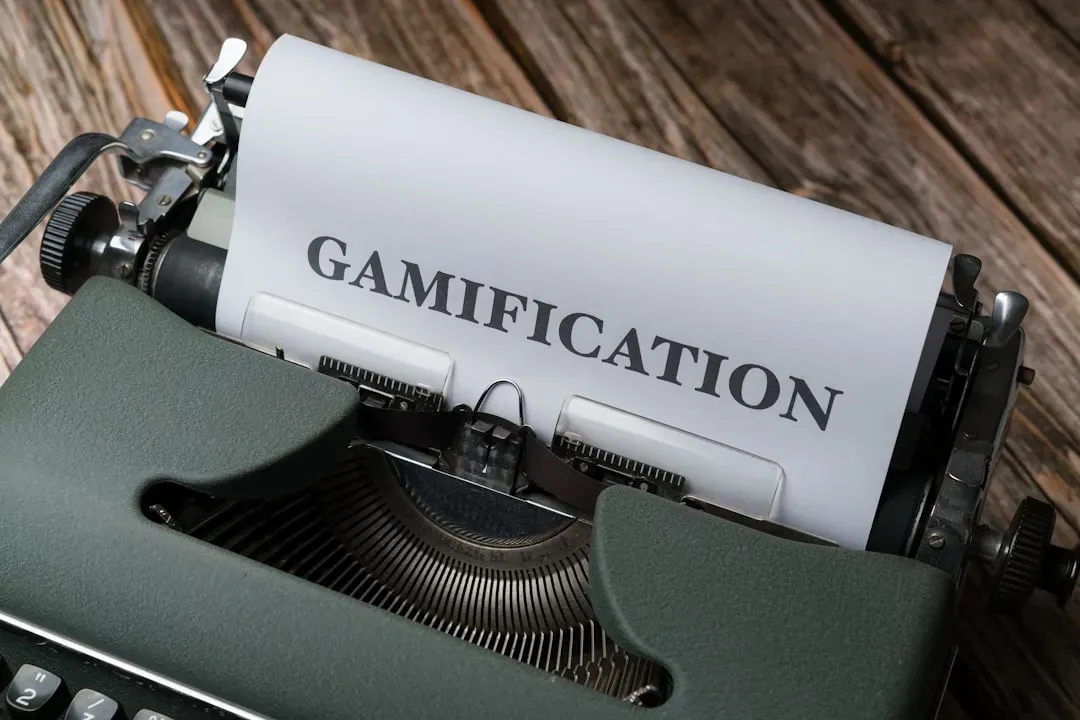
Forward-thinking brands aren’t just handing out points anymore. They’re building entire engagement ecosystems designed to keep members coming back even when they’re not actively buying. About 77% of consumers are more likely to participate in a loyalty program that incorporates gamification, and 87% of loyalty programs that incorporate gamification retain more customers than those that do not. Ulta is a good real-world example: the beauty retailer piloted a Wordle-like program called GlamXplorer for select loyalty members in 2024, with 86% of players returning the following week and users engaging an average of six times per week – building entertainment into loyalty and keeping people returning to Ulta properties.
Beyond games, emotional loyalty is becoming a major strategic lever. Emotional loyalty, driven by genuine connections rather than rewards alone, increased by 25% from 2021 to 2024. About 62% of customers report feeling an emotional connection to the brands they buy from, according to Salesforce. Active loyalty program members are four times more likely to repeat purchase than non-members when consumer confidence is low, and revenue from redeeming program members is nearly three times more stable during economic uncertainty – a finding that makes emotional stickiness far more than a soft metric for brands watching their bottom lines.