3 Items You Should Never Store in Plastic Bins (But Many Homes Still Do)
Plastic bins are everywhere. They stack neatly in garages, slide under beds, and line pantry shelves in homes across the country. They feel practical, affordable, and protective. The trouble is, for certain everyday items, that sense of security is completely false. Research from the past few years has made it increasingly clear that what goes into a plastic bin doesn’t always come out the same way it went in, and in some cases, it comes out genuinely worse off, or even harmful to your health.
1. Food – Especially Oily, Acidic, or Long-Term Staples
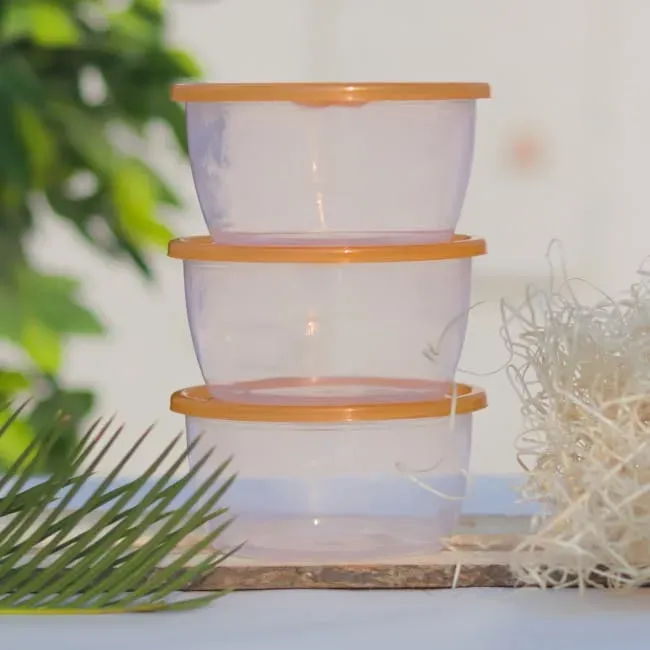
Plastic containers are not totally inert and leach varying levels of metals and chemicals into the foods they store, especially if subjected to elevated temperatures. This is a fact that most households are completely unaware of when scooping bulk rice, pasta, or leftovers into a general-purpose storage bin. Many chemicals with hazardous properties are found in plastic that is used to manufacture food containers, with the most common being Bisphenol A (BPA) and di-(2-ethylhexyl)phthalate, substances that are toxic to the environment as they accumulate and also pose a threat to human health. The problem doesn’t stay abstract. BPA is found to affect cardiac cell functions, adding to the burden of premature cardiac deaths, while endocrine dysfunction, neurotoxicity, and immunotoxicity are other dangerous effects of these substances.
BPA exposure is widespread, and a survey by the Centers for Disease Control and Prevention found that approximately 95% of Americans have detectable levels of BPA in their bodies, with children having the highest levels. The chemical has been found in blood, urine, sweat, amniotic fluid, and breast milk. Many people assume that “BPA-free” labels solve the problem entirely, but the reality is murkier. There has been a massive shift from plastics food containers made with BPA, a chemical used to harden the plastic, but unfortunately many manufacturers swapped the BPA for the equally dangerous Bisphenol S (BPS), and federal agencies do not currently test new materials for toxicity before they’re released for purchase, meaning those seemingly trustworthy BPA-free plastics may not be as safe as many think. For long-term food storage in particular, glass, ceramic, or stainless steel containers remain the safest options available.
2. Medications – Loose Pills and Bulk Supplies
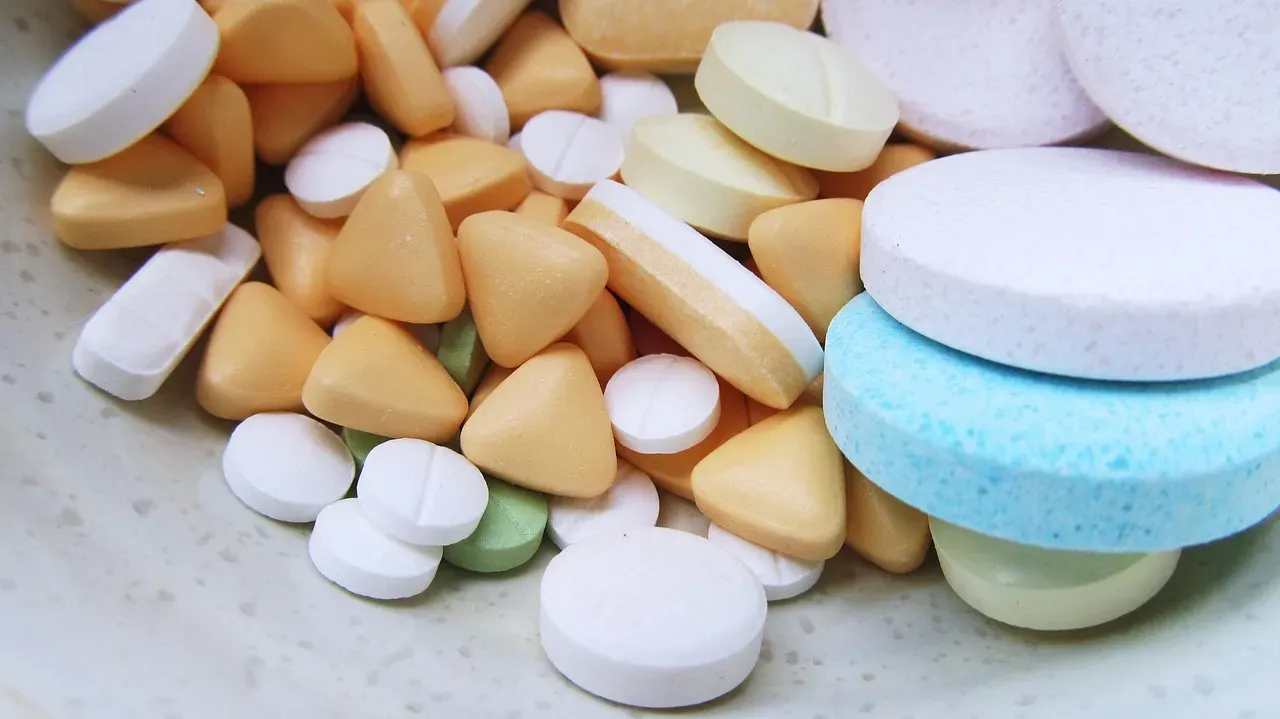
It is remarkably common to find someone who has emptied a bulk bottle of vitamins, aspirin, or even prescription pills into a large plastic bin or general-use container for convenience. When it comes to storing medications, safety is essential, not just a buzzword, because improper storage can result in chemical leaching: if a plastic container is not made from safe materials, harmful chemicals can leach into your pills over time, particularly when exposed to heat or sunlight. Beyond the chemical risk, there is an equally serious issue with temperature and moisture. Most medications should be stored between 59°F and 77°F to maintain their potency, however some drugs, such as insulin or certain antibiotics, require refrigeration, typically between 36°F and 46°F.
High temperatures can accelerate the breakdown of medications and lead to reduced potency, making treatments less effective, as well as physical changes such as discoloration or melting. Storing medications in an unmarked plastic bin also creates a serious safety hazard in households with children. According to the Centers for Disease Control and Prevention, about 50,000 young children end up in emergency rooms each year because they got into medicines while an adult wasn’t looking. To ensure medications remain safe and effective, they should be kept in their original containers to preserve stability and ensure labeling remains intact. A generic plastic bin offers none of those protections.
3. Printed Photos and Important Documents
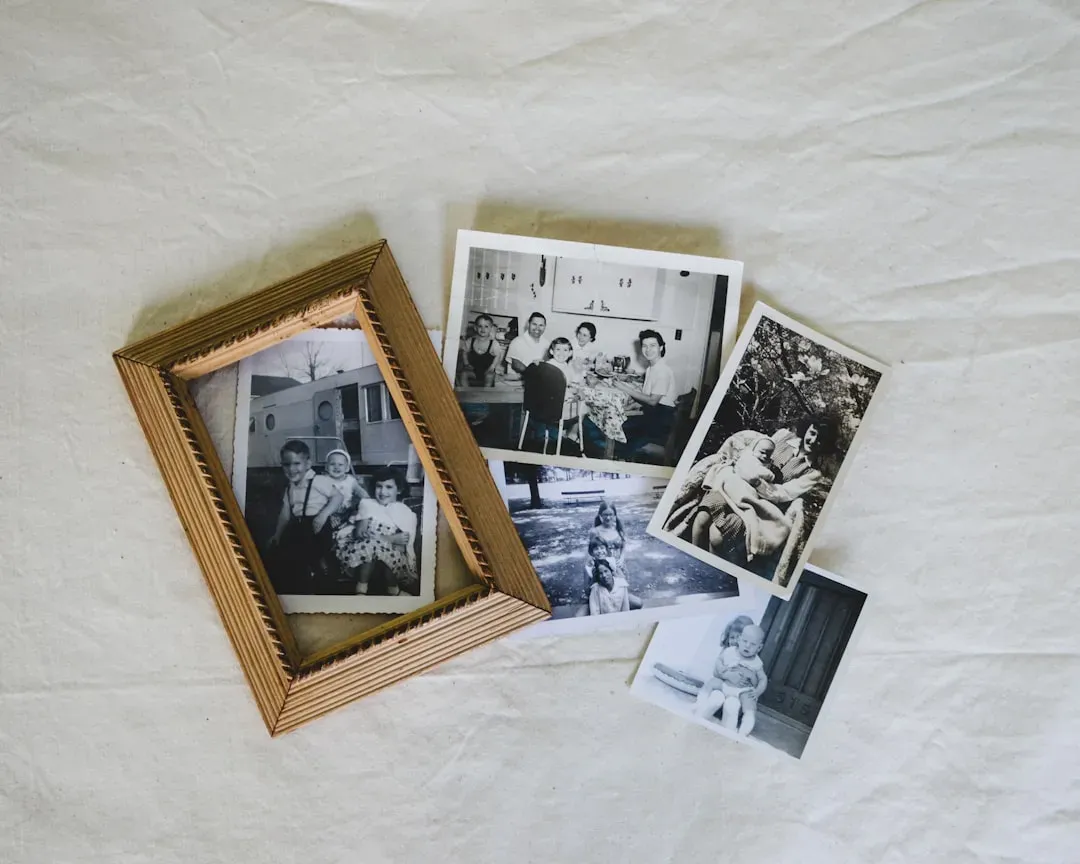
Family photographs tucked into a plastic bin in the attic might feel like smart, protective storage. In reality, it can be quietly destroying irreplaceable memories. The biggest danger lies in extreme temperatures and humidity, which are an archivist’s worst nightmare; when plastic bins are stored in areas with uncontrolled climates such as garages or attics, they can have wildly fluctuating temperatures inside, and these fluctuations cause photographs to warp or crack. The material of the bin itself can also be the enemy. Plastic storage bins made from PVC aren’t meant for photo storage and release damaging acidic vapors over time, which can be a reason photos turn yellow when pulled from these bins.
Any moisture that gets trapped inside the box at the time it is sealed stays there and can help create a breeding ground for mold and mildew, while this moisture can also cause the photographic emulsion to soften, causing photos to stick together in a solid, inseparable clump that damages the images forever. The National Archives has clear guidance on what actually works. The National Archives recommends containers made from uncoated polyethylene, polypropylene, or polyester, and advises avoiding PVC, which can severely damage photos. Since small plastic storage bins trap heat and humidity, photos and documents can fade, curl, warp, discolor, or stick together, so archival photo boxes, waterproof document envelopes, and acid-free sleeves are the recommended alternatives for storage.