10 Things You’re Not Allowed to Bury in Your Yard – Yet People Still Do
Most people assume that owning a piece of land means you can do whatever you want with it. Dig a hole, drop something in, cover it up – seems simple enough, right? Well, not exactly. The reality is that what lies beneath your lawn is far more regulated than most homeowners ever realize, and the consequences of getting it wrong can range from hefty fines all the way to criminal charges.
From beloved family pets to old car batteries, from chemical waste to human remains, there’s a surprisingly long list of things people bury in their backyards every single day without knowing they’re breaking the law. Some of these cases are emotionally driven. Others are just pure ignorance. Either way, the legal and environmental fallout can be serious. Let’s dig into the full picture.
1. Human Remains Without a Permit
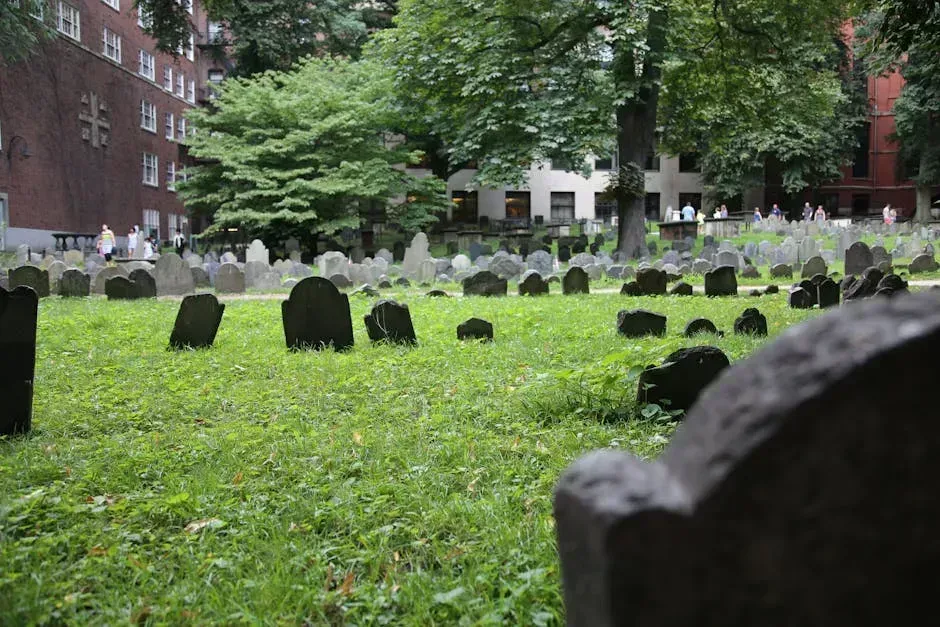
You might be surprised to learn that burying a loved one in your backyard sits in a complicated legal gray area in the United States. In most cases, it is illegal to bury someone in your yard unless specific regulations and legal procedures are followed, and laws surrounding burial vary by state and local jurisdictions. This is one of those topics that sounds simple on the surface but quickly becomes a legal labyrinth once you start pulling on the threads.
The process typically requires permits, adherence to zoning laws, and compliance with public health and environmental standards. While home burials may be legal in some states, they are heavily regulated and often require substantial planning. Think of it like building an extension on your house – you wouldn’t just swing a hammer without checking the zoning code first.
According to California law, anyone who “deposits or disposes of any human remains in any place, except in a cemetery, is guilty of a misdemeanor” and could face jail time or a fine up to $10,000. If you live in Indiana, Washington, or the District of Columbia, burying somebody at home is explicitly forbidden by law. Still, people do it all the time, often out of a genuine desire to keep family close to home.
2. Pets Euthanized with Barbiturates

Losing a pet is heartbreaking, and the instinct to bury them in the garden is completely understandable. However, here’s where things get genuinely alarming. If your pet was put down with barbiturates such as pentobarbital, burying their body may pose a poisoning risk, and veterinary experts warn that scavengers who dig up remains can be fatally exposed.
If a pet was euthanized, their body almost always contains residual euthanasia medication. The active ingredient, often pentobarbital, can remain in tissue long after death. Wildlife who dig up shallow graves – such as foxes, coyotes, or neighborhood dogs – can be poisoned if they ingest it. Several documented cases of secondary poisoning after backyard burial have led veterinarians and public-health officials to issue warnings about these health risks.
In certain states or counties, burying a pet in your yard is considered unsafe or illegal. Pets that were euthanized may have chemicals like pentobarbital in their system, and if buried shallow, these chemicals can leach into the soil and harm wildlife or contaminate water. Honestly, this is one most people simply never think about in the fog of grief.
3. Household Hazardous Chemicals and Solvents
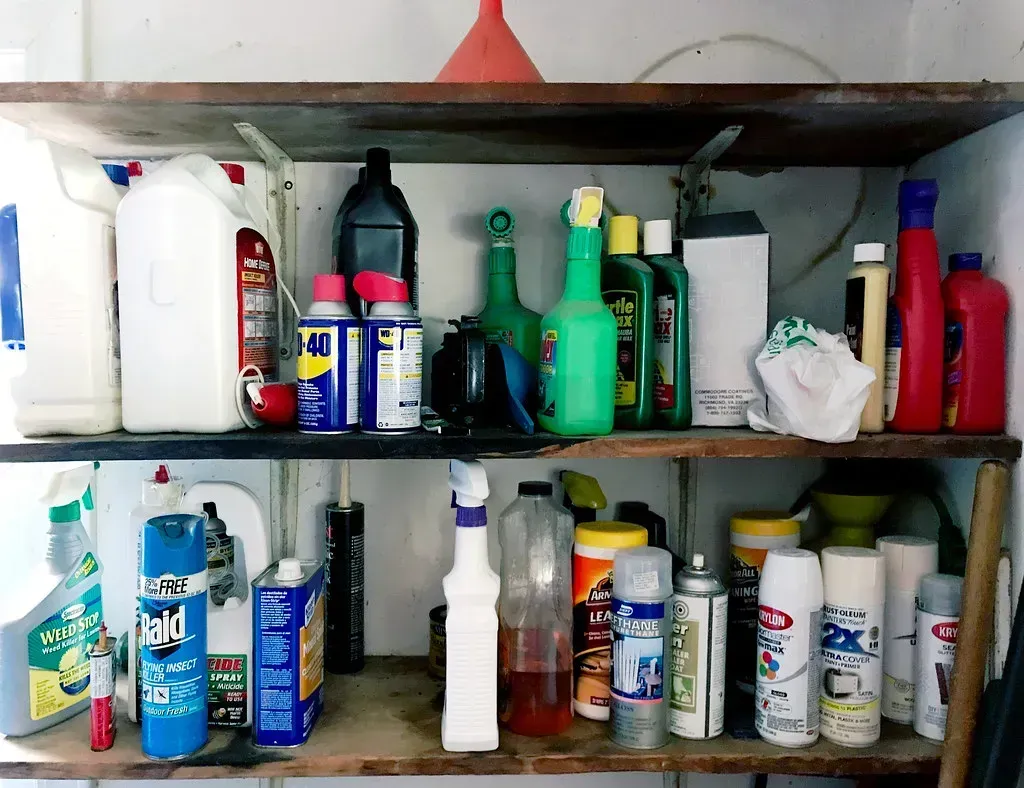
You cannot legally bury toxic home products like used paint thinner, motor oil, pesticides, or solvents in your backyard. Under environmental regulations, many common household chemicals are classified as hazardous waste and must be taken to proper disposal facilities. Burying them risks soil contamination and groundwater pollution, putting both your property and nearby water sources in danger.
The Resource Conservation and Recovery Act (RCRA), a federal law, regulates the management of hazardous waste, including its disposal. Burying hazardous waste in your yard could potentially violate RCRA and lead to severe penalties, including fines and legal action. People do this more often than you’d think – someone cleans out a shed, finds a half-empty can of pesticide, and thinks the garden is a perfectly fine place for it to go.
Improper disposal of household hazardous waste can include pouring them down the drain, on the ground, into storm sewers, or in some cases putting them out with the regular trash. The dangers of such disposal methods might not be immediately obvious, but improper disposal of these wastes can pollute the environment and pose a threat to human health. The EPA actively encourages communities to set up collection programs precisely because this problem is so widespread.
4. Car Batteries and Electronic Waste
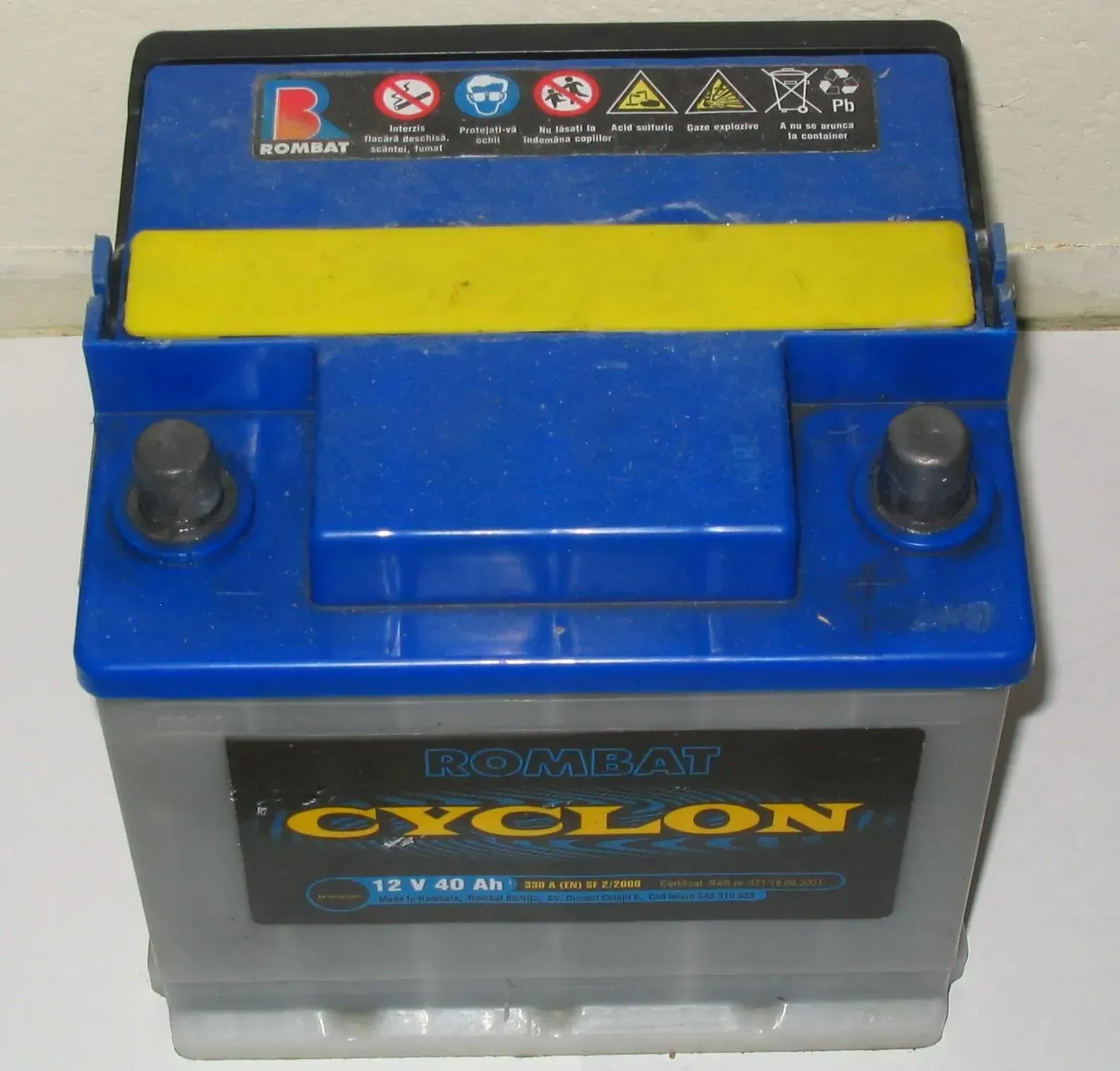
Here’s the thing – old car batteries are one of the most commonly mishandled waste items in residential areas. Lead-acid car batteries contain highly toxic heavy metals and acids, and burying them is forbidden in many jurisdictions. The problem is that lead and sulfuric acid don’t stay neatly contained underground. They migrate.
When trash is buried, it can leach chemicals and toxins into the surrounding soil and groundwater, posing a risk to human health and the environment. This can be especially problematic for hazardous waste, such as batteries or electronics, which can contain heavy metals like lead or mercury. Think of it like burying a slow-motion poison capsule in your own backyard – it just doesn’t make sense.
Hazardous waste, including batteries, electronics, and chemicals, is typically banned from backyard burial due to its potent potential for contaminating soil and groundwater. The EPA specifically addresses electronic and battery disposal under its universal waste management rules, yet neighborhood violations remain rampant. Many communities offer free drop-off days for exactly this kind of waste – the better option is always worth the trip.
5. Large Dead Animals and Livestock
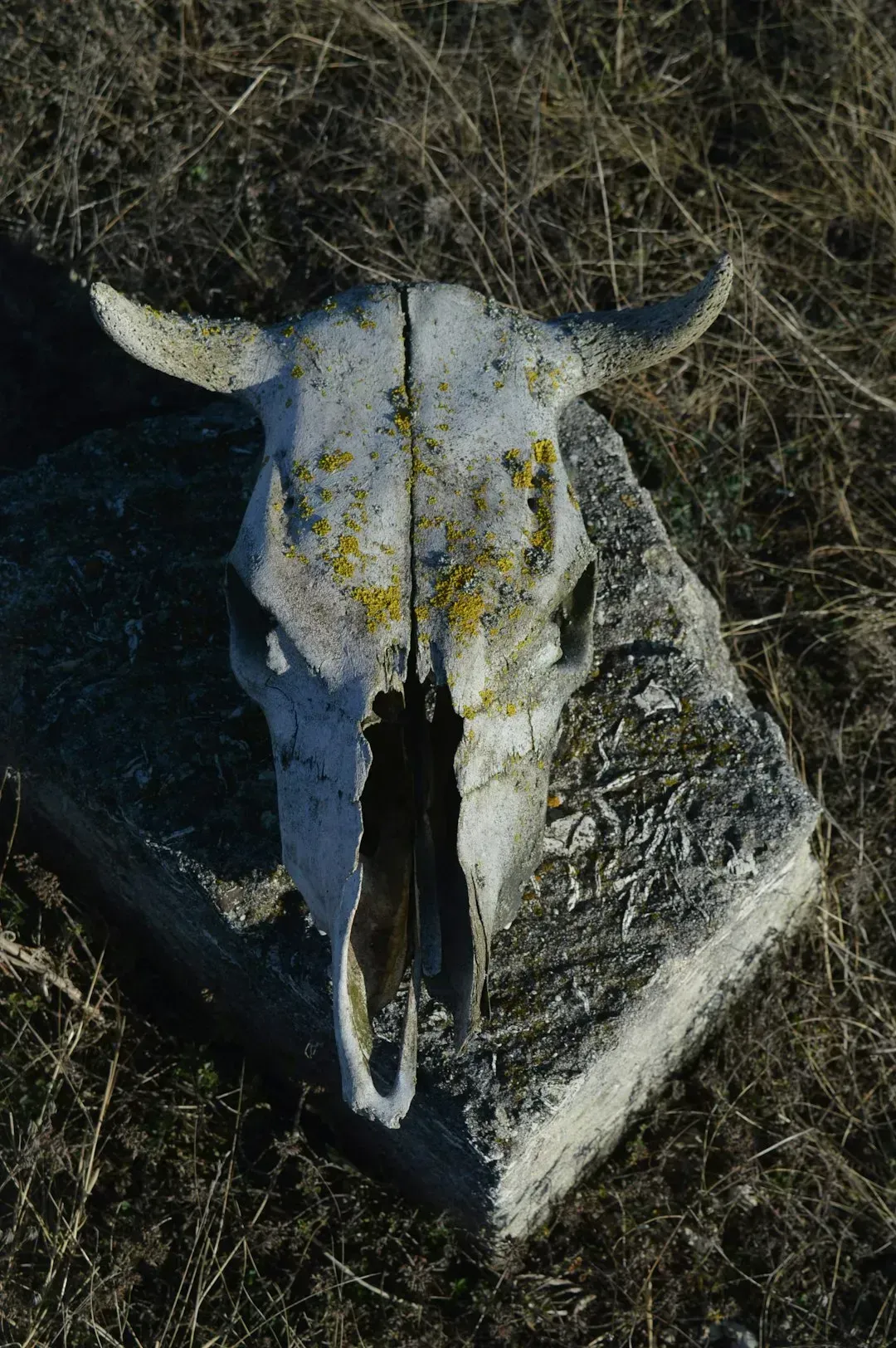
Farmers and rural homeowners often face the grim reality of dealing with large animal carcasses – a dead horse, a cow, or a large pig. Burial seems like the obvious answer, but it is legally restricted in many states. While some locations allow limited backyard burials, burying large dead animals such as livestock without following proper environmental or regulatory guidance is illegal in many states. Carcasses can attract scavengers, contaminate soil or water, and violate animal disposal regulations.
Missouri’s Department of Natural Resources says pet remains are “solid waste.” You must bury them 50 feet from property lines and 300 feet from water. Now imagine the scale of those restrictions applied to something far larger than a house cat. The environmental math gets much more serious very quickly.
Decomposing remains can contaminate groundwater, especially in areas with high water tables or loose soil. Some local governments also worry about the spread of diseases, as certain pathogens can persist in buried remains and pose risks to other animals or even humans. Scavengers, such as coyotes or raccoons, may dig up remains, creating both a safety and sanitation issue. In most cases, rendering services, composting facilities, or state agricultural agencies offer legal and safer alternatives.
6. Construction Debris and Treated Wood
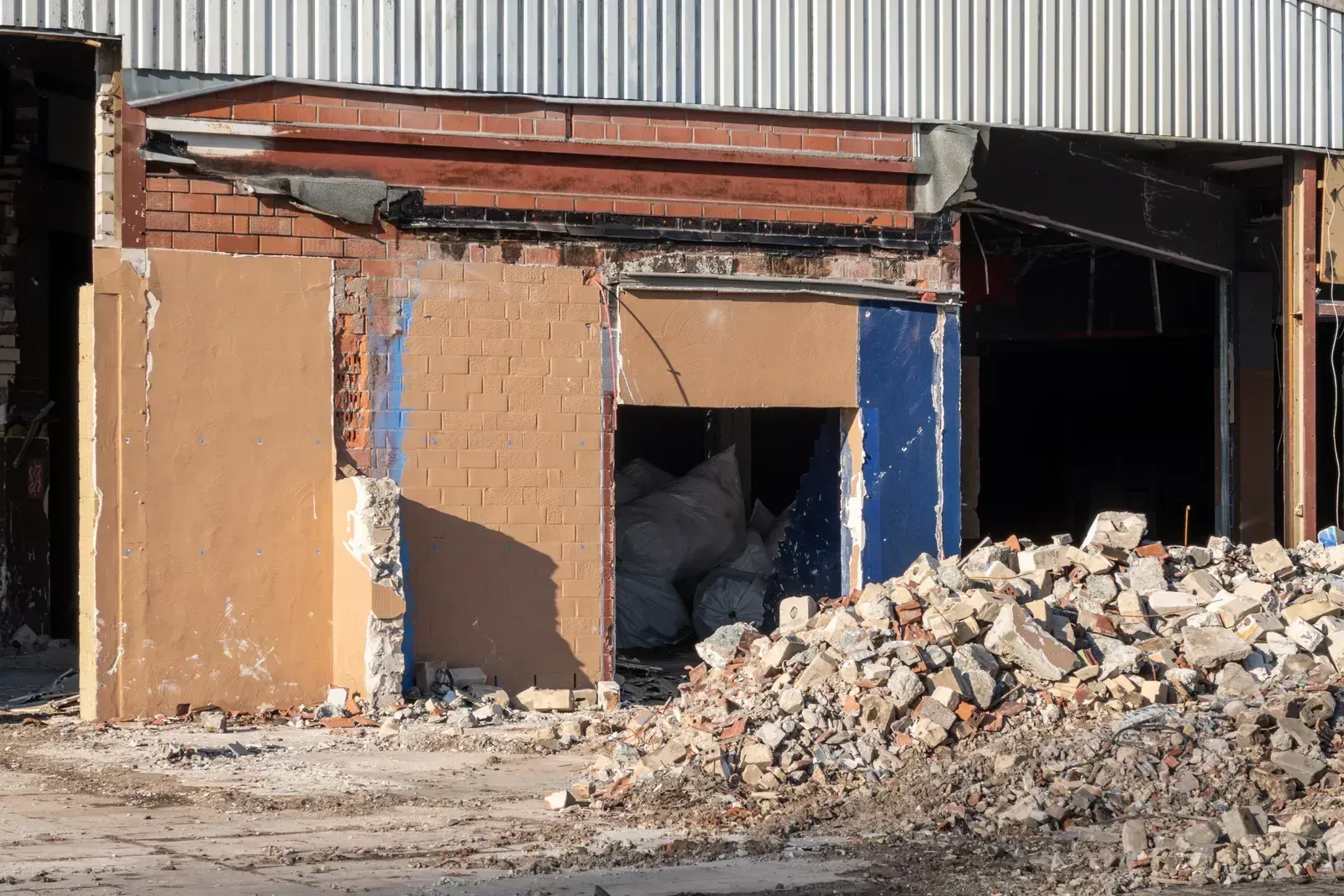
After a renovation project, homeowners are sometimes tempted to bury broken boards, concrete chunks, or offcuts from treated lumber rather than haul everything to a dump. It sounds harmless. It really isn’t. Construction waste such as treated wood, painted boards, or concrete often contains heavy metals or chemical treatments. These materials do not decompose and can leach toxins into the soil if buried. Local environmental and waste regulations may strictly prohibit burial of such debris on private property.
The laws regarding burying trash in your yard vary by location, but most states and local governments have regulations prohibiting the practice. These regulations are in place to protect the environment, public health, and property values. Pressure-treated lumber in particular contains compounds that were historically loaded with arsenic and chromium. Even newer formulations are not something you want seeping into your vegetable garden.
In the United States, the Environmental Protection Agency sets guidelines for waste disposal, and individual states and local governments are responsible for enforcing these guidelines. Some areas may have specific ordinances or zoning laws that prohibit burying trash, while others may require special permits or licenses for certain types of waste disposal. It’s worth a single phone call to your local waste management office before you reach for a shovel.
7. Human Cremated Remains Without Following Regulations

Many people assume that cremated ashes – far smaller in volume and seemingly inert – can be quietly buried anywhere on private property without legal concern. That assumption is often wrong. The rules around scattering and burying ashes are more specific than most families realize, and they vary considerably from state to state.
The federal Clean Water Act requires that cremated remains be scattered at least three nautical miles from land. If the container won’t easily decompose, you must dispose of it separately. The EPA doesn’t permit scattering at beaches or in wading pools by the sea. Finally, you must notify the EPA within 30 days of scattering ashes at sea. For inland burial or scattering, the Clean Water Act also governs scattering in inland waters such as rivers or lakes, and you may be legally required to obtain a permit from the state agency that manages the waterway.
California’s laws are the strictest in the nation. If kept at home, you must sign a permit and agree not to remove the remains from their container. You may scatter at a religious structure, cemetery scattering garden, or any area that has no local prohibition, with written permission from the property owner or governing agency – and the ashes must not be visible to the public. That is an extraordinary amount of regulation for something most people treat as a private, personal act.
8. Pets in Cities Where Backyard Burial Is Outright Banned
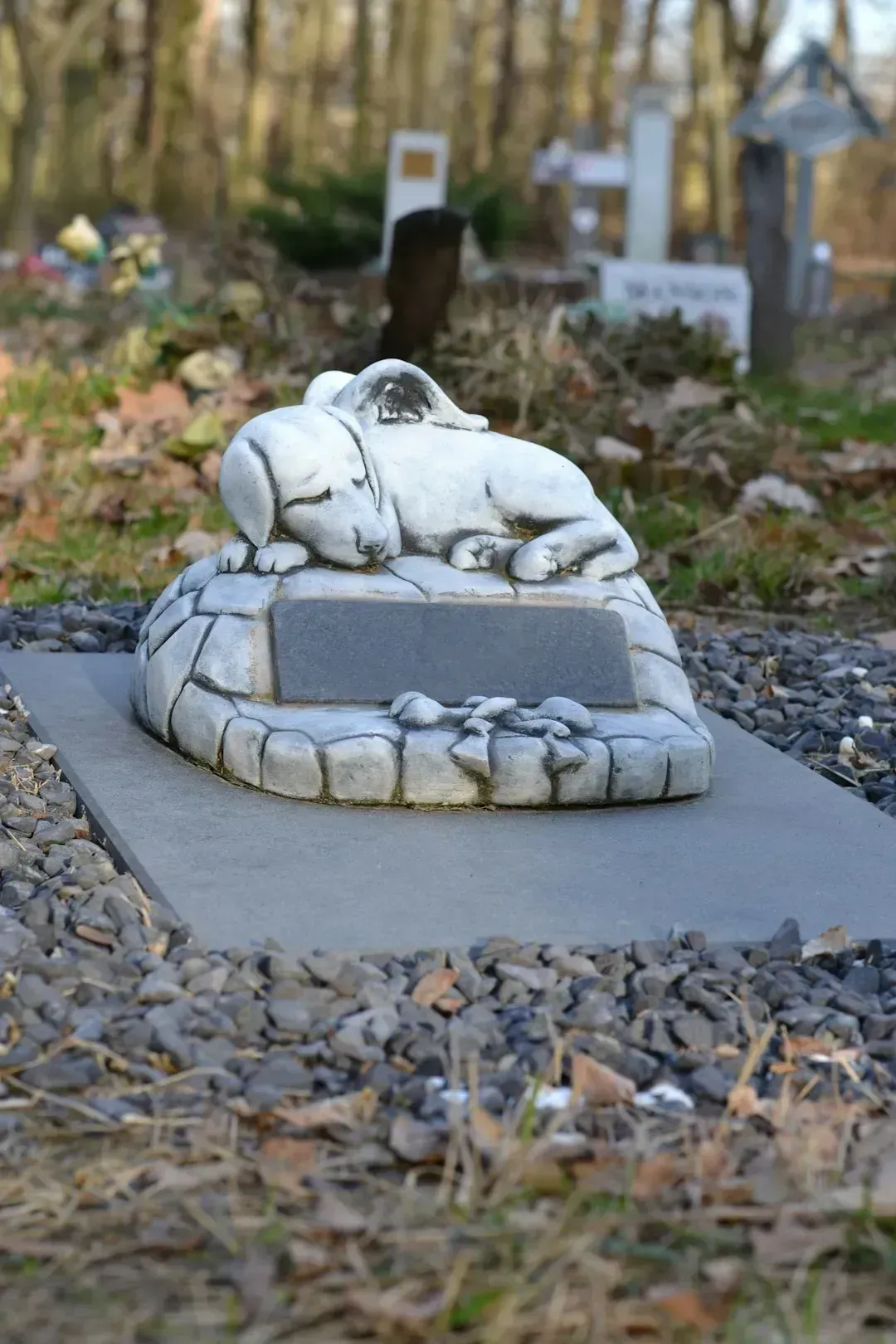
Even in states where pet burial on private property is generally allowed, specific cities can ban the practice entirely. This catches people off guard constantly, especially those who have always done it without a second thought. Columbus, Ohio, for example, prohibits backyard pet burials, requiring deceased pets to be cremated or disposed of through an approved facility.
Los Angeles, California prohibits backyard pet burials entirely, requiring that animals be buried only in established cemeteries. Miami-Dade County, Florida also bans the burial of pets in residential areas. These aren’t obscure rural townships – these are major population centers where millions of pet owners are potentially unaware of the rules they’re routinely breaking.
The result is that you can live one block over a city line and face entirely different legal expectations, even if your yard looks identical. If you live in a community with a homeowners’ association, rules can be even stricter than city or county law. Some associations ban burial outright, limit it to small animals, or restrict any visible memorial markers. It really does pay to make a quick check before picking up a spade in grief.
9. Backyard Burials That Violate Depth and Setback Laws
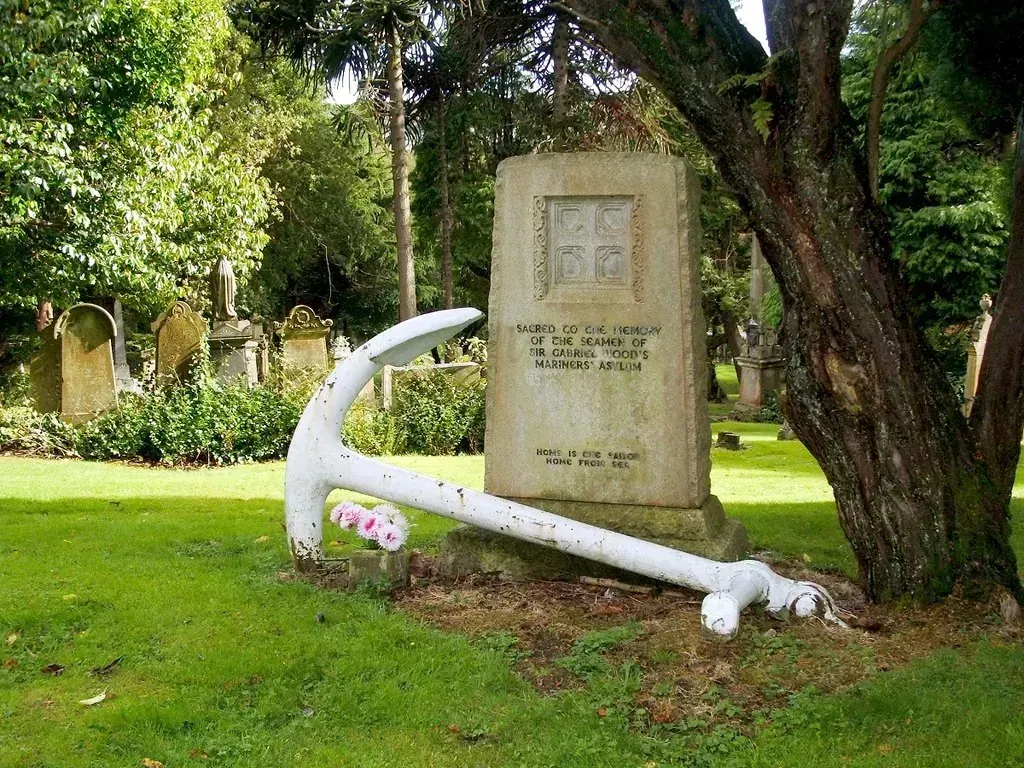
Even in places where burying something is technically permitted, the how matters just as much as the what. Depth requirements and setback rules from water sources are legally enforceable, and violating them can result in fines or an order to exhume remains. New Mexico requires bodies to be buried six feet deep, while New Jersey requires a minimum of four.
In North Carolina, for example, pets must be buried at least three feet deep and within 24 hours unless refrigerated. In Pennsylvania, burial must be at least 100 feet from wells or water sources. These aren’t arbitrary numbers – they exist because shallow graves and proximity to water sources create very real contamination risks that affect entire neighborhoods, not just one property.
Washington state law says to cover pets with at least three feet of soil and keep graves one hundred feet from water. State law and local zoning rules might direct you to keep certain setbacks from roads, water, or structures, ruling out many properties from creating private burial sites at all. Your county and township could have a number of limits pertaining to stormwater runoff or other factors. Get it wrong, and you may face not just a fine, but an order to dig everything back up.
10. Any Buried Item That Threatens Groundwater
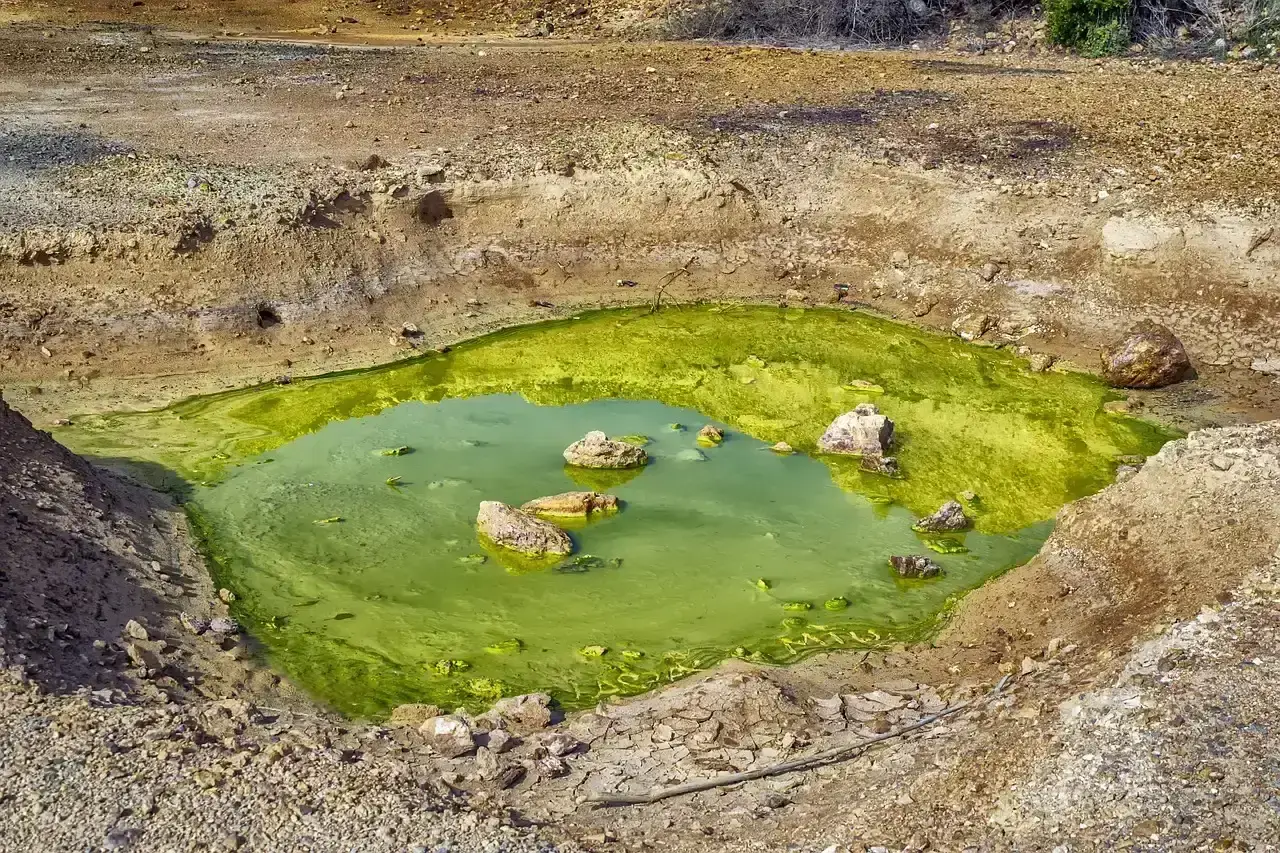
The most universal, catch-all reason that burial laws exist is groundwater protection – and it applies to everything from a bag of old fertilizer to a plastic container of motor oil. Burying non-biodegradable or hazardous waste can lead to the leaching of toxic substances into the soil and eventually into groundwater sources. This contamination can have dire effects on plant life, wildlife, and human health, as toxins can enter the food chain and water supply.
Burying organic or chemical waste in your yard can introduce bacteria and other contaminants into the soil. When material decomposes, it can release bacteria and other substances into the soil that could potentially harm plants and wildlife. This can be especially problematic if you have a garden or other vegetation in your yard. It’s a lot like slowly poisoning a well – the effects don’t show up immediately, but they compound over time in ways that are very hard to undo.
Environmental impacts like flooding, high water tables, or poor soil conditions can also spread contamination further. Burying something in your yard without adhering to regulations is illegal and can lead to fines, exhumation orders, and legal disputes. The bottom line is simple: what goes into the ground on your property doesn’t necessarily stay there – it travels, and eventually, it becomes everyone’s problem.