Travel Advisors Warn: Safety Concerns Are Steering Tourists Away From These 8 Former Hotspots
Not so long ago, these destinations were on every traveler’s bucket list. They were the places people saved up for, dreamed about, and posted endlessly on social media. Today, the picture looks very different. Travel advisors around the world are watching the shift in real time, and the numbers are speaking loudly.
A report released by Europe-based risk analysis companies Safeture and Riskline concluded that the “security situation has deteriorated in 77 countries” around the globe. That is not a small tremor. That is a seismic shift in how safe the world feels to be in as a tourist. From cartels in Latin America to political extremism in Asia, the reasons are as varied as the destinations themselves. Get ready, because some of these will genuinely surprise you.
1. Mexico – Paradise With a Shadow
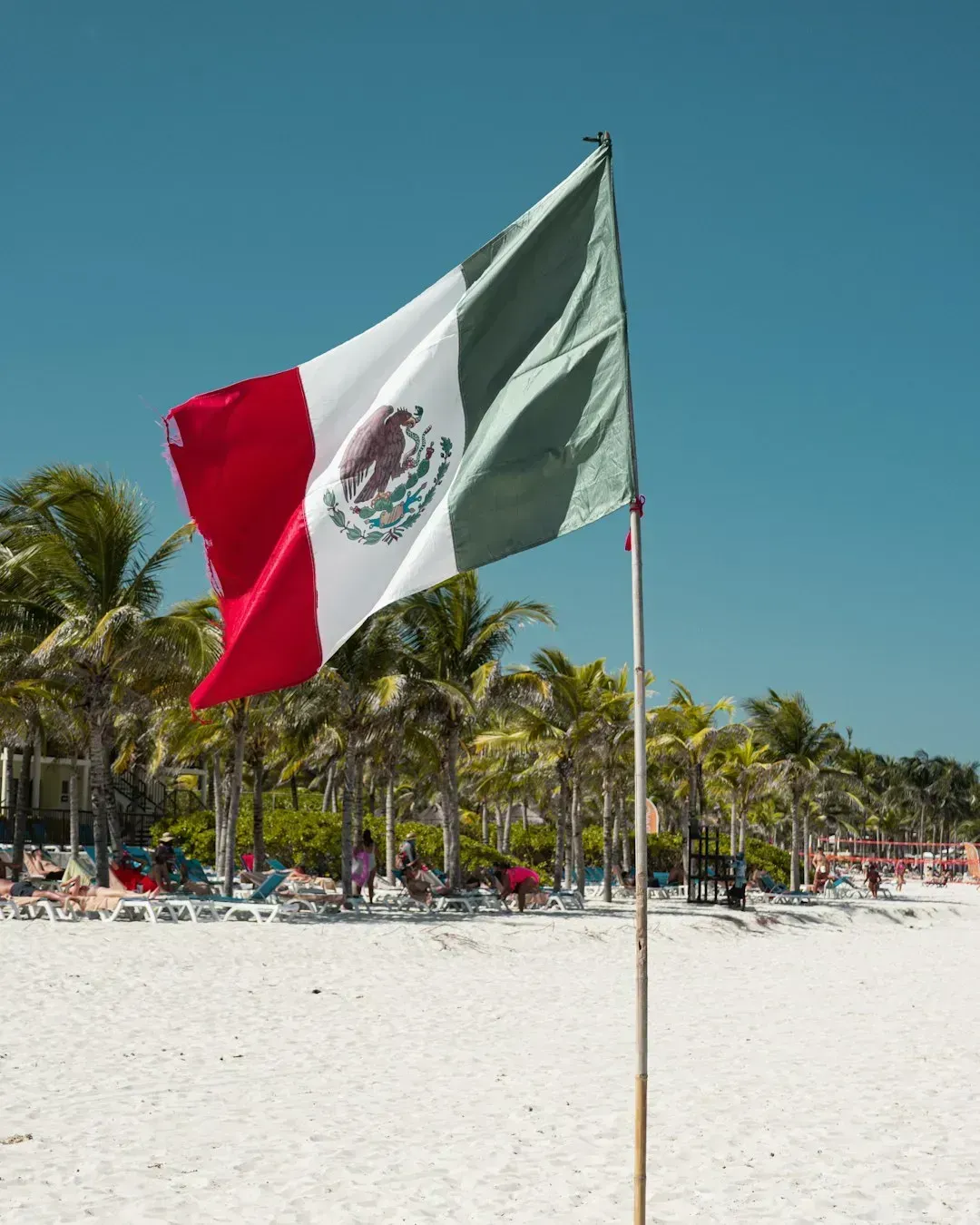
Mexico has long been the top international destination for Americans. The beaches of Cancun, the colonial streets of Mexico City, the magic of Tulum. Honestly, it is hard not to love the place. The trouble is that behind the margaritas and the marigolds, a more complicated story has been developing.
On August 12, 2025, the U.S. released a new travel advisory for Mexico, urging U.S. citizens to “Exercise Increased Caution” (Level 2) when visiting due to terrorism, crime, and kidnapping. That is the broad national picture. At the state level, things get darker.
Six states – Colima, Guerrero (where Acapulco is), Michoacan, Sinaloa, Tamaulipas, and Zacatecas – have been given a flat “do not travel” warning by the State Department because of the risks of crime and kidnapping. These are not obscure border regions. Guerrero, for example, was once home to the thriving resort town of Acapulco. As of early 2026, the travel advisories remain in place, and only the Mexican states of Campeche and Yucatan remain on the Level 1 U.S. travel advisory.
2. Jamaica – Beauty Behind a Level 3 Warning
Jamaica sits in a complicated space in the travel world. It is still one of the most recognizable Caribbean destinations on the planet, synonymous with reggae, rum, and jaw-dropping coastline. Yet the safety picture has grown seriously concerning.
The U.S. State Department warns that violent crime remains “statistically high” in Jamaica despite a decline since 2024, with armed robberies and sexual assaults common, and the homicide rate among the highest in the Western Hemisphere. That is a stunning qualifier for a country that markets itself so aggressively as a leisure paradise.
The U.S. State Department issued a Level 3 travel advisory for Jamaica in the wake of Hurricane Melissa, advising Americans to reconsider travel to the Caribbean island country due to crime, health, and natural disaster risks. Health and safety conditions add another layer of concern, with basic and specialized medical care potentially unavailable in some areas. It is a lot to weigh before booking that all-inclusive resort stay.
3. Thailand – The Land of Smiles Under Pressure

Thailand has been one of Southeast Asia’s most beloved destinations for decades. Bangkok, Chiang Mai, the islands of Koh Samui and Phuket – the country practically defined the modern backpacker experience. So when the numbers started dipping, people paid attention.
Thailand’s tourism industry faced a significant decline in 2025, with international tourist arrivals dropping by 7.2% from 35 million in 2024 to 32.9 million in 2025. That is the first decline in visitor numbers outside of the pandemic years. This marks the first decline in visitor numbers outside of the pandemic years, primarily due to security incidents, flooding, and regional uncertainty.
An ongoing border conflict between Thailand and Cambodia has made travel more challenging, and in a July 2025 update, the State Department advised Americans to exercise increased caution in Thailand due to the risk of unrest, recommending avoiding areas along the Cambodian and Thai border due to armed conflict. Travelers are also advised to avoid travel to the southern provinces of Songkhla, Yala, Pattani, and Narathiwat, due to high crime rates associated with narco-traffic routes, the prevalence of malaria, and terrorism.
4. Venezuela – From Destination to Warning Zone
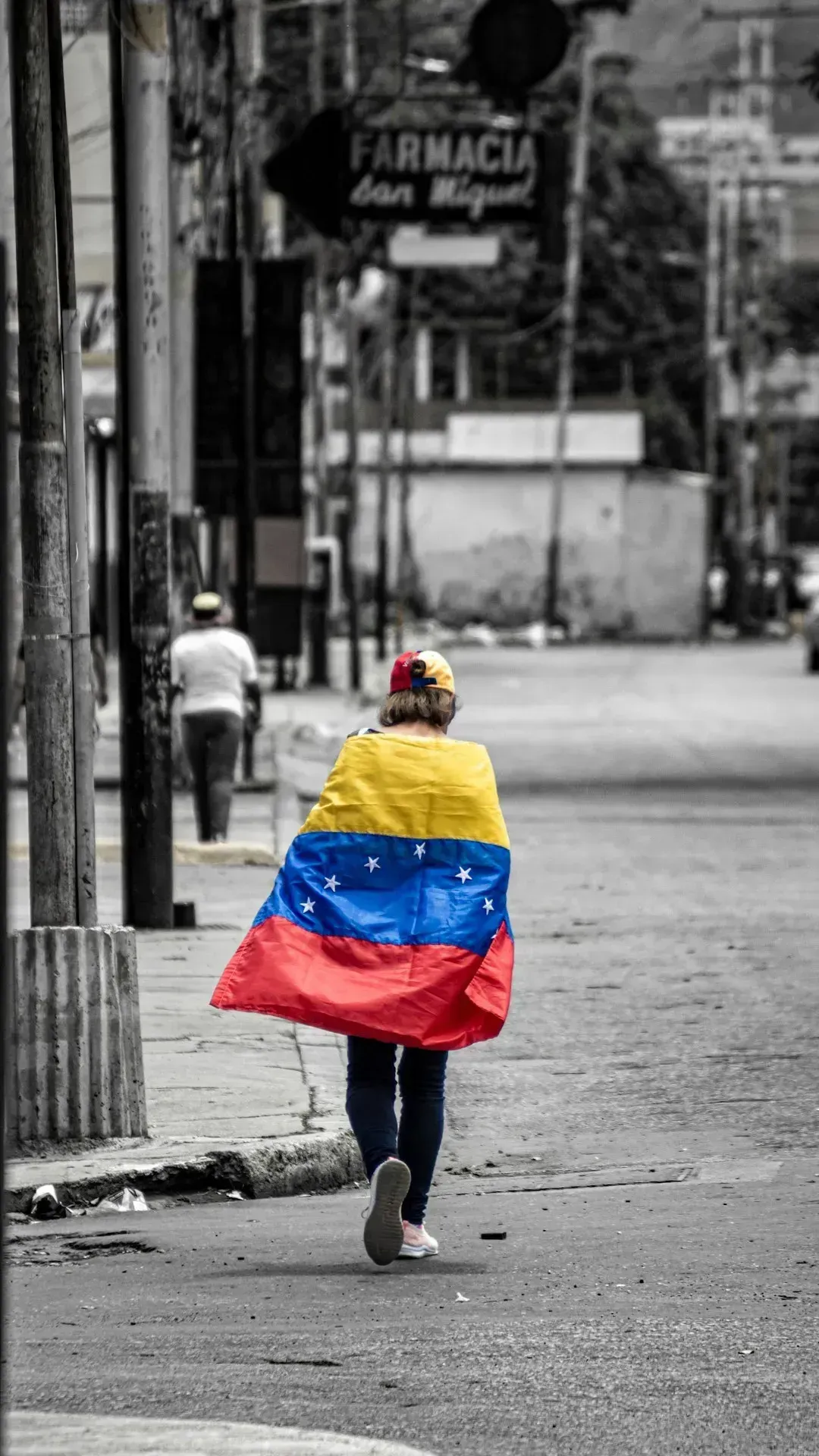
Venezuela is a story that should make every traveler pause and reflect. It was not always like this. The country boasted spectacular natural wonders including Angel Falls and Caribbean coastline, plus a rich, vibrant culture. Let’s be real though. The situation has deteriorated so severely that the tourism conversation has essentially ended.
Venezuela was rated the world’s most dangerous country by data platform Numbeo, with a dismal safety score of 19.3, and the U.S. State Department has issued a Level 4 “Do Not Travel” advisory citing risks including homicide, armed robbery, kidnapping, and civil unrest. These are not minor concerns.
The State Department reissued the advisory for Venezuela to “emphasize the extreme danger to U.S. citizens living in or traveling to” the country, with the Level 4 advisory citing a “high risk of wrongful detention, torture in detention, terrorism, kidnapping, arbitrary enforcement of local laws, crime, civil unrest, and poor health infrastructure.” For international travelers and the global tourism sector, the message is unequivocal: Venezuela is no longer considered accessible, safe, or supported by global travel norms.
5. Myanmar – A Former Gem Now Off-Limits
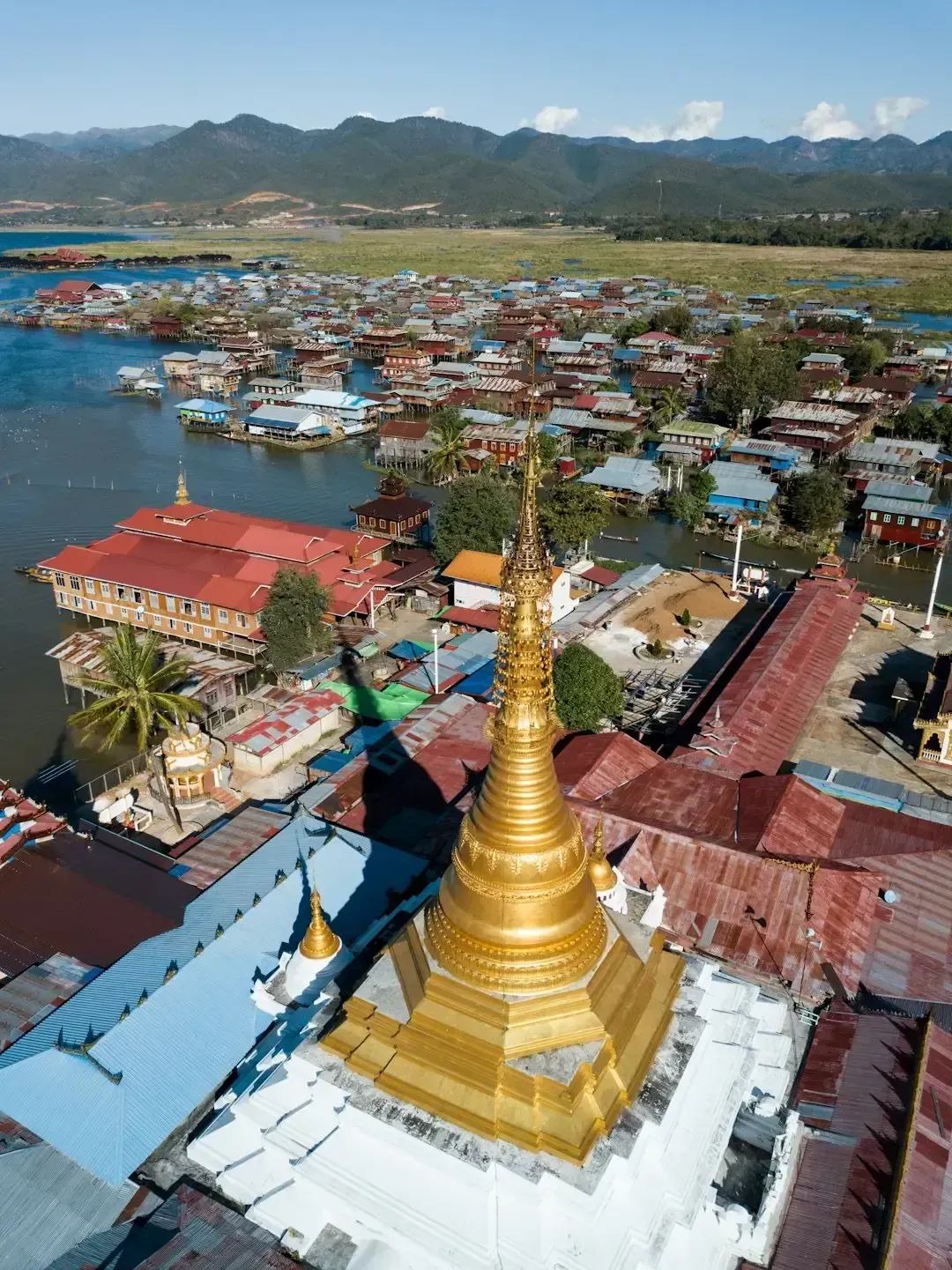
Myanmar was one of the most exciting travel discoveries of the 2010s. Bagan’s ancient temples at sunrise. The floating gardens of Inle Lake. The warmth and openness of the Burmese people. For a while, it felt like one of those rare places that still had a sense of authentic wonder. That window has firmly closed.
Myanmar is one notable exception in Southeast Asia, where most countries are considered safe and welcoming. The government has faced ongoing challenges, and potential wrongful detentions, civil unrest, and limited healthcare resources are among the primary reasons why the U.S. State Department advises against travel to Myanmar.
The State Department released a warning for Myanmar as a Level 4, stating: “Do not travel to Burma due to armed conflict, the potential for civil unrest, arbitrary enforcement of local laws, poor health infrastructure, land mines and unexploded ordnance, crime, and wrongful detentions.” Myanmar, which had been largely open to U.S. travelers in 2024, has seen its travel status change significantly, with Myanmar nationals now subject to tightened restrictions in 2026 following concerns over ongoing political instability and human rights issues.
6. South Africa – Breathtaking Landscapes, Alarming Crime Statistics
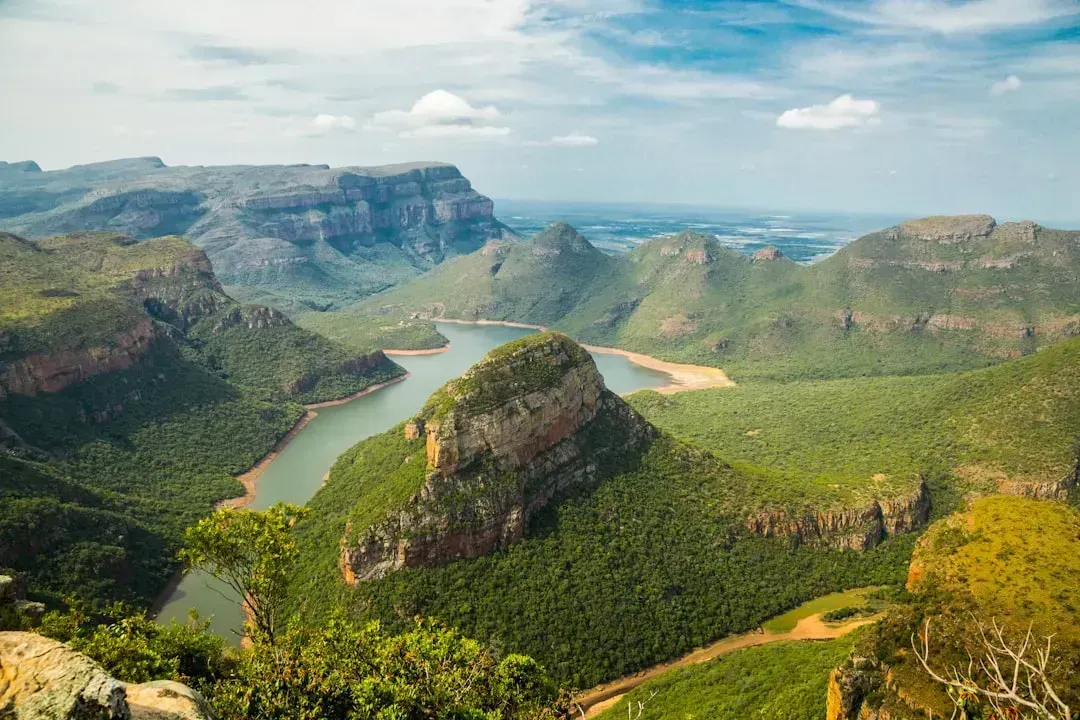
South Africa is genuinely one of the most spectacular countries on Earth. Safari in Kruger. Winelands outside Cape Town. The famous Garden Route. It pulls at you. I think it is one of those destinations that will always spark wanderlust, which is exactly why the safety data is so sobering.
At the top of multiple danger rankings sits South Africa, with the highest danger score by a wide margin, including an alarming sexual assault rate of 88.5 per 100,000 and the highest crime index at 75.4. Those are not numbers to gloss over.
Traffic-related deaths are also a major concern at 24.5 per 100,000 people, and healthcare quality scores low at just 33.2. South Africa’s natural beauty and vibrant cities still draw millions of tourists every year, but those who go should exercise a high degree of caution. The U.S. travel advisory for South Africa was updated to note that routes recommended by GPS may be unsafe, with a higher risk for crime.
7. The Maldives – Paradise Gets Complicated
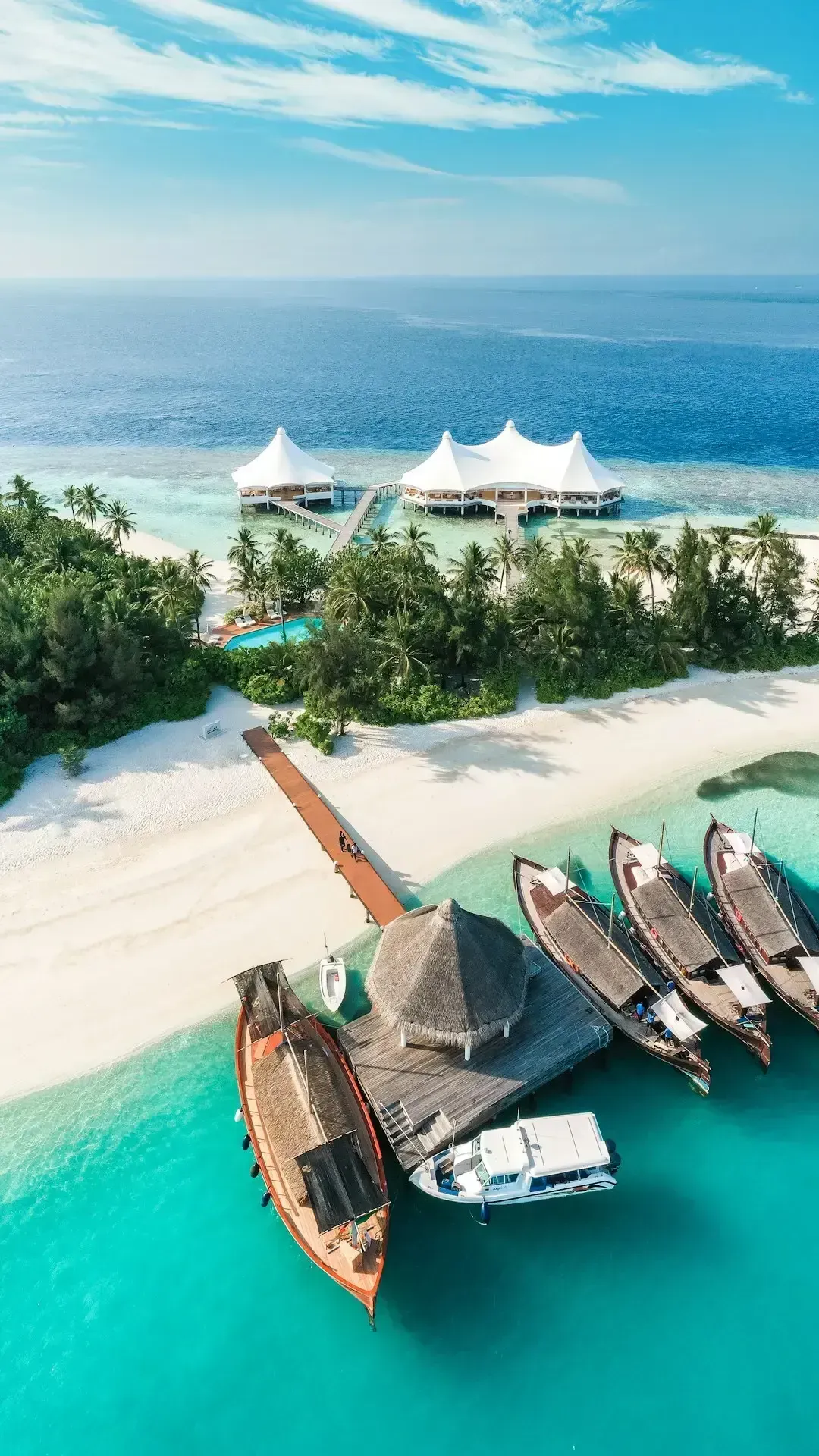
The Maldives. Just saying the name conjures images of overwater bungalows, turquoise lagoons, and flawless white sand. For a long time it felt completely removed from the world’s anxieties – a luxury bubble floating in the Indian Ocean. That image is now being quietly revised.
The Maldives has moved into the “medium risk” category, with the Indian Ocean archipelago known for luxe beach resorts seeing an uptick in political instability, religious extremism, and adverse consequences of climate change. It is a surprising designation for a place so long associated with escape and serenity.
The Maldives’ coral reefs, essential for beach formation, coastal protection, and tourism, are under unprecedented threat, as nearly all coral cover could disappear if global temperatures rise above 2°C. Political instability is shaping travel decisions globally, with many travelers opting to avoid countries experiencing heightened political tension, particularly those where protests, strikes, or government crackdowns could disrupt travel plans. The Maldives now sits uncomfortably in that conversation.
8. Haiti – A Tourist Destination in Name Only
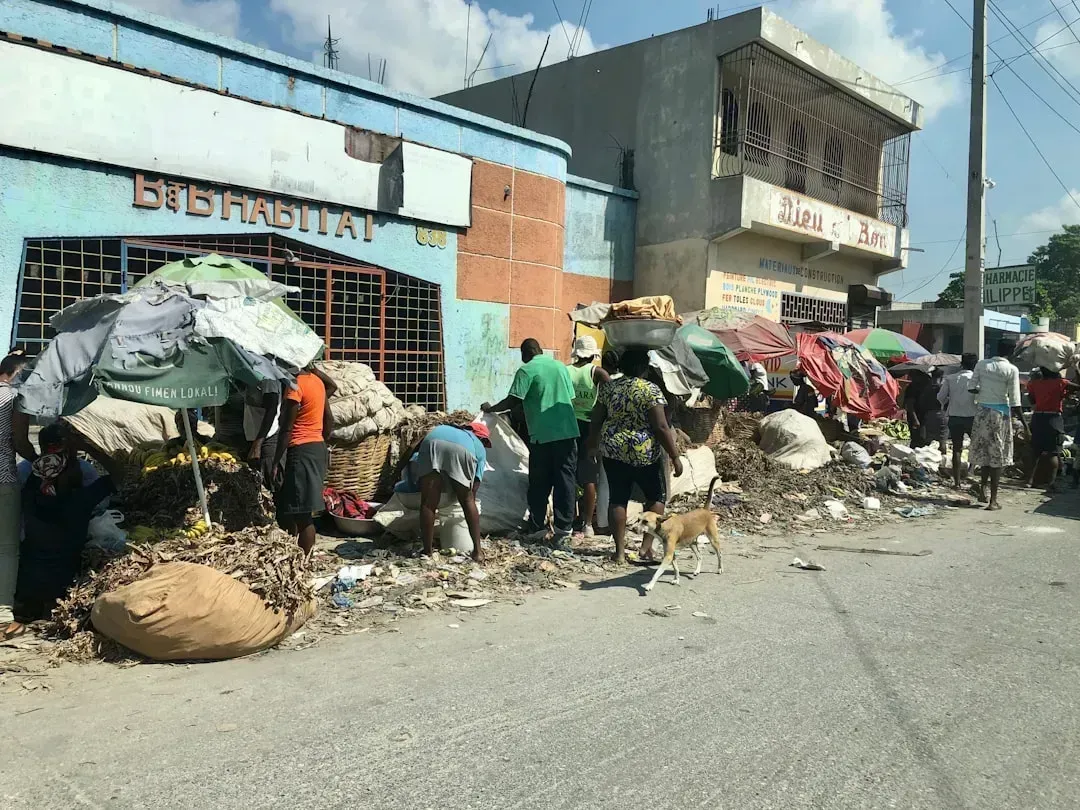
It is hard to say for sure whether Haiti will recover its status as a travel destination within this generation. That is a painful thing to write, because the country has extraordinary cultural depth, a truly unique history, and coastlines that once attracted visitors from around the world. The present reality, however, is extraordinarily grim.
Haiti carries a Level 4 “Do Not Travel” advisory, with the State Department warning against all travel because of widespread kidnapping, violent crime, terrorist activity, civil unrest, and extremely limited healthcare. The country has been under a state of emergency since March 2024, with crimes involving firearms – including robbery, carjackings, sexual assault, and kidnappings – being common.
Kidnappers target convoys and may demand ransoms, with U.S. victims’ families having paid tens to hundreds of thousands of dollars to rescue relatives. Protests, roadblocks, and mob killings are common and unpredictable, and gunfire exchanges occur near Toussaint Louverture International Airport, with travelers violently attacked even while leaving airports or hotels. With death-related travel incidents rising roughly sixty percent from 2023 to 2024, having a solid safety plan before any international trip has never been more important.