The Inspector’s Silence: 11 Home Issues Inspectors Aren’t Allowed to Talk About
You’re about to close on what seems like the perfect house. The home inspector just finished their walkthrough and handed you a detailed report. Satisfied with the findings, you move forward. Months later, expensive problems start surfacing. Problems the inspector never mentioned. Were they negligent, or is something else going on?
Honestly, most buyers don’t realize that home inspectors work within strict limitations. There are critical issues they’re legally prohibited from discussing or cannot properly evaluate during a standard inspection. These silent zones can leave you exposed to thousands of dollars in surprise repairs.
Environmental Hazards Require Specialized Testing

Hazards such as radon, asbestos, lead paint, and mold are not typically part of a standard inspection and pose serious health concerns that should be evaluated separately, especially in older properties. Your inspector might notice visible signs of mold or suspect asbestos in old insulation, but they can’t officially confirm it. Due to licensing and insurance limitations, home inspectors may not be able to refer to it as mold directly unless it is tested. The presence of diseases harmful to humans or potentially hazardous plants or animals, including wood-destroying organisms and mold, and environmental hazards, including toxins, carcinogens, noise, asbestos, lead-based paint, mold, radon, and contaminants in soil, water, and air are typically excluded. Testing for these invisible threats requires specialized equipment and certification that standard home inspectors simply don’t possess.
Code Compliance Isn’t Their Territory

Building codes are enforced by local authorities, not home inspectors, and the inspector may be able to cite local codes as a reference during a report, but they have no legal authority to enforce those codes. This limitation catches many buyers off guard. Even if your inspector spots something that looks questionable, they cannot definitively say whether it violates current building codes. These codes change constantly, and there’s no way for the inspector to know whether or not any parts of your home were built according to local building codes at the time of construction. What was perfectly acceptable during construction might not meet today’s standards, but that doesn’t necessarily mean it must be fixed before the sale. The gray area here is enormous.
Property Valuation and Worth

Many people confuse the inspection with the appraisal process and expect inspectors to share if they think the house is worth the asking price. Your home inspector can tell you the roof needs replacing or the foundation shows cracking, but they cannot tell you if the house is worth what you’re paying. The market value of the property and its marketability fall outside their professional scope. Trained real estate appraisers will determine the value of the home in its current state. It’s a frustrating boundary when you’re desperate for guidance on whether to proceed with a purchase, but inspectors who cross this line risk violating their professional standards.
Future Problems and System Lifespan
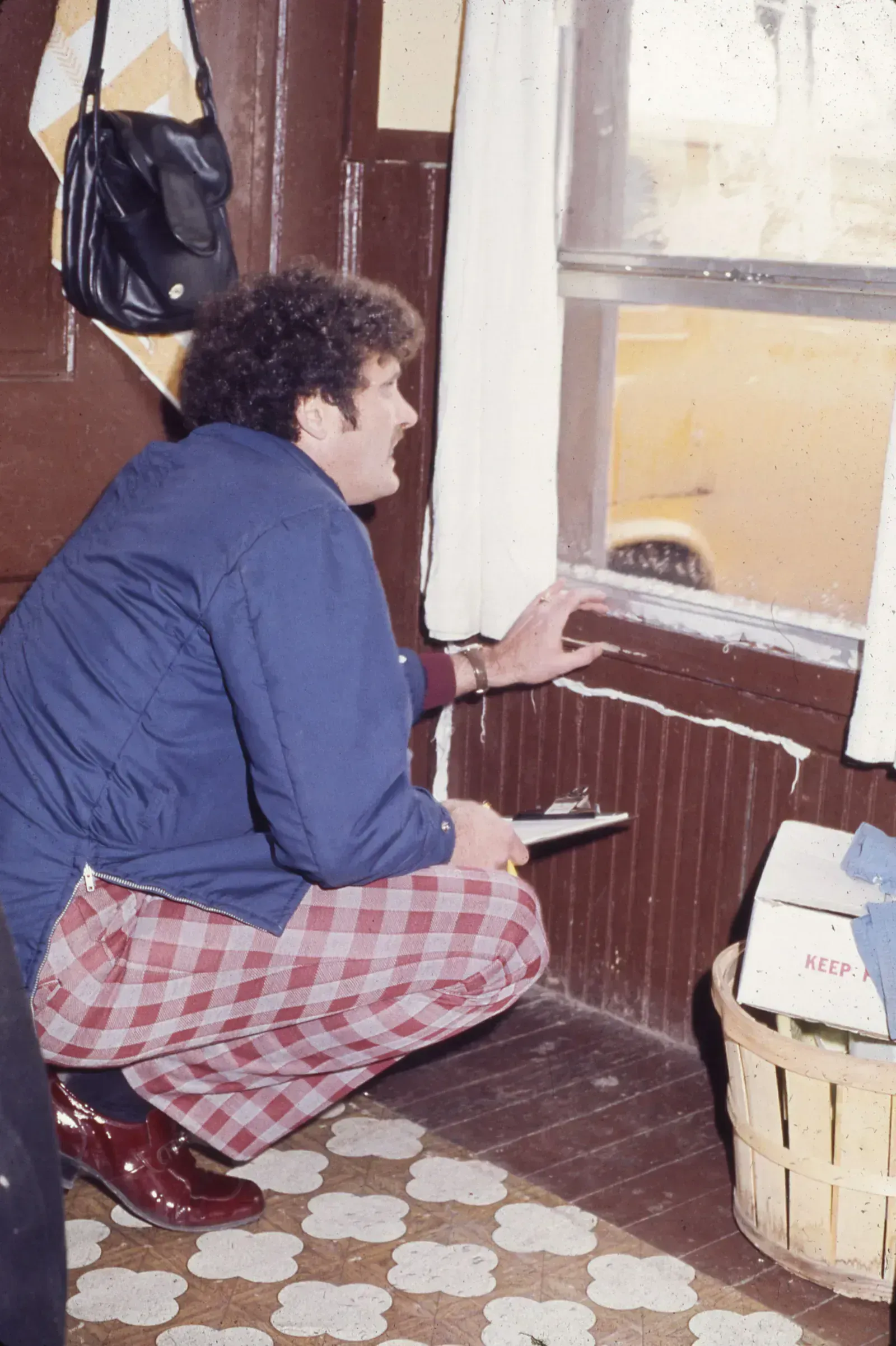
A home inspector can note damage or wear and tear based on a visual inspection, but they are not allowed to estimate when any major ticket repair items will be needed, such as a roof that is beginning to show age. The remaining life expectancy of systems and components, the strength, adequacy, effectiveness, and efficiency of systems and components, and future conditions including but not limited to failure of systems and components are explicitly excluded from inspection reports. A home inspection tells you the condition of the component at the time of the home inspection, and the inspector is not required to determine life expectancy of any system or component. This snapshot-in-time limitation means you’re on your own for predicting when that aging furnace might give up the ghost or whether the water heater will last another year.
Repair Costs and Solutions

Methods, materials, and costs of corrections remain firmly off-limits for inspectors. When your report flags a dozen issues, the natural question is how much will all this cost to fix? Don’t expect an answer from your inspector. Methods, materials, and costs of corrections are explicitly excluded from standard inspection requirements. The inspector’s job ends at identifying the problem. Solving it, pricing it, and planning repairs require bringing in licensed contractors. This separation exists to prevent conflicts of interest, but it leaves buyers scrambling for budget estimates right when time is critical.
Hidden and Inaccessible Areas

A licensee is not required to determine or offer an opinion about the condition of a system or part of system installed in a property that is not readily accessible. The inspector is not required to move any personal items or other obstructions, such as, but not limited to: throw rugs, carpeting, wall coverings, furniture, ceiling tiles, window coverings, equipment, plants, ice, debris, snow, water, dirt, pets, or anything else that might restrict the visual inspection. Got a finished basement with drywall covering the foundation? They may not be able to say whether the home’s foundation is cracked behind the wood paneling. Stored boxes blocking the electrical panel? The inspector won’t move them. Furniture and other large items may cover parts of the walls, floors, or windows, and home inspectors aren’t responsible for moving these items, which means they can’t report on what’s hidden underneath.
Pest Infestations Beyond Visual Evidence

An inspector is under no obligation to mention the presence of any rodents, insects, or pests or their calling cards that the inspector may notice during the inspection, and the inspector who emerges from the attic to advise the roof boards are in good shape may not say anything about the mouse or bat droppings observed while crawling through the attic. Let that sink in for a moment. Home inspectors are able to detect signs of pests such as wood-destroying organisms but they are not experts in dealing with pests, and to remove any pesky pests, you’ll need to call an exterminator. While Wisconsin law in 2024 specifies certain restrictions, inspectors were also restricted from inspecting for pests or hazardous substances. Termites silently devouring your future investment? That requires a separate pest inspection.
Performing Repairs They Identify

If a home inspector identifies a defect during the inspection, they are prohibited from offering to repair it themselves, a rule that ensures the inspector’s objectivity is never compromised. Inspectors should not offer repair services for issues they identify, to avoid conflicts of interest, and the American Society of Home Inspectors prohibits its members from doing so. The logic makes sense when you think about it. An unethical home inspector could tell a property owner that a roof needs repairing and then offer their services when the roof is in perfectly good condition. An inspector cannot for one year after completion of the inspection repair, replace, or upgrade for compensation components or systems on any building inspected. This creates a clear ethical boundary but also means you’re starting from scratch finding qualified contractors after receiving bad news.
Specialized Systems and Features
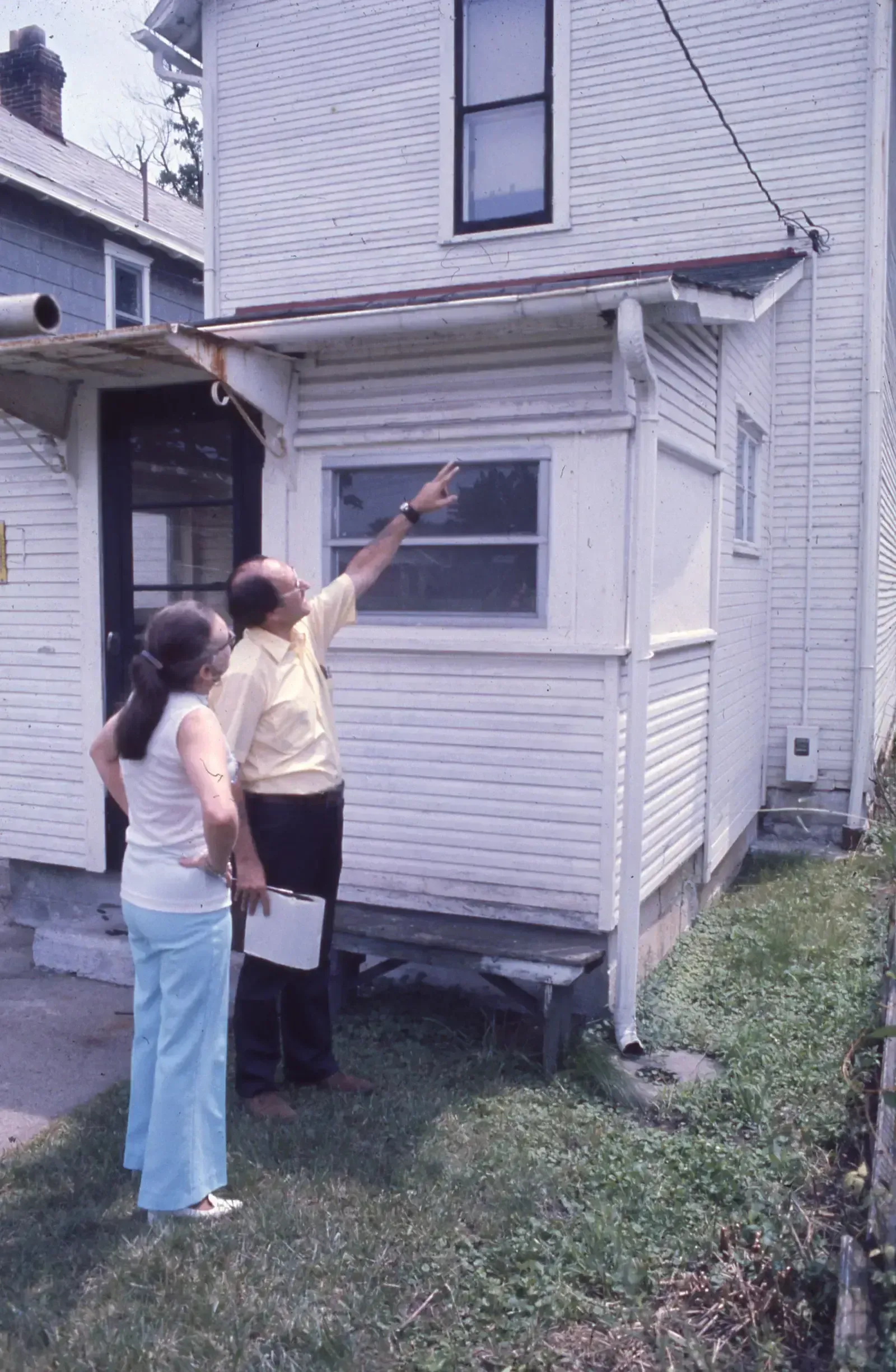
Some homes have items such as solar panels, built-in grills, pools, hot tubs, saunas, and sometimes the occasional elevator, and home inspectors may comment on these items, but commonly refer them to a specialist. Standard inspection training covers typical residential systems, not specialized installations. You may need to add ancillary services or hire additional specialists to inspect items such as pools, check for radon or asbestos, or remove critters from the attic. Got a geothermal heating system or an elaborate smart home setup? Expect referrals to specialists. These extra inspections add up quickly in cost and time, but skipping them can mean inheriting expensive problems you never saw coming.
Systems Behind Walls and Underground
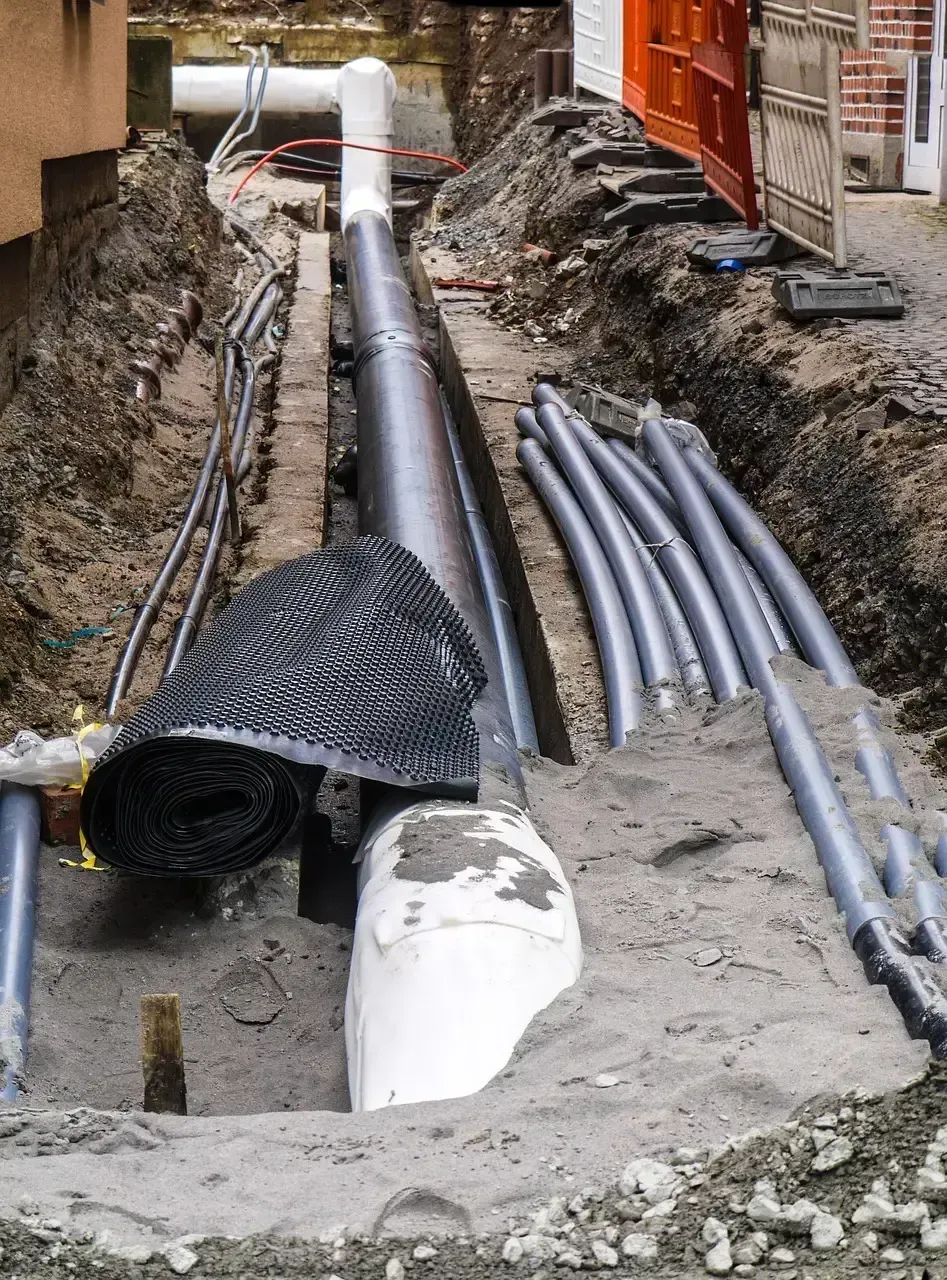
Since home inspections are non-invasive, inspectors do not cut into walls or floors to check for hidden problems, meaning potential wiring, plumbing, or insulation issues could remain undiscovered. A licensee is not required to inspect any items underground on the property, including but not limited to, storage tanks, septic systems, underground piping and wells, whether abandoned or active. A general inspection won’t include an in-depth analysis of the sewer or septic system, and a specialized inspection is recommended to avoid future costly repairs. The number of disaster stories involving collapsed sewer lines or leaking underground oil tanks could fill volumes. These time bombs lie literally beneath the surface, invisible to standard inspections.
Condemning Property or Issuing Occupancy Certificates
It isn’t legal for inspectors to condemn a house, and only a condemning authority, such as a building inspector employed by the city, has the legal right to condemn a house. Home inspectors do not determine if a property can be inhabited or not and do not have the legal authority to condemn a home, as local building code enforcement officers have this power within the limits of their jurisdiction. Similarly, only an electrical inspection from the local building code enforcement officer can issue a certificate of occupancy, while home inspectors lack the legal authority. Even if your inspector discovers truly alarming conditions, they cannot officially declare the home uninhabitable or prevent the sale from proceeding. That power rests solely with government authorities.
Understanding these limitations doesn’t diminish the value of a home inspection. It simply clarifies what you’re actually getting. The gaps are real, and savvy buyers fill them with specialized inspections, careful questions, and realistic expectations. Your inspector isn’t hiding information from you intentionally. They’re working within professional and legal boundaries designed to protect everyone involved. The key is knowing where those boundaries lie before you sign on the dotted line. Did these restrictions surprise you? Most buyers never learn about them until it’s too late.