15 Simple Things Grandparents Did That Kids Remember for a Lifetime
There is something quietly powerful about the relationship between a grandparent and a grandchild. No flashy gadgets. No parenting manuals. Just presence, warmth, and a kind of unhurried attention that the modern world has almost forgotten how to offer. Honestly, when you look back on childhood, it’s rarely the expensive vacations or the newest toys that stick. It’s grandma’s kitchen on a Sunday morning. It’s grandpa’s voice telling a story in the dark.
Science is now catching up to what most of us already knew in our hearts. Research shows that roughly nine out of ten adult grandchildren felt their grandparents influenced their values and behaviors in some way, and that some of their fondest memories came from time spent with their grandparent. That is not a small number. That is almost everyone. Let’s dive in.
1. Cooking Together in the Kitchen
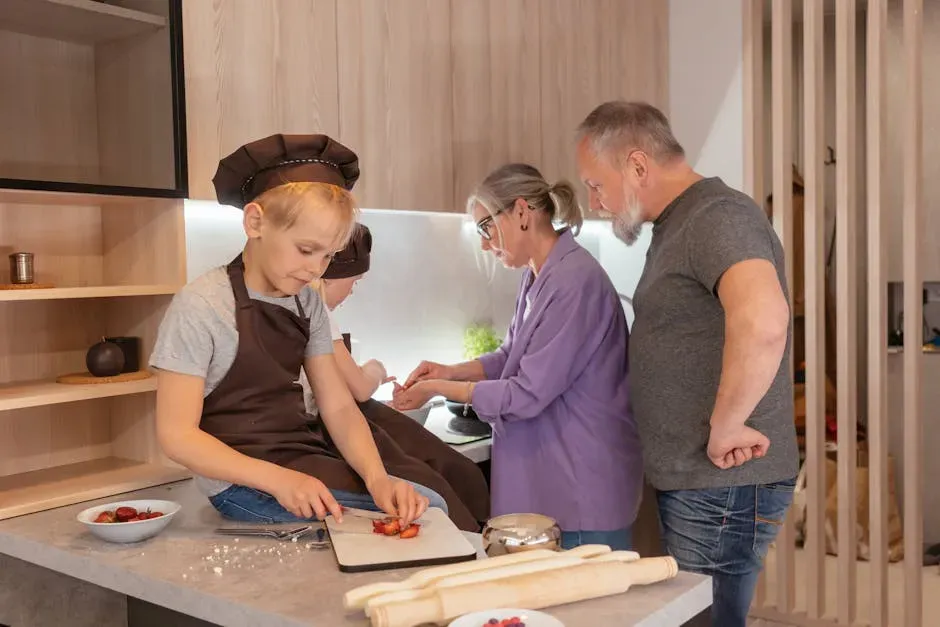
The kitchen has always been more than a place to make food. It has been, for generations, a classroom without walls. Grandparents who invited kids to stir the batter, roll the dough, or peel the vegetables created something far more lasting than a meal.
Families keep traditions alive through recipes handed down to each new generation, and creating memories together in the kitchen is deeply important. As one food science educator put it, “We retain those memories because we use all of our senses in the kitchen.” That multisensory engagement is not just poetic. It is neurological. When every sense is activated, memory forms more deeply.
“Food is a big part of family celebrations, including birthdays and holidays, and people often think about the food that went along with the celebration and recall the positive memories created. For many people, food memories are the strongest associative memories we have.” Think about that. Not the birthday cake itself, but who made it with you. That is the memory that survives decades.
The transmission of intergenerational culinary knowledge has a ripple effect. It strengthens family bonds as cooking and eating together become shared activities. When children enjoy spending time in the kitchen doing age-appropriate tasks, it grows their interest in learning about traditional family recipes and passing them down to generations to come.
2. Telling Stories Before Bed
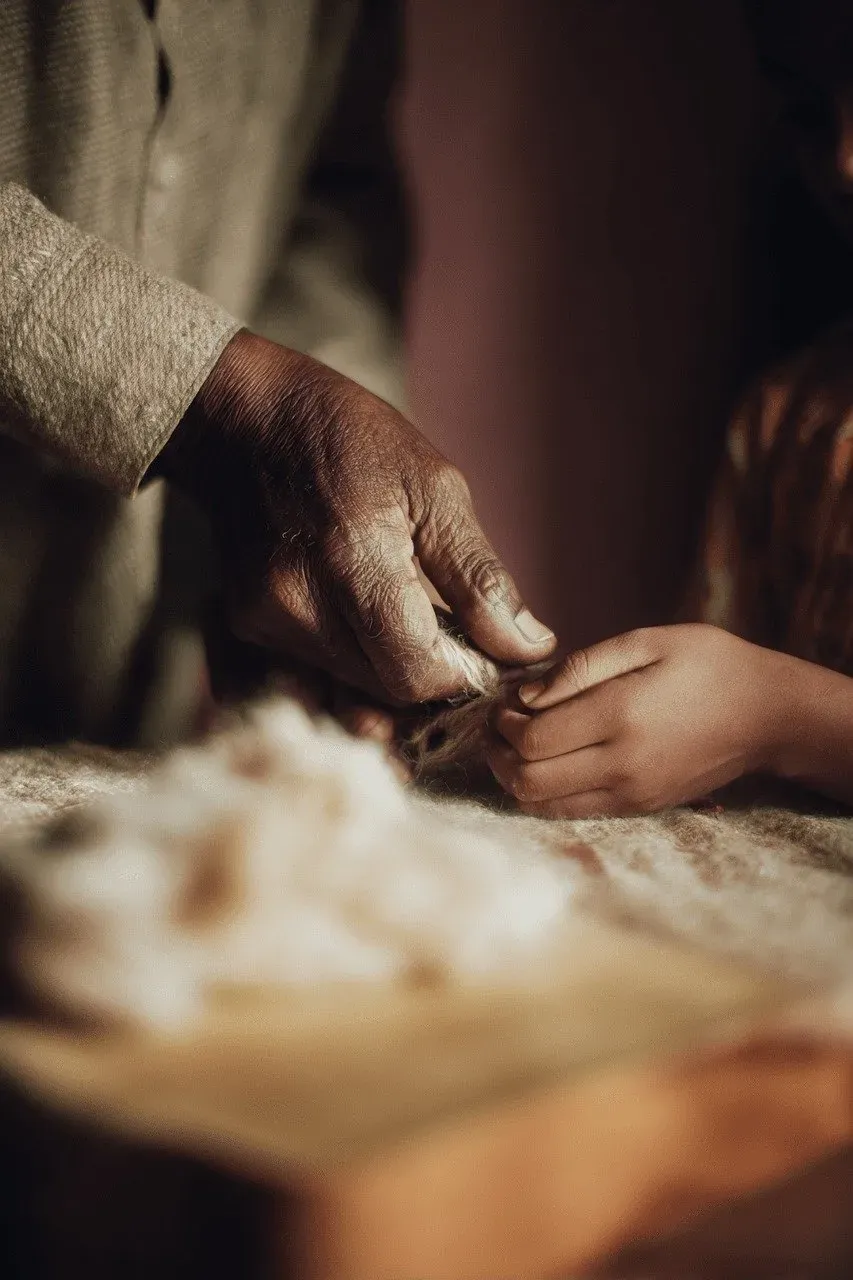
Long before smartphones and streaming services competed for a child’s attention, grandparents held court at bedtime with nothing but words. A good story, told by someone who lived through something real, hits differently than anything a screen can offer. Children sensed it even if they couldn’t explain it.
Family history is often full of important life lessons. Grandparents who taught the value of hard work, or ancestors who showed resilience in the face of tough times, offered perfect opportunities to pass on values and wisdom in a way that was fun and relatable. The bedtime story was never really about dragons or castles. It was about character.
Family storytelling weaves resilience into the fabric of the next generation. By preserving tales of struggle, triumph, and humor, families remind children that they come from a long line of people who adapted, loved deeply, and found joy in ordinary days. That is a remarkable thing to give a child before they fall asleep.
One of the best things about turning family history into bedtime stories is that it creates a tradition that can be passed down for generations. Children not only learn about where they came from, but also develop a strong sense of identity and belonging.
3. Showing Up Unconditionally

There is a particular kind of love that grandparents are especially good at offering. It does not come with conditions. It does not require performance or perfection. It just shows up, sits down, and stays awhile. Kids notice this. They feel it even before they have words for it.
The emotional support grandparents provide creates a secure foundation, fostering resilience and well-being. The unconditional love and understanding grandparents offer become a sanctuary during challenging times. This promotes emotional stability that has a lasting impact on the overall mental health of grandchildren.
Support received from grandparents during early childhood was associated with greater emotional wellbeing in emerging adulthood. This association persisted even if grandparents had died before their grandchildren reached adulthood and was not moderated by relationship quality with parents or primary caregivers. That last part is staggering. The love stayed, even after the person was gone.
Grandparents serve as mentors or role models, offering practical advice to grandchildren based on their wisdom and rich life experiences. Most importantly, grandparents are an important source of unconditional love and nonjudgmental emotional support.
4. Playing Board Games and Card Games
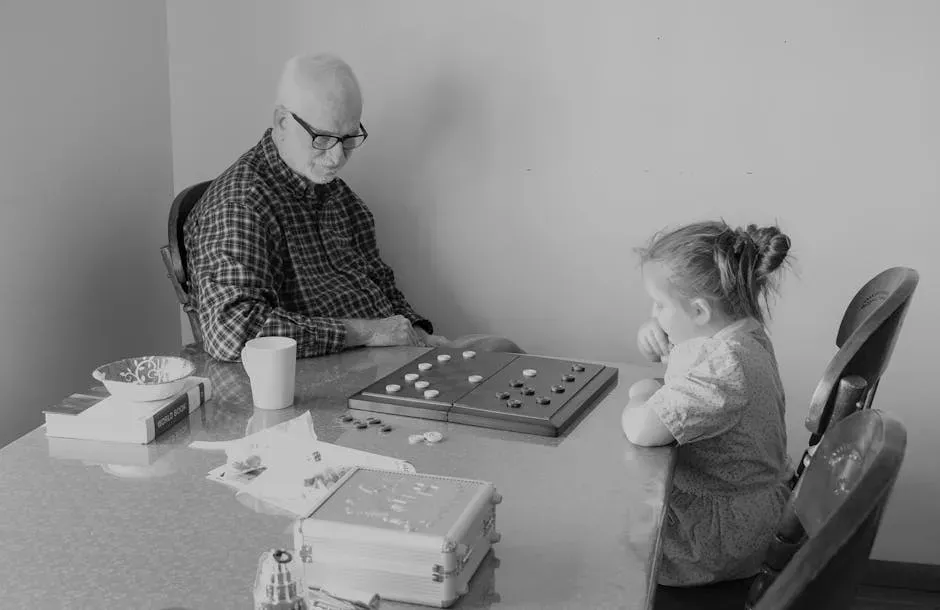
Let’s be real. Grandparents introduced most of us to games we would never have discovered on our own. Rummy, checkers, dominoes, cribbage. These were not just pastimes. They were social laboratories where kids learned patience, strategy, and how to lose with grace.
Family game night can be a fun and unifying experience, introducing grandchildren to card or board games they might not otherwise have learned. Although grandchildren may initially feel overwhelmed by the superior strategies of their grandparents, it can also drive them to master the challenge, developing self-confidence and autonomy. Upon becoming adults, many people look back fondly on the childhood memories of playing games with their grandparents.
Grandparents who are removed from the everyday stressors of parenting life can provide an entry point into more playful learning. For example, while playing a game, when a child sees that grandma is not going to throw a fit over losing, they are learning good sportsmanship and how to handle disappointment.
Think of it like this: a board game with a grandparent is a masterclass in emotional regulation wrapped inside cardboard and plastic pieces. No app on earth has figured out how to replicate that magic.
5. Sharing Family History and Cultural Roots

There is a reason so many adults describe a feeling of rootlessness or disconnection in modern life. So much of what grounds us comes from knowing where we came from. Grandparents were, for most of human history, the living archives of that knowledge.
At least half of adults are able to recall memories of spending holidays with their grandparents, learning about family history from them, or being exposed to cultural traditions by them. That is an extraordinary legacy delivered through ordinary conversation.
Grandparents are great informants of family history, who can help grandchildren better understand their family roots and self-identity. Self-identity. That is not a small thing to give someone. It is, arguably, one of the most valuable gifts a human being can receive.
Through storytelling, shared experiences, and family traditions, grandparents provide a connection to family roots, enhancing a sense of belonging and contributing to a positive self-image. A positive self-image, built not from praise, but from a deep sense of where you belong in the world.
6. Walking Slowly and Paying Full Attention
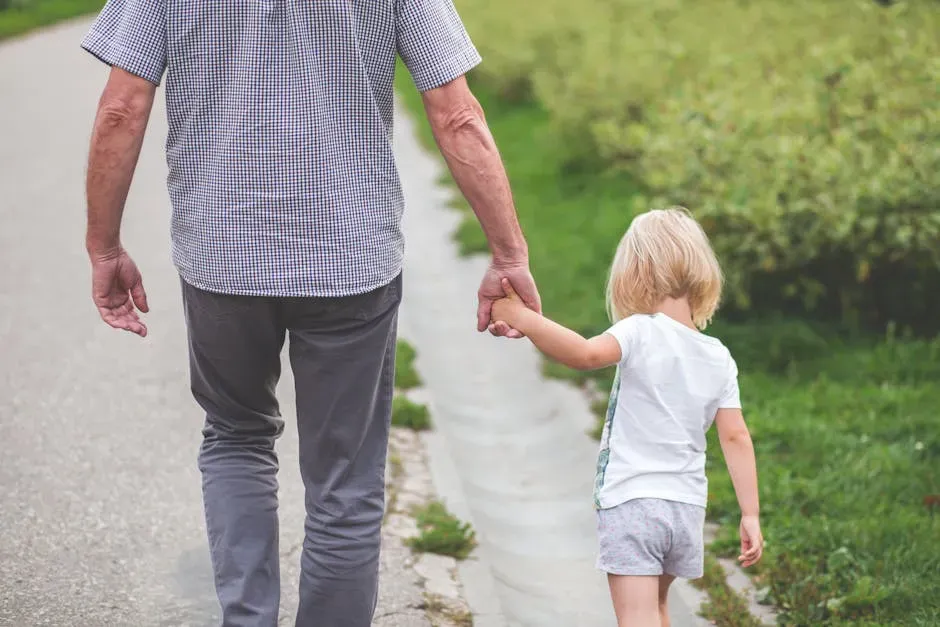
Grandparents rarely rushed. They walked slower, talked slower, and listened longer. For a child, that pace is a revelation. Most adults are always somewhere else mentally, even when they are physically present. Grandparents had a gift for being fully there.
Children look to trusted grandparents as another role model in their lives and pick up on how their grandparents not only act but react to certain situations. When grandchildren spend time around grandparents often, they learn how people they trust, besides their parents, act in different situations.
When grandchildren have contact with their grandparents, confide in them, or are close to them, grandparents provide benefits by serving as role models and discussing appropriate behavior, encouraging academic or other success, helping with homework, or providing advice and emotional support. None of that happens when someone is constantly distracted.
Undivided attention, it turns out, is its own kind of gift. A child who feels truly heard by a grandparent carries that experience forward for life, like a charge that never quite runs out.
7. Teaching Practical Life Skills
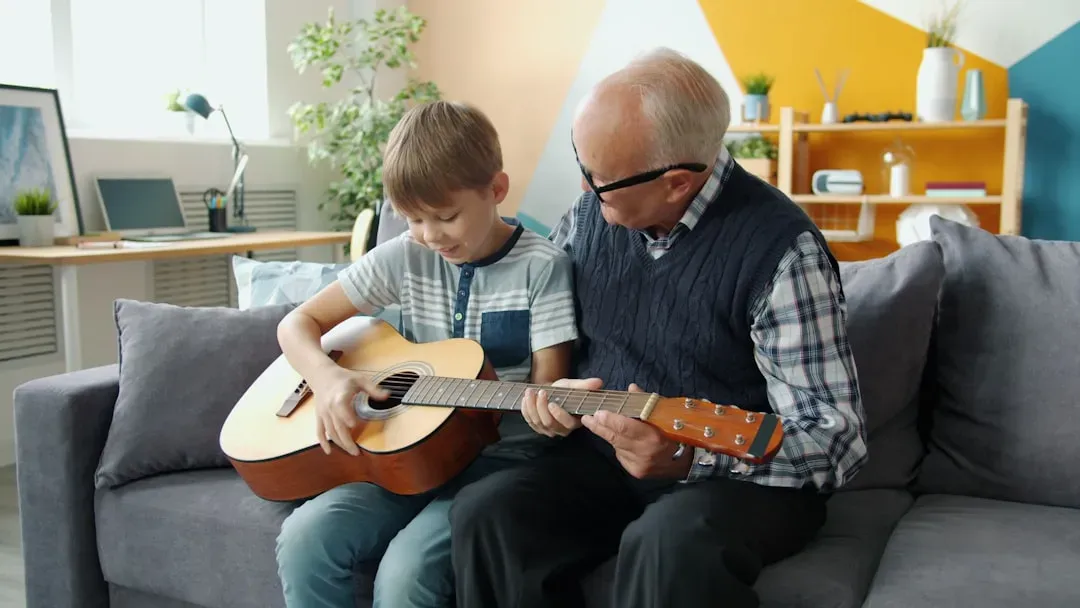
Grandparents taught things that schools never did. How to fix a leaking faucet. How to sew a button back on. How to grow a tomato from seed. These were not glamorous lessons, but they were deeply empowering. Knowing how to do things with your hands changes how you see yourself.
Teaching grandchildren to cook is one way grandparents pass down a valuable life skill, while also passing down favorite recipes and cooking traditions. Gardening together not only boosts physical activity but is an ideal way to teach children about plants and how to grow healthy food.
Grandparents hold a special place in a child’s life, often passing down traditions, wisdom, and life skills. One of the most rewarding and practical skills a grandparent can teach is cooking. Not only does it provide essential life skills, but it also strengthens the bond and creates lasting memories.
It’s hard to say for sure, but I think a lot of adult confidence can be traced back to a grandparent who once said, “Here, let me show you how.” That moment of patient instruction sticks around long after the skill itself has been mastered.
8. Offering a Safe Space to Talk

There is something about the grandparent relationship that makes it easier for kids to open up. Maybe it is the distance from parental authority. Maybe it is the sense that grandparents have seen everything and will not panic. Whatever the reason, grandchildren often confide things in grandparents that they would never say to their parents.
Greater affinity towards a grandparent is associated with lower depressive symptoms in young adult grandchildren. Young adults who confide more in their grandparents report lower depressive symptoms compared to those who share less. That correlation is meaningful. The simple act of being a trustworthy listener had measurable mental health benefits.
As reported in the Journal of Social Issues, greater cohesion with grandparents decreased symptoms of depression in grandchildren. A safe space to talk is not a luxury for children. It is, according to the evidence, closer to a necessity.
A study of English children ages 11 to 16 found that close grandparent-grandchild relationships were associated with benefits including fewer emotional and behavioral problems and fewer difficulties with peers. Fewer problems with peers. From simply having a grandparent who listened. That is remarkable.
9. Maintaining Rituals and Holiday Traditions
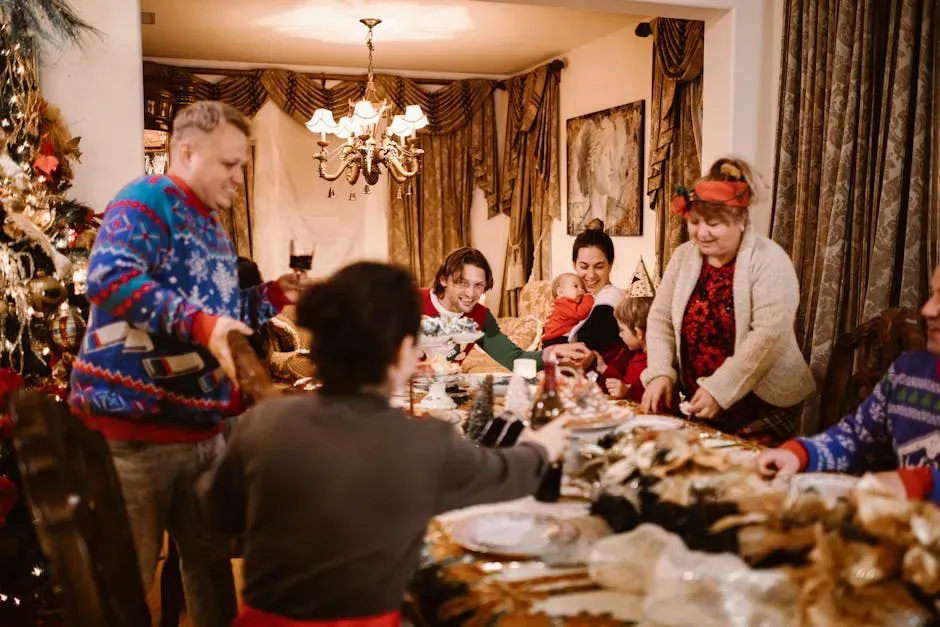
Ask any adult what they remember most about the holidays and almost none of them will mention a specific gift. What they remember is the smell of grandma’s house. The table that was always set the same way. The song that was always played. Rituals create a sense of order in a chaotic world, and grandparents were often the keepers of those rituals.
Research consistently shows that families who maintain regular traditions experience enhanced emotional wellbeing, better communication, and stronger connections. Whether sharing meals, telling stories, or celebrating cultural heritage, these meaningful practices provide stability and security for children while fostering a sense of belonging for all family members.
Grandparents share cooking techniques with grandchildren during Thanksgiving turkey preparation or Christmas cookie baking sessions, and those moments become anchor points in a child’s memory that no amount of time can wash away.
Traditions work a little like bookmarks in a life. They mark where you were, who you were with, and how you felt. Grandparents who created and protected those rituals gave children an emotional vocabulary they carry forever.
10. Expressing Pride Without Pressure
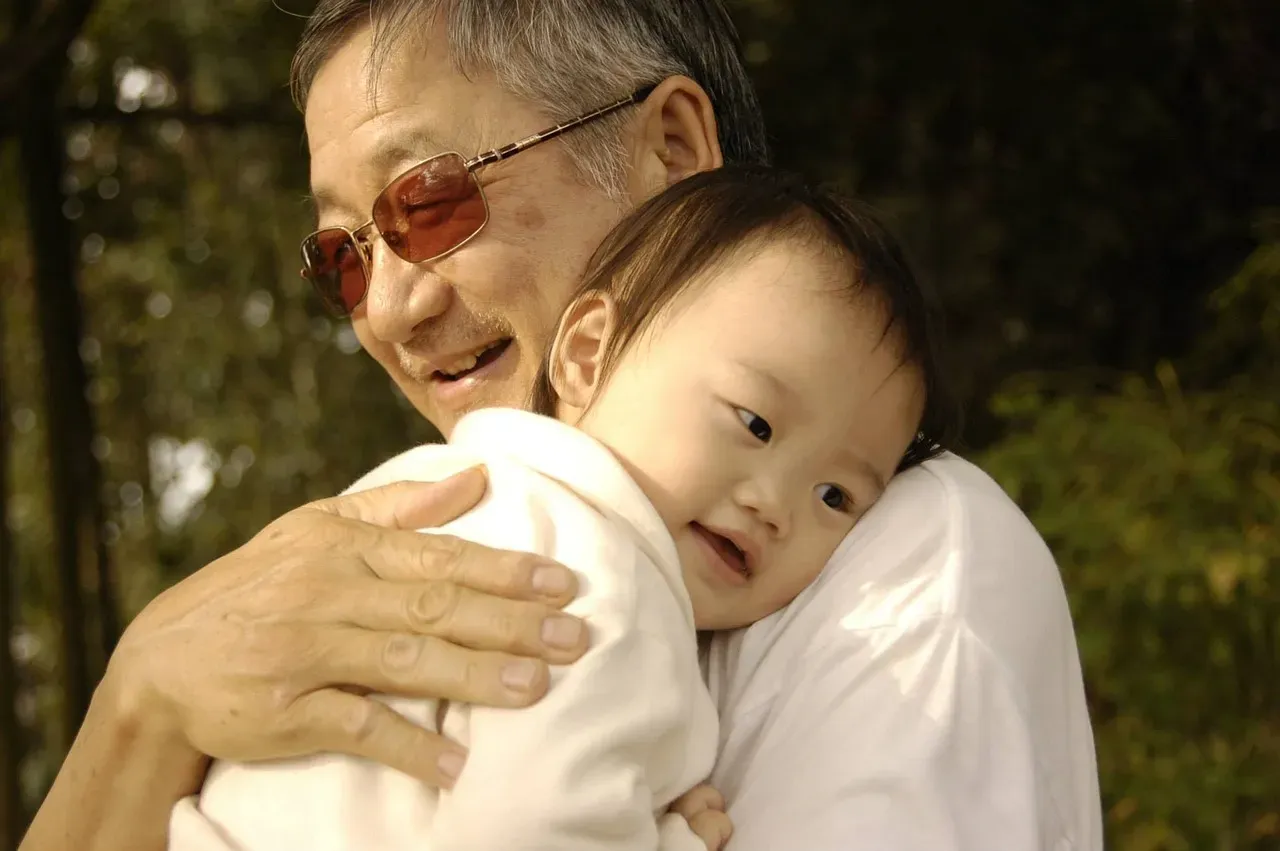
Grandparents had a wonderful ability to celebrate a child without immediately pushing for more. Parents, understandably, are often focused on growth, improvement, and achievement. Grandparents had the luxury of simply being delighted by who you already were. That is a rare and beautiful thing to experience.
Grandparents fill an irreplaceable role in a child’s development as pillars of wisdom and sources of support, possessing a unique understanding of family history and traditions. They love their grandchildren with unconditional affection that matches that of the children’s own parents, and being able to connect with a grandchild frequently fosters a relationship that can influence a child to define values, flourish in self-confidence, and strengthen the bonds of family.
A lifetime of experiences has shaped a grandparent into who they are. A grandparent can calm the urgency of a seemingly disastrous event with the quiet reassurance of perspective, providing a stability that allows a grandchild to navigate hardships with renewed confidence.
That perspective, earned through decades of living, is not something you can Google. It lives in the person across from you at the kitchen table, and it is transferred through closeness, not instruction.
11. Spending Time Outdoors Together
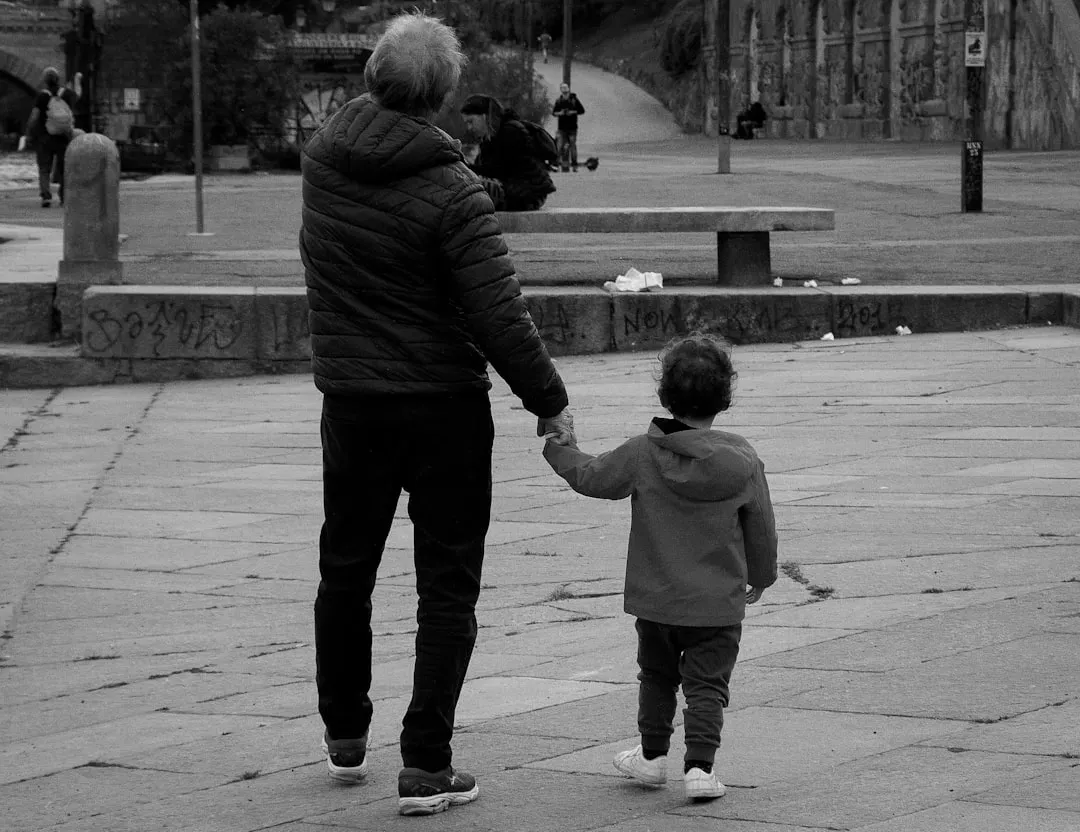
There was a time when grandparents and grandchildren spent hours outside together without anyone scheduling it or photographing it. Fishing trips. Garden walks. Afternoon strolls that went nowhere in particular. These were unhurried, and perhaps that is exactly why they mattered so much.
There is growing research showing how time with grandchildren can play a role in keeping older adults healthy, happy, and living longer. Being a grandparent can increase physical activity, according to the Cleveland Clinic. So the outdoor time was good for both parties. A walk with grandpa was not just memory-making. It was health care for both of them.
Research into the grandmother effect, a theory that has been studied since the 1960s, has shown that children who live with or have frequent contact with one or more of their grandparents have lower rates of mortality and disease. A theory studied for over half a century. That is not a passing trend. That is a deeply rooted biological and social reality.
Something as simple as a walk through a garden becomes, in retrospect, a masterclass in observation, patience, and the beauty of slow time. You do not realize that until much later. Then it hits you all at once.
12. Writing Letters and Sending Small Gifts
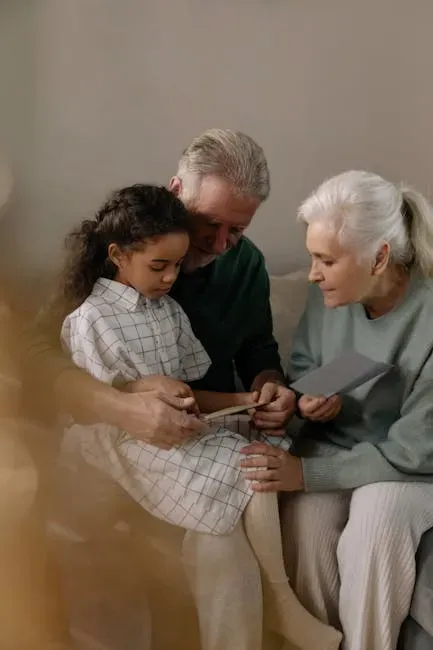
In an era where communication has been reduced to quick texts and emoji, there is something almost astonishing about the memory of a handwritten letter arriving in the mailbox. Grandparents who took the time to write, even a few lines, communicated something enormous: you are worth the effort.
These stories and communications become more than memories. They turn into guideposts for children and grandchildren who will one day look back, searching for connection and understanding. Hearing a great-grandparent’s voice describing their childhood or reading their handwritten reflections allows future family members to know them as more than just a name or photograph.
Before photographs fade and memories slip away, taking time to sit down with parents, grandparents, or loved ones to talk about their lives is one of the most meaningful gifts one can give. Family history interview questions help capture not just facts and dates, but the laughter, lessons, and love that define a family’s story.
A small gift tucked into an envelope, a clipping from a newspaper about something a grandchild loved, a photograph from decades ago. These were acts of profound attention. Kids understood that, even without being able to articulate it.
13. Modeling Resilience Through Their Own Stories
Many grandparents had lived through extraordinary hardship. Economic depression. Wars. Immigration. Loss. They did not always talk about it directly, but it was present in how they moved through the world. Children absorb this. They learn what survival looks like from people who actually survived something.
With their wealth of knowledge and life experiences, grandparents play a vital role in fostering intergenerational relationships. It is not just the knowledge itself. It is the evidence, walking and breathing, that hard things can be overcome. A grandparent who weathered real difficulty is, for a child, proof that life holds up under pressure.
Compared to parents, grandparents, with their extensive life experience, provide greater warmth, care, and nurturing, fostering stable grandparent-grandchild attachment that enhances young children’s emotional regulation, improves social adaptation, and reduces behavioral problems.
When we document a parent’s or grandparent’s journey, we keep a part of them alive for generations to come. Their story becomes part of your story. That kind of inheritance does not require a will.
14. Reading Aloud Together
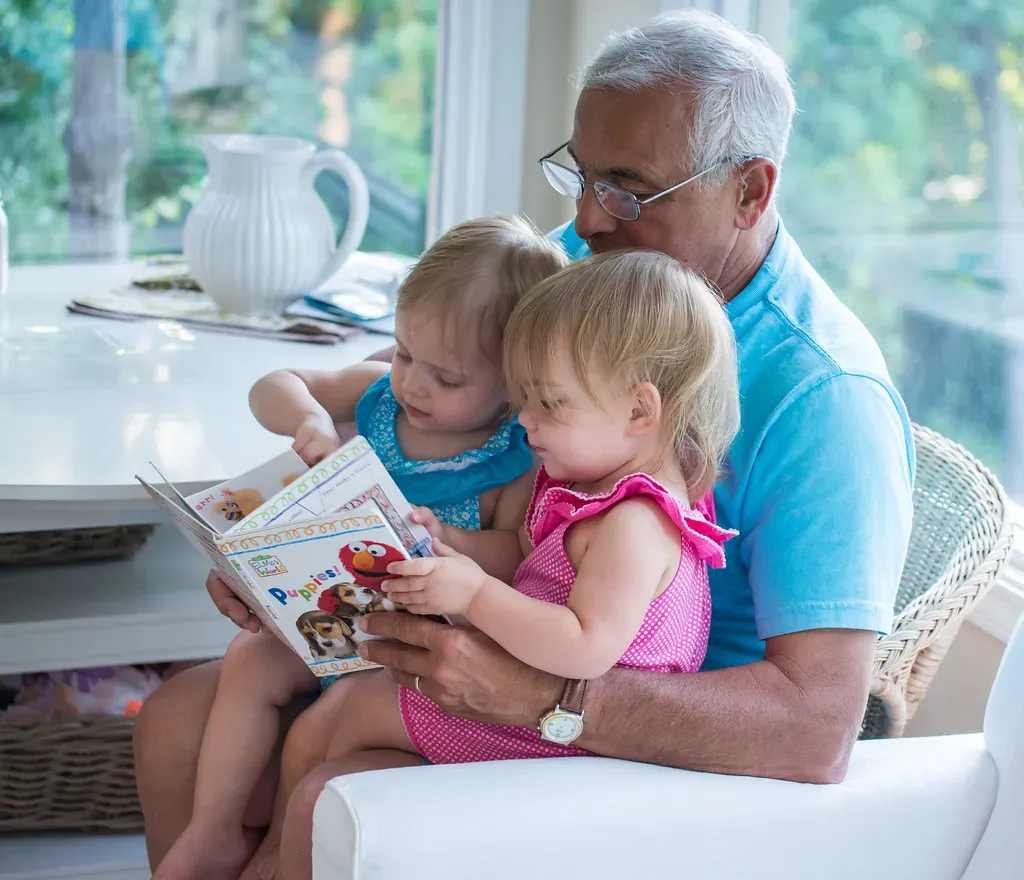
Reading to a child is one of the simplest acts a grandparent can perform. Yet the research on its impact is anything but simple. The voice of a beloved grandparent reading aloud lights up a child’s brain in ways that profoundly influence language development, imagination, and emotional connection.
Younger children love to listen to stories, and reading to them is a good way to bond and nurture their minds. The bonding part is just as important as the nurturing part. Reading together is closeness made audible.
Due to longer life expectancies and age-related socioemotional strengths, grandparents are well-positioned to play roles that contribute positively to their grandchildren’s emotional development. Prior research shows that strong emotion regulation and social skills, as well as familial social support, serve individuals well during emerging adulthood. Social and emotional skills are learned in early childhood, making grandparental relationships during that period critically important.
A child who was read to by a grandparent often becomes a person who reads. The love of books, passed down through a lap and a lap and a voice, is one of the quieter legacies grandparents leave behind.
15. Simply Being Present, Again and Again
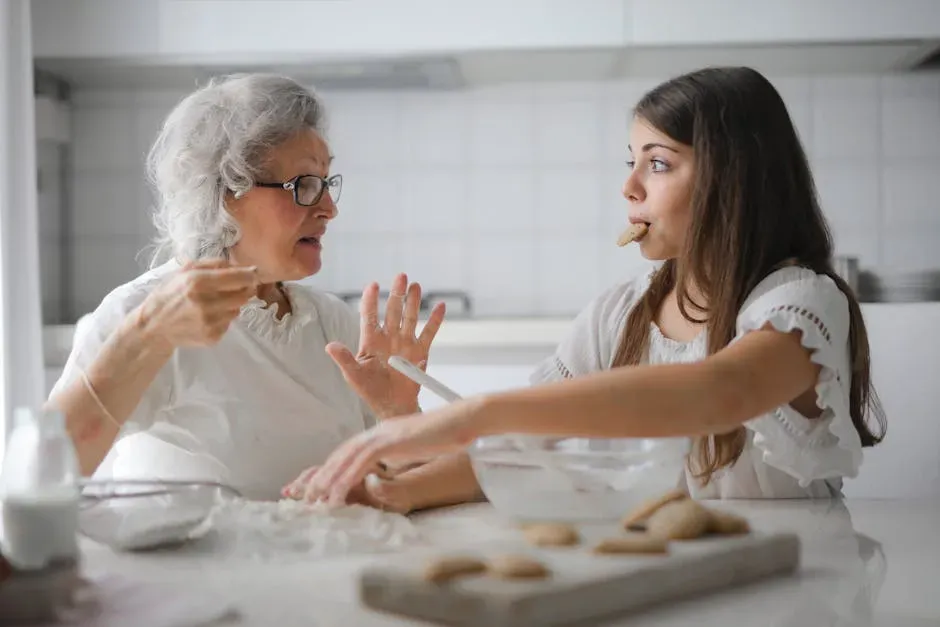
Here is the thing. Looking at this entire list, the real thread running through every single item is not the activity. It is the presence. The showing up. The being there. Not once, not occasionally, but repeatedly and consistently, with warmth and without agenda.
Social support provided by close grandparents during early childhood was associated with emotional wellbeing in emerging adulthood, and this association persisted beyond a grandparent’s death and even in the presence of poor parent-caregiver relationships. Even after they were gone. Even in difficult circumstances. The presence stayed.
This kind of quality time also helps children learn the importance of strong family bonds and builds fond memories that encourage healthy emotional intelligence later. Emotional intelligence. Built not through therapy or worksheets, but through afternoons spent in an ordinary kitchen with an extraordinary person.
The positive influence that grandparents can have on their grandchildren’s development is profound. By offering love and guidance, imparting wisdom, passing on traditions, and making memories, grandparents can leave behind a legacy that their grandchildren will value for the rest of their lives.
The Things That Last
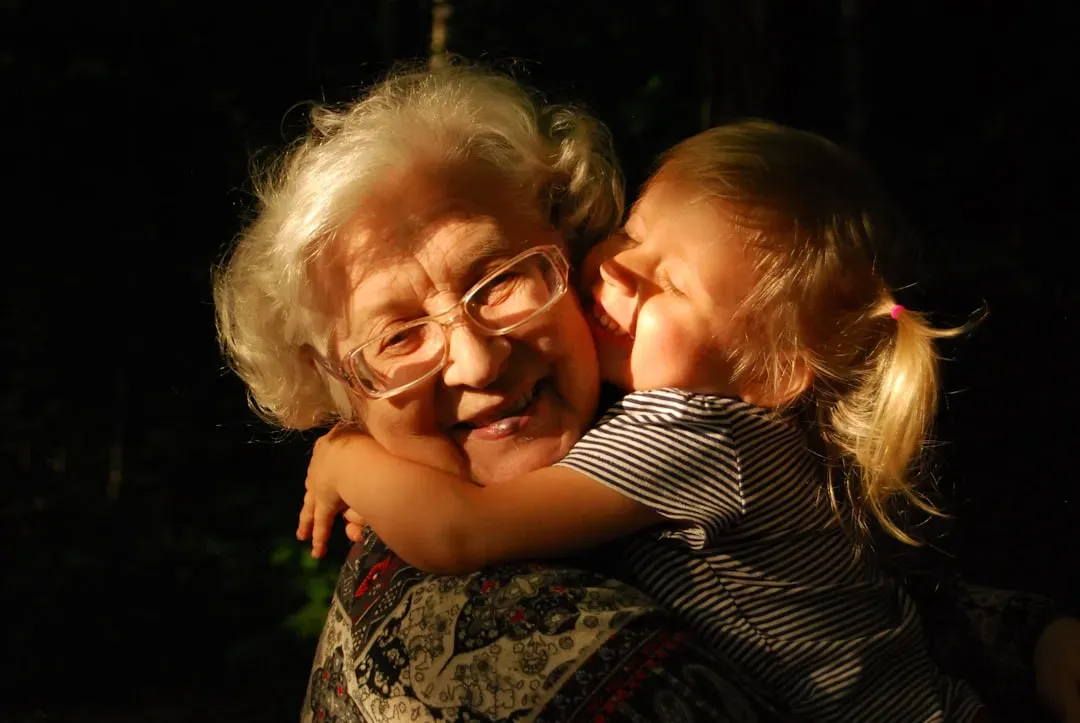
None of the fifteen things on this list required money. None of them required a perfect home, a perfect personality, or a perfectly worded piece of advice. What they required was time, intention, and a willingness to show up for another human being in a consistent, loving way.
A significant majority of adult grandchildren recognize their grandparents’ influence on their values and behaviors. Many cherish fond memories of time spent with their grandparents, highlighting the lasting impact of these relationships on their lives. That impact does not fade with time. In many cases, it deepens.
If you had grandparents who did even a handful of these things, consider yourself genuinely lucky. If you are a grandparent today, know that the small, everyday moments you create right now are being stored somewhere deep in a child’s mind, waiting to surface decades from now with the warmth of something irreplaceable. What memory from your own grandparent just came to mind? Tell us in the comments.