7 Restaurant Tactics Insiders Say Diners Often Fall For
You sit down, open the menu, and within minutes you’re ordering something you never planned to. You spend more than you intended, tip more than you wanted to, and leave wondering what just happened. Here’s the thing – it wasn’t an accident.
Restaurants are, at their core, businesses. Smart ones. And the most successful among them have quietly turned the dining room into a carefully engineered environment designed to guide your every decision. From the font size on the menu to the way your server phrases a question, almost nothing is left to chance. Ready to find out what’s really going on behind the scenes? Let’s dive in.
The Menu Is a Psychological Trap – a Really Good One
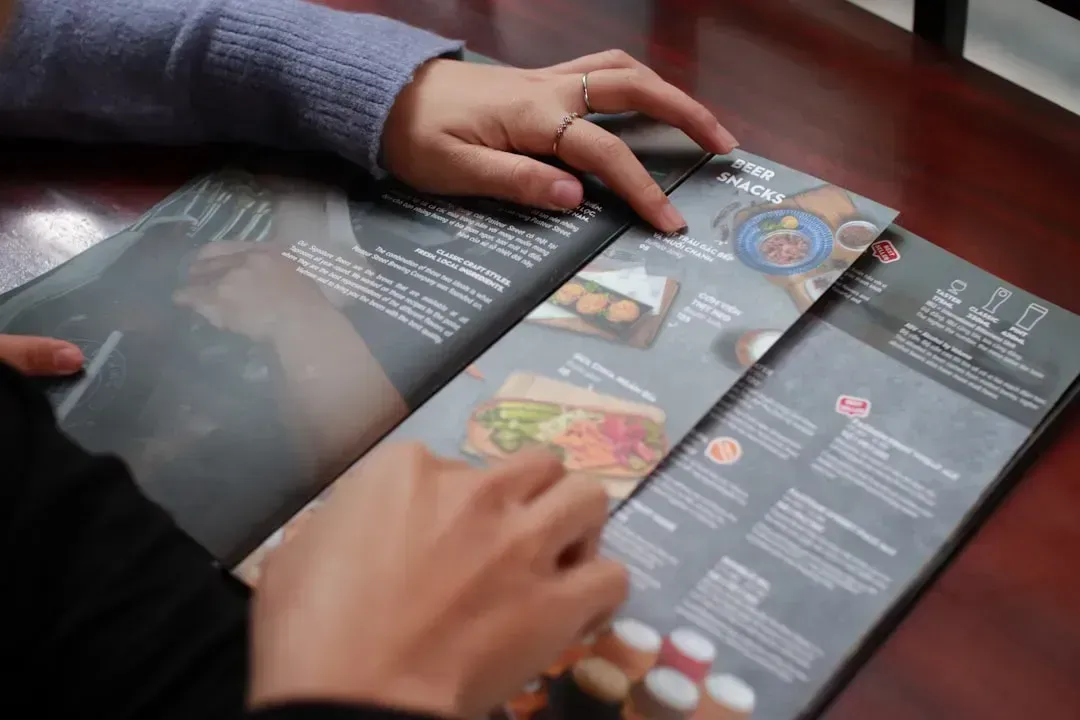
Most diners assume a menu is simply a list of food. It isn’t. Menu psychology is the science of how restaurants design their menus to influence what customers order – combining layout, wording, pricing, and even color choices to guide diners toward high-margin or signature dishes, often without them realizing it. Think of the menu less like a food catalog and more like a carefully curated sales brochure.
The “paradox of choice” states that too many options cause stress. A cluttered menu overwhelms diners, while a simplified format makes it easier to decide. For optimal menu design, restaurants limit each section to around seven items – reducing decision fatigue and enhancing the dining experience. It’s not unlike walking into a store that has strategically placed certain products at eye level. You think you’re browsing freely. You’re not.
Research suggests that eyes gravitate to certain “sweet spots” on a menu – many practitioners believe one such zone sits near the top-right corner. It’s common to see high-margin items placed in spots that get immediate attention. The moment you open that menu, the game is already in motion.
Removing the Dollar Sign Makes You Spend More
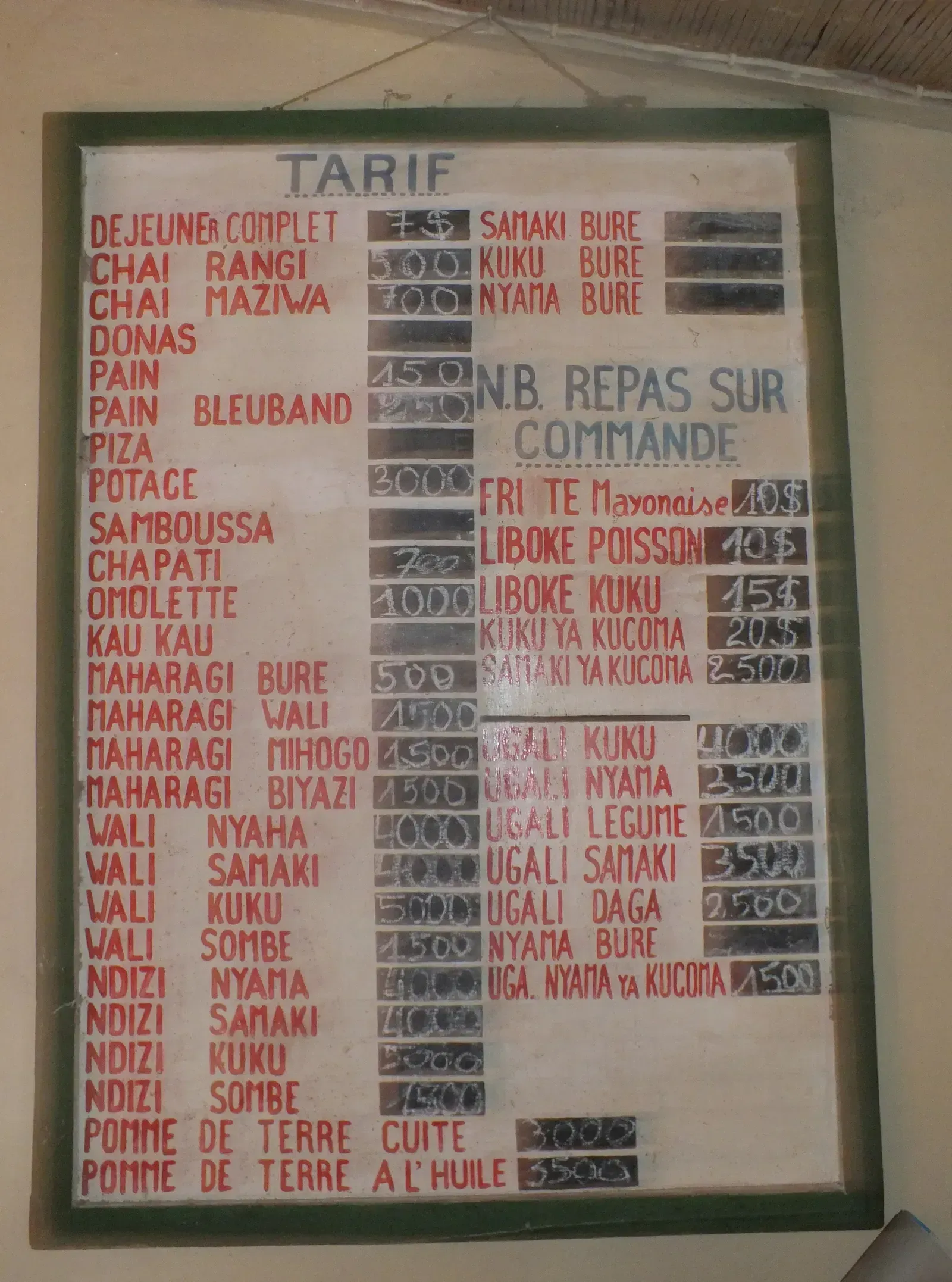
This one genuinely surprised me when I first learned about it. Pricing influences customer perception and decision-making in very specific ways. Key menu pricing tricks include removing currency symbols to reduce price sensitivity, using whole numbers instead of decimals for a premium feel, and avoiding price columns that encourage comparison shopping. That last one is sneaky – a vertical column of prices makes it too easy to compare costs, which can make guests feel guilty about choosing something expensive.
Numbers on a menu tap into deeper spending habits. Adjusting how the cost is displayed can alter how comfortable patrons feel about making a purchase. Omitting currency symbols, for example, can downplay the act of spending and focus attention on the food instead. When you see “18” instead of “$18.00,” your brain processes it very differently – the pain of paying simply feels smaller.
The Decoy Effect: That Expensive Item Isn’t Meant to Sell
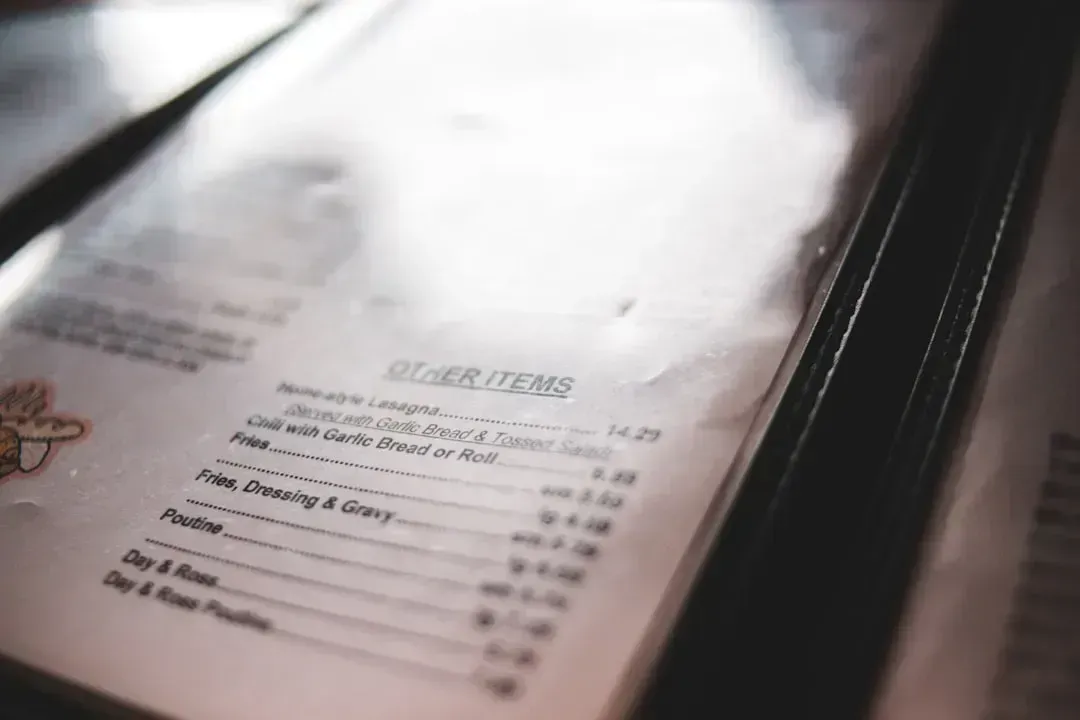
Ever notice a wildly overpriced dish near the top of the menu and wonder who on earth orders it? Honestly, it might not be there to sell at all. Anchoring is a tactic that plays with our perception of value. When a high-priced item is placed at the top of the menu, it becomes the anchor that sets the context for the rest of the prices – and as a result, other items may seem more reasonably priced in comparison.
Another powerful concept is the “decoy effect,” where a strategically placed third option influences how customers choose between two other options. By introducing a decoy that is less appealing but priced similarly to a preferred option, the preferred choice becomes more attractive in comparison. So that $65 lobster at the top of the menu? Its real job might be to make the $38 salmon feel like a bargain. Welcome to behavioral economics, restaurant edition.
Descriptive Language Works on Your Emotions Before Your Stomach
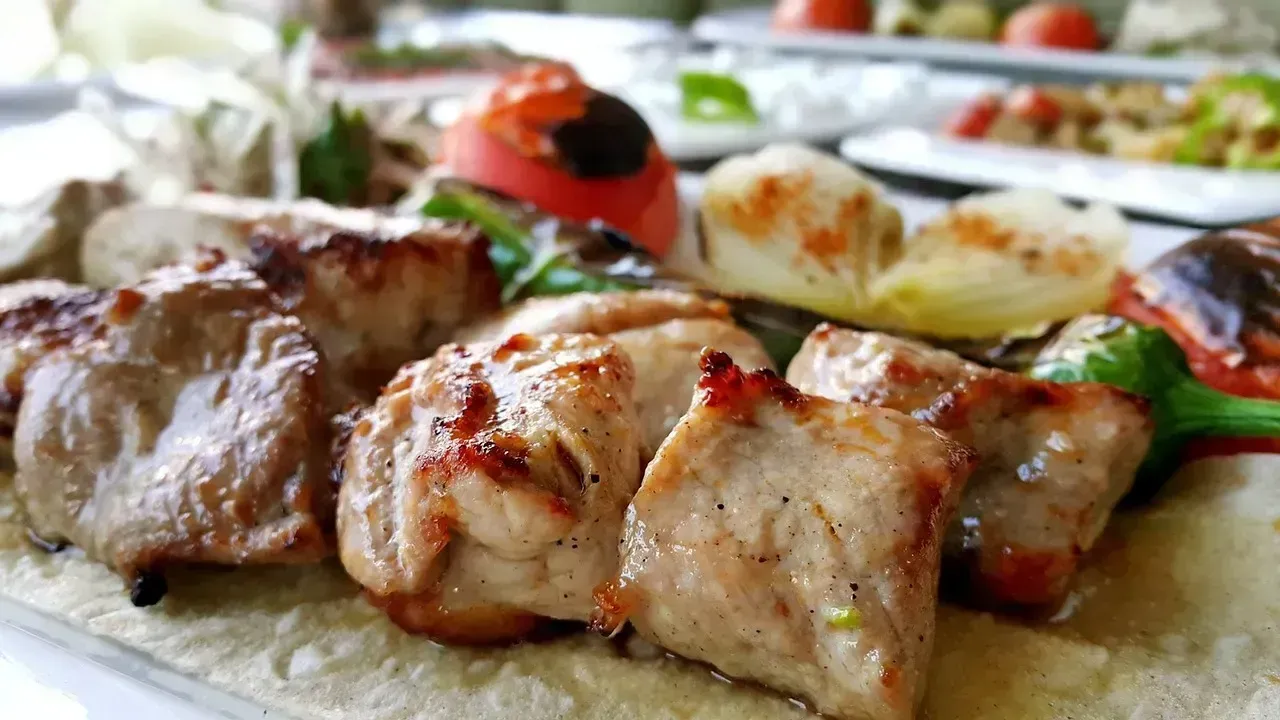
There is a massive difference between “grilled chicken” and “slow-roasted free-range chicken with herb-infused olive oil.” They could be the exact same dish. Suggestive language is a powerful tool used to influence customer choices. The way dishes are described can evoke emotions and cravings, and using words like “succulent,” “savory,” or “indulgent” can make dishes appear more tempting and appealing. A Cornell University study famously showed that descriptive menu labels increased sales by nearly a third compared to plain labels.
Descriptive labeling not only entices diners but can also shape perceptions of taste. Expectation and flavor are closely linked – when someone envisions a satisfying meal before the first bite, enjoyment often intensifies. In other words, restaurants aren’t just selling you food. They’re selling you the anticipation of food. Descriptive labels like “handcrafted” or “slow-roasted” boost sales by appealing to emotion and quality. It works remarkably well, every single time.
Your Server Is Trained to Upsell – and They’re Very Good at It
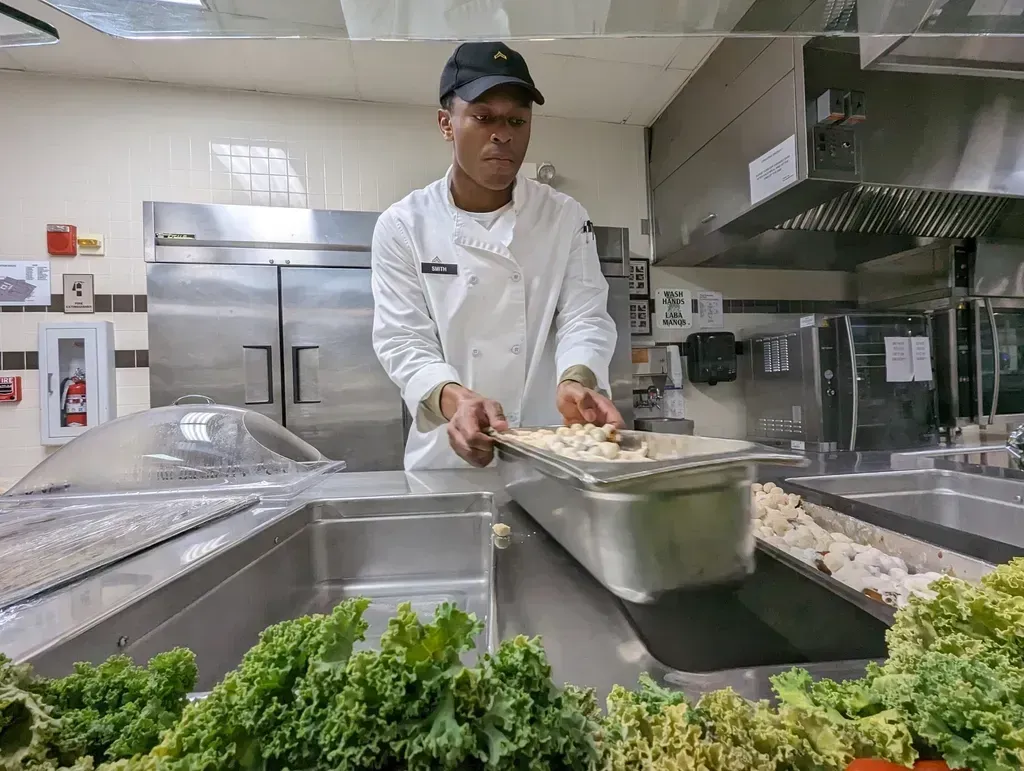
Let’s be real: your server is not just there to take your order. Employees are a restaurant’s greatest asset for upselling. Almost every interaction they have with a customer is an opportunity to influence their purchase – whether they’re a bartender serving guests at the bar or a server welcoming a guest at the table, nothing beats the power of suggestion. And this is far from a casual approach – it’s systematic and intentional.
Financially, upselling has a measurable impact. According to recent industry data, restaurants that actively promoted additional items and meal upgrades saw the average basket size increase by roughly one fifth, while online orders rose by nearly half. That’s extraordinary growth from a few well-placed suggestions. Studies show that when guests order an entrée, appetizer, and alcoholic beverage, their total check is almost nearly half higher than usual. The next time your server enthusiastically recommends an appetizer the moment you sit down, know that this enthusiasm is almost certainly rehearsed and data-driven.
Restaurants focusing on upselling can boost revenue by ten to fifteen percent per table, and servers can earn higher tips by making thoughtful recommendations. It’s a win-win – for the restaurant and the server. Whether it’s a win for you depends entirely on whether you actually wanted that extra side of truffle fries.
The Tip Screen Is Engineered to Make You Pay More
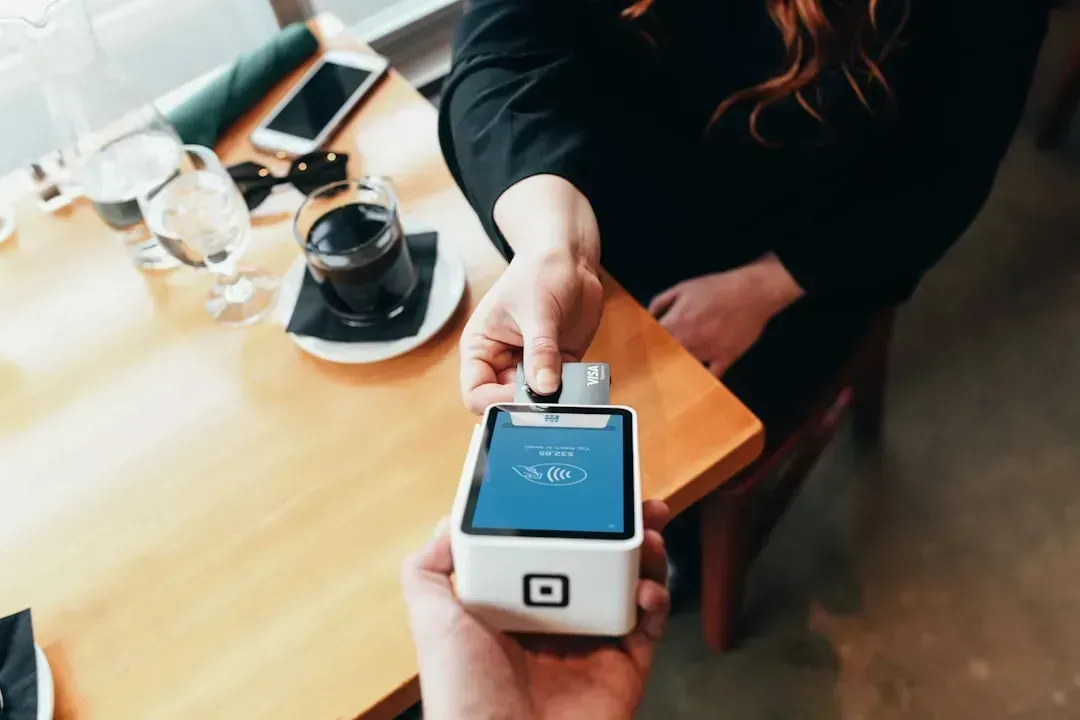
Few modern dining experiences generate as much quiet discomfort as that moment the screen swivels toward you with preset tip options. Many companies display three or four tip percentage options in large font to display what the “average” person is tipping – these can usually be 18 to 25%, with “no tip” in the smallest font at the bottom of the screen. That design is not accidental. The tiny “no tip” button is specifically meant to make saying no feel socially risky.
Recent data from multiple 2025 surveys revealed that nearly 89% of Americans thought tipping culture has spiraled out of control – yet digital tip screens are generating roughly 12% higher gratuities than traditional tipping methods. So the frustration is real, but the screens still work. Americans are “guilt tipping” less in 2025, spending an average $283 on pressure-driven tips, down from $453 in 2024 – and the average person now gives in to tip pressure 4.2 times a month, compared to 6.3 times the previous year. Even so, that is still a significant sum driven largely by screen design rather than genuine intention.
Pushing tips through touchscreens and apps is also one way businesses can pass increased costs on to customers without having to raise posted prices. Worth keeping in mind next time that screen spins your way.
Color, Lighting, and Music Are All Working Against Your Wallet
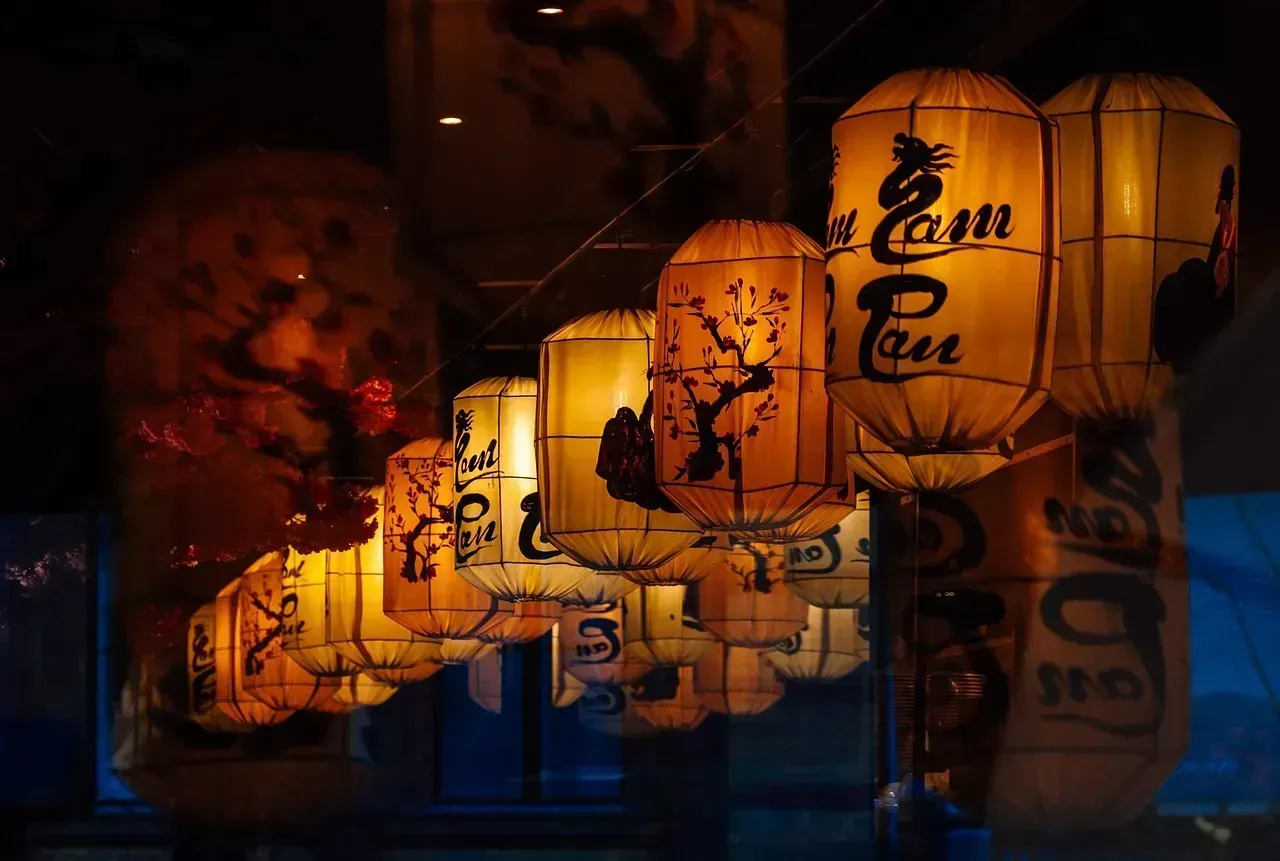
The environment inside a restaurant does just as much work as the menu itself – maybe more. Color plays a significant role in menu aesthetics and influences emotions. Studies show red and yellow stimulate appetite, blue and green evoke freshness and calmness, and black and gold suggest luxury and exclusivity. This is why fast food chains overwhelmingly use red and yellow, while upscale restaurants favor deep neutral tones that signal premium value.
Dining isn’t just about eating – it’s about fulfilling deeper needs. From stress relief and self-care to rewarding moments, eating out taps into cognitive drivers that make it more than a meal. Restaurants know this, and the entire environment – the lighting, the music tempo, even the weight of the cutlery – is calibrated to keep you relaxed, comfortable, and spending more. Slow music leads to longer meals. Longer meals lead to more drinks ordered. More drinks mean a higher check.
Diners are wowed by drinks in quirky glassware, edible garnishes, and theatrical touches like smoke or dry ice. Drinks became memorable, shareable experiences both in person and on social media. Your instinct to photograph a spectacular-looking cocktail is not random either – restaurants increasingly engineer “Instagrammable” moments deliberately, using your social media post as free advertising for the very tactic that just cost you an extra $18.
What do you think – will you look at your next restaurant menu a little differently now? Drop your thoughts in the comments below.