8 Everyday Tools That Could Soon Be Prohibited in Backyards
Your backyard has always felt like your personal territory. A private corner of the world where you set the rules. But here’s the thing – regulators across the country are increasingly pointing at what’s sitting in your shed, and the list of tools under scrutiny is longer than most people realize.
From noisy gas engines to chemical weed killers, the pressure to clean up America’s backyards is mounting fast. Some of these changes are already law in certain states. Others are moving through legislative pipelines right now. Be surprised by what might soon be off the table for ordinary homeowners.
1. Gas-Powered Lawn Mowers: The Weekend Warrior’s Favorite Is Under Fire
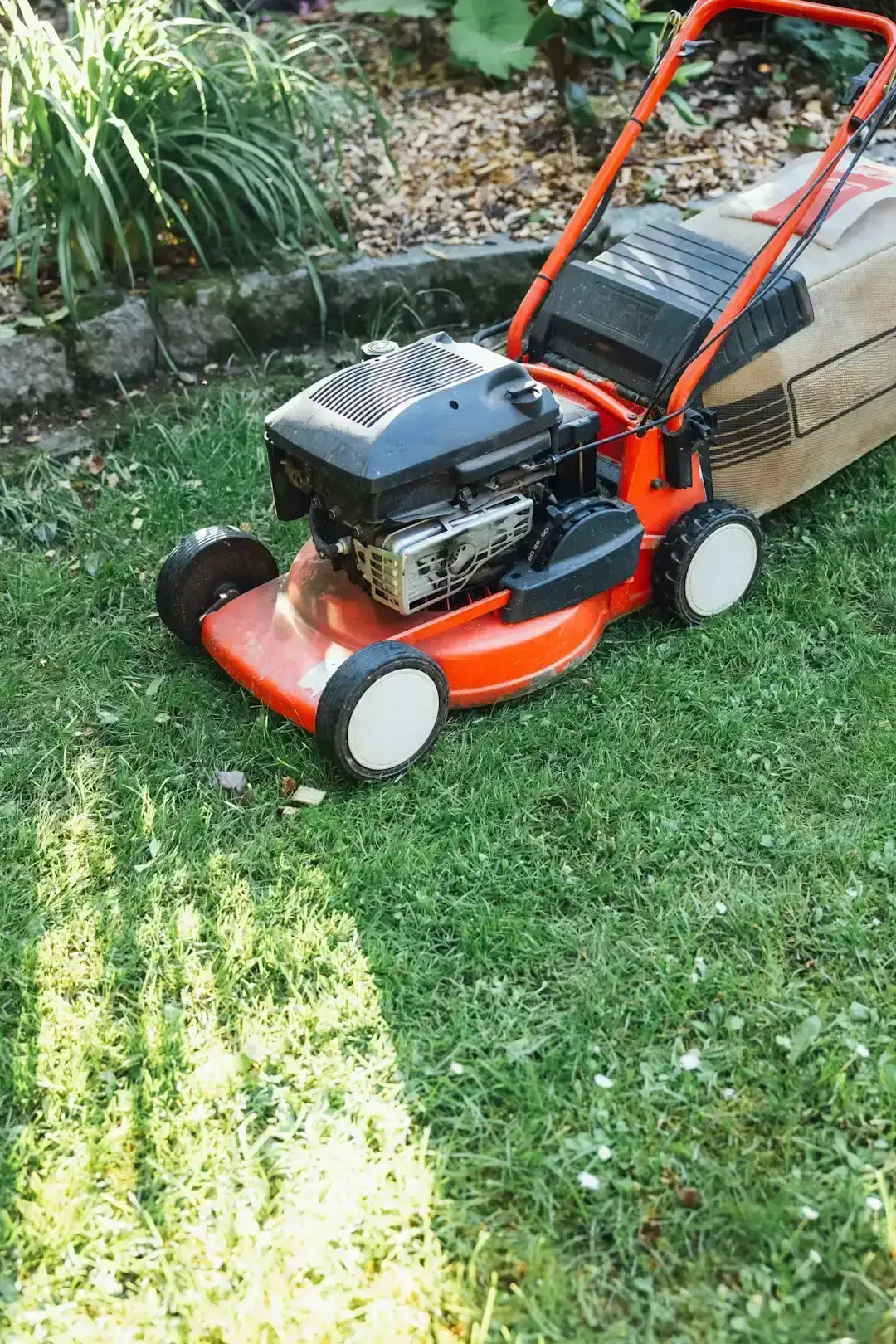
Few things feel more American than firing up a gas mower on a Saturday morning. However, that tradition is officially on the regulatory chopping block. California has taken the lead with a law that effectively banned the sale of most new gas-powered lawn mowers starting in 2024. This is not a future threat – it is already reality in the most populous state in the country.
The logic behind the ban is hard to argue with. According to the California Air Resources Board, operating a commercial gas mower for one hour emits as much smog-forming pollution as driving a Toyota Camry approximately 300 miles, roughly the distance from Los Angeles to Las Vegas. That is a staggering comparison most people never consider.
The use of all gas-powered lawn equipment is fully banned in four California cities: Menlo Park, Sausalito, San Anselmo, and Fairfax. Meanwhile, cities including Baltimore, Portland, Oregon, and Cambridge, Massachusetts are currently phasing out gas-powered equipment with policies already in place for future bans. The domino effect is real, and it is accelerating.
The global market for electric lawn mowers is anticipated to reach $28.1 billion by 2033, which tells you everything you need to know about where the industry sees things heading. Home Depot has set a goal for battery-powered outdoor equipment to make up over 85% of outdoor power equipment sales by 2028.
2. Gas-Powered Leaf Blowers: Noisy, Dirty, and Running Out of Time
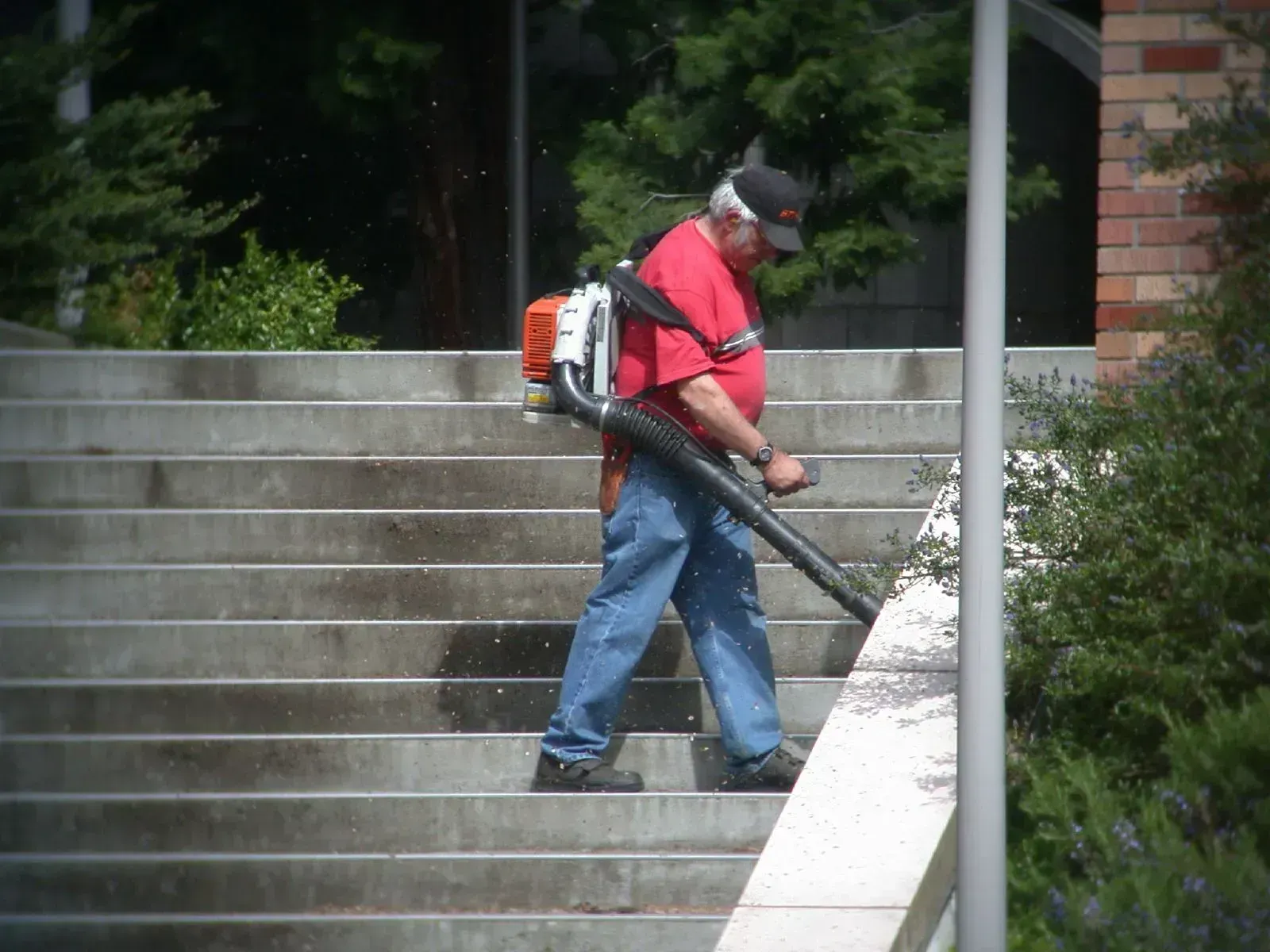
Honestly, leaf blowers might be the most universally disliked tool in any neighborhood. It turns out regulators feel the same way. The two-stroke engines in gas leaf blowers produce more pollution in one hour than driving a car hundreds of miles. That figure alone explains why so many cities are moving fast to eliminate them.
As of January 1, 2025, gas-powered leaf blowers are banned for use in Irvine, California, by residents and small businesses, and gas-powered landscaping equipment including lawn mowers, hedge trimmers, string trimmers, and chainsaws are banned for large businesses. This is a city that is not waiting around.
71 cities, 65% of which are located in California, have banned the use of gas-powered leaf blowers, and six Golden State cities have policies banning all leaf blowers, according to PIRG. Washington D.C. went even further. Washington D.C. has already prohibited gas leaf blowers, with violations bringing $500 fines.
Montgomery County lawmakers in Maryland voted 10 to 1 to ban gas-powered leaf blowers, making them illegal to sell as of July 1, 2024, and illegal to use exactly one year later. The momentum here is unmistakable. If you live near a major metropolitan area, a ban on your leaf blower may be closer than you think.
3. Gas-Powered Chainsaws: Two-Stroke Trouble in the Backyard
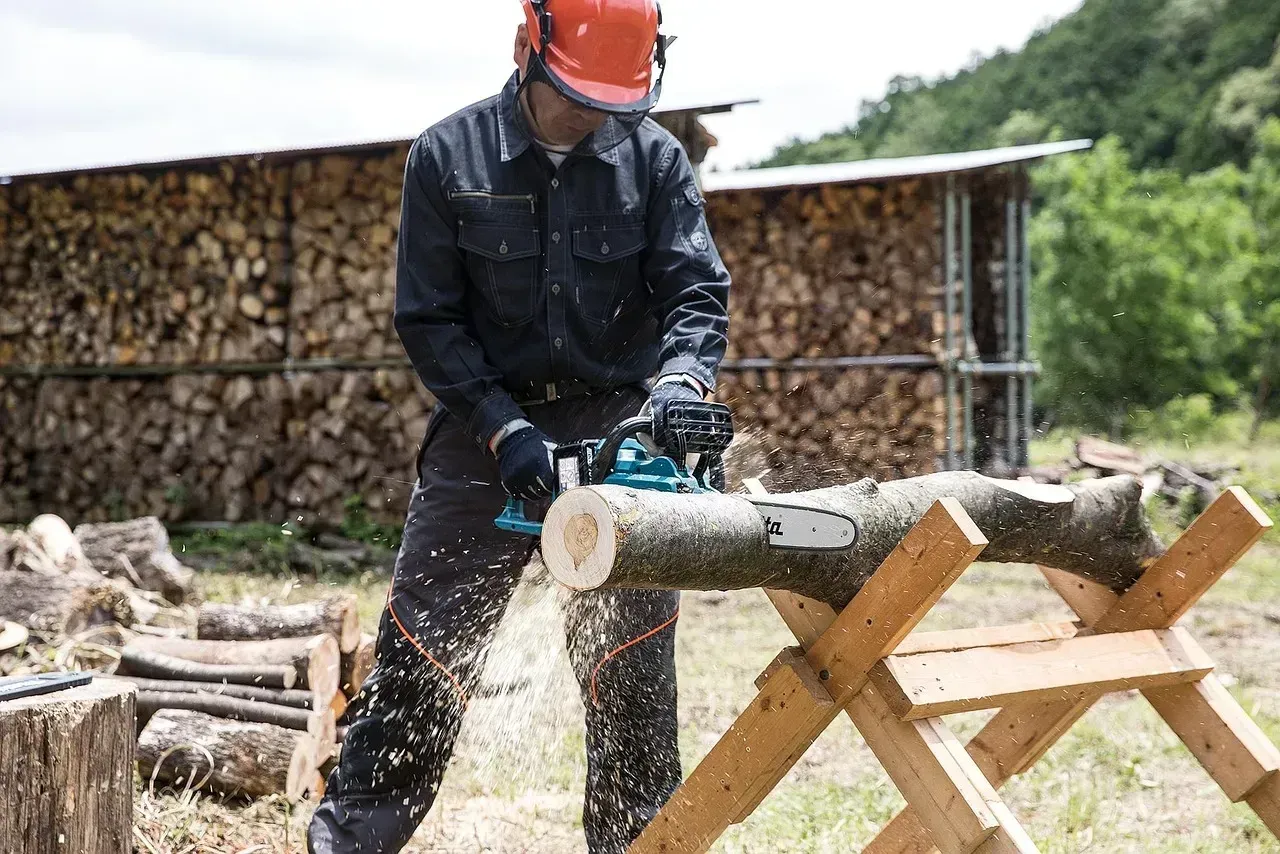
Most homeowners only drag out the chainsaw a few times a year. A fallen limb here, a stubborn tree there. But even occasional use is drawing scrutiny. Following the pattern of other gas-powered tools, chainsaws are likely next on the regulatory chopping block, with two-stroke engines producing significant emissions, and noise levels that can exceed 100 decibels, enough to cause hearing damage.
In January 2024, the state of California banned the sale of new small off-road engine-powered garden equipment, including chainsaws. So if you live in California and your gas chainsaw breaks down, replacing it with a new gas model is no longer legally possible through standard retail channels.
Battery technology has improved dramatically, with professional-grade electric models now available, and for occasional backyard tree trimming, the days of gas-powered saws appear numbered. Think of it like this: the shift from gas to electric chainsaws is following almost the exact same path as the transition from film cameras to digital ones. Slower than expected, then suddenly, all at once.
4. Neonicotinoid Pesticides: The Bee Killers in Your Garden Shed
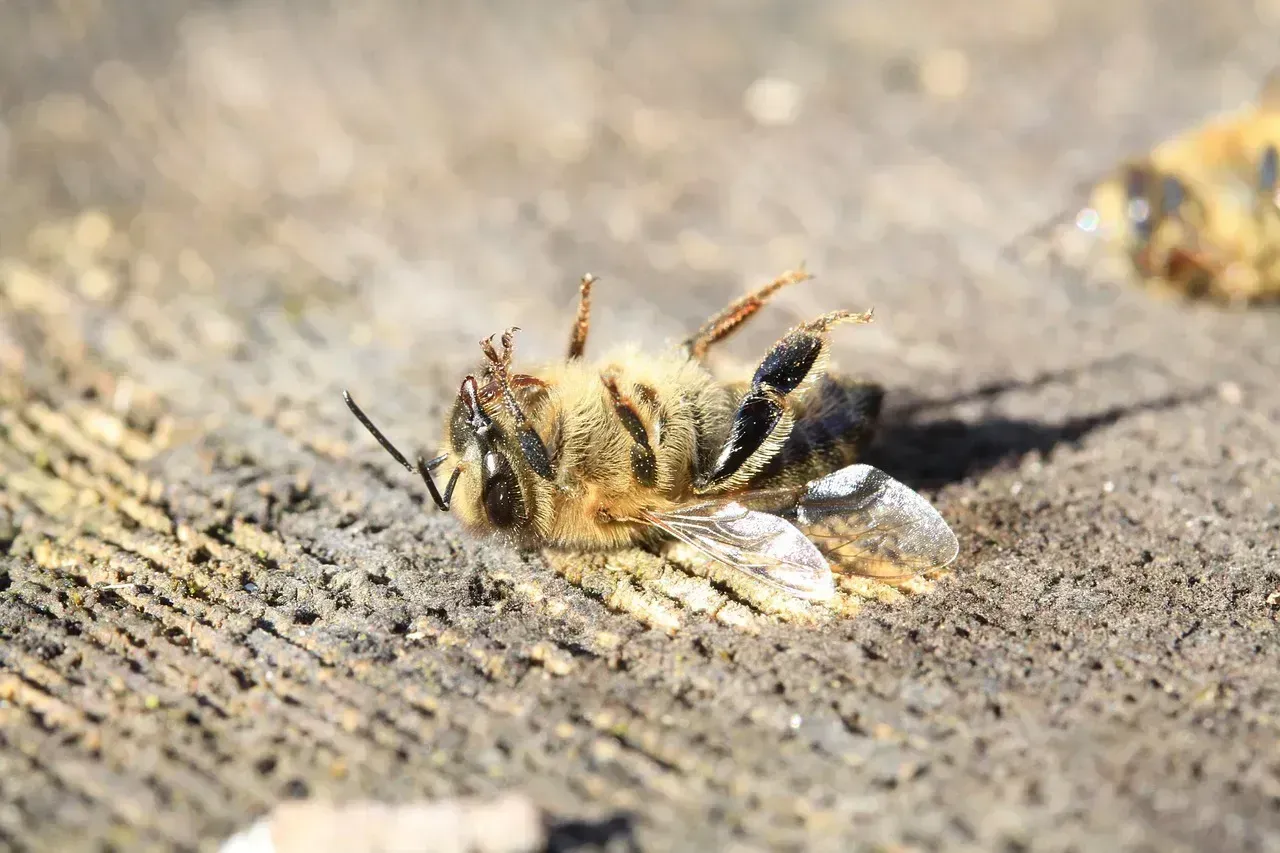
Walk into almost any garden center two years ago, and you could grab insecticide products containing neonicotinoids off the shelf without a second thought. Those days are fading fast. As of January 1, 2025, the sale of neonicotinoid pesticides was no longer allowed in retail nurseries and garden centers in California, and may only be used or possessed in urban settings by licensed applicators.
Because the pesticide is also present in the plant’s pollen and nectar, neonicotinoids have been linked to the decline in honey bees and other pollinators. This is not a fringe theory. It is backed by enough scientific evidence that multiple states and countries have acted on it.
The European Union, Canada, Maine, New Jersey and several other states have already banned or restricted these pesticides for non-agricultural uses. And the wave is growing. Maine and Connecticut join eleven other states, including California, Nevada, New Jersey, Massachusetts, Maryland, Minnesota, New York, and Vermont, in taking steps to restrict or prohibit the use of neonicotinoids.
It’s hard to say for sure where the federal picture lands given the current political climate in Washington. But at the state level, the direction is crystal clear. These products are being pulled from ordinary homeowners’ hands, one state at a time.
5. Glyphosate Weed Killers: Roundup’s Legal and Regulatory Reckoning
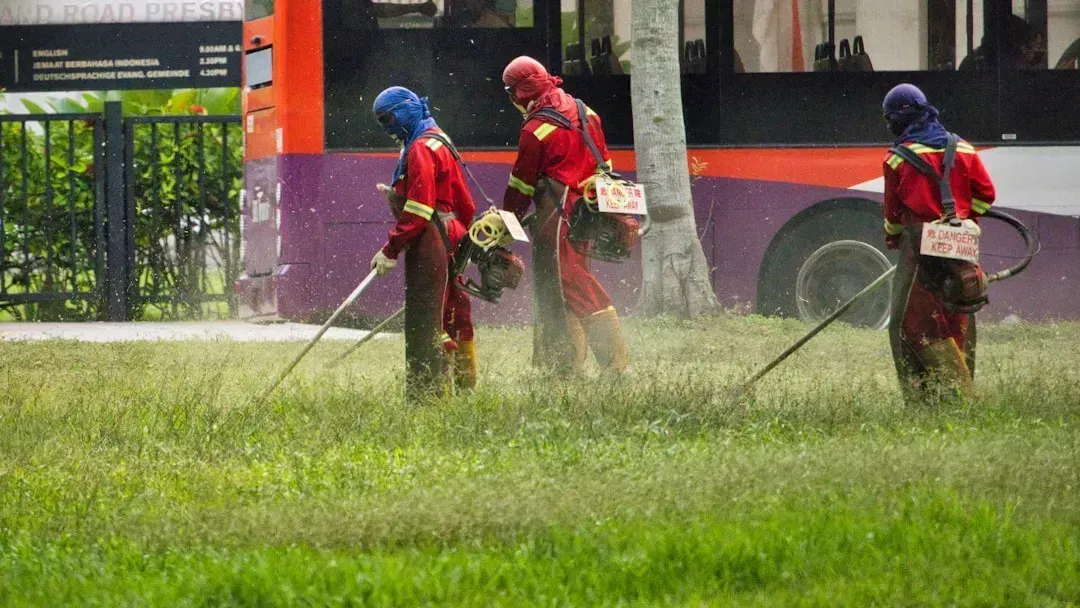
Roundup has been the go-to weed killer for generations of homeowners. It is everywhere. It works fast. It seems harmless when you spray it on a sunny afternoon. But the legal and scientific storm swirling around glyphosate, its active ingredient, is unlike anything the garden care industry has ever seen.
Several studies have linked glyphosate to an increased risk of non-Hodgkin lymphoma, a potentially fatal cancer. As of October 2024, plaintiffs allegedly harmed by glyphosate have filed more than 4,300 Roundup lawsuits against Monsanto and Bayer in multidistrict litigation. That is not a small number of unhappy customers. That is a legal firestorm.
Because of mounting cancer concerns, a growing number of cities and counties are banning or limiting glyphosate, including municipalities in California, Connecticut, Florida, Illinois, Iowa, Maryland, Massachusetts, New Mexico and Washington. Some places have gone further. Vancouver has banned private and public use of glyphosate, aside from the treatment of invasive weeds.
In a bid to avoid future litigation, Bayer announced it would discontinue the sale of glyphosate-based herbicides for U.S. residential use sometime in 2023. Even the manufacturer is signaling a retreat. Whether a federal ban ever arrives remains uncertain, but the local restrictions are already real enough to matter for millions of homeowners.
6. Anticoagulant Rodenticides: The Rat Poison Crackdown

Tucking rat poison under the porch or behind the garage is one of those things people have done forever without much thought. The logic seems simple enough. Mice and rats appear, poison goes down, problem solved. But the consequences reach far beyond the rodents you are targeting.
California has already designated certain rodenticide products as Restricted Materials, meaning you cannot buy them at a hardware store anymore, and as of January 1, 2025, even first-generation anticoagulants like warfarin face strict new prohibitions in the state. The crackdown is expanding, not shrinking.
The concern is what happens after the poison works. A rat or mouse that eats anticoagulant bait does not die instantly. It moves slowly, becomes easy prey, and gets eaten by hawks, owls, foxes, and neighborhood cats. The toxin then passes up the food chain, harming animals that were never the target. A bill signed in September 2024 expands an existing moratorium on anticoagulant rodenticides used to control rats, mice and other pest rodents.
The city council of Newbury, Massachusetts unanimously voted to ban second-generation anticoagulant rodenticides on private property, and several other local governments across the state have passed proposed rodenticide policies since fall 2023, including the cities of Arlington, Orleans, and Newton. This is a trend picking up serious speed across the Northeast and West Coast.
7. Portable Gas Generators: Carbon Monoxide Concerns Force New Rules
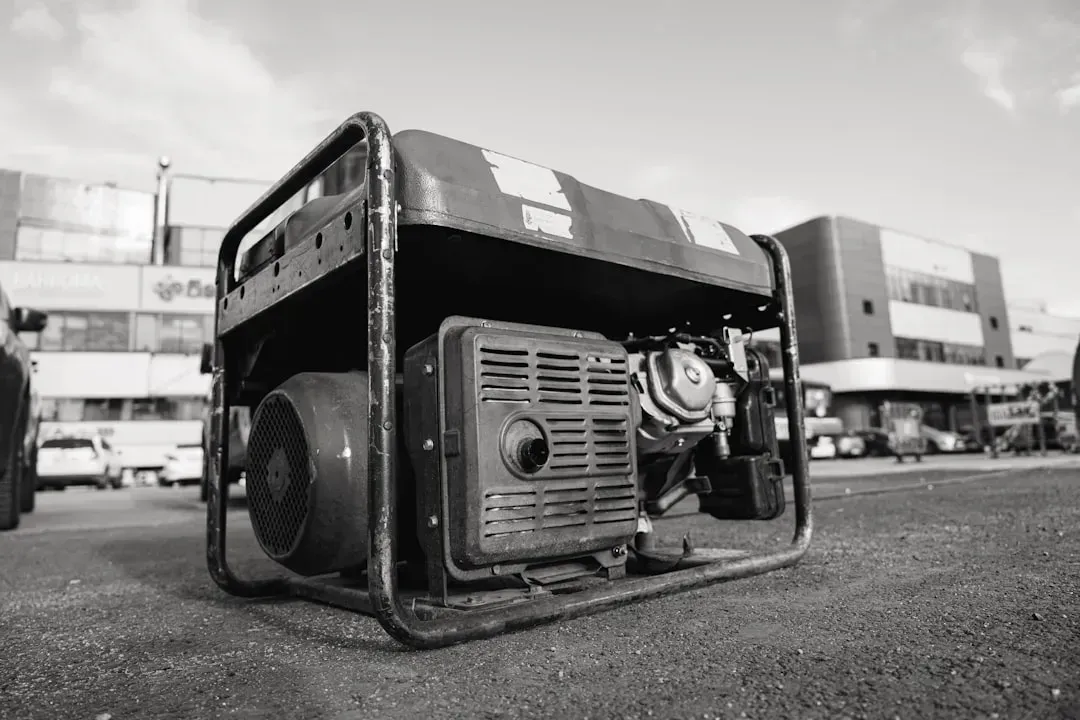
Portable generators feel like a safety net. Storm knocks out the power, you roll the generator out, and life continues. The problem is that this particular safety net comes with a deadly hidden risk that most people wildly underestimate.
Every year, roughly 100 people in the United States die from carbon monoxide poisoning caused by portable generators. One generator can produce as much of the deadly gas as hundreds of idling cars. These are not obscure statistics buried in technical reports. These are deaths happening in ordinary backyards and garages.
The Consumer Product Safety Commission is pushing a mandatory safety standard that would force manufacturers to slash carbon monoxide emissions by nearly 95% and install automatic shut-off sensors. If that standard becomes law, current generator models would essentially be regulated out of production. Generators that do not meet the new emissions threshold would no longer be legally sold as new units.
Think of it less as a ban and more as a forced evolution. The old-style generator, the kind most people already own, may become a legacy product that simply cannot be replaced with something identical. The change is coming whether the industry welcomes it or not.
8. Open Compost Heaps: The Unsecured Pile Problem

Composting feels virtuous. You are reducing waste, feeding your garden, doing something genuinely good for the environment. No argument there. But the classic open compost heap, that loose pile of food scraps and yard waste in the corner of the yard, is increasingly landing on the wrong side of local ordinances.
Traditional open compost heaps might disappear from suburban yards as municipalities crack down on potential pest issues, since food scraps in uncovered piles can attract rodents, raccoons, and other unwanted visitors, creating neighborhood conflicts. It is a surprisingly contentious topic in many HOA-governed communities.
Many communities now require enclosed composting systems with secure lids and bottoms. So the composting itself is not being prohibited. The specific method, the open and uncontained pile, is what is coming under fire. The distinction matters, but it still means the pile you have had running in the back corner for years may not be compliant with your local rules.
Here’s the thing: this particular shift is arguably the easiest to adapt to. Enclosed composting bins are widely available and often more efficient than open piles anyway. Still, it is one more reminder that even the most environmentally friendly habits in the backyard are now subject to regulation.