Meteorologists Warn: These 7 Home Weather Mods Are Illegal, Yet Some People Still Try Them
Most people would never think to meddle with the sky above their home. It seems almost absurd on the surface. Yet in 2025 and 2026, a growing wave of legislation, federal investigations, and meteorologist warnings has revealed something surprising: a real and rising number of individuals, startups, and backyard experimenters have been attempting to alter weather patterns, and regulators are scrambling to keep up. From tiny balloon launches to chemical dispersals, the line between curiosity and criminal conduct has never been thinner. Let’s dive in.
1. Backyard Cloud Seeding With Silver Iodide

Here’s the thing most people don’t realize: cloud seeding is an 80-year-old technology that adds tiny particles, usually silver iodide crystals, to clouds to trigger rain or snow. It sounds almost quaint, like something out of a 1950s science fair. However, the moment an unlicensed individual attempts to replicate this on a backyard scale, they step directly into a legal minefield.
Companies that intend to engage in weather modification activities within the United States are required by the Weather Modification Act of 1976 to provide a report to the Administrator of NOAA at least 10 days prior to undertaking the activity. Simply skipping that step, which any backyard tinkerer almost certainly would, already constitutes a federal violation. Failure to report under terms of the WMRA can result in fines of up to $10,000.
While silver iodide is nearly insoluble, when it dissolves it releases a small number of silver ions, which, if released at high enough levels, could harm beneficial bacteria in the environment and water resources. That is not a small concern when you consider someone experimenting without any atmospheric knowledge or environmental safeguards. Meteorologists are blunt about this: the risk is not theoretical.
The uncertainties that are widely acknowledged in the science of cloud seeding mean that potential harms are not well-understood. The World Meteorological Organization adopted guidelines in 2017 advising members not to perform weather modification activities without considering the high levels of uncertainty in effectiveness and potential harms involved. Even the professionals aren’t fully sure. So imagine what happens when an amateur tries it in their backyard.
2. Releasing Sulfur Dioxide Into the Atmosphere
If you think backyard cloud seeding sounds extreme, consider this: a two-person startup made global headlines by actually launching sulfur dioxide filled balloons into the stratosphere. The U.S. Environmental Protection Agency’s Office of Air and Radiation submitted a demand for information to a start-up company calling themselves “Make Sunsets,” which is launching balloons filled with sulfur dioxide seeking to geoengineer the planet and generate “cooling” credits to sell.
Sulfur dioxide has been regulated by the EPA since 1971 as part of the National Ambient Air Quality Standards program. Short-term exposure to SO₂ is known to impact the human respiratory system, particularly in individuals with asthma or other pulmonary conditions. Additionally, SO₂ contributes to acid rain and the formation of fine particulate matter, which can impair visibility and damage ecosystems. And yet, ordinary people are being inspired by cases like Make Sunsets to attempt similar activities on their own.
Make Sunsets, which is already banned in Mexico, publicly states its goal is to “scale significantly.” Its operations aim to mimic the cooling effects of volcanic eruptions by dispersing SO₂ into the stratosphere, a controversial climate intervention strategy that many scientists warn could have unintended environmental consequences. The lesson here is that even well-funded ventures with tracking equipment and legal teams cannot easily operate freely. A private homeowner attempting the same has essentially zero legal standing.
3. Unauthorized Stratospheric Aerosol Injection
Stratospheric aerosol injection, or SAI, is perhaps the most dramatic entry on this list. Think of it like trying to mimic a volcanic eruption from your driveway. In 2025, several U.S. states introduced legislation to prohibit geoengineering, defined as intentional large-scale interventions in Earth’s atmosphere or climate systems, such as cloud seeding or solar radiation modification.
In April 2025, Florida lawmakers passed Senate Bill 56, a landmark geoengineering ban that prohibits weather modification activities, including cloud seeding and solar radiation modification. Florida was not alone. Montana’s Senate Bill 473, passed on March 6, 2025, bans geoengineering practices like stratospheric aerosol injection and solar radiation management. The wave of legislation is real, fast-moving, and showing no signs of stopping.
Florida’s bill classifies unauthorized geoengineering as a felony, with penalties of up to five years in prison and fines up to $100,000. It also mandates airport monitoring to prevent such activities. Effective July 1, 2025, Florida’s geoengineering ban positions it as the first state to criminalize these practices, reflecting strong legislative support with an 82-28 House vote. Honestly, you would have to be extraordinarily reckless to attempt SAI privately, and now the legal consequences match the severity of that recklessness.
4. Marine Cloud Brightening Without a Permit
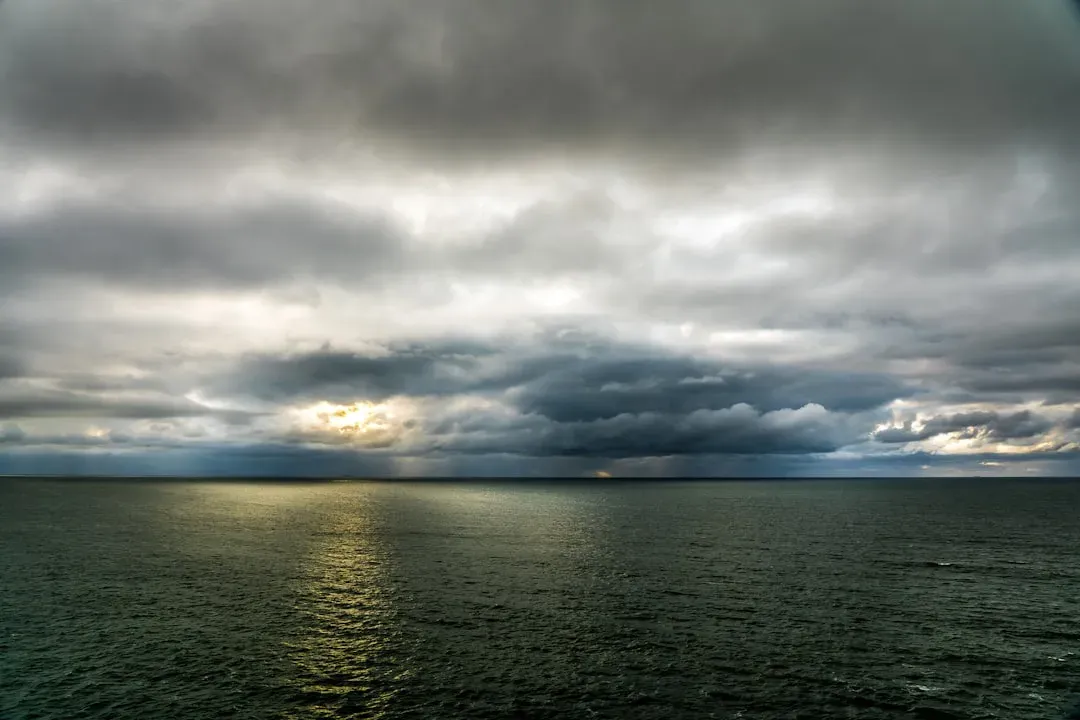
Marine cloud brightening is less well-known than cloud seeding, but it is no less legally precarious. The idea involves spraying tiny saltwater particles into low-lying marine clouds to make them more reflective and theoretically cool the ocean below. It sounds almost harmless. It isn’t.
The University of Washington’s Marine Cloud Brightening Program planned for a small-scale solar geoengineering experiment to begin in April 2024 that involved spraying saltwater aerosols off the deck of the retired USS Hornet aircraft carrier. A second phase of the experiment would have looked to increase the density and reflectiveness of clouds. However, the UW experiment only lasted 20 minutes before Alameda city officials shut it down. The city council voted in June 2024 to block the experiment from restarting, in part, over the researchers’ lack of transparency.
If a team of university scientists with institutional backing got shut down after 20 minutes, imagine what would happen to an unlicensed private individual. Any persons planning to engage in solar geoengineering activities that may result in the disposition of material into ocean waters or onto sea ice may need to submit a permit application to EPA under the Marine Protection, Research and Sanctuaries Act. That permit process is long, complex, and not designed for your garage operation.
5. Using Heat Sources or Fire to Induce Convective Circulation
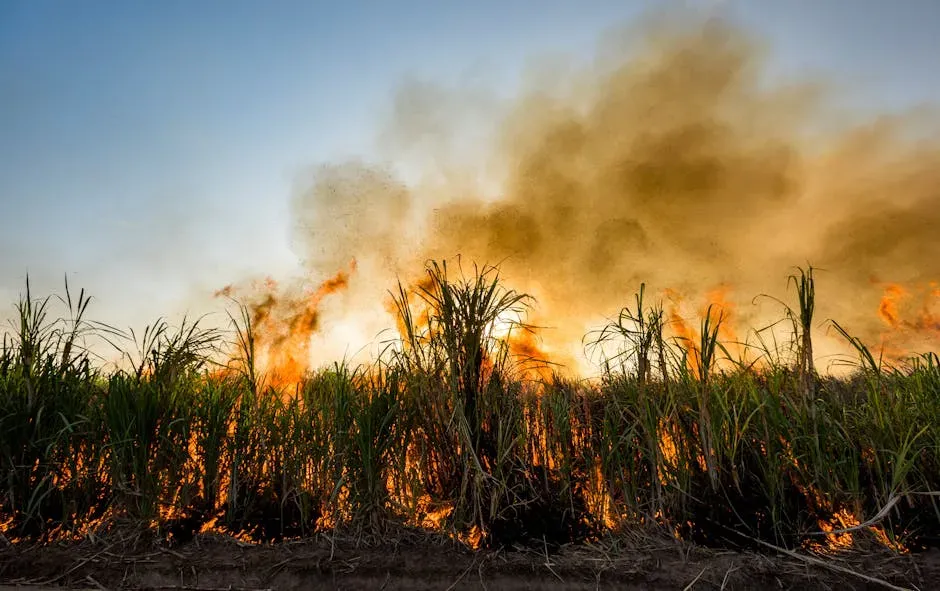
This one surprises people the most. It seems old-fashioned, almost folkloric. The idea of lighting large fires to stir up atmospheric convection or trigger rainfall has roots going back centuries, but it is still considered a weather modification attempt under federal law. And it is still happening.
The following, when conducted as weather modification activities, shall be reported: using fires or heat sources to influence convective circulation or to evaporate fog. That means deliberately setting fires with the intent to alter local weather patterns is subject to federal reporting requirements under the Weather Modification Reporting Act of 1976. Skipping that step puts you in violation of federal law, full stop.
I know it sounds crazy, but cases of people burning materials in open fields to try to encourage rain or dissipate fog have been documented historically. The 1916 California Superior Court case Hatfield v. City of San Diego was the first weather modification lawsuit in U.S. history, involving a rainmaker who claimed to have developed a method of stimulating rainfall by releasing gaseous chemicals into the atmosphere. Over a century later, private atmospheric interference is even more tightly regulated, not less.
6. Releasing Electrically Charged or Radioactive Particles Into the Air
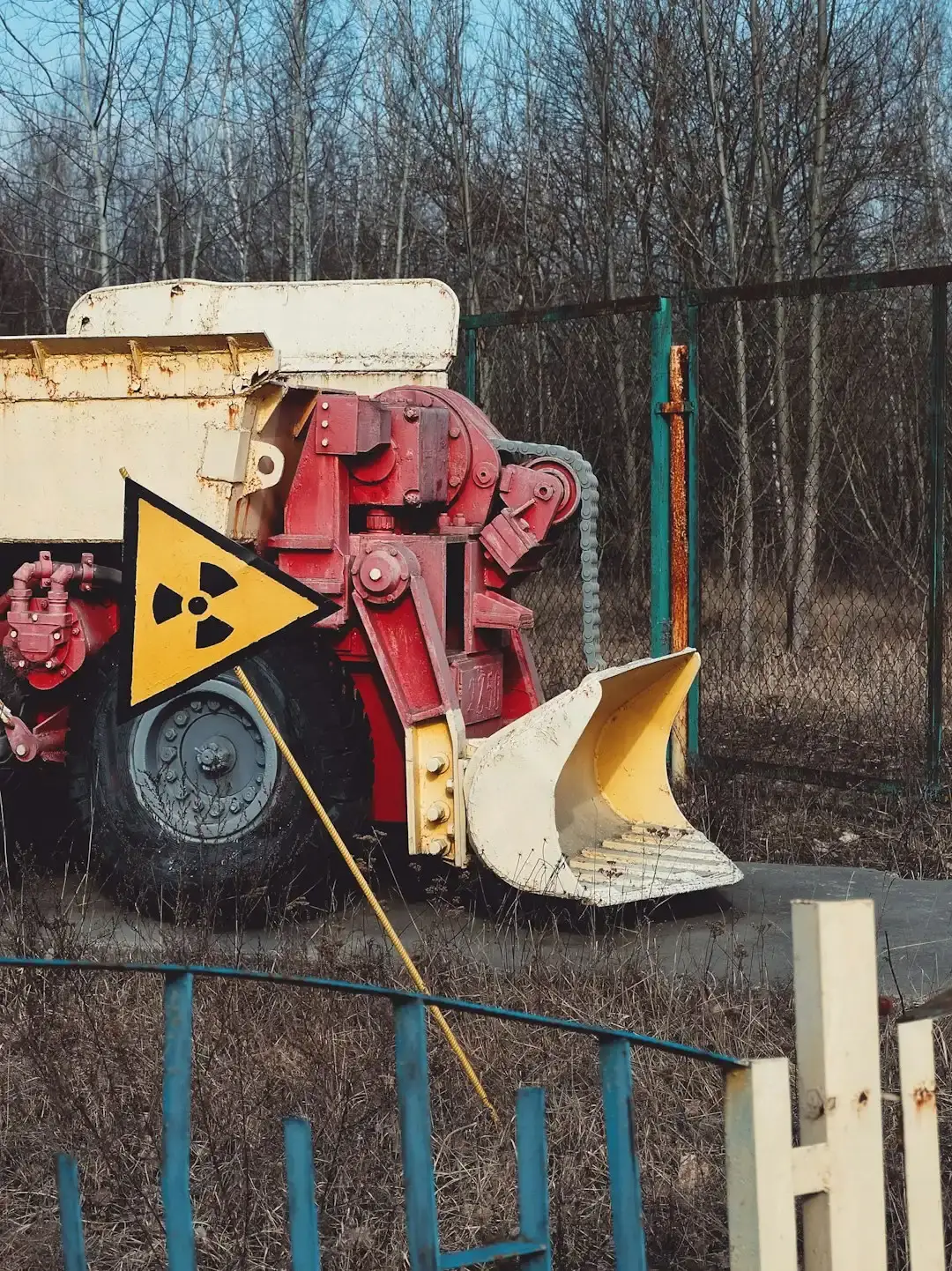
This entry moves from the surprising to the genuinely alarming. Some experimenters, drawing on fringe science or misinterpreting atmospheric research, have attempted to use ionizers or other charged-particle devices to manipulate local weather. This is not just scientifically questionable, it is explicitly prohibited under reporting laws and could carry serious health and safety consequences.
Releasing electrically charged or radioactive particles, or ions, into the atmosphere is classified as a reportable weather modification activity under 15 CFR § 908. That means any individual doing this without notifying NOAA at least ten days in advance is already breaking federal rules. In states like Florida, Tennessee, and Rhode Island, it now risks criminal charges on top of federal violations.
Rhode Island’s House Bill 5217, introduced on January 29, 2025, bans geoengineering and weather modification, including stratospheric aerosol injection and cloud seeding. The Department of Environmental Management enforces the geoengineering ban, with the Attorney General pursuing fines of at least $500,000 and up to two years’ imprisonment per violation. Half a million dollars in fines and prison time. For a backyard experiment. The stakes do not get more serious than that.
7. Applying Shock Waves or Acoustic Sources to Influence Weather
This last one is perhaps the strangest on the list, yet it has historical precedent. A popular belief in Northern Europe was that shooting prevents hail, which caused many agricultural towns to fire cannons without ammunition. Veterans of the Seven Years’ War, Napoleonic Wars, and the American Civil War reported that rain fell after every large battle. People have been trying to blast weather into submission for centuries. Today, it remains not only unproven but also legally regulated.
Applying shock waves, sonic energy sources, or other explosive or acoustic sources to the atmosphere is a formally listed reportable weather modification activity under federal regulations. That means anyone firing off explosives, industrial sound generators, or other sonic devices with the expressed intent of changing local weather conditions must notify NOAA in advance. Most people doing this would never think to file paperwork with a federal agency, which is exactly the problem.
Federal regulation remains limited: the EPA states there are no federal rules governing solar geoengineering as of its 2025 FAQ, and Congress has introduced bills like the Clear Skies Act aiming to criminalize weather modification nationally, meaning state laws operate in a policy vacuum that could be preempted or supplemented by future federal action. The legal landscape is still evolving rapidly, but the direction of travel is unmistakable: governments at every level are clamping down.