10 Things You Didn’t Know About 1776–1976 Quarters That May Rise in Value in 2026
The 250th Anniversary Is Driving Renewed Interest
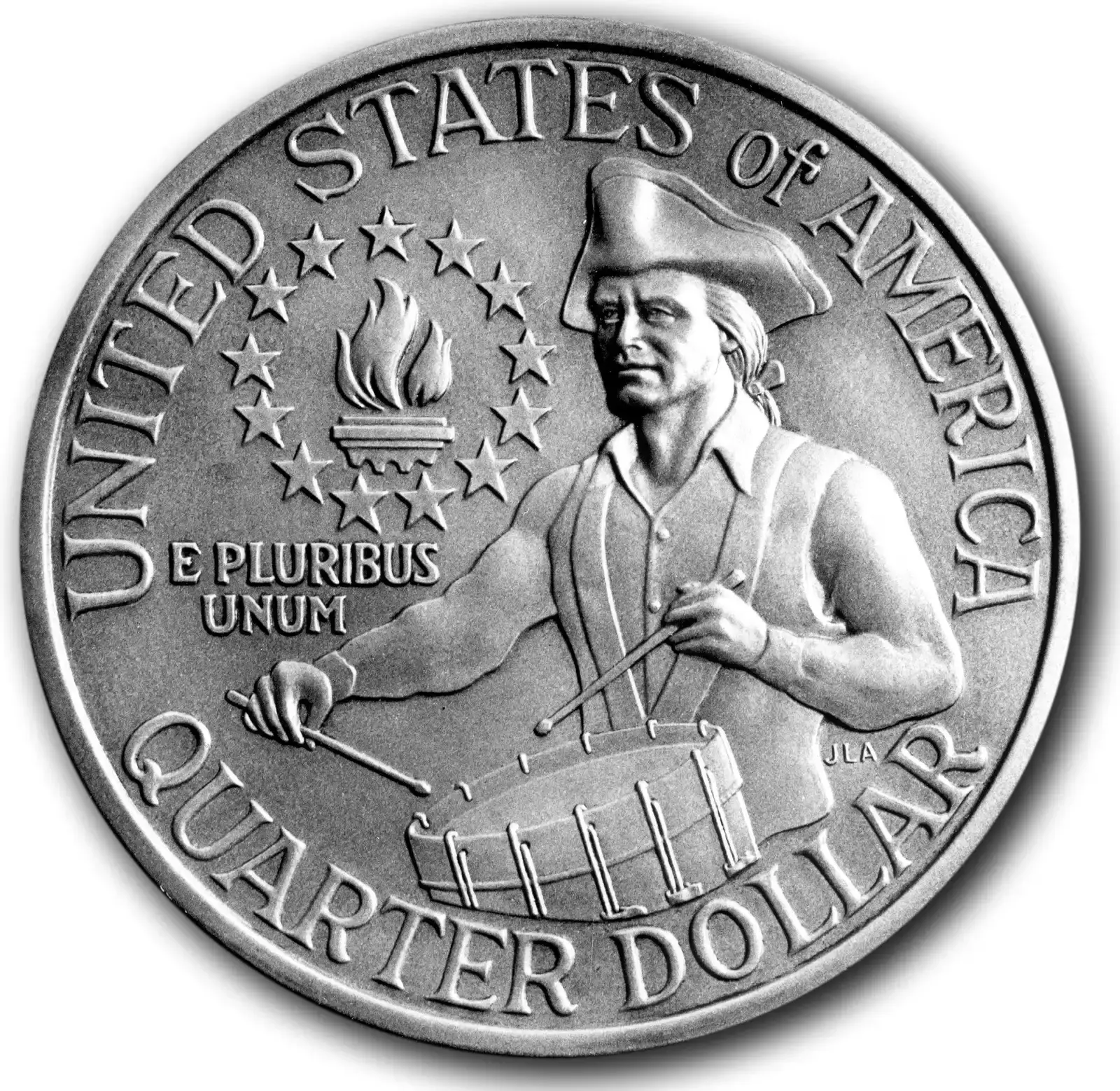
As the United States approaches its 250th anniversary in 2026, the 1976 issues have seen a renewed surge in popularity among a new generation of numismatists. This timing has collectors examining their change with fresh urgency, particularly for quarters that once circulated freely but are now becoming scarcer in pristine condition. The excitement around rare Bicentennial Quarters is growing as the U.S. gets closer to its 250th anniversary in 2026, these coins are not just money but pieces of American history tied to the nation’s 200th birthday, and stories of people finding valuable coins in their change have made everyone curious with auction houses seeing record-breaking bids. The approaching milestone anniversary is creating perfect storm conditions for value appreciation.
Over 1.6 Billion Were Minted But Finding Gem Condition Examples Is Surprisingly Difficult
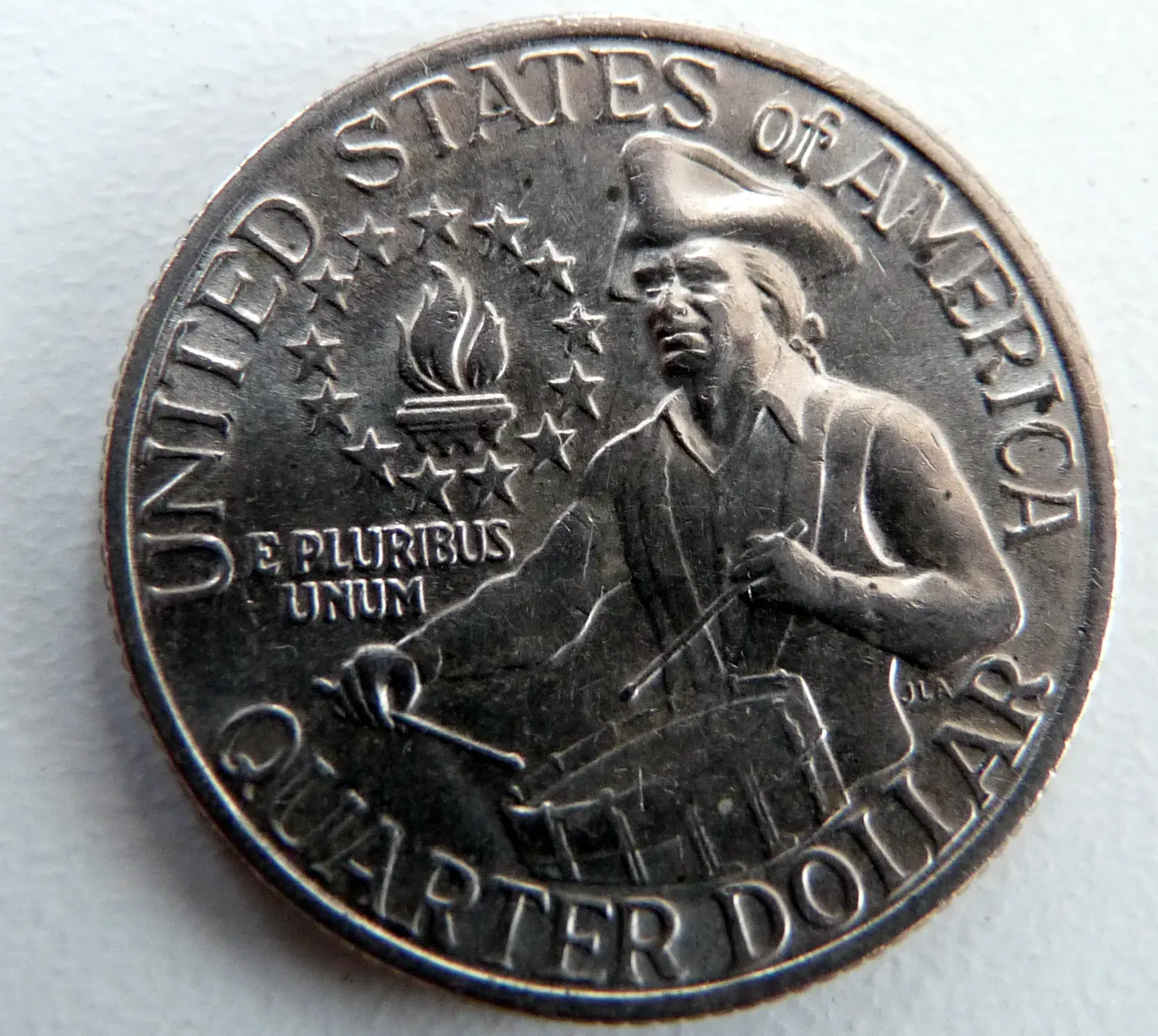
Bicentennial quarters were minted in massive numbers, with over 1.6 billion produced at the Philadelphia and Denver mints alone. While this enormous mintage initially suggests common availability, the reality has shifted significantly. In 2026, finding a “Gem” quality clad quarter from circulation is becoming increasingly difficult as more coins suffer from wear and tear. Many quarters were pulled from circulation due to their distinctive drummer boy design, creating surprising scarcity for high-grade examples despite the enormous original mintage. This paradox makes well-preserved specimens from nearly fifty years ago increasingly valuable to collectors.
The 40% Silver Versions Were Never Meant for Circulation
Silver Bicentennial Quarters were never intended for circulation and were sold exclusively in collector sets, containing a 40% silver outer layer bonded to a copper-silver core which gives them intrinsic metal value. These special versions can be identified by weight and edge appearance. To differentiate your copper-nickel clad Bicentennial quarter from the 40% silver Bicentennial quarter you may need to weigh it, and if your 1976-S Bicentennial quarter weighs 5.75 grams it is made from a 40% silver composition. In the 2026 market, the surge in silver prices has created a high “floor” value for the 40% silver varieties, while high-grade error coins continue to set records at major auctions.
MS69 Silver Examples Have Sold for Nearly Twenty Thousand Dollars
One of the biggest surprises in a recent auction was a 1976-S Washington Bicentennial silver-copper clad quarter dollar graded PCGS MS-69 that sold for a whopping $19,200, nearly quadrupling what it realized back in 2007. This dramatic price increase demonstrates the growing collector demand for top-quality examples. Only examples in MS68 condition or higher appear to be scarce but still thousands of examples exist if enough searching is done, while in MS69 condition it is really scarce with less than a handful of examples known and none existing in higher condition. High-grade examples certified by professional grading services at MS68 or MS69 can command prices from $1,000 to over $5,000.
The Double Die Obverse Error FS-101 Can Be Worth Thousands
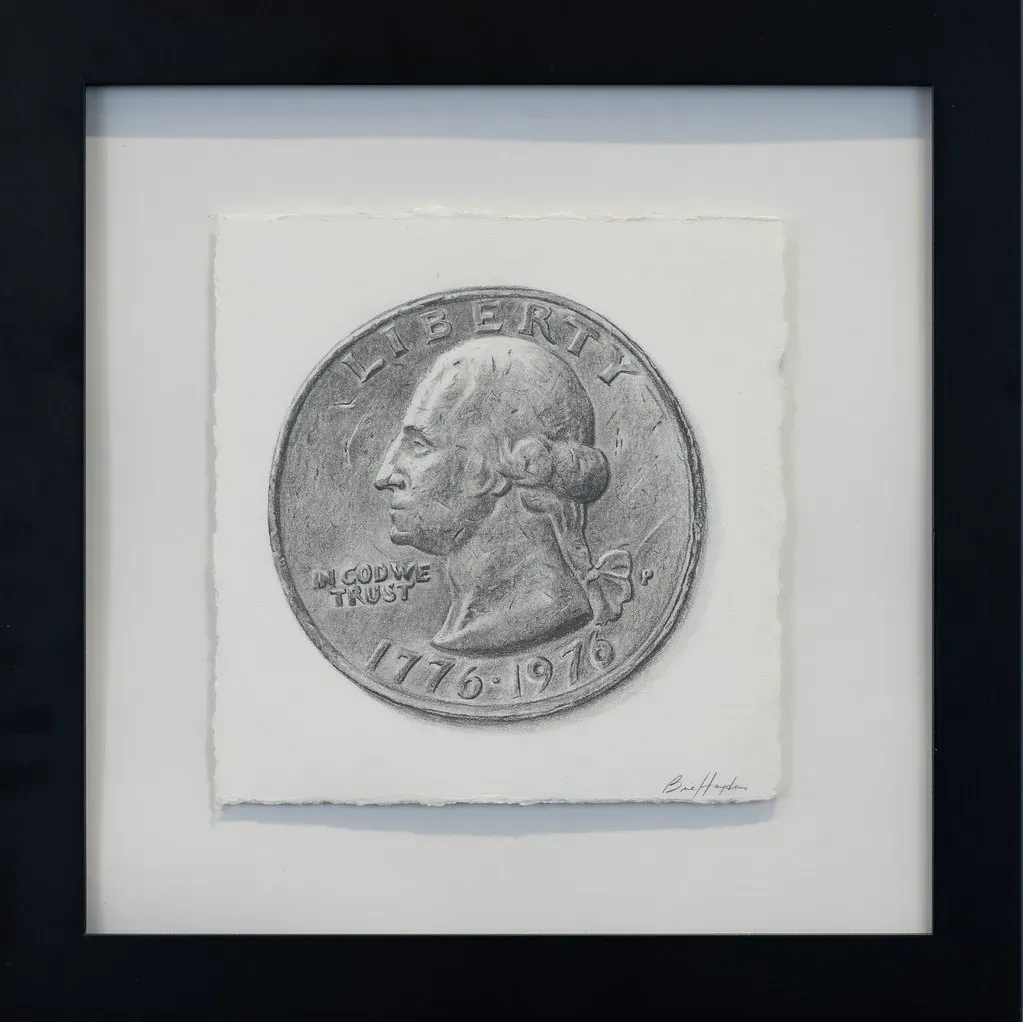
The 1976-D Double Die Obverse varieties represent the most sought-after errors in the bicentennial series, with FS-101 showing clear doubling on “LIBERTY” and the date “1776-1976” while FS-102 displays pronounced doubling on “IN GOD WE TRUST” and Washington’s profile details. These valuable coins have an auction record of 2023 when an MS 66 was sold for $8,400 at Heritage Auctions. The DDO is so rare that PCGS has only holdered fewer than 60 of this type, however it estimates that 850 are out there, so you still can find one. Even lower-grade examples with this error can bring hundreds of dollars at auction.
Denver Mint Quarters Often Show Superior Strike Quality
Denver Mint quarters are particularly sought after for their generally superior strike quality and fewer bag marks compared to their Philadelphia counterparts, error varieties are especially prized including the famous filled “D” mint mark error and double die obverse specimens, and high-grade examples in MS68+ are remarkably scarce given the enormous mintage making them genuine condition rarities that command premium prices among serious collectors. According to research by Charles Morgan and Hubert Walker, most 1976 and 1976-D bicentennial quarters are attractive well-made coins but lack sharpness in specific areas, and a fully struck coin without scratches or bag marks is considered a standout example particularly among uncirculated pieces.
Only 13 Coins Have Been Graded MS68 by PCGS as of September 2024
Coins graded MS68 are exceptionally scarce, and as of September 2024 PCGS reports only 13 coins in this grade while NGC reports 15. This extreme rarity at the highest quality levels creates significant competition among advanced collectors. High-grade regular strikes also command serious money with a 1976-D MS68 reaching $6,463. The population data reveals just how difficult it is to locate examples that survived nearly five decades without developing contact marks, toning issues, or other imperfections that lower grades.
Filled Mint Mark Errors Command Premium Prices
Found on coins minted in Denver where the “D” mint mark appears filled or partially obscured, this error occurred due to excess metal or clogged dies during production, and collectors are willing to pay a premium for this unique flaw. Locate the mint mark below the date and examine for solid or partially filled interiors instead of clear open areas, with values ranging from $10-50 for circulated examples to $100-300 for high-grade specimens especially when combined with doubled dies. This relatively easy-to-spot error makes searching through pocket change potentially profitable for keen-eyed collectors.
Professional Grading Dramatically Increases Market Value and Trust
Condition plays a major role in determining Bicentennial Quarter value, coins graded by professional services are more trusted in the market and often sell for higher prices, and a quarter graded Mint State 65 or above can be worth several times more than an ungraded example. Sellers are advised to research current 2026 auction prices, consider professional grading for high-quality coins, and use reputable auction platforms for rare examples. It’s essential that you get your quarters assessed by Numismatic Guaranty Company (NGC) or Professional Coin Grading Service (PCGS), which are globally approved and accepted coin graders, to get the most optimal appraisal for the coins.
Error Coins Including Off-Center Strikes and Wrong Planchets Can Reach Six Figures
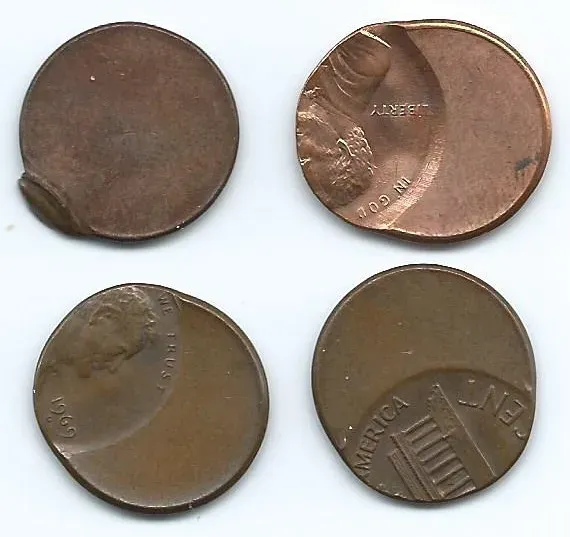
Error coins such as Doubled Die Obverses or dramatic off-center strikes are especially prized, and one famous error is the “Struck Through Cloth” variety where a weaving pattern is imprinted on the coin’s surface. One famous example is a 1976-D quarter missing its clad layer showing a copper core, valued at up to $3 million. The rare 1776–1976 Bicentennial Quarter error is the double die obverse where elements like the date or the word “LIBERTY” appear doubled due to a misalignment during the minting process, while another notable error is the off-center strike or quarters struck on the wrong planchet such as on a nickel or dime blank. These dramatic minting mistakes transform ordinary quarters into museum-quality rarities.