I Retired to Texas at 60 – Here Are 8 Reasons I Regret It
Texas sold me a dream. No state income tax, warm winters, wide open skies, and the kind of frontier freedom that makes you feel like anything is possible in your golden years. I packed up everything, moved south, and told myself I’d made the smartest financial decision of my retirement life.
I was wrong. Or at least, I was only half right. The thing about Texas is that the brochure version and the lived version are two very different places. Let me walk you through exactly what I wish someone had told me before I signed those papers.
The Property Tax Bill That Shocked Me Into Reality
Let’s be real – nothing prepared me for opening that first property tax envelope. Texas famously has no state income tax, and every retirement forum celebrates that fact like it’s some kind of miracle. What they don’t mention loudly enough is that the state compensates with some of the steepest property taxes in the entire country.
Property taxes across Texas have been steadily climbing for the past decade, reaching a record $125.05 billion levied statewide in 2024. Back in 2014, the total was only $49.06 billion, meaning the collective tax burden has grown more than 160% in just ten years. That is a jaw-dropping number, and it hits retirees on fixed incomes especially hard.
A WalletHub study revealed that Texans are saddled with the seventh-highest property taxes in the nation, with homeowners expected to pay a median of $4,232 in property taxes in 2026. Residents are now expected to pay $360 more on their property taxes in 2026 than they did in 2024. There are senior exemptions available, but they require proactive enrollment and paperwork most new retirees don’t know about until it’s too late.
Texas doesn’t have state income tax, but property taxes are relatively high, with rates among the highest in the country – homeowners often end up paying thousands each year, regardless of whether they’re working or retired. For someone stretching a fixed retirement income, this is not a minor inconvenience. It can quietly devour your budget year after year.
The Summer Heat Is Not Just “Warm Sunshine”
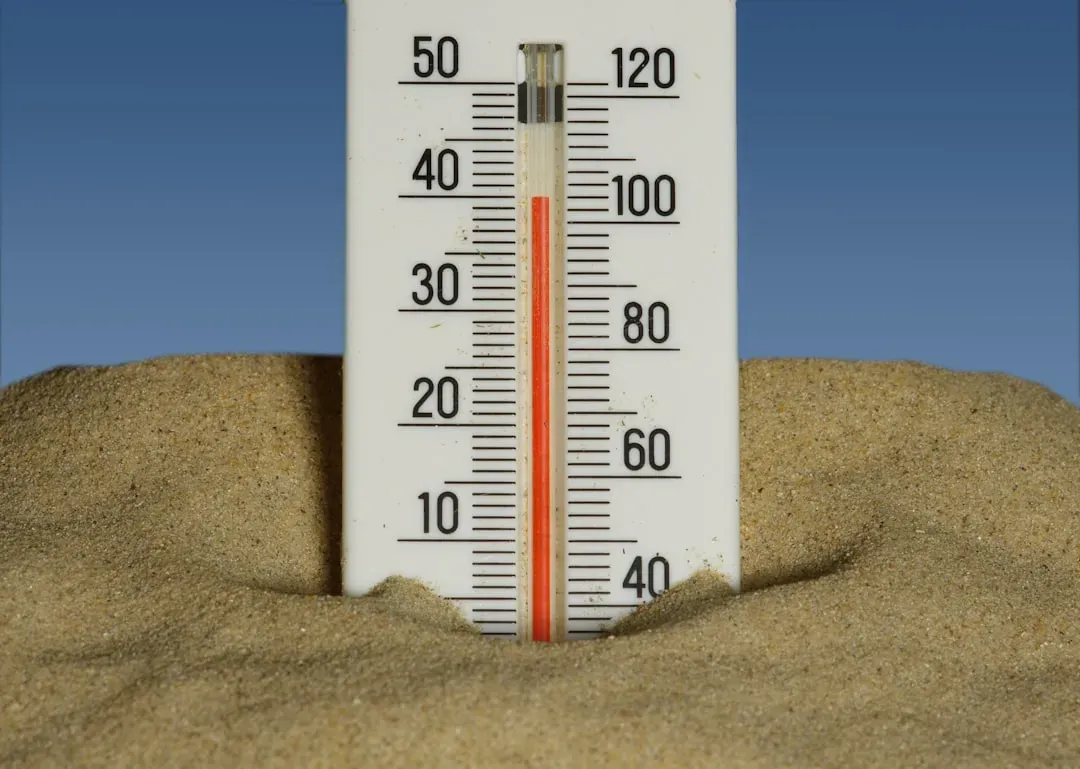
I thought Texas heat meant pleasant evenings on the porch. Honestly, I couldn’t have been more naive. The summers here are not “warm.” They are relentless, dangerous, and increasingly long.
Cities in Florida and Texas have experienced the largest extension in summer-like temperatures. San Angelo, Texas tops the list with summer temperatures now stretching 31 days later into the fall compared to the early 1970s. That means the brutal heat doesn’t end when September arrives. It follows you into October.
Certain populations are more vulnerable to extreme heat, including older adults. Seniors who are 65 or older are more likely to find their health compromised by chronic conditions such as kidney or cardiovascular disease, or other age-related complications. As someone in their 60s, I now spend the better part of four to five months barely leaving the house before 7 in the morning or after 8 at night. That is not the outdoor retirement lifestyle I imagined.
There had been 357 heat-related deaths in Texas in 2023, and that figure doesn’t even include cases where heat was listed only as a contributing cause of death. I think about that statistic every summer now. It is not abstract. It is real, and it should be part of every retirement conversation about this state.
Healthcare Access Is More Uneven Than I Ever Imagined

Here is the thing – the big Texas cities have genuinely world-class hospitals. Houston’s Texas Medical Center is legitimately extraordinary. But the moment you move outside a major metro area looking for affordability and quiet, the healthcare picture changes drastically and fast.
Rural Texas, especially, is in crisis: the state ranks 47th for primary-care physicians and 49th for mental health access. More than two dozen rural hospitals have closed since 2010, with many more on the brink. For retirees who move to smaller towns chasing lower housing costs, this gap can feel invisible until a health emergency makes it terrifyingly visible.
Primary care access is inadequate, especially in rural areas, with 32 counties having no primary care doctors at all. Think about that for a moment. Thirty-two entire counties without a single primary care physician. That is not a small footnote. For retirees with chronic conditions, that reality can mean hours of driving just for a routine appointment.
As of 2025, Texas has not expanded Medicaid, which creates coverage gaps that can catch retirees who retire before Medicare eligibility at 65 completely off guard. It is the kind of detail that only becomes clear after you’ve moved and are standing in a waiting room wondering what just happened to your coverage.
Home Insurance Costs Are Spiraling Out of Control

I thought the lack of state income tax would free up budget room for everything else. Nobody warned me that home insurance in Texas would eat that savings whole and then ask for seconds. This is genuinely one of the most shocking financial surprises of my Texas retirement.
According to data from the Texas Department of Insurance, the average annual homeowners insurance premium in Texas reached approximately $3,291 in 2024, based on statewide market filings. That number sounds manageable until you realize it has been growing at breakneck speed for years.
Recent rate increases have been dramatic, averaging 11% in 2022, 21% in 2023, and 19% in 2024. Insurify estimates that Texas will be the fifth-most expensive state for home insurance in 2025, with homeowners paying an average annual premium of $6,522. These are not rounding errors. These are life-altering jumps for someone on a fixed income trying to budget for the next 25 years.
The Texas Department of Insurance reports that 160 companies offer homeowners policies in Texas, but some are choosing to reconsider doing business in the state. Progressive has restricted selling homeowners policies, claiming storms in Texas accounted for nearly 40 percent of the company’s losses in the second quarter of fiscal 2024. Fewer competing insurers means less negotiating power for homeowners, and costs are expected to keep climbing.
Natural Disasters Are a Constant, Stressful Backdrop
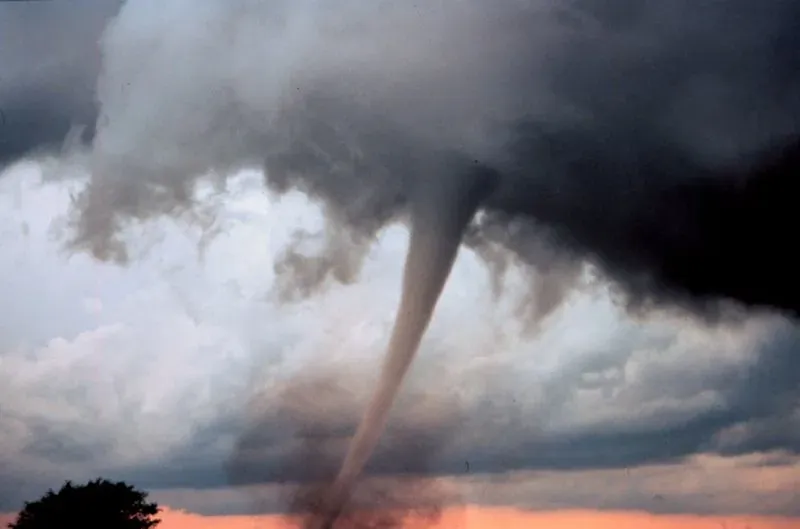
Before I moved here, I thought natural disasters in Texas meant the occasional hurricane on the coast. Now I understand that the threat landscape is far broader, more frequent, and more psychologically exhausting than I ever anticipated.
Texas has some extreme weather – tornadoes are more common than in most states. It also suffers from severe thunderstorms and hurricane damage. Living with that awareness becomes a low-grade stress that doesn’t leave you. You plan around storm seasons. You keep emergency kits. You watch radar apps obsessively in spring.
In early July 2025, communities in Texas, New Mexico, and North Carolina experienced deadly flash floods, with over 100 people dying in the Texas floods. These are not rare, distant tragedies anymore. They are recurring events. And with climate patterns shifting, forecasters are not offering much reassurance about the future either.
When asked about their concerns with extreme weather, some expressed worry about property damage, community impact, and the possibility of losing their homes forever. The larger concern was the impact an extreme weather event may have on increasing insurance costs. Some 35% of voters indicated concern about the impact natural disasters will have on what they pay for insurance. When even the local residents are that worried, it says something important.
Texas Ranks Among the Worst States for Retirement Overall
I wish I had dug into the actual data before I moved rather than after. The sunny narrative around Texas retirement is pervasive and convincing. The independent research paints a more sobering picture.
According to a recent study by Bankrate, Texas is ranked as one of the worst states for retirees. That ranking considers far more than just tax rates. It weighs safety, wellbeing, healthcare, affordability, and overall quality of life – the things you actually live with every day.
Texas ranked number 49 out of 50 worst states to retire in, receiving a low ranking in nearly every category besides taxes, in which it scored seventh overall. Being good at one thing – income tax – while ranking near last in nearly everything else is not the trade-off retirement brochures advertise. It is worth sitting with that number for a moment before making a permanent move.
Texas is the 42nd-best state to retire in, according to Bankrate. It scores well on weather, middlingly on healthcare and affordability, and poorly on crime and well-being. Multiple independent rankings converge on the same conclusion: Texas looks better on paper than it feels in practice for many retirees.
The “No Income Tax” Advantage Is Smaller Than You Think
The no-income-tax pitch is genuinely compelling, and honestly, it is not a myth. Texas does not tax Social Security, pensions, or retirement account withdrawals at the state level. That is real money. The problem is that several other costs quietly claw it back.
Property taxes and sales taxes can outweigh the savings from no state income tax, especially for retirees on fixed incomes. This is the calculus that the Instagram retirement gurus skip over entirely. The gross headline sounds great. The net reality, after property taxes and insurance, is frequently much less impressive.
Texas has a statewide sales tax of 6.25 percent, though local jurisdictions may impose their own sales tax up to 2 percent, for a total maximum combined rate of 8.25 percent. Every grocery run, every home improvement purchase, every everyday expense carries that burden. It is not catastrophic, but it adds up steadily across an entire retirement.
Think of it like a leaky bucket. The no-income-tax promise fills your bucket at the top. The property taxes, sales taxes, and insurance premiums create holes at the bottom. Whether your bucket stays full depends entirely on your specific situation, where you live in Texas, and how much your home is worth. It is far less universal than it sounds.
Getting Around Requires a Car – Always, Everywhere
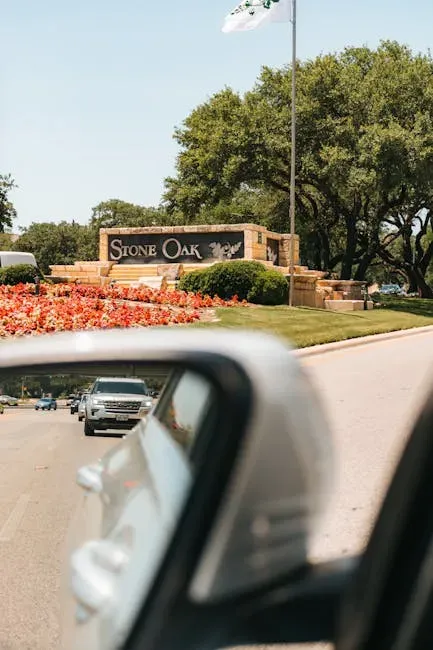
This one sounds minor until the day it isn’t. Texas is enormous, sprawling, and almost entirely car-dependent. For younger retirees who can drive comfortably, this isn’t a daily issue. The concern is about what happens five or ten years down the road.
Public transportation options are limited in Texas. More rural areas face limited access to healthcare facilities and providers, including long wait periods for specialists. Even in many suburban areas, transit infrastructure barely exists. The car is not a convenience here. It is a fundamental requirement for independence.
Imagine having a health event that limits your driving – a surgery, vision loss, a neurological diagnosis. In a city with real transit infrastructure, life continues. In most of Texas, that same event can collapse your entire daily independence in one afternoon. It is the retirement planning blind spot that almost nobody discusses until it becomes personal and urgent.
I think about this more than I expected to. I moved here at 60 with no trouble driving. At 70, at 75, the calculus will look completely different. The infrastructure is simply not there to support aging in place without a vehicle, and that is a risk worth weighing carefully before committing to the Lone Star State.
Texas has real advantages, and I am not pretending otherwise. The people are warm, the food culture is extraordinary, and winter here genuinely feels like a gift after years of northern cold. Still, the gap between the retirement fantasy and the lived reality is wider than I expected, and wider than most retirement content will ever tell you.
If you are standing at the crossroads of this decision right now, I am not saying don’t go. I am saying go in with full information, not half the picture. What would you have done differently if you had known all of this first?