I Managed a Grocery Store for 8 Years: 9 Products I’d Never Buy
Eight years is a long time to spend inside a grocery store. You learn things that most shoppers never get to see. The back room, the loading dock, the expiration date rotation tricks, the way certain products are placed on shelves for a reason that has nothing to do with your health. After nearly a decade on the floor, I built a list of products I personally avoid. Not because of some wellness trend or influencer detox. Because I’ve seen what’s actually in them, handled the boxes, and read the research.
This isn’t about fear. It’s about being smart. A few of these will probably surprise you. Let’s get into it.
1. Processed Deli Meats

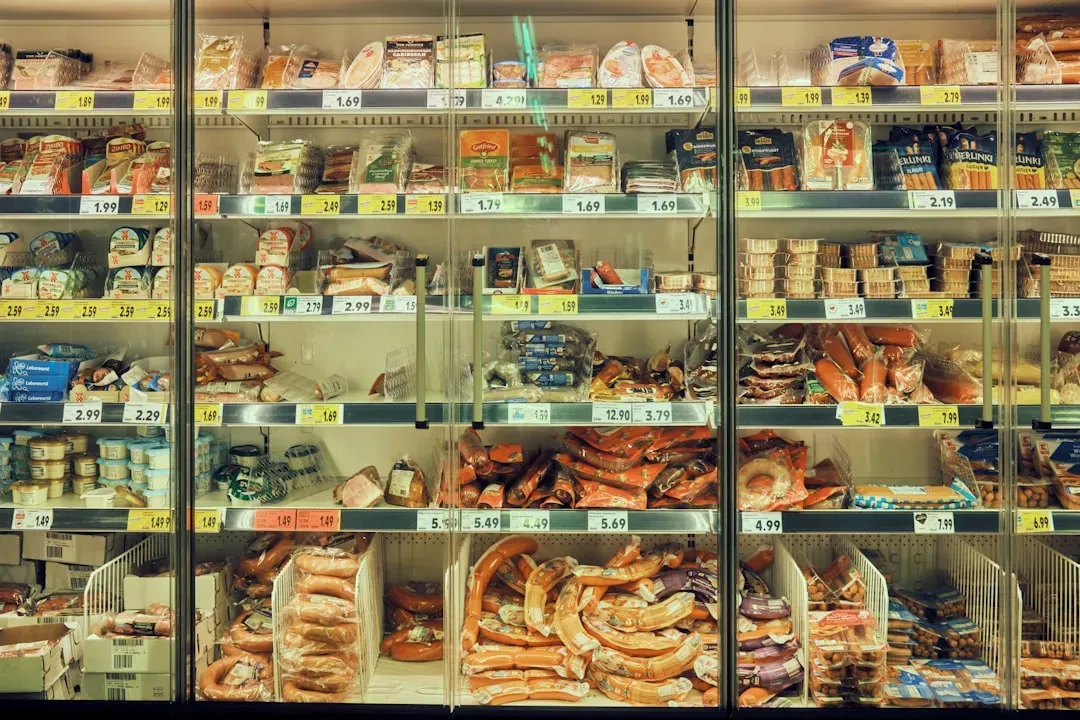
Let’s be real: the deli counter looks trustworthy. Freshly sliced, neatly stacked, wrapped to order. But here’s the thing – deli meat has consistently appeared on Consumer Reports’ risky foods lists. Bacteria, especially listeria, are often found in processing plants and on slicers and other equipment at deli counters, and listeria can survive and grow in cold temperatures.
The WHO’s International Agency for Research on Cancer classified processed meat as “carcinogenic to humans,” with each 50-gram portion eaten per day increasing the risk of colorectal cancer by 18%. That’s roughly six slices of deli turkey or one hot dog. Daily. Over time.
Processed meat has been treated through smoking, curing, salting, or fermentation. This includes bacon, ham, deli meat, sausage, and hot dogs. Processed meat is a known carcinogen. The numbers here are hard to argue with, and after years of handling these products, I stopped buying them entirely.
Processed meats are often loaded with sodium during the curing, smoking, or preservation process, with one study finding that processed meats have around 400% more sodium than unprocessed meat. That excess sodium alone is a serious issue, completely aside from the cancer question.
2. Sugary Breakfast Cereals
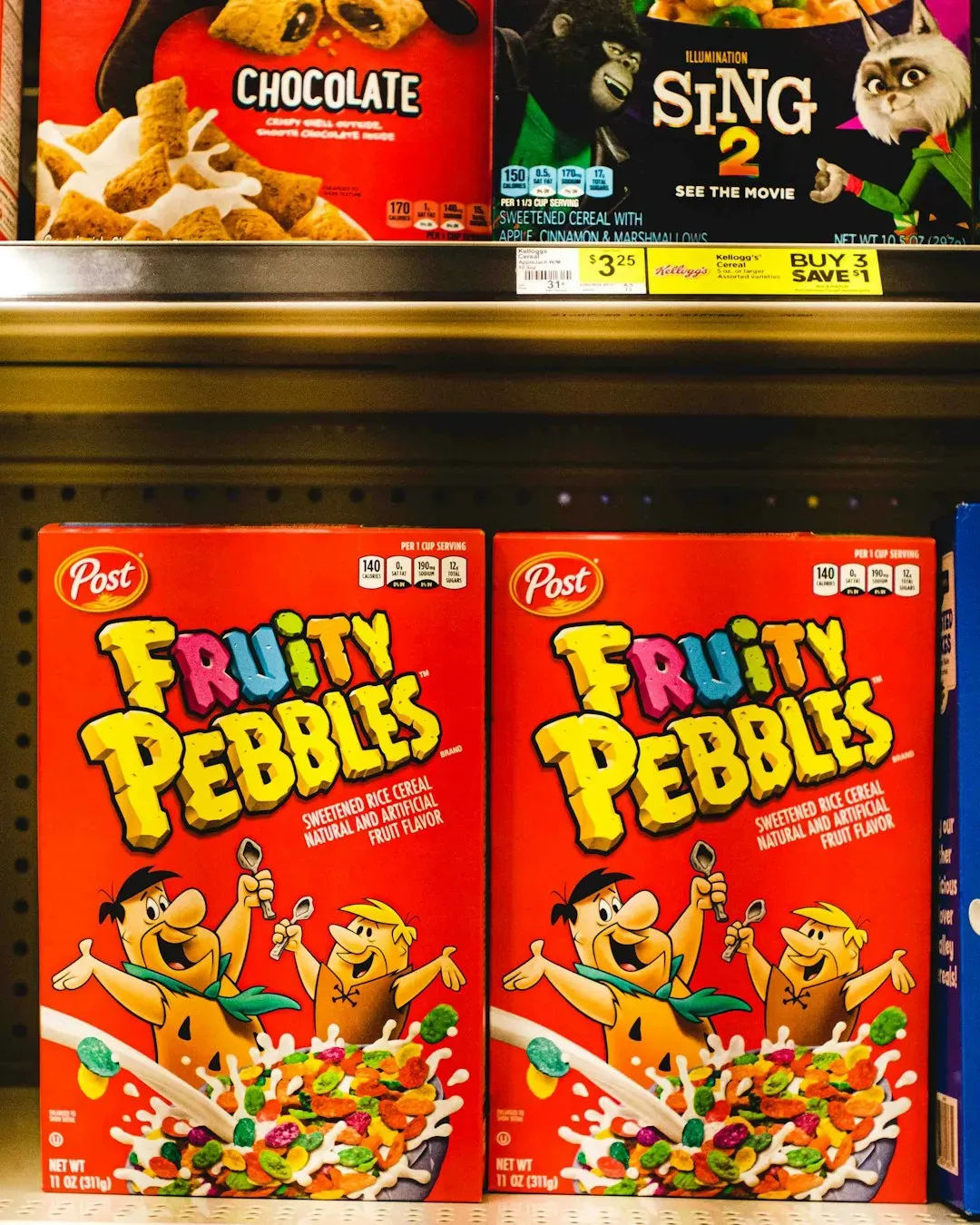
The cereal aisle is one of the most deceptive places in the entire store. Bright colors, cartoon mascots, words like “whole grain” and “fortified” splashed across boxes. Honestly, it’s brilliant marketing and concerning nutrition all at once.
Research by the Environmental Working Group found that nearly all cold cereals in the US come preloaded with added sugars. Every single cereal marketed to children contains added sugar, and on average, children’s cereals have more than 40 percent more sugars than adult cereals, and twice the sugar of oatmeal.
In newly launched cereals between 2010 and 2023, there were significant increases in fat, sodium and sugar, and decreases in protein and fiber content, according to a study in JAMA Network Open. Things are getting worse, not better. Excess sugar intake increases the risk of breast and colon cancer.
Food dyes are also frequently found in cereals. Red 40, shown to cause behavioral problems in children, can be found in Froot Loops, Apple Jacks, and Lucky Charms. I have two kids. The cereal aisle is the one place I make a hard U-turn.
3. Frozen “Healthy” Meals
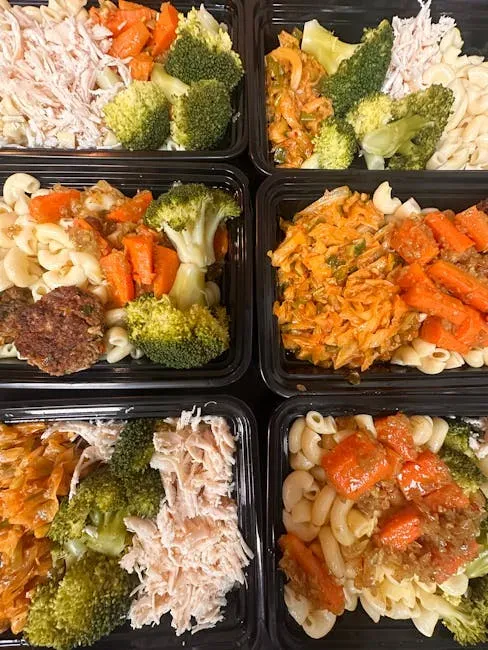
The word “healthy” on a frozen meal package is one of the greatest tricks in the grocery business. I’ve stocked these shelves myself. I’ve read the ingredient lists on the back. The reality is rarely what the front of the box promises.
Certified sports nutritionist Matt Weik told The Daily Meal that frozen meals, including the “healthy” versions, are loaded with preservatives, sodium, refined sugars, and grains. That frozen “lean” chicken and rice dish isn’t your friend just because it has under 400 calories.
When you opt for a prepared meal, you risk higher sodium, additional unhealthy fats, and unnecessary preservatives. Additionally, when food is heated in plastic containers, some chemicals can make their way into the food, potentially causing health issues in the long run.
Think of it like this: a frozen “healthy” meal is basically a shortcut wrapped in a marketing campaign. Your real shortcut is meal prepping on Sunday. It takes two hours and costs a fraction of the price.
4. Pre-Packaged Bagged Lettuce
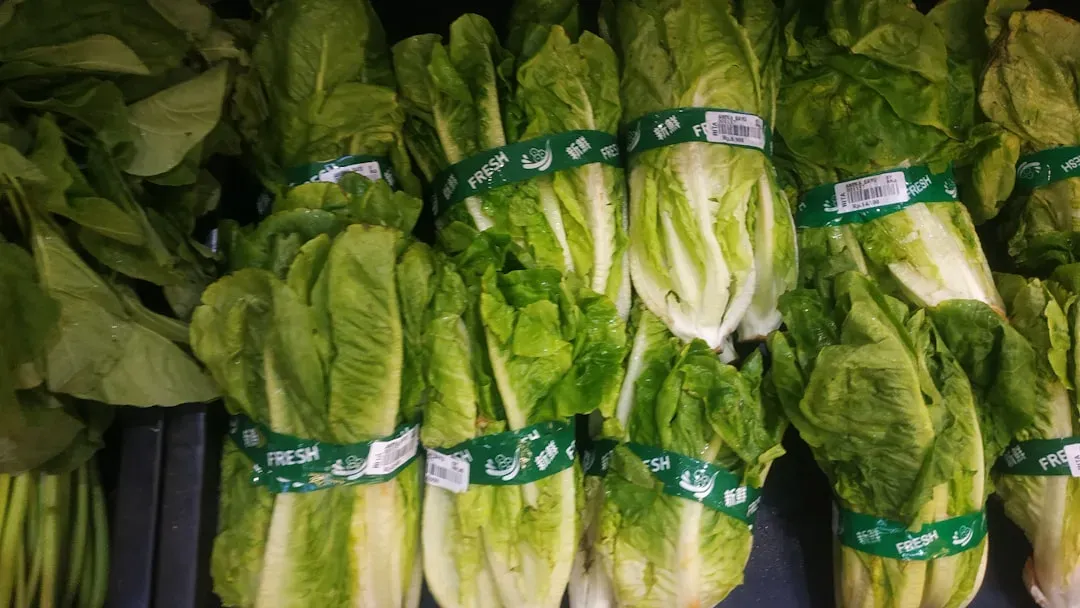
This one catches people off guard. Bagged salad feels virtuous. Grab it, toss it, done. Convenient and green. But the food safety concerns surrounding it are genuinely alarming, and they don’t get talked about enough.
There are “far too many outbreaks and recalls and a lack of transparency and traceability” when it comes to bagged lettuce, according to Darin Detwiler, the chair of the National Environmental Health Association’s Food Safety Program.
There was a 41 percent jump in food recalls due to possible contamination with salmonella, E. coli, and listeria in 2024 compared with the year before, according to the U.S. Public Interest Research Group Education Fund. Confirmed cases of foodborne illness rose by 20 percent, and related hospitalizations and deaths more than doubled.
Pre-washed and pre-bagged doesn’t mean pre-safe. Buying a whole head of romaine and washing it yourself takes maybe three extra minutes. To me, that trade-off is obvious.
5. Ultra-Processed Protein Bars
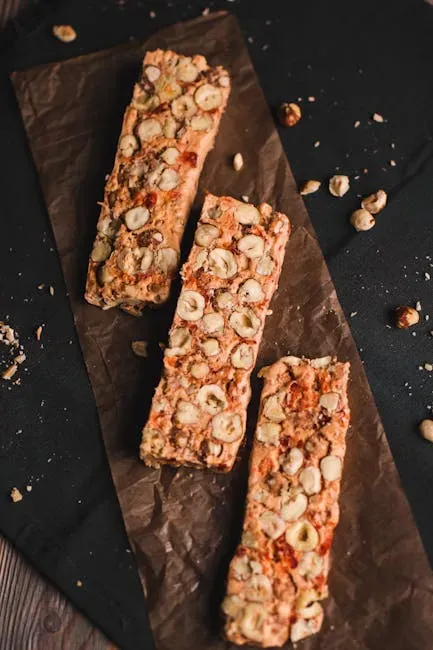
The supplement and protein bar boom has been impressive to watch. These things are everywhere now. And because they have the word “protein” on the label, people assume they’re healthy. I used to think the same thing until I started reading the actual ingredient panels.
All four nutrition experts surveyed by Newsweek agreed that ultra-processed protein bars and shakes should be left behind, especially those with artificial sweeteners and inflammatory ingredients.
Dietitian-nutritionist Mindy Haar, assistant dean at New York Institute of Technology’s School of Health Professions, said protein powders, bars, and supplements are unnecessary for most people and go “beyond what the body needs.” Protein has calories and must be processed by the kidneys, so adding more than you need makes no sense.
Here’s the thing: a handful of almonds, a hard-boiled egg, or some Greek yogurt gives you real protein without a label that reads like a chemistry textbook. These bars are often candy bars with better PR.
6. Store-Bought Bakery Items

Walking past the in-store bakery, those fresh-looking muffins and donuts smell incredible. I get it completely. But after years of knowing exactly how most of these products arrive at the store, I can’t look at them the same way anymore.
It’s best to avoid buying baked goods from the bakery section at the grocery store. Baked goods might not be as fresh as you’d like, since they can arrive at the store frozen before they’re prepared for people to grab. The ready-made baked goods can also be costly.
Companies often use certain lingo on their packaging for marketing purposes, but it doesn’t guarantee that you’re getting a healthy food item. This is especially true with processed items like cereals, frozen meals, pastries, and bread, where companies commonly make their products seem healthier than they really are.
The muffin you think was baked this morning at 6am? It’s hard to say for sure, but often it was defrosted and warmed. Baking at home gives you full control over what’s in it, and honestly, it tastes infinitely better.
7. Flavored Chips from Major Brands
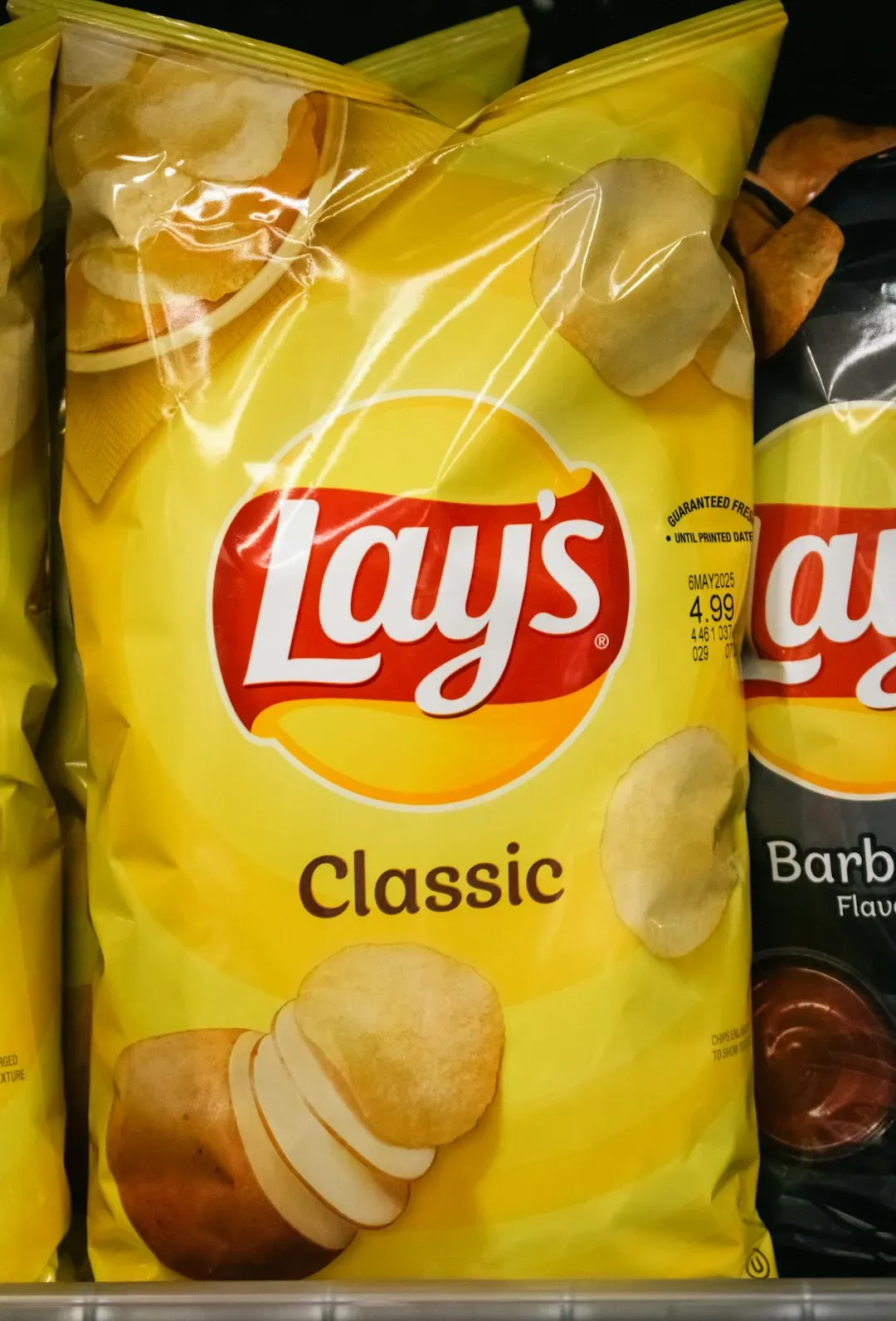
I’m not going to pretend chips don’t taste great. That’s not the point here. The issue isn’t the idea of a potato chip. It’s specifically the flavored varieties from the biggest brands, and the way they’re actually made.
Registered holistic nutritionist Jenni Bourque explained that when big brand chips are cooked at high heat with vegetable oils such as canola or soy, the oils lose their chemical structure. The carbon bonds break and create an unstable compound that free-floats in the body, causing damage to your arteries.
Looking at something like Doritos Flamin’ Hot Cool Ranch Chips, they are not only high in sodium, but they contain nearly every artificial dye you can think of: Red 40, Red 40 Lake, Yellow 5, Yellow 6, and Blue 1. That’s a lot of chemistry for a snack.
With almost 300 milligrams of sodium in a serving size of only 12 chips, it’s way too easy to go overboard when snacking, especially considering that the daily sodium limit is only 2,300 milligrams. Consistently eating too much sodium can lead to high blood pressure and other heart complications.
8. Products Labeled “Natural Flavors”
This one really gets under my skin. “Natural Flavors” sounds reassuring. It sounds like something was picked from a field or pressed from a fruit. The reality is quite a bit different, and it’s something almost nobody talks about at the checkout line.
Any food products with the words “natural flavors” in their ingredient lists are ones nutritionists advise avoiding. Despite the name, natural flavors are often just as processed as artificial ones. They’re created by “flavorists,” scientists hired to craft and manipulate flavors in a lab. Natural flavors can still mess with your gut, trigger cravings, and offer no real nutritional benefit.
Nutrition experts advise finding products “with the fewest of those ingredients that you don’t know and can’t pronounce.” That’s a rule I live by. If the ingredient list looks like a paragraph from a chemistry textbook, put the product back on the shelf.
The USDA estimates that ultra-processed foods make up roughly 70 percent of the foods on supermarket shelves. “Natural flavors” is almost always a sign you are looking at one of them. Seek simplicity in your ingredients. It really is that straightforward.
9. Soda and Sugary Drinks

I saved this one for last because it feels almost too obvious, but the data here is so striking that it deserves a full conversation. These drinks line entire aisles in grocery stores and are often the highest-margin products a retailer carries. That tells you everything about who benefits from you buying them.
Regular soda consumption has been linked to an increased risk of health complications like diabetes, heart disease, and liver cancer. Not maybe. Not under extreme circumstances. Linked. And the amounts people are consuming are not small.
A 2024 umbrella review of 45 meta-analyses including almost 10 million people found that diets high in ultra-processed foods are linked to 32 health conditions, including obesity, type 2 diabetes, cardiometabolic diseases, many cancers, gastrointestinal disorders, anxiety, depression, cardiovascular events, and all-cause mortality. Sugary drinks are near the top of that ultra-processed category.
The American Heart Association recommends that women limit added sugar intake to no more than 25 grams per day and men to no more than 36 grams. A single can of regular soda blows past those numbers in one sitting. Water, sparkling water, or unsweetened tea are swaps that cost nothing extra and add years.