I Retired to Florida and Didn’t Love It – 10 Reasons I Regret It
For decades, retiring to Florida felt less like a choice and more like the obvious next step. Warm winters, beaches, no state income tax – it was practically sold as a birthright for anyone who had put in their working years. I believed it too. I really did.
Then I actually moved there.
What I discovered over the following years was a Florida that had quietly transformed into something very different from the postcard version. The math stopped working. The stress stopped feeling like a fair trade. Let’s get into it.
1. The Cost of Living Had Quietly Become Brutal

Let’s be honest – the “Florida is affordable” narrative was the first thing to crumble. The state’s cost of living is on the rise as an increasing number of remote workers settle there. The ripple effect hit everything: groceries, dining, services, and above all, housing.
In just half a decade, the median price of a single-family house in Florida rose $150,000, or roughly sixty percent. According to Redfin, the average cost of a home in March 2018 was approximately $250,000, and by July 2024, the median sale price had climbed to $409,700. Even people who already owned their home felt the squeeze through rising maintenance costs, HOA fees, and utilities.
A single retiree can expect to pay an average of $73,646 a year to live comfortably in Florida, and if you add up what that costs over 30 years, you would need at least a $2.2 million nest egg. That’s not what most people budget for when they picture a simple retirement life on the Gulf Coast.
Grocery prices in Florida experienced a notable increase, with a 4.3% rise between March 2024 and March 2025. Small numbers on paper, but they compound fast when you’re on a fixed income and every dollar has a job to do.
2. The Home Insurance Crisis Was a Gut Punch

Nobody told me clearly enough about this one. I had budgeted for insurance. I had not budgeted for what insurance in Florida actually costs. Florida’s homeowners insurance market has been in a state of prolonged crisis, and retirees on fixed incomes have absorbed the worst of it. Roughly seventy percent of Florida homeowners have experienced rising insurance costs or coverage changes – such as their insurer dropping them – according to a 2024 Redfin survey.
In the past three years alone, home insurance premiums in central Florida grew by forty percent. As of October 2025, the average home insurance premium in Florida is around $8,800 annually, though some providers charge upwards of $12,000 to $15,000. That’s not a rounding error. That’s a second car payment, every single month.
Since 2022, over twenty insurance companies have stopped writing new policies in the state, leaving fewer options for consumers. What that means in practice is that you take what you can get – and pay whatever they ask. Increasingly frequent extreme weather events and rising reconstruction costs have made Florida the most expensive state for homeowners insurance, according to an April 2025 report from the nonprofit Consumer Federation of America, with average annual premiums of $9,462.
Retirees who move to Florida are often shocked to discover that deductibles for hurricane insurance often range from 2% to 5%, and sometimes as much as 10%, of the policy coverage – rather than the fixed dollar amount they were accustomed to up north. On a $400,000 home, that deductible math gets terrifying very quickly.
3. Hurricane Season Isn’t a “Season” – It’s a Way of Life
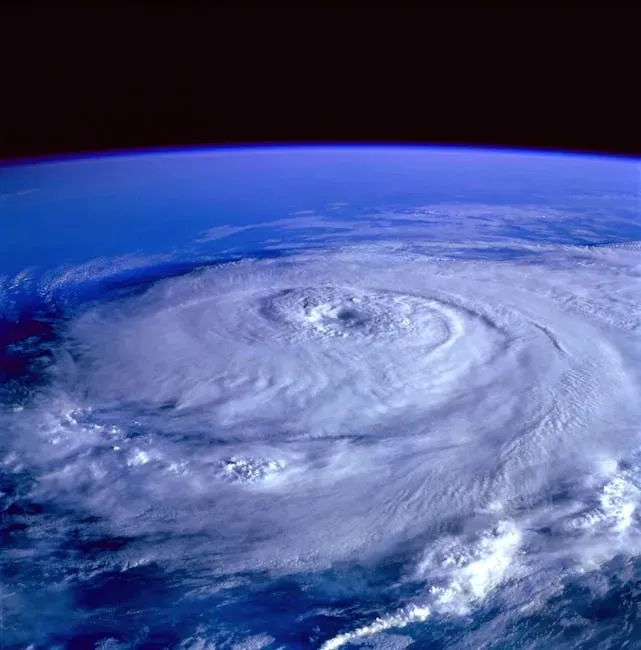
I knew about hurricanes before I moved. Everyone does. What I didn’t understand is what it feels like to live with them every year, year after year. It’s like signing up for a job where part of the job description reads: “Must be emotionally comfortable with losing everything.” Most Floridians have to have a go-bag ready for last-minute evacuations and be prepared to leave behind what they can’t fit in their car.
In September 2024, Hurricane Helene hammered Florida and the Southeast, killing more than 230 people, making it the deadliest hurricane to strike the U.S. since Hurricane Maria in 2017. Some estimates put the economic impact as high as $200 billion, which makes this storm the costliest in U.S. history. That happened. And then, two weeks later, another one hit.
Hurricane Helene caused $56 billion in overall losses and $16 billion in insured losses. Hurricane Milton, which hit the state two weeks later, caused $38 billion in overall losses and $25 billion in insured losses. Two catastrophic storms in one month. That is not a once-in-a-generation event anymore. That is becoming normal.
Looking at National Centers for Environmental Information data, Florida has experienced 94 separate weather-related events with more than $1 billion each in damage between 1980 and 2024. Tropical cyclones top the list and account for nearly all of the total costs. The stress of waiting for each storm season to end is a real, measurable toll on your quality of life.
4. The Healthcare System Was a Rude Awakening

Here’s the thing. You’d think a state where roughly one in five residents is over sixty-five would have built a magnificent healthcare machine to serve them. The reality is almost the opposite. A 2025 WalletHub study ranked Florida at number 42 in the entire country – firmly among the bottom ten worst healthcare systems nationwide.
Florida’s healthcare system consistently ranks low compared to other states in several crucial areas, including successful outcomes, accessibility, and affordability. Getting in to see a specialist can take months. And don’t even get started on the billing.
Long-term care in Florida, which Medicare tends not to cover, can reach anywhere from $63,000 to over $130,000 per year, depending on how much attention is required, according to 2024 data from Genworth. For a retiree on a fixed income, those numbers aren’t just alarming – they’re potentially ruinous.
Getting good healthcare can be harder, especially if you need certain doctors. I honestly expected the opposite. I expected a world built around people my age. Instead, I found a system stretched thin by an enormous, growing elderly population and struggling to keep up.
5. HOA Fees and Condo Assessments Drained My Budget

I knew HOA fees existed. I did not fully grasp how much they could grow, how unpredictably, and with how little warning. Think of it like this: imagine being handed a bill you didn’t budget for, by a board you didn’t really choose, for a problem you didn’t create. That’s HOA life in Florida. These groups are so prevalent that nearly two-thirds of property owners are subject to an association, and even renting property in the state can place you in an HOA, with about forty percent of the general population of Florida living in an area with these groups.
In addition to mortgage payments, many retirees face HOA fees, particularly in Florida’s numerous gated communities and retirement developments. Fees average between $400 to $600 per month in luxury or resort-style communities, and in some buildings, maintenance fees in 2024 jumped by as much as fifty percent between special assessments and increased insurance costs.
One retiree reported a $5,000 special assessment from his HOA to bolster hurricane protection – another hit to his budget that he hadn’t seen coming. That kind of surprise is not rare. It’s almost a rite of passage for Florida condo owners. One of the most frequently cited reasons for residents leaving retirement communities like The Villages is the strict and unyielding nature of HOA rules and the fees associated with them.
6. The “No Income Tax” Perk Only Tells Half the Story
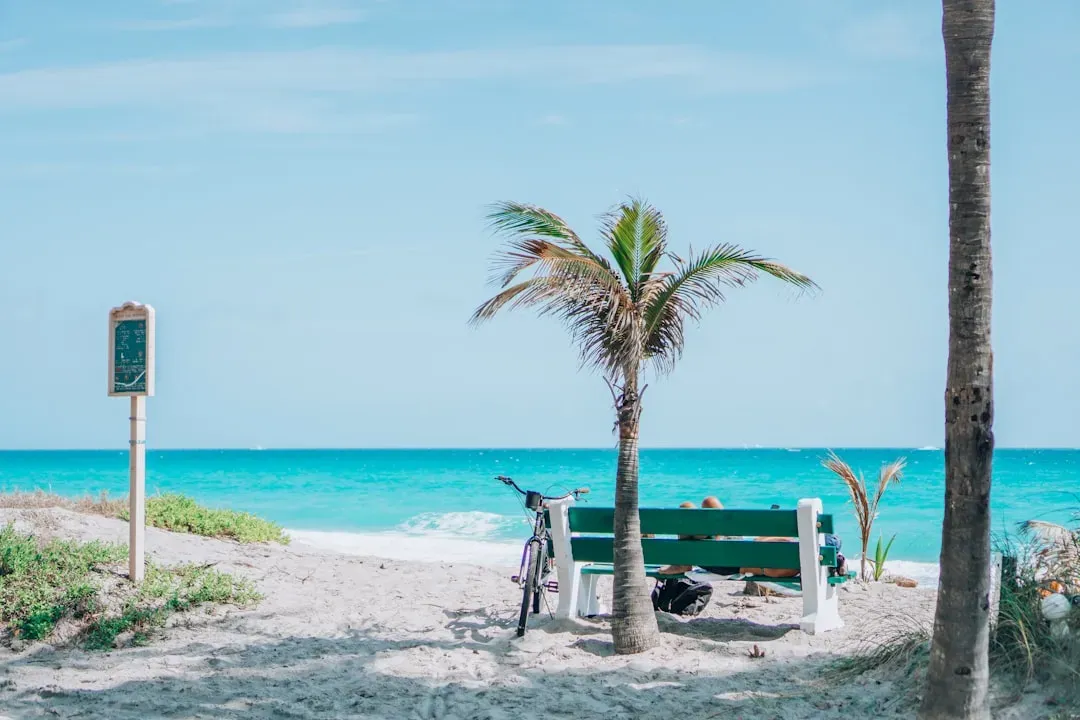
Florida’s zero income tax policy was a major selling point for me. No question. But over time, I started to notice all the other taxes filling in the gap. Don’t confuse “no state income tax” with “no taxes at all.” State and local taxes in Florida can take a bite out of your retirement savings, with the combined state and local sales tax averaging 7.00%, according to the Tax Foundation – higher than the combined rates retirees from states like Michigan, Pennsylvania, Massachusetts, and New Jersey are used to paying.
The 6% state sales tax applies to the entire purchase price of a vehicle, plus counties can tack on their own vehicle sales tax. Every large purchase becomes a bit more painful. And the fees – registration fees, property taxes, utility taxes – they add up in ways that erode the income tax advantage faster than you’d expect.
Retirees in Florida can anticipate spending around $400 in transportation costs and about $622 in healthcare expenses monthly, with the total monthly cost of living coming out to about $3,910. Add insurance, HOA, property taxes, and groceries to that, and the no-income-tax benefit starts to look less like a windfall and more like a mild coupon in an expensive store.
7. Consumer Fraud Is Rampant – and Retirees Are the Target

This one caught me genuinely off guard. I’d heard Florida had a reputation for being a little chaotic. I did not expect to feel like a walking target every time I opened my email. The numbers in the FTC’s 2025 Consumer Sentinel Network report are shocking. Floridians reported $866.1 million in fraud losses in 2024 and filed 115,840 identity theft incidents.
The Federal Trade Commission published data ranking Florida number one in the country with respect to consumer fraud. A total of 474,314 reports were filed in the state in 2024, representing 2,163 reports per 100,000 people. The most common fraud categories included credit bureau-related issues, identity theft, and imposter scams.
Older Floridians lost $293.4 million to fraud in just the first half of 2024, according to the Florida Attorney General’s Office. The figure stems from 71,351 individual complaints – each one representing a person who was conned, manipulated, or deceived.
Among the most populated states in the U.S., Florida has the largest percentage of people older than sixty-five, with nearly five million elderly residents making up about twenty-two percent of the population. That enormous concentration of retirees makes Florida a prime hunting ground for scammers. It’s not a coincidence.
8. The Traffic and Lack of Public Transit Became a Daily Nightmare
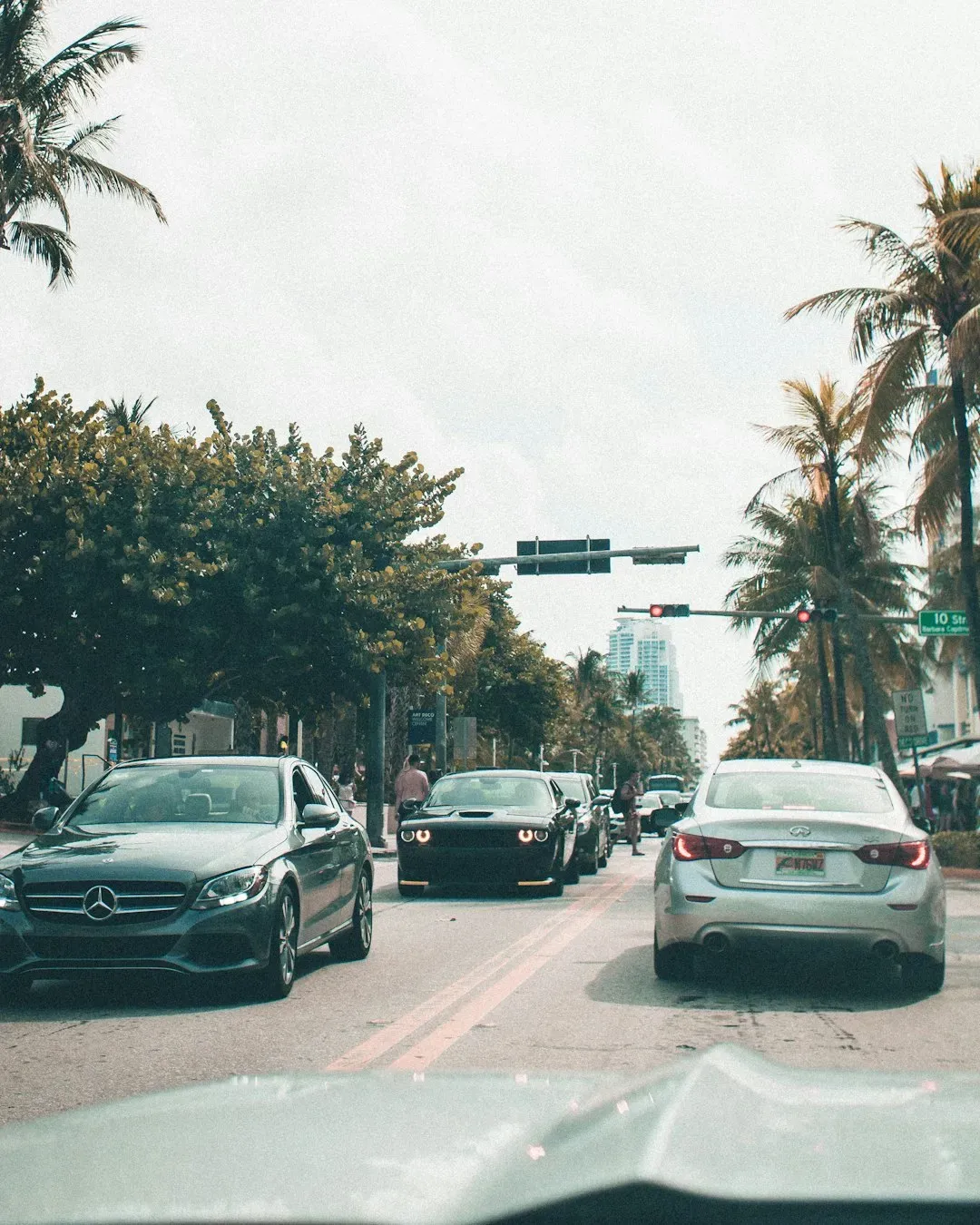
I had pictured leisurely drives down palm-lined roads. What I got was gridlock on roads designed for a population that was a fraction of the current size. Florida is widely criticized among locals for its lack of public transportation, due in part to the state’s massive population of 23 million – the third-largest in the country – and the state’s sprawling size.
Rapid population growth has led to high traffic volume on major roadways. Roads that were designed for smaller populations now struggle to handle the increasing number of vehicles. This congestion often results in delays, frustration, and even accidents. Getting to a doctor’s appointment or a grocery store starts to feel like a mission rather than a simple errand.
If you plan to live in a more suburban or rural area of Florida, the almost guaranteed lack of transportation options will make it more difficult to get around, meaning having a car is essential for getting to appointments, shopping, and other activities in many parts of the state. For older retirees who eventually stop driving, this becomes a serious quality-of-life issue with few easy solutions.
9. Overcrowding Turned Paradise Into a Pressure Cooker
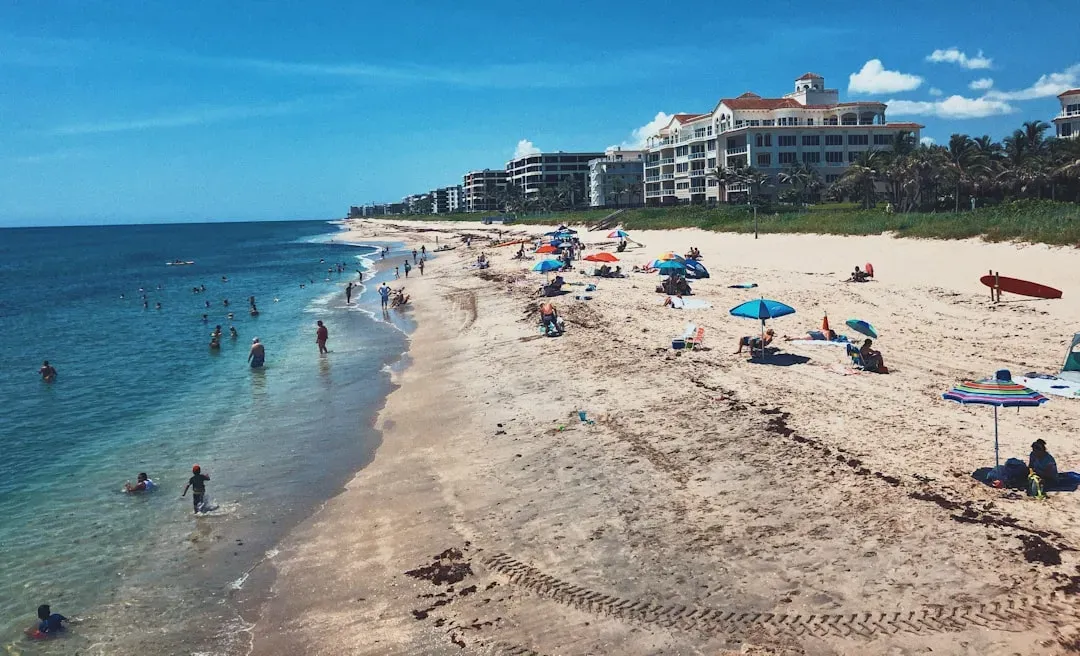
The Florida I imagined was quiet mornings, uncrowded beaches, and slow-moving, peaceful afternoons. The Florida I found was packed. Beaches jammed. Roads jammed. Restaurants with two-hour waits on a Tuesday. Since 2020, the population has grown by a staggering 8.2%, according to the U.S. Census Bureau. This rapid population surge has placed immense pressure on Florida’s real estate market, leading to a significant housing shortage, and as a result, housing prices have risen dramatically.
Once considered the ideal place to live out one’s golden years, Florida is quickly losing favor with retirement-aged folks. Remote workers and the wealthy are flocking to the state and driving up home prices, leaving those on a fixed income feeling the pinch. The state has essentially been repriced for a wealthier demographic.
Data from the U.S. Census Bureau backs up a steady decline in the number of 65-plus Americans moving to Florida since 2020, reflecting a growing awareness among retirees that conditions have changed. The word is getting out slowly, but it’s getting out. Overdevelopment, traffic congestion, and overloaded healthcare services have helped change the flow of new arrivals to the state.
10. Retirees Are Quietly Leaving – and Now I Understand Why

I didn’t feel like a failure for leaving. I felt like someone who finally made a clear-eyed decision after years of hoping things would improve. It turns out I had plenty of company. Some retirees are heading to states like Tennessee, North Carolina, or areas of the Midwest that offer a lower cost of living, more predictable weather, and less crowding. Georgia was the most popular destination for people leaving Florida, accounting for more than ten percent of outbound migration in 2024, with Texas coming in second.
With rising costs of living, some retirees have returned to the workforce out of necessity. Historically, Florida advertised itself as an affordable place to retire, but with rising costs of living, some retirees have had no choice but to go back to work. Think about that. People who planned their retirement for decades and still ended up going back to work because the numbers stopped adding up.
Over the ten years ending in 2024, housing costs increased by 132 percent in Florida, the second-largest spike among states after Idaho. The state is no longer the bargain it once was. The PODS Moving Trends Report from 2025 showed that the push of people moving to Florida is lessening. From 2021 to 2023, Florida had six or more cities in the top ten moved-to cities, whereas in 2024, only two Florida cities made the list – while another two were among the most commonly moved-out-of cities.
As one Central Florida Public Media reporter put it, people retire to Florida with expectations. They think they’ve got what they need. But time passes, resources dwindle, emergencies happen, health costs rise, and inflation sets in – and they find themselves sometimes in desperate straits. That’s a hard thing to admit. It’s also a story being lived by more people than the glossy retirement brochures would ever let on.
Florida is still beautiful. Honestly, some days it really is. The sunshine is real, the beaches are real, and there’s a reason people keep moving there. Still, the version of Florida that existed in the retirement dream – affordable, peaceful, simple – has been replaced by something more complicated. If you’re planning your own retirement move, the data from 2024 and 2025 is telling a very clear story. Would you have guessed the reality was this far from the dream?