America’s Groundwater Is Quietly Shrinking – 9 States Already Impacted
There’s something unnerving about a crisis you can’t see. The water disappearing beneath America’s feet isn’t making headlines every day. It doesn’t flood your street or darken your sky. It just… goes. Slowly, silently, and in some places irreversibly. Aquifers that took thousands of years to fill are being drained in decades – and the consequences are beginning to surface in ways that are hard to ignore.
From cracking roads in Texas to sinking farmland in Arizona and dried-up corn fields in Kansas, the signs are everywhere once you know what to look for. Groundwater is the source of drinking water for about half the total U.S. population and nearly all of the rural population, and it provides over 50 billion gallons per day for agricultural needs. That’s not a minor resource. That’s the backbone of American life. So let’s get into what’s really happening – state by state, fact by fact.
The Scale of the Problem: A National Crisis Hidden Underground
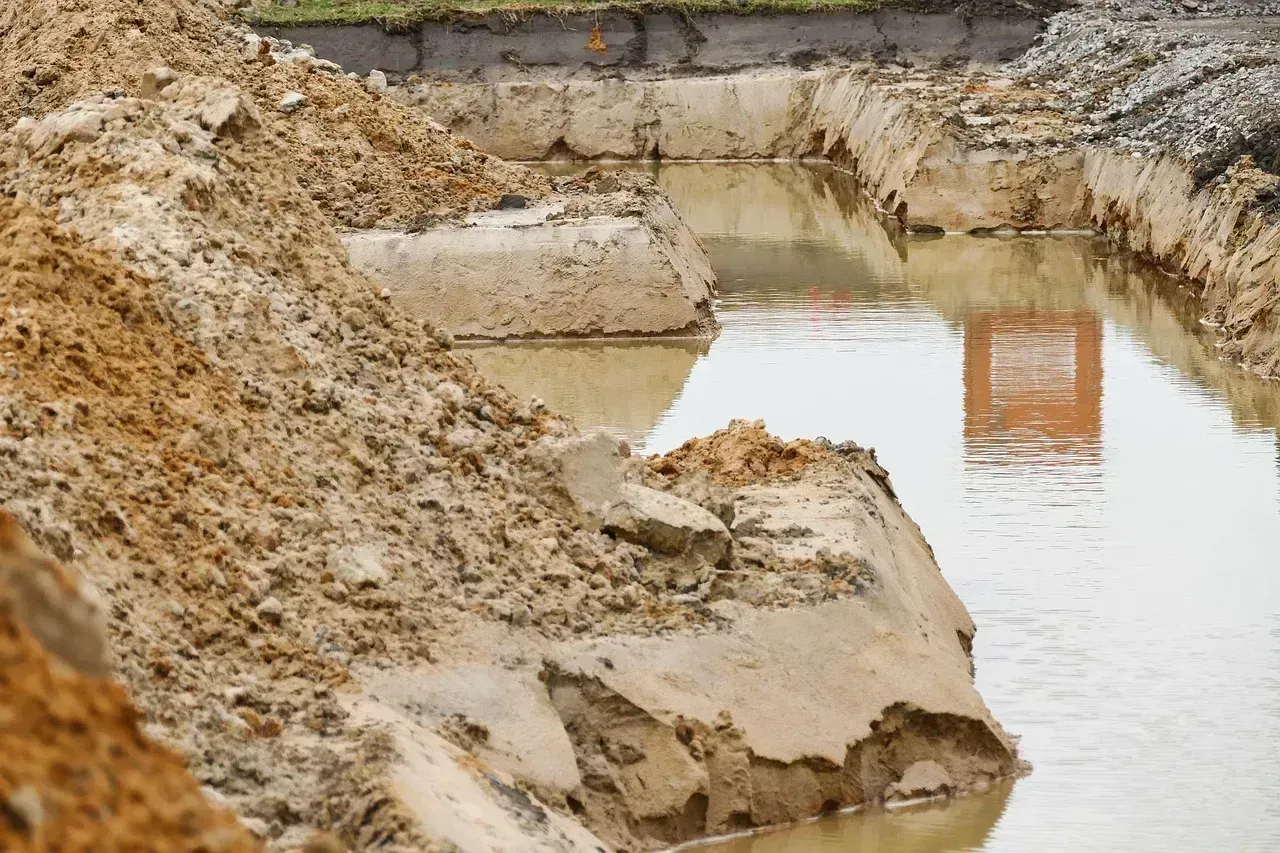
Most people think of water as something that comes from rivers, lakes, or reservoirs. The underground reality is far more critical – and far more fragile. Many of America’s critical sources of underground water are in a state of rapid and accelerating decline. More than half of the aquifers in the United States are losing water, according to research published in Nature. That is not a fringe finding. That is a peer-reviewed alarm bell.
American groundwater has been severely depleted in recent decades, with roughly four in ten of more than 85,000 wells hitting all-time lows in the past decade, and rainwater failing to replace the losses. Think about that for a moment. Tens of thousands of wells across the country are at the lowest points ever recorded – and the rain isn’t catching up.
Estimated groundwater depletion in the United States during 1900–2008 totals approximately 1,000 cubic kilometers. Furthermore, the rate of groundwater depletion has increased markedly since about 1950, with maximum rates occurring during the most recent period of 2000 to 2008, when the depletion rate averaged almost 25 cubic kilometers per year. The pace isn’t slowing down. If anything, it’s picking up speed.
California: A Food Giant Running on Empty
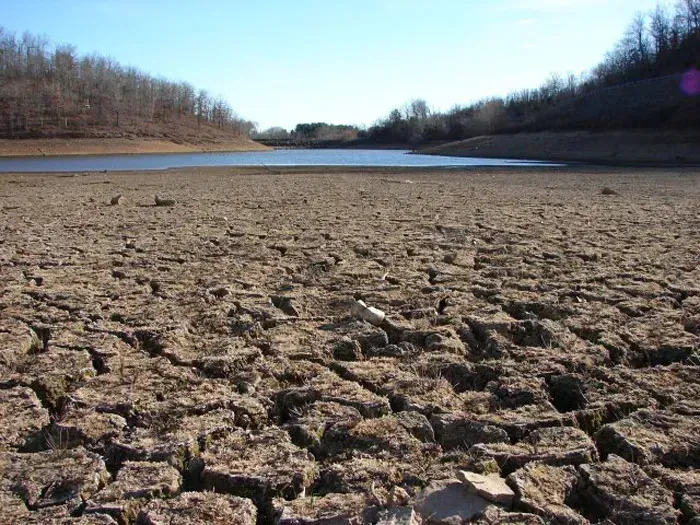
Honestly, California might be the most alarming story of all – because what happens to California’s water doesn’t just affect Californians. It affects everyone who eats. In California, more than 76 of the aquifer basins are pumping water out faster than it can refill. That’s not a few isolated pockets. That’s a systemic failure baked into the state’s agricultural model.
Half a dozen regions in California rank among the world’s most rapidly declining aquifers, according to research published in Nature in January 2024. California’s Cuyama Valley, north of Santa Barbara, ranked 34th worldwide, with its underground basin dropping almost five feet per year. Five feet. Per year. That’s not gradual – that’s a freefall.
Plummeting groundwater levels can cause drinking water wells to go dry, streams to dwindle and disappear, and the desiccated earth to sink and collapse. In California, thousands of wells have gone dry after years of drought and overpumping, spreading from the San Joaquin Valley to the Sacramento Valley during the most recent drought. The state’s farms and cities are locked in a race they cannot win without serious change.
Arizona: When the Ground Itself Starts to Sink
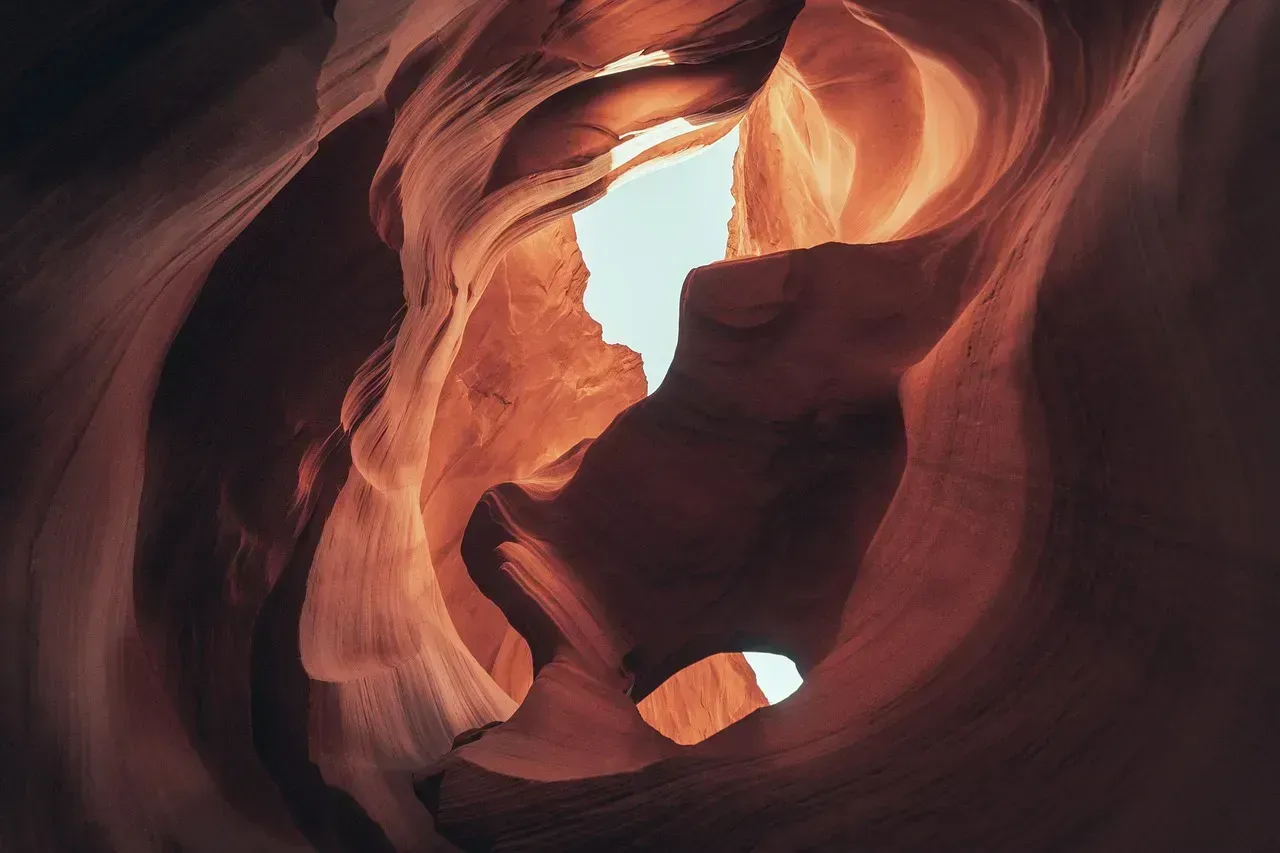
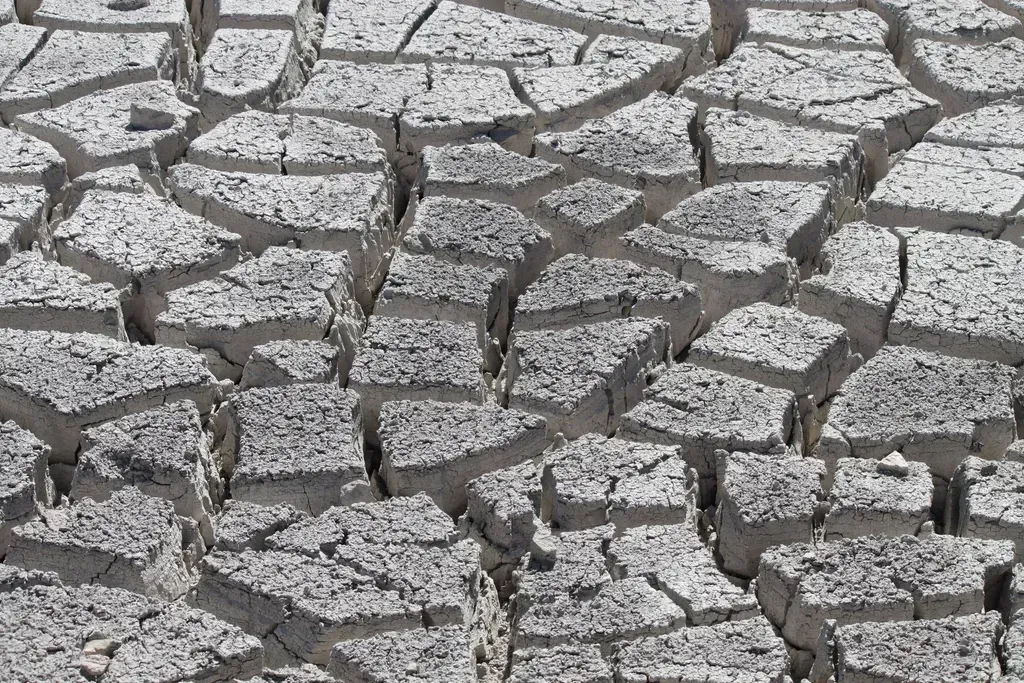
Arizona is living proof of what happens when you pull too much water from underground for too long. The consequences have gone beyond wells running dry – the land itself is collapsing. In Arizona’s Willcox Basin, just over an hour east of Tucson, fissures are tearing through the earth, wells are running dry, and strange areas are flooding when it rains. These aren’t small cracks. These are fractures in the physical foundation of entire communities.
Research using satellite data revealed that some areas of the Willcox Basin were sinking at rates of up to six inches per year, and almost three feet over the study period. Since the 1950s, the ground surface has sunk as much as 12 feet in the area. And here’s the truly terrifying part: once the sediment compacts, the change is permanent. Even if the groundwater is recharged, that storage space is lost forever.
A peer-reviewed study published in March 2025 reveals that Arizona’s groundwater depletion in the Lower Colorado River Basin has exceeded the full capacity of Lake Mead by 40%. The findings, published in Communications Earth & Environment, underscore the urgency of rethinking water management in the face of drought and overuse. Lake Mead – the largest reservoir in the entire country – used as a measuring stick for just how much water Arizona has already lost underground. Let that sink in.
Kansas: A State Running Out of Time on the Ogallala
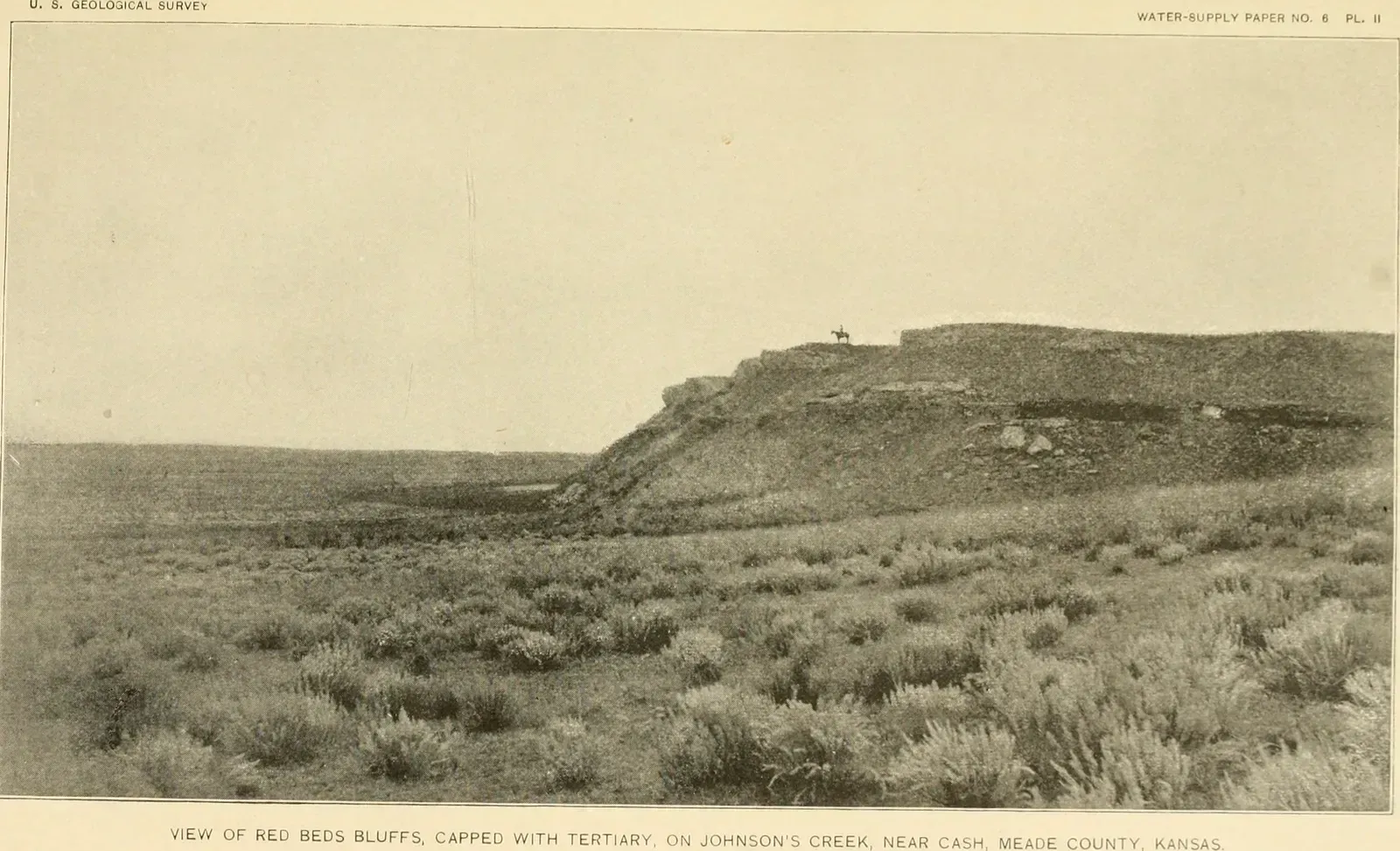
Western Kansas has a water problem that is getting measurably worse every single year. The culprit is the Ogallala Aquifer – a vast underground reservoir that has been pumped relentlessly for decades to irrigate crops across the semi-arid plains. Aquifer levels in parts of western Kansas that rely on groundwater for everything from drinking to irrigation fell more than a foot in 2024 alone, according to Kansas Geological Survey scientists. The Ogallala, the largest underground store of freshwater in the nation, has been declining for decades because of overuse to irrigate crops in otherwise arid parts of the state.
Measurements showed an overall decline of 0.91 feet across the region, marking the fifth straight year of overall declines. Groundwater levels across the region fell 0.17 feet in 2023, 1.9 feet in 2022, about a foot in 2021, and 0.85 feet in 2020. Five years of consecutive decline. There’s no blip or anomaly here – this is a relentless, documented trend.
For Kansas, roughly three in ten wells have been completely depleted, with that number expected to reach seven in ten by 2070. This places substantial strain on communities in western Kansas in particular, with many of them already suffering from water shortages and farm closures. In Kansas, where more than seven in ten residents depend on groundwater, nearly two-thirds of state aquifers are deepening. The clock is ticking loudly.
Arkansas: Overpumping Its Own Future Away
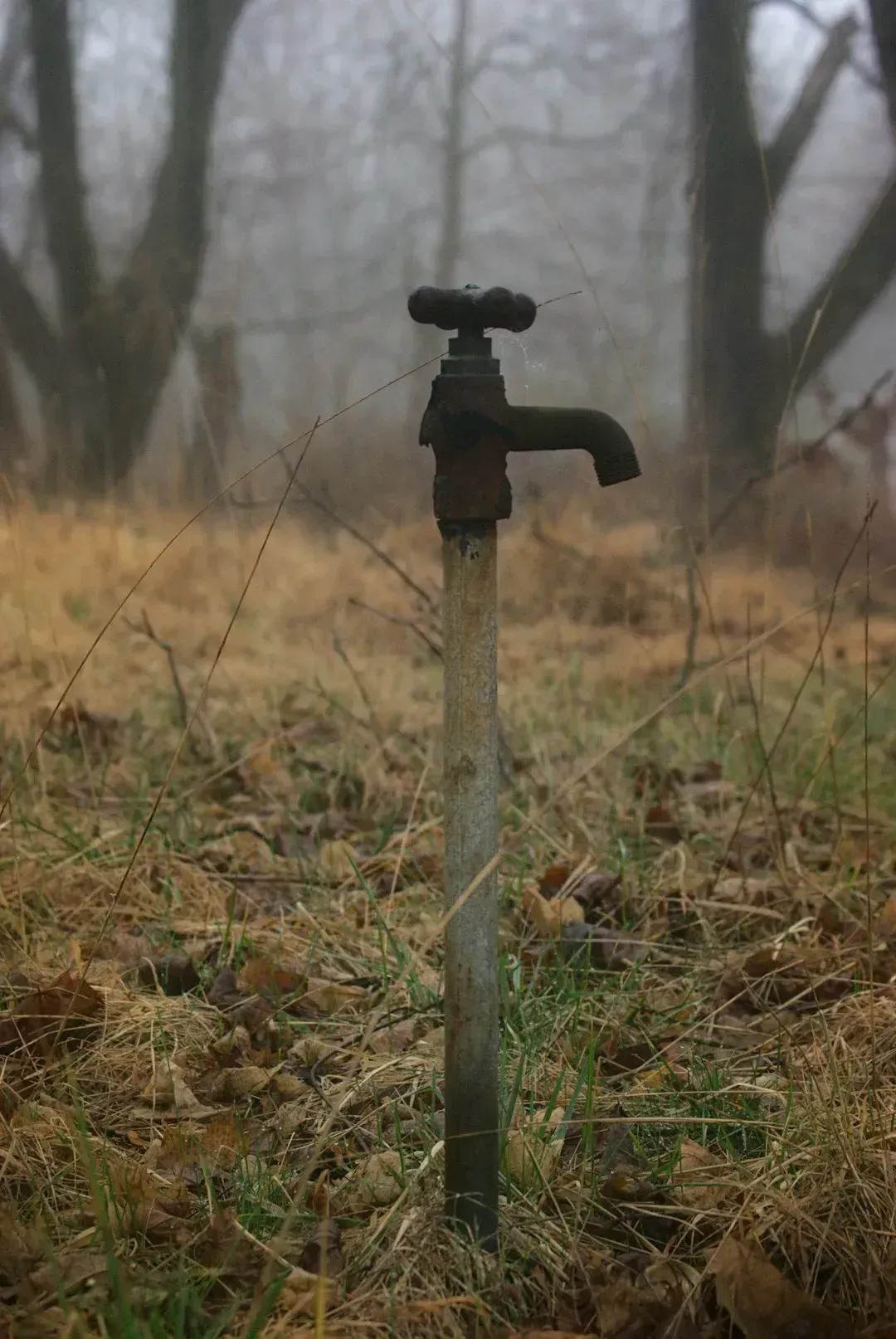
Arkansas might not be the first state you think of when the conversation turns to water scarcity. It’s green. It rains there. But groundwater depletion doesn’t only happen in deserts – it happens wherever the pumping outpaces the refilling. Arkansas, a major groundwater consumer, is pumping more than twice the amount of water from its main aquifer than is replaced. Earlier this year, the state, which produces about half of domestically-grown rice, warned that the aquifer was down to less than one-tenth of its capacity in some regions.
Approximately 71 percent of Arkansas’s water use comes from groundwater, and water demand for crop irrigation accounts for approximately 80 percent of the total statewide water demand. Adequate and sustainable groundwater is critical not only to the agriculture industry but also to other industries and the ability to provide safe and reliable drinking water to all Arkansans. That dependence makes the state extraordinarily vulnerable.
In the Alluvial aquifer, average groundwater levels declined over the past year and five years. The Sparta aquifer continues to recover in areas of historical decline, especially in Union and Jefferson counties. Despite some positive trends, groundwater withdrawal in eastern and southern Arkansas remains unsustainable. The 2024 Arkansas Groundwater Protection and Management Report painted a picture of a state straining against its own resource limits.
Texas, Nevada, and New Mexico: The Wider Web of Depletion
Let’s be real – the western and southern United States are facing a coordinated collapse of underground water that crosses state lines. Texas is a striking example. According to Nature researchers’ data, more than eight in ten of Texas’s aquifers are in some form of decline. That’s an extraordinary statistic for a state that stretches from the Gulf Coast to the high desert.
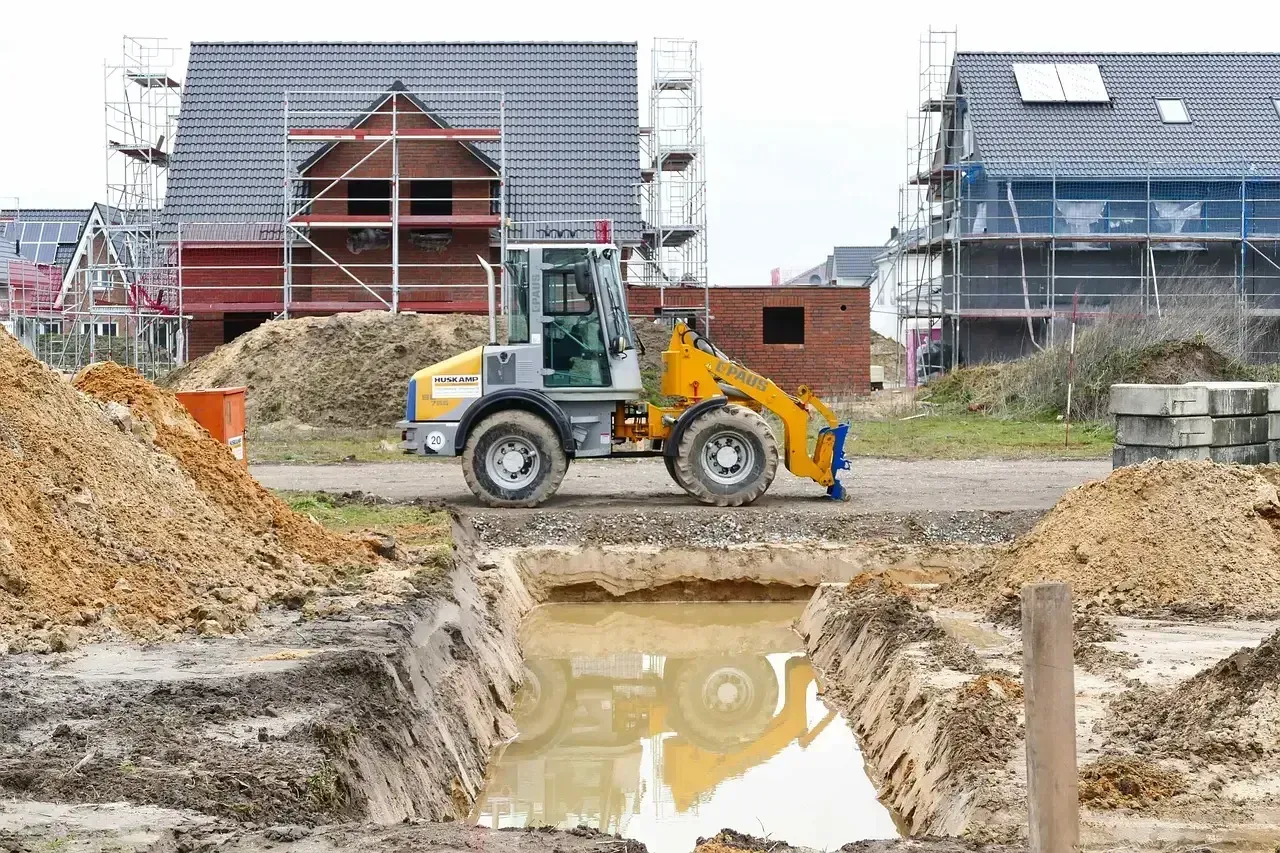
The Edwards Aquifer, which supplies the expanding subdivisions sprouting up on the old cattle ranches west of Austin and San Antonio, has seen its decline accelerate threefold this century. In the 1990s, water levels were dropping about two inches per year. Now that rate has expanded to about seven inches per year – enough that the region’s beloved springs are beginning to go dry. Seven inches a year doesn’t sound like much until you think about it compounding over decades.
Analysis by Arizona State University researchers revealed rapid and accelerating groundwater loss in the Colorado River Basin’s underground aquifers between 2002 and 2024. Some 40 million Americans rely on water from these aquifers, including in parts of Arizona, California, Colorado, Nevada, New Mexico, Utah, and Wyoming. In New Mexico, seven state aquifers are dropping at more than twice the rate they were in the late 20th century. The scale is continental.
Idaho and New York: Unexpected Victims of the Crisis
Here’s something most people wouldn’t guess: Idaho and New York are both quietly dealing with serious groundwater problems. They’re very different states with very different landscapes, but the pressure on their underground water tells a similar story of overuse and mismanagement. Idaho has the dubious honor of hosting the fastest collapsing aquifer in the Nature researchers’ dataset: the Mill Creek Aquifer, which is losing more than seven feet of water per year – a serious concern for the 200,000 people who rely on it for drinking water. Seven feet per year. That is a catastrophic rate of loss.
While Mill Creek is the only aquifer in Idaho experiencing rapid decline, water levels are falling in 60 percent of the state’s other groundwater stores. The idea that Idaho, with its mountains and rivers, is suffering from this crisis underscores just how widespread the problem really is. In New York State, Long Island to the Hamptons is hurtling into a drinking water crisis because of over-pumping.
In Nassau and Suffolk Counties on Long Island, pumping water for domestic supply has lowered the water table, reduced or eliminated the base flow of streams, and has caused saline groundwater to move inland. When saltwater starts creeping into freshwater aquifers, you don’t just lose a resource – you contaminate what’s left. It’s a double loss, and it’s happening right now in one of the most densely populated regions in the country.
What’s Driving the Collapse – and Is There a Way Back?
The causes aren’t mysterious. They’re a brutal combination of industrial agriculture, population growth, and a changing climate. Growing population rates, expanding cityscapes, and the scaling up of industrial agriculture to meet rising global demand have resulted in a system where more groundwater is pumped out of the earth than could ever be reasonably replaced within one year. It’s like drawing down your savings account every month without ever making a deposit.
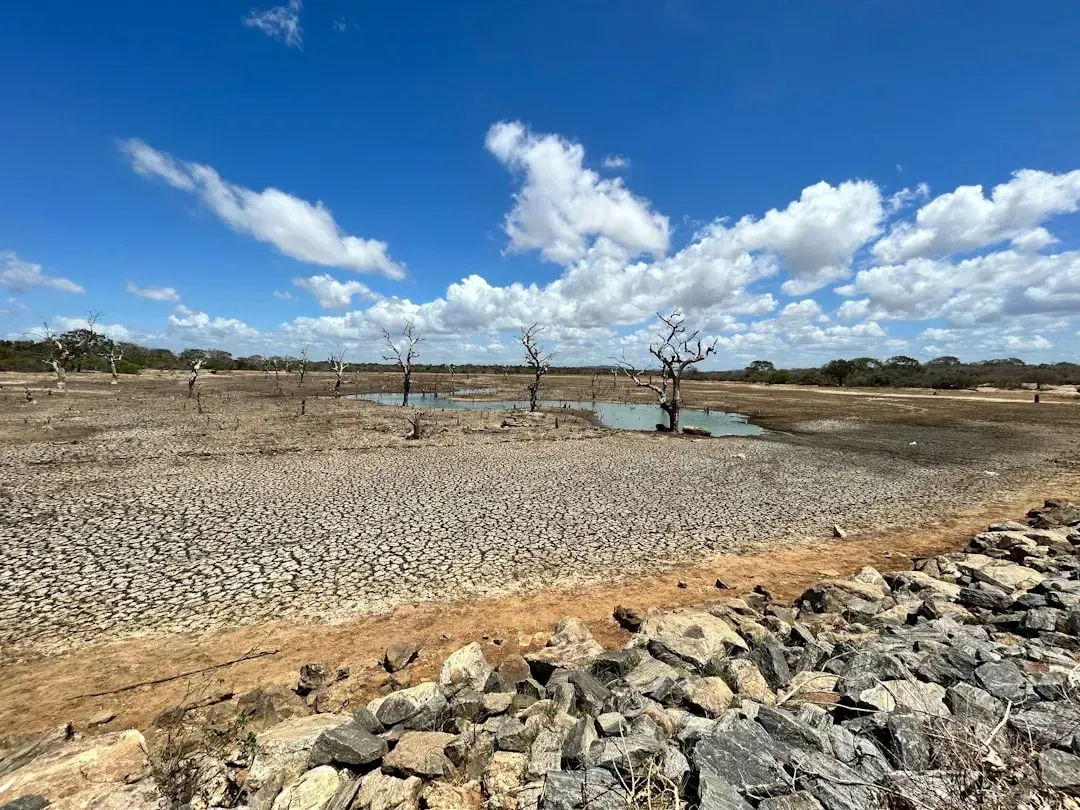
Record snowfall in recent years has not been enough to offset long-term drying conditions and increasing groundwater demands in the U.S. Southwest, according to a new analysis of NASA satellite data. Researchers found that nine in ten aquifers where declines were accelerating are in places where conditions have gotten drier over the last 40 years. Climate change isn’t just making things warmer – it’s systematically cutting off the water supply that aquifers depend on to recharge.
It’s hard to say for sure whether we’ve reached a point of no return everywhere, but the science does offer some hope. Groundwater is dropping in 71 percent of aquifers globally, and this depletion is accelerating in many places. The rates of groundwater decline in the 1980s and 1990s sped up from 2000 to the present, highlighting how a bad problem became even worse. Yet recovery is possible where deliberate, community-level action is taken. Water wells can dry up over time, the level of water in streams and lakes can be reduced, land subsidence can become more common, and water quality can deteriorate. The consequences of inaction are clear – and so are the stakes. What would you have guessed was America’s most quietly urgent environmental crisis? More people should be asking that question right now.