Traveling to Mexico in 2026? 7 Safer Areas – and 4 Places Visitors Avoid
Mexico keeps pulling people in like a magnet – and honestly, who can blame them? The beaches are breathtaking, the food is unlike anything else on Earth, and the ancient ruins scattered across the country feel like walking through a living history book. Mexico received nearly 48 million international tourists in 2025, up from 45 million in 2024, marking a historic year for an industry that contributes approximately 8% of total GDP. That is not the profile of a country tourists are running away from.
Still, let’s be real. Mexico’s safety picture is complicated. The safety situation varies significantly from state to state, and city to city. Even within specific Mexican states, one area can be completely fine while you do not want to find yourself just two hours down the road. The trick is knowing which areas belong in which category. So let’s dive in.
The U.S. State Department Advisory You Need to Understand First

Before you book a flight, the single most useful tool you have is the U.S. State Department travel advisory system. On August 12, 2025, the State Department issued an update to its travel advisory for Mexico, rating the country Level 2 – indicating that travelers should “exercise increased caution” – with the primary threats identified as terrorism, crime, and kidnapping.
Here is the thing though – a Level 2 rating for Mexico as a whole sounds scary until you understand the context. Sixteen Mexican states have received the next lowest threat assessment; to help put things in perspective, the advisory for these states corresponds to the Level 2 warning issued by the State Department for travel to France, Italy, the Bahamas, and the United Kingdom.
According to the latest State Department guidance, six states are at Level 4, the department’s highest alert level. Those six states are Colima, Guerrero, Michoacán, Sinaloa, Tamaulipas, and Zacatecas, all given a flat “do not travel” warning due to crime and terrorism. Understanding this layered system makes all the difference when planning your trip.
Safer Area #1: Mérida – Mexico’s Safest City by a Wide Margin
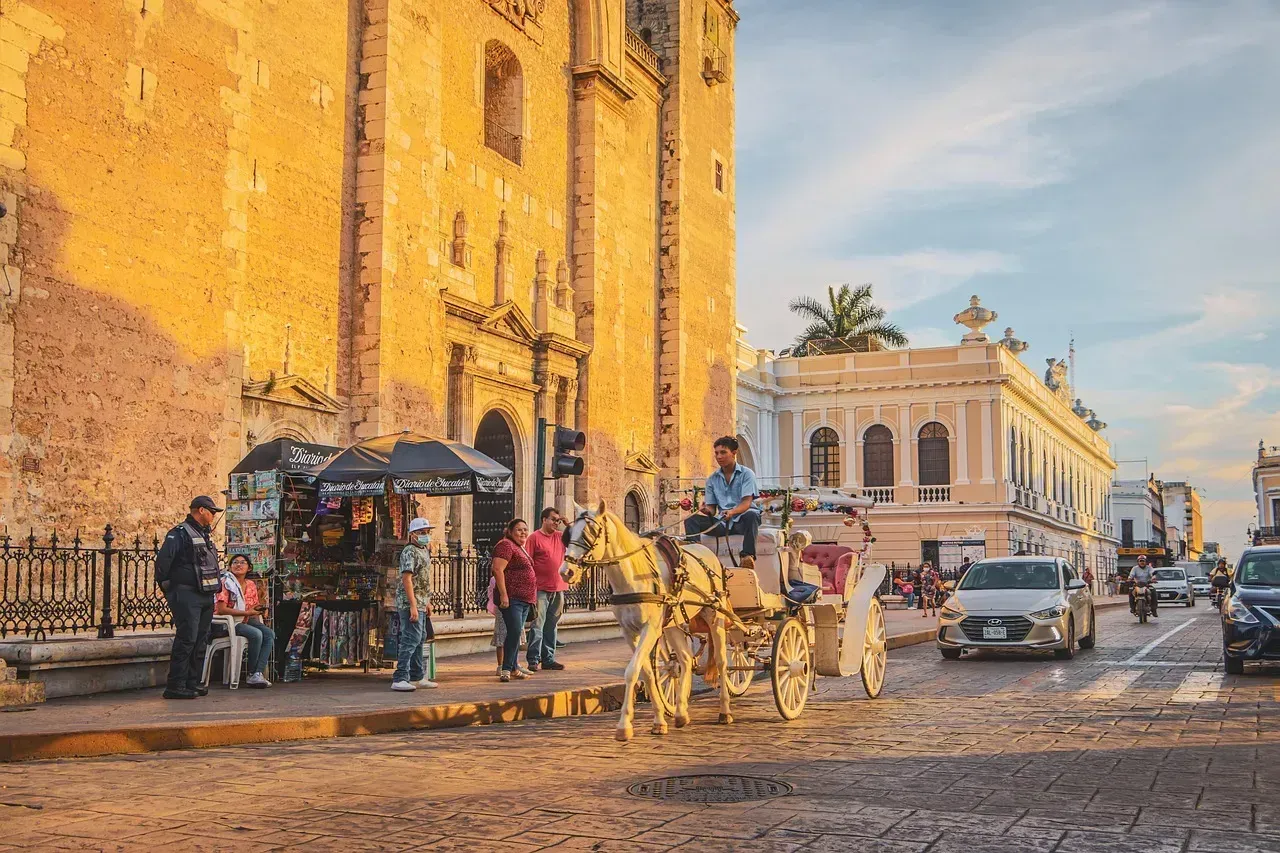
If you are asking which single city in Mexico combines culture, safety, and authenticity at the highest level, the answer is almost unanimously Mérida. Mérida maintains its position as Mexico’s safest capital city with approximately 100 crimes per 100,000 residents, dramatically lower than the national average of 632.1 crimes per 100,000 inhabitants.
Think about that number for a second. Mexico’s national average is roughly six times higher than Mérida’s own rate. CEOWorld Magazine ranked Mérida as the second safest city in the Americas in 2024, surpassed only by Quebec City, Canada, placing Mérida ahead of numerous cities across the United States and Canada.
Yucatán and neighboring state Campeche are the only two Mexican states to receive a Level 1 “general precautions” advisory from the U.S. Department of State – all other Mexican states are at levels 2, 3, or 4. That is an extraordinary distinction. Security analysts note that Yucatán’s geographical location away from major drug trafficking corridors connecting South American suppliers with North American markets plays a key role in its safety record.
Safer Area #2: The Yucatán Peninsula – A Region That Earns Its Reputation
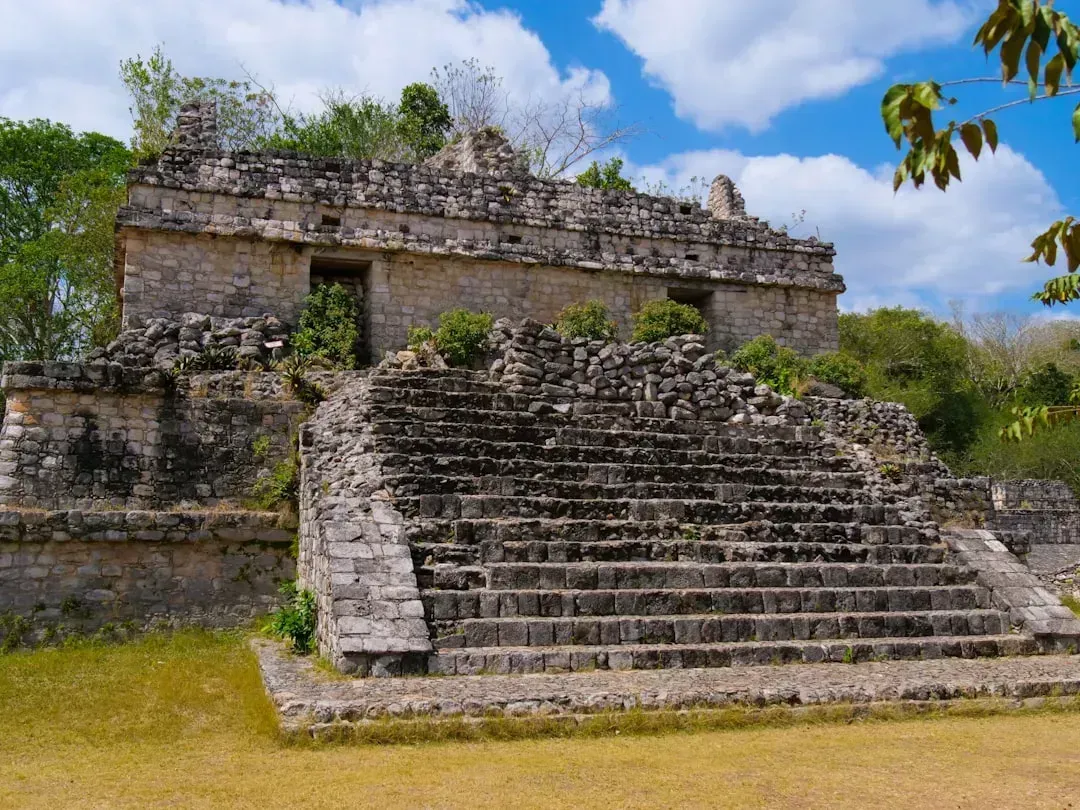
The Yucatán Peninsula as a whole deserves its own chapter. The Yucatán Peninsula is extremely safe for tourists, with states like Yucatán and Quintana Roo carrying Level 1 to 2 safety ratings, dedicated tourist police, strong government investment in security, and concentrated tourist zones that are heavily monitored and protected.
In the state of Yucatán specifically, violent crime rates are extremely rare, particularly against tourists, and the state has been such a significant driver of internal migration that Mexicans from other parts of the country have been relocating there. That last fact tells you everything. When locals themselves move toward a place for its safety, that is a real signal.
Archaeological monuments of the Yucatán Peninsula, particularly Chichén Itzá, draw around 2.8 million yearly visitors, while Tulum sees about 1.6 million annual visitors. Those numbers are a testament to the region’s appeal and the confidence travelers place in it. It is genuinely one of the most rewarding corners of Mexico.
Safer Area #3: Puerto Vallarta – Beaches, Art, and a Strong Safety Track Record
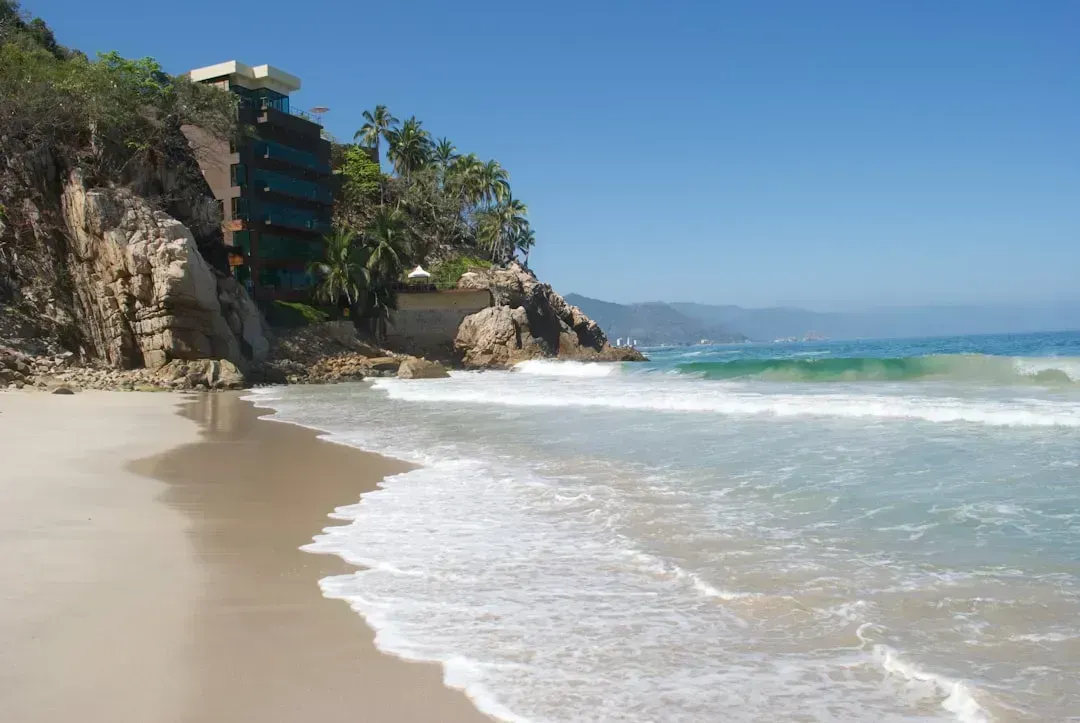
Puerto Vallarta sits on Mexico’s Pacific Coast, and it has built a fierce loyalty among return visitors for good reason. Puerto Vallarta’s North Hotel Zone is particularly tourism-friendly and safe, known as an LGBTQ+ friendly destination with a strong safety record, and Playa de Oro even holds Blue Flag international certification for safety and quality.
Nestled between the Pacific Ocean and the Sierra Madre Mountains, Puerto Vallarta is full of stunning beaches and boasts bustling nightlife and a vibrant arts scene. The city genuinely has a personality that is hard to replicate. Think cobblestone streets, a famous cathedral, and one of the most charming boardwalks in Latin America.
I think Puerto Vallarta is honestly one of the most underrated destinations in the entire country for first-timers who want a mix of resort comfort and real Mexican atmosphere. Key improvements in recent years include a visible increase in security across hotel zones and popular beaches, as well as enhanced cooperation between federal tourism authorities and local police. It is not a perfect place, but the tourist zones are genuinely well-managed.
Safer Area #4: San Miguel de Allende – A UNESCO Gem Worth Every Penny
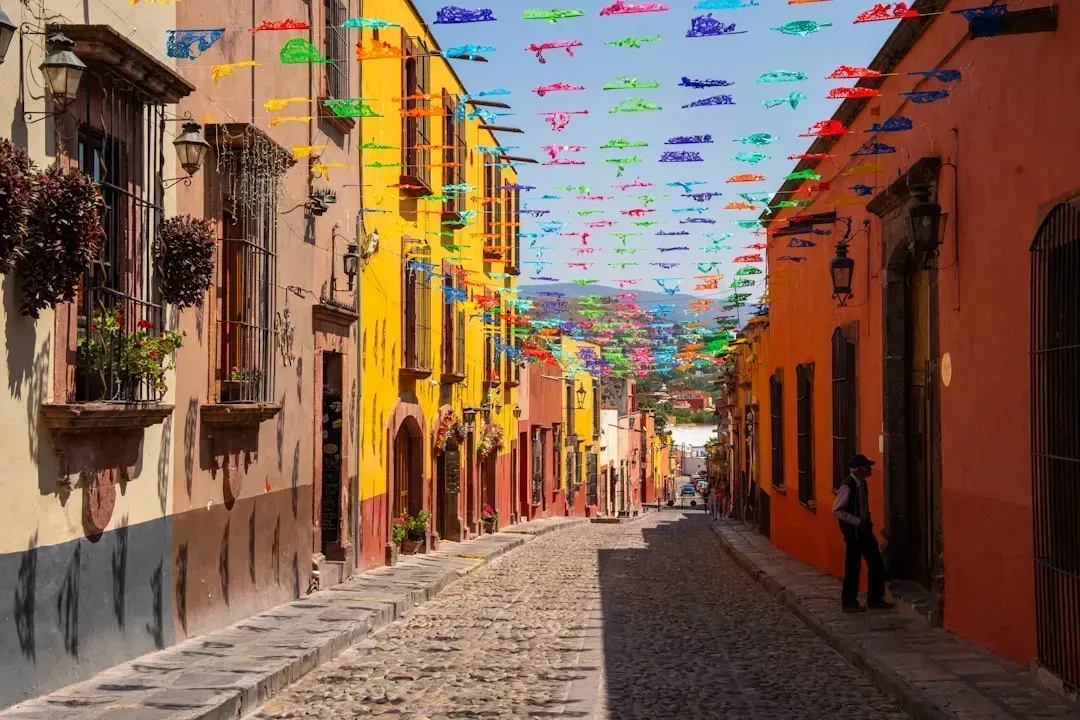
San Miguel de Allende is the kind of town that makes people cancel their return flights. One of the most beautiful cities in Mexico, San Miguel de Allende is located in Central Mexico with colorful buildings and cobblestone streets, and this UNESCO World Heritage Site in Guanajuato State has become extremely popular with American retirees over the last few decades.
Even if Guanajuato as a state carries a “reconsider travel” advisory, it does not mean that the actual touristy city of San Miguel de Allende is not safe to visit – in fact, it is considered the safest city in Mexico by some assessments. State-level advisories can be misleading, and San Miguel is a prime example of why nuance matters so much here.
With a large population of expats and English widely spoken, it is one of the easiest places in Mexico for beginner travelers, since you can get by without speaking Spanish. The city’s food scene is world-class, its galleries are exceptional, and the evening light on those terracotta walls is something you genuinely cannot forget. Worth every penny of the hotel bill.
Safer Area #5: Cabo San Lucas – Modern Infrastructure, International Standards
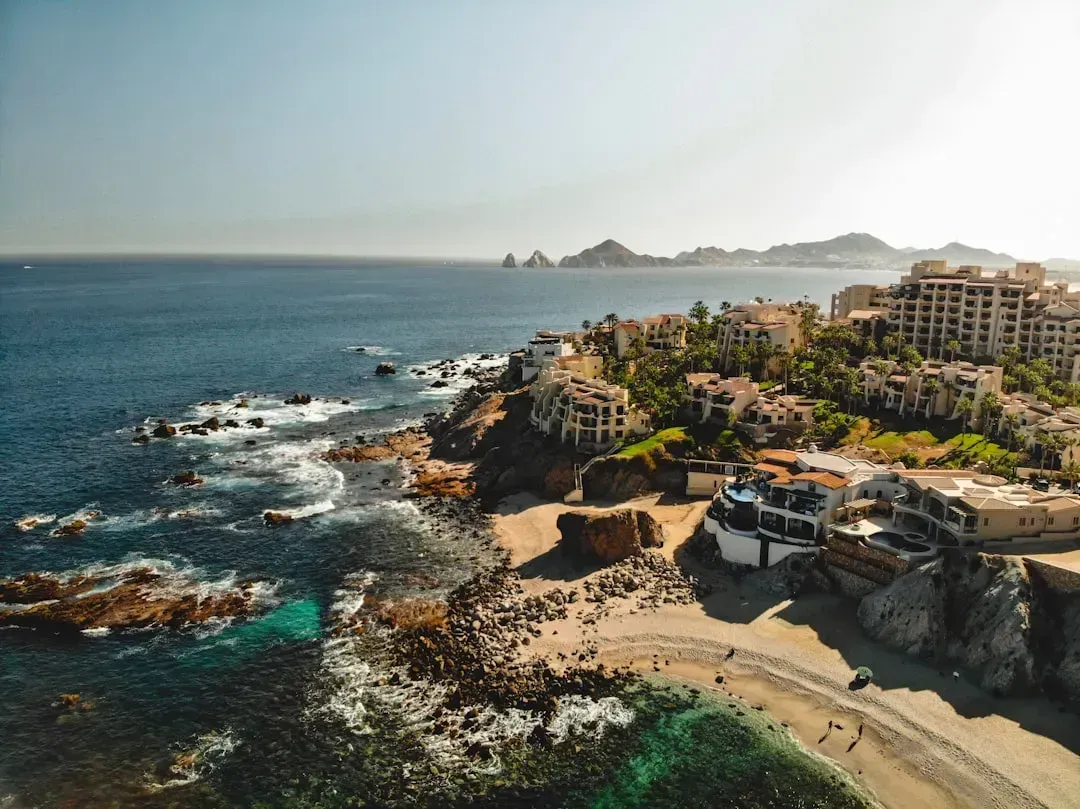
Cabo San Lucas is the darling of luxury travelers, and it has worked hard to earn that reputation. Cabo San Lucas enjoys a strong reputation for safety, and its modern infrastructure, high-end resorts, and strong international tourism presence make it one of the most reliable vacation spots in Mexico.
La Paz, nearby in Baja California Sur, also has a low crime rate, with the town and beaches regularly patrolled by police, with visitors generally only having to worry about petty theft. The wider Baja peninsula region does carry mixed advisories at the state level, but the resort towns themselves remain well-controlled environments for international visitors.
Honestly, if you want the most predictably smooth Mexico vacation possible, Cabo delivers. What makes La Paz special is that it has retained an authentic Mexican cultural feel, while Baja California overall is recognized as one of the safest states to visit in Mexico. The combination of natural beauty, luxury infrastructure, and accessible safety makes this Pacific tip of the country a reliable choice.
Safer Area #6: Cozumel – Island Safety That Stands Apart
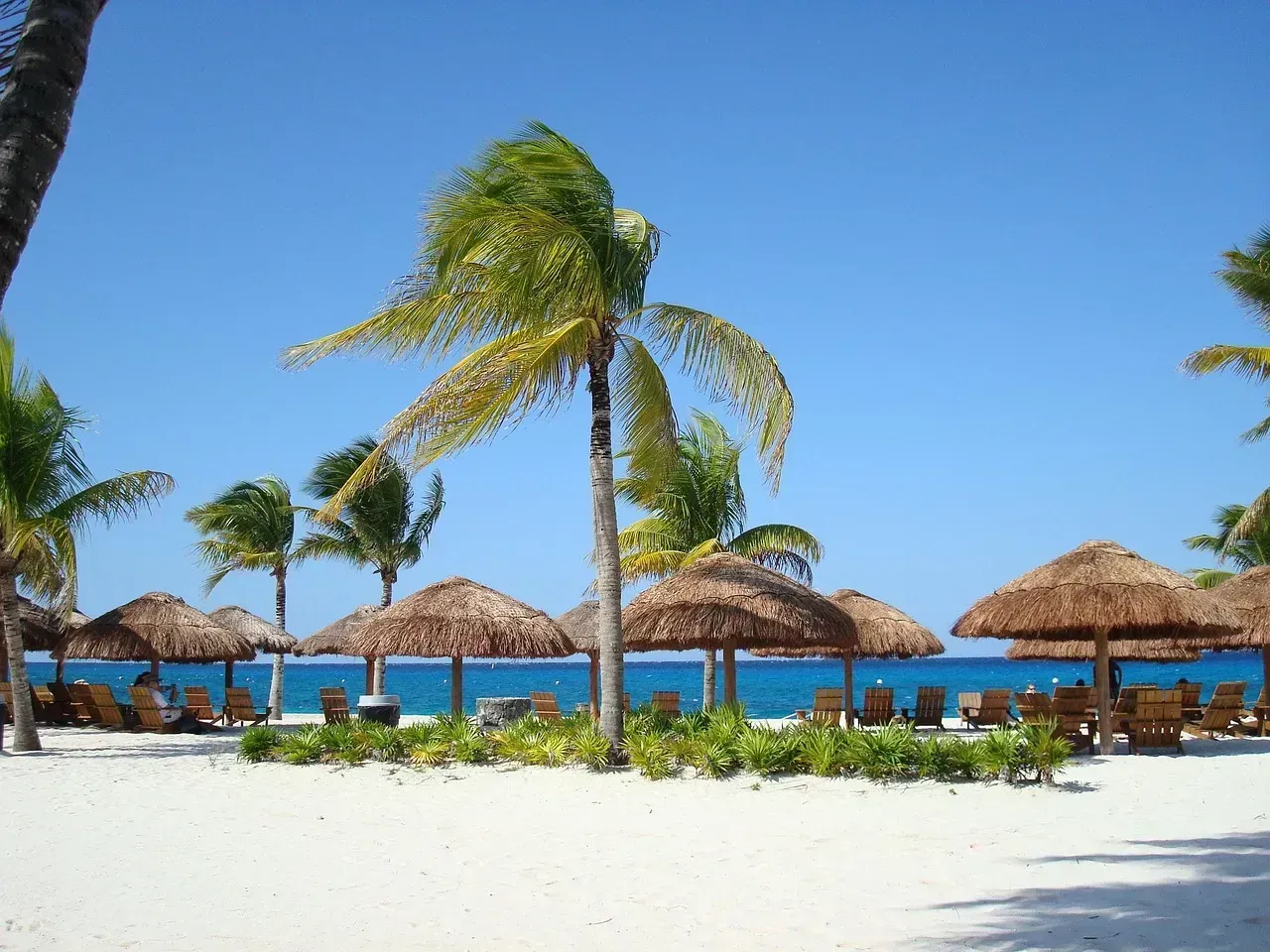
There is something almost magical about how islands tend to function differently from mainland destinations when it comes to crime, and Cozumel is a perfect example. Cozumel is an island town off the coast of the Yucatán Peninsula, with turquoise water, abundant marine life, and a laid-back beach vibe, boasting an impressively low crime rate and some of the country’s most pristine beaches, as well as being one of Mexico’s best scuba diving and snorkeling destinations.
This small island sits just off the Cancún coast, most visitors come for day trips but you can stay overnight too, and the safety record here is excellent. Its geographic nature as an island makes it naturally contained and easier for authorities to monitor.
If you are a diver or snorkeler, Cozumel belongs near the top of your bucket list. The Mesoamerican Reef that runs along its coastline is the second largest barrier reef system in the world. More than enough reason to visit, and you can do so with considerable peace of mind.
Safer Area #7: Oaxaca – Culture, Cuisine, and a Welcoming Spirit
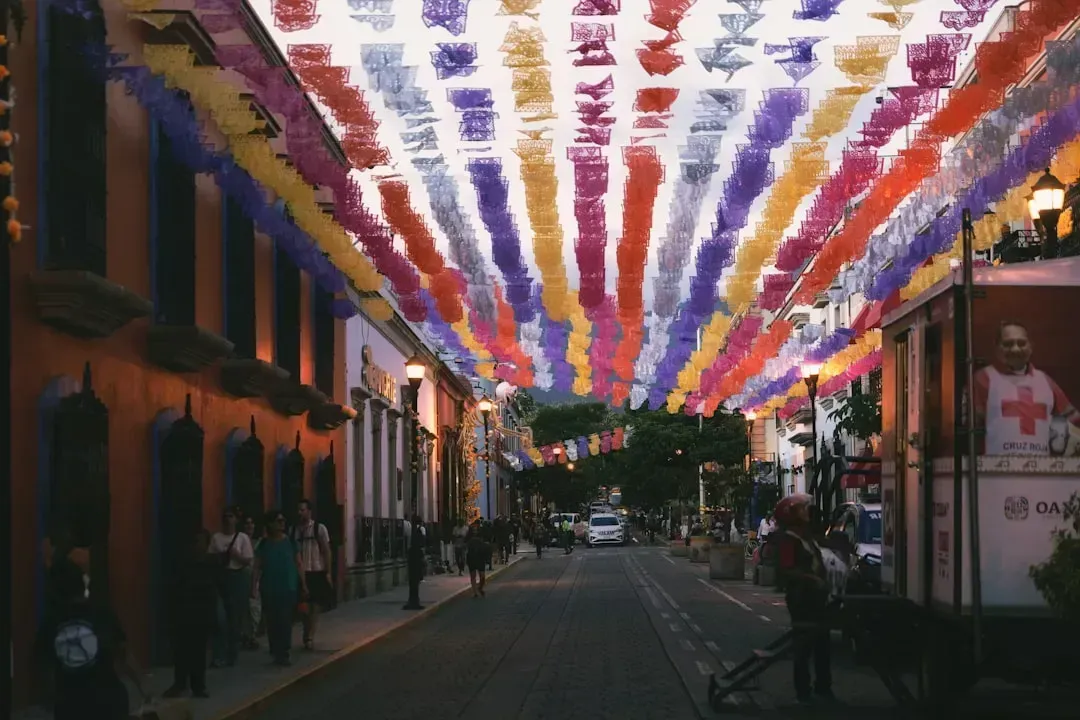
Oaxaca has transformed into one of Mexico’s most talked-about cultural destinations over the past decade, and for good reason. Oaxaca is a cultural hub known for its indigenous traditions and vibrant festivals, making it ideal for anyone who wants to experience local activities in a fun and safe environment, with its historic center, Day of the Dead celebrations, and a warm community spirit.
The food scene alone is worth the journey. Oaxacan cuisine, with its complex moles, tlayudas, and mezcal culture, is frequently cited as one of the most distinctive regional food traditions in the entire world. UNESCO even recognized it as an Intangible Cultural Heritage. That is not hyperbole. It really is that good.
By 2025, Mexico has significantly strengthened safety measures in its most visited destinations, giving travelers greater peace of mind. Oaxaca city itself maintains a relatively controlled tourist environment, especially within the historic center, and it remains a destination where wandering, eating, and exploring feel genuinely accessible for most travelers.
Place to Avoid #1: Colima – The Most Dangerous City in Mexico

Let’s shift to the honest side of this conversation. Colima is not a destination. Colima is, by every major measure, the most dangerous city in Mexico. This is due to cartels vying for control over drug trafficking routes – Colima City has the highest homicide rate in Mexico and also tops the list of global homicide rates due to intense cartel violence.
Violent turf wars between ruthless drug cartels have given Colima the grim distinction of being Mexico’s most dangerous city. There is no tourist zone here that redeems the risk. The State Department has placed Colima at Level 4, noting that violent crime and gang activity are widespread.
There is simply no travel justification for going to Colima as a tourist in 2026. The cartel presence here is pervasive, not just incidental. Avoid it completely and plan your Pacific Coast visit around safer alternatives like Puerto Vallarta instead.
Place to Avoid #2: Acapulco / Guerrero State – A Former Paradise Gone Dark
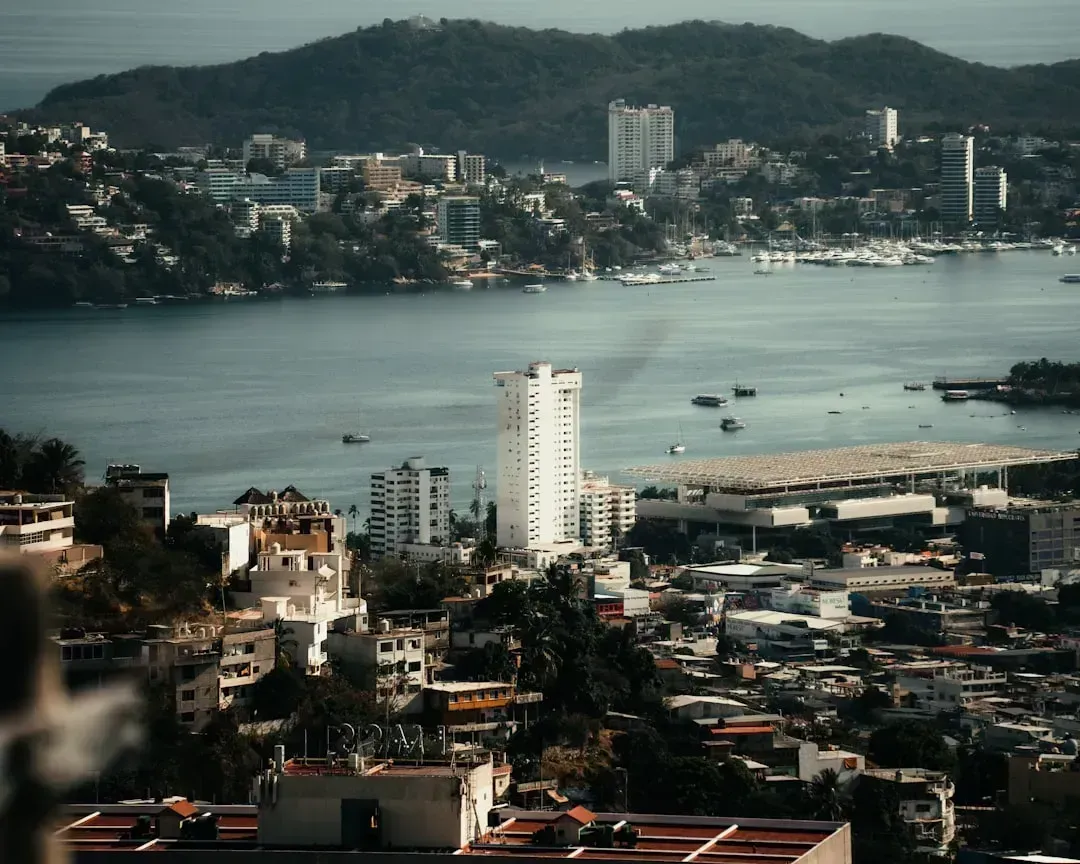
Acapulco was once the jewel of Mexican beach tourism, favored by Hollywood stars and international jetsetters in the mid-twentieth century. What it became is genuinely heartbreaking. Acapulco is one of the very few tourist cities in Mexico where even the most restricted zones apply to U.S. government employees, with the Mexico Peace Index noting that Guerrero’s homicide rate stood at 37.5 per 100,000 people in 2024, driven by cartel wars, extortion, and kidnapping, with Acapulco bearing the brunt of that violence as the state’s largest city and a major drug-trade corridor.
Guerrero carries a Level 4 State Department warning, with armed groups operating independently of the government in many areas, frequently maintaining roadblocks and using violence towards travelers. This is not an exaggeration designed to scare people. It is the documented reality on the ground.
The state of Guerrero recorded 1,312 homicides in 2025, making it one of the seven most violent states in Mexico. Skip Acapulco entirely. There are dozens of equally beautiful Pacific beaches in safer states that will give you everything you are looking for without the very real risk.
Place to Avoid #3: Sinaloa – Home of the World’s Most Notorious Cartel

Sinaloa’s reputation precedes it globally, and not in a good way. Sinaloa is one of a handful of states on the “Do Not Travel” list for Mexico and is likely to remain there for the foreseeable future, known internationally as the home of the Sinaloa cartel, one of the most powerful drug cartels in the world.
The city of Culiacán was the site of a deadly turf battle that occurred after the arrest of Ovidio Guzmán, son of the infamous organized crime leader, El Chapo, and the homicide rate in Culiacán sits at 61 per 100,000 people, making it an unstable place to live and visit. Events in Sinaloa in early 2025 underscored how quickly violence can erupt across entire regions of the state when cartel power structures shift.
Some travelers note that most of the criminal activity stays confined to certain rural corridors. That may be true, but the unpredictability of cartel-related violence makes Sinaloa an unnecessary gamble for any tourist. Sinaloa recorded 1,663 homicides in 2025 alone, placing it among Mexico’s seven most violent states. The risk-to-reward ratio here is simply not in your favor.
Place to Avoid #4: Tijuana – The World’s Busiest Border Crossing Has a Violent Side
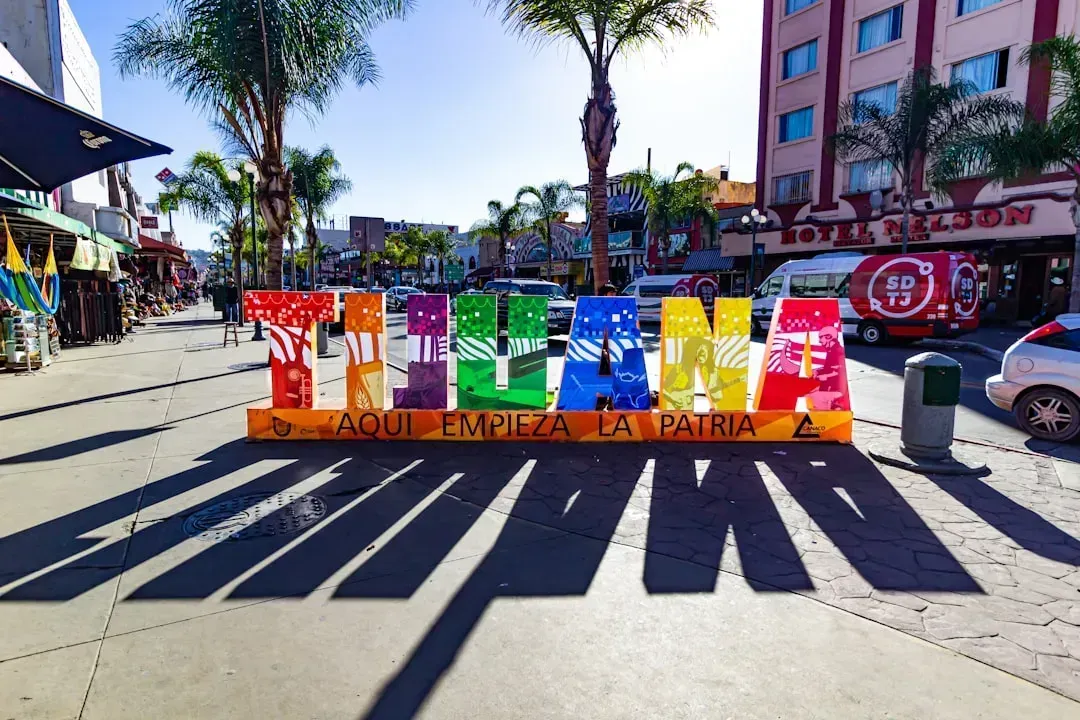
Tijuana presents one of the most complicated safety conversations in all of Mexico. Millions of people cross through it every single year without incident. Tijuana is the busiest land border crossing in the world, with more than 50 million people passing through annually. Yet the violence numbers tell a different story that deserves honest attention.
Tijuana’s homicide rate has hovered above 100 per 100,000 in recent data, placing it among the most violent cities globally, and Mexico’s Citizens Council for Public Safety and Justice ranked it among the top four most dangerous cities in the world in its 2025 global index. That is a statistic that should give any traveler serious pause.
Homicide rates and violent crime statistics in Tijuana look scary, but they mostly only impact people involved in criminal organizations, not random innocent civilians and tourists. Still, the density of cartel activity in this border city introduces a level of ambient risk that most pleasure travelers have no reason to absorb. If you need to cross for genuine reasons, stay alert, move quickly, and stay in well-lit public areas during daylight hours only.