A Smarter Way to Think About Everyday Nutrition
Most people know they should eat more vegetables and less junk food. That part isn’t exactly a mystery. What actually trips people up is the space between knowing and doing, and more specifically, not having a clear mental model of why nutrition works the way it does. Simplistic rules tend to collapse the moment real life shows up at the table.
The science of nutrition has shifted considerably in recent years. Researchers are moving away from isolated nutrient thinking toward a broader understanding of how food patterns, gut biology, and long-term behavior all interact. Getting a grip on that bigger picture makes the daily decisions less confusing and, genuinely, less exhausting.
Your Macronutrients Are a Foundation, Not a Formula

Macronutrients are the nutrients the body needs in large quantities to support energy needs and meet physiologic requirements. Intake of each macronutrient must meet essential requirements while allowing for an adequate balance between protein, carbohydrates, and fats without exceeding calorie limits. That balance sounds clinical, but it’s actually quite forgiving in practice.
Macronutrient requirements vary widely between individuals depending on factors such as age, body weight, physical activity levels, and associated medical conditions. Recommendations for macronutrient intake provide a great deal of flexibility. Provided that essential macronutrient and micronutrient needs are covered and appropriate calorie numbers are consumed, macronutrient distribution may be adapted to fit individual preferences and goals. In other words, there’s no single magic ratio to chase.
What Protein Actually Does in the Body

Protein is essential to many processes in the body. It provides structure to tissue, including cell membranes, organs, muscle, hair, skin, nails, bones, tendons, ligaments, and blood plasma. Proteins are also involved in metabolic, hormonal, and enzyme systems and help maintain the acid-base balance in our bodies. It’s genuinely one of the most versatile nutrients we consume.
Adequate protein intake is key in preventing age-related loss of muscle strength and muscle mass, known as sarcopenia. The current recommended daily allowance of protein for healthy adults is 0.8 grams per kilogram of body weight, representing the average daily intake required to meet minimal protein requirements and maintain nitrogen balance in nearly all of the population. Still, older adults and those who are physically active often benefit from somewhat more than this baseline.
Carbohydrates: The Most Misunderstood Macronutrient

Complex carbohydrates fit a well-balanced diet. They take longer to digest and don’t cause as big a blood sugar spike, which is an important factor for people living with diabetes. Simple carbs, by contrast, are digested quickly and cause rapid blood sugar spikes. This distinction matters far more than the blanket anti-carbohydrate messaging that tends to dominate popular conversation.
Research focusing primarily on energy and the three macronutrients, including protein, carbohydrates, and fat, and their subsequent substrates, amino acids, glucose, and free fatty acids, shows how these can fuel growth and maintenance throughout life. Whole grains, legumes, and fruits deliver complex carbohydrates along with fiber, which plays its own essential role in both digestion and long-term health.
The Rise of Food-as-Medicine Thinking

In the long history of recommendations for nutritional intake, current research is trending toward the concept of “food as medicine,” a philosophy in which food and nutrition are positioned within interventions to support health and wellness. This isn’t a fringe idea anymore. It’s showing up in peer-reviewed journals, hospital protocols, and public health policy discussions worldwide.
Food as Medicine interventions are emerging as an effective approach to addressing nutrition security and chronic disease among patients with nutrition-related disease or risk factors. The practical implication for most people is straightforward: the food choices made on an ordinary Tuesday have measurable effects on health outcomes over time, not just during a formal “diet” phase.
What Research Now Says About Ultra-Processed Foods

A 2024 review of 45 meta-analyses, covering nearly 10 million study participants, found “convincing” evidence that a diet high in ultra-processed foods increases the risk of death from cardiovascular disease by 50% and the risk of anxiety by 48%. The scale of the evidence here is hard to ignore.
A 2024 umbrella review of 45 meta-analyses including almost 10 million people found that diets high in ultra-processed foods are linked to 32 health conditions, including obesity, type 2 diabetes, cardiometabolic diseases, many cancers, gastrointestinal disorders, asthma, anxiety, depression, cardiovascular events, and all-cause mortality. Since the concept’s introduction in 2009, scientific interest has surged with almost 20,000 publications referencing ultra-processed foods by 2025. This literature consistently links higher consumption to 32 adverse health outcomes spanning obesity, type 2 diabetes, cardiovascular diseases, depression, anxiety, sleep disturbances, and all-cause mortality.
Why Ultra-Processed Foods Are So Hard to Resist

Evidence from national food intake surveys, large cohorts, and interventional studies shows gross nutrient imbalances and overeating driven by high energy density, hyper-palatability, soft texture, and disrupted food matrices, as well as reduced intake of health-protective phytochemicals. These foods aren’t engineered to be satisfying in the traditional sense. They’re engineered to keep you eating.
The proportion of dietary energy from ultra-processed foods tripled in Spain and rose significantly in China over the past three decades, and increased substantially in Mexico and Brazil during the previous forty years. In the USA and UK, levels have remained above 50% for the past two decades, with slight increases over time. That context helps explain why individual willpower alone isn’t always a realistic solution to the problem.
Your Gut Microbiome Is a Key Player
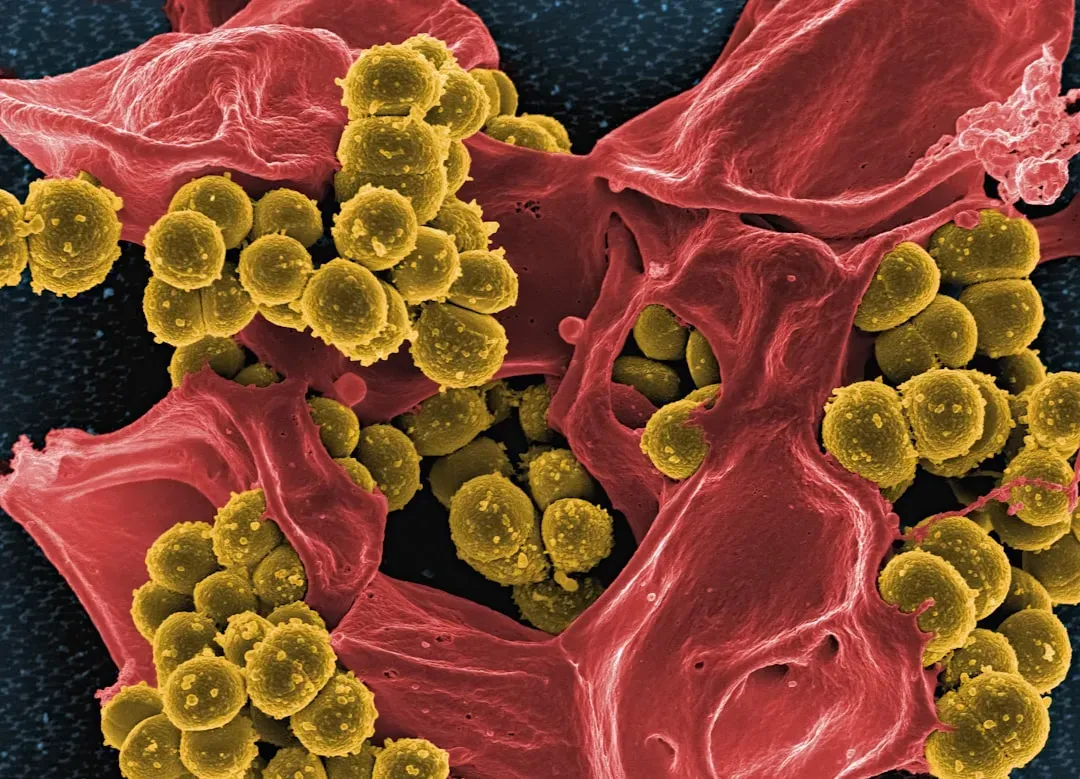
The gut microbiome has an undeniable role in mediating the health effects of the diet, given its ability to co-digest nutrients and influence nutrient signalling to multiple organ systems. As a suboptimal diet is a major risk factor for and contributor to disease, understanding the multidirectional interactions between the food we eat, the gut microbiome, and the different body organ systems is crucial from a public health perspective.
What we eat from birth onward shapes our gut microbiome composition and function, and this is likely an evolutionarily conserved interaction that benefits both the microbe and often the host. Modern diets and lifestyles have created discordance between our slowly evolving human genome and rapidly adaptable microbiome, and have been implicated in the rise of chronic diseases over the past 75 years. Feeding the microbiome well means eating more fiber-rich, minimally processed foods consistently, not just occasionally.
Eating Patterns Matter More Than Individual Foods

Eating patterns and practices are shaped by a range of factors, including biological, psycho-social, and environmental influences, and they impact physical and mental health as well as planetary health. Effectively intervening to promote healthier and more sustainable eating patterns requires understanding the range of factors influencing them and how these factors interact.
A variety of healthy meal pattern examples are available, and recurring components feature the inclusion of vegetables of all types, whole fruits, fat-free or low-fat dairy, lean meats, seafood, eggs, beans, and nuts, plant- and seafood-based oils, and grains, with at least half of those being whole grains. No single food makes or breaks health. What accumulates over weeks and months does.
When You Eat May Also Shape Your Health

A major study suggests that when you eat could play a key role in staying lean. People who fast longer overnight and start their day with an early breakfast were more likely to have a lower BMI years later. Meal timing, once considered a minor variable, is attracting serious scientific attention.
Emerging research extends diet-microbiota interactions to circadian regulation, with certain bacterial metabolites modulating core clock genes in intestinal epithelial cells, thereby synchronizing host metabolic rhythms and glucose homeostasis. This intersection of dietary habits, microbial ecology, and chronobiology illuminates novel pathways for metabolic disease pathogenesis. Simply put, aligning meals with the body’s natural rhythm appears to carry benefits that go beyond calories alone.
Nutrition Advice Needs to Fit Real Life

The need to incorporate the three main macronutrient groups and micronutrients into the diets of various life stage groups is a matrix that is further complicated as varying financial resources, personal preferences, cultural backgrounds, and ethnic food traditions are accounted for. Any nutrition framework that ignores these realities isn’t actually useful for most people.
Nutrition profoundly impacts health status across all stages of life, and unhealthy dietary habits represent one of the most important causes of disability and premature death. While an optimal diet is essential for maximizing health and longevity, what constitutes an optimal diet remains debated. Keeping that nuance in mind is itself a smarter way to engage with nutrition than chasing the diet trend of the moment. Small, sustainable shifts, applied consistently over time, are where the real gains tend to live.