4 Easy Meals That Feel Restaurant-Quality at Home
There’s a particular kind of satisfaction that comes from sitting down to a meal you cooked yourself and thinking, “this is actually really good.” Not just decent, not just filling, but genuinely impressive. The gap between home cooking and restaurant cooking is smaller than most people assume, and it often comes down to a handful of dishes that are built for success even in an ordinary kitchen.
Cooking at home is not only budget-friendly but also gives you complete control over your ingredients and portions. More than that, it lets you dial in flavors exactly to your taste. These four meals have earned their place on this list because they deliver on the plate without demanding professional skill, expensive equipment, or hours of prep.
Pan-Seared Butter-Basted Steak with Garlic and Thyme
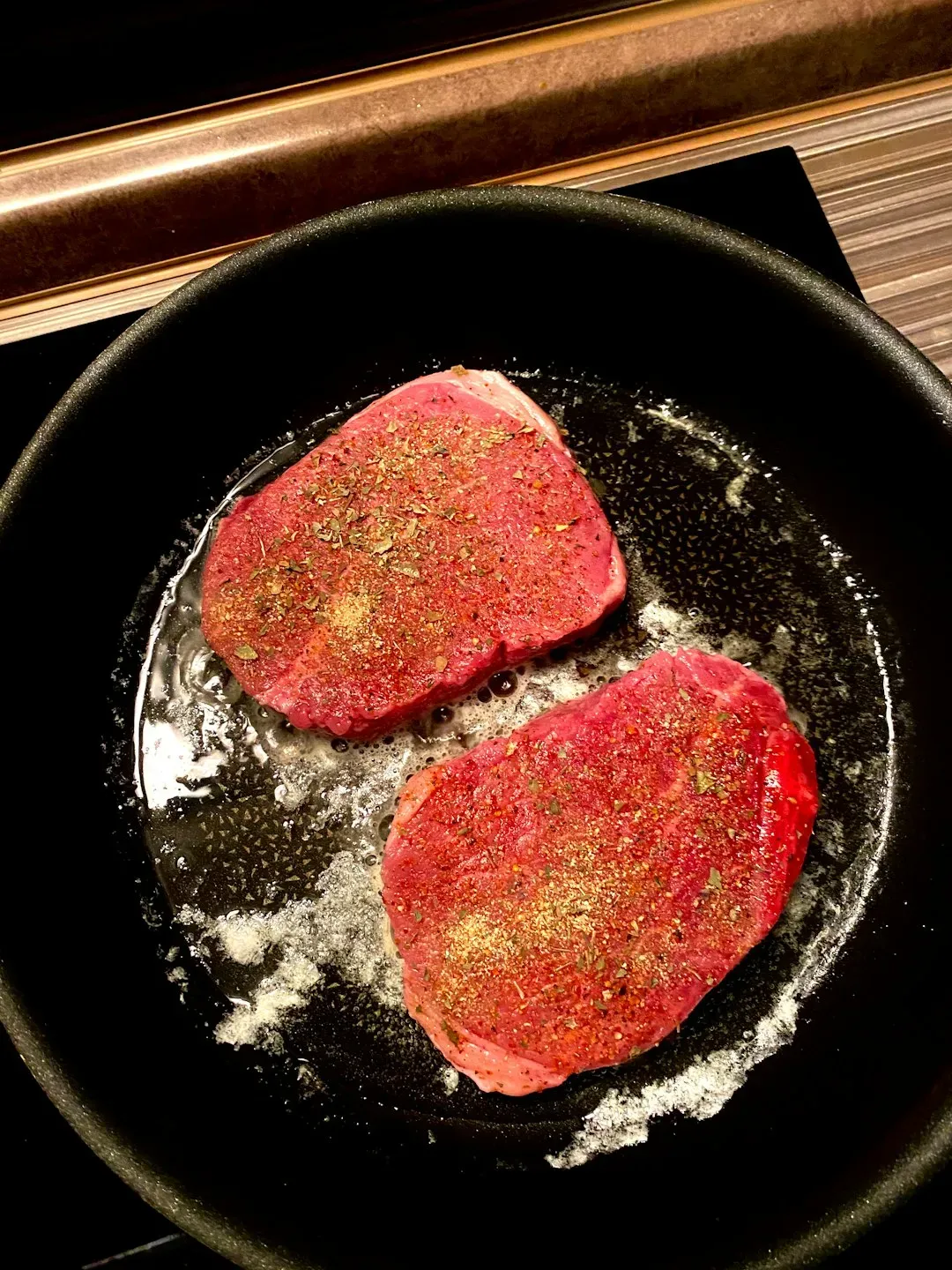
A perfectly cooked steak is one of those meals that people often assume requires a steakhouse kitchen to pull off. It really doesn’t. The secret lives in one technique: that golden-brown crust you see on a great steak is called the Maillard reaction, and it’s your ticket to adding depth and complexity to your dish. A screaming hot cast-iron pan and dry-patted meat are the only two real prerequisites.
Once you flip the steak, add butter, crushed garlic cloves, and fresh thyme to the pan, then continuously spoon that golden elixir over the steak as it cooks. This basting method keeps the meat moist and infuses it with layered, aromatic flavor. Pair it with roasted potatoes and a simple green salad for a plate that looks and tastes like it came straight off a brasserie menu.
Tuscan Chicken with Sun-Dried Tomatoes and Cream Sauce
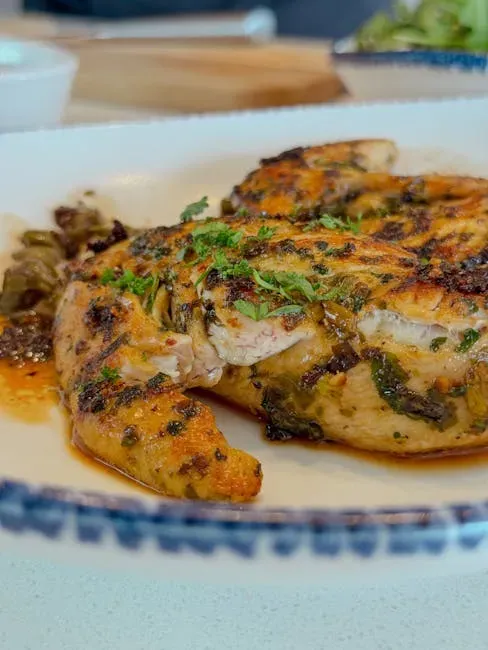
This one-pot wonder combines tender chicken, sun-dried tomatoes, and spinach in a garlic cream sauce, with the magic happening when heavy cream meets Parmesan cheese, creating a velvety sauce that clings perfectly to fettuccine. Golden-brown chicken thighs provide savory depth while spinach adds color and a nutritional boost. It looks stunning in the pan, which makes it an easy win for dinner guests.
Ready in under 30 minutes, this dish masquerades as restaurant-quality but requires minimal effort. The key is getting a proper sear on the chicken before building the sauce. A rule most chefs follow is to layer the seasonings throughout the cooking process instead of adding everything at the end, so that each ingredient gets its moment to shine, creating a more balanced and flavorful bite every time. Apply that principle here, and the result is genuinely special.
Mushroom Risotto with White Wine and Parmesan

Risotto is known for its creamy texture achieved through constant stirring, and while it may seem intimidating, the right skillet and the right rice help it easily come together. Arborio is the rice to use. Its high starch content is what gives risotto that silky, restaurant-worthy texture without needing any cream at all.
Sautéed mushrooms provide meaty umami depth, while white wine adds complexity without tasting boozy. The gradual addition of warm broth coaxes starch from the arborio rice, creating that signature velvety texture, and this risotto impresses dinner guests yet works equally well as a solo meal. Finely grated Parmesan adds creaminess and character, turning this risotto into an unforgettable meal. It’s one of those dishes where patience at the stove pays off in a very visible way.
Korean-Inspired Beef Bowls with Caramelized Edges
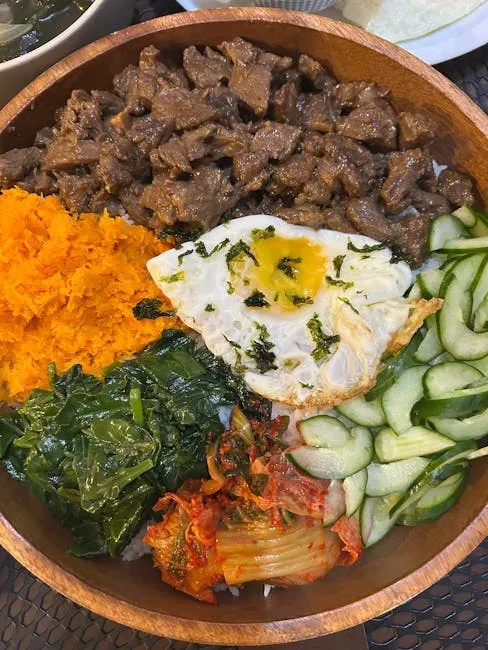
These Korean-inspired beef bowls deliver sweet-savory satisfaction in less time than delivery would take, with paper-thin slices of beef soaking up a marinade featuring the magical trio of soy sauce, brown sugar, and pear, which acts as a secret tenderizing ingredient. The marinade does most of the heavy lifting, so the active cooking time is surprisingly short. You can even prepare it in the morning and let the beef sit all day.
Flash-cooked in a screaming hot pan, the beef develops those coveted caramelized edges while staying tender inside. Serve over steamed short-grain rice with a scattering of sesame seeds, sliced scallions, and a soft-cooked egg, and the bowl looks every bit as polished as what you’d order from a proper Korean restaurant. Building flavor with umami-packed ingredients like soy sauce and finishing with a squeeze of citrus or a drizzle of sesame oil can brighten and elevate any dish.
None of these four meals ask for culinary training or a professional setup. They ask for attention, a willingness to season thoughtfully, and enough curiosity to get comfortable with a few core techniques. Once those click into place, cooking at this level stops feeling like an occasion and starts feeling like a regular Tuesday.