How Daily Routines Are Becoming the New Self-Care
There’s a quiet shift happening in how people think about taking care of themselves. Not long ago, self-care conjured images of candles, bath bombs, and occasional spa weekends. Today, more people are finding that lasting well-being comes not from occasional indulgences but from the small, repeated actions woven into the fabric of an ordinary day. The conversation has moved from “treating yourself” to simply structuring your life well.
This isn’t just cultural sentiment. According to Google Trends, the number of searches for “self-care” has nearly quadrupled since 2018, reaching an all-time high. What’s changed isn’t interest in wellness itself, but rather how people are pursuing it. The focus has tilted sharply toward daily consistency over occasional grand gestures.
From Luxury to Lifestyle: The Shift in How We Define Self-Care

Consumers are finding solace in the art of transforming mundane routines into daily rituals, a clear evolution from the self-care trend that first emerged several years ago. What once looked like a luxury purchase or a weekend retreat now more often looks like a structured morning, consistent sleep times, and small intentional breaks built into a regular day.
Self-care isn’t just a passing trend – it’s a lifestyle shift that underscores holistic health and personal development. The distinction matters: a lifestyle shift implies durability and habit, not novelty. Research confirms this staying power, with roughly two thirds of people having made their self-care habits a permanent part of daily life.
The Science Behind Routine and Mental Health
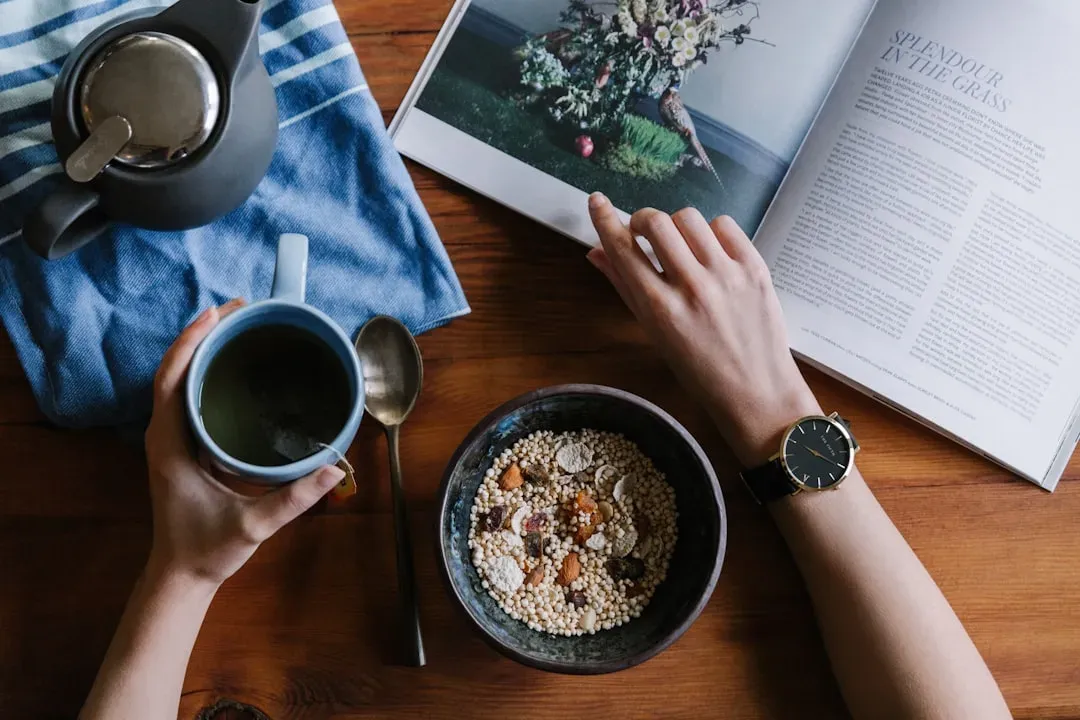
Organizing your day with planned patterns of behavior provides a sense of security that can reduce mental fatigue, decrease stress, and boost emotional wellness. Research shows that people with structured routines have lower levels of anxiety and depression than people who live without routines. This isn’t a vague wellness claim. It’s measurable.
Research has shown that individuals with lower levels of daily routine report higher levels of anxiety and depressive symptoms compared to those with more structured routines. Beyond mental health, daily routines play a vital role in shaping modifiable behavioral risk factors, including physical activity, sleep, and dietary behaviors. In other words, the ripple effects of a well-built routine reach far beyond mood.
Why Consistency Matters More Than Complexity
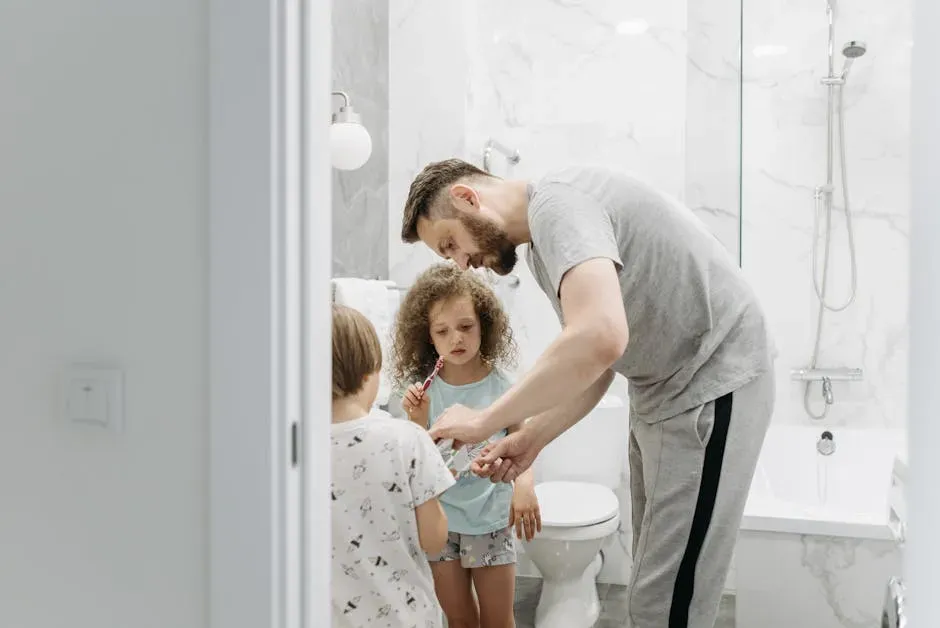
Most people don’t spend hours on personal care, and they don’t need to. The majority finish in under 30 minutes a day, and those who spend just 15 minutes report better overall health. This finding from Kenvue’s global research is one of the more counterintuitive data points in recent wellness literature. The bar for meaningful routine is far lower than many people assume.
Small, consistent routines, especially among younger generations, are redefining personal care as a proactive path to well-being. Consistency, not complexity, makes the difference. That principle applies whether someone’s routine involves journaling, a 10-minute walk, or simply eating at regular times. The pattern itself carries most of the value.
Morning Routines and Their Effect on the Brain
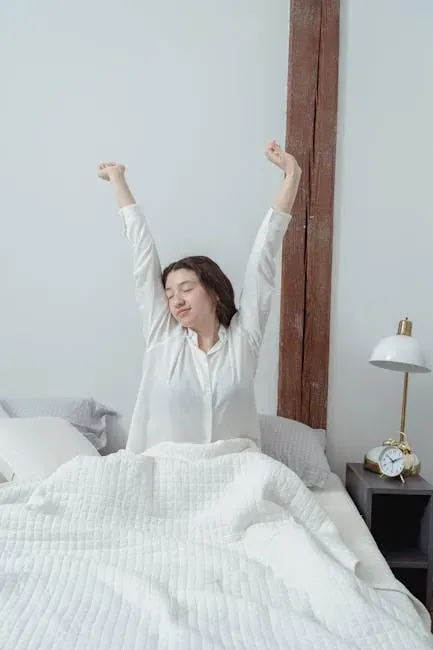
Evidence shows that circadian-aligned morning routines support cognitive performance and mood regulation by stabilizing sleep-wake rhythms and neurobiological processes. Starting the day with even a loose structure isn’t just a productivity strategy. It actively shapes how the nervous system handles the hours that follow.
A consistent wake-up time plays a critical role in regulating the body’s circadian rhythm, which governs sleep and wake cycles. Research indicates that irregular sleep patterns can disrupt mental clarity and contribute to feelings of fatigue and irritability. By waking up at the same time each day, you help your body maintain a natural rhythm, leading to better sleep quality and improved mental well-being.
Sleep as a Non-Negotiable Daily Practice

The pursuit of sufficient, high-quality sleep continues to grow as a central wellness priority. The American Academy of Sleep Medicine launched its “Sleep is Good Medicine” campaign to increase public education about the importance of sleep and its connection to health, with a growing focus on sleep as the third pillar of health, equal in importance to exercise and nutrition.
Sleep anxiety is emerging as a critical wellness challenge, fueled by increasing digital dependency, economic uncertainty, and the lingering effects of pandemic-era sleep disruptions. Defined as excessive worry about sleep quality or the inability to fall asleep, sleep anxiety affects millions worldwide, contributing to the broader sleep deprivation crisis. Building a consistent evening wind-down routine, one that treats sleep as a practice rather than a default, is increasingly viewed as a concrete health intervention.
Physical Movement Built Into the Day, Not Added On Top

Study results showed that people who were more consistent in the timing of their daily activity were less depressed. On the other hand, people whose patterns of activity varied throughout the week showed more depressive symptoms. Overall, research clearly shows that healthy routine matters for mental health. Timing and regularity count, not just the activity itself.
Studies have shown that even light morning movement, such as yoga, stretching, or a brisk walk, can provide immediate mental health benefits. Research also shows that people are more creative and productive for the two hours following exercise, and that people who exercise regularly are less stressed at work and more able to maintain work-life balance. The case for weaving movement into a daily routine, rather than treating it as a separate undertaking, has rarely been clearer.
Nutrition and Meal Timing as Routine Anchors

People who have regular meals, sleep times, and social interactions are more likely to feel satisfied with their lives and score higher on tests of mental well-being. Regular mealtimes serve as what researchers call “zeitgebers,” or time-givers, that help regulate the body’s internal clock. Consistency in eating isn’t simply a dietary matter; it’s a structural one.
Among Americans surveyed about their self-care goals, healthy eating maintained its popularity as the most commonly planned new practice. What’s interesting is how this intersects with routine: eating well becomes dramatically easier when it’s embedded in a predictable daily structure rather than approached as a series of individual decisions under pressure.
Digital Habits and the Quiet Rise of Intentional Screen Boundaries

With global screen times averaging nearly seven hours per day, a digital detox is increasingly necessary. Some people are experimenting with offline morning routines and no-tech zones as a way to reclaim structure. What began as a fringe idea has become a recognizable component of how many people are deliberately designing their days.
Experts say too much screen time can lead to depression, anxiety, and other mood disorders. Screen time can also affect social opportunities and human interaction, causing social isolation and loneliness. Scheduling digital breaks into your day can reduce overall screen time, which may improve depression symptoms, stress, sleep quality, and overall well-being. These breaks, when routine rather than reactive, carry the most consistent benefit.
Generational Differences in How Routines Are Built

Wellness looks different across generations, with each age group leaning into routines and activities that reflect their values, lifestyle, and life stage. Gen Z and millennials more often focus on creative expression, emotional exploration, and personal development. The most commonly used resources across all adults include skincare or beauty products, books or podcasts, and dietary supplements. Social media apps also rank high, reflecting the role of digital communities and content in shaping wellness routines.
Three out of four people say that they actively prioritize their health to maintain their appearance, seeing personal care routines as a proactive tool for long-term well-being. That shift is especially true for millennials and Gen Z, with many wishing they had started their personal care routines sooner. The momentum is generational, and it’s skewing younger.
The Wellness Economy Behind the Trend

The wellness market has doubled since 2013 and grew nearly eight percent from 2023 to 2024, reaching a new peak of $6.8 trillion. The fastest-growing market over the last five years is wellness real estate, as the pandemic ignited awareness about the impact of environments on physical and mental health. Mental wellness is the second growth star, expanding as people face increasing stress and as younger generations treat mental well-being as non-negotiable.
Self-care and wellness has become a staple routine in many consumers’ lives, to the extent that roughly four out of five Americans consider wellness to be a top priority in their daily routines. Because the trends fueling the wellness industry will only accelerate, driven by an aging population, rampant chronic disease and mental unwellness, and a market focused on prevention and longevity, the global wellness economy is predicted to approach $10 trillion by 2029. The numbers reflect something more fundamental than consumer spending. They reflect a collective renegotiation of what it means to take care of yourself, one ordinary day at a time.