What Professional Chefs Do Differently With Basic Ingredients
Most home cooks follow a recipe the way they’d follow directions to an unfamiliar place: carefully, step by step, without ever really understanding the terrain. Professional chefs operate differently. They’ve internalized principles that let them navigate any kitchen, with almost any ingredient, and still produce something genuinely good.
The gap between home cooking and restaurant cooking isn’t really about access to exotic ingredients. It’s mostly about how the most ordinary ones get handled. Salt, fat, onions, heat, herbs – these aren’t secrets. It’s what chefs do with them that changes everything.
They Salt in Layers, Not All at Once
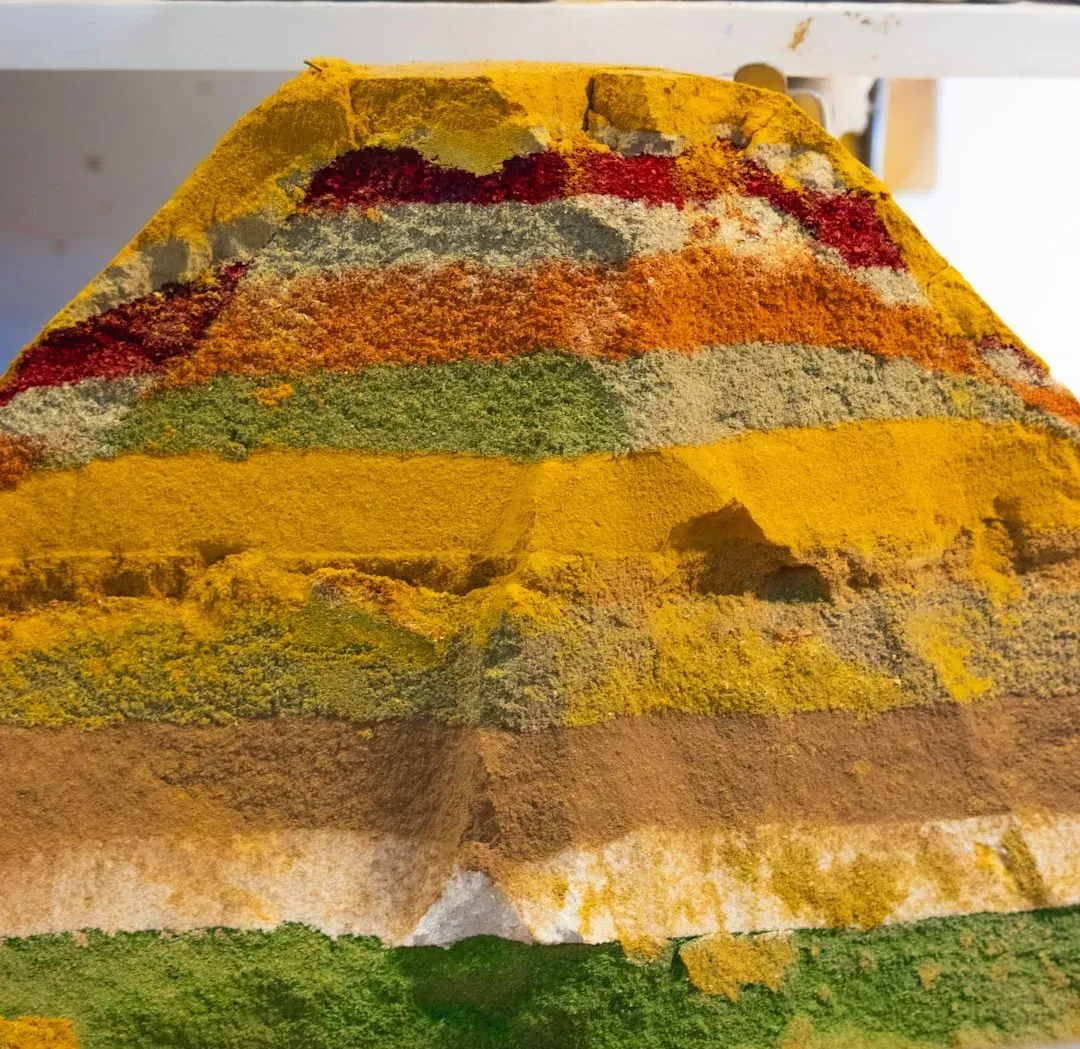
Professional chefs understand that seasoning is layered throughout the cooking process, building balance and depth one step at a time. This isn’t just a stylistic choice – it’s rooted in how ingredients actually absorb and respond to salt at different stages of cooking.
The approach is to season in layers, adding salt during cooking and then tasting and adjusting at the end. Timing matters enormously: salting early draws out moisture and intensifies flavors, while salting late preserves certain textures. For broths and sauces, it’s generally best to start light and adjust just before serving. The result is food that tastes seasoned through and through, not just on the surface.
They Treat Mise en Place as a Non-Negotiable Ritual
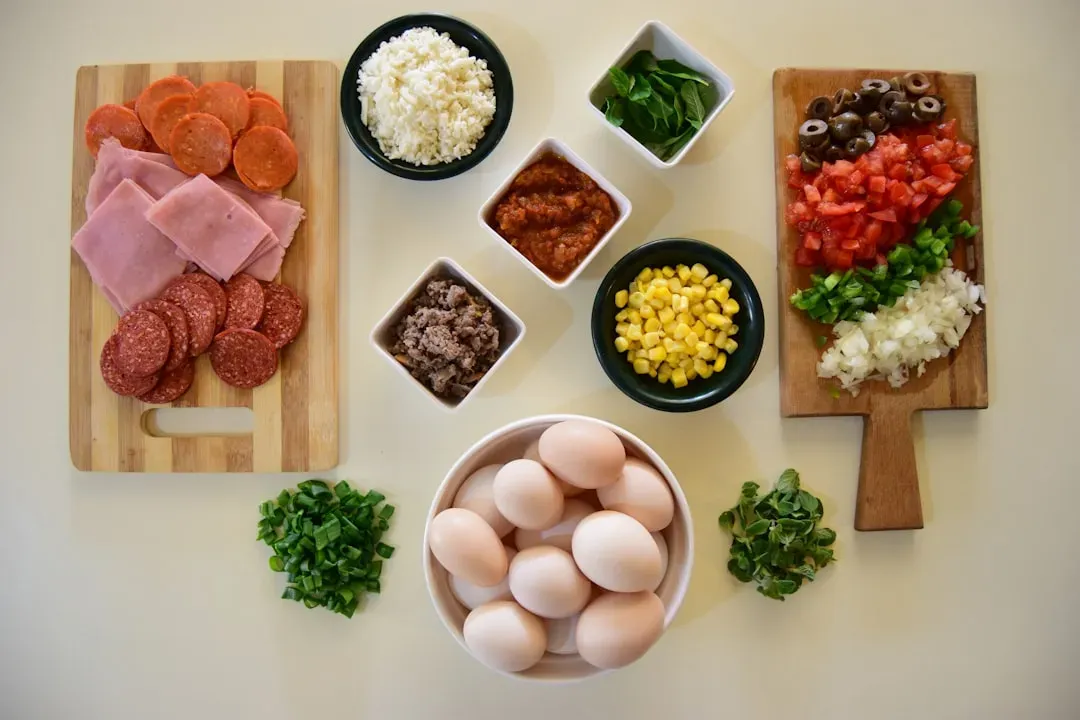
Mise en place sets the tone for the entire cooking experience. It means having ingredients prepped, tools organized, and the workstation ready before a single burner is ever turned on. To a professional, this isn’t optional prep – it’s the foundation that makes everything else possible.
Professional cooks spend hours chopping meats, vegetables, and herbs so they’re ready to add to the pan exactly when needed. In a savory kitchen, solid prep supports speed and flow, so cooks can move smoothly from sautéing aromatics to deglazing a pan without scrambling or losing control of the heat. Cooking becomes deliberate rather than reactive.
They Understand Heat as a Creative Tool
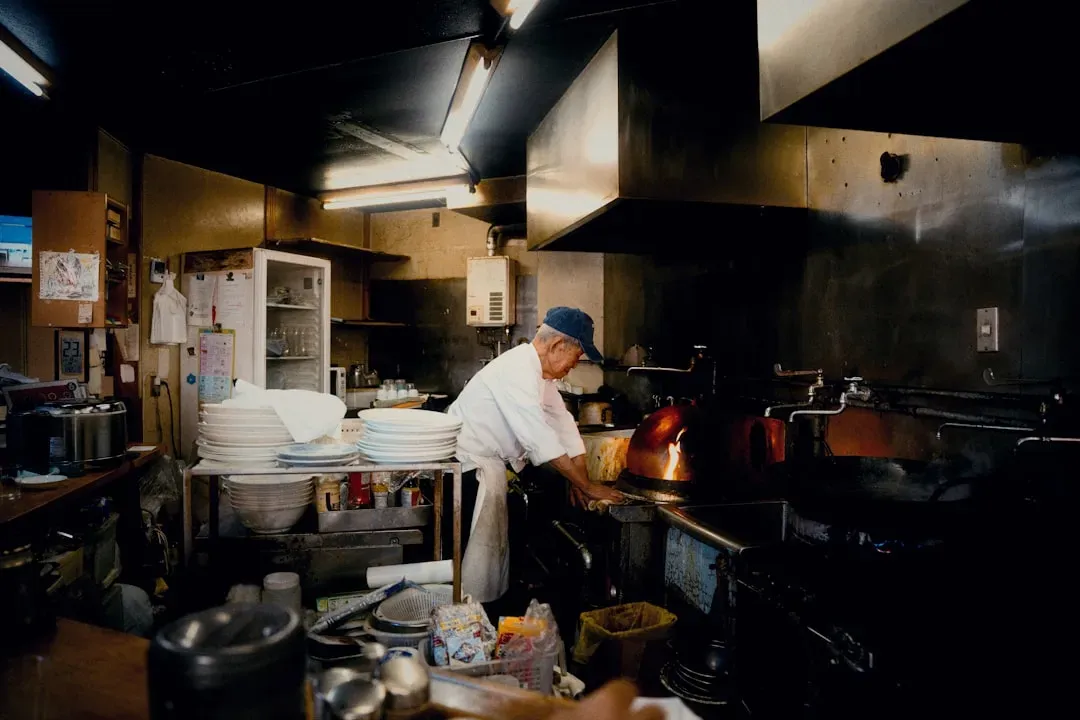
Restaurant stoves generate between 15,000 and 25,000 BTUs compared to home ranges at around 7,000 BTUs, enabling faster searing at temperatures up to 700°F. That raw power gap is real, and it explains why restaurant food often has a crust, char, or browning that’s hard to replicate at home. Still, knowing how to use heat strategically matters just as much as the hardware.
A typical professional line setup includes hot zones for searing, medium zones for sautéing, and moderate zones for gentle cooking – all used simultaneously. Learning the difference between low, medium, and high heat teaches cooks when to coax ingredients gently and when to build bold flavor. Chefs read the pan, the sizzle, and the steam constantly, rather than trusting a timer.
They Rely on Butter Basting to Build Flavor and Even Cooking
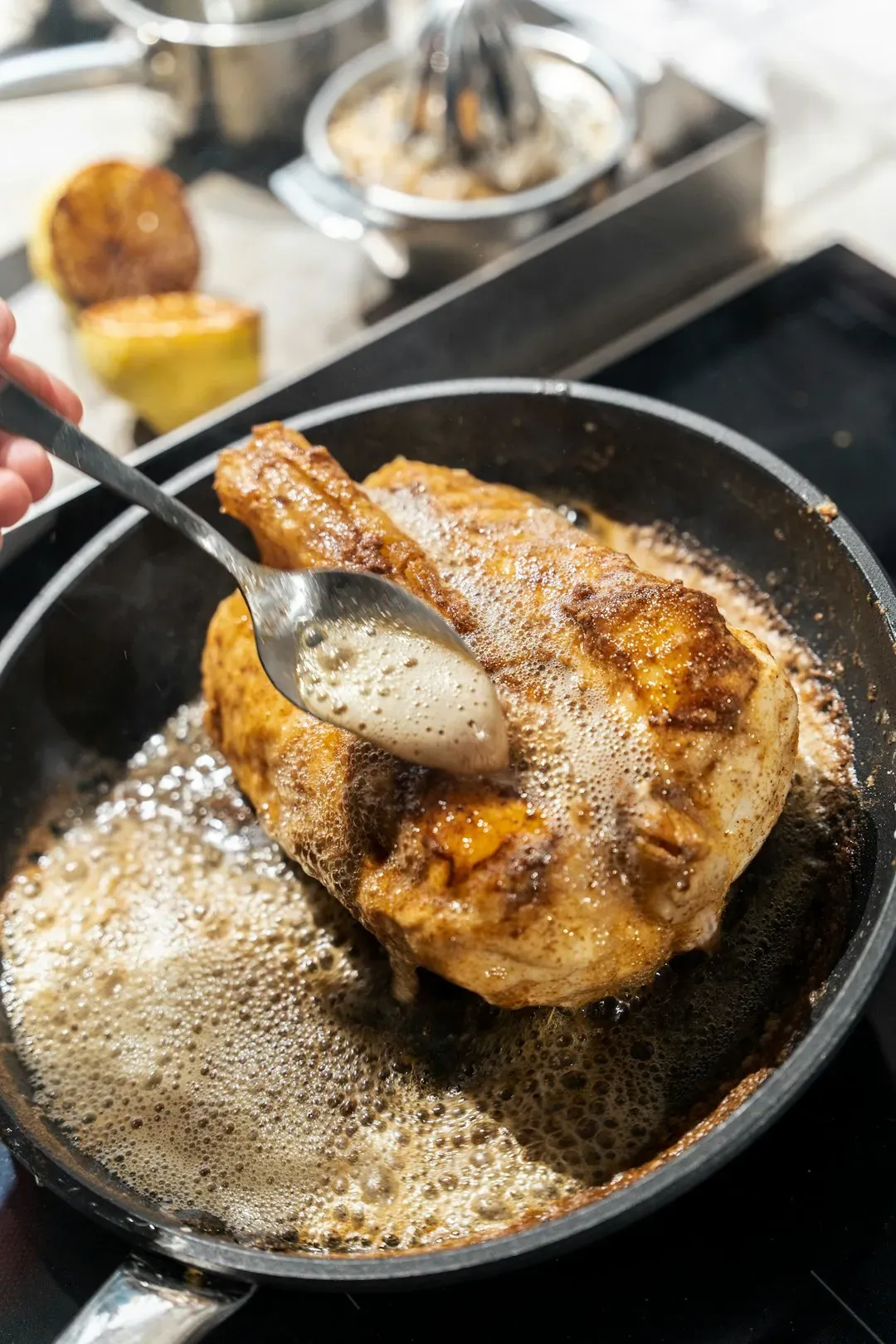
Basting is a finishing technique that involves spooning sauces or melted butter – often infused with aromatics like garlic and herbs – over meat as it cooks. The constant basting helps develop an even, deeply browned crust while layering on rich, nutty, and aromatic flavors.
Basting also imparts flavor because certain flavor molecules, especially those in aromatic ingredients like garlic, thyme, or rosemary, are not entirely water soluble. Fat easily absorbs these aromas, and basting transfers them to all sides of a given protein, ensuring even flavor and heat distribution. Most professional chefs use unsalted butter for basting because it gives complete control over the seasoning and prevents oversalting.
They Know When to Rest Meat – and Why It Actually Matters
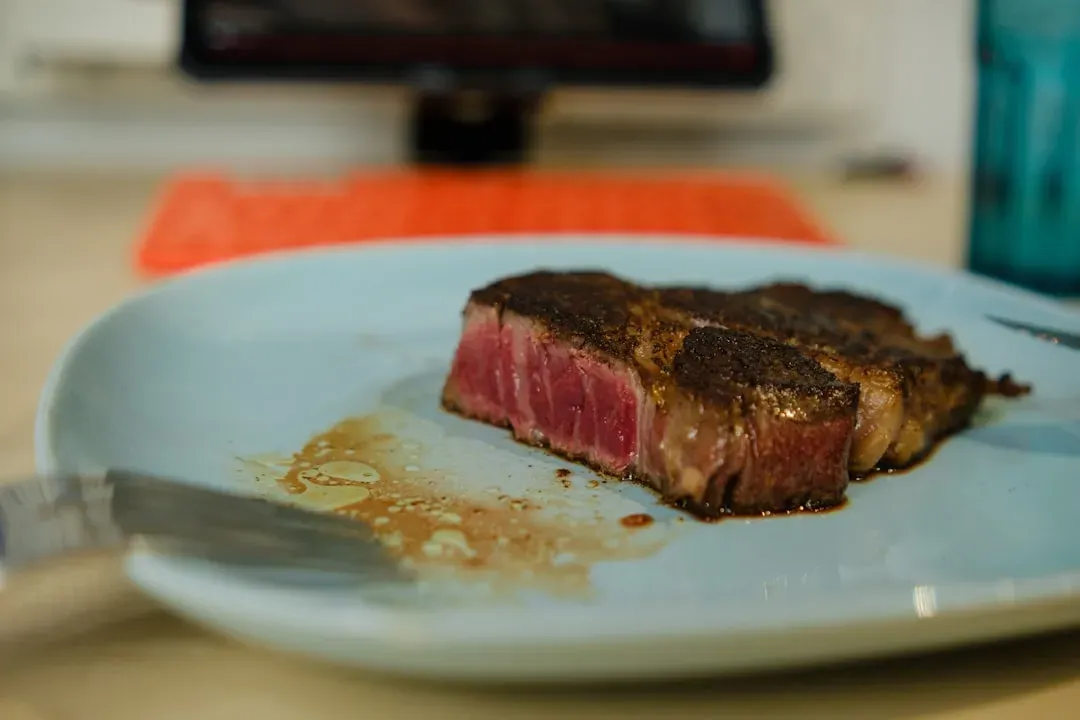
Resting is as crucial as the cooking process itself. After searing to perfection, resting a steak is pivotal for retaining moisture and enhancing flavor. This isn’t a suggestion to buy time – it’s chemistry. The fibers in cooked meat need a moment to relax and reabsorb the juices that were pushed outward by heat.
Transferring the steak to a cutting board or wire rack and letting it rest for around ten minutes allows the juices to redistribute and the steak to reach its perfect finish temperature. Removing the meat two to five degrees below the desired temperature is standard practice, as it will finish cooking during the resting process. Cutting into it immediately throws all of that away.
They Use Acid as a Finishing Move, Not an Afterthought
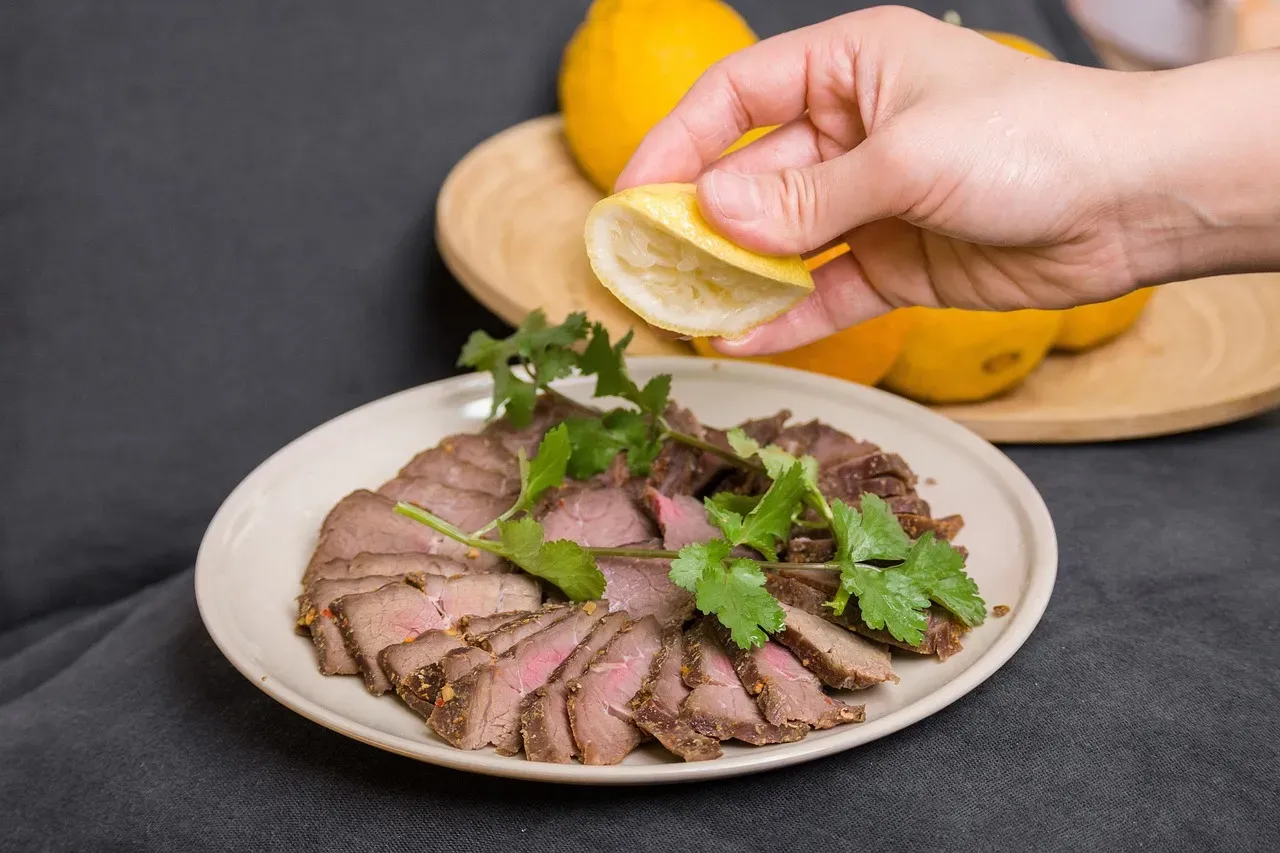
Acidity is often the final adjustment before a dish leaves the kitchen. Lemon juice, vinegar, or pickled vegetables brighten rich foods instantly. Without it, flavors can feel heavy or dull. Chefs know that a touch of acid sharpens everything on the plate.
Chefs squeeze lemon wedges over dishes just before serving to balance flavors with a little acidity, while lemon zest boosts flavor in situations where added liquid isn’t desirable. For most dishes, acid works beautifully as a finish – vinegar or citrus splashed on right before serving intensifies everything and balances richness. It’s the step most home cooks skip entirely.
They Build Umami Deliberately Into Ordinary Dishes
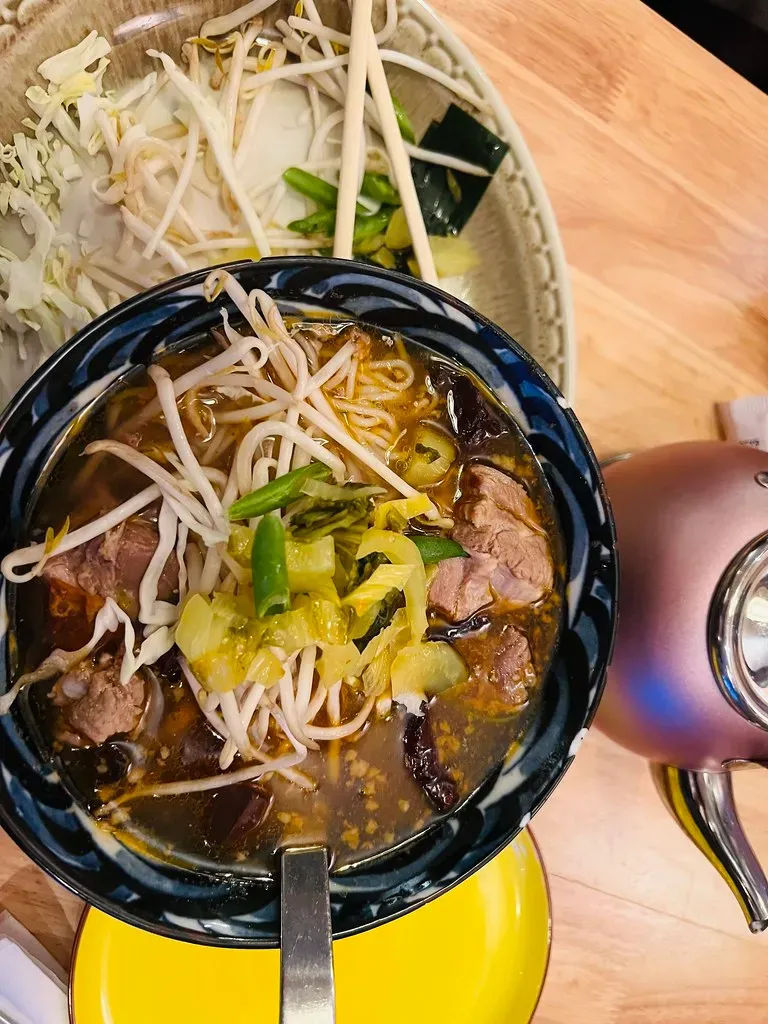
Umami, the savory “fifth taste,” is found in foods like mushrooms, miso, and parmesan, and it makes dishes taste richer and more satisfying. Professional kitchens treat it not as a bonus but as a core structural element of a dish’s flavor architecture. Salt works with umami to deepen the taste of a dish, and adding salt to dishes rich in umami like broths or stews makes the flavors more layered and full.
Like salt, umami is best when layered – adding multiple sources to the same dish creates greater complexity and depth. A splash of Worcestershire adds savory flavor, soy sauce brings umami-forward saltiness, and a dollop of miso paste gives a salty-sweet finish – all from pantry staples most people already own. The difference is knowing how to combine them with intention.
They Choose the Right Fat for the Right Job
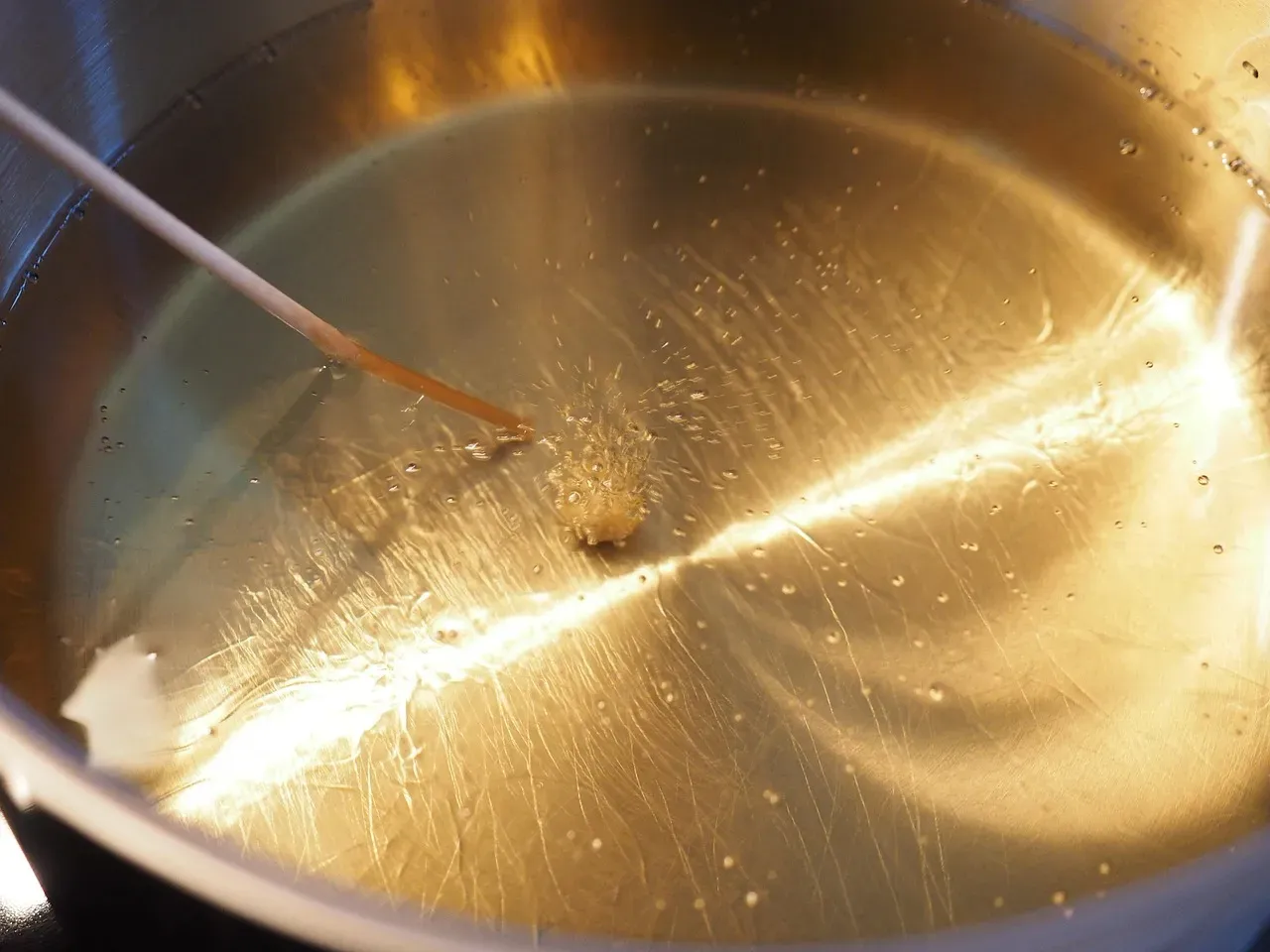
Each cooking oil has a unique flavor profile and different smoke points. Some oils like canola or peanut oil are better suited for high-temperature frying, while fats like butter or lard are best for stir-frying and sautéing. Chefs don’t just pour in whatever’s available – they match the fat to the method and the ingredient, treating this as a decision that meaningfully shapes the outcome.
Fat coats the tongue and helps carry all the other flavors in a dish. Healthy fats like nuts and avocado work, but so do butter, cream, and cheese, which add serious amounts of flavor even in small quantities. One classic restaurant technique is to swirl in a pat of cold butter right before serving a tomato sauce, giving it a richer flavor and a glossy sheen. That’s not extravagance – it’s technique.
They Handle Fresh Herbs With Timing and Intention
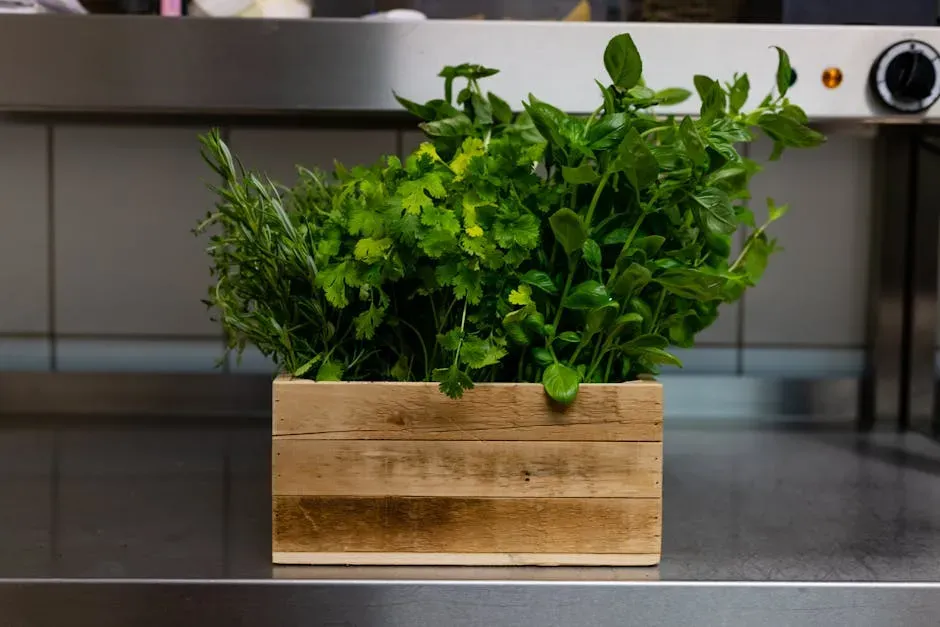
Long exposure to heat kills the impact of fresh herbs, so professional cooks add them just before serving – or at carefully chosen moments during the cook. Hardy herbs like rosemary and thyme can go in early and withstand prolonged heat. Delicate ones like parsley, basil, and tarragon need to be treated more gently, almost protected from the pan.
This distinction is something most home recipes gloss over entirely. Chefs think about herbs in two separate categories: those that build background flavor over time, and those that provide brightness and freshness right at the end. Beyond the main ingredients, professionals make a point of becoming deeply familiar with how spices, herbs, and seasonings interact with and enhance primary ingredients rather than using them as garnish.
They Taste Constantly – and Adjust Without Hesitation

Constant tasting ensures food is always adjusted to perfection. Chefs don’t wait until the end to check seasoning – they taste at every stage. This allows for gradual fine-tuning of salt, acid, and spice. By the time the dish is served, every element feels balanced.
Fixing an over-salted dish can mean adding a sweet ingredient like honey or sugar; if it’s too fatty and rich, a splash of vinegar or citrus juice pulls it back into balance. Professional cooks add acid to brighten a dish, a pinch of salt to enhance sweetness, or something crunchy to contrast a soft texture – all based on what they’re tasting in real time, not what the recipe said to do three steps ago. That responsive relationship with food is, more than anything else, the real hallmark of a professional kitchen.