Why Simple Meals Are Becoming the Ultimate Luxury
There’s a quiet contradiction sitting at the center of modern food culture. At the very moment when restaurant menus grow longer, delivery apps multiply, and food content floods every social feed, a growing number of people are turning deliberately away from all of it. They’re choosing a bowl of lentils. A roasted chicken. Pasta with three ingredients. Not because they can’t afford anything else, but because something about the simplicity of it feels genuinely valuable.
This isn’t a passing mood. Across the United States and beyond, the pull toward pared-back, home-cooked meals has become one of the more durable shifts in how people relate to food. In the wake of the pandemic, many people rediscovered home cooking as a mindful ritual that fosters connection, creativity, and well-being, and mealtime continues to evolve as Americans adapt to shifting lifestyles, wellness trends, and ongoing economic pressures. What changed is what people now associate the word “luxury” with. It’s not the tasting menu anymore. It’s the time, the quiet, and the intention behind the meal.
The Economics That Started It All
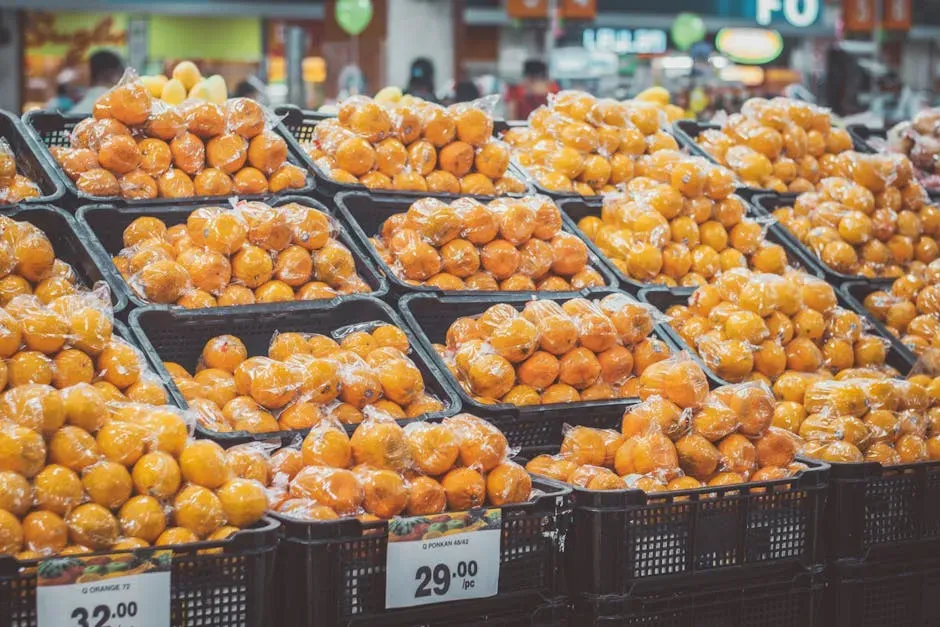
Consumers are looking for more value for their money in food and beverage, with global food trends research showing that roughly two-thirds of consumers report spending more on food and beverages in the past year because of inflation and higher prices. That financial pressure reshaped priorities, fast. Home cooking can allow consumers to better control their food expenditures when compared to eating out.
Food prices rose by about two percent in 2024 and roughly three percent in 2025, slower than they had increased during the years immediately after the pandemic. Food-at-home prices, however, increased by only about one percent in 2024, well below the historical average pace of growth. Food-away-from-home prices rose faster, at over four percent in 2024 and close to four percent in 2025, still faster than the historical average. The math alone nudges people toward the kitchen. The fact that many of them are finding something they hadn’t expected there is the more interesting part of the story.
Home Cooking Becomes a Serious Habit
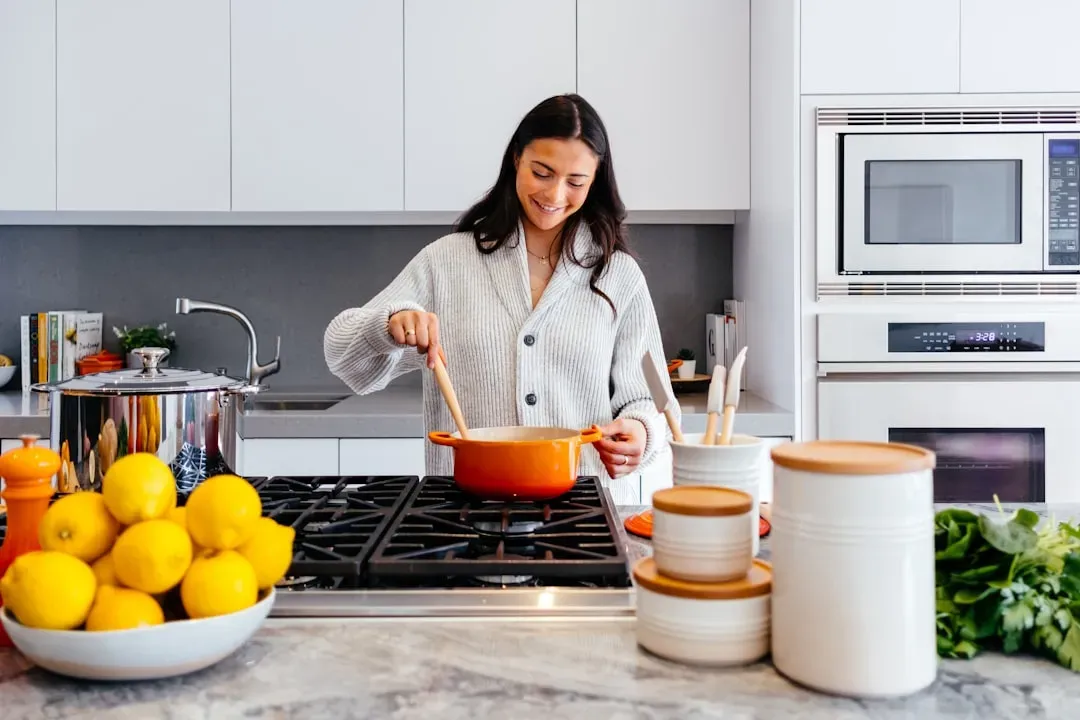
Home cooking has become a viable and welcomed option for eating and entertaining, with consumers globally eating at home more often, especially in light of post-pandemic rising food prices and general inflation. Consumers have improved their cooking skills, are eating a greater variety of foods, and can enjoy socializing with family and friends at home.
In fact, the vast majority of Americans, roughly nine in ten, expect to cook as much as the previous year or more in the next twelve months. Eating at home is becoming an increasingly common food trend, with nearly half of consumers globally saying they increased home meals over the past year. This is roughly three times as many consumers who increased eating at home compared to dining out. That ratio signals something more than budget management.
The Low-Effort, High-Reward Philosophy

Because home cooks are in the kitchen night after night, when asked about their 2024 cooking preferences, more than half pointed to “quick and time-saving,” and a similar share identified “low-effort, high-reward” as their primary focus. Creating quick, budget-friendly meals while still experimenting with new recipes and ingredients emerged as a shared priority among both home cooks and culinary experts.
The largest portion of home cooks consider a “quick and easy” recipe to be one that takes thirty minutes or less, with a significant share capping the cooking time at twenty minutes. When picking out a dish to make, most home cooks don’t want to deal with a long ingredient list, with an average of five ingredients representing the sweet spot for those who pay attention to how many a recipe needs. The elegance of restraint, it turns out, is not about poverty of imagination. It’s a considered preference.
What “Luxury” Actually Means Now
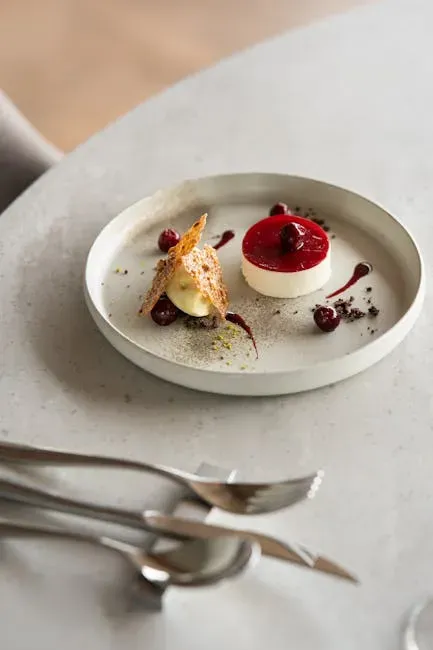
Luxury food trends reveal that indulgence is no longer one-dimensional or reserved for the ultra-wealthy. “Luxury” isn’t defined solely by expensive ingredients but by story, sustainability, and sensory experience. That shift in definition matters enormously. It opens the door for a perfectly made bowl of pasta or a slow-roasted vegetable dish to carry the same emotional weight as a restaurant meal that costs ten times as much.
Feeling like you are dining at a traditional French or Spanish table is now seen as a new form of luxury. Consumers increasingly prefer simple cuisine in a friendly atmosphere, and grandma’s recipes, home-cooked meals, and childhood memories are back, dethroning “overly conceptual” dining. Understated elegance is increasingly what defines the luxury experience. Clean aesthetics paired with premium materials create an air of sophistication, making every detail feel intentional.
The Nostalgia Factor

In 2025, nostalgia-based trends are emerging from home decor to the family meal plan. Across the United States, home cooks are returning to vintage recipes, modernizing dishes that defined late twentieth-century kitchens, and these retro creations are staging a comeback fueled by nostalgia and a desire for comfort amid today’s uncertainties. Many Americans are turning to the familiar dishes of their childhoods, and rooted in traditions spanning several decades, these recipes offer more than a meal. They evoke memories of family gatherings, grandmothers’ favorite recipes, and simpler, more grounded times.
Social media platforms like TikTok and Instagram have played a pivotal role in amplifying the appeal of retro recipes. Viral hashtags like #RetroCooking and #GrandmasRecipes introduce these dishes to younger generations, driving them to become new culinary trends. Sustainability also drives this interest in vintage recipes. Many recipes from the late twentieth century were resourceful, relying on leftovers and minimizing waste, and these qualities align with modern, eco-conscious values. What was once considered ordinary is now being recognized for what it always was: deeply considered.
Mindful Eating and the Mental Health Connection
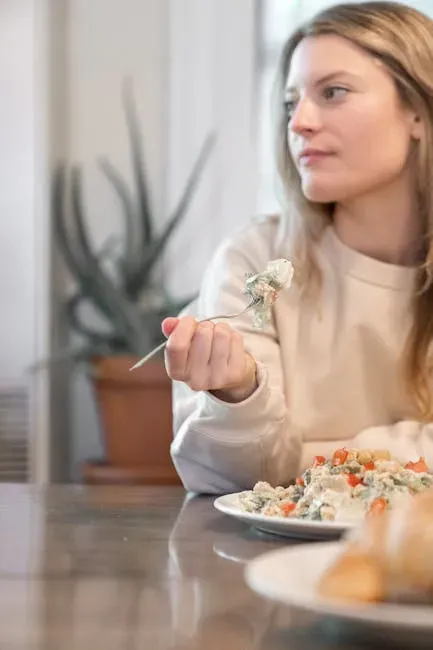
In chronically busy lives, eating often becomes automatic, something done while multitasking or rushing between commitments. Yet the simple act of eating holds powerful potential to support mental and emotional well-being, and mindful eating invites people to slow down, tune in, and transform meals into moments of nourishment for both body and mind. Eating mindfully helps shift focus from a racing mind to the present moment, lowering stress levels and calming anxious thoughts.
A systematic review found that intuitive eating, mindful eating, and eating competence are positively related to a range of mental and physical health outcomes. Greater intuitive and mindful eating were significantly related to lower levels of disordered eating and depressive symptoms, as well as greater body image, self-compassion, and mindfulness. Simple meals, eaten with attention, turn out to be genuinely good medicine. The science increasingly agrees with the instinct.
Fine Dining Takes Note
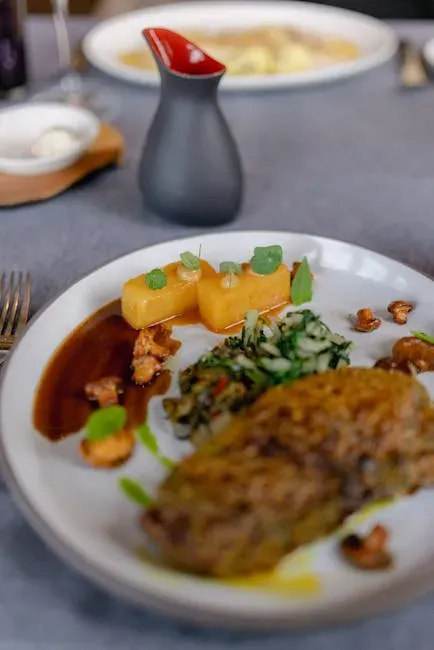
Inflation has reshaped consumers’ dining habits. Guests still want to eat out, but in more rational, budget-conscious ways, and after sharp price hikes, the trend is reversing, with more affordable concepts and menus attracting wider audiences. Even fine dining chefs are exploring more accessible offers. That’s a notable pivot. The most accomplished kitchens in the world are looking at simpler plates not as a concession but as a legitimate aspiration.
Humble street food classics are also receiving the accolades they merit, with more than twenty taquerias featured in the Michelin Guide’s Mexico City edition, including one that has earned a star. Savory comfort foods are being elevated for today’s diner, with upscale versions of simple staples turning familiar dishes into Instagram-ready centerpieces. The hierarchy between simple and sophisticated is collapsing. What remains is craft, care, and honesty on the plate.
The Clean Ingredient Movement
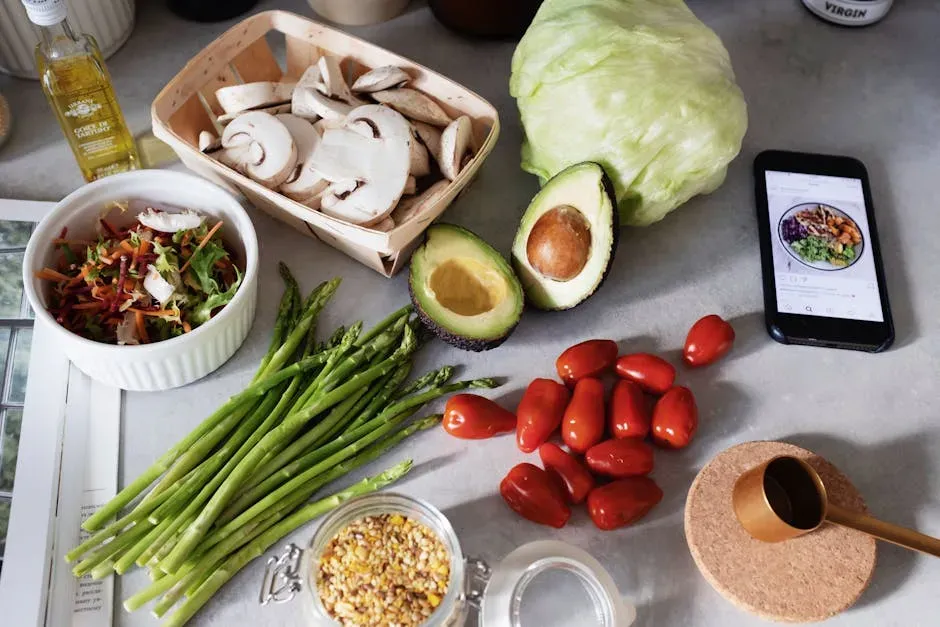
Clean labels with fewer ingredients are dominating as a food and drink trend. Mindful eating has been shown to help people better connect with their bodies by recognizing when they’re full and fully valuing their food. With a move toward a more thoughtful way of living, the desire to eat in a mindful way is set to be a major lifestyle and food trend. Fewer ingredients means more accountability for each one. There’s nowhere to hide a mediocre tomato when there are only three things in the dish.
Consumers are becoming increasingly mindful of their dietary choices, focused on making informed decisions that balance financial constraints with health and wellness goals. From seeking discounts to being selective about product ingredients, shoppers are prioritizing both cost-effectiveness and quality. One study found that more than half of guests are willing to pay extra for premium ingredients and a similar share said they’d do the same for healthy menu options. The willingness to spend more on better basics, rather than more elaborate preparations, marks a genuine shift in how value is understood.
The Social Dimension: Meals as Connection

Global consumer research shows that time spent socializing with friends and families is seen as highly important. When consumers were asked about priorities for disposable spending, they mentioned social time with family and friends as a top priority after health, saving money, and enjoying the holidays. Simple meals serve that priority quietly but powerfully. A one-pot dish on the table doesn’t demand attention from the host. It creates space for the people around it.
Cooking is more than a daily task. In 2025 and 2026, Americans are gathering in the kitchen to chop, dice, laugh, share stories, and savor the food that brings people together. Mindful eating does not have to happen alone. Sharing meals with others can support emotional well-being and deepen the experience of nourishment, and research suggests that mindful eating skills are associated with greater self-compassion and reduced feelings of isolation. The most nourishing thing about a simple meal, in the end, might be who’s sitting across from you while you eat it.
Simplicity as a Deliberate Choice, Not a Default

The rise of homemade food isn’t just about making meals. It’s a lifestyle choice rooted in a desire for control over ingredients, health, and sustainability, and this trend is expected to further evolve as cooking at home becomes more accessible with the help of meal kits, online tutorials, and an ever-growing network of home chefs sharing their knowledge. Growing numbers of consumers globally are cooking from scratch using fresh ingredients, and the proportion of people doing so has continued to rise even after the pandemic.
The distinction matters: simple is not the same as easy or thoughtless. Slow, mindful eating environments contribute to greater enjoyment and satisfaction. When people take the time to truly experience their food, even simple meals become more pleasurable, and savoring each bite enhances the sensory experience, leading to increased feelings of contentment. Choosing a bowl of soup over a restaurant reservation, and meaning it, is an act of self-knowledge. That, more than any ingredient or technique, is what turns the ordinary into the luxurious.