What Real Rest Looks Like in a Constantly Busy World
There’s a quiet exhaustion spreading through modern life that sleep alone doesn’t seem to fix. People log seven or eight hours in bed and still drag themselves through the next day feeling hollow, foggy, and strangely behind. The problem, it turns out, isn’t usually the quantity of rest. It’s the kind.
Busyness has become a cultural identity. Being busy has been proposed to be a badge of honor, demonstrating high social status and frequent contributions toward society. That framing, though, has quietly made genuine rest feel like a failure of ambition, and more people are paying the price for it than they realize.
The Real Cost of Never Stopping

Chronic busyness activates the stress response over and over again, keeping the body in a prolonged state of alert, which leads to higher cortisol levels, poor sleep, increased irritability, and difficulty concentrating. These aren’t temporary inconveniences. Left unchecked, they compound.
Research shows that people who feel stressed, or like there’s not enough time in the day, report poor mental and physical health, including eating unhealthier foods, signs of depression, and feeling burned out or emotionally exhausted. Additional studies show that people who work long hours are significantly more likely to be injured on the job, and these hours are also associated with a higher risk of dying from coronary artery disease or having a stroke.
Why Sleep Alone Isn’t Enough

We go through life thinking we’ve rested because we’ve gotten enough sleep, but in reality we are missing out on other types of rest we desperately need. The result is a culture of high-achieving, high-producing, chronically tired and burned-out individuals. We’re suffering from a rest deficit because we don’t understand the true power of rest.
Even if you get eight hours of sleep, your brain may still feel exhausted if you’re constantly processing information without giving it a break. The distinction between sleeping and actually resting is one that most people have never been taught to make. Real rest leaves you feeling restored and energized, and by recognizing different types of rest, we can address fatigue in a way that sleep alone cannot.
What the Brain Does When You Stop

The default mode network (DMN) is a large-scale brain network primarily composed of the medial prefrontal cortex, posterior cingulate cortex, precuneus and angular gyrus. It is best known for being active when a person is not focused on the outside world and the brain is at wakeful rest, such as during daydreaming and mind-wandering.
In the absence of attention to external stimuli, the DMN switches or “defaults” to internally focused thought processes such as self-reflection, daydreaming, mind-wandering, recall of personal experiences, and envisioning the future. The DMN is also hypothesized to be active during periods of “rest” and quiet wakefulness, allowing us to reflect on our experiences, feelings, and social interactions. In short, idle time isn’t wasted time. It’s when parts of your brain do their most essential work.
Sleep Cleans the Brain. Literally.

Over the past decade, a new function of sleep as a recovery process has been uncovered: it can help clear the brain of potentially harmful waste and toxins accumulated during wakefulness. In the brain, the glymphatic system may be driven by hydrostatic pressure gradients and activated primarily during non-rapid-eye-movement sleep, using the cerebrospinal fluid to flush out metabolic byproducts such as amyloid beta and alpha-synuclein.
Aging might alter this process, disrupting the quality and quantity of sleep, leading to impaired toxin clearance and potentially increasing the risk of developing neurodegenerative diseases. This makes restful sleep far more than a comfort. It’s a biological maintenance system that keeps the brain viable over time. Quality sleep is a foundation, not a luxury. It impacts every other area of wellness, from blood sugar and blood pressure to brain function and emotional stability.
The 7 Types of Rest You’re Probably Missing

The concept of “7 types of rest” was coined by Dr. Saundra Dalton-Smith in a 2021 TED Talk, in which she outlined a holistic way of approaching rest, one that doesn’t confuse it with sleep alone. The framework identifies physical, mental, sensory, creative, emotional, social, and spiritual rest as distinct needs, each requiring its own form of restoration.
If you’ve ever found yourself in a state of exhaustion even though you’ve been getting plenty of sleep, chances are you’re depleted in another category of rest. In addition to physical rest, we also need mental, emotional, spiritual, creative, social, and sensory rest. Most people only ever address one or two of these. The others quietly accumulate as debt.
Sensory and Mental Overload Are Their Own Kind of Fatigue

In our hyper-stimulated world, our senses are constantly bombarded by bright lights, loud noises, notifications, and endless screens. This steady stream of input doesn’t just tire the eyes or the ears. It keeps the nervous system in a low-grade state of activation that drains energy without people even noticing it’s happening.
Mental rest means taking a break from problem-solving or decision-making. This can include limiting screen time if you work at a desk and are constantly reading or scanning things. It also includes scrolling endlessly on social media, which we may see as a distraction but can also be stressful if we’re not mindful of what we’re looking at. Sitting with genuine quiet, even for a few minutes, is a skill that has to be relearned for most people.
The Sleep Anxiety Trap

Sleep anxiety is emerging as a critical wellness challenge in 2025, fueled by increasing digital dependency, economic uncertainty, and the lingering effects of pandemic-era sleep disruptions. The irony is that the harder someone tries to optimize their sleep, the more anxious they can become about it.
A report from the Global Wellness Institute noted that roughly two in five Gen Z adults experience sleep anxiety at least three times a week, driven by social media, career instability, and constant connectivity. Sleep-tracking technologies can exacerbate this anxiety through “orthosomnia,” where users obsess over sleep metrics. Tracking rest has value, but it can easily tip into yet another form of performance pressure.
Memory, Learning, and the Hidden Work of Rest
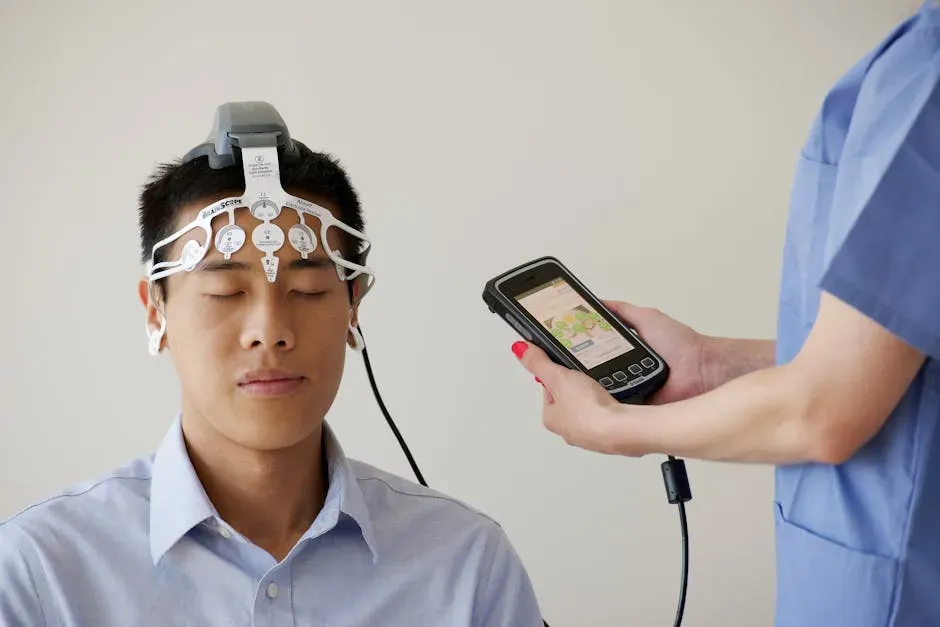
Research sheds light on how individual neurons in the hippocampus stabilize and tune spatial representations during periods of rest, offering early proof of neuroplasticity during sleep. The brain isn’t simply idling during downtime. It’s actively reorganizing what you’ve learned.
The default mode network is a distributed set of brain regions engaged during wakeful rest. Spontaneous thoughts, internally directed mental experiences that arise with relative freedom, are ubiquitous during wakeful rest. Spontaneous memory reactivation, neural events in which recently learned information is reinstated, also occurs at rest and has a fundamental role in long-term memory consolidation. This is why a good night’s rest, or even a quiet afternoon walk with no agenda, can leave you with clearer thinking than a frantic effort to grind through a problem.
What Restorative Rest Actually Looks Like in Practice

Rest can be misinterpreted when we fall into the trap of thinking that resting always needs to look like being zoned out on the couch, or basically just being still. Rest and recharge look different for everybody. For some people, gardening or cooking is genuinely restorative. For others, it’s a slow walk without headphones or an hour of reading something purely for pleasure.
Researchers at the Brain and Creativity Institute at the University of Southern California found that reflective moments devoid of external stimulation allow the brain to access a default mode of neural processing, critical for developing a greater sense of self-awareness, recalling personal memories, making moral judgments, and giving life meaningful context. The reason passive rest is especially important right now is that the ever-present nature of modern technology keeps the default mode largely suppressed.
Building a Habit of Real Rest

Aligning bedtimes and wake-up times with natural circadian rhythms regulates hormonal release, supports metabolic health, and improves sleep efficiency. Consistent schedules enhance the body’s ability to achieve deeper sleep stages, which are crucial for recovery, memory, and emotional well-being. Consistency matters more than perfection here.
A 2024 meta-analysis confirmed that screen use before bed delays sleep onset and reduces REM sleep. Small environmental changes, like dimming lights earlier, reducing noise, and stepping away from screens in the evening, can shift the conditions for rest dramatically. True rest is not just about stopping; it’s about restoration in all areas of your life. By recognizing and intentionally addressing different dimensions of rest, you can move beyond chronic tiredness and into a state of genuine well-being.