12 Ways to Practice Self-Care Without Spending Money
There’s a persistent idea that taking care of yourself requires a significant financial investment. Spa memberships, wellness retreats, premium apps, and supplement subscriptions have all been aggressively marketed as the gateway to a better version of you. The reality, though, is quietly different. Self-care means taking the time to do things that help you live well and improve both your physical and mental health. It can help you manage stress, lower your risk of illness, and increase your energy. Even small acts of self-care in your daily life can have a big impact.
Money is a huge barrier for almost everything in life, including self-care. Roughly half of people say their finances have impacted their ability to invest in self-care. That’s a real and understandable constraint. Self-care doesn’t have to mean massages or weekend getaways. It’s really about identifying what makes you feel grounded, emotionally well, and recharged. The 12 practices below cost nothing at all.
1. Go for a Daily Walk

Studies have shown that taking a walk for just ten to fifteen minutes a day, or 75 minutes per week, can reduce a person’s risk of depression by roughly one in five. Getting in around two and a half hours per week drops that risk even further, by up to a quarter. That’s a meaningful return on zero investment.
Just 30 minutes of walking every day can boost your mood and improve your health. Small amounts of exercise add up, so don’t be discouraged if you can’t do 30 minutes at one time. You don’t need gear, a gym, or a plan beyond stepping outside and moving.
2. Prioritize Consistent Sleep
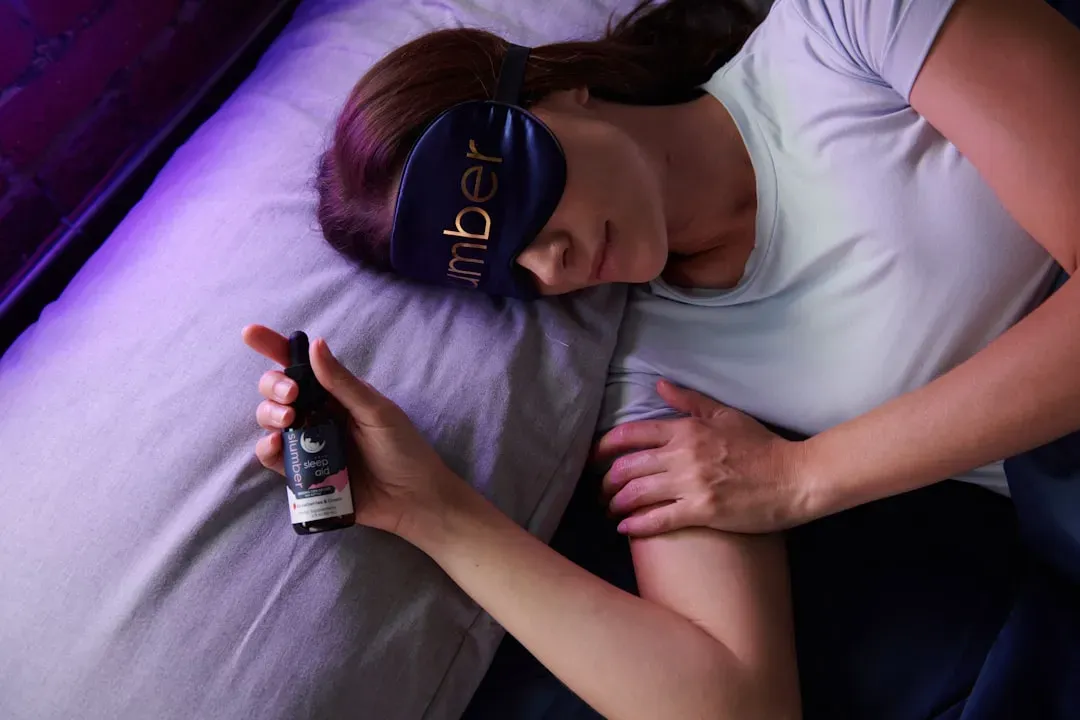
Both the American Academy of Sleep Medicine and the Sleep Research Society recommend that adults get between seven and nine hours of sleep every night. Most people know this. Far fewer consistently act on it. Late-night activities such as binge-watching shows and scrolling social media can keep you awake, taking away essential minutes or hours of sleep that can make a real difference in how you feel the next day. Sleep is a critical part of restoring your mind and body.
Consistent, moderate-certainty evidence links greater sleep-timing irregularity to higher depressive and anxiety symptoms, elevated body mass index, insulin resistance, and hypertension. Maintaining a regular sleep schedule is one of the most powerful health habits available, and it’s entirely free.
3. Practice Gratitude Journaling

A systematic review and meta-analysis found that participants who underwent gratitude interventions had greater satisfaction with life, better mental health, and fewer symptoms of anxiety and depression. They also experienced more positive moods and emotions, greater optimism, and less worry. All of this from writing things down.
A 2021 review found that keeping a gratitude journal can cause a significant drop in diastolic blood pressure. Having grateful thoughts, even if you don’t write them down, also helps your heart by slowing and regulating your breathing. A notebook and a pen are all you need to get started.
4. Spend Time in Nature
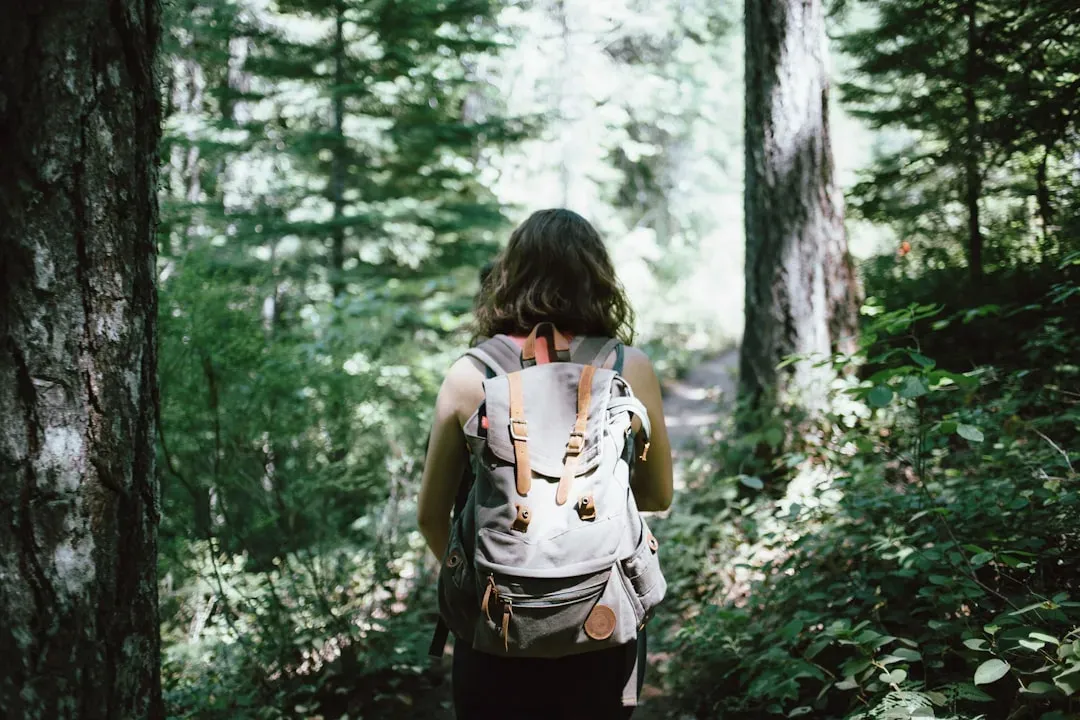
Research indicates that spending time in nature comes with a host of benefits, including reduced stress, increased attention, better mood, and even a lower risk of psychiatric disorders. These effects don’t require a national park or a scenic trail. Even if you don’t live near the mountains, the beach, or other natural wonders, a stroll in your local city park may be enough to get some free self-care.
The restorative effects of nature exposure are thought to be linked to the “biophilia hypothesis,” which posits that humans have an inherent connection to nature that fosters emotional and psychological healing. Nature exposure also promotes mindfulness. Engaging in outdoor activities such as hiking, gardening, or simply walking in a park has been found to significantly improve mood and reduce symptoms of anxiety and depression.
5. Try Breathwork and Mindfulness
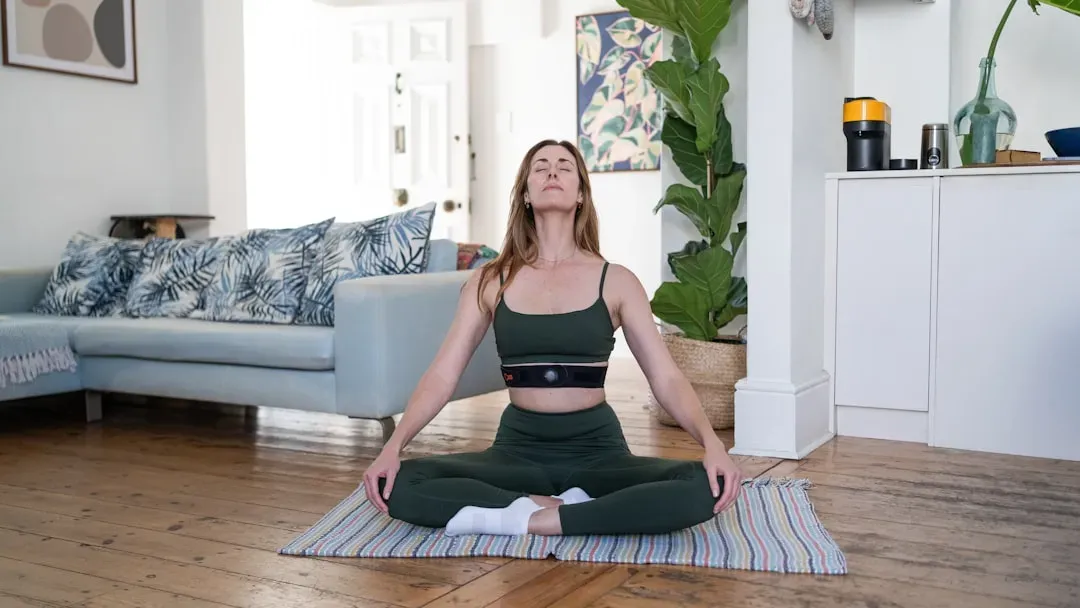
Breathwork is not only great for mental health, but may also contribute to physical health. One study found that a consistent, long-term breathwork practice led to reduced glucose levels in people with diabetes, and may also have benefits for cardiovascular health. The technique itself requires nothing but a quiet moment.
To get started with breathwork, try a box breathing pattern. Breathe in while counting to four, hold your breath while counting to four, breathe out to the count of four, and hold your breath again to the count of four. You can use any counts you want, but the goal is to breathe in for equal counts. A few rounds of this can noticeably shift your nervous system’s state.
6. Connect Meaningfully With Others
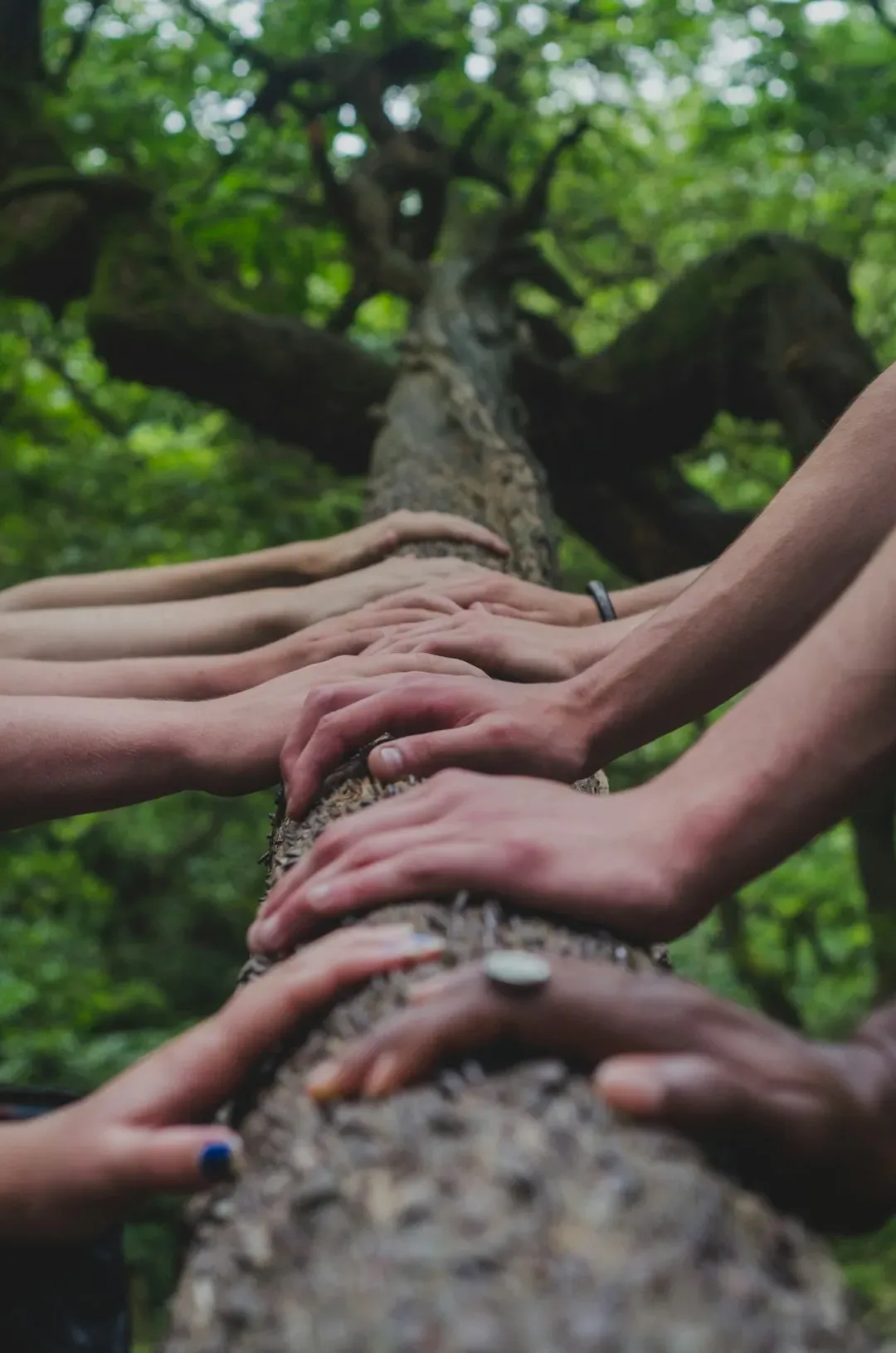
According to a 2025 World Health Organization report, loneliness is impacting roughly one in six people worldwide, with significant impacts on health and wellbeing. The Commission on Social Connection found that loneliness and isolation were connected to an estimated 100 deaths every hour. Those who described themselves as having a strong social connection were more likely to have improved health and live a longer life.
Research shows that socializing is an important element of having good mental health. Spending time with friends is more important than spending money, and research shows the quality of friendships counts for a lot. A phone call, a walk together, or even a long conversation over coffee you already have at home can count as real connection.
7. Engage in Free Creative Expression

Drawing, writing, playing music, and other creative forms of self-expression have been shown to help people manage negative emotions and process traumatic situations. Incorporating some kind of creativity into your life is a must-have for any good self-care routine. In this situation, it’s important to use what you have on hand. All you need is a scrap of paper and a pen or pencil to get started writing and drawing.
Learning can have amazing mental health benefits. Studies have shown that learning throughout your life can increase self-esteem and confidence, as well as increase your sense of purpose and hope. Creative pursuits tap into that same mechanism without requiring any formal instruction or materials.
8. Declutter and Organize Your Space

While it might seem counterintuitive, spending time cleaning up your living space can help you feel like you’re in control, minimize distractions, and manage your stress and anxiety. If tackling your entire house feels overwhelming, consider focusing on the rooms where you spend most of your time, such as the kitchen, living room, office, and bedroom.
Putting on your favorite music playlist, audiobook, or podcast can also enhance your mood and keep you motivated while you work through the space. The act of creating order around you tends to translate into a small but real sense of calm, and it costs nothing except a bit of time.
9. Practice Grounding Techniques
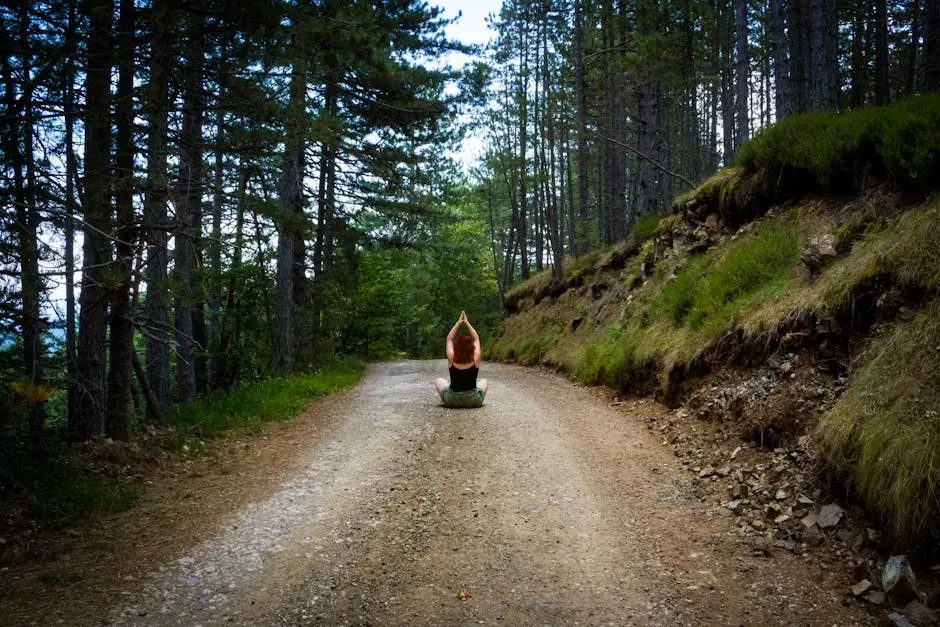
Grounding refers to techniques that can ease stress and anxiety by directing your focus to the present moment and noticing what’s happening within and around you. This can be challenging in a digital-driven, fast-moving world, but you can start by engaging your senses.
You might ask yourself questions such as “What are five things I can see?” and look for small details or patterns. Or “What are three things I can hear?” paying attention to sounds your mind has tuned out, such as a ticking clock, distant traffic, or trees in the wind. By shifting your attention from overwhelming thoughts to your immediate surroundings, you can redirect your attention and put your mind at ease.
10. Reduce Screen Time Intentionally
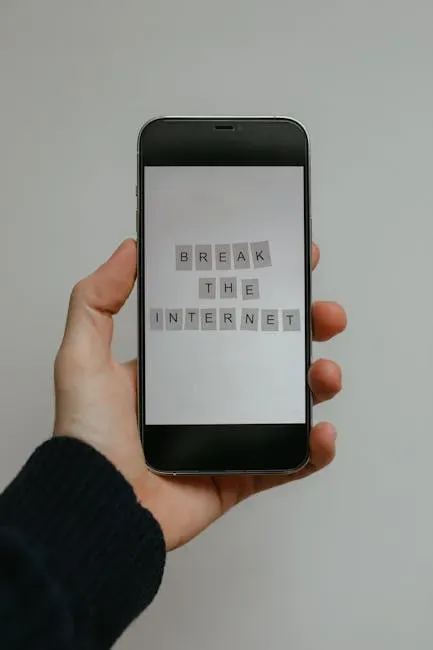
The continuous flow of information in today’s fast-paced world can be overwhelming. While staying informed is important, excessive exposure to news and information can contribute to stress. Making the choice to unplug periodically and engage in activities that uplift and relax you can contribute to a more positive mindset.
Mindfulness and emotional check-ins activate the parasympathetic nervous system, your “rest and digest” mode. These practices lower cortisol levels, support emotional regulation, and help rewire your brain toward resilience and optimism. Choosing a screen-free window each evening is one of the simplest ways to give your nervous system an actual break.
11. Move Your Body at Home
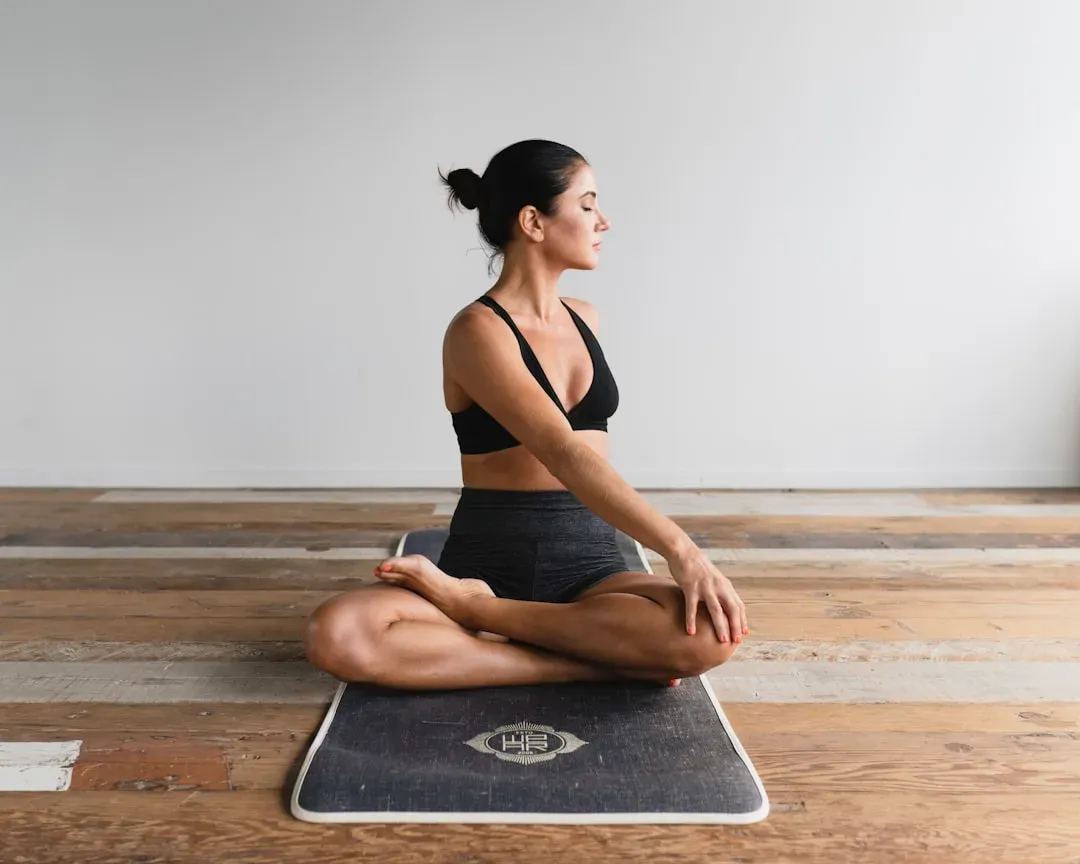
Multiple systematic reviews suggest that regular physical activity may help improve mood and reduce symptoms of depression and anxiety in some populations. You don’t need a gym membership to tap into that benefit. Basic exercises like crunches, squats, and push-ups can be effective. Taking advantage of public spaces and the outdoors lets you get physical without spending a penny.
Physical movement boosts circulation, supports lymphatic drainage, and releases feel-good neurotransmitters like endorphins and dopamine. Even small amounts of movement can reduce stress, ease muscle tension, and improve energy and focus. Ten minutes of movement in the morning can meaningfully shift the tone of the entire day.
12. Cultivate a Sense of Purpose Through Volunteering

Volunteer work is another way to cultivate a sense of belonging, which is an important element of social self-care. Through volunteering, you can also find a sense of purpose and accomplishment, as well as being a part of something bigger than yourself. These are qualities that researchers consistently link to better mental and emotional health.
Practicing self-care can better equip you to deal with difficulty and aid someone with a mental health or substance use challenge. Self-care can also be preventative. Engaging in a self-care routine may reduce or eliminate anxiety and depression, reduce stress, increase happiness, help you adapt to changes, build strong relationships, and recover from setbacks. Giving your time to others turns out to be one of the most effective ways to care for yourself at the same time.
None of these practices require a credit card. Self-care practices such as mindfulness, physical activity, nature exposure, and social engagement are fundamental to sustaining mental well-being over the long term. These practices help individuals build resilience, reduce the impact of stress, and prevent the onset of mental health issues. The more consistently these habits are applied, the more they compound. Small, free choices made daily tend to matter more than expensive interventions made occasionally.