The Quiet Comeback of Classic Dishes in Modern Kitchens
Something interesting has been happening in kitchens across the country over the past couple of years. It isn’t loud or dramatic. There are no celebrity chefs announcing it on primetime TV. Instead, it’s showing up in the quiet rhythm of Sunday afternoons: a bubbling casserole pulled from the oven, a hand-rolled quiche, a slow-braised pot of something that fills the whole apartment with warmth. Classic dishes are coming back.
The return isn’t accidental. It’s happening at the precise intersection of economic pressure, social media nostalgia, and a genuine hunger for food that feels grounded and real. Home cooks across the country are returning to vintage recipes, modernizing dishes that defined late 20th-century kitchens, with retro creations from the 1950s through the 1990s staging a comeback fueled by nostalgia and a desire for comfort. What’s driving this shift runs deeper than just trend-chasing.
Nostalgia as a Real Culinary Force
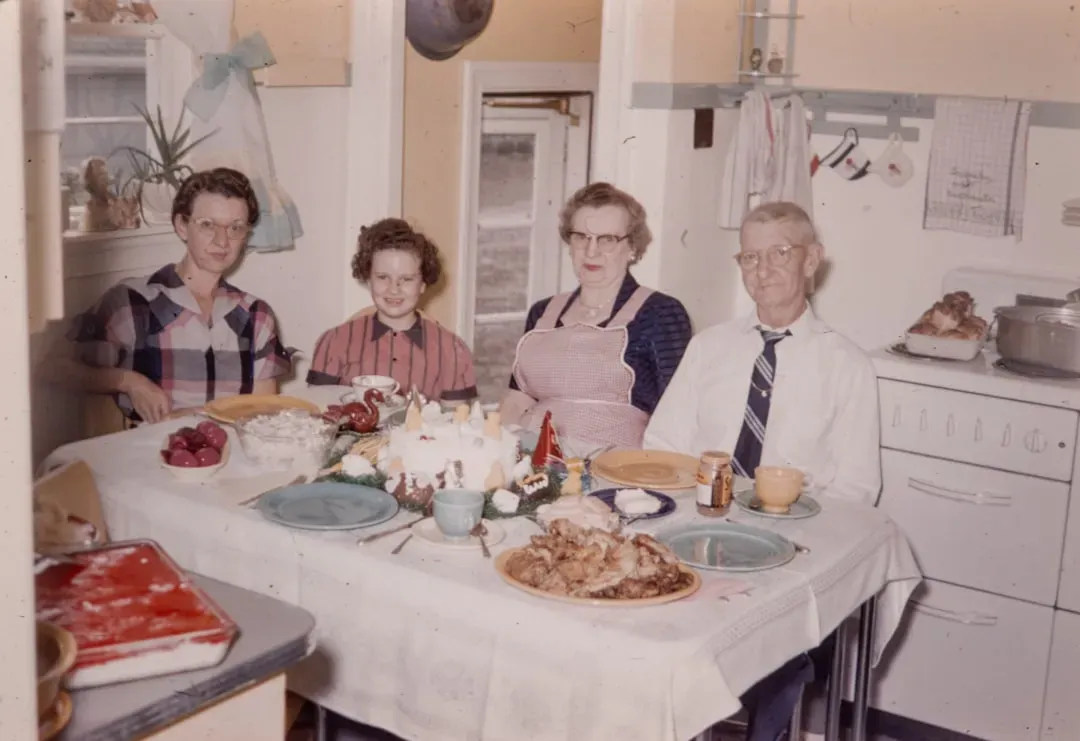
Many people are turning to the familiar dishes of their childhoods, rooted in the traditions of the 1950s through the 1990s. These recipes offer more than a meal. They evoke memories of family gatherings, grandmothers’ favorite recipes, and simpler, more grounded times. That emotional pull is hard to overstate.
In a world increasingly focused on innovation, the charm of nostalgia is shining brightly, as chefs and home cooks alike revive beloved recipes from yesteryear with a contemporary twist. The classic dish, it turns out, doesn’t need to be replaced. It just needs a little room to breathe again.
The Economics Behind the Revival
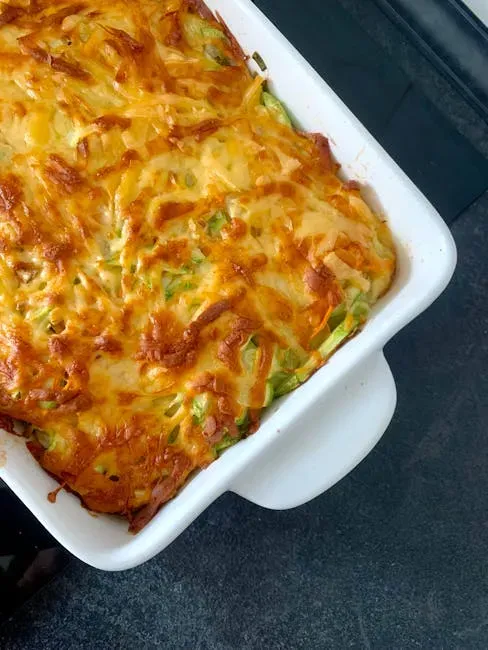
The return of classic recipes is no coincidence. Rising food costs make these resourceful meals particularly appealing. Designed to maximize flavor while minimizing expense, dishes like casseroles and pasta bakes cater to families seeking cost-effective ways to eat well. It’s practical cooking, rediscovered.
Many people are looking for simpler, more affordable foods to add to their diets. Retro foods fit the bill perfectly for delicious taste while on a budget, as most are made from affordable, basic ingredients that are easy to find. The casserole, once dismissed as mid-century frugality, suddenly looks a lot like wisdom.
Social Media’s Unexpected Role
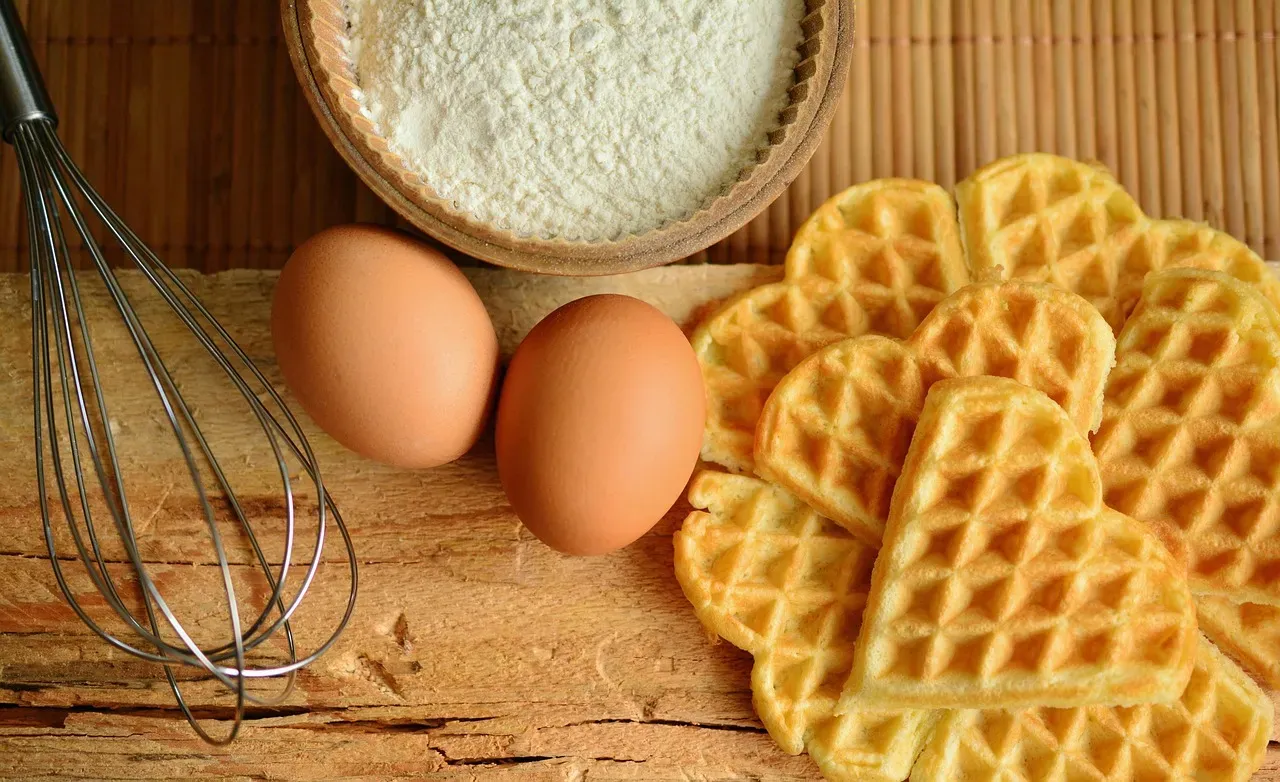
Influencers on TikTok and other social media platforms are going back to recession-era recipes for nutritious and filling food, and building new communities online. This isn’t the polished world of high-end food photography. It’s something scrappier and more honest, and people are connecting with it.
Social media platforms like TikTok and Instagram have played a pivotal role in amplifying the appeal of retro recipes. Dishes like lasagna soup, essentially a deconstructed version of the classic lasagna, gained viral popularity after creator Danny Freeman posted a recipe including typical lasagna ingredients but differentiated from the classic by refraining from layering and including chicken broth. The dish gained even more popularity when Grammy Award-winning singer SZA commented on Freeman’s video asking for the recipe. A vintage idea, freshly amplified.
How Classic Dishes Are Being Updated
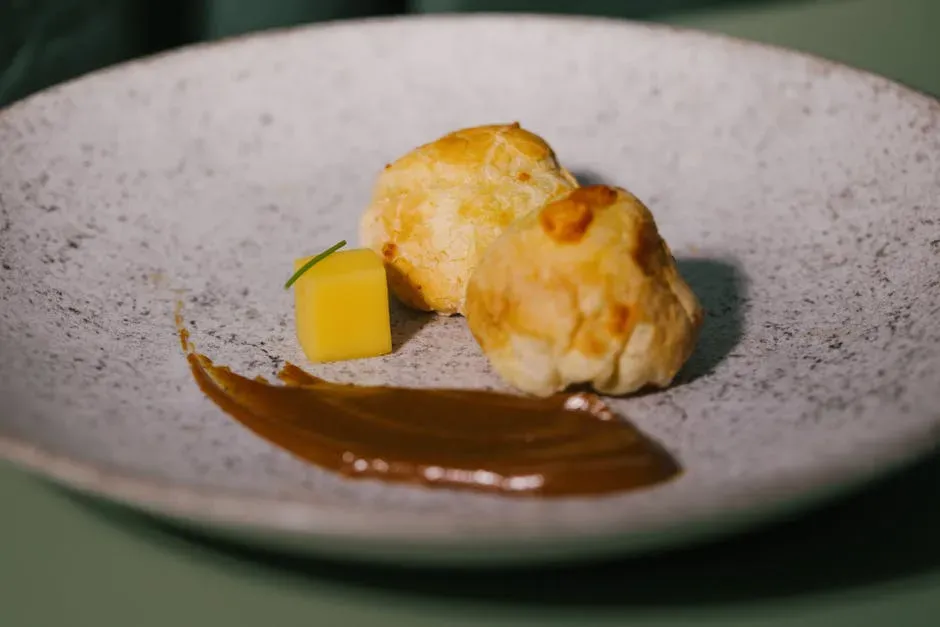
Traditional favorites like meatloaf, mac and cheese, and deviled eggs are making a strong comeback, appearing on menus from classic diners to high-end restaurants. Many chefs are modernizing these classics by incorporating artisanal and locally sourced ingredients, elevating both taste and presentation. The bones of the old recipe stay intact. The details get a quiet upgrade.
While their nostalgic charm endures, many vintage dishes get adapted to meet contemporary tastes and modern meal plans. Casseroles are being enhanced with fresh, seasonal ingredients and plant-based alternatives. Jello molds have evolved into elegant desserts featuring natural sweeteners and artisanal components instead of relying on boxed mixes. Quiche recipes increasingly incorporate global flavors, like Mediterranean-inspired fillings or Asian spice blends. Even pasta dishes are getting a makeover with creative sauces and premium ingredients like truffle oil.
The Fermentation Revival: Ancient Technique, Modern Kitchen
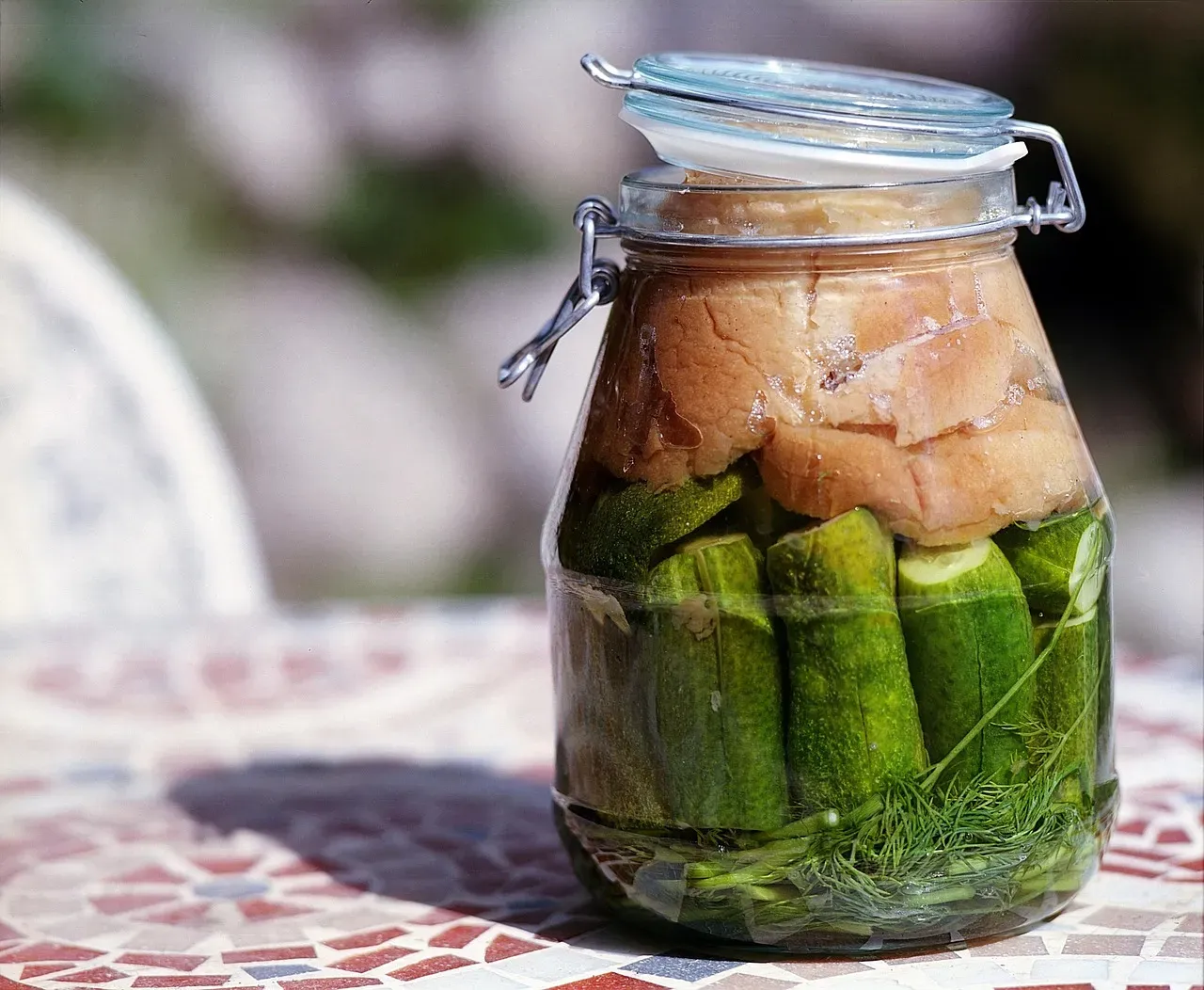
Traditional techniques like pickling, fermenting, making bone broths, fish sauce, and preserved vinegars are making a strong comeback in modern kitchens. These methods, once seen as old-fashioned, are now valued for both their sustainability and their deep, complex flavors. It’s a shift in values as much as in taste.
Home fermentation setups are popping up in kitchens that used to rely entirely on takeout. Mason jars filled with bubbling vegetables line countertops, and people are getting genuinely excited about the alchemy of turning cabbage into sauerkraut or milk into kefir. Fermented foods provide probiotics that support digestive health, enhance immune function, and may even influence mood and mental clarity. The flavor factor is equally compelling, as fermented foods develop complex, umami-rich tastes that simply cannot be replicated through any modern food processing technique.
The Pandemic’s Lasting Imprint on Cooking Habits
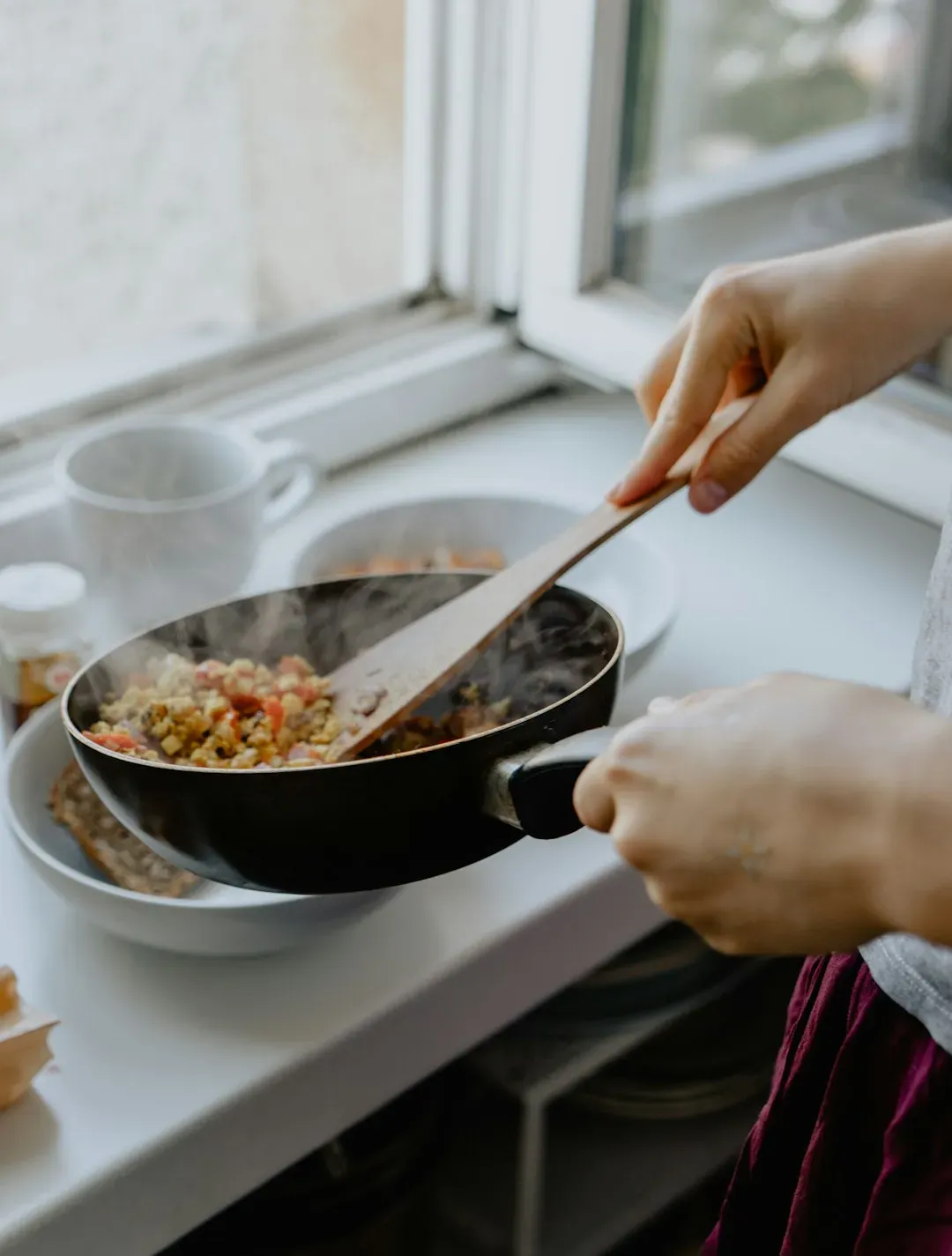
The pandemic reshaped Americans’ approach to cooking. Traditional recipes offered a means of finding comfort and stability during periods of uncertainty. Preparing hands-on dishes like layered salads, artisan breads, fermented dishes, or quiches became a therapy for millions stuck at home. That instinct didn’t disappear when restrictions lifted.
For many people, baking sourdough or slow-cooking a pot roast during lockdown was the first time they’d truly cooked in years. It turns out that feeling stuck with a kitchen and time on your hands can reconnect you with food in ways that are hard to give up. This revival isn’t just about reheating old recipes. It’s a full-course return to comfort, connection, and authenticity.
Restaurants and the Heritage Menu Movement
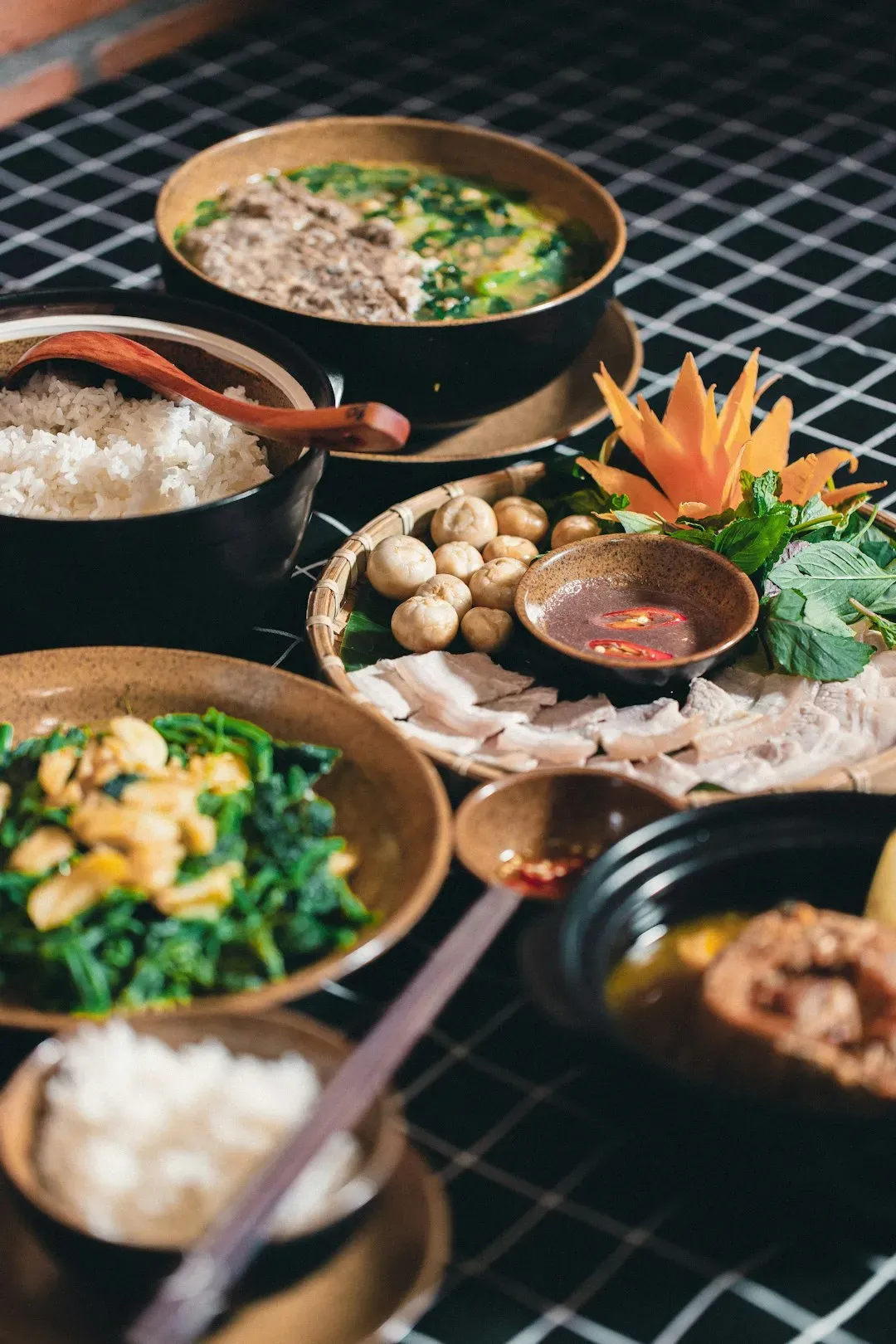
One of the most prominent manifestations of this authenticity movement is the celebration and revival of lesser-known regional cuisines. This growing menu trend honors indigenous ingredients and cooking techniques that connect directly to cultural heritage. The emphasis lies in preserving the past while moving forward, ensuring authenticity remains at the heart of each dish.
The shift toward simplicity can be seen in the transformation of dining experiences, with consumers gravitating toward traditional establishments such as bakeries, classic bistros, and bouillons. These venues highlight artisanal techniques and comforting cuisine, often inspired by family recipes and childhood memories. Diners want to feel something at the table again, not just taste something new.
Classic Dishes and the Question of Health
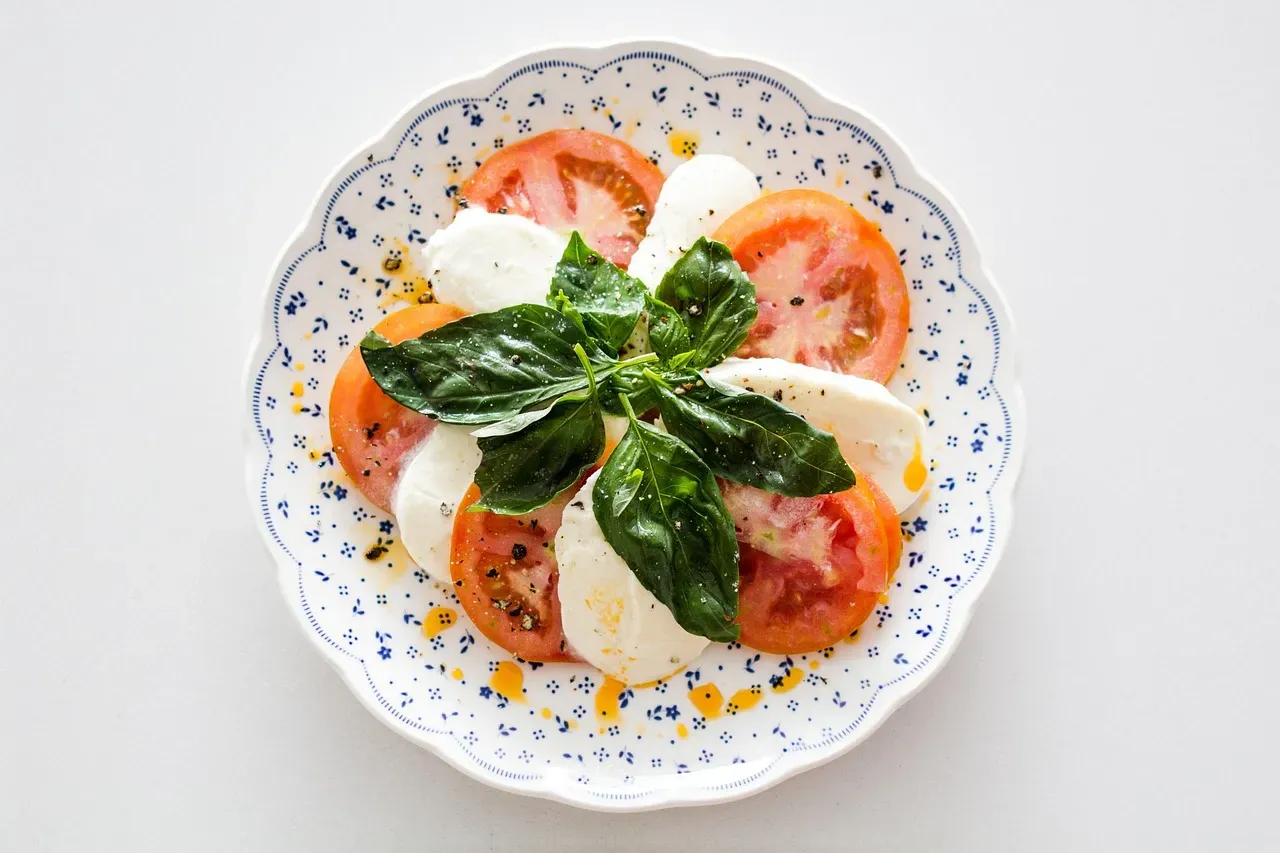
Many nostalgic foods rely on simple, whole ingredients like fresh vegetables and lean meats, which can be a healthy choice. Additionally, many retro foods are designed to be affordable and easy to make, which can encourage home cooking and reduce reliance on processed convenience foods. Not every old recipe is a nutritional compromise.
There are definitely ways to improve vintage recipes to make them healthier. Consider looking for recipes for healthy comfort foods, or pick a classic favorite and look for a “healthy” version as a great way to enjoy your favorite food while improving its nutritional value. The spirit of the dish can remain completely intact. Only the method needs to shift slightly.
Community, Tradition, and the Deeper Pull of Classic Cooking
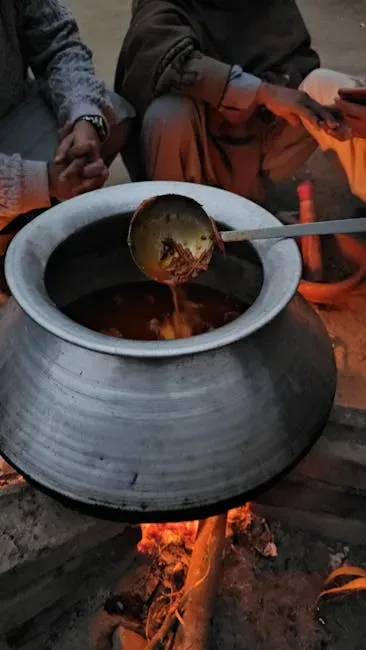
Preparing a dish passed down through generations offers a tangible connection to each cook’s heritage, anchoring individuals in their family’s history. At the same time, this revival mirrors broader societal trends, like the farm-to-table movement and the renewed appreciation for handmade goods. Classic cooking has always been about more than the plate.
The revival of these culinary traditions is helping rebuild community connections that modern life often lacks. Harvest festivals, communal canning sessions, group bread baking, and potluck traditions based on seasonal ingredients are creating opportunities for people to connect over food in meaningful ways. These activities provide social bonds that go deeper than typical social media interactions. There’s something quietly powerful about that.
What Comes Next for the Classic Kitchen
Consumers are redefining nostalgia, reimagining classic recipes to resonate with a new generation. These dishes reflect the complexity of layered cultural identities and the experiences of diasporic communities, offering a fresh perspective on heritage. The old recipe book doesn’t close. It just gets new annotations.
The revival of ancient cooking is not nostalgia. It’s innovation, proving that the culinary world moves forward by looking back. That framing captures something true. The casserole dish on the counter, the jar of fermenting vegetables on the shelf, the quiche cooling by the window: these are not relics. They’re a restatement of what good cooking has always been about, made with whatever is in season, cooked with patience, and shared with the people who matter most.