How Home Cooking Is Evolving in Unexpected Ways
Something has quietly shifted in the average kitchen over the past few years. It’s not just that more people are cooking at home – it’s how they’re doing it, and why. The motivations have multiplied, the tools have changed, and the whole relationship between a person and their stovetop has taken on new dimensions that would have seemed unfamiliar even five years ago.
In the wake of the pandemic, many people rediscovered home cooking as a mindful ritual that fosters connection, creativity, and well-being. Now, mealtime continues to evolve as Americans adapt to shifting lifestyles, wellness trends, new technologies, social media influence, and ongoing economic pressures. What’s emerging is a picture of home cooking that’s far more complex – and more interesting – than anyone expected.
The Economics of Eating In Have Fundamentally Changed
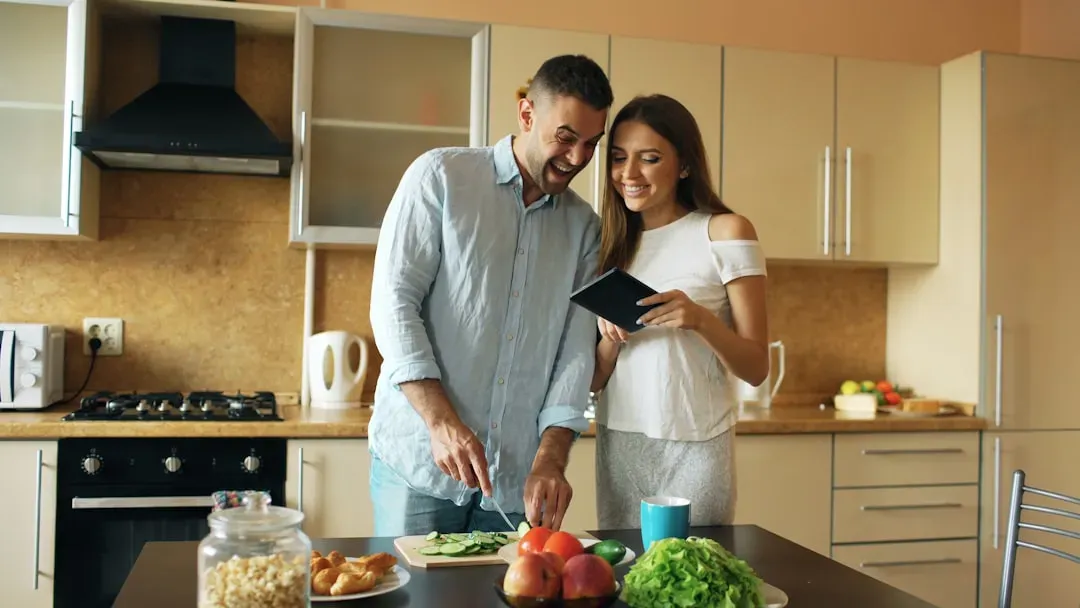
Consumers are looking for more value for their money in food and beverage, with global food trends research showing that roughly two thirds of consumers report spending more on food and beverages in the past year because of inflation and higher prices. Home cooking allows consumers to better control their food expenditures when compared to eating out. That dynamic has made the kitchen a financial decision as much as a lifestyle one.
As consumers make cost-conscious purchases amid lingering inflation, the concept of “value” has become a competitive point of difference. Value is intertwined with trust – consumers are looking for brands and retailers that can help them stretch their budget with quality food. Cooking at home, in this context, isn’t just thriftiness. It’s a form of financial self-determination.
Nearly All Americans Plan to Keep Cooking More
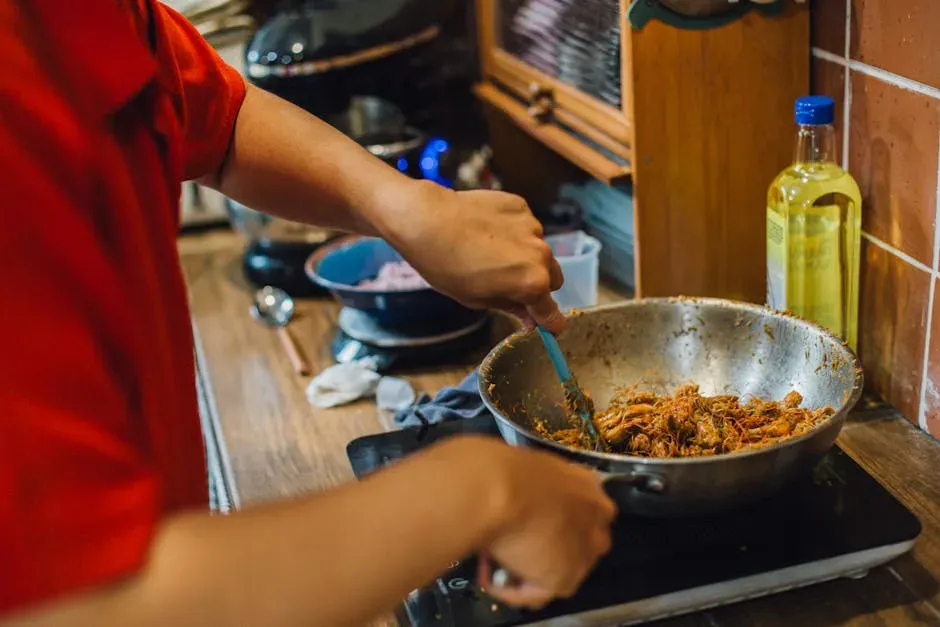
A striking nine out of ten Americans expect to cook as much as last year or more in the next twelve months. That means more recipes tested, more meals shared, and more hands-on involvement in our food. That figure carries real weight given how much people’s schedules have tightened in recent years.
Circana’s annual “Eating Patterns in America” report highlighted the growing year-over-year trend toward at-home dining, with the vast majority – around 86 percent – of eating occasions now sourced from home. That’s not a blip. It’s a structural shift in how people choose to feed themselves.
AI Is Becoming the New Sous-Chef
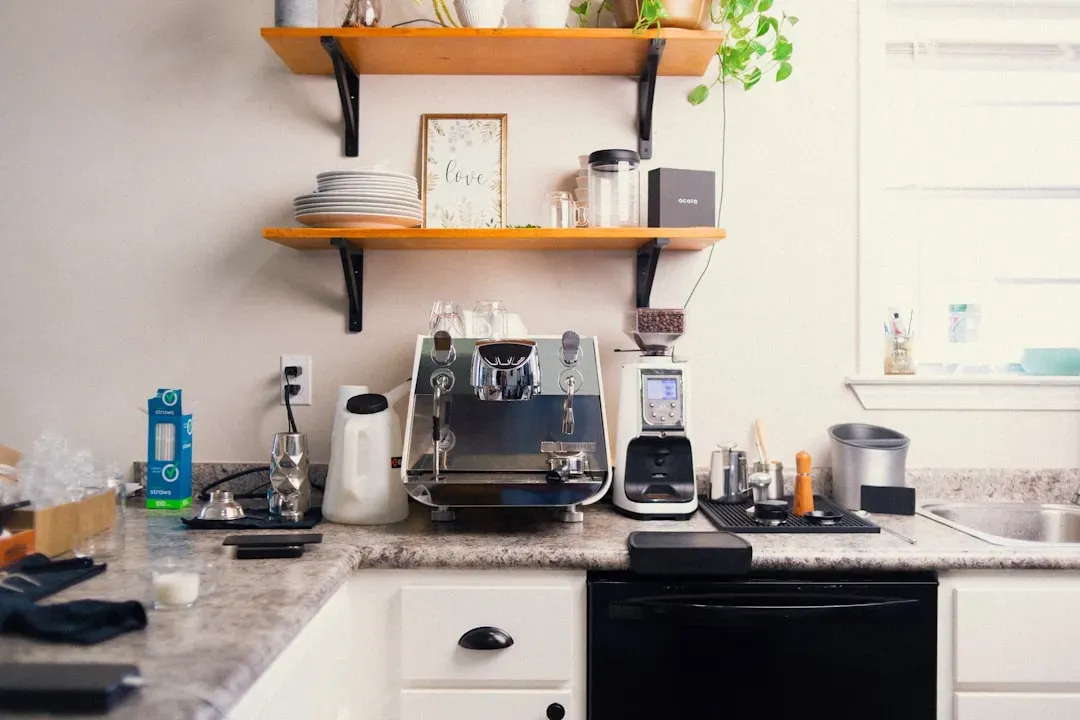
Artificial intelligence is no longer a futuristic concept – it’s actively transforming kitchen appliances. Smart fridges, ovens, and dishwashers now go beyond basic automation, integrating AI-driven features that enhance convenience, efficiency, and personalization. The kitchen, long a room of instinct and habit, is increasingly a room of data.
AI-powered refrigerators track expiration dates and suggest recipes based on available ingredients, while intelligent ovens adjust cooking times automatically to prevent overcooking. Shoppers are already envisioning innovation around AI and meal and recipe suggestions, with AI-driven recipe recommendations and virtual cooking assistants expected to further enhance the digital culinary experience, making it even more customizable.
The Smart Kitchen Market Is Booming
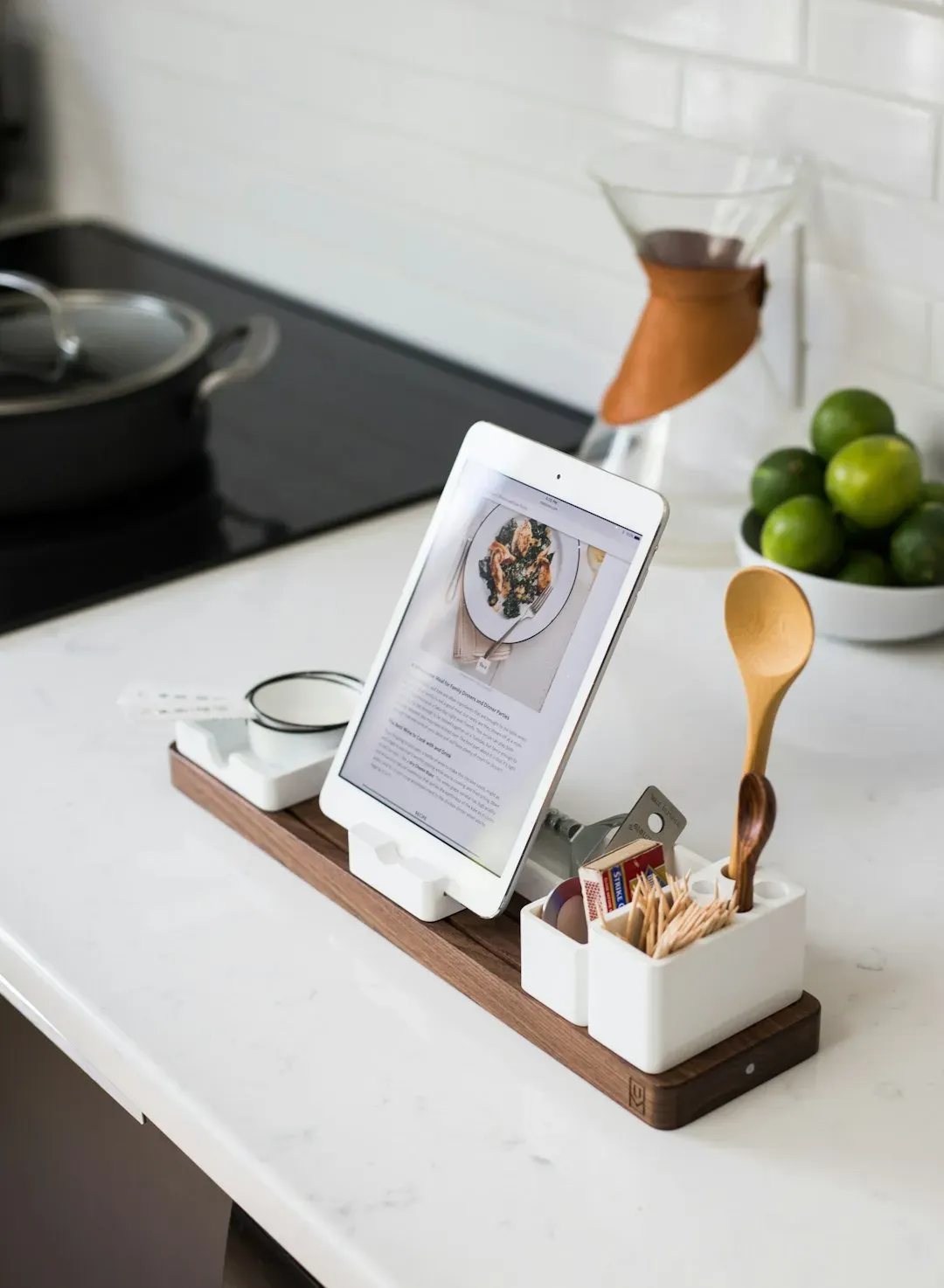
The global AI in food and beverage market is projected to reach around 187 billion dollars by 2032, while the smart kitchen market alone is expected to generate around 68 billion dollars in revenue in the near term. Those aren’t abstract projections. Real products are already in homes today.
The global smart kitchen market is expected to grow from around 5 billion dollars in 2023 to over 14 billion dollars by 2030, reflecting the increasing integration of robotics and artificial intelligence into everyday cooking processes. Cost remains a major barrier, with high-end smart appliances often viewed as luxuries – and with the Internet of Things poised to surpass 25 billion connected devices, a luxury smart fridge can still cost three thousand dollars or more, making it inaccessible to most households. Adoption is real, but uneven.
Social Media Has Democratized Recipe Culture
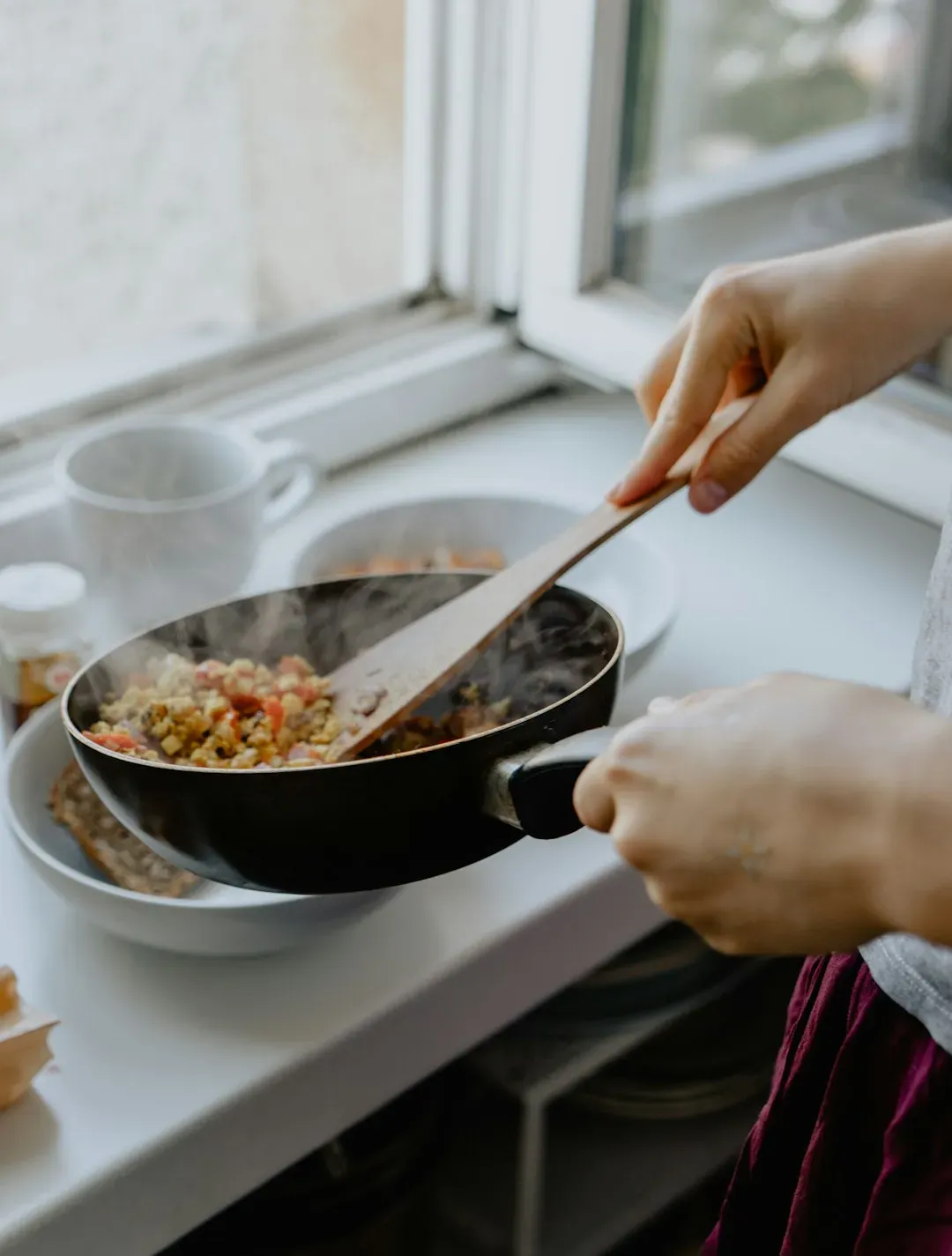
Social media has revolutionized how people discover and share food, with TikTok leading the charge. What started as a platform for quick cooking videos has evolved into a vibrant community where creative home cooks share everything from simple recipes to elaborate food presentations. The result has been a genuine leveling of the culinary playing field.
The platform democratizes food content, allowing home cooks to inspire trends as effectively as celebrity chefs, leading to rapid virality for recipes and food concepts. The hashtag #homemade has generated hundreds of thousands of new posts in recent months, with more and more people sharing home-cooked meals and showcasing their creativity. Similarly, #cooking has seen nearly 580,000 new posts over a comparable stretch. It’s a community now, not just a feed.
Protein Is Reshaping What Home Cooks Actually Make
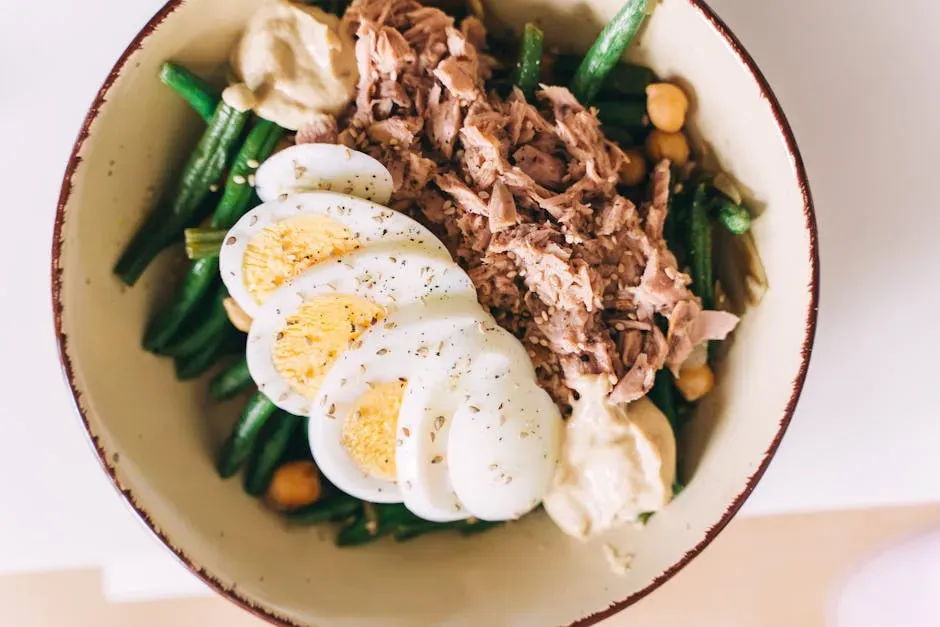
With the rise of GLP-1 medications, health-conscious consumers are looking for foods tied to the body’s natural production of GLP-1, which includes higher fiber and higher protein meals. High-protein is now the number one nutritional benefit for which consumers look while grocery shopping, according to research from the market research division of The Kroger Co. That single shift has quietly reorganized dinner plates across the country.
Many home cooks are also expanding their seafood rotation far beyond shrimp and salmon, exploring pescetarian options that were not previously as accessible or familiar, such as mahi mahi, petite scallops, and yellowtail. Curiosity is driving the menu, not just habit. Home cooking is becoming more adventurous by default.
Zero-Waste Cooking Is Moving from Niche to Normal
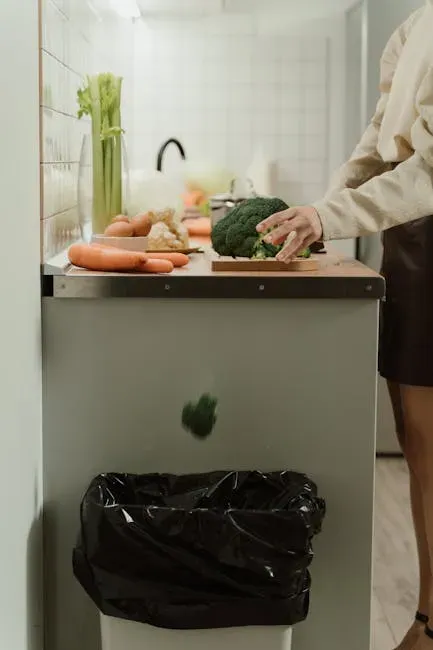
The rise of zero-waste cooking centers on using every part of an ingredient to minimize food waste. This “root-to-stem” or “nose-to-tail” approach transforms items typically discarded – like vegetable peels, stems, and bones – into delicious and valuable components of a meal. A decade ago, this was the domain of professional chefs. Now it’s showing up in everyday home kitchens.
One fifth of the food produced for human consumption is lost or wasted globally, and this loss and waste generates up to 10 percent of global greenhouse gas emissions – nearly five times that of the aviation sector. Consumers are increasingly aware of the dual impact of food waste – on personal budgets and planetary health – and rising grocery costs have made households more attentive to maximizing food value. Frugality and environmental conscience are converging.
Cooking Is Being Reframed as a Wellness Practice
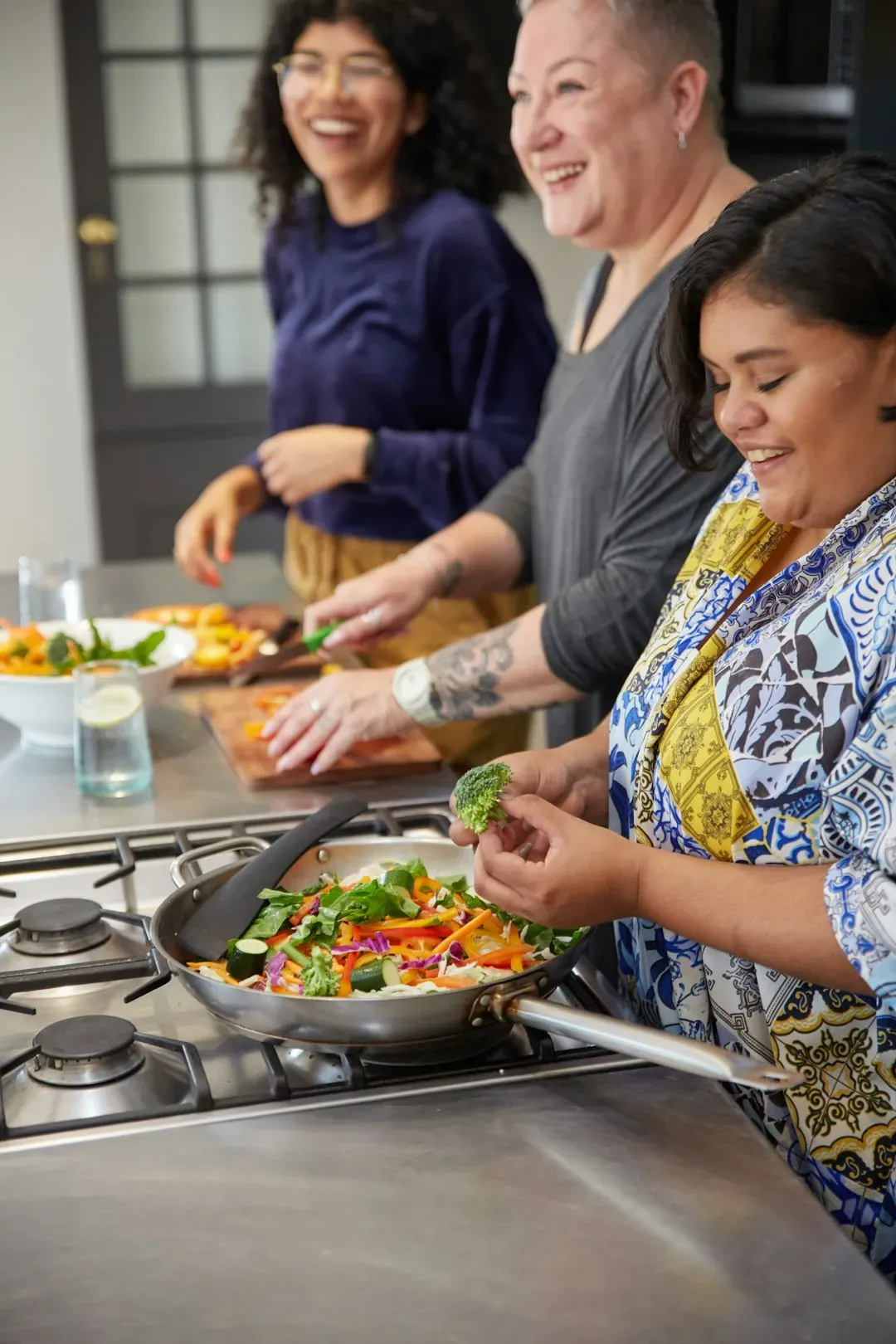
More than three out of four Americans now believe that food and beverage choices impact their mental and emotional wellbeing. That belief is changing not just what people cook, but how intentionally they approach the act of cooking itself. The kitchen is increasingly viewed as a space for decompression, not just dinner.
Mindful meal preparation has been linked to reduced stress, fostered creativity, and benefits for planetary health – all while saving money. The rhythmic chopping of vegetables, the aromatic blending of spices, and the mindful preparation of ingredients create a meditative experience that researchers at the American Psychological Association have linked to reduced anxiety and improved mood states. That’s a meaningful reframing of what it means to simply cook dinner.
Global Flavors Are Finding Their Way Into Everyday Kitchens
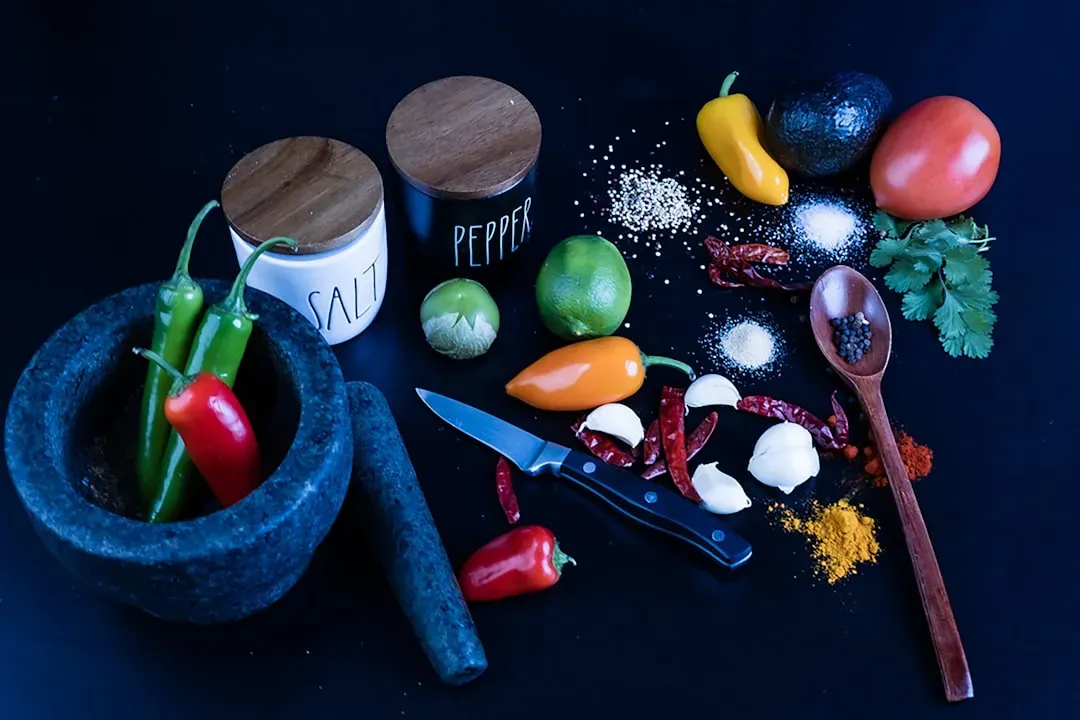
As the population diversifies, so does the demand for food that reflects different cultures and flavors. Shoppers are increasingly seeking out hot peppers and fermented flavors, according to Kroger’s food trends research. This trend is reflected in the rising popularity of super briny foods such as olives, pickles, sauerkraut, and kimchi, as well as the growing interest in international spices and peppers like Calabrian chiles.
Generation Z cooks are becoming more confident and looking for adventure and excitement in global foods cooked at home. Millennials who use convenience meals and meal kit subscriptions but also rank fresh ingredients highly could evolve their home cooking skills, eventually using more raw, fresh ingredients. The kitchen is becoming a place where curiosity about the wider world gets expressed through a pan and a flame.
Confidence Gaps Are Still Holding Many Cooks Back
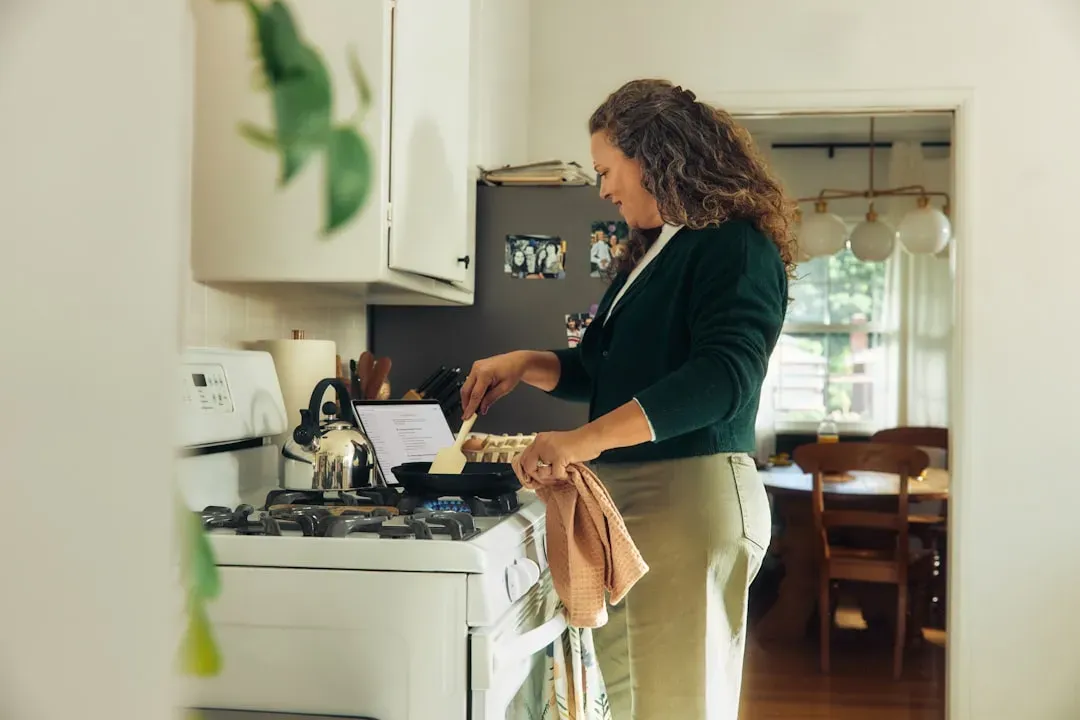
A striking quarter of adults skip preparing specific foods because they are not confident using a knife. Meanwhile, just over half of adults are not the type to meal prep, while roughly the other half are. These gaps matter, because confidence in the kitchen is one of the strongest predictors of whether someone actually cooks at home consistently.
AI-powered kitchen appliances use machine learning to adapt to different cooking styles and preferences, providing users with step-by-step instructions and real-time adjustments to ensure optimal results. This not only enhances the cooking experience but also empowers home cooks to experiment with new recipes and techniques without the fear of failure. Technology, for all its complexity, may actually be making the kitchen feel like a safer place to try something new.
Home cooking in 2026 is neither what it was in 2019 nor what anyone quite predicted it would become. It’s more tech-assisted and more mindful, more globally inspired and more personally motivated. The kitchen hasn’t changed shape, but what happens inside it – and why – has shifted in ways that are only beginning to settle into something recognizable.