Why Modern Self-Care Often Misses the Point
There’s something quietly strange about an era in which people are more anxious, more burned out, and more emotionally depleted than ever, yet spending record amounts of money trying to feel better. Bubble baths, celery juice, sleep-tracking rings, forty-dollar candles: the catalogue of modern wellness is vast, and it keeps growing. Something, though, doesn’t quite add up.
The self-care industry is not a fringe movement. The global wellness market is on track to grow from $5.6 trillion to $8.5 trillion by 2027, with surveys consistently revealing that wellness has never been such an important priority for people. Those are extraordinary numbers. Yet for many people who participate fully in this culture, a sense of genuine, lasting wellbeing remains stubbornly out of reach. The problem isn’t that people are trying. The problem is that much of what passes for self-care today was never really designed to help.
A Trillion-Dollar Industry Built on Personal Anxiety
With wellness industry growth reaching $1.8 trillion in 2024, it raises serious questions about the true intentions behind the wellness brands and trends that dominate this space. At its most basic level, the industry profits from the gap between how people feel and how they want to feel. The wider that gap, the more products get sold.
At its core, wellness promises control in an unpredictable world. With wearable tech tracking every heartbeat and apps personalizing nutrition plans, individuals feel empowered to optimize their bodies and minds. That feeling of control, it turns out, is extraordinarily easy to monetize. Whether or not the products deliver actual results is a different question entirely.
When Self-Care Became a Status Symbol
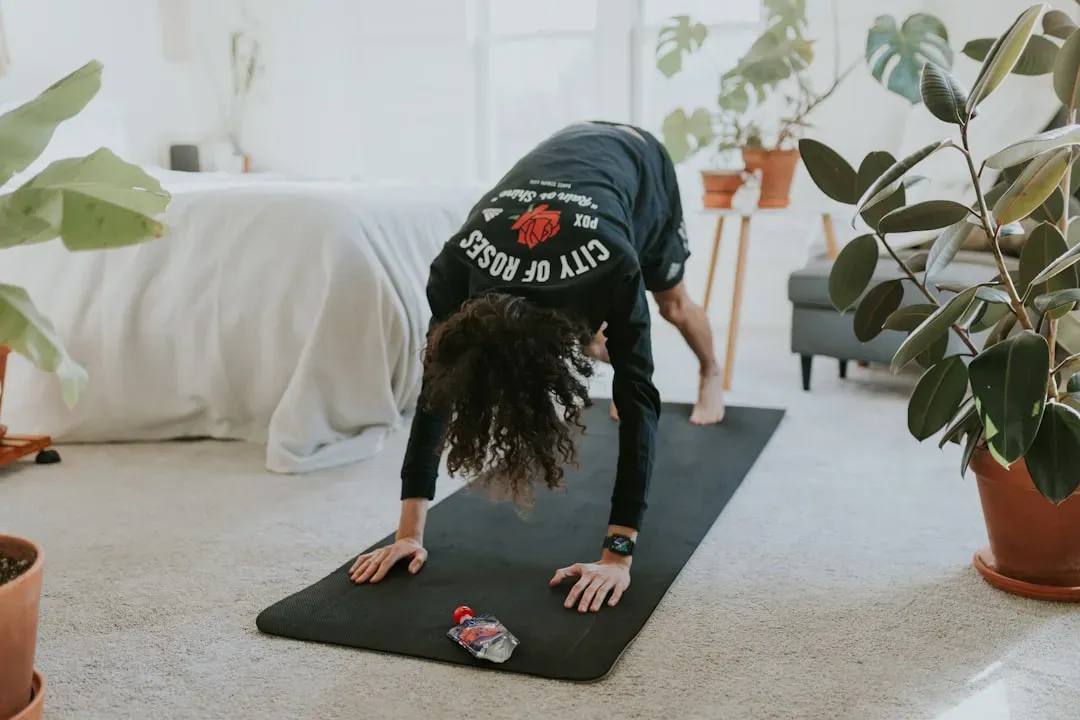
In recent years, wellness has emerged as the ultimate status symbol, replacing flashy cars and oversized logos with something far more subtle yet equally prestigious: a dedication to health and self-care. A dedicated morning routine, the right supplements, a boutique fitness membership – these have become social currency. The optics of wellness and the substance of it are not always the same thing.
A 2024 McKinsey survey found that roughly four in five US consumers rate wellness as a top or important life priority, and that share climbed even higher in 2025. What those consumers are actually purchasing, and whether it’s working, is a separate and more complicated story. Prioritizing wellness in principle and practicing it meaningfully in daily life are two very different commitments.
The Misinformation Problem Nobody Wants to Talk About
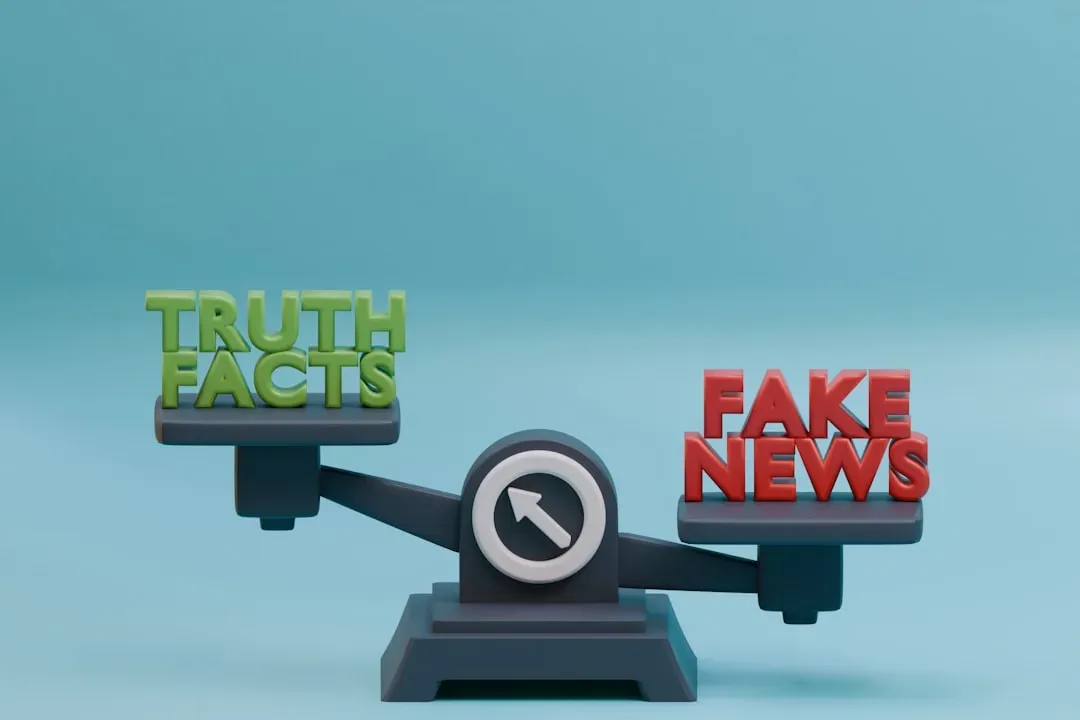
Rather than seeing a doctor, a reported large majority of Americans turned to social media platforms for health advice in recent years. That shift carries real consequences. Health misinformation is often divisive, and wellness influencers are known to undermine public health and science authorities. The unregulated nature of the wellness content ecosystem means almost anyone can position themselves as an expert.
A study found that the majority of wellness influencers, more than eight in ten, lacked transparency in identifying advertising within their content, and also failed to disclose conflicts of interest. Research with Gen Z participants found that both misinformation and overgeneralized health messaging led to equally detrimental outcomes, undermining belief accuracy and encouraging harmful behavioral intentions. People aren’t just being misled about supplements. They’re being misled about their bodies.
The Consumerist Trap: Buying Feelings Instead of Building Them

In looking for a quick fix in the form of a product, we fail to see the greater issues bubbling under the surface. People of all ages report rising levels of stress, burnout, and anxiety. The wellness industry’s genius is that it frames those problems as personal failures solvable through consumption. Buy this, try that, and you’ll feel better. It’s a loop that tends to restart rather than resolve.
The phrase “self-care” conjures images of a spa day, pretty journals, or some good old-fashioned retail therapy. There is room for these things in an individual’s life, but conflating mental hygiene with consumer goods is disingenuous at best and dangerous at worst. The distinction matters more than the industry would prefer you to notice. Purchasing something and genuinely caring for oneself are not the same act, even when the packaging insists otherwise.
Who Actually Gets to Practice Self-Care

The glossy branding of wellness usually assumes a person with disposable income, flexible time, and access to safe environments. For the single parent working double shifts, the caregiver who cannot clock out, or the essential worker living paycheck to paycheck, “just slow down” is not advice, it’s mockery. Those who need relief most are often the least able to access what’s being sold.
Focalized approaches to individual self-care practices ignore attention to the broader context and perpetuate privilege to those who can afford the time, space, and resources to access self-care. A systematic review indicated that social workers with greater resources and privileges engage in more self-care practices, a finding that likely extends across the general population. The people most in need of rest are frequently the ones least able to access it.
The Forgotten Roots of Self-Care
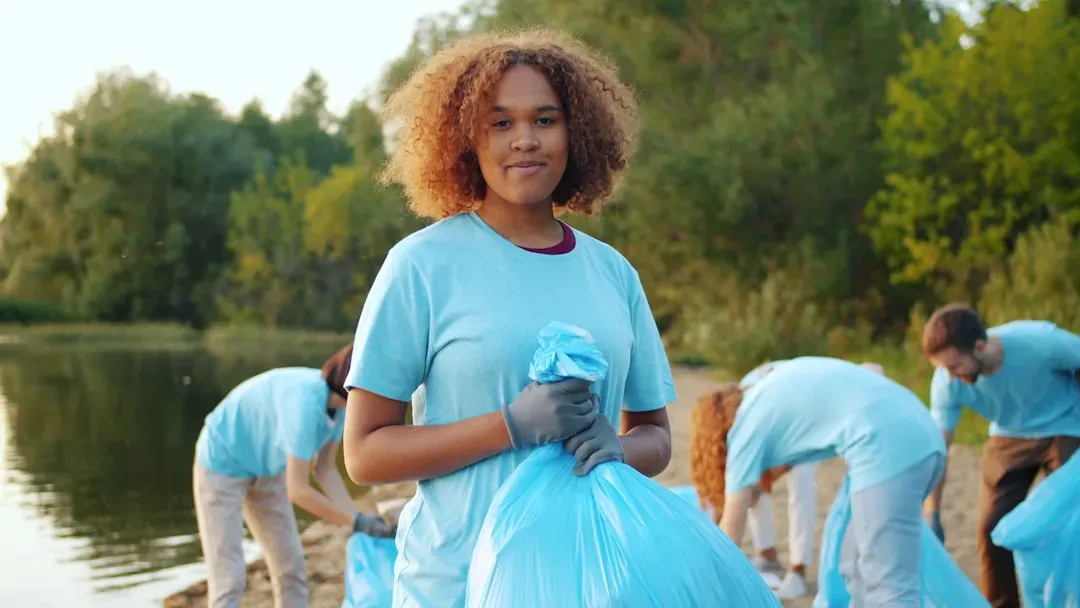
Self-care, for figures like Audre Lorde, wasn’t rooted in surface-level acts of taking a bubble bath, buying a candle, or any other form of consumerism. For her, self-care as a marginalized person meant rebelling against oppression and social norms, while also managing to look after physical and mental health adequately. That original meaning was specific, political, and radically different from what the term implies today.
Self-care was originally practiced by activists and working-class communities as a survival tool. Turning self-care into a for-profit industry that exploits the working class is predatory and will not fulfill genuine needs. What began as a concept rooted in community resilience has been smoothed into something palatable, marketable, and largely stripped of its original meaning.
When Wellness Becomes Its Own Source of Stress

The relentless chase for an idealized version of well-being can leave people feeling inadequate rather than uplifted. There is a particular kind of exhaustion that comes from trying to optimize every corner of your life and still feeling like you’re falling short. The pursuit of wellness, paradoxically, can become one more source of pressure.
False beliefs and conflicting wellness messaging can produce psychological consequences such as anxiety, shame, cognitive fatigue, and decision paralysis among those caught in ongoing informational conflict. The sheer volume of wellness advice, much of it contradictory, creates its own burden. The person trying to do everything right often ends up doing very little consistently, and feeling guilty about both outcomes.
What the Research Actually Says Works

Self-care can play a role in maintaining mental health and help support treatment and recovery. It means taking the time to do things that help you live well and improve both your physical and mental health, which can help manage stress, lower your risk of illness, and increase your energy. The National Institute of Mental Health puts it plainly, and notably, the evidence-backed version of self-care involves no products.
Regular physical activity, nature exposure, and strong social connections support emotional resilience, offering holistic approaches to stress management. These practices help build a buffer against the negative impacts of stress, which can lead to anxiety and depression if left unchecked. Physical activity, in particular, has been identified as a key self-care practice that enhances stress management. These findings are consistent, replicated, and largely free to access, which may be precisely why the wellness industry doesn’t lead with them.
Structural Problems Need Structural Solutions

The wellness industry has built an empire on personal solutions to systemic problems. It tells people to “self-care harder” while ignoring the fact that much of what keeps them unwell, including low wages, unaffordable housing, unsafe workplaces, and systemic racism, cannot be fixed by buying another product or waking up at 5 a.m. Framing collective problems as individual ones is convenient for an industry that sells individual solutions.
Framing self-care as a personal responsibility rather than examining and addressing structural and institutional determinants perpetuates unsustainable individual responses. Wellness without justice is incomplete. If the industry really wants to live up to its promise, it has to start telling the truth: personal rituals cannot replace structural change. Rest is not a luxury purchase. It’s a condition that most people require but too few are genuinely given the circumstances to access.
Reclaiming What Self-Care Was Always Meant to Be
Self-care looks different for everyone, and it is important to find what you need and enjoy. It may take trial and error to discover what works best for you. That quiet, individualized, low-cost version of self-care is the one least visible on social media, least likely to generate affiliate revenue, and most likely to actually help. It rarely photographs well, which might explain its absence from the dominant cultural conversation.
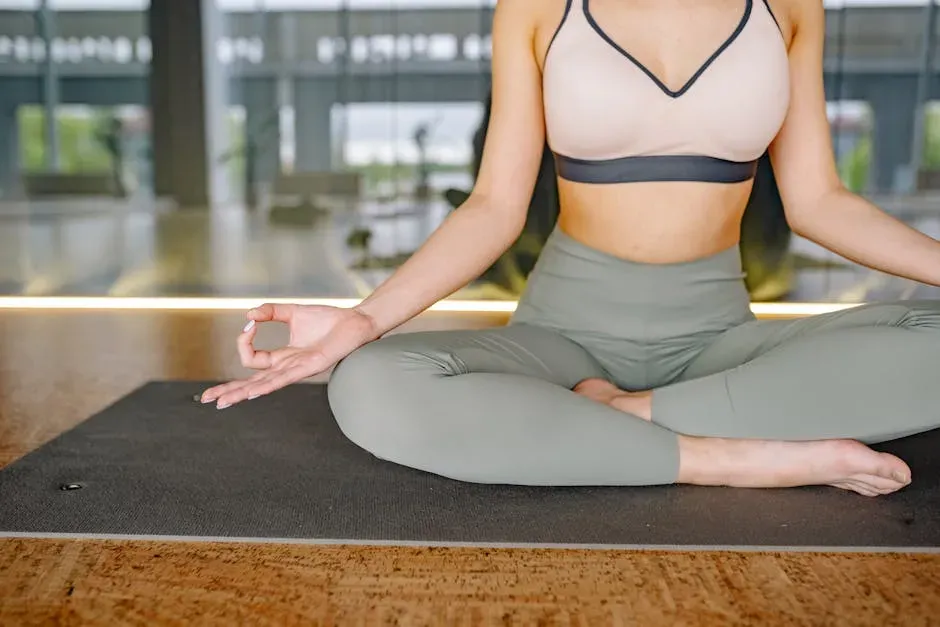
None of this means that wellness practices are useless. Many people find genuine comfort in meditation, journaling, or movement. The problem isn’t the practices themselves; it’s the narrative that these rituals alone can undo what society has broken. Self-care, done honestly, is small and unglamorous. It’s adequate sleep, consistent movement, genuine connection with other people, and the willingness to ask for help when things get heavy. Those things don’t scale into a trillion-dollar industry, but they tend to work.