The Hidden Benefits of Traveling Without a Strict Plan
Most people spend weeks, sometimes months, constructing the perfect itinerary. Every hour accounted for, every restaurant pre-booked, every museum ticket secured months before departure. It feels responsible. It feels safe. Yet something quietly gets lost in all that precision.
Travelers who loosen their grip on the schedule often come back with stories that never could have fit inside a pre-planned day. This isn’t a case for recklessness. It’s a case for recognizing what over-planning silently takes away, and what a little open space on the calendar actually gives back.
A Growing Shift Away from Rigid Itineraries

The travel landscape has been witnessing a significant shift as more people embrace spontaneous travel, driven by a desire for flexibility, adventure, and deeper connections with destinations. This marks a genuine departure from the traditionally planned vacations that dominated the industry for decades. The change isn’t random. It reflects something broader about how people want to feel during their time off.
According to the 2024 Global Travel Trends Report by American Express, nearly eight out of ten millennial and Gen Z respondents said they were up for spontaneous getaways. In fact, nearly half of all survey respondents said they’d rather take a spontaneous trip than one where every activity is scheduled. That’s a meaningful signal about what modern travelers are actually craving.
The Stress That Comes With Over-Planning
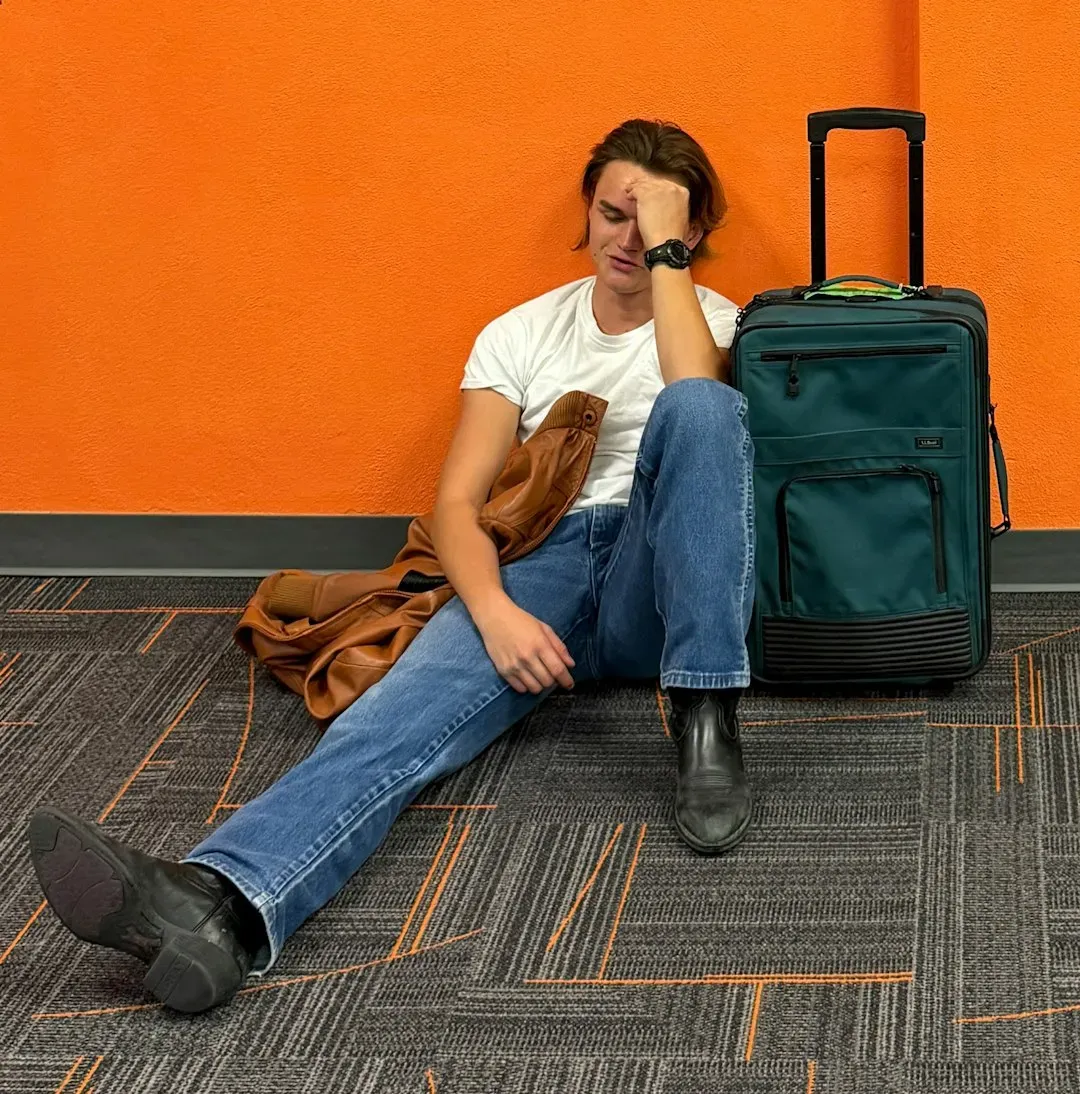
Planning a trip months in advance creates a great deal of pressure and high expectations. Spontaneous travel flips that dynamic, allowing people to follow their mood, explore at their own pace, and remain open to the unexpected. The sheer mental load of maintaining a detailed itinerary can quietly drain the joy before the trip even starts.
The lack of planning involved in spontaneous travel can be a real blessing in terms of reducing anxiety and stress. Individuals are encouraged to go with the flow, embrace the unexpected, and enjoy the excitement of doing something a little out of the ordinary. When there’s no schedule to fall behind, there’s also no sense of failure when the afternoon takes an unexpected turn.
What Happens to Your Brain When You Travel Freely
Embracing spontaneity not only crafts more memorable travel moments but may also contribute to real cognitive benefits. The very act of navigating unforeseen circumstances, like a sudden change in weather or an unplanned detour, exercises creativity and problem-solving abilities. This element of mental agility can make the entire journey more enriching and personally rewarding.
The brain benefits from being put on its toes. According to research cited in The Atlantic, the cognitive flexibility required during travel helps stimulate neuroplasticity, which in turn can generate creativity that persists even after travelers return home and helps with innovative idea generation at work. Unplanned travel, in particular, keeps the brain alert and adaptive in ways that a locked-in schedule simply doesn’t.
Creativity Gets a Genuine Boost
Research has found that workers displayed higher levels of cognitive flexibility after returning from a vacation compared to pre-holiday levels. The ideas that employees generated after returning to work were more diverse than before their time away, covering a wider range of concepts. A more open travel experience only amplifies this effect.
One of the most powerful ways that travel enhances creativity is by breaking people out of habitual patterns and forcing the brain to adapt. This kind of mental stretching, like navigating a new city, learning cultural norms, or problem-solving in unfamiliar settings, builds cognitive flexibility, which is a key ingredient in creative thinking. When no plan exists to follow, the brain has no choice but to improvise, and that improvisation is where ideas are born.
Deeper Connections With Local Culture

Last-minute travel plans often lead to a more immersive cultural experience, as travelers find themselves relying on local knowledge and recommendations rather than hours spent researching destinations online. Without the constraints of a rigid itinerary, individuals are more likely to explore local neighborhoods, try local cuisines, and engage in spontaneous conversations with those who actually live there.
Many travelers are less interested in visiting typical tourist destinations and more drawn to off-the-beaten-path locations where they can connect with local cultures and communities. Spontaneous travel provides the perfect opportunity to discover these hidden gems, places and experiences that aren’t found in guidebooks or pre-planned itineraries. That kind of discovery is almost impossible when every hour is pre-scheduled.
The Unexpected Financial Upside

Airlines, hotels, and cruise lines often release heavily discounted rates close to departure, which means a great trip could be only a click away. Last-minute travel is possible because airlines, hotels, and tour operators prefer to sell remaining inventory at a reduced rate rather than leave seats or rooms empty. Flexibility, in this case, is a direct financial advantage.
Last-minute flight deals can sometimes be significantly cheaper than booking well in advance. Airlines often offer discounted seats close to the departure date to fill empty seats. Some last-minute vacation packages offer savings of up to half the standard rate. Travelers willing to leave their destination open often find that the deal itself points them somewhere new and worthwhile.
Stronger Resilience and Personal Growth

Embracing flexibility in travel can make you more adaptable in other areas of life. Studies indicate that people who are comfortable with uncertainty and change tend to have higher levels of resilience and problem-solving abilities. A missed bus in a foreign city or a sudden change of plan doesn’t feel catastrophic when you’ve trained yourself to stay open to it.
Facing unfamiliar situations and stepping outside comfort zones can test patience, but learning how to adapt makes people more emotionally flexible and resilient. When travelers return to their normal lives and are confronted with a challenging situation, they can draw on those travel experiences and remember how they adapted, which helps them manage uncertainty more calmly.
Mindfulness and the Art of Being Present

The appeal of spontaneous travel ties into a broader cultural shift towards mindfulness and living in the moment. For many travelers, the idea of being present and fully engaged in their experiences is more important than ticking off a list of must-see attractions, allowing them to follow their instincts and be open to new opportunities as they arise. When there’s no checklist to race through, attention naturally falls on what’s actually in front of you.
One of the most overlooked benefits of spontaneity on vacation is the ability to truly relax. When you’re not bound by a strict itinerary, you’re free to listen to your body and mind. Maybe a day was supposed to include several landmarks, but after a leisurely breakfast you feel the pull to simply sit by the water instead. That’s more than okay. Allowing yourself the freedom to adjust plans based on mood and energy levels can lead to a more genuinely rejuvenating vacation.
The Serendipity That Plans Can’t Produce

A substantial number of travelers have identified their favorite destinations and experiences through chance encounters. These serendipitous moments contribute to a deeper connection with the places visited and offer a richer understanding of local customs and cultures. No app or guidebook can engineer that kind of moment. It only arrives when the schedule has room for it.
Spontaneity also allows for more authentic connections with travel companions. Without the pressure of sticking to a plan, there’s freedom to explore together, make decisions on the fly, and share in the thrill of the unexpected. These shared experiences can strengthen bonds and lead to stories that get told for years. The unplanned afternoon that turned into the best day of the trip is a story nearly every seasoned traveler carries with them.
A Different Way to Think About Travel Entirely

Unplanned travel can be understood as travel undertaken without detailed prior planning or a fixed itinerary, representing an active choice made by travelers based on their values and preferences. That framing matters. It redefines spontaneity not as a lack of preparation, but as a deliberate stance toward the world.
Spontaneous travel is more than just a passing trend. It’s a reflection of broader changes in how people approach their lives and experiences. The desire for flexibility, authenticity, and meaningful connections will continue to shape how people travel, creating new opportunities for both travelers and the places they visit. Letting a trip breathe, leaving a day without a single plan, or simply following a local’s recommendation down an unmarked street, these choices tend to produce the memories that outlast any itinerary.