5 Travel Habits That Make Trips More Enjoyable
Most people return from a trip feeling like they needed another vacation. The days blur into a checklist of sights, the luggage was too heavy, and somewhere between the third museum and the airport scramble, the joy quietly slipped out. It doesn’t have to go that way. A few deliberate habits, applied consistently, can shift a trip from exhausting to genuinely memorable.
The travel world is changing, and travelers are taking charge. They’re not just checking off destinations – they’re looking for the feelings and experiences that come with each place. The good news is that what makes a trip feel rich and rewarding often comes down to small, repeatable choices rather than expensive upgrades.
1. Pack Light and Pack Intentionally
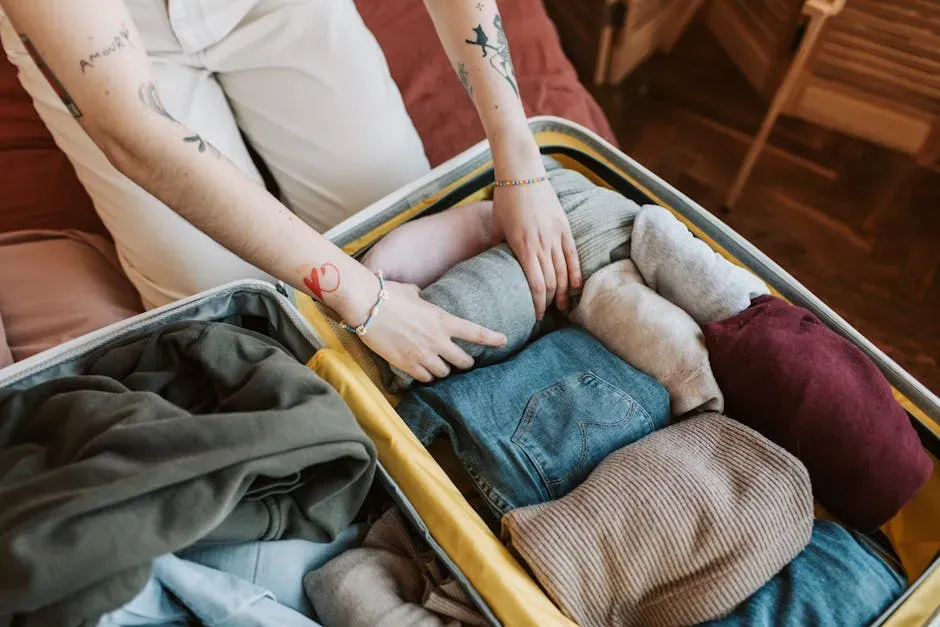
The freedom of traveling light is something you truly appreciate once you experience it. Without heavy bags weighing you down, you can move effortlessly through airports, skip the long baggage claim lines, and avoid extra fees. You’ll have more flexibility, whether it’s hopping on an unexpected last-minute flight, navigating crowded streets, or simply getting from point A to point B without the stress of hauling oversized suitcases.
A 2021 OnePoll study showed that nearly seven in ten Americans surveyed were stressed out by packing. They rated packing as more stressful than actual travel, and the only thing more stressful than deciding what to bring on a trip was getting through airport security. Cutting that stress starts before you leave home. Packing light forces you to prioritize and only bring what you truly need, making for a more intentional and streamlined experience.
2. Embrace Slow Travel Over Cramped Itineraries

Unlike traditional itineraries that prioritize seeing as many places as possible, slow travel is about quality over quantity. It allows travelers to fully appreciate their surroundings, engage with local communities, and enjoy a more fulfilling journey. Rather than racing through five cities in a week, spending that same time in two places tends to leave a much stronger impression.
Slowcations, defined as leisurely and immersive travel focusing on quality over quantity, are the most popular of the emerging travel trends tested, with more than half of American travelers finding them appealing. Rushing from one site to another can lead to burnout. However, a relaxed itinerary allows travelers to take each day as it comes, providing more time to savor experiences without feeling rushed. The difference between a trip you remember and one you forget is usually how much time you gave yourself to actually be present in a place.
3. Eat Local Food with Curiosity and Openness
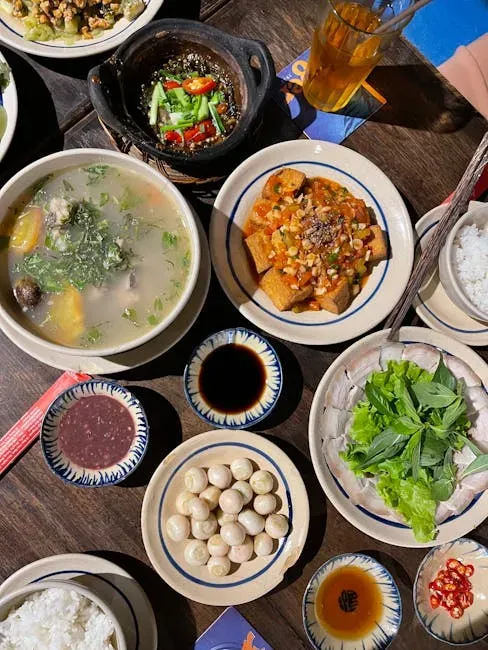
Research has shown that food is a crucial factor for tourists when selecting a destination. Travelers value originality, novelty and locality, authenticity, and uniqueness of local food, which can significantly impact their overall travel satisfaction. Skipping the familiar chain restaurant and finding a small neighborhood spot instead isn’t just cheaper – it’s often the most direct route to understanding a place.
Research consistently shows that culinary activities rank among travelers’ most memorable experiences. When surveyed, roughly two thirds of tourists report that food contributes significantly to their overall travel satisfaction, while more than half actively select destinations based on unique culinary opportunities available there. Sharing a meal is a deeply communal experience, and culinary tourism facilitates social connections between travelers and locals. Whether it’s striking up a conversation with a street vendor or bonding with fellow food enthusiasts on a culinary tour, food has a remarkable ability to bring people together.
4. Build Flexibility Into Every Plan

Plan-free travel, defined as embracing spontaneity by minimizing pre-planned itineraries and allowing for more flexible and unstructured experiences, appeals to nearly half of all American travelers. That number is striking, and it points to something many seasoned travelers already know: the best moments on a trip are rarely the ones you booked three months in advance.
In 2025, the most successful travel experiences won’t be those that try to do the most. They’ll be the ones that allow people to do what feels right, when it feels right, guided by intention but open to change. AI tools, mobile passports, and contactless hotel check-ins are making travel smoother and smarter. Travelers now use apps to adjust itineraries in real time, especially in response to weather or delays. Keeping half a day unscheduled in any given destination opens up room for detours that end up being the stories you actually tell later.
5. Spread Trips Throughout the Year Rather Than Clustering Them

Smart travelers spread their trips over the year – more than half do this to keep their excitement alive, while roughly a quarter prefer to group their trips together. There’s real psychological logic behind that habit. Anticipation is part of what makes travel enjoyable, and having the next trip on the calendar, even a modest one, provides something to look forward to throughout the year.
Travelers are increasingly embracing what researchers call JOMO travel – the joy of missing out. This simply means doing less on vacation to escape the hustle and bustle of everyday life and boosting relaxation and reconnection. Roughly two thirds of travelers say these types of trips reduce stress and anxiety, and nearly half say they enhance quality time with loved ones. Spacing trips intentionally across different seasons also sidesteps the crowds and inflated prices that cluster around peak windows, making each trip genuinely easier to enjoy.
The habits that make travel better aren’t about spending more or going further. They’re mostly about resisting the urge to optimize everything and leaving room for the trip to breathe. A lighter bag, a longer stay in fewer places, and one afternoon with no plan can change the entire texture of a vacation – turning something that felt like a task into something that actually restores you.