How Modern Creators Are Redefining Originality
has always been a moving target. What counted as fresh in one decade becomes the reference point for the next, and the debate about what it truly means to create something new has been running since long before the internet gave everyone a platform. Today, that debate is louder, more complicated, and more interesting than ever.
The rules have shifted. In 2025, the creator economy evolved from a niche collective into a dominant cultural industry, with writers, podcasters, gamers, educators, and artists driving innovation, building communities, and reshaping commerce. What’s emerging from all of this isn’t a crisis of . It’s a redefinition of it.
The Scale of a New Creative Class
The creator economy is estimated to be worth around $127 billion in 2024, with projections reaching well over half a trillion dollars by 2030, powered by a rapid annual growth rate. That kind of scale would have seemed absurd to anyone working in traditional media a decade ago. Now it’s simply the landscape.
Globally, there are over 200 million active content creators, with fewer than two percent achieving what might be called expert status with 100,000 or more followers, highlighting the vast scale and stratification of the ecosystem. The sheer number of voices means can no longer be defined by access to a microphone. Everyone has one. What matters now is what you say.
AI as Creative Collaborator, Not Replacement
In a September 2025 survey of 6,500 creators, the vast majority reported using AI in their creative workflows, with more than four in ten using it daily. This is not the passive adoption of a productivity tool. It represents a fundamental shift in how work gets made.
Early fears that AI would replace human creativity are giving way to a more practical reality. Most creators describe AI as a collaborator, or co-pilot, handling repetitive or technical tasks while leaving strategic and artistic decisions in human hands. This partnership allows creators to experiment with visual styles, explore narrative variations, and make iterations faster. The creative impulse stays human. The scaffolding gets smarter.
The Authenticity Backlash of 2026
If 2025 was the year AI-generated content flooded social media platforms, 2026 has become the year both brands and creators truly reckon with it. Audiences caught on faster than many platforms anticipated, and the reaction has been pointed.
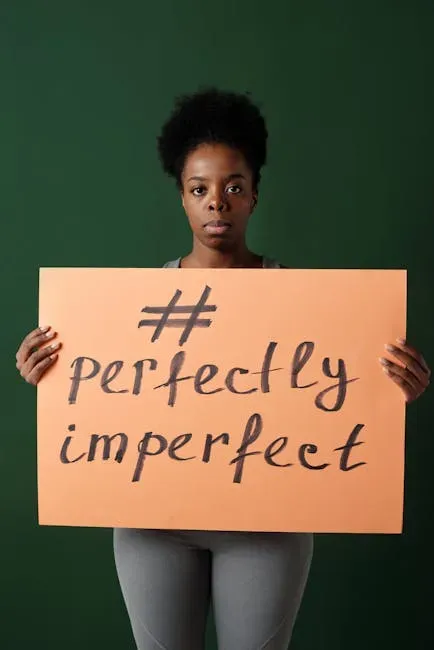
Consumer appetite for authenticity is deepening. Only roughly one in four consumers now prefers generative AI creator content to traditional creator content, down sharply from a clear majority just a few years earlier. For creators, standing out requires them to reexamine what makes them unique: their humanity, and the messiness that comes with it. Imperfection, it turns out, is a differentiator.
Remix Culture and the New Definition of
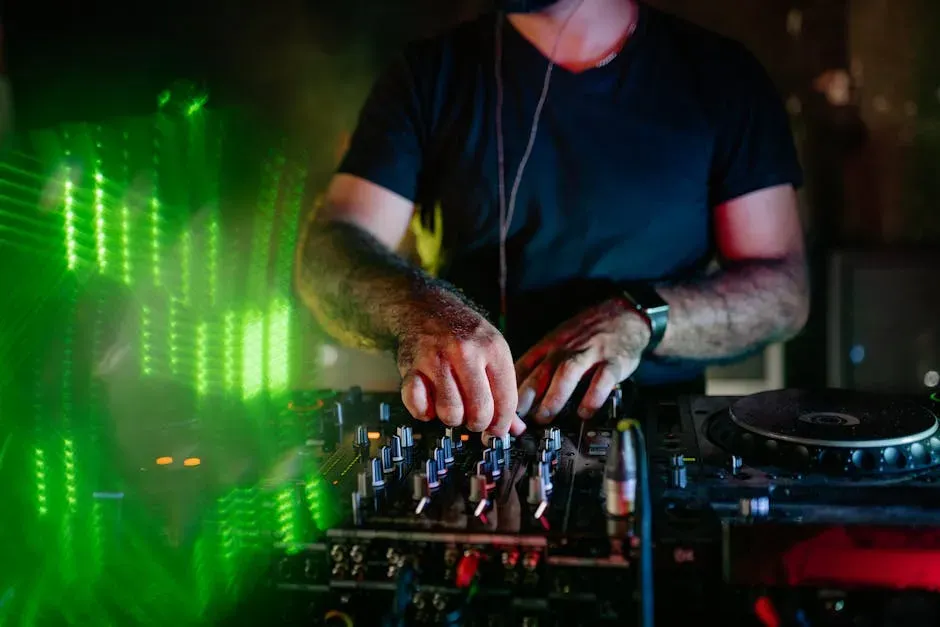
doesn’t always mean inventing from scratch. Sometimes it’s about taking what exists and flipping it. In music, visuals, and literature, artists sample old material to create entirely new narratives. This isn’t laziness dressed up as innovation. It’s a legitimate creative tradition with deep roots.
Remix culture has moved from niche practice to mainstream behavior as everyday users remix, sample, and mash up existing media to create new meaning. Once associated mainly with DJs and experimental artists, remixing now powers viral trends, political commentary, and collaborative storytelling. Critics may call it lazy, but remixing demands vision. It’s about context, contrast, and interpretation.
Nostalgia as a Creative Foundation
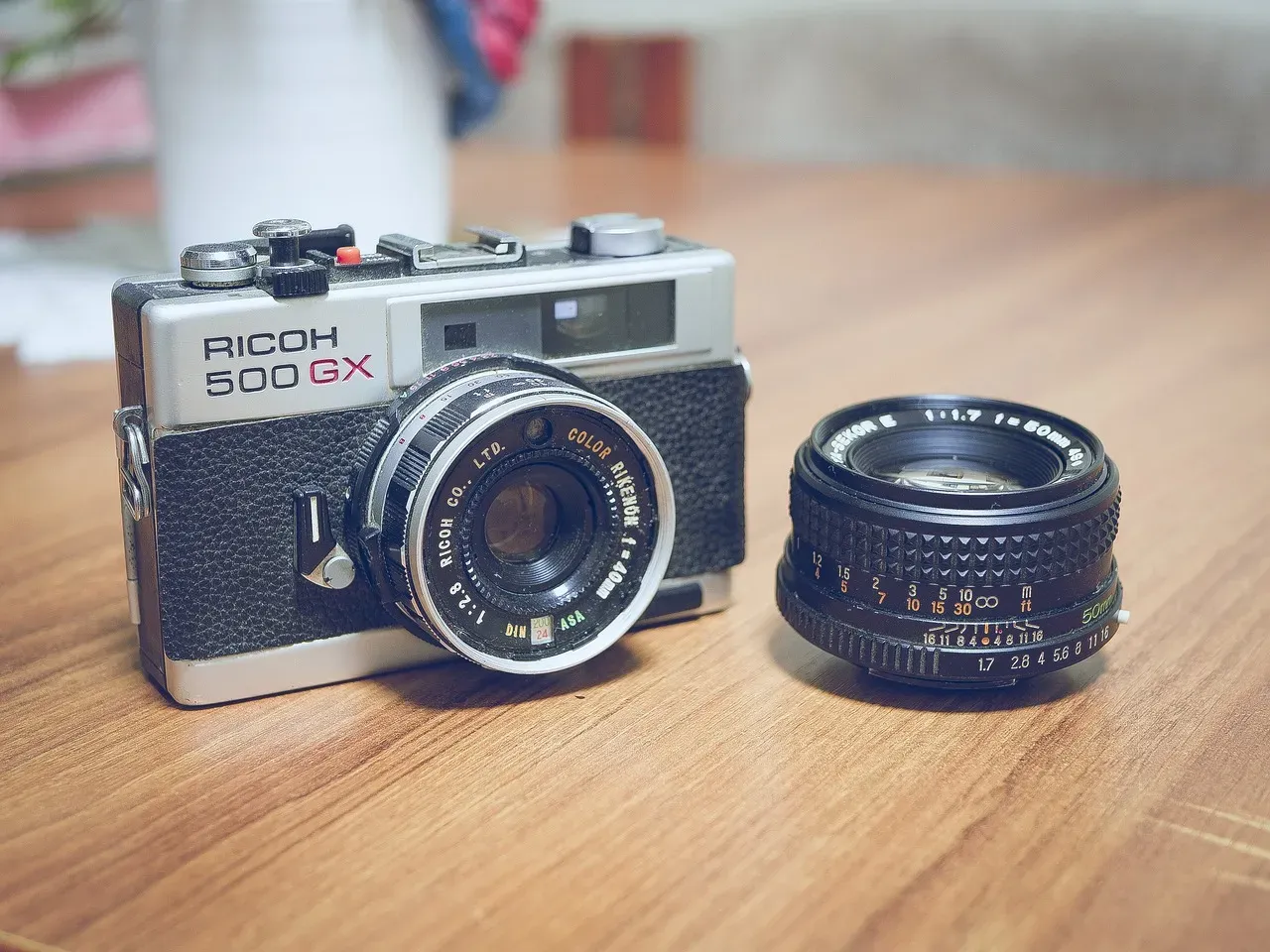
Reboots and revivals often get blamed for creativity’s decline. Nostalgia isn’t inherently unoriginal, though. It’s how it’s used that matters. Smart creators aren’t just repackaging the past. They’re reframing it. The difference between homage and rehash comes down to intent and execution.
Jordan Peele’s horror films blend retro cinematic styles with sharp social commentary. Nostalgia becomes a foundation, not a ceiling. In the right hands, it doesn’t hold back. Instead, it gives it a place to land. That’s the move: using familiarity as a launching pad rather than a destination.
Hyper-Niche Communities and the Power of Specificity
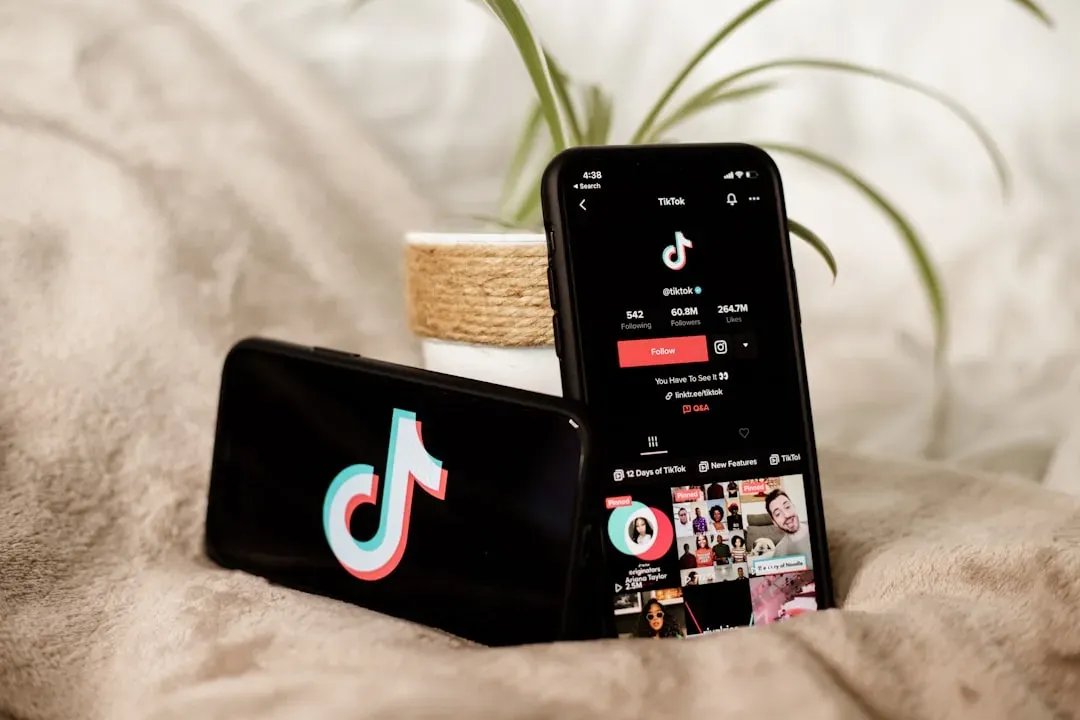
Hyper-niche communities on platforms like TikTok are clusters of users who share highly specific interests, from rare bookbinding techniques to competitive mushroom foraging. Unlike broader hobby groups, these communities thrive on deep expertise and targeted content. Videos tagged with niche community hashtags saw significantly higher engagement rates compared to general content.
Micro-creators embody authenticity. By sharing personal stories, challenges, and breakthroughs within their interest areas, they invite audiences to participate rather than just watch. This shift from aspiration to identification, where followers see themselves in the creator, drives engagement and fuels the growth of hyper-niche groups. Being the most specific voice in a small room now beats being a generic voice in a crowded stadium.
Human Vulnerability as Creative Currency
now means tapping into things AI cannot replicate: vulnerability, memory, contradiction, and lived emotion. Writers, filmmakers, and designers are leaning into the personal and the unfiltered, because that’s what separates a template from a truth. This shift feels like a correction, and a necessary one.
The most compelling content draws on genuine human experience, emotion, and perspective. AI can mimic style and structure, but it cannot replicate the authenticity that comes from lived experience or create truly original insights. The content that resonates most deeply will always have human wisdom at its core. In an age of endless automated output, the personal detail has never been more valuable.
The Algorithm Problem and Working Around It
Modern media is heavily filtered through algorithms. Platforms like YouTube, Netflix, and Spotify prioritize content that’s safe, familiar, and likely to perform. This feedback loop encourages repetition over innovation. It’s a genuine structural tension: the systems that distribute creative work also quietly shape what gets made.
Creators are learning how to work with the algorithm instead of against it. They embed inside familiar formats to trick the system, slipping bold storytelling into click-worthy thumbnails or weaving unconventional sounds into trend-friendly structures. Original voices aren’t disappearing. They’re just learning to wear algorithm-approved disguises.
Direct-to-Fan Models and Owning the Creative Relationship
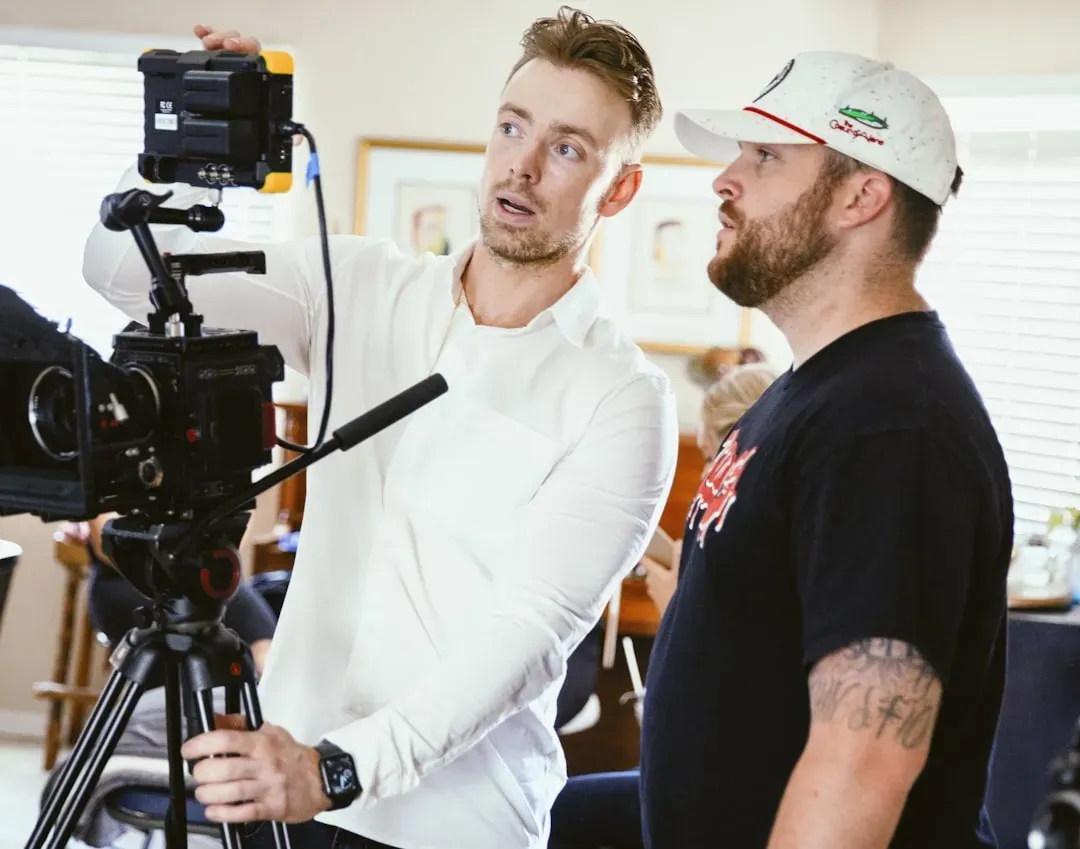
Roughly nineteen in twenty creators are now leaning into direct-to-fan models, prioritizing control over content, income, and audience. With platform shifts and algorithm changes, creators aren’t backing down. They’re getting smarter, faster, and more strategic. The dependency on third-party platforms is quietly being dismantled.
Meaningful relationships with fans are more important than ever because content alone isn’t the whole story. Connection is what drives monetization, the kind that comes directly from fans choosing to support a creator. That support can come from subscriptions, merchandise, event tickets, or backing assets a creator launches when they build their own brand. , in this model, is inseparable from the relationship built around it.
From Creator to Cultural Architect
TIME’s inaugural TIME100 Creators list in 2025 signaled creators’ rising cultural significance. Their presence is reshaping not just how content gets produced, but how culture itself communicates and evolves. That’s a meaningful shift in how society categorizes creative authority.
The most successful creators today are media moguls in their own right. They have gone professional, pioneering a new era of content in which streaming distribution on social platforms has overtaken the broadcast model, creating and serializing episodic material. At Cannes Lions 2025, the “Social and Influencer Lions” category was renamed “Social and Creator Lions.” Creators aren’t add-ons anymore. They’re the engine of modern advertising. The cultural weight attached to that role is substantial, and growing.