The Rise of Minimalist Cooking – and Why It’s Sticking
There’s a quiet shift happening in kitchens around the world. Fewer jars on the counter. Shorter shopping lists. Meals that come together in under half an hour using ingredients most people already have on hand. It doesn’t look like a movement from the outside, but the data and the cultural moment both point in the same direction: people are cooking with less, and doing it deliberately.
This isn’t about cutting corners or settling for bland food. Minimalist cooking is rooted in a different set of values: clarity over complexity, quality over quantity, intention over habit. In the wake of the pandemic, many people rediscovered home cooking as a mindful ritual that fosters connection, creativity, and well-being. Now, mealtime continues to evolve as Americans adapt to shifting lifestyles, wellness trends, new technologies, social media influence, and ongoing economic pressures. Minimalism in the kitchen didn’t emerge from nowhere. It grew out of that moment, and it shows no signs of retreating.
The “Less Is More” Philosophy Takes Hold
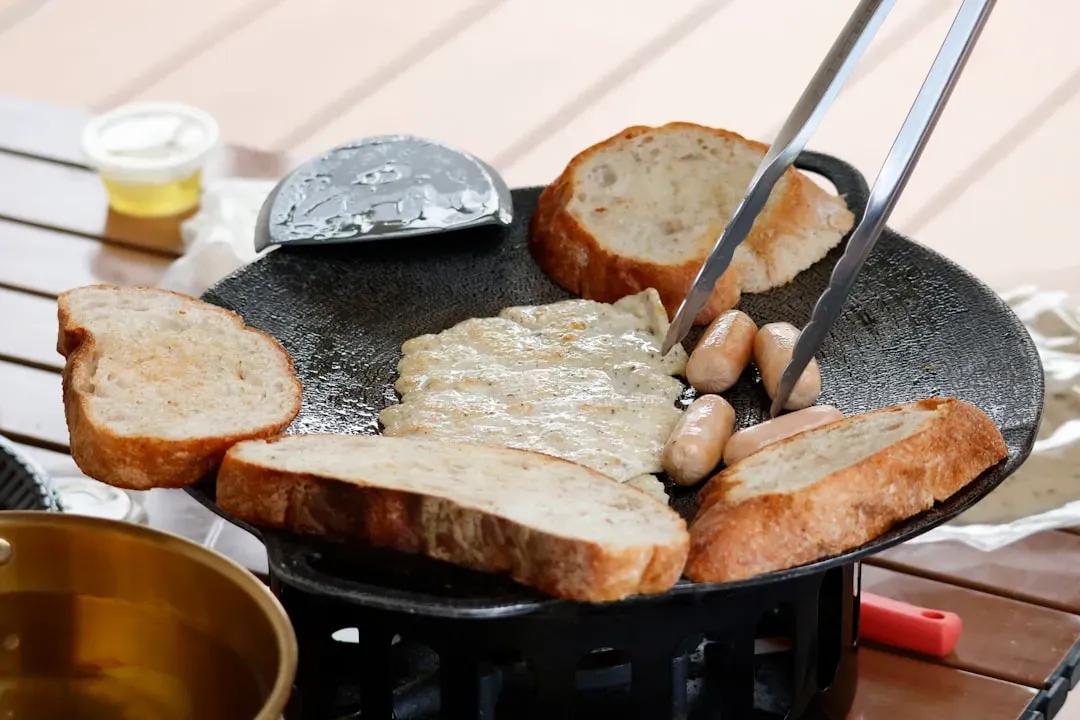
The “less is more” philosophy is becoming increasingly popular, with nearly three quarters of respondents stating that up to five ingredients were ideal for a midweek meal, according to AHDB Recipe research conducted in August 2024. That’s a striking consensus. For most home cooks, the ideal meal isn’t an elaborate production; it’s something satisfying that doesn’t require a second trip to the store.
Consumers want to spend less time cooking, as meal preparation time has fallen to an all-time low of just 31 minutes for the evening meal. At the same time, there have been increases in meal servings which are easy to prepare and clean up, involve less cooking, or are quick to prepare. Convenience and simplicity aren’t competing with quality anymore. For many cooks, they’ve become the same thing.
Fewer Ingredients, Better Meals
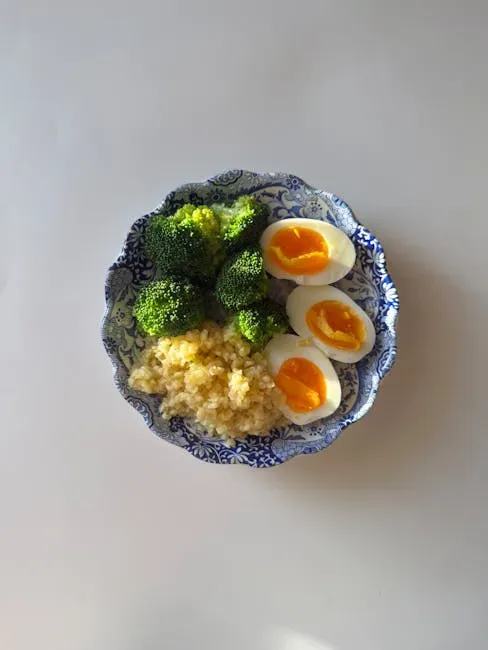
This desire for convenience has caused meals to become simpler, with fewer ingredients being used across all lunch and evening meal occasions, both now having less than five ingredients on average. That’s a real, measurable shift in behavior, not just an aspiration floating around on social media. People aren’t just saying they want simpler cooking. They’re actually doing it.
Cooking with five ingredients or less is a money saver, takes less time to prepare the meal, and uses less equipment, resulting in fewer dishes. The practical benefits stack up fast. Less prep, less cleanup, and a lower grocery bill are hard to argue with, especially when the food still tastes good.
Inflation Made Simplicity Necessary
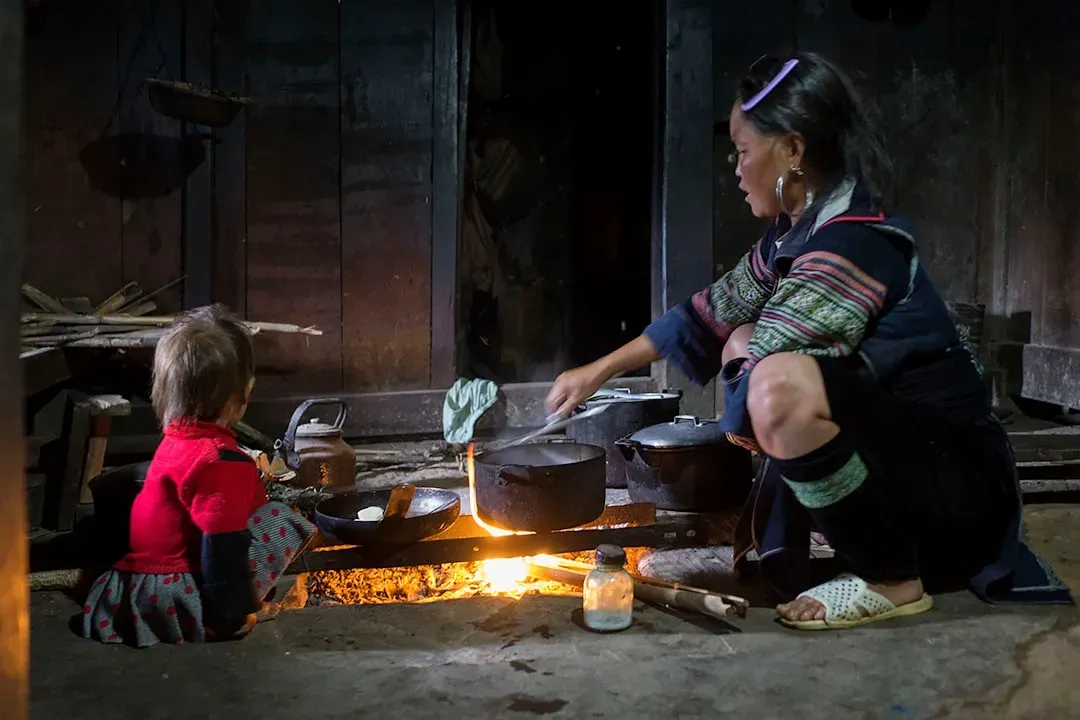
Consumers are looking for more value for their money in food and beverage, especially with global food trends research showing that roughly two thirds of consumers report spending more on food and beverages in the past year because of inflation and higher prices. Home cooking can allow consumers to better control their food expenditures when compared to eating out. Minimalist cooking, in this context, became a form of financial self-defense. Sticking to a short ingredient list naturally limits what lands in the cart.
Inflation has reshaped consumers’ dining habits. Guests still want to eat out, but in more rational, budget-conscious ways. The same logic that keeps restaurant-goers cautious also keeps home cooks streamlined. When prices climb, the instinct is to simplify, not elaborate.
What Minimalist Cooking Actually Looks Like
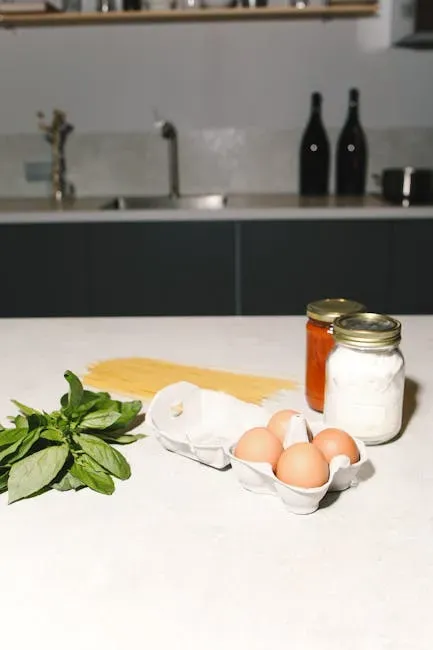
Simple, no-fuss meals like stir-fries, one-pot dishes, and pasta are trending as they can be made quickly. Consumers are gravitating toward recipes that are straightforward and require minimal steps or specialized equipment. The appeal of one-pot cooking in particular is hard to overstate. One vessel, one cleanup, and often one genuinely satisfying meal.
When working with fewer ingredients, focusing on an intense flavor such as mustard, lemon, onions, garlic, vinegar, nuts, or sharp cheddar is key. Refrigerating food with herbs and spices for an hour can also intensify flavors. Minimalism in cooking doesn’t mean sacrificing depth. Often it forces a cook to be more deliberate about which flavors actually carry a dish, and that sharpens results rather than weakening them.
The Health Angle Is Real
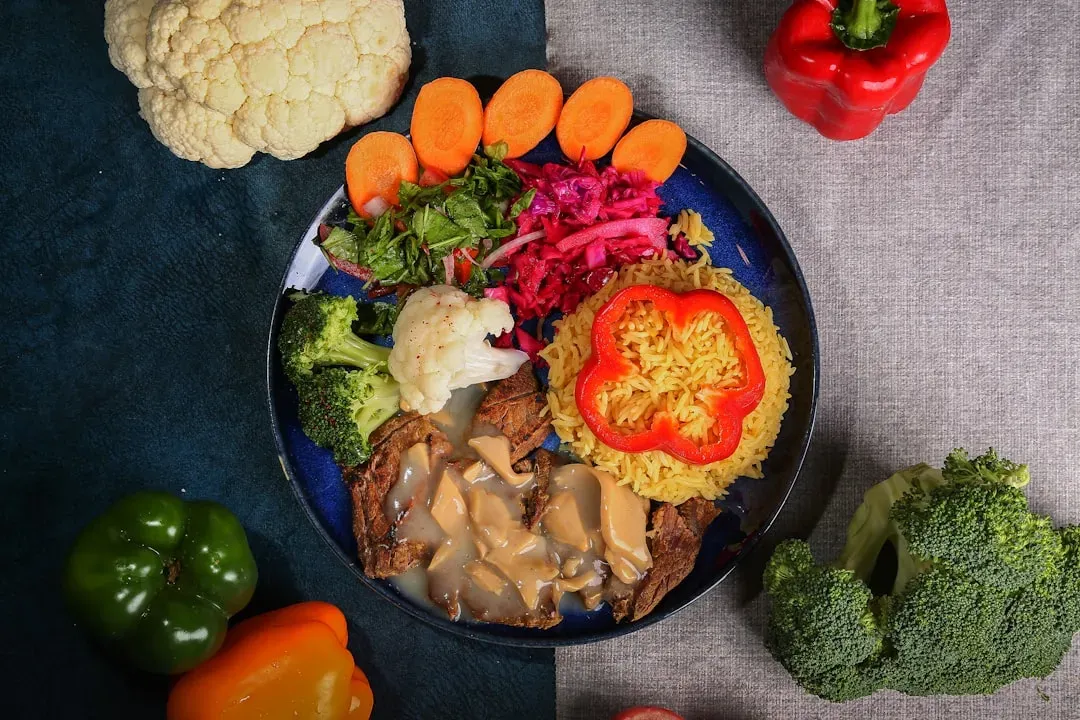
In FMI research, six in ten consumers said that they are looking for more minimally processed products with no artificial ingredients. That appetite for cleaner food aligns naturally with cooking from a short, legible ingredient list. When you know exactly what’s in a dish because you put it there yourself, trust in the food follows naturally.
More than ever, people are mindful of what they put into their bodies. There is an increasing demand for recipes that focus on natural ingredients over processed foods. Consumers are prioritizing balanced meals that feature a variety of food groups: healthy fats, lean proteins, and plenty of fruits and vegetables. Minimalist cooking and clean eating often overlap. The fewer the ingredients, the easier it becomes to see exactly what’s on the plate.
The Mental Health Connection Nobody Expected
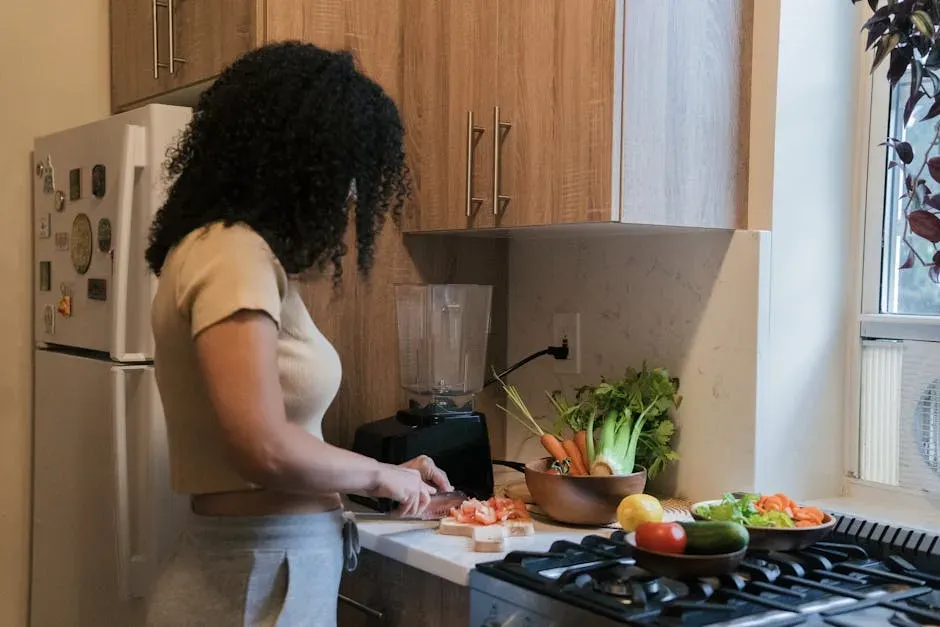
During the COVID-19 lockdown, researchers found that people experienced flow while cooking. Survey respondents reported that time seemed to pass quickly and pleasantly as they prepared meals. The sensory aspects of cooking, including handling ingredients, inhaling aromas, and seeing the final dish, were described as both enjoyable and grounding. Cooking, in this context, became a powerful tool for reducing boredom, relieving stress, and promoting mental well-being during a time of isolation.
In a population-based survey of 8,500 adolescents in New Zealand, self-reported cooking ability was positively associated with better family connections, greater mental well-being, and lower levels of self-reported depression. Simpler recipes lower the barrier to actually getting into the kitchen. When cooking feels manageable rather than daunting, people do it more often, and the benefits compound.
Sustainability Runs Through It
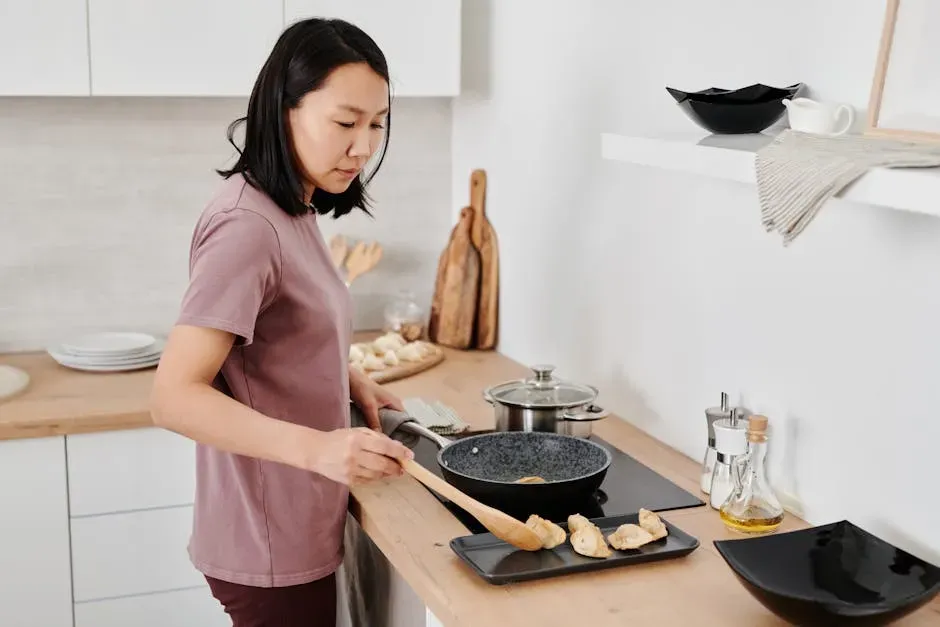
The “less is more” philosophy is becoming increasingly popular, and fewer ingredients not only make cooking easier, but this is also an effective way to reduce food waste, resulting in a more sustainable choice for the environment. Buying fewer ingredients means fewer items at risk of spoiling unused in the back of the fridge. The math on food waste improves when the shopping list stays short.
One of the simplest solutions to food waste lies in rediscovering the resourcefulness that once defined traditional kitchens. Cooking root-to-stem, planning meals around what’s already available, and repurposing leftovers can significantly reduce household waste. Every year, 1.3 billion tonnes of food is wasted globally, the equivalent of roughly one third of all food produced for human consumption. Minimalist cooking, at scale, isn’t a small contribution to that problem.
Social Media Amplified It, But Didn’t Create It
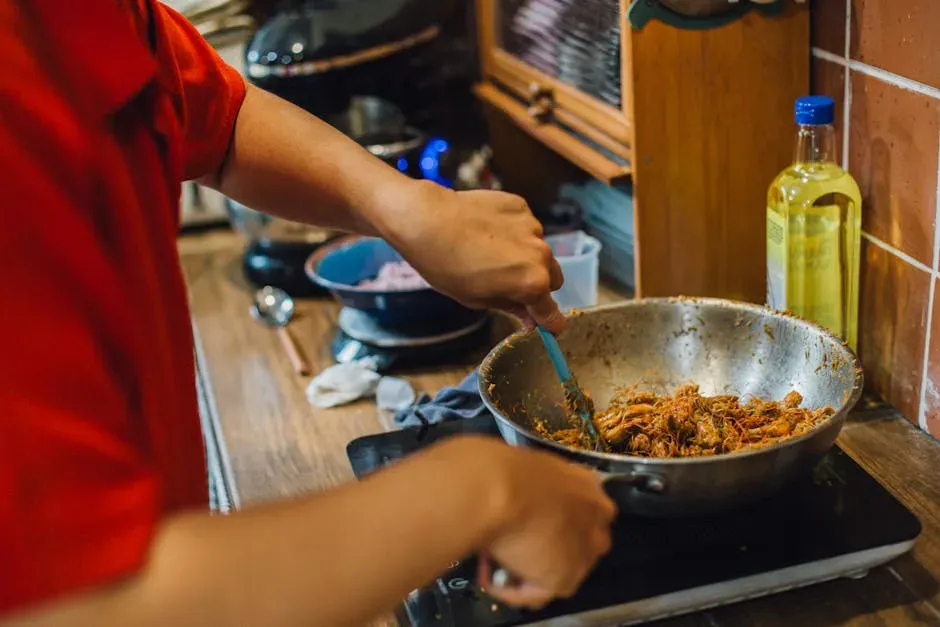
TikTok’s influence on food trends has been nothing short of revolutionary. Several trends have emerged from recent search data and viral content that will undoubtedly carry forward. The platform has a particular affection for recipes that feel almost too simple, two-ingredient desserts, five-step dinners, and pantry-only weeknight meals. Simplicity photographs well and plays well. Viewers trust what they can realistically replicate.
The rise of homemade food isn’t just about making meals; it’s a lifestyle choice rooted in a desire for control over ingredients, health, and sustainability. This trend is expected to further evolve as cooking at home becomes more accessible with the help of meal kits, online tutorials, and an ever-growing network of home chefs sharing their knowledge. Social platforms accelerated a trend that was already brewing. They didn’t invent the desire for simplicity. They just gave it an audience.
Pantry Culture Is Reshaping How People Shop
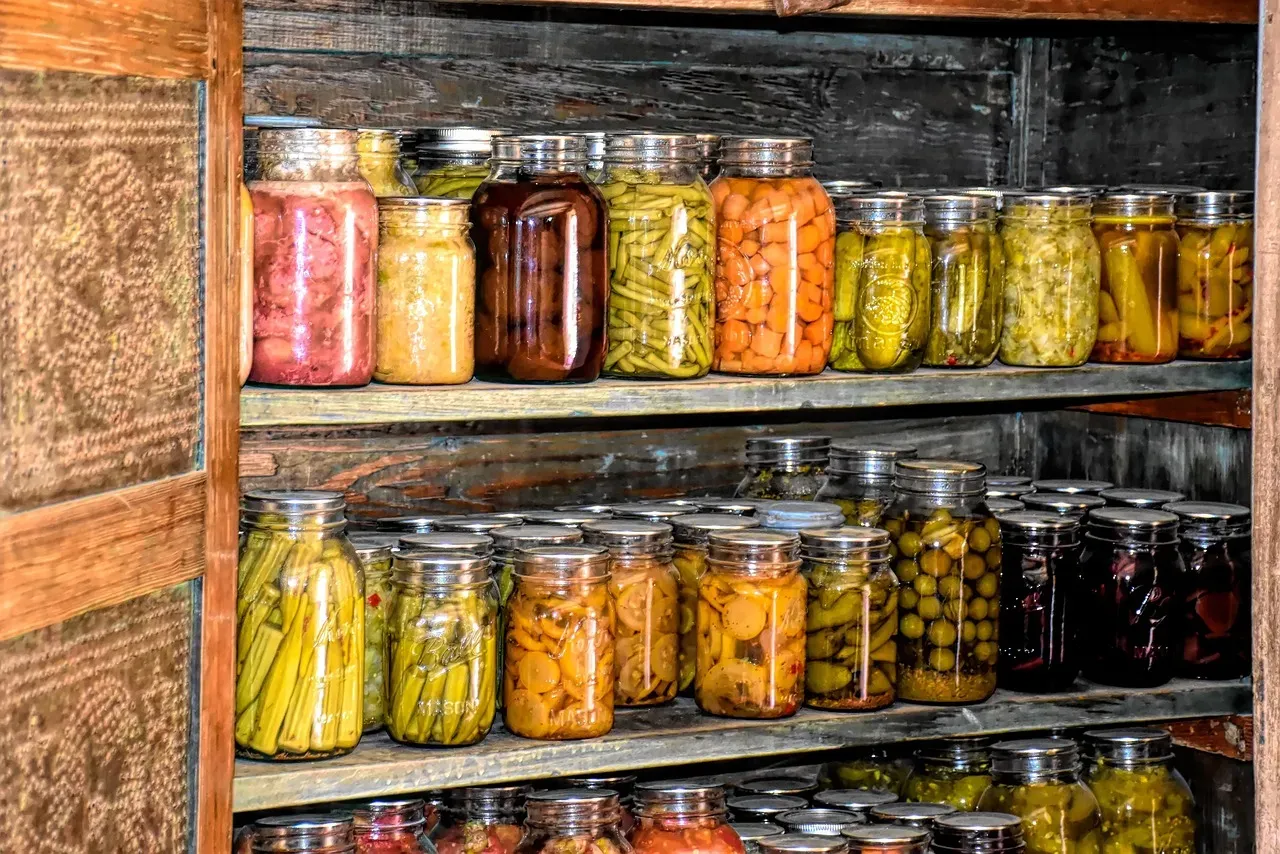
Food waste reduction has become a priority, driving demand for versatile, long-lasting, and affordable options that simplify home cooking. According to a Kerry report, roughly one third of consumers choose brands with longer shelf life, while the vast majority cook more than half their meals at home. Stocking up on long-life foods like pasta, grains, canned vegetables, beans, spices, and baking essentials means fewer grocery trips and less waste.
A recent trend is the use of store cupboard essentials, including beans, pulses, spices, and frozen vegetables, which can quickly be incorporated into nourishing meals. Pantry cooking has its own logic: know your staples, buy them reliably, and build meals around what you have. It’s an old idea, but it’s gaining new traction with a generation that’s tired of elaborate grocery runs and specialty ingredients used exactly once.
The Confidence Gap and Why Simple Cooking Closes It
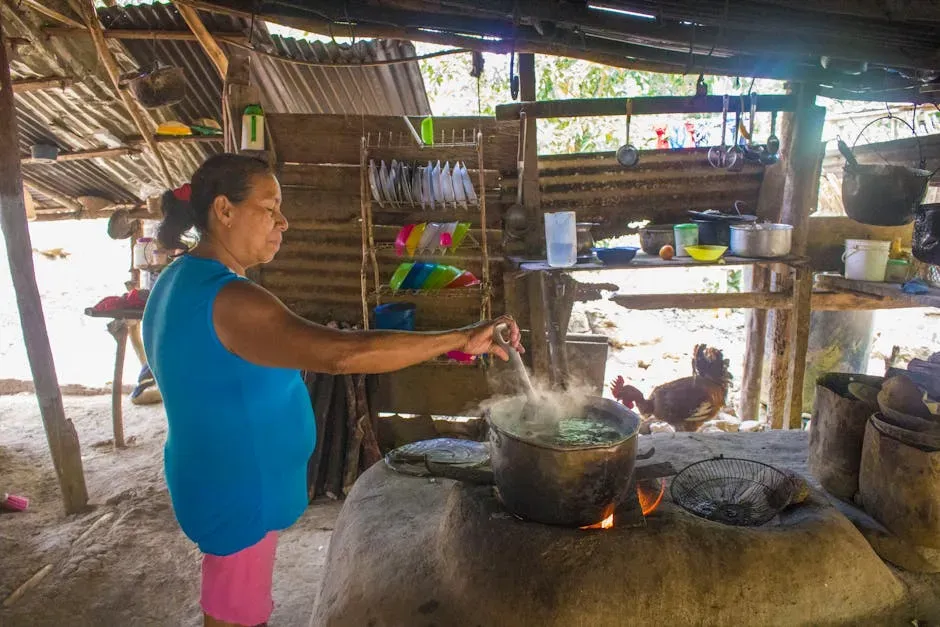
A striking quarter of adults skip preparing specific foods because they are not confident using a knife. Having those basic kitchen skills could mean the difference between getting dinner done or ordering out. Minimalist cooking sidesteps many of the techniques that intimidate beginners. A five-ingredient recipe rarely demands precision knife work or advanced timing. The lower the technical barrier, the more people actually cook.
In fact, the vast majority of Americans expect to cook as much as last year or more in the next twelve months. That intention is encouraging, but intention alone doesn’t produce dinner. Simple recipes are the bridge between wanting to cook and actually doing it. When the process feels achievable, the follow-through rate rises accordingly.
Why This Trend Is Built to Last
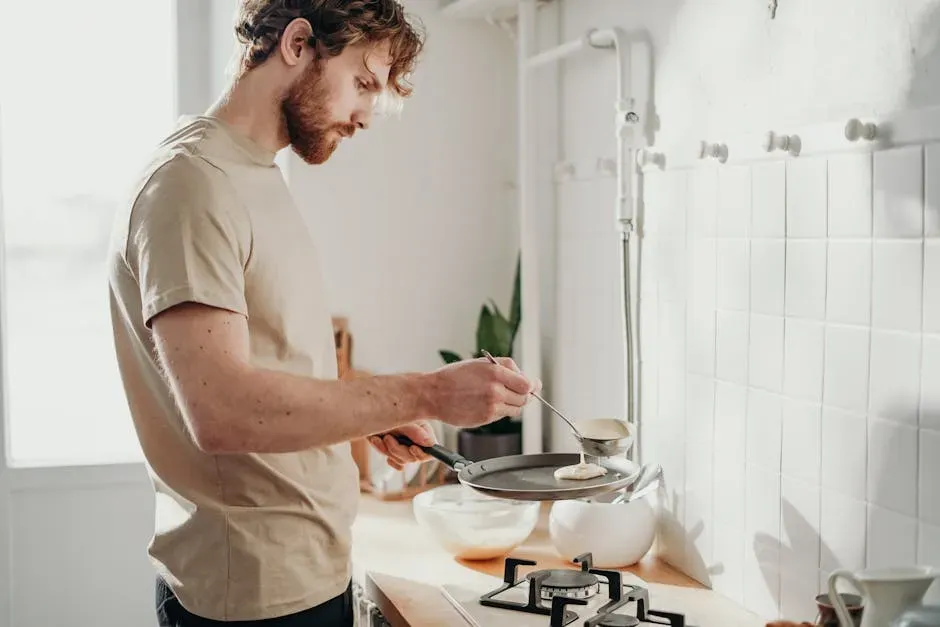
It is no coincidence that the most popular cooking trends in 2024 focused on simple, easy, quick, nutritious, budget-friendly recipes. This is proof that healthy eating does not have to be complicated, expensive, or time-consuming. Unlike purely aesthetic food trends, minimalist cooking isn’t tied to a visual moment or a single ingredient. Its appeal is structural: it saves time, money, and mental energy simultaneously.
Trend forecaster WGSN predicts that Americans will increasingly shop for quality over quantity to reduce waste through 2025 and beyond. When simplicity aligns with financial caution, health awareness, sustainability, and genuine cooking enjoyment all at once, it stops being a trend and starts being a direction. That’s a different kind of staying power, the kind that doesn’t need a hashtag to survive.