3 Foods That Are More Versatile Than You Think
Most kitchens stock the same core ingredients without giving much thought to just how many jobs they can actually do. A bag of oats, a can of chickpeas, a carton of eggs – these things live quietly in the pantry or fridge, often reduced to a single use. The truth is that each of them can pull off far more than their reputation suggests.
The range here isn’t just about swapping one recipe for another. It’s about the same ingredient transforming into something almost unrecognizable depending on how you approach it. That kind of culinary range is worth paying attention to.
1. Chickpeas: From Hummus to Dessert and Beyond
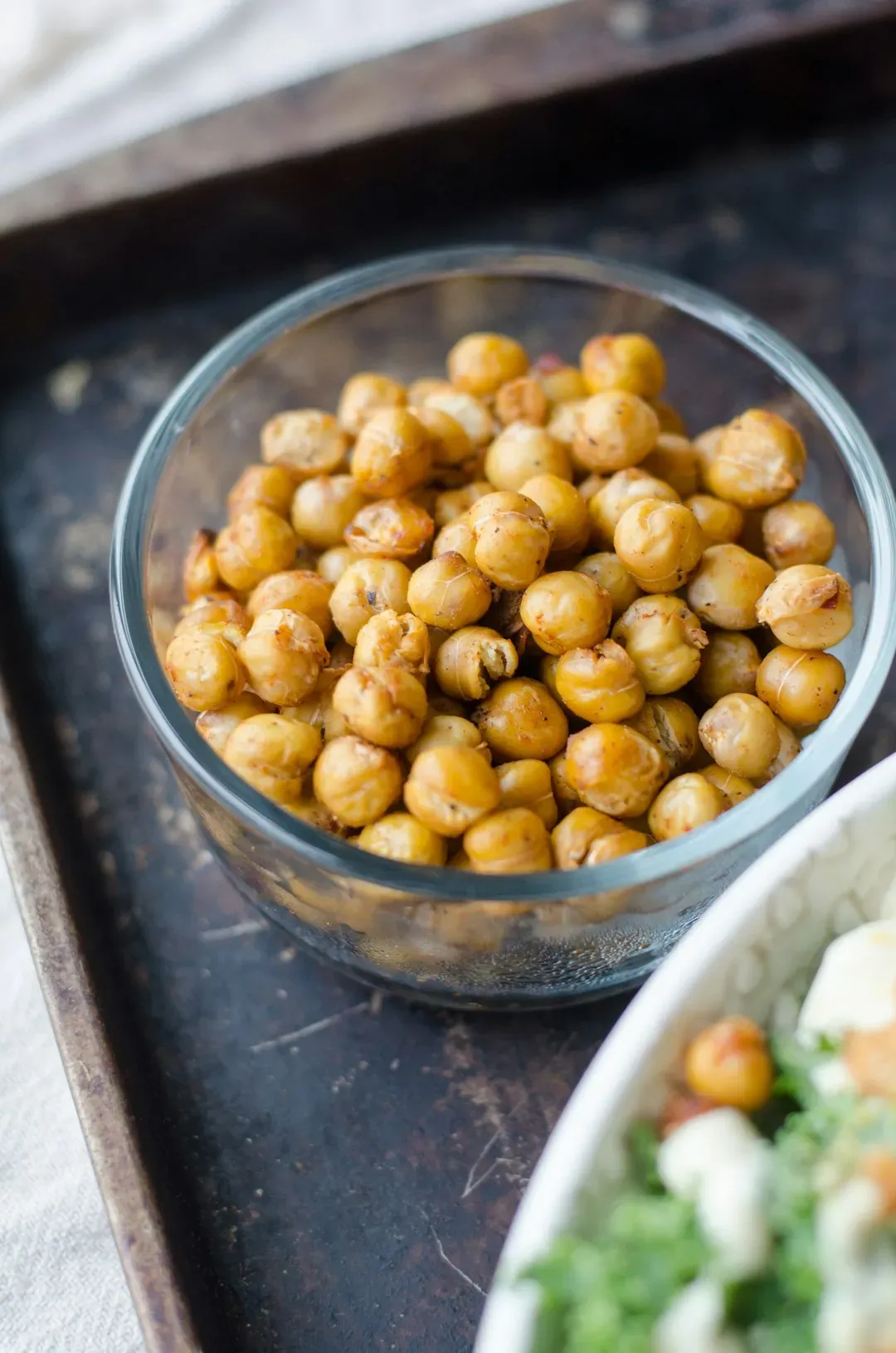
Chickpeas, also known as garbanzo beans, have been grown and eaten in Middle Eastern countries for thousands of years, and their nutty taste and grainy texture pair well with many other foods and ingredients. Most people know them as the base of hummus or a protein boost in salads, but the list keeps going. They can be added to salads, soups, or sandwiches, serve as the main ingredient in hummus, and can also be roasted for a crunchy snack or incorporated into veggie burgers and tacos.
The real surprise comes when you move beyond savory territory. Puréed chickpeas can be mixed into baked goods, adding a rich texture and nutty flavor to brownies, bars, and cookies while giving those desserts a healthy twist. Then there’s the liquid. The liquid from canned chickpeas, called aquafaba, contains a mix of starch and trace amounts of protein with emulsifying, binding, and thickening properties, and it works well as a flavorless egg replacer in recipes. It can also be whipped to replace the eggs in meringues or mayonnaise. Even the bean itself can be ground into flour for pasta and baking, or roasted and used as a caffeine-free coffee alternative. Chickpea flour is slightly more dense than all-purpose flour and absorbs more moisture, but pasta made with chickpea flour tends to be higher in protein and fiber than traditional pasta, with a pleasantly nutty taste.
2. Oats: Way Past the Breakfast Bowl
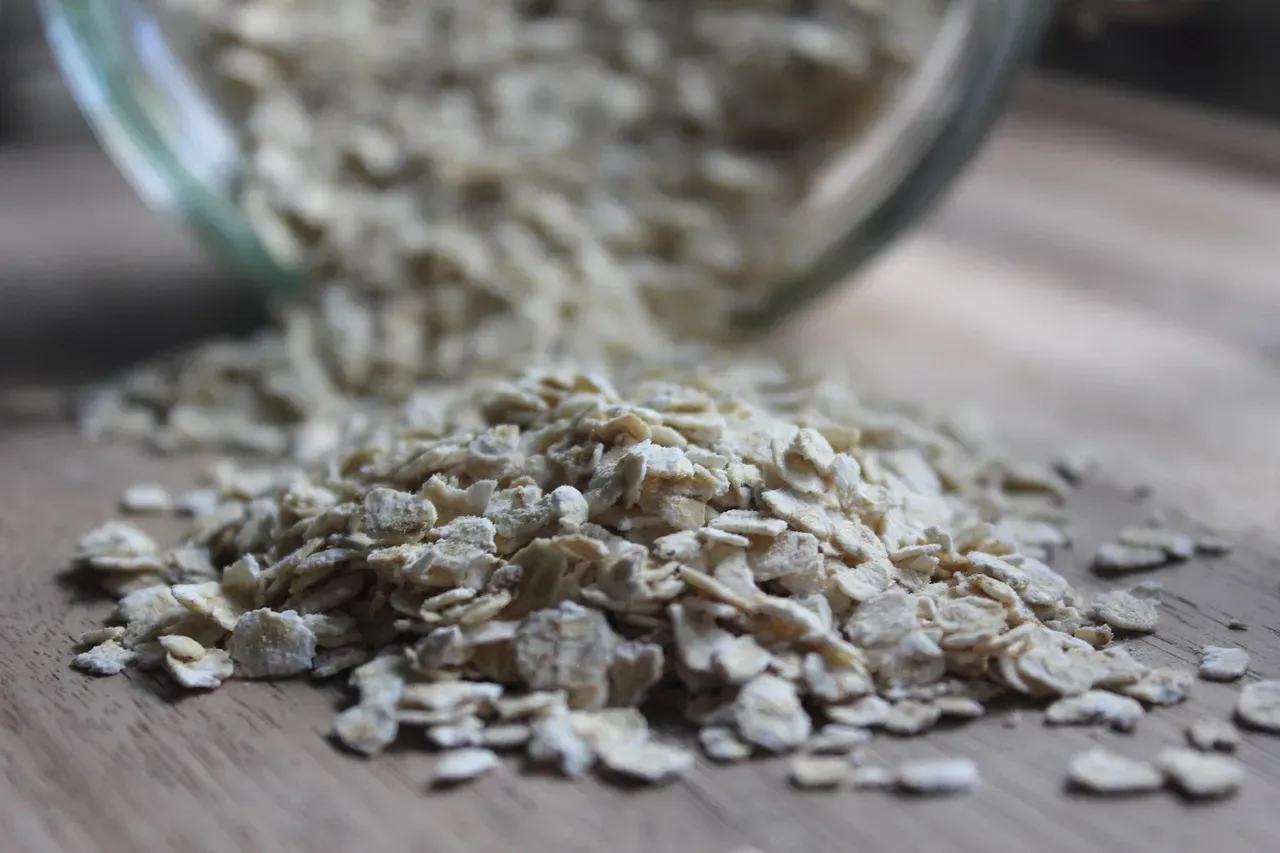
Oats made history when they became the first food with a Food and Drug Administration health claim label in 1997, related to heart health, showing that intake of whole oat products decreased blood cholesterol levels. Oats contain a type of soluble fiber called beta-glucan, which lowers blood glucose and cholesterol levels and reduces the risk of heart disease and diabetes. That’s the well-known story. What gets less attention is how many forms oats can take in the kitchen and beyond.
In addition to oatmeal and porridge, oats can be used as a substitute for flour in baking recipes like breads and muffins, help homemade veggie burgers stick together, and serve as a great addition to granola bars and desserts like crisps. Soaked oats can also go into smoothies, adding fiber, vitamins, and minerals with very little flavor impact. The savory side tends to catch people off guard. Whole oat groats work well in grain bowls and savory porridges, standing in almost anywhere you’d use rice or farro. Oats form a part of popular foods like muesli and granola, can be made into oat flour, oat milk, or even beer, and can also be used topically to soothe skin conditions such as sunburn, psoriasis, poison ivy, and eczema. That last use might be the most surprising of all – a pantry staple with legitimate skin benefits.
3. Eggs: The Kitchen’s Most Underestimated Multi-Tool
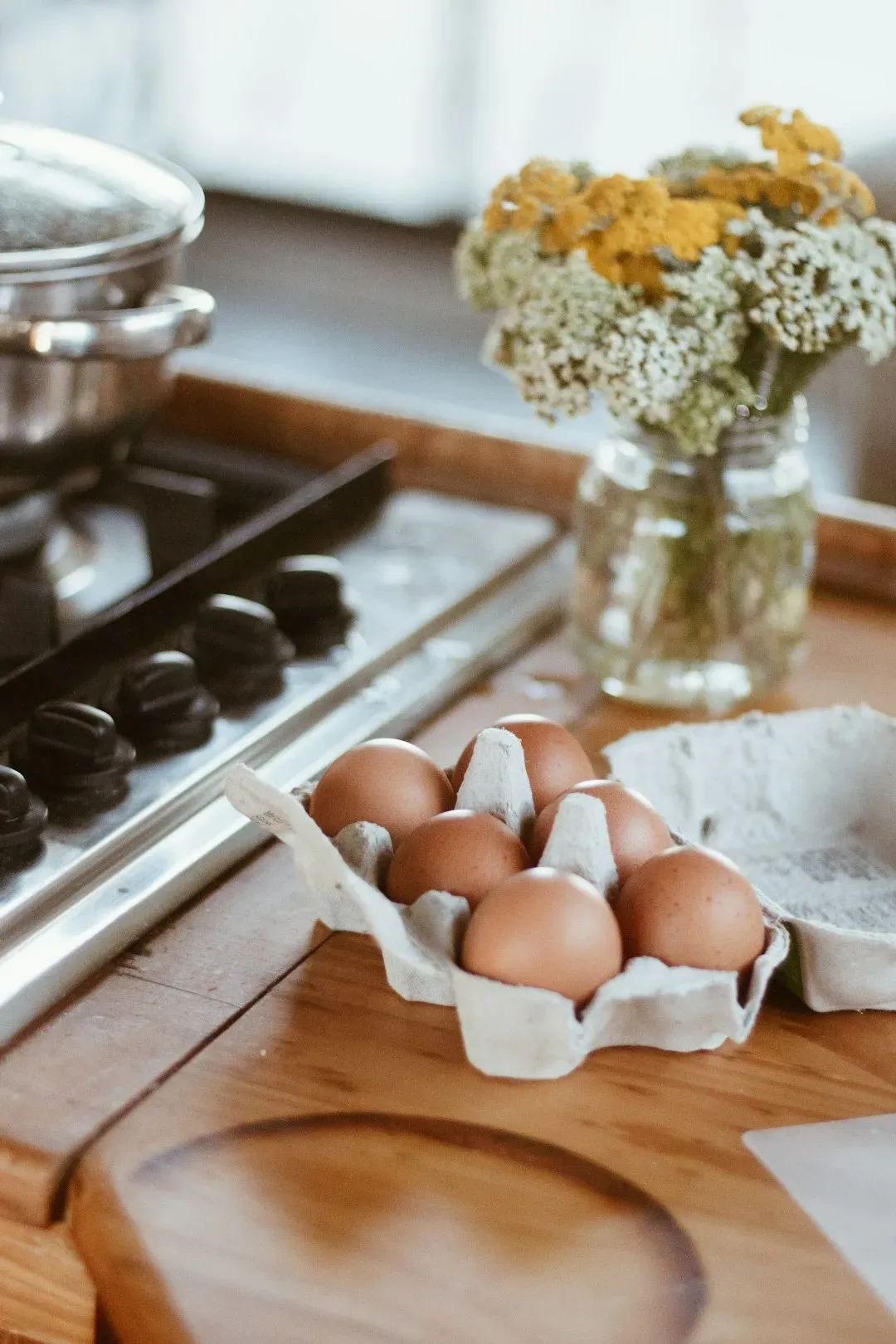
Eggs have many uses in the kitchen: they can thicken, bind, leaven, glaze, or garnish, serve as the center of a dish or blend into the background, and are versatile and quick-cooking – while the protein of the egg is both high in quality and low in cost. Most people think of them as a breakfast food, and they’re not wrong, but that framing barely scratches the surface. Eggs are recognized for containing all of the essential amino acids as well as crucial nutritional components like choline, lutein, zeaxanthin, selenium, and vitamins A and D.
Eggs play a crucial role in determining the texture of various dishes, acting as a binding agent, emulsifier, and leavening agent. In baked goods such as cakes, they help create a tender crumb by providing structure and moisture, and they also contribute to the lift and lightness of baked items, as beaten eggs trap air bubbles that expand during cooking. The yolk specifically is what makes emulsified sauces like hollandaise or mayonnaise possible, since it binds fat and liquid in a way that almost nothing else can replicate. In frozen treats like sherbets and ice creams, eggs act as an interfering agent: once distributed into the cold mixture, egg proteins attach to air molecules, a bond that prevents these frozen desserts from turning into complete blocks of ice. That’s a long way from scrambled eggs on toast – and a good reminder that the most familiar ingredients sometimes have the most to teach.
The three foods above share something useful: none of them require much investment or effort to start using differently. A can of chickpeas already has aquafaba you were probably pouring down the drain. A bag of oats can go into smoothies or skin routines without any extra shopping. And a carton of eggs has been quietly keeping your cakes light, your sauces silky, and your ice cream soft all along. Sometimes the most versatile tools are already in the kitchen.