How Food Culture Is Quietly Shifting Across the U.S.
Something has changed at the American table, and it didn’t happen all at once. Over the past few years, the way people choose, prepare, and think about food has been shifting in ways that don’t always make headlines but are visible in grocery aisles, restaurant menus, and beverage coolers from coast to coast. It’s less about a single trend and more about a slow reorientation of values – toward health, authenticity, and a growing awareness of where food actually comes from.
Price pressure, generational differences, wellness culture, and social media have all played a part. The result is a food landscape that looks noticeably different from even five years ago. Some changes feel like corrections; others feel genuinely new. Taken together, they paint a picture of a country rethinking what and how it eats.
The Cost of Eating Has Reshaped the Conversation
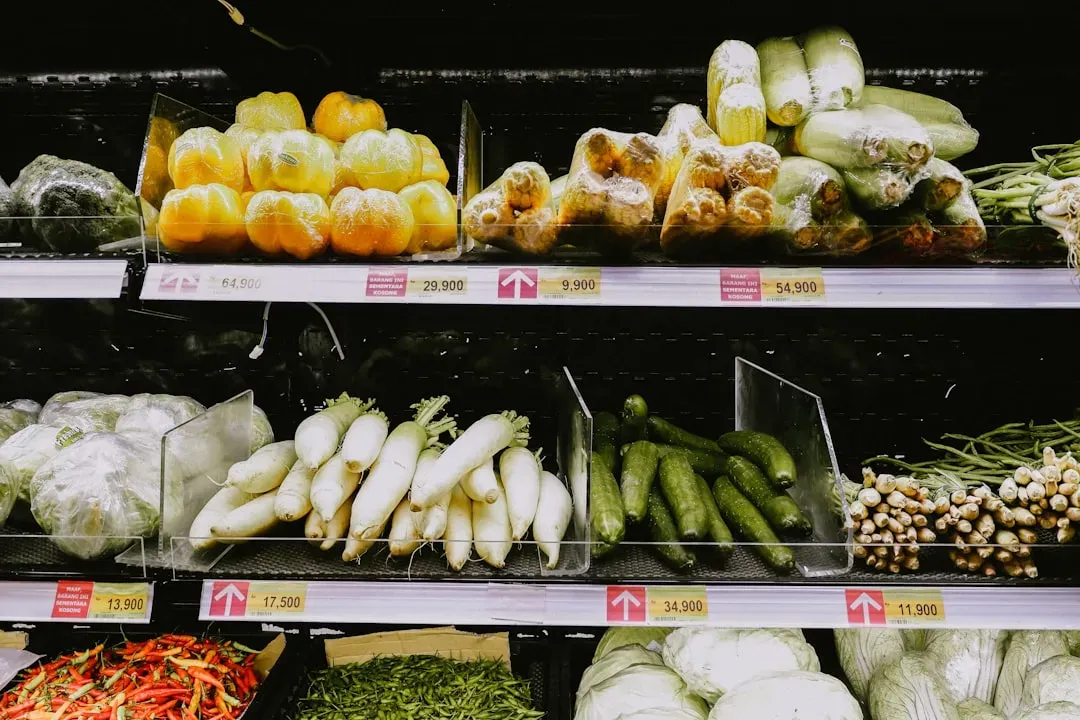
Food prices rose by roughly two and a half percent in 2024 and nearly three percent in 2025, though the pace of increases slowed compared to the sharp spikes seen during the earlier part of the decade. Food-at-home prices actually came in below their historical average growth rate in 2024. Despite some relief at the grocery store, eating out remained persistently more expensive. Restaurant and foodservice prices rose faster than their historical average in both 2024 and 2025, and in 2026 overall food prices are projected to rise by nearly four percent.
As food prices have crept up, eating healthy has gotten tougher for many Americans, and nearly seven in ten say price hikes have made it more difficult for them to eat the way they want to. Lower-income households feel this pressure most acutely – nearly half of lower-income Americans say the increased cost of healthy food makes it significantly harder to eat well, compared to just about one in seven upper-income adults. The gap is real, and it’s reshaping who gets to participate in the broader food culture conversation.
Comfort Food Has Made a Serious Comeback
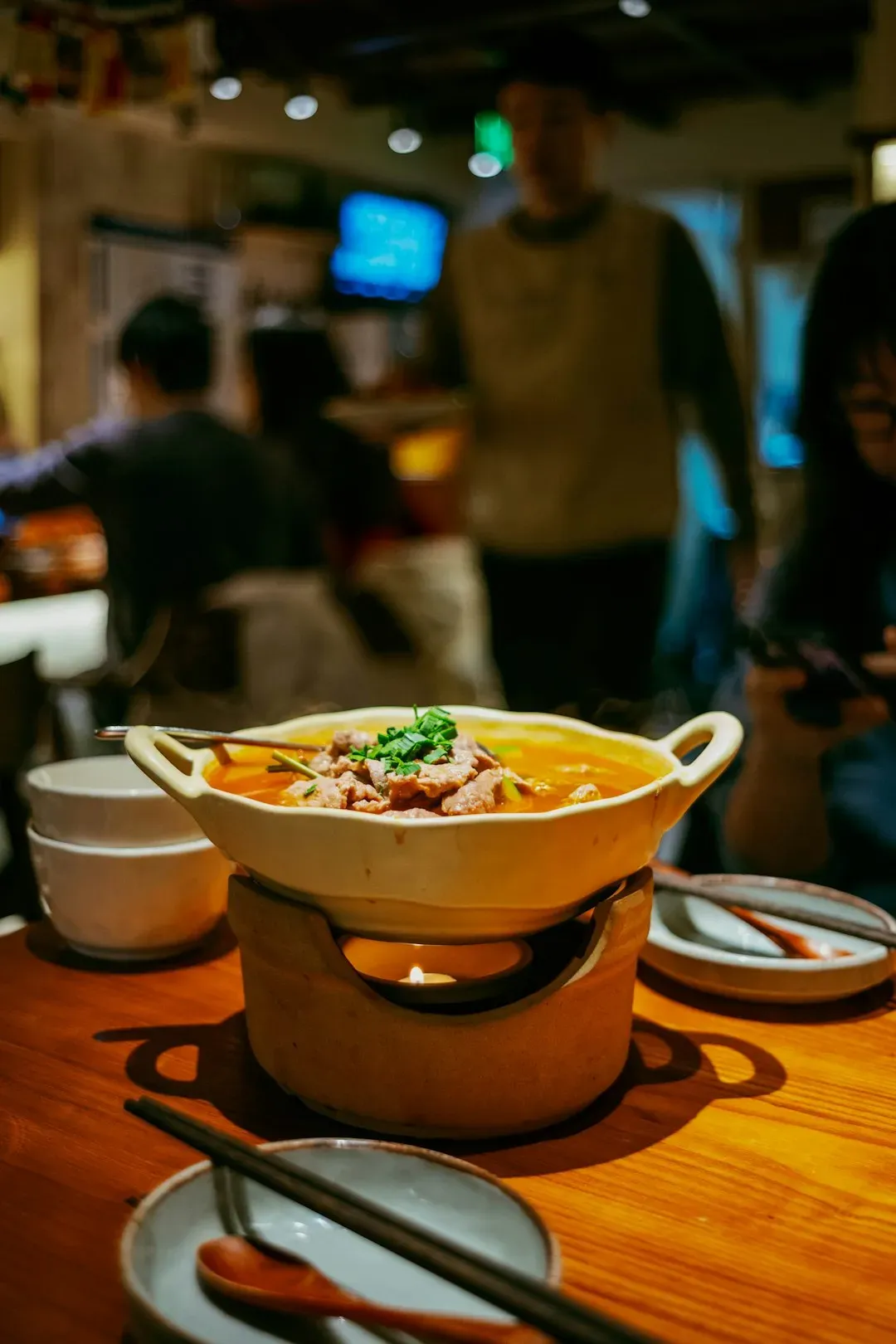
With roughly a quarter of consumers overall saying they don’t have the money to experiment with new foods, brands and restaurants are leaning into the familiar. Comfort food topped the list of in-home meal preferences across generations in a recent FMI survey, cited by more than half of all respondents. This isn’t just nostalgia – it’s a practical response to economic uncertainty. Familiar dishes carry lower emotional risk when wallets are tight.
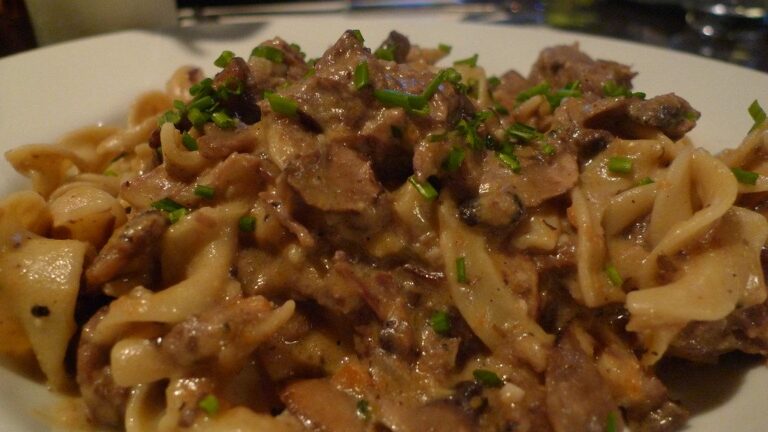
The current moment in dining is shifting toward more traditional concepts – bakeries, classic bistros, and artisanal techniques. Consumers increasingly prefer simple cuisine in a friendly atmosphere, with grandma’s recipes and home-cooked meal aesthetics making a visible comeback. Diners are also craving indulgence at home, and 2026 has become about combining nostalgic ingredients with creative, elevated touches. People want a sense of extravagance from the comfort of their own kitchens without breaking the bank.
Protein Has Become the Defining Nutrient of the Era
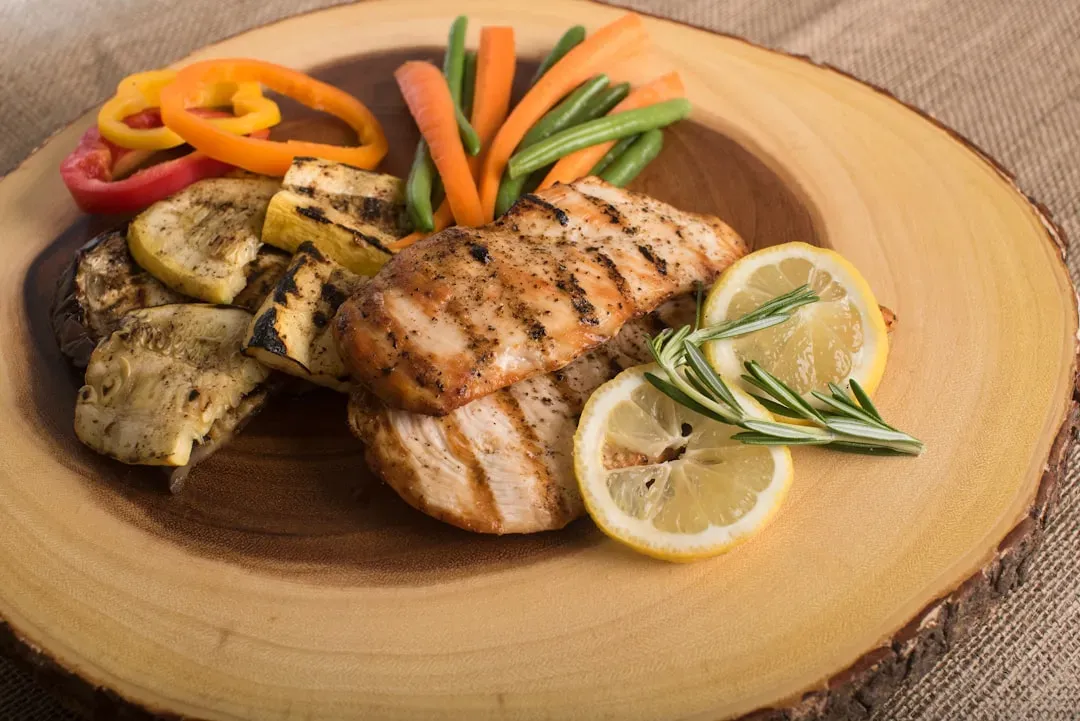
Nutrition guidance has shifted noticeably, with new recommendations emphasizing protein at every meal and raising suggested protein intake from around 0.8 grams per kilogram of body weight to somewhere between 1.2 and 1.6 grams per kilogram. That shift has moved protein from the domain of gym culture into everyday grocery shopping and restaurant menus. A Grubhub survey reported a major consumer shift toward home delivery of protein-centric convenience foods, and snacks were the fastest-growing restaurant daypart last year according to the National Restaurant Association.
Chips are getting an upgrade with functional ingredients like protein, shifting their status from junk food to something more purposeful. At Expo West 2026, brands like Hippeas showcased chickpea-based tortilla chips with seven grams of protein per serving. Some health-conscious consumers who previously avoided dairy altogether have returned to it, with products like yogurt, cottage cheese, and kefir surging in popularity. Dairy offers both protein and fat, increasing satiety and helping people cut down on mindless snacking.
Fermented Foods Have Crossed Into the Mainstream
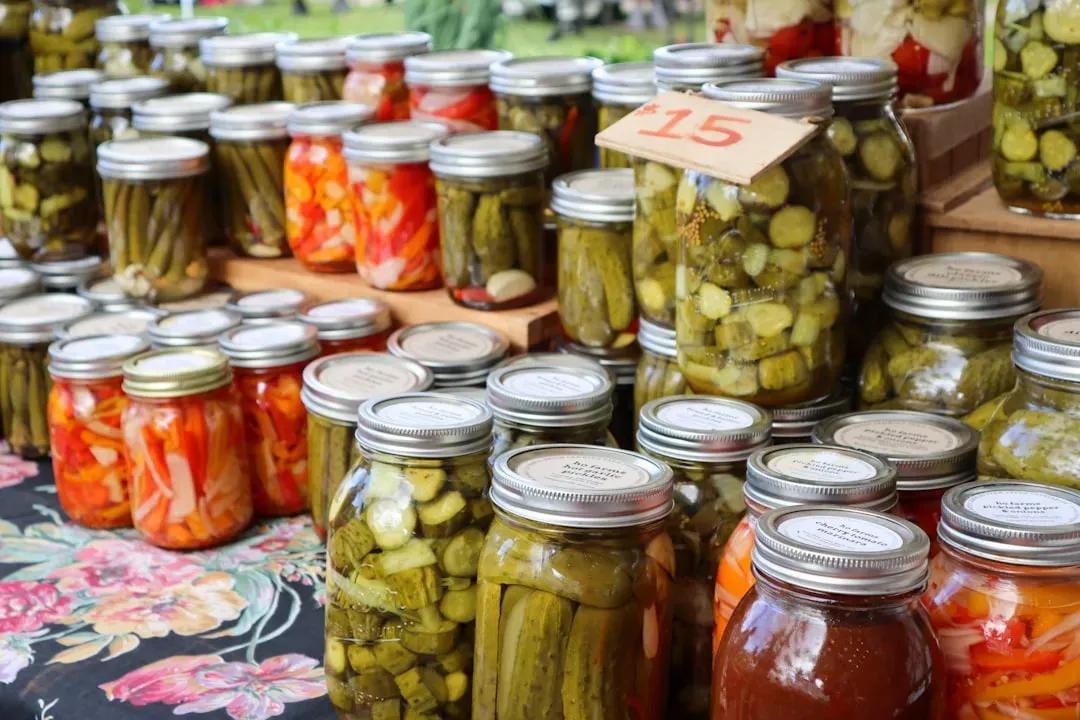
Consumer marketing firm Spins predicts that fermented foods are becoming everyday staples rather than side-dish afterthoughts. Sauerkraut sales reached nearly ninety-seven million dollars in 2025, up five percent from the prior year, while kimchi sales climbed eight percent to over sixty-seven million dollars. These are no longer niche health store items – they’re in regular grocery carts. Amazon’s grocery unit reported roughly twelve percent year-over-year growth in cabbage sales in 2025, with fermented cabbage products like sauerkraut and kimchi growing twenty-five percent. Cabbage’s central role in gut-health-oriented foods ties directly to the surge in consumer interest in digestive health.
Just as protein-fortified products dominated 2025, diners in 2026 are increasingly seeking out fiber-rich pastas, bars, cereals, and other products. With gut and digestive health receiving sustained attention, the average diner has woken up to the importance of a fiber-rich diet, and naturally high-fiber foods like oats, berries, beans, and leafy greens are trending in both home kitchens and commercial restaurants. Sourdough, which surged during the pandemic, shows no sign of fading, with Yelp’s 2026 Trend Forecast reporting rising search interest in sourdough bread, cinnamon rolls, and sourdough classes alike.
The Sober Curious Movement Is Genuinely Changing What Americans Drink
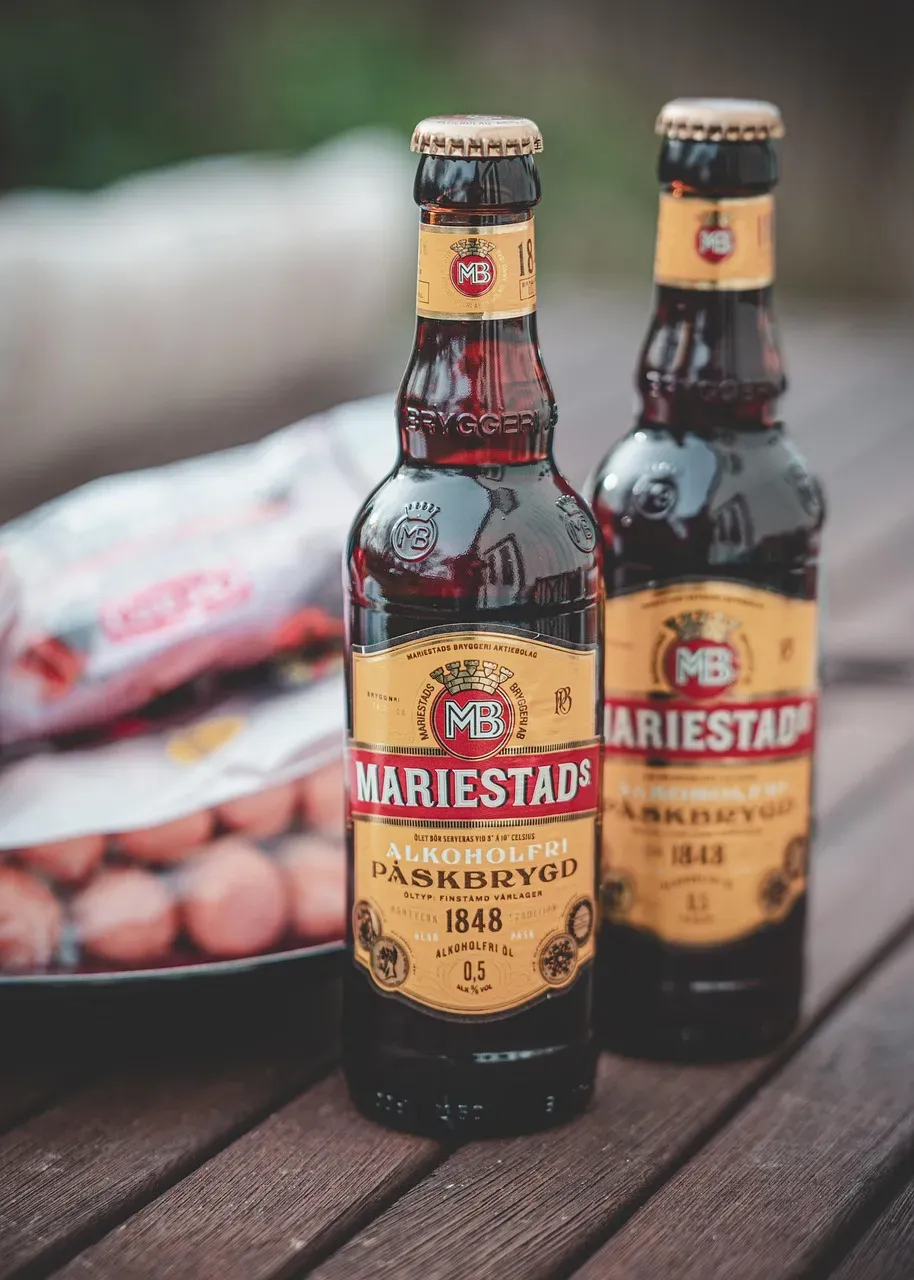
A Circana survey found that nearly one in two Americans were trying to drink less alcohol in 2025 – a forty-four percent increase from 2023. That’s not a rounding error. Generation Z is leading the charge, with roughly two in three Gen Zers planning to drink less in 2025, and more than a third planning to adopt a fully dry lifestyle not just in January but for the entire year.
Non-alcoholic beer purchases increased twenty-two percent from late 2023 through late 2024 compared to the same period a year prior, while non-alcoholic wine registered forty-one percent year-over-year dollar sales growth in 2024. The new wave of low-ABV and alcohol-free drinks reflects shifting habits among younger generations who are driving demand for sessionable beverages that balance flavor with moderation. Bars now feature low-proof cocktails, adaptogen-based drinks, and dealcoholized wines on their craft menus.
Global Flavors Are Reshaping What Counts as “American” Food

Chewy textures, long celebrated in Asian cuisines, are gaining serious traction in the U.S., particularly among Gen Z. Foods like mochi, tapioca pearls, and gummies are prized for their stretchy, bouncy qualities, with a Collage Group survey finding that roughly three in five Gen Z consumers say they love chewy foods. The rise of bubble tea and Asian desserts has fueled this trend, sitting at the intersection of cultural crossover and social media appeal.
Sweet-savory flavor combinations are resurgent in unexpected ways in 2026, building on the sweet-heat wave that dominated 2025. Combinations like miso caramel, tahini soft serve, and balsamic paired with cheese are appearing on menus with growing regularity. Rising flavor profiles in snack foods include black garlic, black sesame, and fermented fruits like dried plum with chili. The growing popularity of regional Asian dishes has helped prime American palates for these bolder, more complex combinations.
Local Sourcing Has Moved From Trend to Standard
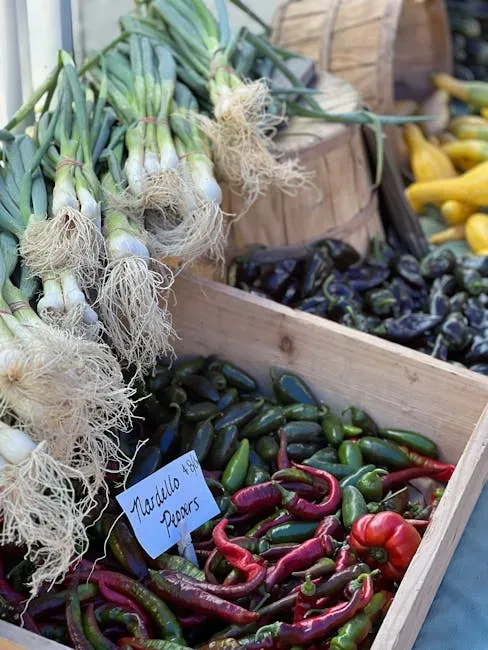
The National Restaurant Association named local sourcing as the top trend in its 2026 Culinary Forecast, noting that using locally grown ingredients can dramatically cut down on emissions and that diners genuinely value the opportunity to support local farms, butchers, and vendors. The appeal is both environmental and personal – knowing where food comes from has become a selling point. In 2025, small farms supplied roughly thirty-five percent of all ingredients to U.S. restaurants, up from about twelve percent in 2020. That change represents more than a shift in supply chains; it reflects a different relationship between how Americans cook and where their ingredients originate.
According to Toast, nearly three in four restaurant-goers aged twenty to twenty-nine actively seek out restaurants that prioritize health-conscious choices. More than a third of guests find it very important for restaurants to offer healthy options, with another four in ten finding it somewhat important. Shortening the food supply chain not only helps food retain more nutritional value, but also reduces the carbon footprint associated with long-distance transportation – a factor that became a primary driver of consumer choices in 2024 and beyond.
Solo Dining Is Becoming Its Own Category

Toast reported a twenty-two percent increase in single dining reservations between the third quarter of 2024 and the third quarter of 2025. What was once seen as a social awkwardness has gradually been reclaimed as a legitimate and even appealing way to eat out. The stigma around dining alone has softened considerably, particularly in urban areas where solo table settings and counter seating have become deliberate design choices at many restaurants.
Demographic and social shifts are significantly impacting trends in the U.S. food market. Single-person households now represent one of the fastest-growing household types in America, and food culture is catching up. In a broader sign that the in-restaurant experience is reasserting itself, fifty-five percent of diners in 2024 preferred eating at restaurants over ordering takeout or delivery, up sharply from forty-three percent in 2023, with atmosphere and socializing remaining the top draws.
Functional Ingredients Have Moved Beyond the Health Food Store
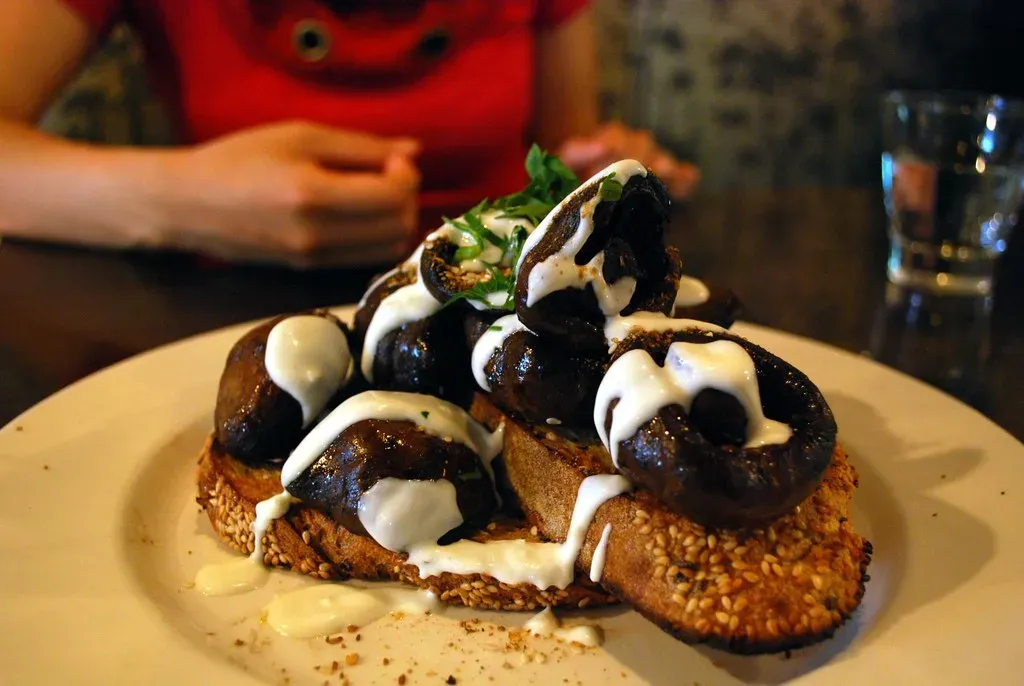
The market for mushroom-based ingredients is forecast to surpass thirty-seven billion dollars in 2026. Mushroom-infused coffees, teas, protein shakes, and bars have become popular for their associations with gut health, energy, and cognitive functioning, while whole mushrooms continue to trend as a meat substitute thanks to their texture and umami flavor. These aren’t fringe products anymore – they’ve found shelf space at mainstream grocery chains.
Functional sodas have reached sixty-six percent awareness and fifty-eight percent consumer interest, offering probiotics, vitamins, or adaptogens. Natural wine shows strong interest among those seeking organic, low-intervention options, while low-carb and low-sugar cocktails have attracted growing awareness and appeal. The Dietary Guidelines for Americans for 2025 through 2030 promote a shift toward more real, whole foods, and the movement to eliminate processed ingredients and added sugar is now integrated into those official guidelines.
The Awareness Gap Between Intention and Actual Eating Persists

Only about two in ten Americans describe their own diets as extremely or very healthy, while the majority say their diets are somewhat healthy. One in five admit their diets are not particularly healthy at all. The gap between what people want to eat and what they actually eat remains one of the most persistent realities of American food culture. Research suggests that more than half of what Americans eat on average is ultra-processed, even as the desire for cleaner options has never been more vocal.
U.S. consumers are anxious about the world around them, and that anxiety is shaping food decisions in measurable ways. More than half of U.S. consumers describe themselves as anxious about current events and uncertainty. Frustrated by instability, consumers want culinary excitement, improved health, restaurant-quality food, and convenience – all for a fair price. In that climate, experimentation has moderated. The result is a food culture that is genuinely evolving, but doing so carefully, one incremental choice at a time.