Why Traditional Recipes Are Making a Modern Return
Something quiet but unmistakable has been happening in kitchens everywhere. People are pulling out handwritten recipe cards, calling grandparents for step-by-step guidance, and spending Saturday mornings with their hands in bread dough. It isn’t a passing phase. It’s a real cultural shift, one that reflects how we’re rethinking our relationship with food, comfort, cost, and community.
The movement toward traditional cooking isn’t about rejecting modernity. It’s more nuanced than that. This revival mirrors broader societal trends, including the farm-to-table movement and the renewed appreciation for handmade goods. What’s drawing millions of people back to their grandmothers’ kitchens, real or imagined, turns out to be a surprisingly rich mix of economics, nostalgia, health awareness, and a hunger for connection that ultra-processed convenience food simply can’t satisfy.
Nostalgia as a Real Culinary Force
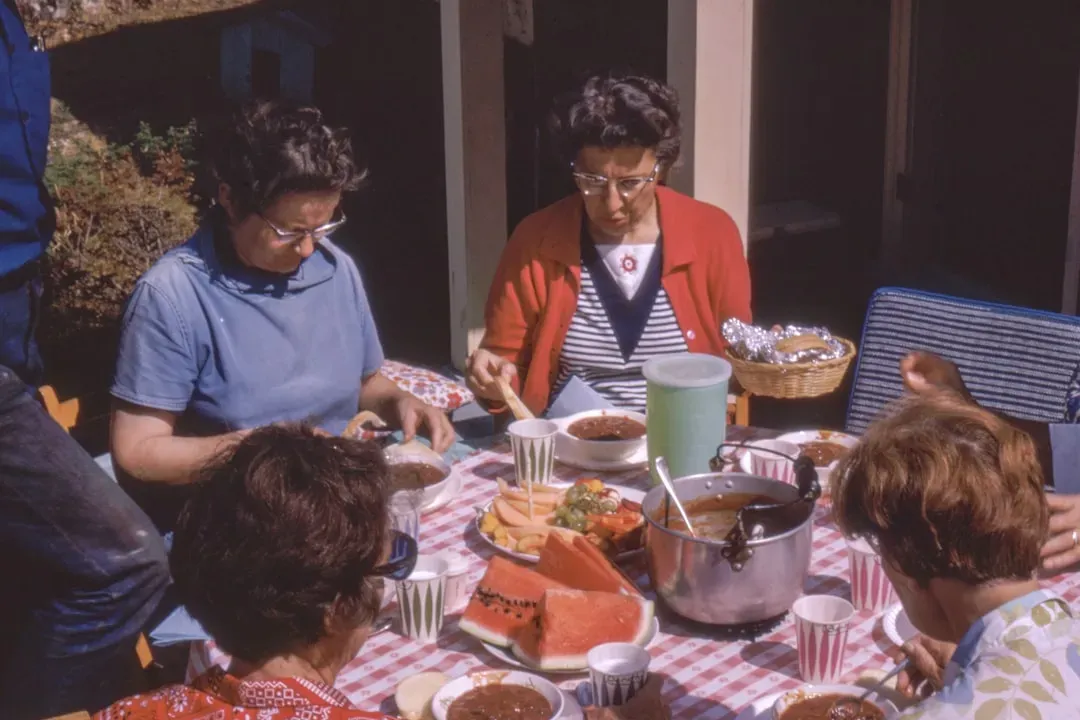
In recent years, nostalgia-based trends have been emerging across everything from home decor to the family meal plan, with many people turning to the familiar dishes of their childhoods in response to rising economic pressures and cultural shifts. This isn’t just sentimentality driving people back to simpler meals. It’s a documented social pattern with visible effects on what ends up on dinner tables.
Rooted in the traditions of the 1950s through the 1990s, these recipes offer more than a meal. They evoke memories of family gatherings, grandmothers’ favorite recipes, and simpler, more grounded times. That emotional weight is real, and it shapes purchasing and cooking decisions in ways that food marketers have only recently started to fully appreciate.
The Pandemic Reset and What It Changed
The pandemic fundamentally reshaped how many Americans approach cooking. Traditional recipes offered a means of finding comfort and stability during periods of uncertainty, and preparing hands-on dishes like layered salads, artisan breads, fermented foods, and quiches became a form of therapy for millions stuck at home. That experience left a lasting impression that extended well beyond lockdowns.
In the wake of the pandemic, many people rediscovered home cooking as a mindful ritual that fosters connection, creativity, and well-being. Now, several years later, mealtime continues to evolve as Americans adapt to shifting lifestyles, wellness trends, new technologies, and ongoing economic pressures. The instinct formed during those years, the habit of making something real from scratch, has proven surprisingly sticky.
Economics Are Pushing People Back to the Stove
Rising food costs make resourceful traditional meals particularly appealing. Designed to maximize flavor while minimizing expense, dishes like casseroles and pasta bakes cater to families seeking cost-effective ways to eat well. That practical calculus is hard to argue with when grocery bills climb and restaurant meals become a calculated indulgence.
In fact, a large majority of Americans now expect to cook as much as the previous year or more in the next twelve months, meaning more recipes tested, more meals shared, and more hands-on involvement in their food. Among those planning to cook more, both economic pressure and personal health are cited as key motivating factors. The kitchen, once a place of obligation, is becoming a deliberate choice.
Sourdough, Fermentation, and the Science of Ancient Techniques
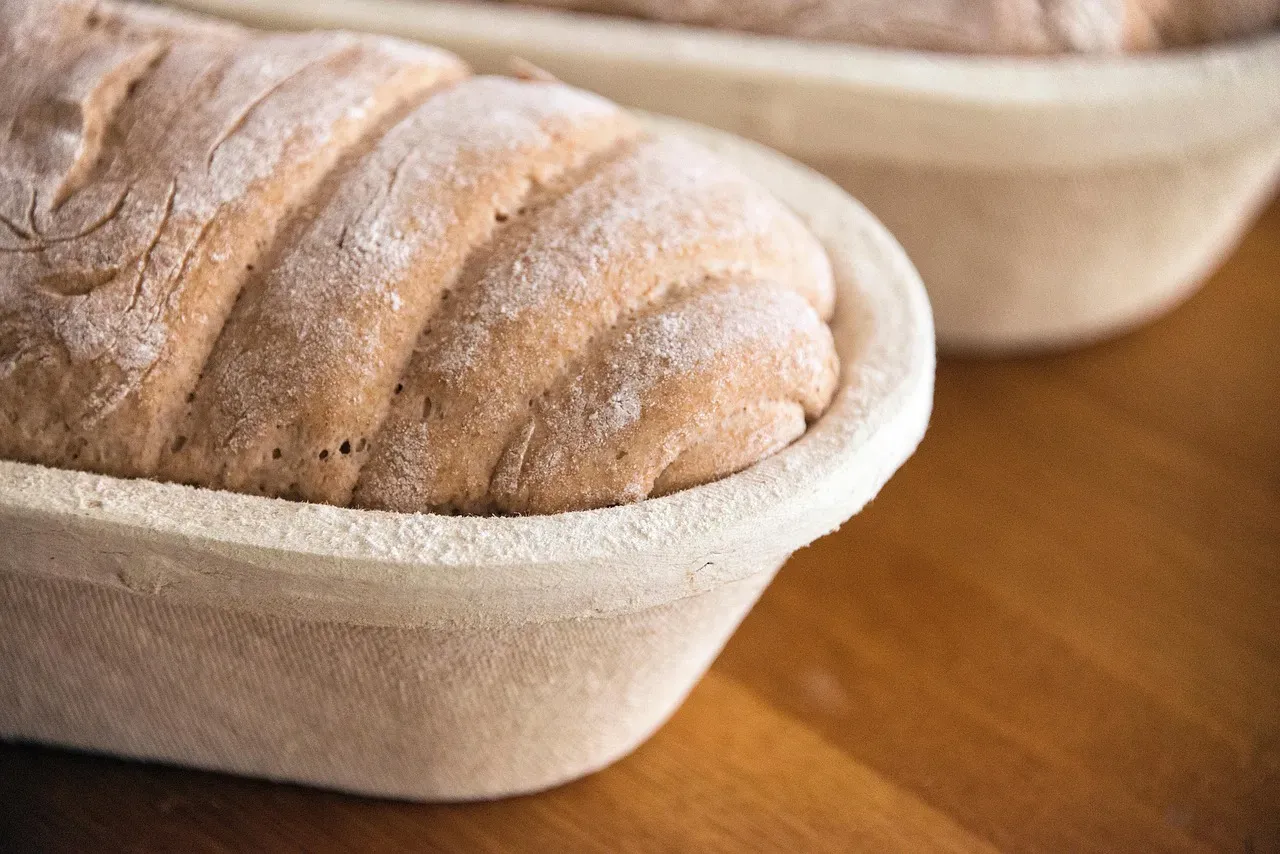
In recent times, sourdough bread has experienced a notable resurgence, fueled by growing consumer demand for healthier bread options, and the market dynamics for sourdough illustrate its rapid expansion and significant role in the contemporary food industry. The sourdough market was estimated to reach a valuation of around 2.45 billion USD in 2024, with projections to expand to 3.30 billion by 2029.
Sourdough fermentation is one of the oldest traditional methods in food technology, occurring through the fermentation of flour prepared from grains, and it has recently become an important application for improving the nutritional characteristics of bread. Tolerability, nutritional composition, potential health effects, and consumer acceptance of sourdough bread are often considered superior compared to yeast-leavened bread, though researchers note that clinical evidence on some specific health claims is still developing and not yet fully conclusive.
Social Media Is Actually Amplifying the Old, Not Just the New

It might seem counterintuitive that the same platforms driving fifteen-second attention spans are also fueling a return to slow-cooked stews and grandmother’s preserves. Social media platforms like TikTok and Instagram have played a pivotal role in amplifying the appeal of retro recipes, with viral hashtags like #RetroCooking and #GrandmasRecipes introducing these dishes to younger generations and driving them to become new culinary trends.
These recipes are showing up on social media channels with updated ingredients and presentations, reflecting a return to the comfort foods of several decades past. In 2025, TikTok continued to dominate food discovery, with a large majority of users reporting they discovered new food preferences through the app. The platform doesn’t only generate novelty. It’s proving to be a surprisingly effective channel for cultural culinary memory.
Heritage Recipes as Cultural Anchors
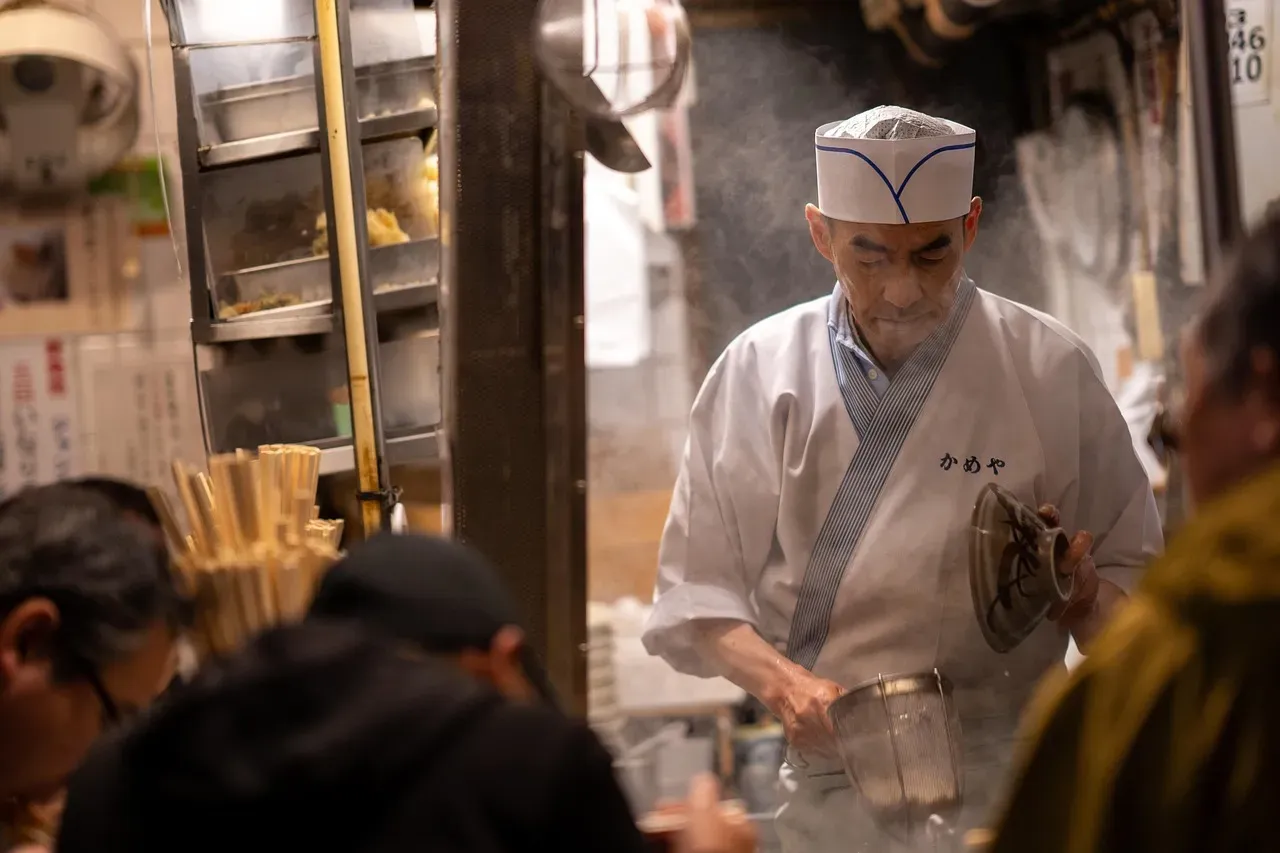
Traditional recipes are more than favorite desserts or comfort foods. They serve as conduits for cultural and familial traditions, and preparing a dish passed down through generations offers a tangible connection to each cook’s heritage, anchoring individuals in their family’s history. That anchoring function matters more in a period of rapid social change than it might during steadier times.
Few cuisines are as diverse and deeply rooted in tradition as those of Southeast Asia. As chefs across the continent return to their home countries after stints abroad, many fine-dining establishments are reshaping the culinary landscape, marrying centuries-old recipes and local ingredients with innovative techniques and a global outlook. This pattern of returning to roots while embracing modern skill is playing out in professional kitchens and family homes alike, across many cultures.
Sustainability and the Waste-Reducing Wisdom of Old Recipes

Sustainability drives much of the interest in vintage recipes. Many recipes from the late twentieth century were resourceful, relying on leftovers and minimizing waste, and these qualities align with modern, eco-conscious values. Whether it’s a casserole made from pantry staples or a pasta dish that reimagines yesterday’s dinner, these recipes reflect the sustainable approach to cooking growing throughout the 2020s.
Home food preparation can be an affordable method for improving diet quality and reducing intake of ultraprocessed foods, two important drivers of diet-related chronic diseases. Old recipes, especially those built around whole grains, legumes, and seasonal vegetables, were inherently lower-waste and more nutritionally grounded than much of what fills supermarket shelves today. Their revival has environmental as well as personal health implications.
Adapting Tradition for Modern Dietary Needs
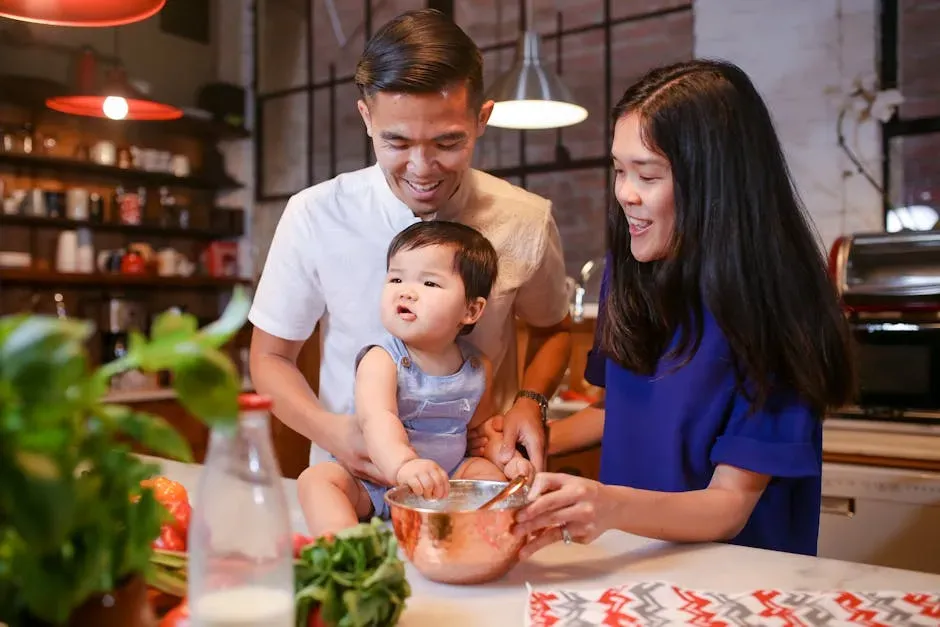
Family favorites are being adapted to meet dietary needs and preferences, making them more inclusive for everyone. This includes gluten-free versions of classic comfort foods or plant-based adaptations that still capture the essence of the original dish. Family favorites will continue to evolve, reminding us that while recipes may change, the love and togetherness they inspire remains timeless.
Home cooks are turning family favorites from previous generations into modern meals that suit current dietary requirements and preferences, looking for ways to substitute dairy-free or gluten-free ingredients where needed, and choosing fresh or organic produce instead of canned options. The goal isn’t to recreate the past exactly. It’s to preserve what mattered about it while making space for who we are now.
The Proven Staying Power of Comfort Food
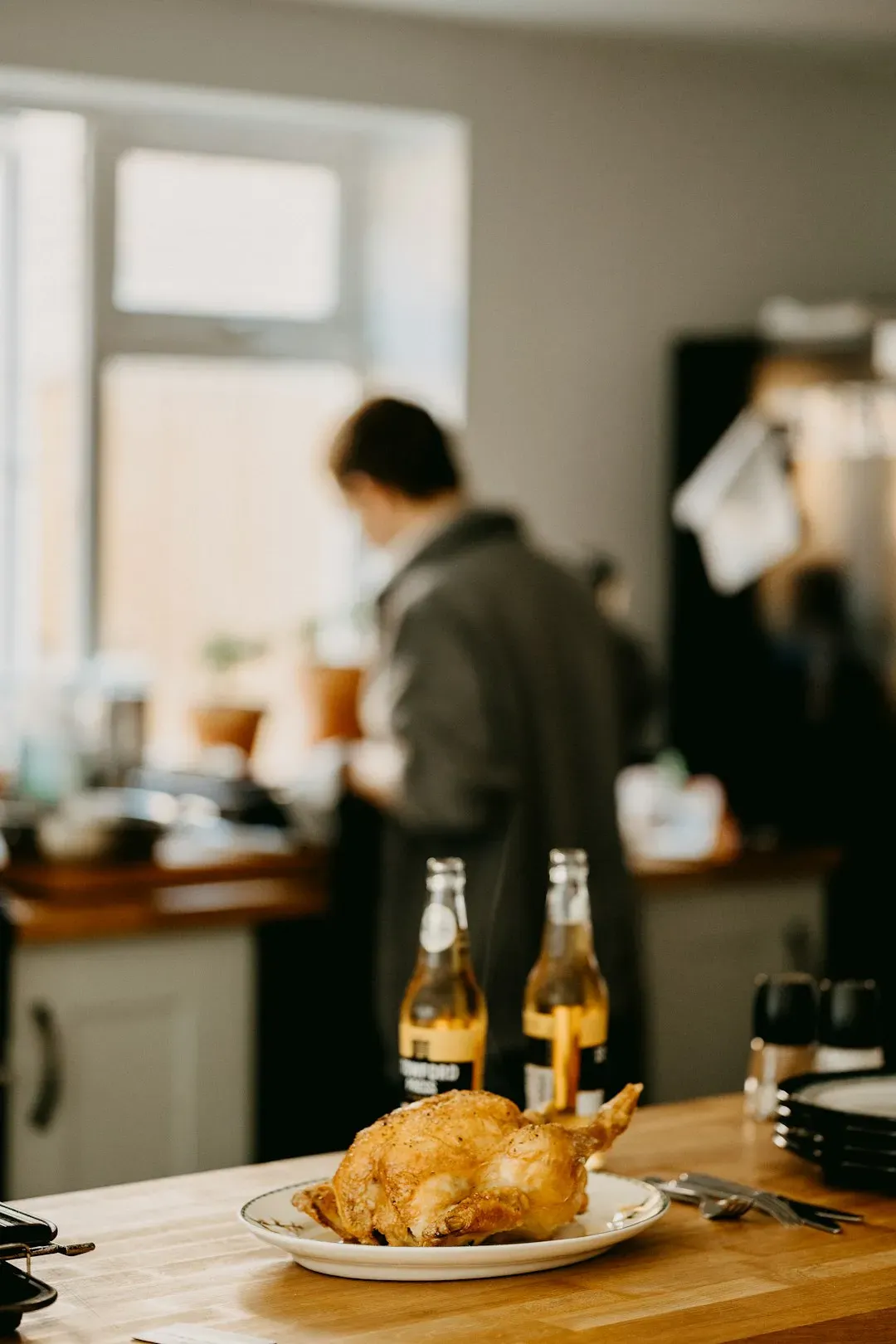
Nostalgia is a powerful force in cooking, and the retro revival takes classic dishes and gives them a modern twist. From reinvented pot roasts to classic burgers topped with gourmet condiments, these updated versions of beloved meals evoke warmth and fond memories while appealing to contemporary tastes, with chefs rediscovering old recipes and adding creativity that makes them feel fresh and exciting.
Among Americans who plan to cook more in the year ahead, both economic conditions and personal health rank as major motivating factors, and a substantial share of adults report feeling some guilt when opting for restaurant delivery instead of cooking at home. That combination of financial awareness, health consciousness, and a desire for genuine connection is exactly what traditional recipes have always offered, long before anyone needed a reason to seek them out.
What This Means for the Future of Food Culture
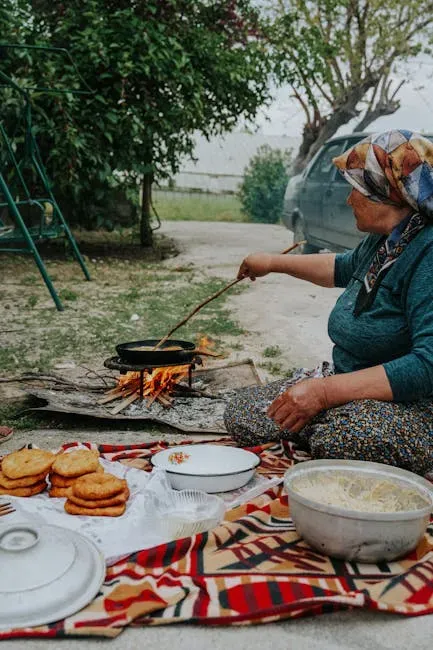
This trend will not only rekindle cherished memories but will also encourage conversations around food history and heritage. There’s something genuinely valuable in that. When a younger person learns to make their family’s signature dish, they’re not just gaining a cooking skill. They’re inheriting a language, a set of decisions made across generations about what matters at the table.
The global sourdough market alone is projected to grow from around eight billion dollars in 2025 to over twelve billion by 2035, driven by shifting consumer tastes and the rise of functional foods that promote gut health and sustainability. The numbers confirm what home cooks seem to already understand intuitively. Traditional methods carry forward not just flavor, but a kind of wisdom about how to nourish people well. That wisdom turns out to be remarkably hard to replicate with a shortcut.