What Makes Certain Cities Feel Instantly Welcoming
There’s something almost wordless about it. You step off a train or walk out of an airport and within a few blocks, a city either opens up to you or it doesn’t. Some places feel indifferent, even cold, no matter how clean or prosperous they are. Others draw you in immediately, and it’s hard to explain why at first.
The answer turns out to be less about architecture alone and more about a layered combination of design choices, social norms, street-level details, and access to everyday comfort. Researchers across urban planning, public health, and environmental psychology have been piecing this together for years, and what they’ve found is both surprising and oddly intuitive.
The First Thing You Notice: Street-Level Design
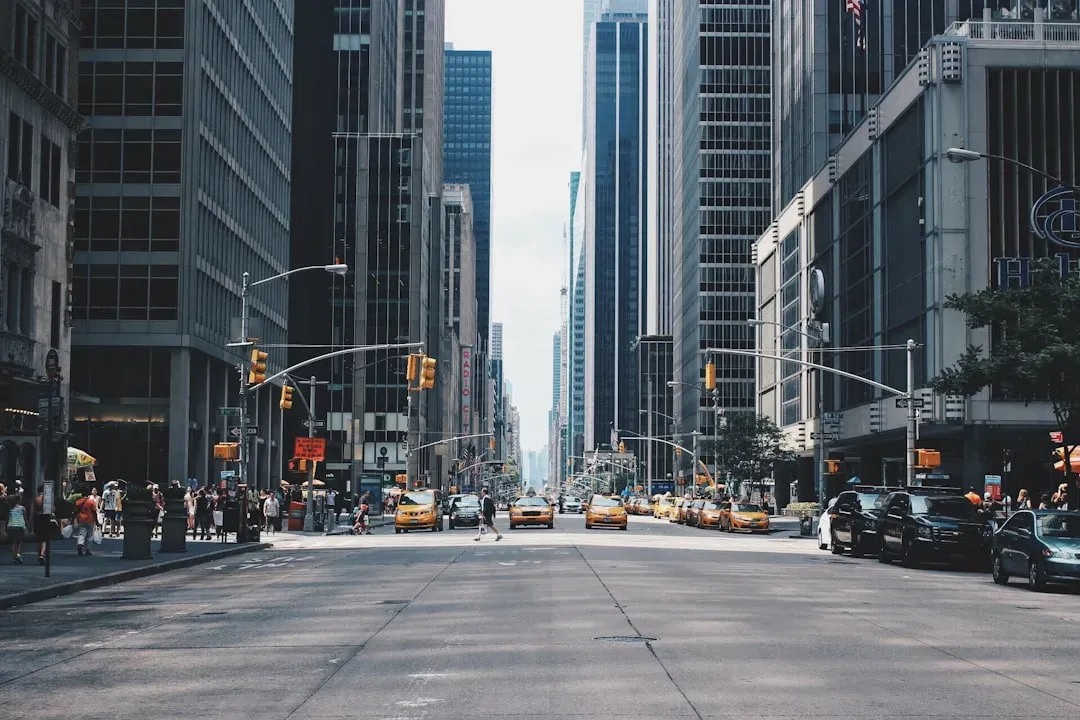
The experience of a city begins at eye level. A well-established framework in urban design identifies five key qualities that influence how welcoming a space feels: imageability, enclosure, human scale, transparency, and complexity. These aren’t abstract principles. They show up in whether a street has interesting storefronts or blank walls, whether buildings feel proportioned to a human body, or whether you can see clearly into the space ahead of you.
Research shows that simple interventions can make a big difference in how people perceive their cities. Small things like shade, varied textures, signage that acknowledges different languages, or a stoop with a couple of chairs all contribute to how approachable a street feels. These details tend to disappear from planning budgets first, which is exactly why so many streets end up feeling hostile without anyone consciously designing them that way.
Walkability and What It Actually Means
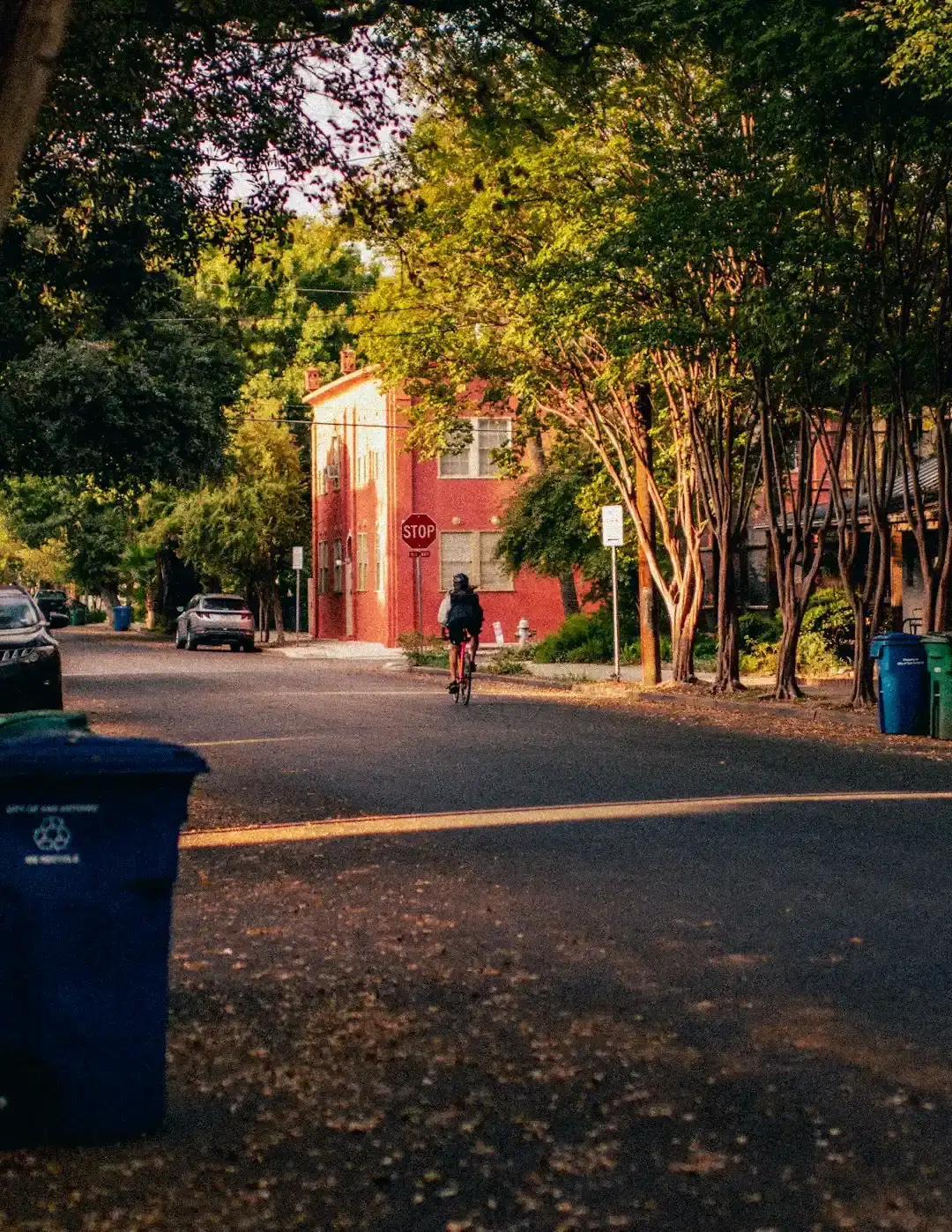
A key factor in encouraging walkability is having mixed land use in the built environment. Multiple uses of the developed urban area ensure the activity of residents and visitors, since walking becomes an accessible, practical tool to move between residential, recreational, entertainment, and retail services, as well as institutions such as schools, offices, community centers, and places of worship. A neighborhood where you can run errands, grab coffee, and meet a friend without ever getting in a car tends to feel genuinely alive in a way that car-dependent suburbs rarely do.
Walkability increases social interaction, the mixing of populations, the average number of friends and associates where people live, reduced crime through more people watching over neighborhoods, increased sense of pride, and increased volunteerism. The connection between a well-designed sidewalk and something as abstract as civic pride is real and measurable. Walkable neighborhoods have been linked to higher levels of happiness, health, trust, and social connections in comparison with more car-oriented places.
Public Seating and the Simple Power of Rest
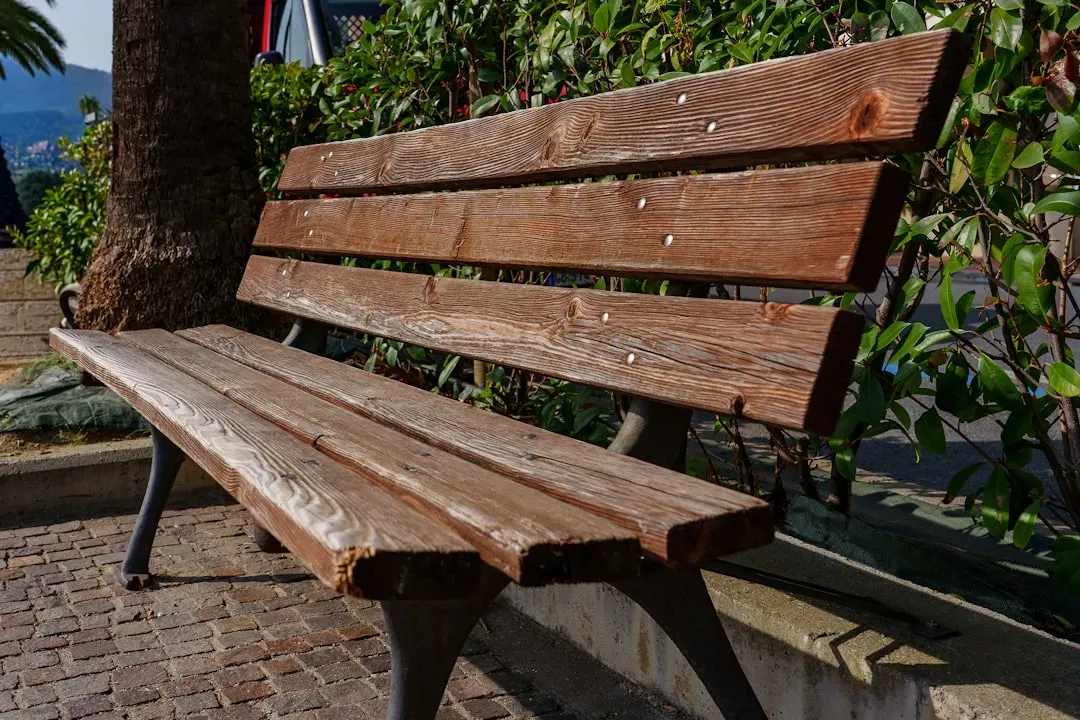
Research has found that more public benches make people feel more satisfied with their cities. Communities that perceive adequate public seating were notably more satisfied with police and trusted government more than those that felt their seating was inadequate. Meanwhile, an adequate number of benches in public spaces was connected to higher civic trust and higher public participation. The logic makes sense: when you can stop and rest, a city stops feeling like a place you move through and starts feeling like a place you belong in.
Seating, plantings, and lighting can be integrated as “front porch” improvements at the entrance to public buildings such as libraries and community centers. These are the kinds of changes that get cut during budget discussions, but they carry a disproportionate social return. A bench outside a library doesn’t just offer a place to sit. It signals that the city expects you to stay awhile.
Green Spaces as Social Infrastructure
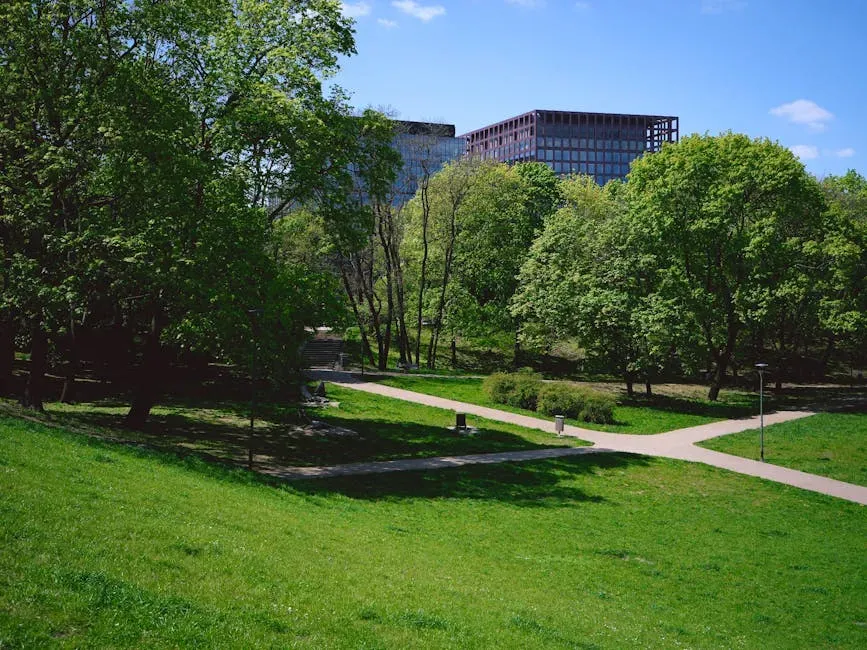
Urban greening plays a vital role in improving social wellbeing. Green spaces provide residents with accessible opportunities for recreation, relaxation, and exercise in nature, leading to improved physical and mental health. Access to these areas has been shown to reduce stress, anxiety, and depression while encouraging physical activity and social interaction. A city that invests in trees and parks is investing in something more than aesthetics. It’s building places where strangers feel comfortable being near each other.
Urban parks, community gardens, and tree-lined streets foster social cohesion by providing gathering spaces for diverse communities. In rapidly growing cities, small urban green spaces, often called “pocket parks,” are emerging as vital spaces for community health and social wellbeing. How exactly these compact green spaces benefit local communities, and what types of park designs are most effective in fostering social health, are now active areas of research. Even a half-acre of well-placed greenery can shift how a neighborhood feels to walk through.
Safety Perception: Real and Felt
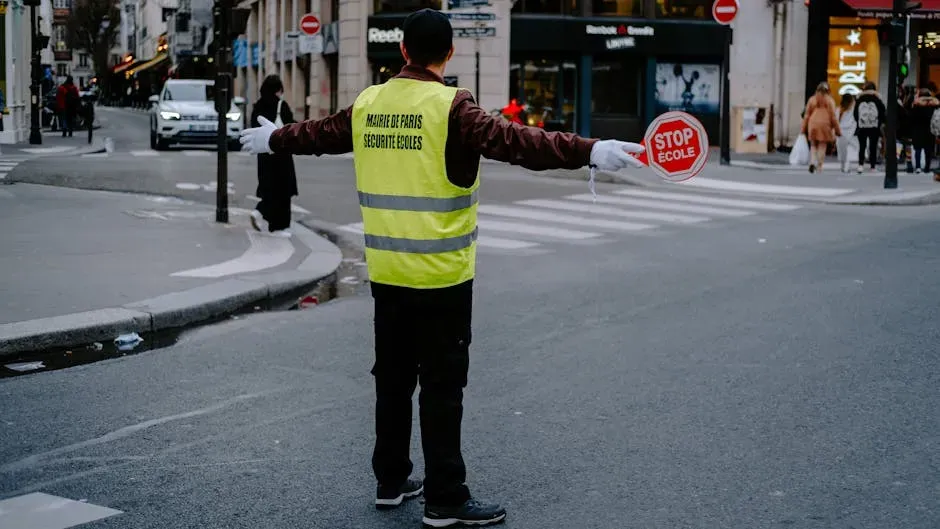
Studies that focused on the socio-spatial dimensions of urban space and the social integration of citizens revealed several important variables that contribute to the happiness of citizens in public spaces. People are happier in urban spaces when they feel safe and secure. This distinction between actual safety and the feeling of safety matters enormously in urban design. A space can be statistically safe but feel threatening, and people will avoid it just the same.
Physical factors such as accessibility, lighting, and signage have been found to have a significant impact on passengers’ psychological wellbeing. Good lighting along evening streets, clear sight lines in transit stations, and well-maintained surfaces all reduce the ambient sense of threat that can make a city feel unwelcoming, particularly for women, older residents, and people with disabilities. A perception of public transport as attractive, safe and accessible is an important factor in motivating people to travel more sustainably and a crucial issue in socially sustainable urban development.
Public Transit as the City’s First Impression
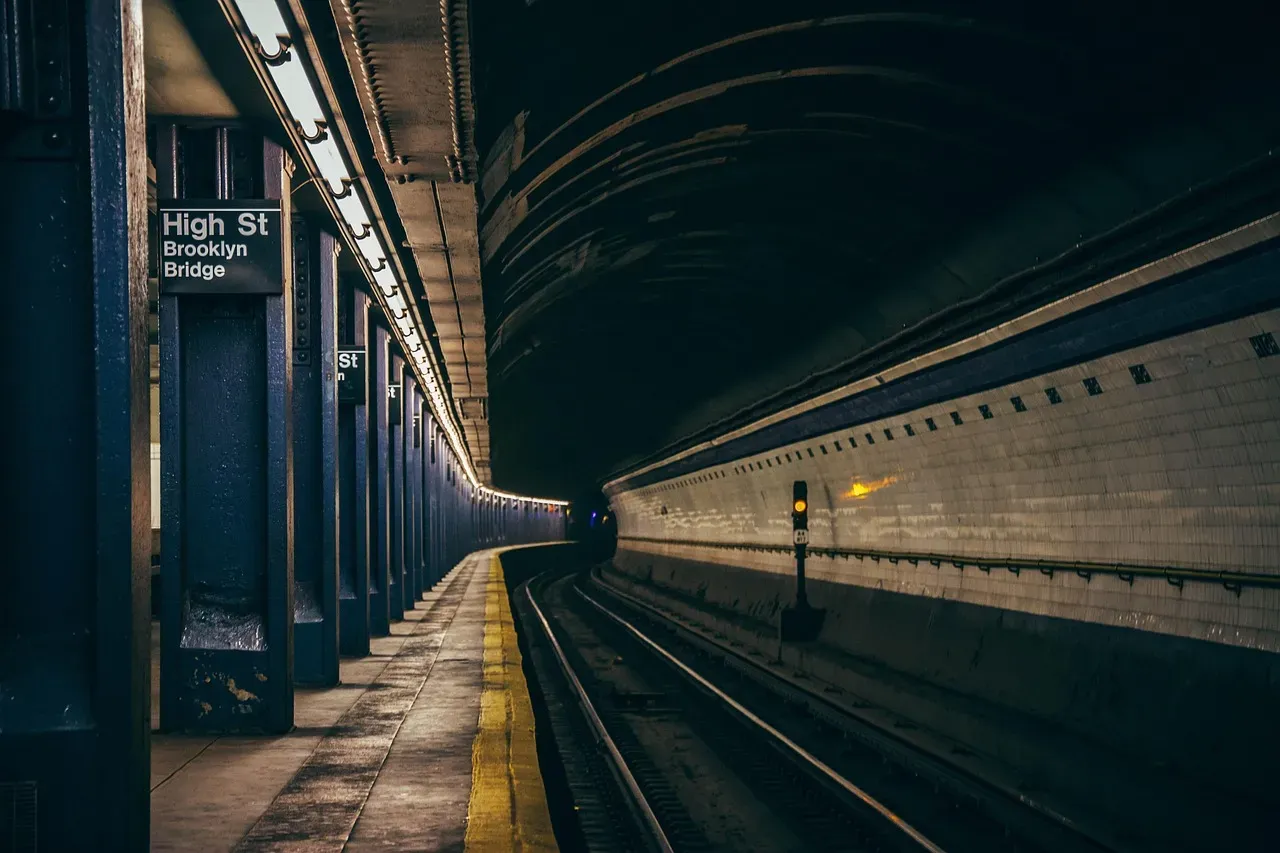
For anyone arriving without a car, the transit system is the first real contact with a city. Public transportation is an integral component of urban infrastructure, facilitating the mobility of millions of people daily and contributing to economic growth and environmental sustainability. As cities face challenges such as traffic congestion and pollution, the role of trains, buses, and other public transit systems becomes increasingly vital. A transit system that feels clean, legible, and on time communicates something about how a city values people’s time and comfort.
Adding functional amenities and biophilic design elements to transit spaces leads to an overall enhancement in wellbeing and perceptual metrics. Conversely, low maintenance worsened all measured wellbeing metrics. A worn-out bus shelter with a broken timetable sends a message just as clearly as a beautiful station does. Cities that invest in the condition and clarity of their transit environments tend to feel more welcoming from the moment you arrive.
Inclusive Design: Welcoming Everyone, Not Just Some
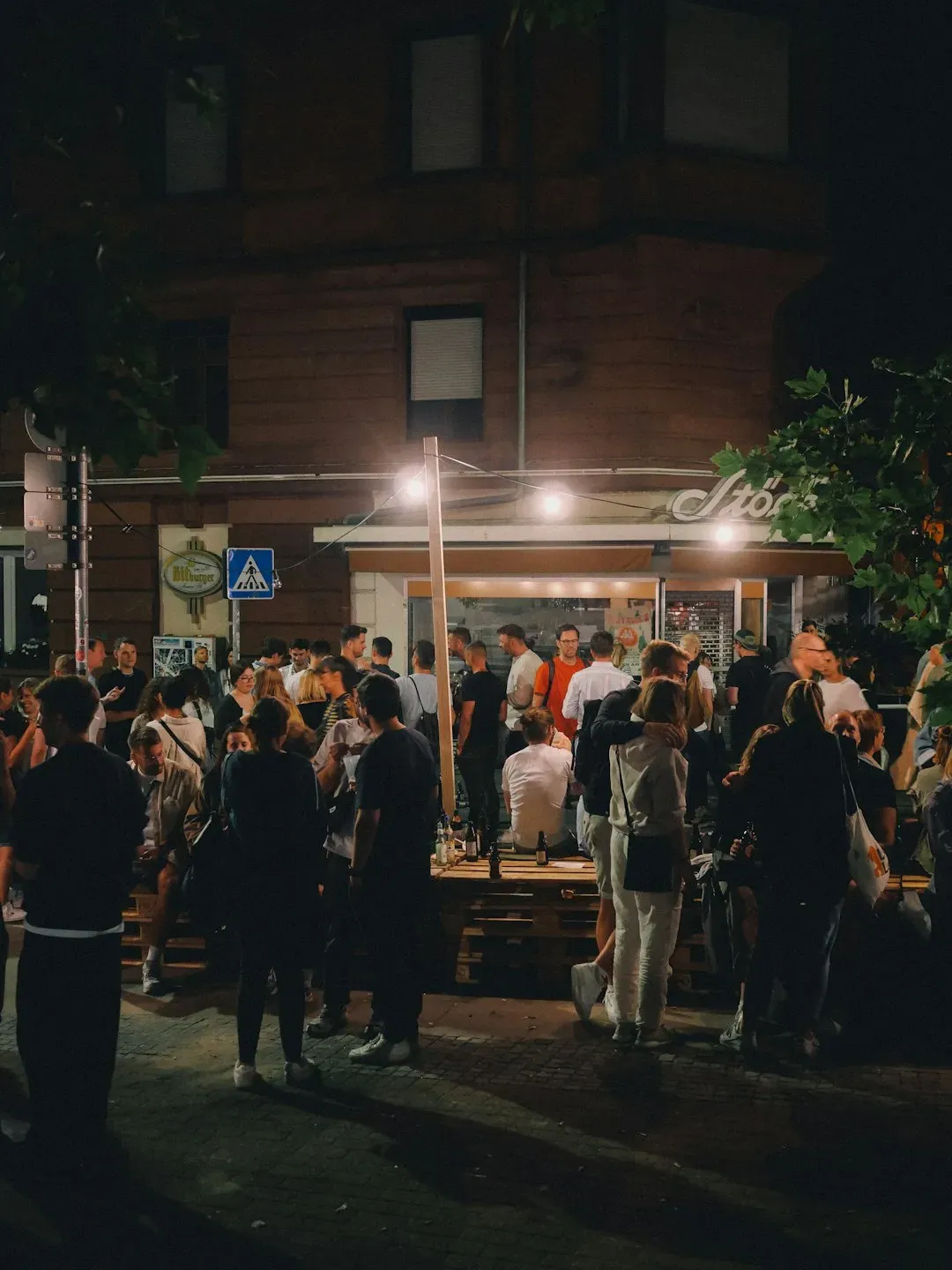
Public spaces play a significant role in addressing the needs of diverse groups, including children, youth, adults, and individuals with disabilities, across all social classes. By offering accessible and welcoming environments, these spaces help to bridge social divides and promote equality. A city that works for the average able-bodied adult but ignores others hasn’t actually solved welcoming. It’s just narrowed who counts.
Inclusion means designing urban environments everyone can use, regardless of age, ability, or income. Features like ramps, clear signage, and safe crosswalks are essential. Affordable housing near transit and public spaces promotes economic diversity. Designing for inclusion reduces barriers and supports equal participation in city life. It creates environments where more people feel welcome and valued. The cities that consistently feel open and alive are almost always the ones that have, at some level, taken accessibility seriously as a design principle rather than a legal checkbox.
Cultural Identity and the Sense of Place
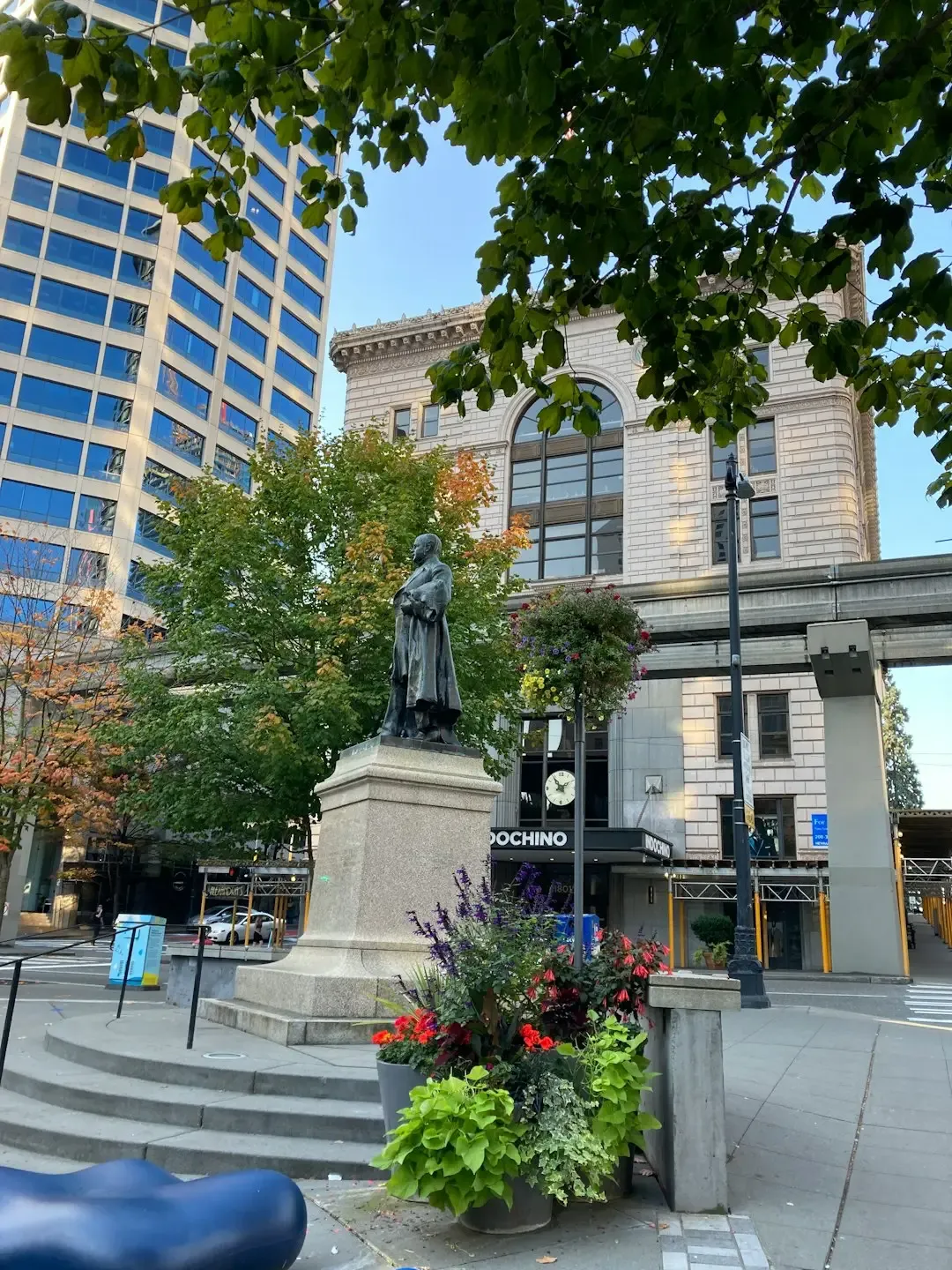
Placemaking focuses on creating spaces that foster a strong sense of belonging. It involves designing parks, plazas, and streets that encourage social interaction. People often connect with urban spaces that reflect local history, art, and traditions. This approach helps build community pride and strengthens social bonds. When a city’s streets and squares feel like they belong to the people who actually live there, outsiders often sense it too. There’s a coherence to a place that has its own character, one that can’t be replicated by generic commercial development.
Residents feel more attached to places where public art and cultural symbols represent their identity. Events like markets and festivals also play a key role in activating these spaces. A city that hosts regular street markets, seasonal events, or neighborhood festivals isn’t just providing entertainment. It’s generating the kind of informal interaction that turns a collection of buildings into a place people actually want to be.
Authenticity and the Shift Since the Pandemic
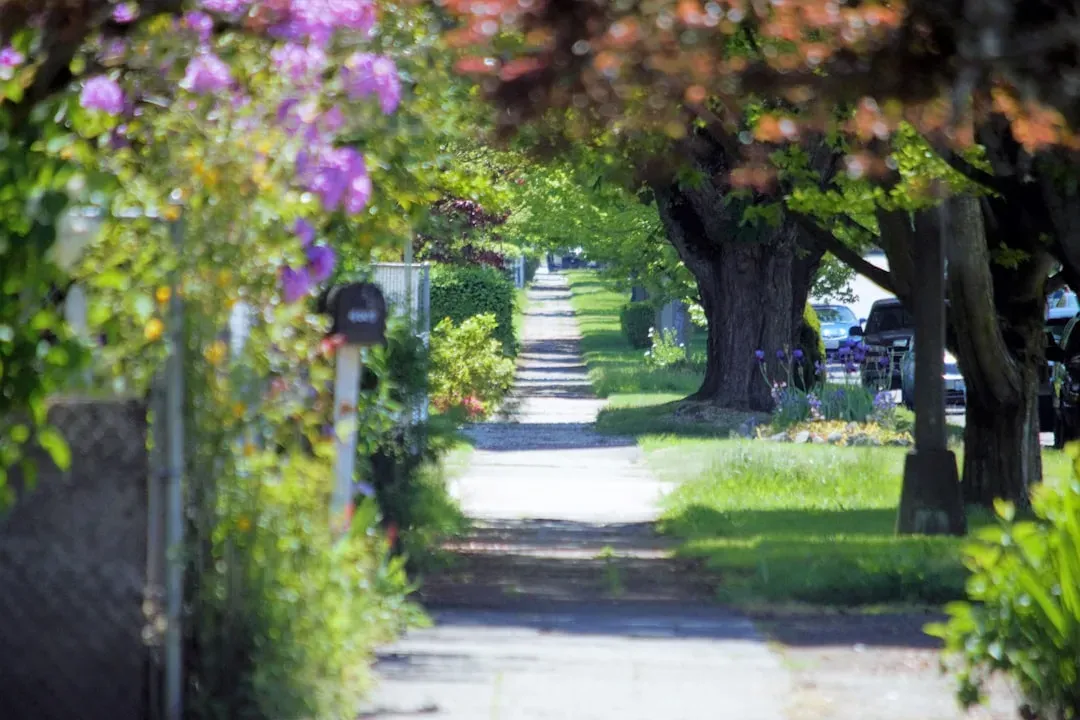
Something measurable shifted in how people evaluate cities after the pandemic years. Residents of cities felt more positively about their neighborhoods in recent surveys than they did in 2021. More people believe that their neighborhoods feel authentic, beautiful, clean, and welcoming. The renewed attention to local streets, local parks, and local spaces during lockdowns appears to have recalibrated what residents actually want from urban life.
Today’s city dwellers want to be located closer to work, errands, shopping, and leisure than they did before the start of the pandemic. The increased desire for walkability that emerged during the public health crisis remains an important requirement. Authenticity, in this context, isn’t a vague quality. It shows up as a neighborhood where the grocery store is within walking distance, where the public square has been designed for sitting rather than just passing through, and where the local identity hasn’t been entirely replaced by the same chain stores found everywhere else. Cities that feel welcoming, as it turns out, tend to be cities that still have a legible sense of who they are.