6 “Polite” Habits That Actually Annoy Everyone Around You
We all like to think we’re considerate people. We say please and thank you, we hold doors, we keep our voices down in public. Good manners feel natural, almost automatic. So it can be genuinely surprising – even a little humbling – to find out that some of the things we do in the name of politeness are actually driving the people around us quietly crazy.
Honestly, the gap between intention and impact in social behavior is wider than most of us want to admit. The habits below aren’t done out of rudeness. They come from a genuine desire to be kind. That’s what makes them so tricky to spot and so worth examining. Buckle up, because a few of these might hit closer to home than you’d expect.
1. Over-Apologizing for Absolutely Everything
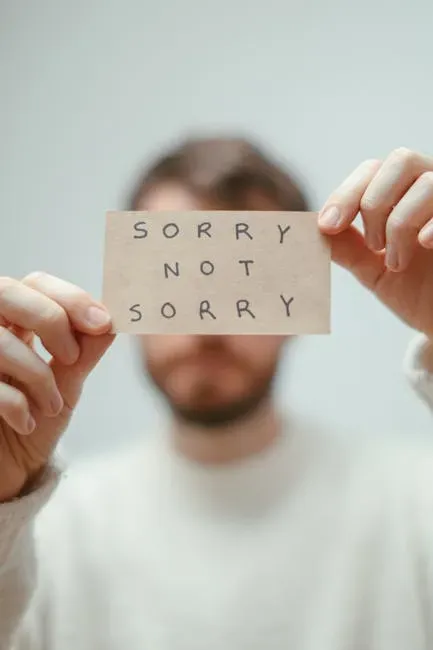
Let’s be real: the word “sorry” is supposed to mean something. Over-apologizing for tiny things can make people feel like they are responsible for your comfort, and it forces them into reassurance mode, which is emotional labor disguised as politeness. Think of it like the cry-wolf effect. The more you say it, the less it lands.
The more you say “sorry,” the less impact it has when a real apology is actually needed. From a psychological standpoint, when the act of apologizing becomes excessive, it leads to a pattern where individuals say sorry for situations that do not warrant it, and this behavior, while seemingly benign, can have profound implications on one’s self-esteem, perceived competence, and interpersonal dynamics.
Research found that people who frequently apologized were perceived as having more communal qualities like honesty and warmth, but also as having fewer agentic qualities such as assertiveness and confidence. In other words, constant apologies quietly signal that you don’t trust yourself. Frequent apologies can subtly affect how others perceive your confidence and self-assurance, and apologizing reflexively can become a habit that undermines your voice and personal authority.
Some people have a habit of apologizing for very minor infractions or for things they aren’t responsible for, and doing this constantly will not only annoy others but make them worry that they are doing something to make you feel bad so often. The fix? Save “sorry” for when it genuinely counts.
2. Hitting “Reply All” to Say “Thanks”
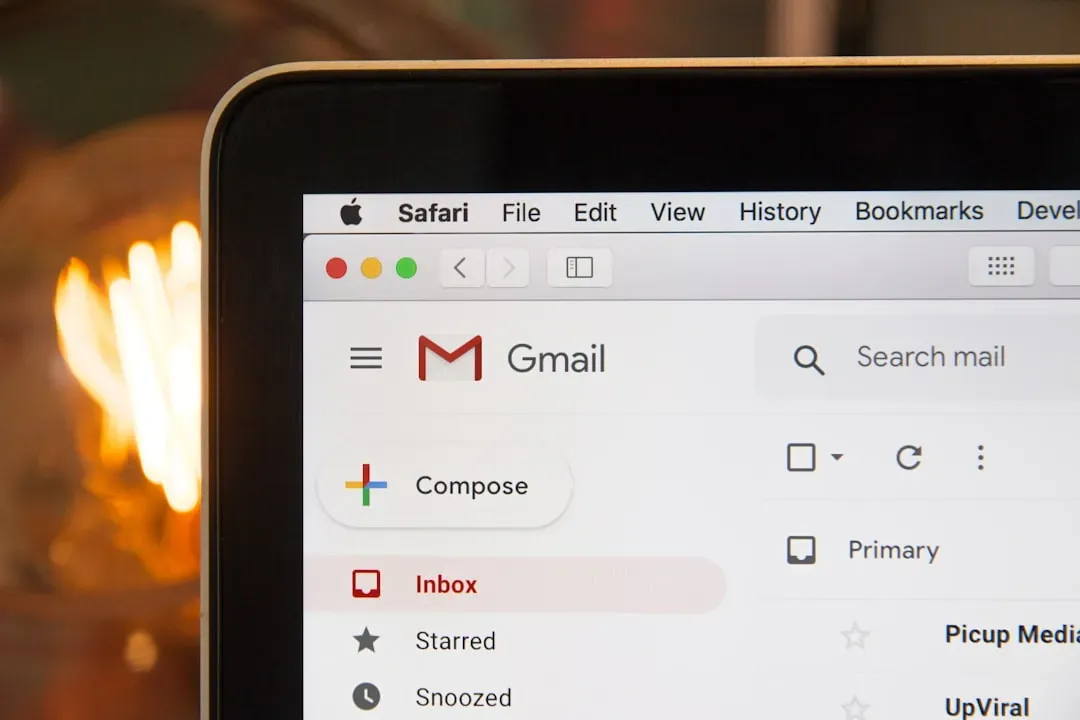
Picture this: you’re at work, drowning in emails, and you open a new notification only to find it says “Thanks!” from a colleague responding to a group thread of forty people. Infuriating, right? When a bunch of people are included on an email, some believe the polite thing is to keep everyone in the loop by hitting “reply all.” The biggest annoyance? When people simply reply “thanks” to the whole group, because if everyone does that, it creates a tidal wave of emails that don’t add any information.
Workers are literally addicted to checking email and other digital messages around the clock, and this informational overload is leaving workers and managers in a chronic state of mental overload, taking a huge toll on employee productivity. Piling on with empty group replies only makes the problem worse. Email threads in the workplace are often created to share news, but that doesn’t mean you have to reply to the entire thread to share your congratulations. Send a message to the sender to save everyone else’s mailbox from the clutter.
The last thing everyone wants are numerous emails that cause auto-deleting. Over the years, colleagues have admitted to auto-deleting certain people’s emails because they either lack substance or seem like an attempt to share an opinion for attention. It’s a small habit with a surprisingly big social cost. Think before you hit that button.
3. Holding the Door Open From Way Too Far Away
Here’s a scenario most of us have been on the wrong side of: someone spots you approaching a door from what feels like half a football field away, grabs the handle, and just… holds it. Now you feel obligated to speed-walk, half-jog, and arrive breathless just to collect a gesture you never asked for. It’s not uncommon to be a good thirty or forty feet away from a held-open door, and your pleasant stroll suddenly turns into a quick, stressful pace in order to appease the door-holder.
Holding the door for someone that is far away tends to result in an awkward situation for all involved, because the person usually feels as though they need to rush to get to the door as soon as possible. The intention is thoughtful. The execution creates what is honestly a mild form of social coercion. Etiquette experts advise avoiding the awkwardness of prematurely holding a door open when someone is a certain distance away, as it might cause them to hurry unnecessarily.
Some people laughed and thanked the door-holder anyway when they had to jog, while others looked annoyed, as if the social script had cost them energy. The sweet spot? Hold the door if someone is close enough to reach it without changing their pace. Otherwise, let it close naturally. Everyone involved will be better for it.
4. Overexplaining Every Single Request

I think most of us are guilty of this one. You want something simple, but instead of just asking, you launch into a full backstory to justify why the ask is reasonable. It feels polite to explain yourself. In reality, it can feel exhausting for the person on the receiving end. Many people pad their requests with long-winded explanations in an attempt to be polite or avoid imposing. Overexplaining can slow down the interaction and make it feel unnecessarily formal.
In most cases, brevity reads as confident and respectful of the other person’s time. Think of it like a text message versus a novel. Nobody wanted the novel. Politeness is powerful when it is simple, sincere, and apt to the moment, but when it becomes excessive, it can feel like pressure, performance, or discomfort that everyone else has to manage.
There is a curious paradox: sometimes, our attempts at politeness can actually make people feel awkward, uncomfortable, or even slightly irritated – not because kindness is unwelcome, but because certain habits, when overused or misplaced, lose their charm and start to feel mechanical or insincere. The trick is not to abandon politeness altogether, but to adjust how we apply it so it feels natural, thoughtful, and genuine. Short and sincere will always beat long and labored.
5. Nodding Along When You Actually Disagree

It seems harmless, doesn’t it? Someone shares an idea, you nod a few times, give a small smile, and say nothing. You’re being polite, avoiding conflict, keeping the peace. The problem is that you’re also being a little bit dishonest, and the people around you can often sense that something is off. Nodding is a common way to show you’re listening, but nodding without genuine agreement can send mixed signals, and it may lead the speaker to believe you support their point when you actually don’t.
In workplace settings, this habit can cause misunderstandings or even complicate decision-making later. It’s the classic short-term comfort trade-off for long-term confusion. You spare a moment of awkwardness and create a much bigger problem down the line. Overacting curiosity can feel like you are humoring someone rather than truly meeting them. The annoying part is not boredom – it is the sense that the conversation is not real. Most people would rather you be honest and present than dramatically engaged and absent.
There is a simple fix here. You don’t need to start an argument. Just say something like “that’s an interesting angle” or “I see it a bit differently.” Real engagement, even disagreement, builds more trust than performative agreement ever could. Authenticity is a gift, not a threat.
6. Saying “I’m Fine with Whatever” When You’re Really Not
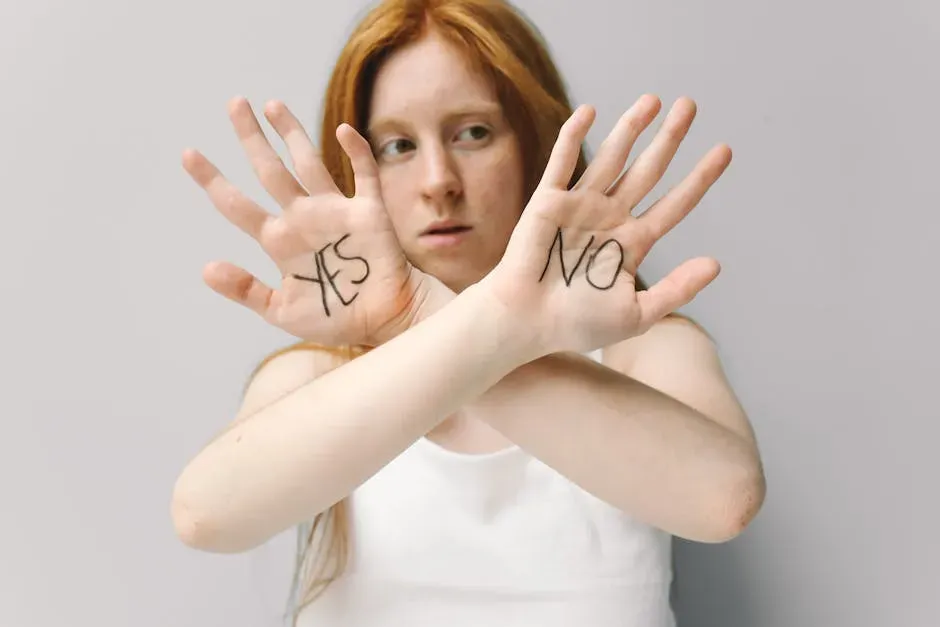
This one drives people absolutely mad, and yet so many of us do it all the time. Someone asks where you want to eat, or what movie you’d like to watch, and you cheerfully say “oh, whatever you want!” It feels selfless and easygoing on the surface. In practice, it dumps the entire decision-making burden onto the other person and quietly signals that you don’t really care – which is rarely how you actually feel. The phrase “I’m fine with whatever” is often used when someone has been asked to make a decision, like what they want to do over the weekend or where they want to eat, and while it gives off the illusion of flexibility, it can also indicate a lack of caring.
The phrase “I’m fine with whatever” is a passive-aggressive way of talking to someone. It’s a contradiction in terms. You’re trying to seem low-maintenance but you’re actually creating more work for everyone else. Over-softening your preferences can drain people faster than disagreement does. Nobody wants to play a guessing game disguised as generosity.
People who take manners too far – to the point that it becomes irritating – are more common than we think. Depending on the situation and cultural standards, certain courteous actions can become annoying, particularly if they seem forced or hypocritical. The next time someone asks for your opinion, give it to them. A real preference, shared kindly, is one of the most considerate things you can offer. It respects everyone’s time and keeps the interaction real.