Gate Agents Reveal 7 Mistakes That Can Ruin Your Boarding Experience
Most travelers think they know how boarding works. You show up, you scan your pass, you find your seat. Simple, right? Honestly, it is anything but. The boarding gate is one of the most chaotic and compressed pressure points in all of travel, and the people managing it – gate agents – see passengers make the same costly errors over and over again.
Some of these mistakes are annoying inconveniences. Others can literally get you bumped from your flight, separated from your luggage, or quietly flagged in ways that follow you for future trips. Want to know what those mistakes actually are? Let’s dive in.
1. Boarding Before Your Group Is Called (The “Gate Lice” Problem)
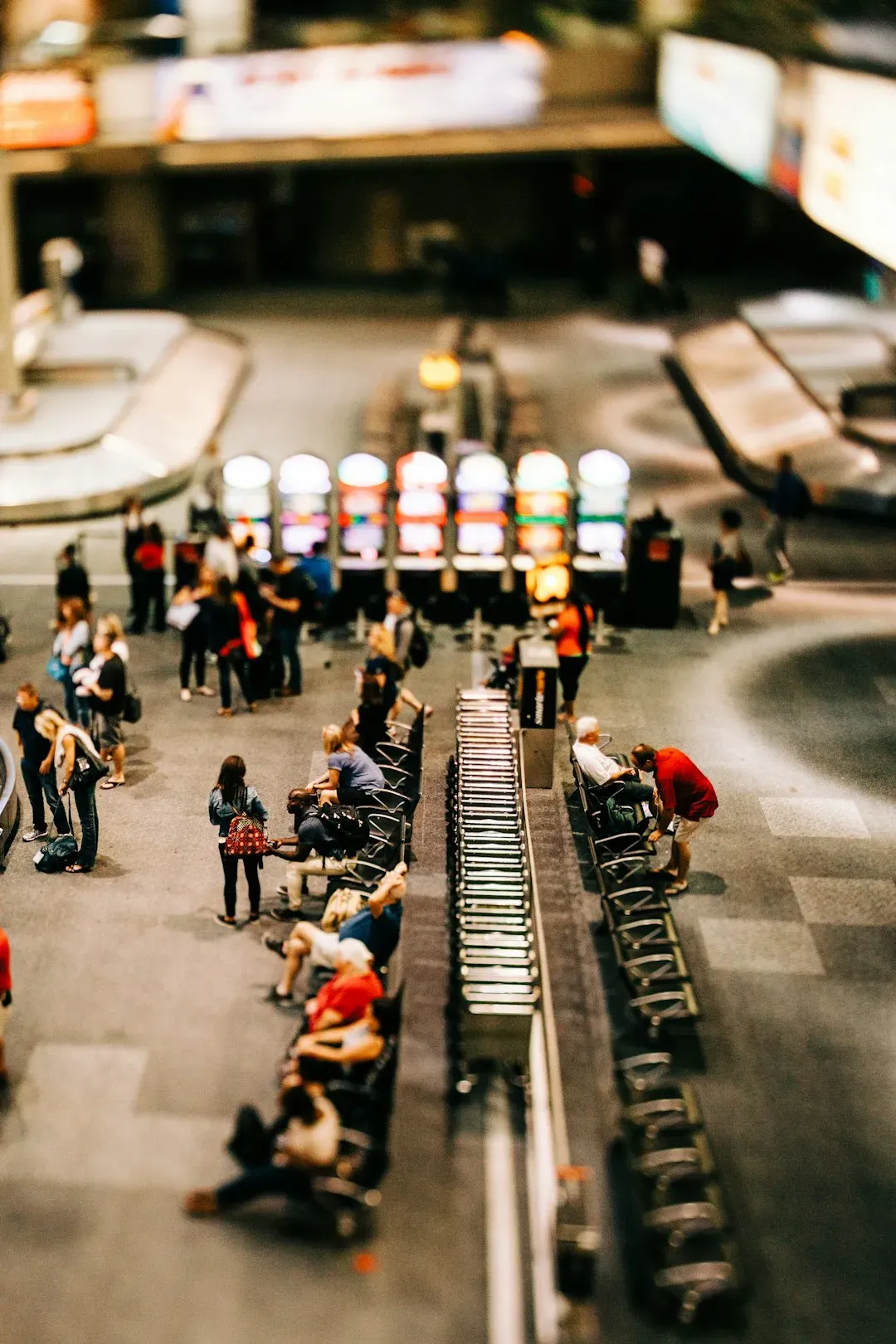
Here’s a boarding habit so widespread that airline industry insiders gave it a nickname: “gate lice.” The term is used to describe passengers who block the gate anticipating to board the plane prior to their group being called. It might feel harmless, like jumping a few spots in a coffee shop queue, but airlines have had enough.
American Airlines has announced it is expanding its new technology to end the practice, with a system that audibly flags when a passenger attempts to board the plane before their designated assignment is called and will automatically reject the ticket. The rollout is serious: it expanded to more than 100 airports ahead of the holiday season in 2024.
If you try to bypass airline boarding etiquette, you won’t just have an entire flight’s worth of passengers made aware of what you tried to do – you’ll also have to gate check your carry-on bag. So the very thing you were trying to protect by jumping the line is the thing you lose. Talk about backfiring.
2. Crowding the Gate Door Area Too Early
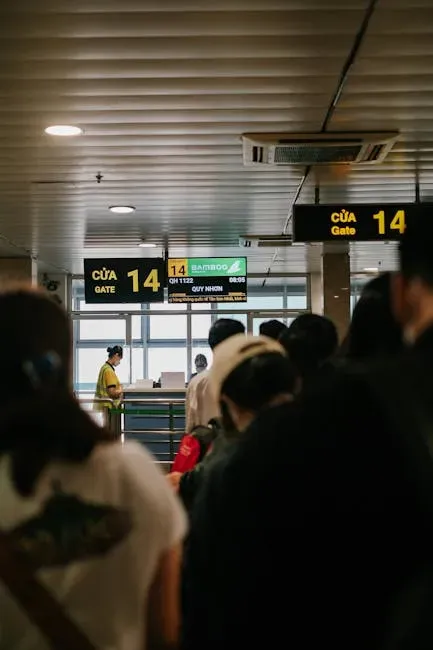
Even if you’re not jumping groups, hovering directly around the boarding door twenty minutes before your group is called creates real problems. Crowding the boarding door area 20 minutes before boarding begins or standing in the way when one’s boarding zone has not been called only inhibits efficient boarding for the gate agent and the passengers. People get anxious and worry about finding space for cabin bags. However, this delays boarding and leads gate agents to become more anxious as the clock ticks down.
This may lead to more bags being gate checked in order not to delay the flight. Passengers should remain seated or clearly out of the way of the Jetway door to allow a constant flow of boarding passengers. Think of it like merging lanes on a highway. When everyone tries to squeeze in at once, everything slows to a crawl. One clear lane moves faster than a wall of nervous travelers.
Fear of having bags gate checked is one of the reasons we see so much crowding of gate areas at the start of the boarding process. In reality boarding is slowed down by people crowding the gate area, but that doesn’t seem to be how psychology works for most people. It’s a self-defeating loop, and gate agents see it happen on nearly every full flight.
3. Bringing Oversized or Too Many Carry-On Bags
Let’s be real: the carry-on situation at most airports has gotten genuinely out of hand. Person after person boards with three or more items, and sure enough, overhead bin space runs out even on the A321neo that features larger overhead bins big enough for every single passenger to bring a larger carry-on bag onboard. There was a last-minute shuffle to find space that almost delayed the flight.
Most airlines only allow one carry-on item and one personal item per person for passengers seated in Economy. Anyone with more than one large carry-on could also be subject to confiscation. It sounds strict, but gate agents operating under tight departure windows have limited patience for negotiation. By charging to check a bag which used to be free, airlines unnecessarily encourage people to avoid the checked bag route and to stuff that same luggage inside the cabin, leading to over-crowding of bins and often delays in takeoff due to the need for last-minute luggage checking.
In winter, don’t place large jackets in an overhead bin upon boarding. It makes the bins look full, which adds to the stress of cabin crew and gate agents who have to check bags. This is one of those tiny, thoughtless moves that agents notice immediately – and one that costs everyone else overhead space.
4. Being Rude or Aggressive at the Gate Desk
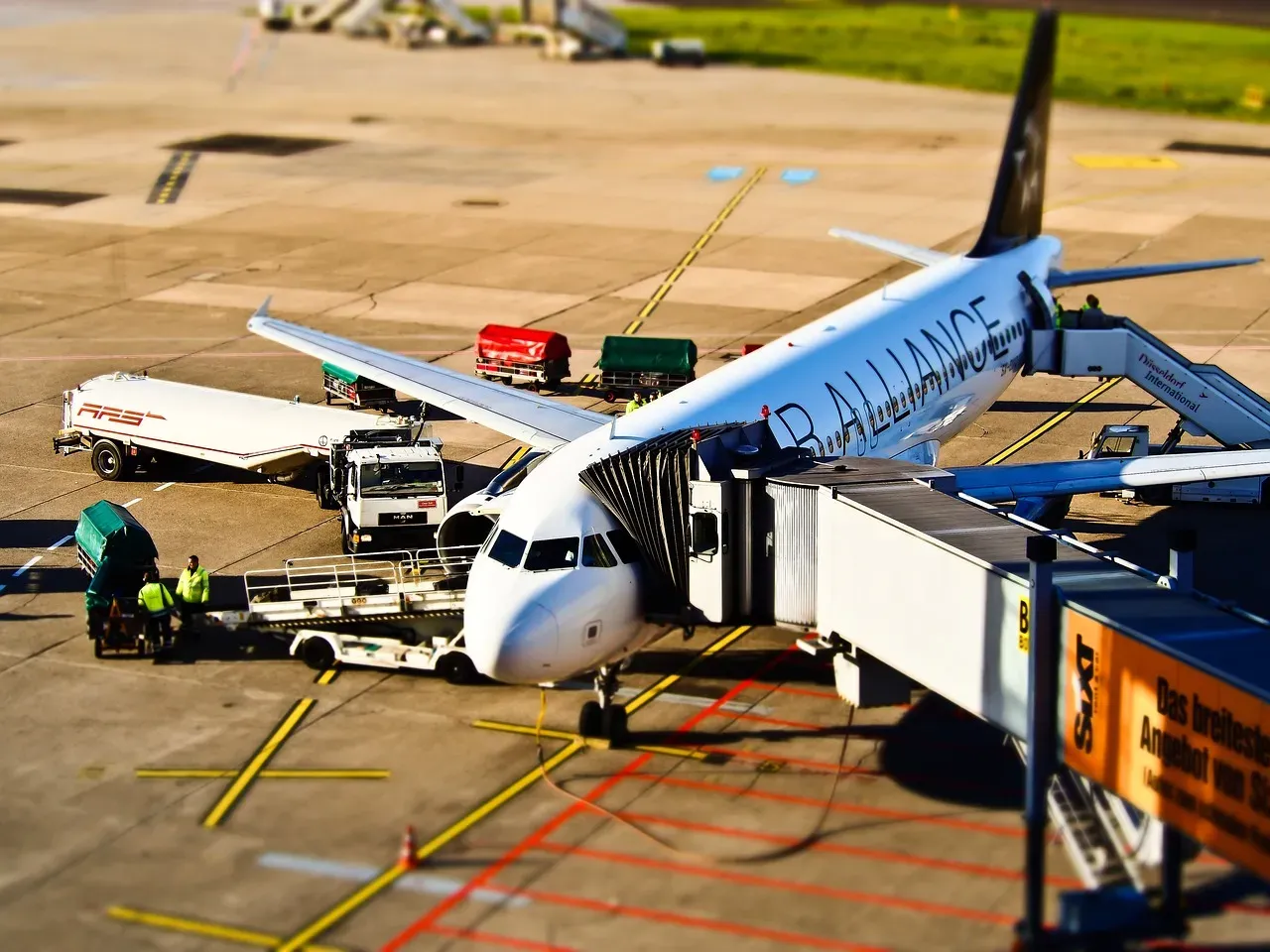
Gate agents are the last airline representatives passengers see before boarding, meaning while they’re working, they’re also fielding a lot of customer service questions unrelated to their mission of a timely takeoff. They are simultaneously managing crowds, coordinating logistics, and handling unexpected issues. Walking up and demanding immediate answers – loudly – is one of the fastest ways to make your boarding experience worse.
Agents routinely help passengers who are calm, prepared, and respectful, while those who shout or threaten often get minimum assistance. Although each airline is different, agents can and do make comments on a traveler’s record. Nasty behavior or comments in the past can haunt you when you travel, and you could even be more likely to get bumped from future flights if you have been really disruptive.
I think most people genuinely don’t realize this. Your behavior at the gate can actually follow you beyond that single flight. By the time a delay is announced over the PA system, gate agents have often known about it for 15 to 30 minutes. Operations must confirm the exact delay reason, calculate new departure times, and coordinate with multiple departments before agents can make official statements. That internal coordination takes time, and rushing the desk the moment boarding stops often means you’re interrupting a process, not accelerating it.
5. Not Checking Your Ticket Status Before Arriving at the Gate
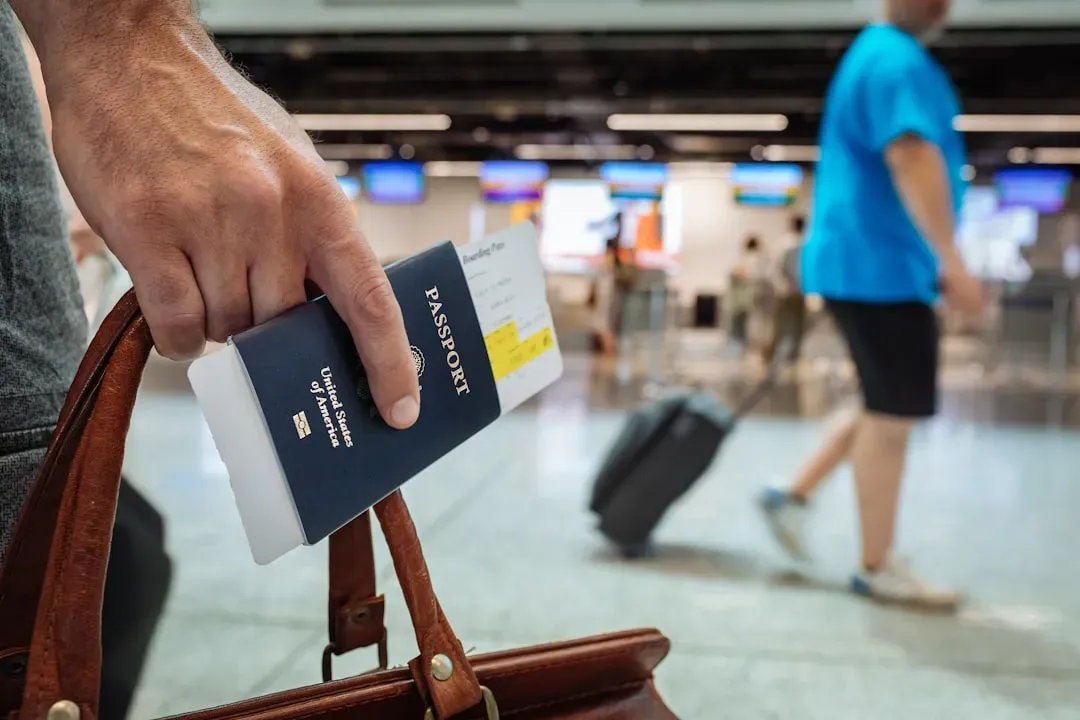
Arriving at the gate with a boarding pass that doesn’t scan properly is more common than you’d think, and it can turn into a genuine nightmare fast. Industry-wide, ticketing issues often stem from schedule changes, third-party bookings, partial cancellations, or payment reversals. During peak travel, these snags can ripple into missed connections.
As airlines continue to manage full flights and tight schedules, travelers can expect ticket verification to remain strict. The key questions ahead are how quickly gate teams can resolve discrepancies and how consistently passengers are informed of their options when a reservation does not scan as expected. Gate agents are working under intense departure pressure and simply do not have time to investigate booking errors from scratch at the podium.
Confirm the booking is live, intact, and properly issued before boarding begins, and speak up early if anything looks off in the app or on the boarding pass. Travel experts advise keeping digital copies of receipts and confirmation numbers, which can help an agent validate a reservation faster if the system shows a mismatch. Catching a problem at home is infinitely better than catching it three minutes before your group is called.
6. Ignoring the Real Risk of a Gate-Checked Bag
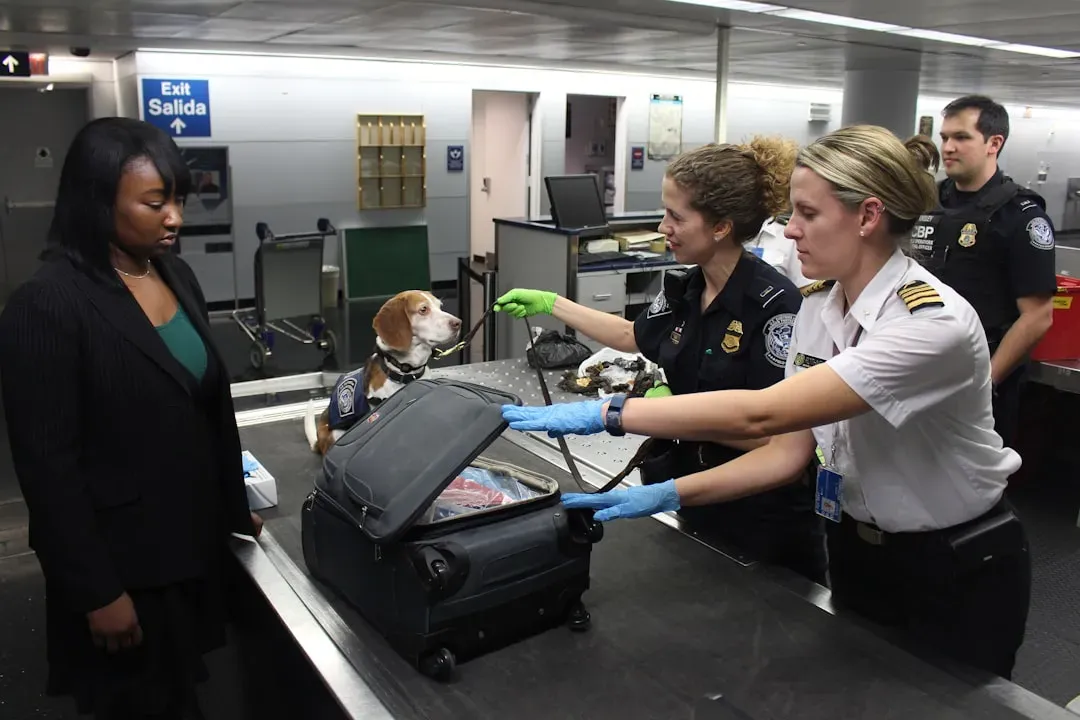
Gate agents frequently ask passengers to check their carry-ons at the last moment, and most travelers grudgingly comply without thinking twice about what’s inside. That can be a serious mistake. If your carry-on has medicine, health gear, or electronics inside, make sure to tell the gate agent. “Never, ever check medicine,” warns one flight attendant. “Checked bags can’t be reached during the flight.”
If you can’t afford to lose it, or if it’s irreplaceable due to its cash or emotional value, be aware: sometimes gate-checked carry-on bags are significantly damaged or lost. Some baggage handlers mishandle carry-ons and even drop them on to the tarmac from the jet bridge. There are passengers waiting for their bag on the gate bridge who are told that it’s not on the plane, and others who found it severely damaged during gate checking.
It’s hard to say for sure how often bags are lost or damaged in this process, but the risk is real enough that travel experts now advise packing as though your gate-checked bag might not make it. If your backpack contains medication, electronics, or fragile items – and you mention this to the gate agent – they are usually more hesitant to take it from you. Speak up before it rolls away.
7. Not Asking for Written Documentation During a Delay
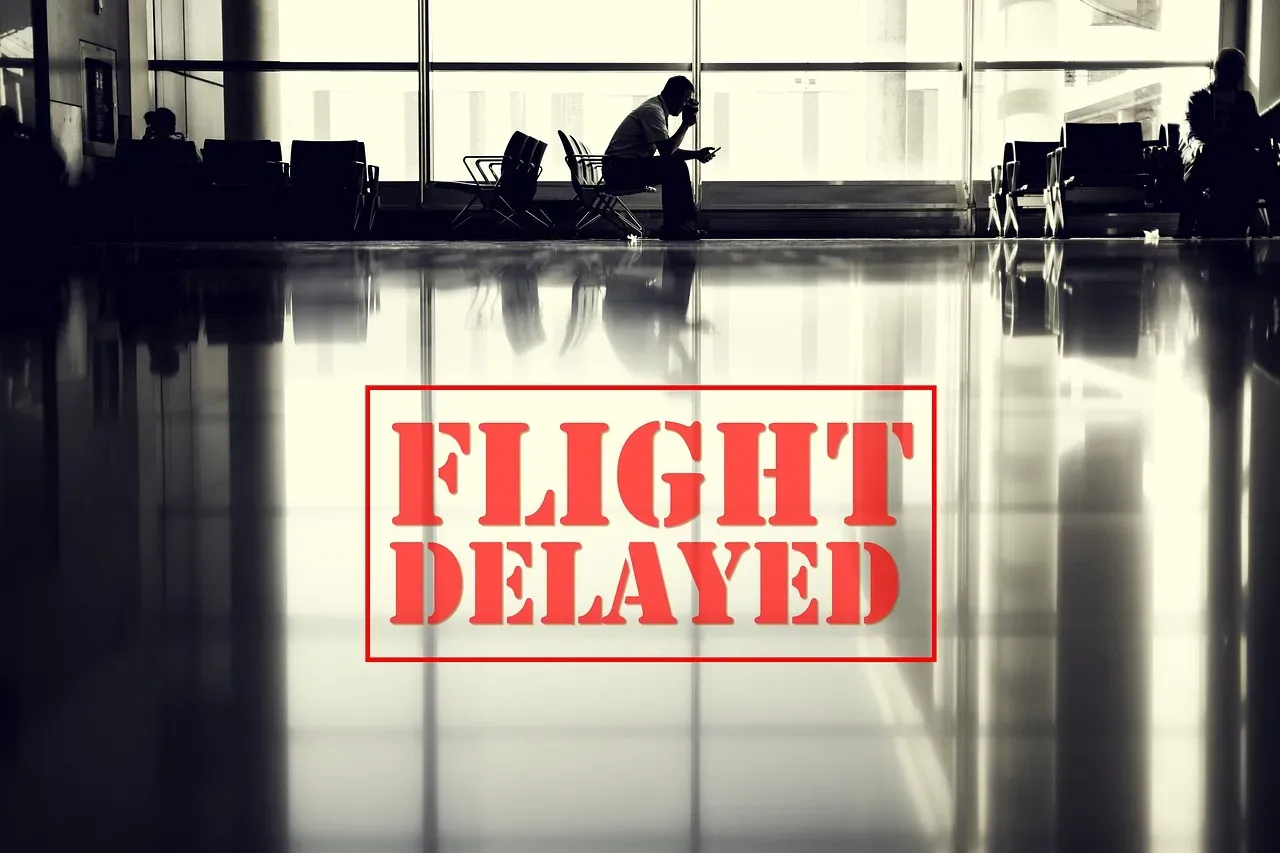
This is arguably the most overlooked mistake of all, and it costs thousands of passengers real money every year. Most passengers never ask for written documentation of delays, which makes claiming compensation much harder later. Gate agents can print delay confirmations, provide official stamps, or write brief notes on airline letterhead that become invaluable evidence.
Flight delays are an unavoidable part of air travel, and the numbers make that hard to ignore. One out of every five flights in the U.S. was delayed in 2024, according to federal data, with over 1.5 million flights delayed nationwide, accounting for roughly a fifth of all scheduled domestic flights. With numbers that staggering, the odds are solid that you will face a delay at some point – and being prepared matters.
This is especially important now that compensation rules have evolved. A 2024 federal rule streamlines refunds for certain delays, but additional compensation is up to each airline. After a two-year DOT push to improve the passenger experience, the 10 largest U.S. airlines now guarantee meals and free rebooking on the same airline, and nine guarantee hotel accommodations. Knowing your rights and having the paperwork to back them up is the difference between getting what you deserve and going home empty-handed.