I’m a First-Class Flight Attendant: 10 Signs a Passenger Is “New Money” vs. “Old Money”
After years of working first-class cabins on long-haul international routes, you start to notice things. Not because you’re judging people, honestly, but because patterns emerge so clearly they’re almost impossible to ignore. The way someone boards. The way they speak to you. Whether they grab their phone or simply settle in.
There’s a marked difference between “old money” – generational wealth passed down within families, often carrying a sense of heritage and understated style – and “new money,” the wealth gained in a single generation, usually characterized by bold expressions and newer tastes. Up at 35,000 feet, those differences become almost theatrical. So here are 10 signs, straight from the cabin, that separate the two. Be prepared. Some of these might surprise you.
1. The Champagne Selfie (or the Lack of One)

The very first thing many new-money passengers do after sitting down is reach for their phone. It may be a business class rite of passage to take the “obligatory” champagne selfie or to broadcast your boarding pass to all your followers, but when you fly first class you are expected to be a bit more subtle. Old money passengers? They’ve been sipping in these seats since before smartphones existed. The champagne is just champagne to them. Nothing to document. Nothing to prove.
We’ve all seen the picture: someone “casually” holding a champagne flute in first class, or posing next to a rented sports car. People post these shots because they want to borrow the credibility of luxury. The thing is, confidence isn’t built on props – it shows up in how you live, not what you display. Old money doesn’t need the post. The seat is just where they sit, not a costume for an Instagram story.
2. How They Dress for the Flight

Old money tends toward classic, timeless pieces – a well-tailored blazer, loafers, or understated jewelry like pearls or signet rings. Labels aren’t displayed prominently. New money passengers often let designer logos and statement pieces take center stage, with luxury brands front and center, sometimes from head to toe. Frankly, it’s one of the easiest reads in the cabin.
Where new money fashion shouts its presence through logos and trendy silhouettes, old money style whispers its status through quality materials, impeccable fit, and timeless design. In a first-class cabin, a cashmere sweater with no branding and worn-in loafers communicates far more than a head-to-toe Gucci look ever will. Old money dresses for comfort. New money dresses for the room.
3. How They Treat the Crew
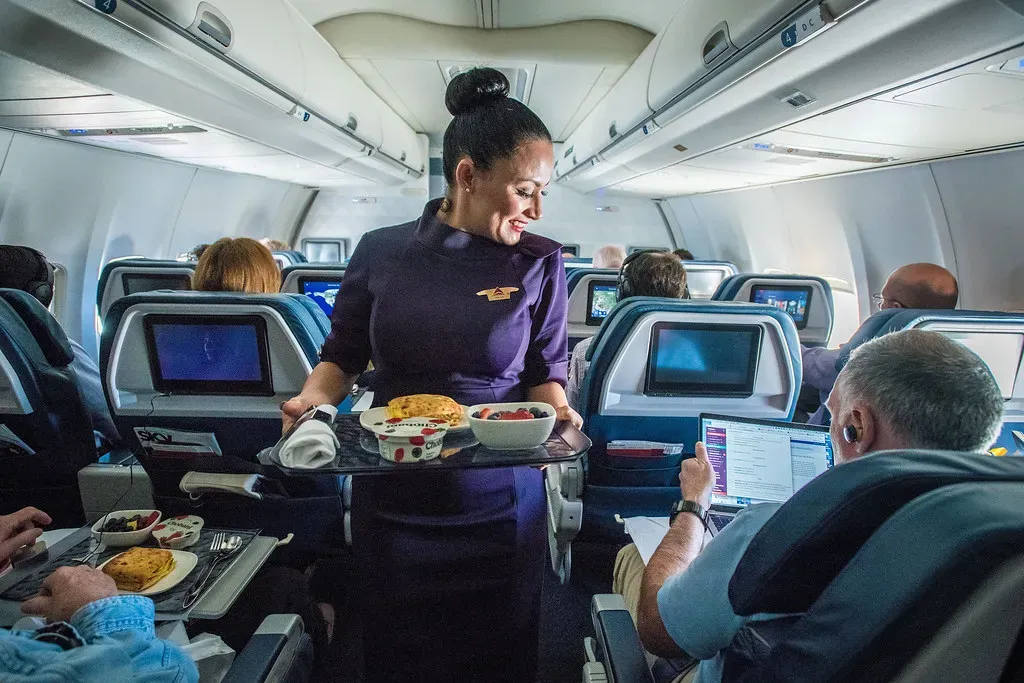
This one hits close to home for those of us who work the cabin. New money passengers sometimes treat flight attendants as personal staff, with a certain impatience or entitlement that feels performative, like they want you to know they’re important. For the “old money” upper class, there is an inherent understanding of one’s value, making compliments unnecessary. They extend that same quiet confidence to interactions with crew. They’re polite, but not loud about it.
Keep your drink order simple, and don’t spend more than a few seconds removing your jacket and preparing it to hand over. The cabin crew has a lot of other passengers to deal with, so the easier you make it for them, the better. Old money passengers instinctively understand this. They’ve been around service professionals their entire lives. New money is still figuring out the dynamic.
4. The Noise Level
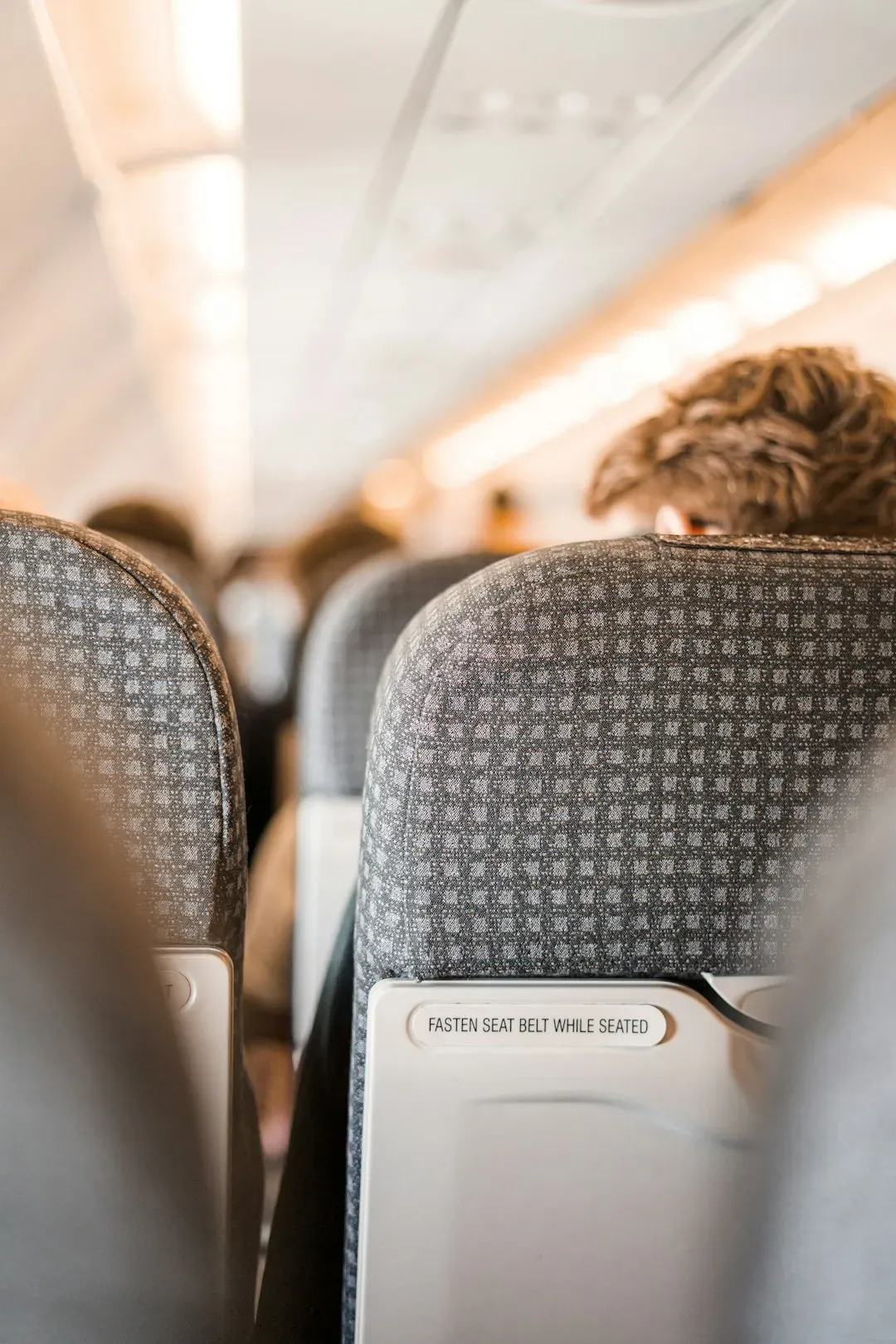
Let’s be real. Volume is one of the clearest signals in any premium cabin. Researchers have found that the noise level in first-class cabins is, on average, about fifteen percent lower than in the main cabin, underscoring the need for passengers to maintain a quiet atmosphere and avoid disruptive behavior. Old money passengers protect that silence like it’s sacred. They speak in low voices, keep calls brief, and rarely use speakerphone. Ever.
Many first-class travelers are business people who need a quiet place to relax and get some work done. Most are normal people with the same desire for peace and quiet. New money passengers can sometimes miss this entirely. Not out of malice, but because the experience is newer and the excitement is real. Honestly, I get it. The problem is the rest of the cabin definitely notices.
5. The Luggage and What’s Inside It
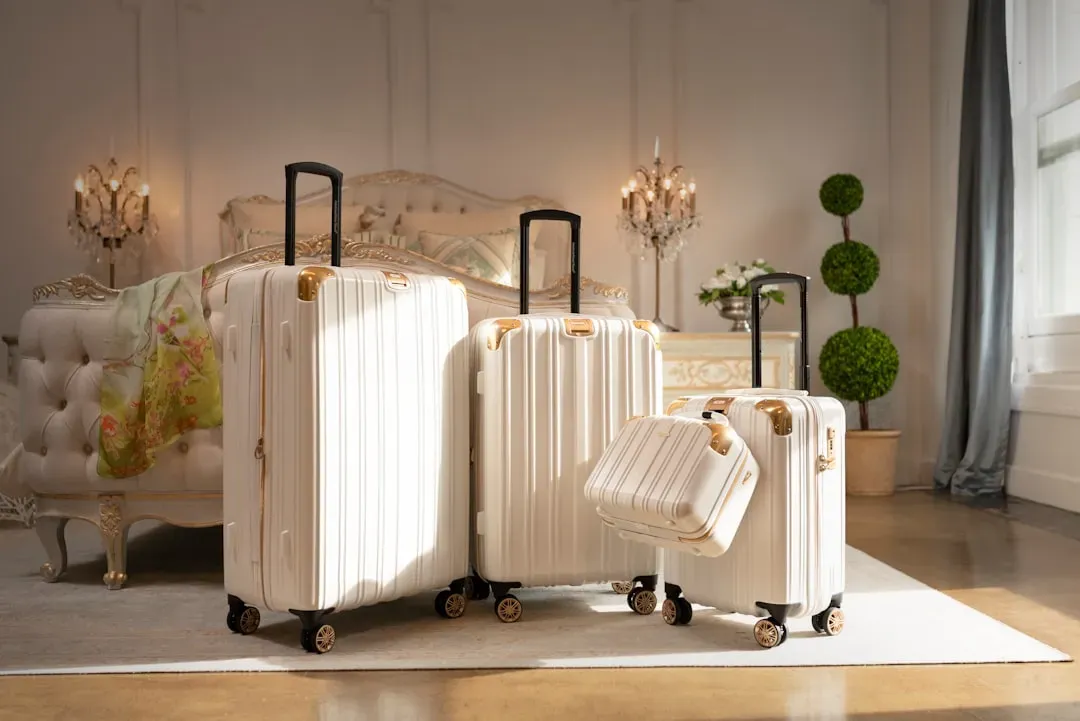
Old money travels with fewer bags. It sounds strange, but it’s true. Old money wears logos that have been in the family – a grandmother’s Cartier watch, a father’s Hermès briefcase weathered by decades of use. These items carry patina and provenance. Their carry-on is battered in the right way. Their luggage has a history. New money, on the other hand, often boards with pristine matching sets, tags freshly attached, everything brand new and very visible.
New money, when they do display brands, tends toward current season and pristine condition. Think of it like a bookshelf. Old money has books with cracked spines. New money has books that have never been opened, but they look beautiful on the shelf. The luggage tells the same story every time.
6. How They Handle the Menu

The dining experience in first class is genuinely impressive, and I love watching passengers engage with it. Dining menus are usually handed out in the early stages of a flight, so it’s your responsibility to look it over and have something selected by the time the flight attendant approaches you for your order. International first class cabin crews are extremely busy, and they don’t have time to stand around and wait while you choose something off the menu. Of course they’ll look happy doing it, but they will be thinking negative thoughts about you the entire time. Old money passengers have been navigating multi-course fine dining since childhood. They scan the menu quickly, choose decisively, and ask focused questions.
Old money has refined tastes and knowledge of fine wines and may have a personal cellar. Meals are more about tradition than ostentation. New money is likely to enjoy trendy, high-end restaurants and may not have the same depth of wine knowledge, though they order the best. In practice this means: old money asks about the vintage year of the Burgundy. New money orders “whatever’s most expensive.” Both get great wine. But the conversation is very different.
7. Social Media Behavior Mid-Flight
It’s 2026. Nearly everyone is on their phone. But there’s a specific pattern that separates the two groups in the cabin. Old money style social media feeds feature private accounts posting landscapes, antique books, or quietly luxurious table settings. New money style feeds are full of daily outfit grids, “tap for brand” stickers, and unboxing reels. You can sometimes literally see what a passenger is posting from where you stand in the aisle. It tells you everything.
The upper class don’t build their social identity online nearly as often because their social identity isn’t built on their feed. Their validation comes from their actual lifestyle, not their posts. They don’t need to convince anyone they’re living well. They already know they are. That internal security is unmistakable. It looks effortless because, for them, it actually is.
8. Their Relationship With Loyalty Programs

Here’s something that genuinely surprises newcomers to the conversation. Aspiring luxury travelers might splurge on special occasions, prefer visibly branded luxury, demand value for their money, and pay close attention to loyalty program points and benefits. New money passengers often board with a freshly printed boarding pass and a newly opened loyalty account. They’re excited about the points. Nothing wrong with that, but it shows the experience is relatively new territory for them.
Luxury travel is growing beyond its traditional ultra-wealthy base, creating new opportunities for brands with travel loyalty programs to capture a greater share of high-end travel demand. The New Luxury Travel Playbook examines the circumstances under which aspiring luxury travelers – households with net worth between $100,000 and $1 million – are actively upgrading their travel. Old money passengers, by contrast, are often top-tier status holders without making any fuss about it. The upgrade just happens. They don’t mention it.
9. How They React to Minor Inconveniences

A delayed meal. A seat that won’t fully recline. A slightly warmer cabin temperature than expected. These small things reveal character more clearly than almost anything else. Analyses of in-flight incidents reveal that the majority of conflicts arise from a lack of consideration for personal space and the needs of others, highlighting the critical role of etiquette in maintaining a harmonious first-class experience. New money passengers who hit a small inconvenience can sometimes escalate quickly. It’s as if the price of the ticket entitles them to perfection, and anything short of it is an injustice.
Old money passengers take disruptions with a certain practiced calm. It’s not detachment. It’s more like… context. Ultra-high-net-worth individuals, representing those with more than $30 million in net worth, have particular preferences: privacy, personalization, and rare experiences are central to their expectations. They’ve experienced enough luxury to know that even the best systems occasionally hiccup. They don’t confuse a minor delay with a personal affront. It’s a remarkably freeing way to travel.
10. Whether Luxury Feels Like a Destination or a Habit
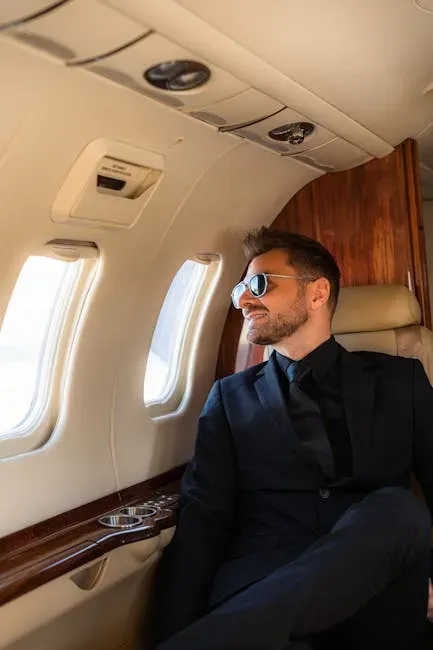
For the truly wealthy, money is no object whatsoever. Luxury is part of the everyday for them. Luxury is a minimum requirement rather than a perk, and an essential tool for making their life discreet, streamlined and comfortable. This is perhaps the single most defining difference between old money and new money in any premium cabin. New money passengers are experiencing an arrival. Old money passengers are simply continuing their routine.
Today’s affluent travelers prioritize authenticity, personalization, and experiential travel instead of visible symbols of wealth. That shift is exactly where the two groups diverge most sharply. Old money style formed in families that learned discretion keeps fortunes safe. New money style is rooted in first-generation wealth – entrepreneurs, crypto winners, viral stars – keen to celebrate their arrival. One is arriving. The other has always been there. In a first-class cabin, that difference fills every inch of the space between the seats.