Retirement in a Changing Climate: 5 Popular Destinations That May Face Water Shortages by 2040
Retirement is supposed to be the reward at the end of a long career. You pick the destination, pack the bags, and settle into a slower, sunnier life. But there’s a growing problem that no travel brochure will mention: the places most people dream about retiring to are often the same places that climate scientists are watching most closely for water stress. Four billion people, almost two thirds of the world’s population, already experience severe water scarcity for at least one month each year. By 2040, the situation is expected to be considerably worse, and several of the world’s most beloved retirement hotspots sit directly in the path of that trend.
1. Phoenix, Arizona, USA
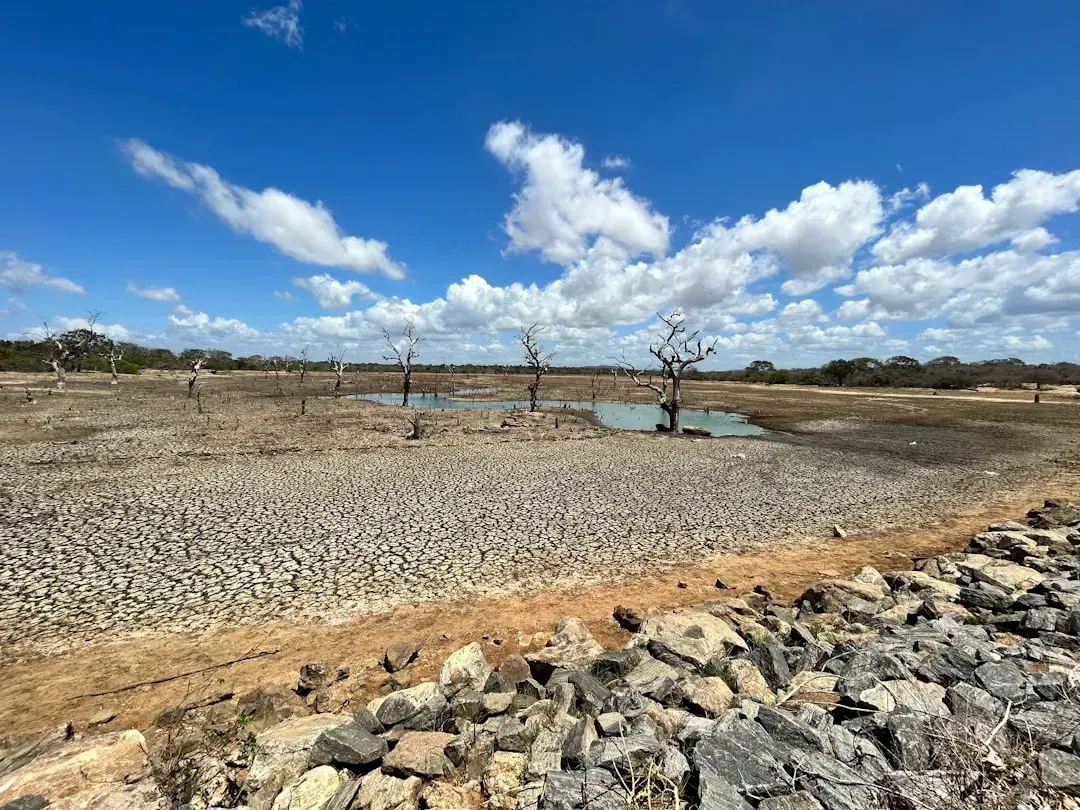
Phoenix has been one of the most popular retirement destinations in the United States for decades, offering warm weather, low taxes, and a booming healthcare sector. But the water story underneath that sunny image is far more complicated. Climate change has produced a megadrought that has reduced water in the Colorado River, which was already overallocated to the seven states in its basin. Cuts in water allotments were imposed in 2022, and the federal government later increased those cuts, with Arizona set to lose about one-fifth of its share. The city relies on nearly 60% of its water from the Salt and Verde Rivers and around 40% from the Colorado River via the Central Arizona Project.
The situation reached a critical turning point in 2023. State modeling studies concluded that Phoenix and surrounding areas had “reached the anticipated limits of growth on groundwater supplies,” prompting the Arizona Department of Water Resources to stop issuing new water supply certificates to developments served by groundwater in the city’s outer suburbs. The Colorado River Basin continues to experience drought and hotter, drier conditions, and remained in a Tier 1 shortage for 2025, representing a 512,000 acre-foot reduction to Arizona’s Colorado River water supply, constituting 30% of the Central Arizona Project’s normal supply. For anyone considering retirement in the Phoenix metro area, these are not abstract long-term projections. They are policies being written into law right now.
2. Spain’s Southern and Eastern Coast
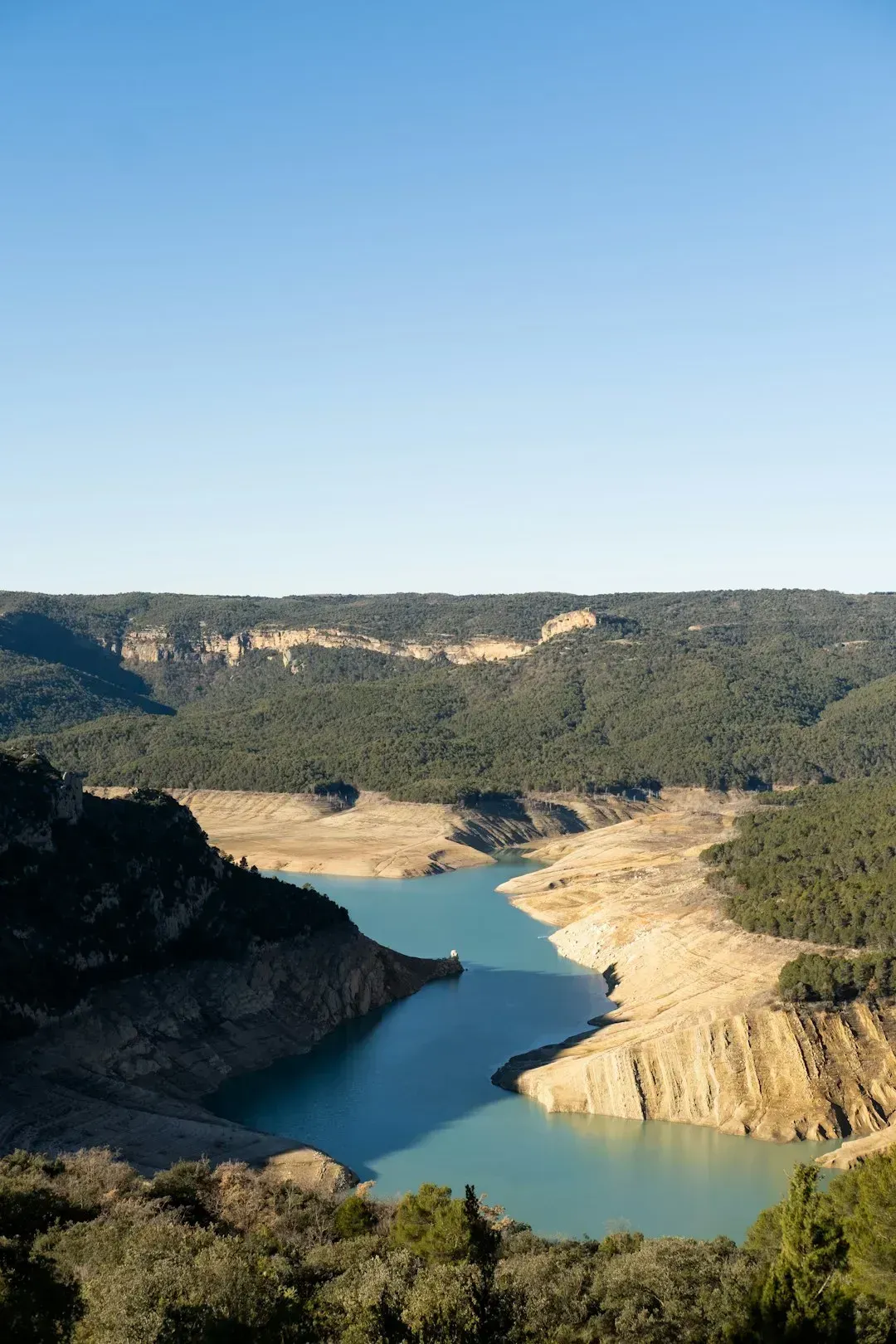
Spain draws hundreds of thousands of foreign retirees every year, particularly to the sun-drenched coastlines of Andalusia, Catalonia, and the Costa Blanca. The lifestyle is undeniably appealing. The water situation, however, is increasingly precarious. Climate change has produced a sharp fall in Spain’s average annual rainfall and more prolonged periods of drought, particularly in Andalusia and Catalonia, the two regions that attract the most international tourists. Water reserves in Catalonia fell below 16% at one point, triggering a state of emergency that extended water restrictions to Barcelona and the surrounding area.
The restrictions affecting everyday life in these regions are striking. The drought in Catalonia caused a serious water shortage that led the government to declare a state of emergency and impose strict restrictions on water use, including bans on watering lawns, filling private pools, and washing cars, affecting around six million people in the region, including Barcelona. Water scarcity affected 28% of the European Union territory during at least one season in 2023, and although water abstraction declined by 14% in the EU between 2000 and 2023, there has been no overall reduction in the area affected by water scarcity conditions, making a reduction unlikely by 2030. For retirees hoping to garden, maintain a pool, or simply enjoy reliable tap water, these are conditions that demand careful consideration before signing any property lease.
3. Cape Town, South Africa
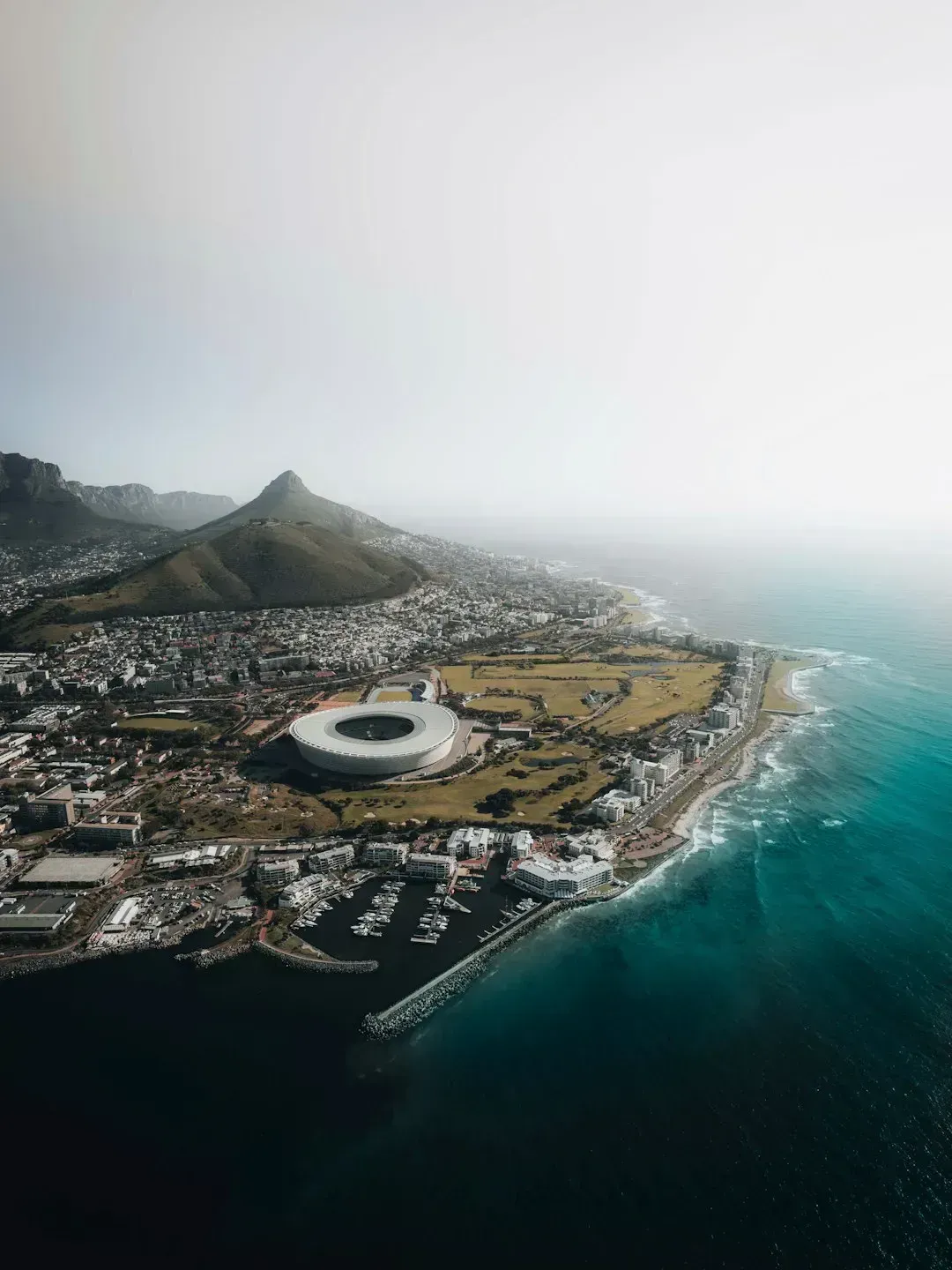
Cape Town has long attracted international retirees with its spectacular scenery, Mediterranean climate, and relatively affordable cost of living. It also became the world’s most famous case study in urban water collapse. The Cape Town water crisis was a multi-year period from 2015 to 2020 in the Western Cape region, with dam water levels beginning to decrease in 2015 and peaking in severity during mid-2017 to mid-2018, when water levels hovered between 14 and 29 percent of total dam capacity. In late 2017, plans emerged for “Day Zero,” a shorthand for the day when the water level of the major dams could fall below 13.5%, at which point municipal water supplies would be largely switched off and residents would have to queue for their daily water ration.
The city narrowly avoided that catastrophe, but the threat has not disappeared. While rainfall in subsequent years broke the drought and storage levels reached 69.5% as of March 2024, the risk of future shortages remains as demand for water continues to rise. Climatologists at the University of Cape Town say man-made global warming is a likely factor in the continued drought and that the city, like many others around the globe, is facing a drier future with increasingly unpredictable rains. The response from Cape Town’s water authority since 2018 has been impressive, but retirees need to understand that the infrastructure surrounding their daily lives there depends on rainfall patterns that are becoming far less predictable each decade.
4. Mexico City, Mexico
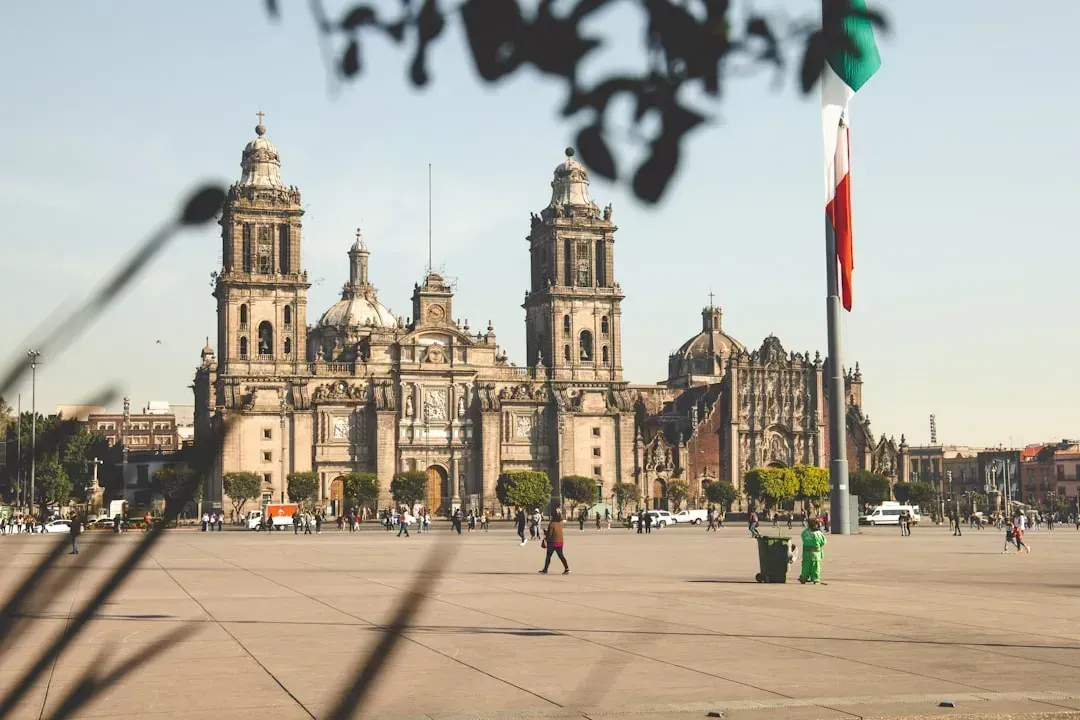
Mexico City has grown into a popular destination for American and European retirees seeking lower costs, rich culture, and vibrant urban living. Yet the city’s water story is one of the most alarming on the planet. Global press recently warned that as early as June 2024, Mexico City, home to 22 million people, could face “Day Zero,” meaning the complete loss of fresh water at the taps. A majority of Mexico City’s water supply, between 60% and 70%, is sourced from aquifers and geological formations that store groundwater, according to Mexico City’s water authority. Those aquifers are being depleted faster than they can be replenished.
The underlying structural problems compound the climate risks in a way that is difficult to untangle. Mismanagement and aging infrastructure play a huge role in the current crisis, with the city losing an estimated 40% of its water supply due to leaks in the pipes, which “accentuates the severity of the water situation.” Climate change is compounding an already volatile situation, with Mexico City’s former chief resilience officer noting that “in the models of climate change, what we know is that droughts will become more drastic, more extreme in this region.” Following months of severe drought in 2024, the Cutzamala reservoir’s capacity climbed from 30% in May back to 67% in November 2024 after the late arrival of seasonal rains and emergency conservation measures, but by February 2025 the reserve was still registering below its average levels of 72.3%. For retirees seeking a stable daily life, persistent water uncertainty at this scale is a factor that cannot be ignored.
5. The Algarve, Portugal
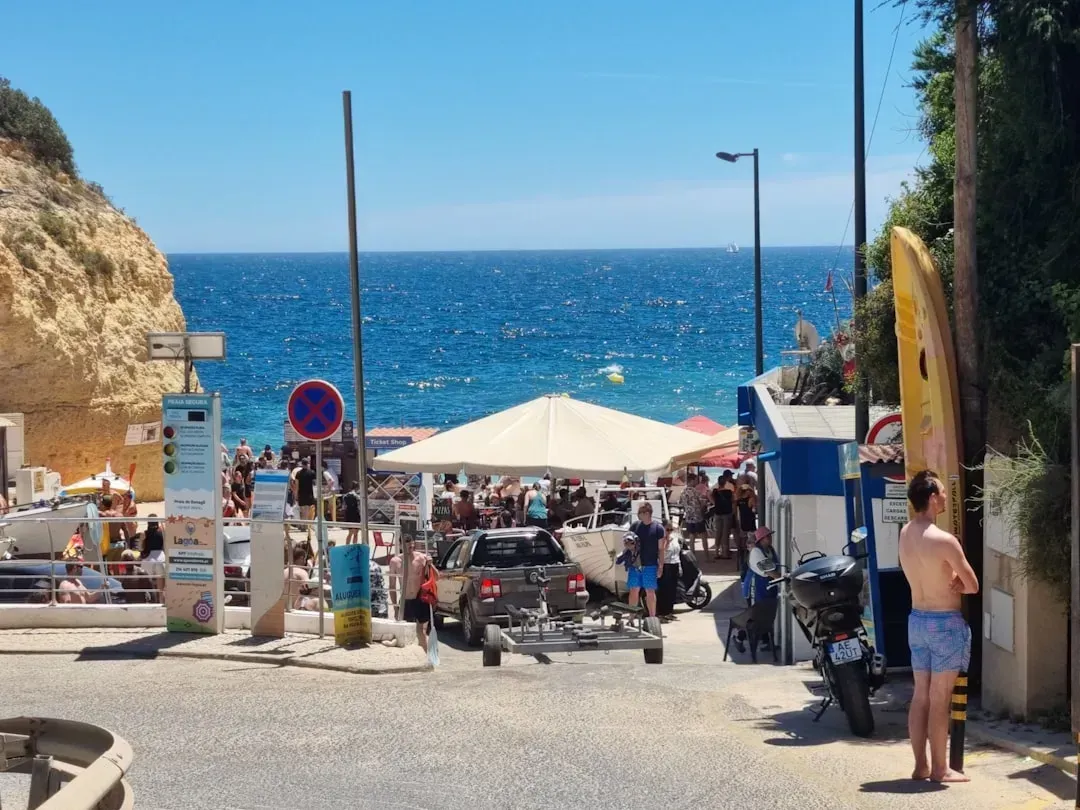
Portugal’s Algarve has become one of Europe’s most coveted retirement addresses, famous for its golden cliffs, golf courses, and year-round mild temperatures. Yet this exact combination of attributes, warm weather and international popularity, is placing enormous strain on a water system already battered by a changing climate. Portugal’s Council of Ministers Resolution in June 2024 continued to formally recognize the state of drought in the Algarve region, establishing restrictions on public water supply, tourism, and agriculture, as well as on issuing water resource use permits. Greece, Romania, Portugal, Italy and Spain all experienced water scarcity particularly during spring and summer, according to the European Environment Agency.
The long-term climate projections for the Iberian Peninsula are deeply concerning for anyone planning a life there. Chile, projected to move from medium water stress in 2010 to extremely high stress in 2040, is among countries more likely to face a water supply decrease from the combined effects of rising temperatures and shifting precipitation patterns, and the same WRI modelling framework identifies the southwestern European region as facing intensifying stress in the coming decades. In Spain and Portugal, a wet spring was followed by flash drought and severe wildfires within months, with flash droughts emerging as an increasingly distinct hazard driven by rapid declines in soil moisture, and what researchers are calling “climate whiplash” amplifying disaster impacts through rapid transitions between wet and dry conditions. The Algarve is a beautiful place to retire to today. Whether that beauty comes with reliable water access in 2035 or 2040 is a question that deserves a serious answer before any long-term commitment is made.
The Bigger Picture Every Retiree Should Understand
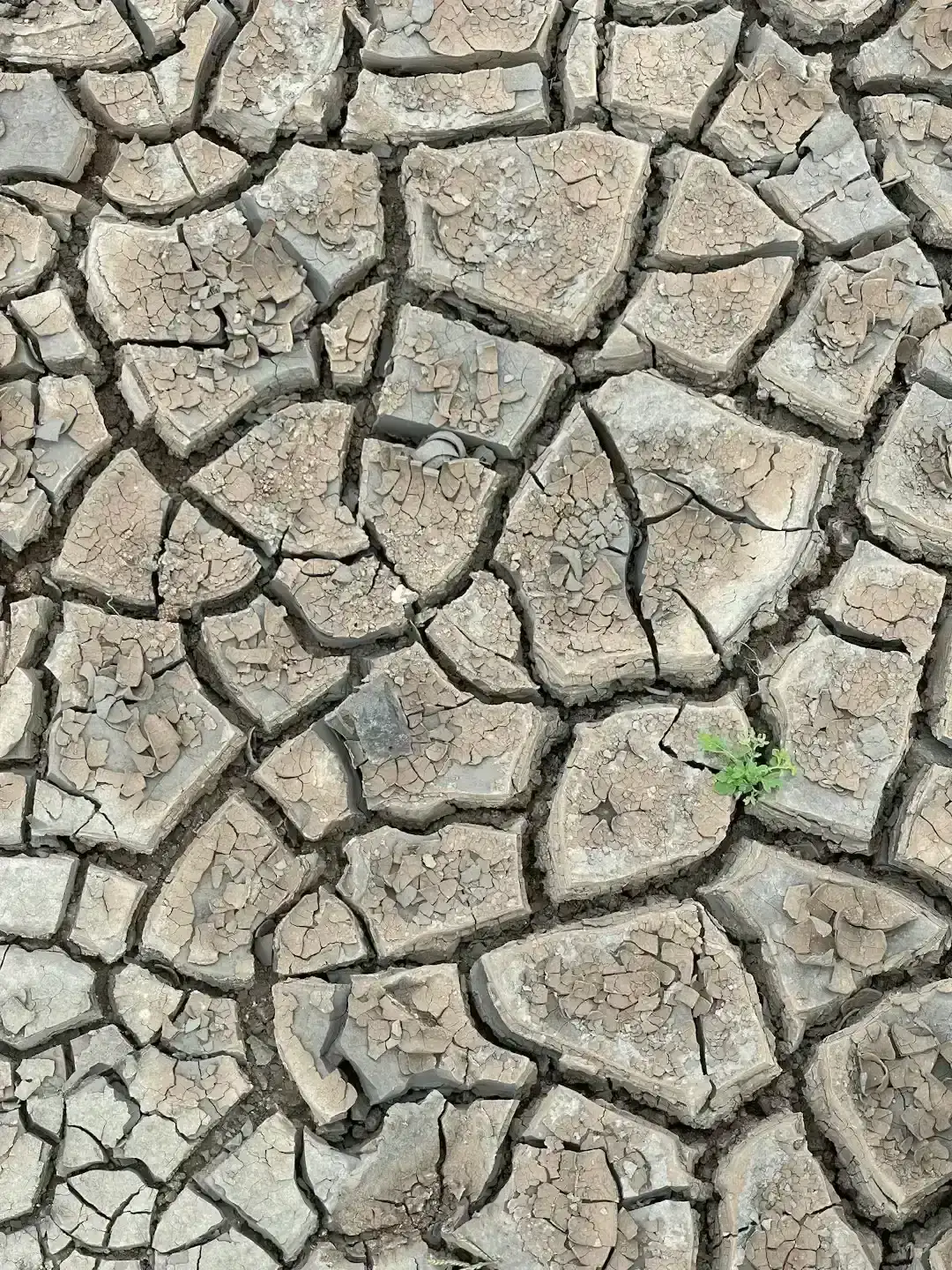
These five destinations are not isolated cases. They reflect a global pattern that is accelerating. Without intervention such as investment in water infrastructure and better water governance, water stress will continue to get worse, particularly in places with rapidly growing populations and economies, and 25 countries are currently exposed to extremely high water stress annually, meaning they use over 80% of their renewable water supply. By 2040, roughly 1 in 4 children worldwide will be living in areas of extremely high water stress. If that is the trajectory for children, the implications for older adults who are less mobile and more dependent on stable infrastructure are profound.
Choosing a retirement destination in 2026 means choosing a climate scenario in 2040. Population growth and climate change will combine to pose substantial challenges for water management in the United States and beyond, with projections showing that in the absence of further adaptation efforts, serious water shortages are likely in some regions. Risks developing for 2026 and beyond include drought building across the Mediterranean, Horn of Africa, Brazil and Central Asia, according to the 2025 Global Water Monitor Summary Report. The warm weather, the beautiful coastlines, and the affordable property prices of popular retirement destinations are real and legitimate draws. So is the growing water risk that now shadows nearly all of them.