The “Think Twice” List: 10 Cities Climate Experts Say Could Face Future Risks
There is something quietly unsettling about a list of cities that millions of people call home, a list that climate scientists now study with growing alarm. These are not obscure towns. They are places where people fall in love, raise families, and build entire lives. Some are among the wealthiest, most iconic urban centers on the planet.
Yet the data keeps piling up. According to the United Nations’ 2023 Global Cities Climate Report, more than roughly four out of five of the world’s urban population is projected to face cumulative exposure to multiple climate risks. That is not a distant forecast. It is already unfolding. Here are ten cities that experts say deserve a very close second look. Let’s dive in.
1. Miami, USA – A City Built on Borrowed Ground
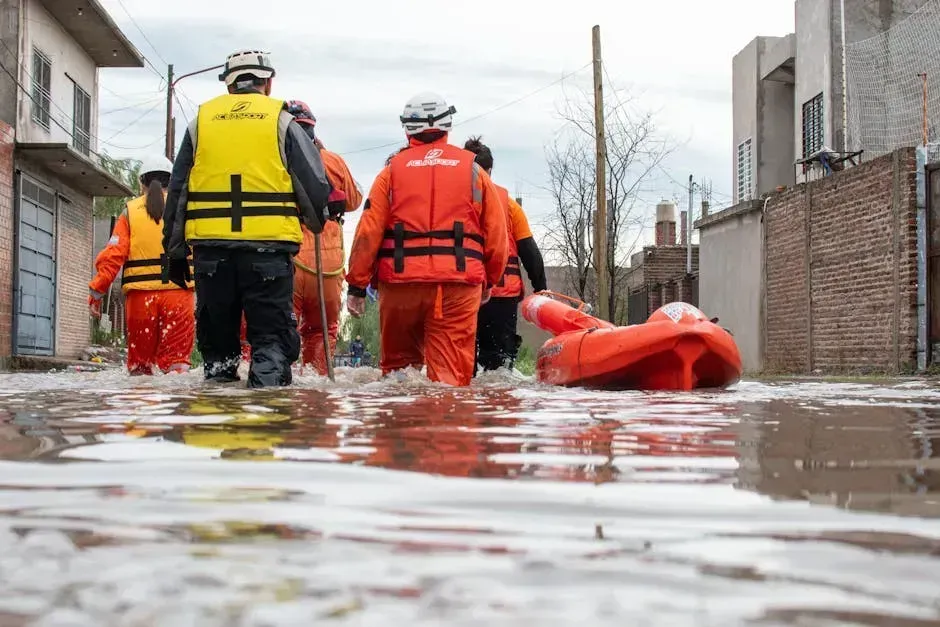
Miami faces accelerating coastal flooding due to rising seas, porous limestone ground, and frequent hurricane exposure. Even with seawalls and pumps, high-tide flooding – also known as “sunny day flooding” – occurs more often each year. The numbers behind this are genuinely startling. The frequency of flooding from high tides has increased over 400% in Miami Beach since 2006.
Miami’s average elevation is six feet – the same amount of sea-level rise expected in Southeast Florida by the end of the century. The ocean has already risen by about six inches since 2000. To make things worse, the city is simultaneously sinking. It sits on porous limestone rock, which some engineers have likened to Swiss cheese – in other words, water can easily seep from underground. Researchers at the Organisation for Economic Co-operation and Development listed Miami as one of the 10 most vulnerable cities worldwide relative to the number of people at risk of coastal inundation.
2. Jakarta, Indonesia – A Capital That Is Literally Disappearing
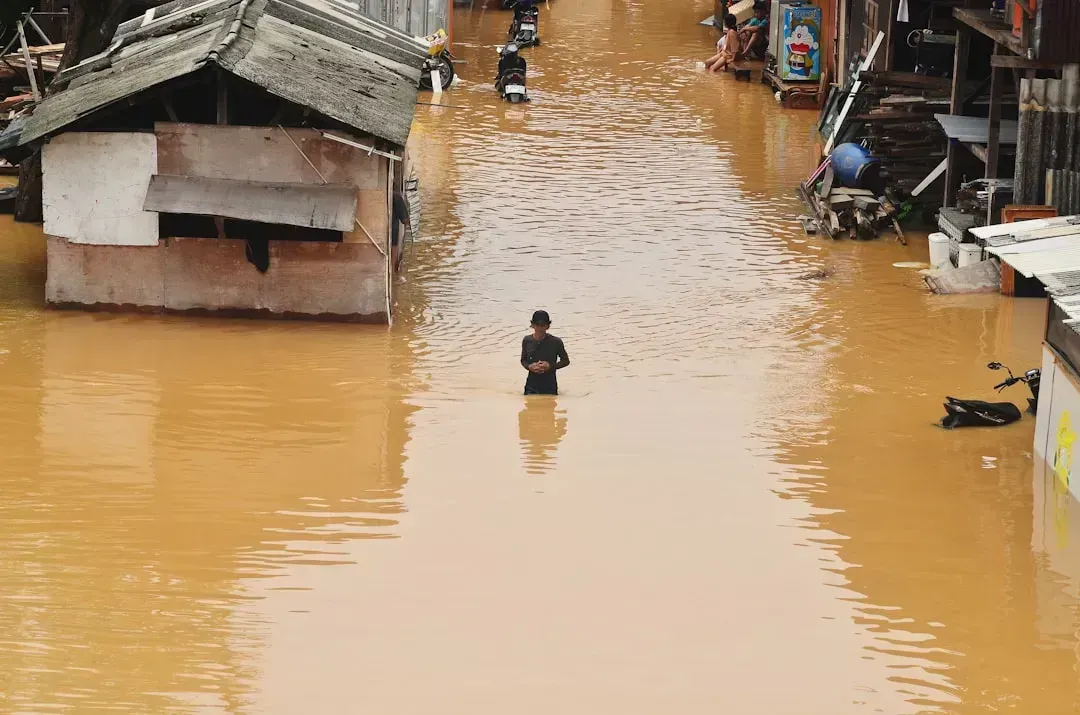
Jakarta is sinking faster than almost any major city on Earth, with some areas dropping more than 10 centimeters per year. Sea level rise and severe flooding have already prompted plans to relocate Indonesia’s capital to Borneo. This is not just a talking point. It is a policy decision that has already been set in motion. Jakarta is especially susceptible to sea level rise and high tides since it is also experiencing one of the fastest land subsidence rates in the world. The digging of illegal wells is deflating the city from below, while the crushing weight of urban sprawl adds additional pressure, causing land to sink by 20 to 25 cm a year, especially in certain areas in North Jakarta.
Honestly, the social dimension is equally staggering. In northern Jakarta, close to 90 percent of the metropolitan region already lies below sea level, and more than 60 percent of the city’s 10.6 million residents – particularly the people who live in Kampungs, poor, informal, high-density settlements – are vulnerable to flooding. Indonesia, the world’s fourth most populous country, sees rapid population growth in coastal regions such as Jakarta and Surabaya, intensifying the strain on infrastructure and heightening flood risk.
3. Mumbai, India – Megacity on the Water’s Edge
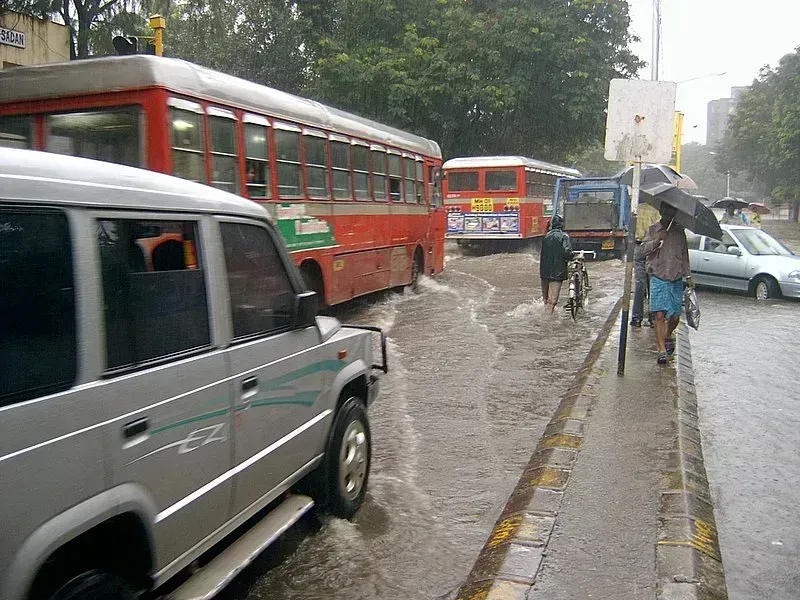
It is Kolkata, Mumbai and Dhaka that have the highest number of people at risk from coastal inundation – between 11 and 14 million people each. Mumbai is a financial powerhouse of over 20 million people, yet it is simultaneously one of the most exposed coastal cities on the planet. India and Bangladesh, with their vast and growing populations, are prime examples where coastal cities like Mumbai, Kolkata and Chattogram are expanding rapidly. These urban centres attract millions of people due to economic opportunities, leading to increased population densities in low-lying coastal zones.
Many rapidly developing cities like Jakarta, Mumbai and Dhaka have inadequate drainage infrastructure that was not designed to handle the intensity of rainfall brought by intensifying weather systems. This has led to flash floods, especially in areas that were not prone to flooding previously. The troubling reality is that Mumbai’s geography has barely changed, but the climate around it has shifted dramatically, with monsoon rainfall becoming increasingly erratic and intense in recent years.
4. Dhaka, Bangladesh – Crowded, Vulnerable, and Running Out of Time
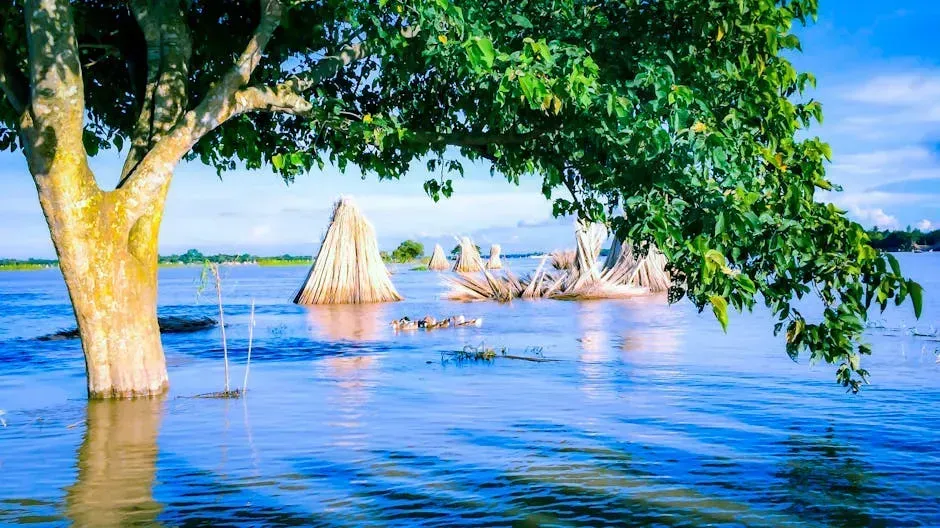
South Asia, with its dense population, high temperature and exposed geography, is one of the world’s most climate-vulnerable regions – and Bangladesh is among the most at risk. By 2030, nearly 90 percent of the region’s population will be at risk of extreme heat and nearly a quarter at risk of severe flooding. With increase in water and soil salinity in the coastal regions, the climate crisis is severely impacting millions of lives in Bangladesh.
Dhaka, one of the most densely populated cities anywhere in the world, faces this crisis on multiple fronts. Land subsidence is aggravating the situation in many cities across Asia, including Dhaka, Jakarta, Bangkok and Manila. The combination of subsidence, river flooding, monsoon intensification, and rapid informal urban expansion creates a compounding risk that is enormously hard to manage. Cities with low elevation, high population density, and inadequate infrastructure – such as Miami, Dhaka, and Jakarta – are among the most at risk.
5. Karachi, Pakistan – Heat, Floods, and Cascading Disasters
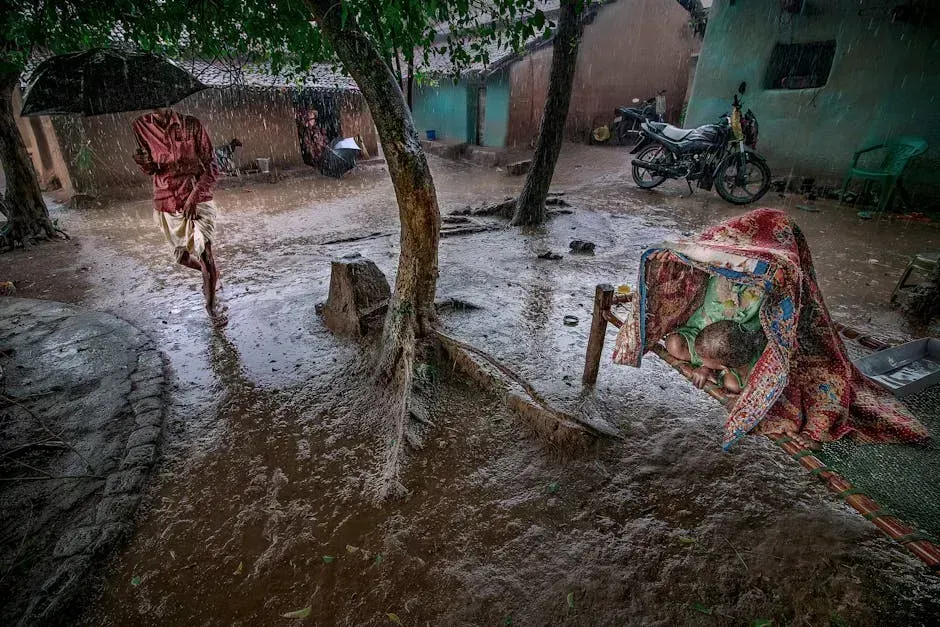
Thousands of residents of Karachi, a megacity of 20 million people, have now been flooded out of their homes for the third time in five years, and the business district shuttered. What is happening in Karachi is not a string of bad luck. It is a pattern. Some models predict extreme daily rainfall in the region will become up to 50 percent more intense if the world warms by 2 degrees C. The repeated disasters, on top of a rising trend of exceptionally intense monsoon rains over the past two decades, are leading climate scientists to fear the worst.
Heat is an equally serious threat. Karachi alone saw a large jump in the duration of heatwaves, from an average of 8.1 days in the first decade to 9.8 days in the years since 2014. Pakistan is among the countries hit hardest by weather-related disasters over the past two decades, yet it ranks 150th globally out of 192 countries when it comes to being ready to deal with disasters, according to the Notre Dame Global Adaptation Initiative’s assessments. That gap between exposure and preparedness is the real danger.
6. Bangkok, Thailand – Slowly Sinking Into the Gulf
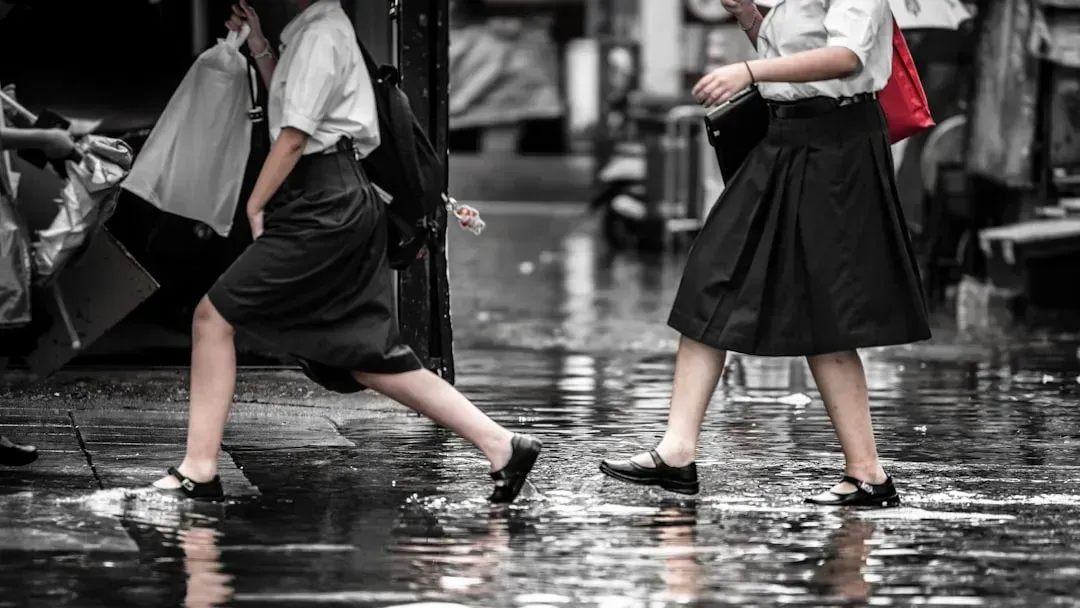
Bangkok sits just a few feet above sea level and is sinking due to groundwater extraction and rapid urban development. Combined with sea-level rise, the city faces increased flooding during monsoon seasons and during tidal surges. Bangkok’s situation is in many ways a mirror of Jakarta’s, though it receives less international attention. The city sits in the Gulf of Thailand, where storm surge events can push saltwater deep into the urban grid. Cities on the east coast of the U.S., including New York City and Miami, are particularly vulnerable, along with major cities in South East Asia, such as Bangkok and Shanghai.
Southeast Asia is already experiencing climate change impacts, which are projected to intensify by the 2050s. Rising temperatures, extreme weather events, and sea level rise will exacerbate existing socio-economic vulnerabilities, making climate-resilient development crucial. The region has warmed by 0.5°C since 1980, and temperatures could rise by 1.1°C under a medium emissions scenario and up to 3.5°C under high emissions by the 2050s. Bangkok’s combination of subsidence, warming, and coastal exposure puts it squarely among the most precarious urban futures in Asia.
7. Lagos, Nigeria – Africa’s Giant at the Water’s Edge
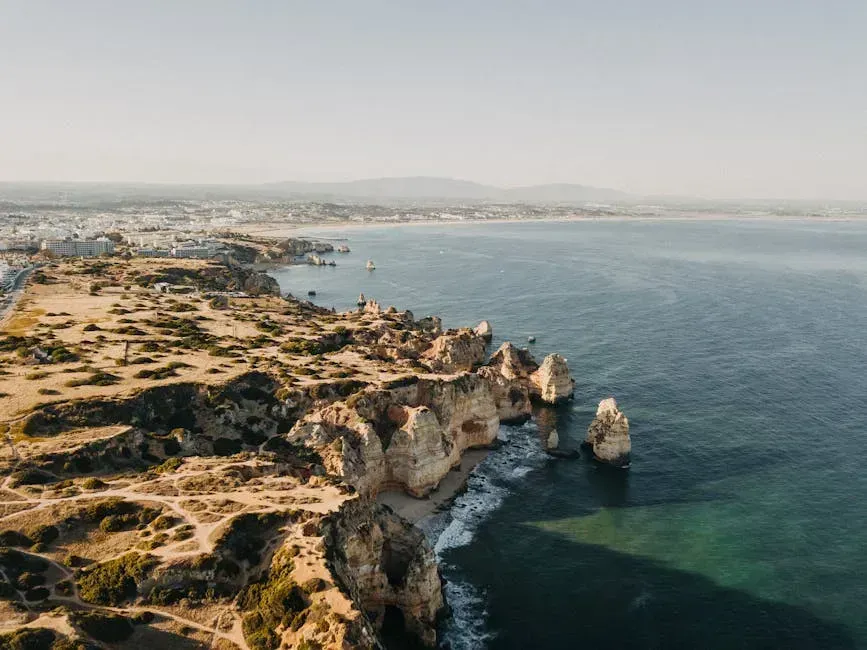
Low-income cities and cities in sub-Saharan Africa, Latin America and Southeast Asia are likely to be hardest hit by intensifying climate conditions. Lagos is perhaps the most prominent example in Africa. Sub-Saharan African cities may endure multiple severe climate impacts, potentially simultaneously. Comparing impacts at 1.5 degrees C vs. 3 degrees C of warming, the region ranks first on average for the largest estimated increase in heat wave frequency – up 56%, to 6.5 occurrences per year.
Lagos is a low-lying coastal city built partly on barrier islands, making it uniquely exposed to rising Atlantic waters and increasingly intense tropical storms. Many of the world’s largest mega-cities concentrate millions of people and trillions of dollars in assets into areas that are becoming more vulnerable to sudden shocks with every passing year. As they continue to expand, so too does their exposure, paving the way for potentially catastrophic disasters in future. Lagos, with its sprawling informal settlements built on swampy ground near the ocean, is a city where climate risk and urban poverty are impossible to separate.
8. Guangzhou, China – Wealth Cannot Buy Full Protection
According to a report by Christian Aid, Miami, Guangzhou, and New York are the top three cities in terms of the value of assets exposed to coastal flooding between 2010 and 2070 – between 2 and 3.5 trillion dollars. Think about that for a moment. Guangzhou is not a struggling city. It is a booming economic center of southern China. Yet despite its extraordinary wealth and infrastructure, the sheer scale of assets and population packed into its flood-vulnerable zones makes financial exposure enormous.
In the U.S., east coast cities are witnessing sea level rise that is two to three times faster than the global average, while cities along China’s Yellow River Delta are experiencing sea level rise of more than 22 cm per year. China, while experiencing slower population growth overall, still sees substantial increases in coastal megacities like Shenzhen and Shanghai, where the risks of flooding are magnified by dense populations and extensive economic activities. Guangzhou sits at the heart of one of the most economically dense river delta systems in the world, and that density is now a liability.
9. New Orleans, USA – Still Fighting the Same Battle
Climate disasters have cost the US economy $6.6 trillion over the past 12 years, with nearly $1 trillion in damages in the last year alone. These disasters are now occurring at nearly three times their historical rate, creating cascading vulnerabilities for local communities. New Orleans sits at the very center of this American crisis. Built below sea level in a river delta prone to hurricanes, it has spent decades trying to engineer its way out of a fundamentally dangerous location. Behind these numbers are cities and communities grappling with urgent realities, from flooding subway systems to coastal cities building flood barriers against rising seas.
The broader trend across American cities is alarming in its consistency. The overwhelming majority – 98.6% – of US cities reporting through CDP-ICLEI Track faced significant climate hazards in 2024, up from 83% in 2023. Over 89% of these hazards are expected to intensify. New Orleans is not alone, but it remains the most symbolically potent reminder of what happens when a great city faces a climate it was never designed to withstand.
10. Cairo, Egypt – Heat, Water Scarcity, and a Narrowing Margin
In addition to record-breaking heat, the Arab region – which encompasses 15 of the world’s most water-scarce countries – has endured dust storms, prolonged drought and destructive floods. Cairo, with a metropolitan population of over 20 million, sits at the heart of this regional pressure cooker. In 2024, the Arab region experienced its hottest year on record, with temperatures rising at nearly twice the global average. For a city already on the edge of a desert, surrounded by one of the world’s most stressed river systems, that trajectory is deeply worrying.
These weather shocks have deepened pressure on communities already grappling with conflict, rapid population growth, urbanisation and economic fragility. Cairo’s lifeline – the Nile – faces growing pressure from upstream dams, reduced rainfall, and increasing demand from a rapidly growing population. Extreme climate events such as heavy rainfall, heatwaves, and droughts have severely affected infrastructure and economic activities across the region, and Cairo is no exception. It is a city where climate risk now intersects with water security in ways that could define the next generation.