6 Food Myths Nutritionists Once Rejected That Turned Out True
Nutrition science has a funny habit of reversing itself. One decade you’re told to ditch eggs, swear off fat, and never trust anything that comes from a freezer bag. The next decade, researchers are quietly admitting the picture was a lot more complicated than they thought. It’s a bit like getting directions from someone who insists they’re right, only for you to discover midway through the trip they had the map upside down.
The food world is full of these moments. Ideas that were once dismissed as folk wisdom, health-food nonsense, or outright dangerous have been quietly, sometimes embarrassingly, vindicated by modern science. Honestly, some of these reversals should have made bigger headlines than they did. Let’s dig in.
Eggs Won’t Give You a Heart Attack

Eggs have been heavily scrutinized by the media as a potential cause of cardiovascular disease. For decades, nutritionists urged people to limit them, throw away the yolks, and treat them like little cholesterol grenades. The logic seemed air-tight: eggs are high in cholesterol, high cholesterol causes heart disease, therefore eggs cause heart disease. Simple, right? Except it wasn’t.
Research has since shown that most of the cholesterol in our body is actually made by our liver. The liver is stimulated to make cholesterol primarily by saturated fat and trans fat in our diet, not by dietary cholesterol. The real culprit had been hiding in plain sight the whole time.
Long blamed for high cholesterol, eggs had been beaten up for their assumed role in cardiovascular disease. Now, University of South Australia researchers have shown definitively that it’s not dietary cholesterol in eggs but the saturated fat in our diets that’s the real heart health concern. In a world-first study, researchers found that eating two eggs a day, as part of a high cholesterol but low saturated fat diet, can actually reduce LDL levels and lower the risk of heart disease.
Results from a prospective, controlled trial presented at the American College of Cardiology’s Annual Scientific Session showed that over a four-month period, cholesterol levels were similar among people who ate fortified eggs most days of the week compared with those who didn’t eat eggs. I think most of us who grew up watching family members fuss over their weekly egg count deserve a small apology from the medical establishment. Perhaps not, but still.
All Dietary Fat Is Not the Enemy
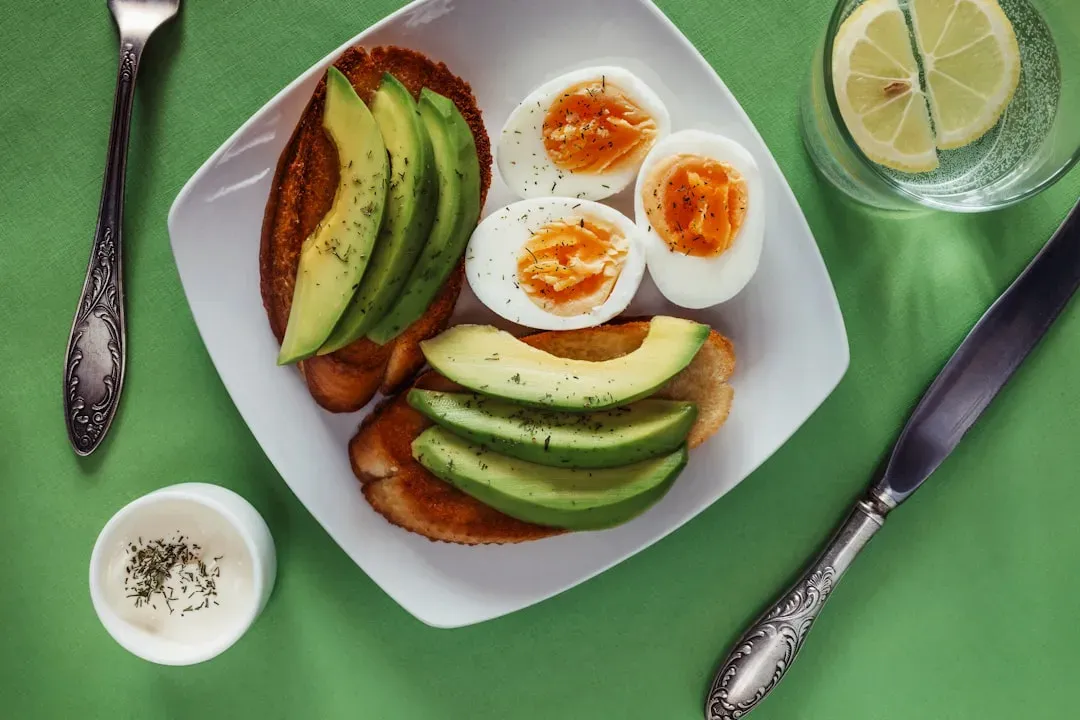
The low-fat craze of the 1980s and 1990s did enormous damage to how we think about food. Fat became the villain of every supermarket label. Entire industries were built on fat-free products, and nutritionists largely endorsed the anti-fat crusade. The problem? As researchers have since stated, dietary fat is not a blanket recommendation to reduce. The quality of fat replacement is equally important.
Many products labeled low-fat or fat-free contain added sugar or sodium to help make up for the loss of flavor when removing or reducing fat. In addition, fat helps with satiety, making you feel fuller longer. Choosing a fat-free product to reduce calories can backfire as you may find yourself snacking soon after.
In recent years, the linear association between saturated fat intake and cardiovascular disease risk has been challenged. The story that all fat was bad was never really a complete story at all. Rather than focusing solely on individual nutrients such as saturated fat, discussions now emphasize food processing methods and the classification of final food products. Ultra-processed foods, characterized by refined ingredients and industrial additives, contribute to poor diet quality, chronic inflammation, and increased cardiovascular risk. Their health impact extends beyond nutrient composition, highlighting the importance of processing and food structure. In other words, the wrapper the food came in matters more than we once assumed.
Full-Fat Dairy Has a Place at the Table
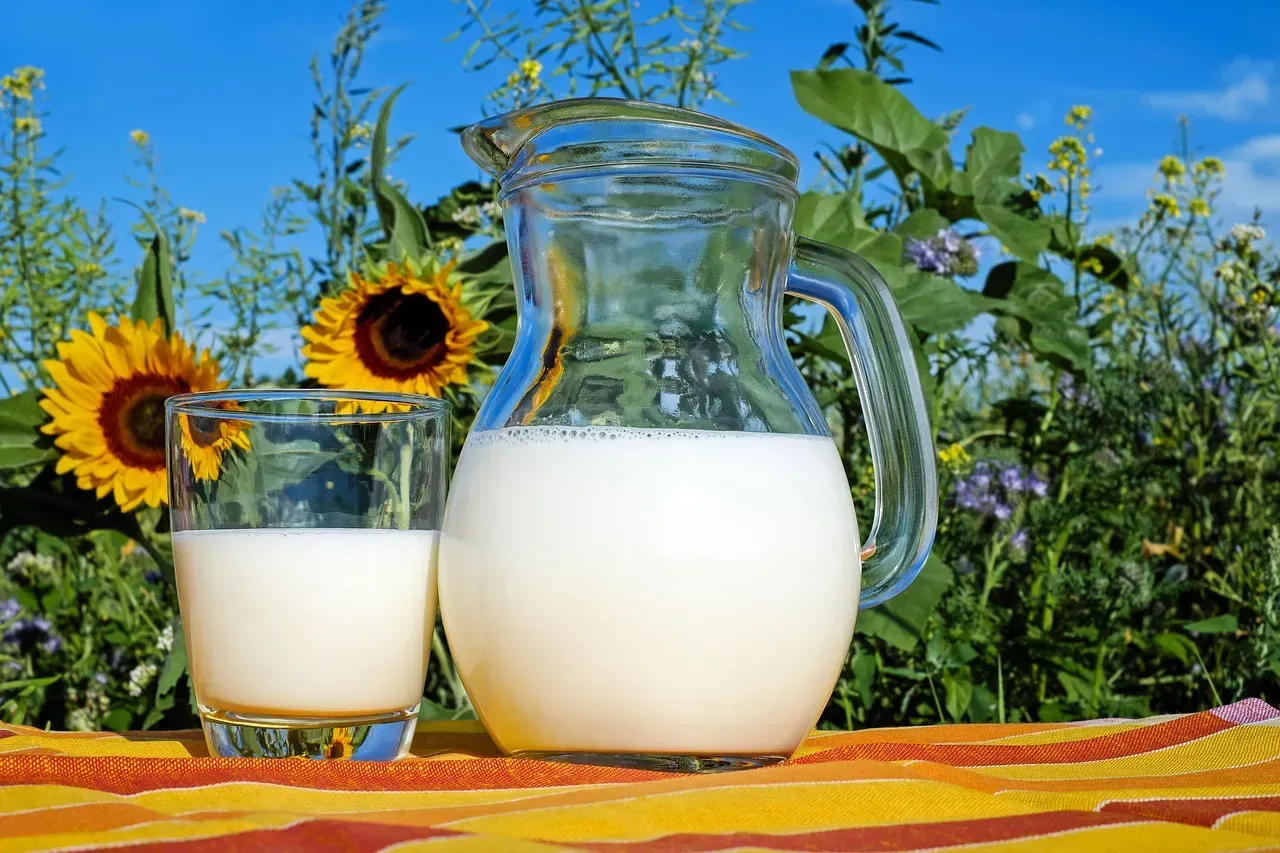
For a long time, skim milk was the official choice of the health-conscious. Full-fat dairy was something you were supposed to feel slightly guilty about. This one is close to home for a lot of people. Here’s the thing though: the research behind those low-fat dairy recommendations was thinner than many realized.
Views have evolved in recent years as researchers have started to learn that the saturated fat from dairy foods does not seem to be behaving the way we think it should behave, based on the historical evidence that saturated fat is linked to heart disease. That’s a pretty significant admission from the scientific community.
Past dietary guidelines pushed low-fat or fat-free options. The 2025-2030 U.S. Dietary Guidelines now state that full-fat milk, yogurt, and cheese are fine choices. One unintended consequence of the low-fat era was that nutrition advice became overly focused on what to remove rather than overall diet quality. In some cases, that meant people replaced satisfying, nutrient-dense foods with less filling or more refined options. Swapping whole milk for sugary cereal wasn’t the trade-up anyone needed.
Frozen Vegetables Are Just as Good as Fresh
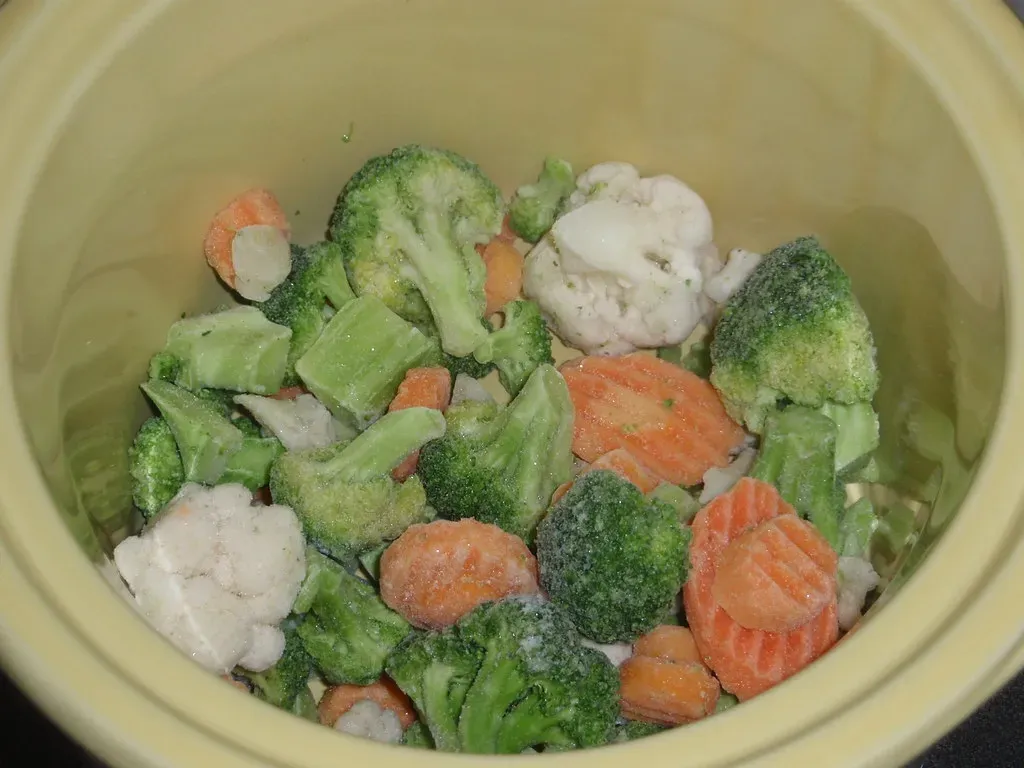
Walk through any grocery store and the fresh produce section still radiates a kind of moral authority. Bright lights, artful displays, the faint scent of something earthy and wholesome. Frozen vegetables, by contrast, feel like giving up. Yet the science tells a much more interesting story.
Research suggests that frozen, canned, and dried fruits and vegetables can provide just as much nutrition as fresh produce. This is because most frozen vegetables are flash-frozen at peak ripeness, locking in their vitamins and minerals before the slow degradation of transport and shelf life can chip away at them. Think of it like pressing pause on a vegetable at its best moment.
The updated 2025-2030 Dietary Guidelines also recognize “frozen, dried, or canned vegetables or fruits with no or very limited added sugars” as good options for meeting daily intake goals. As one registered dietitian noted, if we want people to eat more produce, it helps to make it affordable, accessible and convenient by saying it’s OK to add frozen, canned or dried varieties to their shopping lists. There is no medal for choosing the wilted fresh broccoli over the perfectly frozen kind, it turns out.
Coffee Is Actually Good for Your Gut

Coffee has been accused of nearly everything at some point. Stunting growth. Causing heart problems. Dehydrating you. Doctors and nutritionists spent years giving coffee drinkers uneasy looks. But the tide has turned dramatically, and the gut microbiome research coming out now is genuinely fascinating.
Coffee is a habitually consumed beverage with established metabolic and health benefits. Among over 150 food items studied, coffee shows the highest correlation with microbiome components. A multi-cohort analysis of US and UK populations covering nearly 23,000 participants found that the link between coffee consumption and the microbiome was highly reproducible across different populations, largely driven by the presence and abundance of the species Lawsonibacter asaccharolyticus.
Coffee is a surprising source of soluble fiber and polyphenols, which act as fuel for good bacteria and help reduce inflammation. Fascinatingly, even decaffeinated coffee stimulates the growth of Lawsonibacter asaccharolyticus, highlighting the role of coffee’s polyphenols rather than caffeine. So the benefit is not just about the caffeine buzz. A majority of studies found that moderate consumption of coffee, under four cups a day, increased the relative abundance of beneficial bacterial phyla such as Firmicutes and Actinobacteria. Coffee drinkers who were told for years to cut back might be forgiven for feeling a little smug right now.
Not All Carbs Are Bad: The Quality Debate That Changed Everything
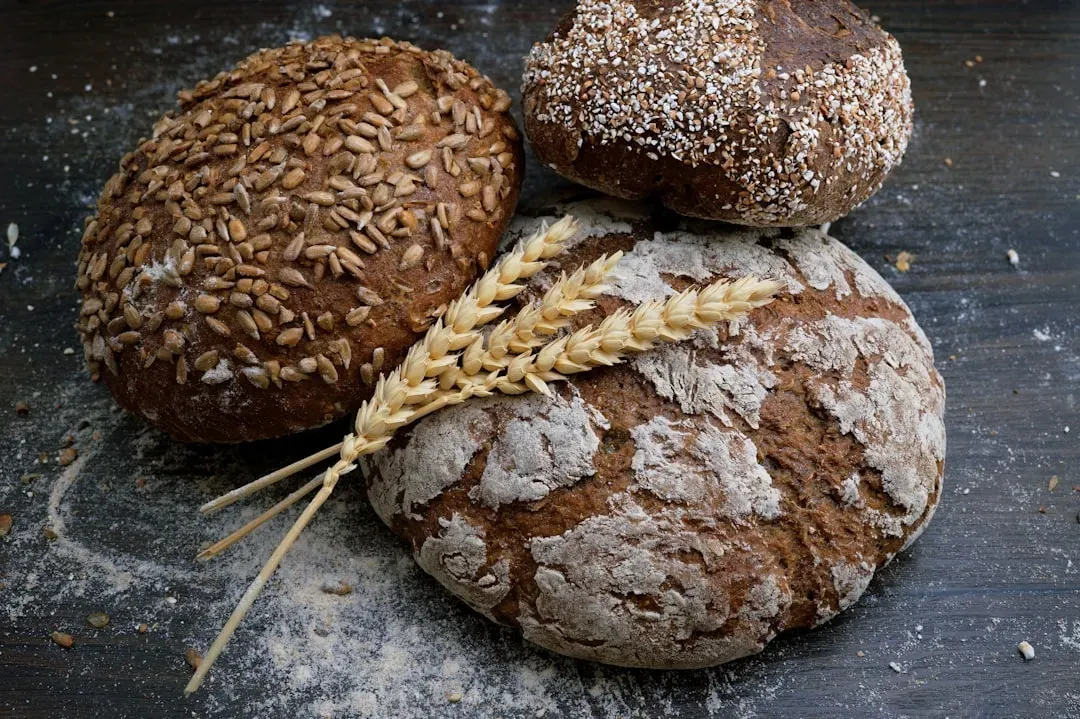
The carb wars of the early 2000s were brutal. Low-carb diets swept through popular culture, and carbohydrates were branded as the primary driver of obesity, diabetes, and metabolic disease. Bread became a source of shame. Pasta was practically criminal. Nutritionists who pushed carb restriction found massive audiences, and those who pushed back were shouted down. Here’s what the broader science actually shows.
The data shows that carbs themselves do not make you fat. Extra calories do, no matter where they come from. Fruits, vegetables, beans, lentils, and whole grains are loaded with nutrients. The problem was never carbohydrates as a category. The problem was the type of carbohydrates being consumed, particularly refined ones stripped of fiber and nutrients.
The 2025-2030 Dietary Guidelines recommend significantly reducing the consumption of highly processed, refined carbohydrates, such as white bread, ready-to-eat packaged breakfast options, and crackers, while whole, fiber-rich carbs remain encouraged as part of a balanced diet. A decades-long study of nearly 200,000 adults challenged the low-carb versus low-fat debate, finding that both eating patterns were tied to lower heart disease risk when they emphasized whole grains and plant-based foods. The villain was never the sweet potato. It was the ultra-processed, sugar-spiked version of everything we were eating around it.
Food science is a living, evolving field, and the best thing any of us can do is stay curious rather than dogmatic about any single nutritional gospel. The real lesson across all six of these myths is the same: context matters enormously. Whole foods, quality ingredients, and an honest look at what the full body of evidence says will always beat any single sweeping food rule. What food myth once changed how you ate? Did it turn out to be true after all?