Why These “Hidden Fee” Destinations Are Rapidly Losing Tourists
Think you found a great hotel deal? Then you get to checkout and suddenly the price has doubled with resort fees, tourist taxes, and mystery charges nobody warned you about. Travelers are getting tired of this game, and they’re voting with their feet by booking elsewhere. From Las Vegas to Venice, some of the world’s most iconic destinations are watching visitor numbers drop as frustration over hidden costs reaches a breaking point.
The problem isn’t just about a few extra dollars here and there. It’s the feeling of being tricked, the sense that you’re being nickeled and dimed at every turn, that leaves a bad taste. When you think you’re paying one price but end up shelling out significantly more, trust erodes. Destinations that once topped bucket lists are now seeing tourists choose alternative spots where pricing feels more transparent and honest.
Las Vegas Shows Just How Far Resort Fees Can Push Visitors Away

Las Vegas ran its first-ever city-wide sale in September 2025 to lure back visitors disillusioned with its hidden resort fees. That’s not a small thing. When Sin City, one of America’s most famous tourist magnets, has to launch emergency discounts to bring people back, you know something’s seriously wrong.
Some high-end MGM properties now charge $55 per night in resort fees, with the last updates raising fees by roughly three to eight dollars per night in December 2024. Resort fees typically range from the extreme low end of around twenty dollars to fifty-five dollars, and the average on the Vegas Strip hovers around forty-five to fifty-five dollars. Here’s the real kicker though: these fees are taxed at over thirteen percent and are mandatory. You can’t negotiate them away, even if you never use the pool or gym they supposedly cover.
In 2025, viral stories circulated about Vegas becoming a ghost town, with both Vegas and Disney facing complaints about their practices of nickeling and diming guests as their once-affordable resorts have become luxury destinations. Social media amplified the anger. People shared screenshots showing advertised room rates that were lower than the resort fee itself, making the total price more than double what was initially displayed. The practice feels deceptive, honestly, and that perception is driving tourists to explore other entertainment options or casino destinations with clearer pricing.
Venice’s Tourist Tax Experiment Fails to Control Crowds While Angering Visitors
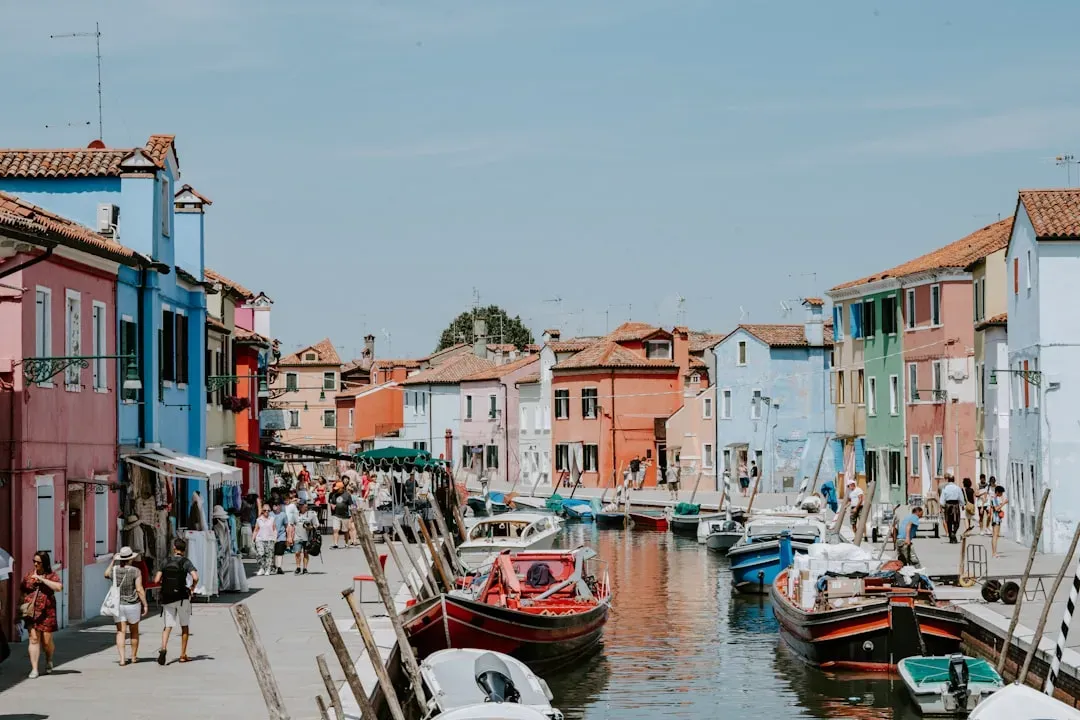
Venice doubled its tourist entry fee to ten euros in 2025, despite data suggesting the measure failed to reduce visitor numbers during its trial period in 2024. The city’s floating canals and Renaissance architecture still draw millions, yet the access fee experiment hasn’t produced the intended results.
A total of roughly 723,000 visitors paid Venice’s daytripper fee in 2025, resulting in revenue of over five million euros, nearly double the figures for 2024 when around 485,000 payments totaling two and a half million euros were recorded. Those numbers sound impressive until you realize the fee didn’t actually reduce congestion. An opposition city council member called the ticket a failure, citing data that showed an average of 75,000 daily visitors during the trial period, which was 10,000 more than on similar days in 2023.
The bigger issue? Venice’s visitor numbers dropped nearly thirty percent compared to 2024, and locals and operators point to the new day-tripper tax introduced in 2025 as one contributing factor. Tourists don’t want to pay just to walk through a city’s streets. It feels transactional rather than welcoming. Many are choosing Croatian coastal towns or Portuguese cities instead where they can explore freely without feeling like they’re paying admission to an outdoor museum.
Bali’s Mandatory Levy Creates Confusion and Compliance Problems
Bali introduced the Bali Tourist Levy on February 14, 2024, requiring all international tourists to pay 150,000 rupiah (around nine dollars) upon arrival, and the island saw 6.3 million international tourists visit in 2024. The fee itself isn’t unreasonable compared to some destinations. The problem is how it’s been implemented and enforced.
Even though this is a mandatory fee written into Bali Provincial Law, less than forty percent of all international arrivals have been paying. That’s a massive compliance failure. Part of the issue stems from inconsistent enforcement and confusing payment processes. Some tourists arrive unaware the tax even exists, while others deliberately skip it knowing there’s minimal chance of being caught.
Bookings for Bali in 2025 and 2026 are already seeing a decline, with European and Australian travel companies reporting a drop in interest as tourists search for quieter alternatives. When you combine mandatory fees with overcrowding and infrastructure struggles, the island that backpackers once flocked to for impossibly cheap experiences starts losing its appeal. Thailand, Vietnam, and the Philippines are capturing some of that diverted demand as travelers seek better value and less bureaucratic hassle.
Barcelona’s Housing Crisis Drives Aggressive Anti-Tourist Policies and Higher Costs

Over the past decade, apartment prices in Barcelona jumped sixty-eight percent, with rents spiking eighteen percent in June 2024 alone. The city’s tourism boom created a housing nightmare for residents, and now the backlash is hitting the tourism industry hard.
Short-term rented properties encouraged by websites like Airbnb have been mainly accountable for the sixty-eight percent increase in rents in the past decade due to the tourism boom, according to official statistics from Barcelona City Council. Local anger boiled over into street protests, with demonstrators spraying water guns at tourists and painting graffiti urging visitors to go home.
The city responded with aggressive fee increases and restrictions. Since the beginning of April 2024, visitors staying in five-star and luxury hotels in Barcelona must pay 6.75 euros per night, whereas the fee for lower accommodation services amounts to 4.25 euros per night. Barcelona has banned new tourist apartments and recommended the closure of all short-term leasing licenses by 2028, serving to liberate properties for long-term use by residents. Those measures might help locals, but they’re also making Barcelona significantly more expensive and less welcoming for visitors who feel caught in the crossfire of a housing crisis they didn’t create.
Croatia Prices Itself Out of Its Budget-Friendly Reputation
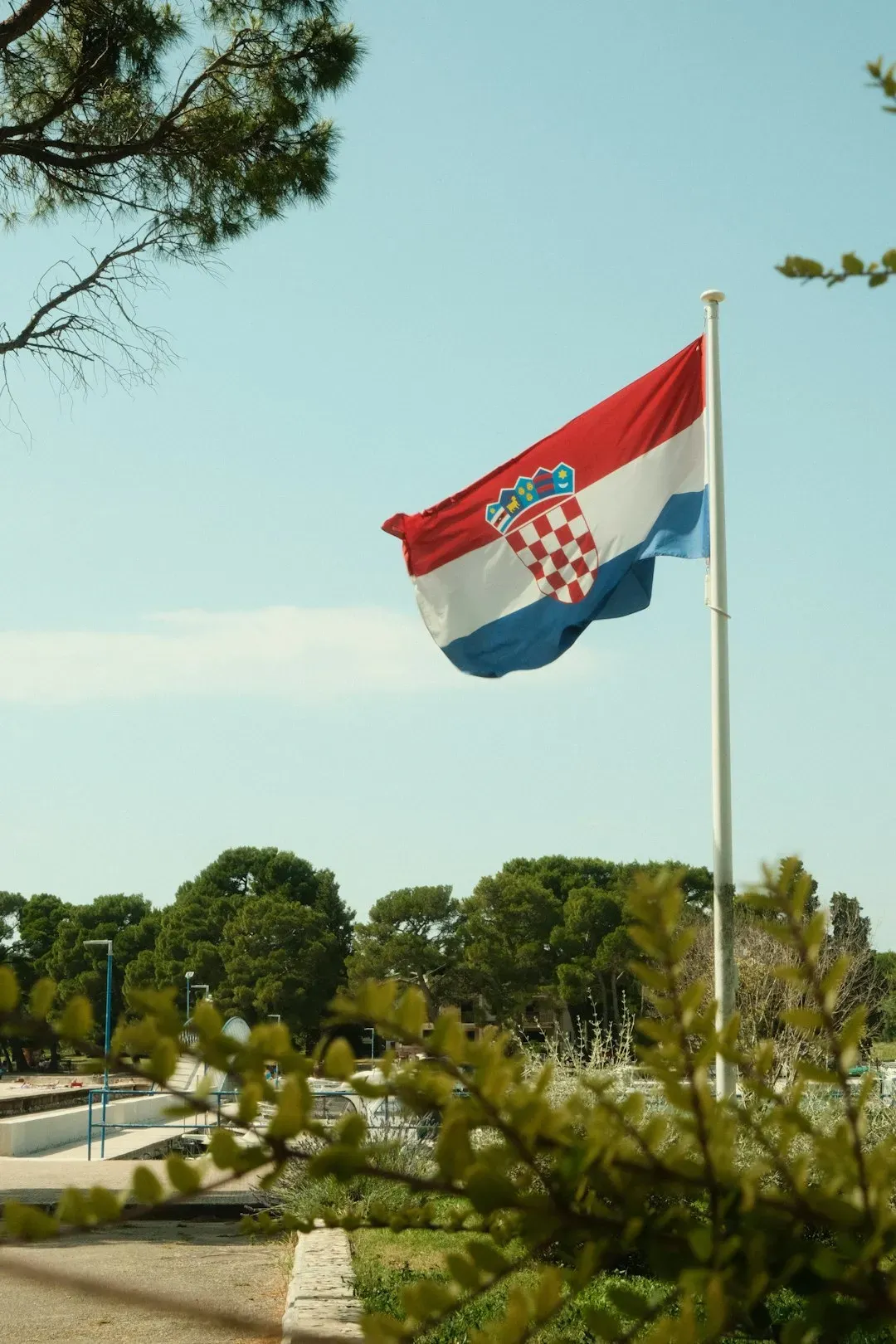
The cost of holidays in Croatia has increased by up to fifty percent in the last three years, well above the fifteen to twenty percent recorded in competing destinations such as Greece and Spain, causing the Adriatic destination to lose its competitive edge. That’s a dramatic shift for a country that built its tourism reputation on offering Mediterranean beauty without the hefty price tag.
Tourist arrivals in May 2025 saw a sharp five percent drop, and overnight stays plummeted fourteen percent, with German visitors who represented thirty percent of arrivals in May 2024 only accounting for roughly sixteen and a half percent of visitors in May 2025. Germans, Austrians, and Poles who once filled Croatian beaches are now reconsidering their options as better value beckons from neighboring countries.
Market analysts believe that soaring prices are to blame, with Croatia’s costs rising sharply and making it less appealing to budget-conscious travelers, and even Croatia’s Prime Minister has acknowledged the danger, warning that other countries also have seas, islands, and beaches. When your own leader admits you’ve priced yourself out of the market, that’s a clear signal the strategy isn’t working. Greece offers similar coastlines, history, and Mediterranean charm at more reasonable rates, and tourists are taking note.
The hidden fee problem represents more than just inflated prices. It’s about broken trust between destinations and the people who visit them. When travelers feel deceived by pricing that doesn’t match what was advertised, they remember that experience and share it widely on social media and review platforms. Destinations suffering now from declining numbers brought much of this on themselves through practices that prioritized short-term revenue extraction over long-term visitor satisfaction and loyalty. The question now is whether they’ll adjust their approach before the damage becomes permanent. What do you think – would transparent pricing bring you back to these destinations, or have they already lost you for good?