The “Stealth Tax”: How Rising RMDs Are Quietly Eating Away at 2026 Retirement Savings
Here’s the thing most people approaching retirement don’t realize. You spent decades diligently saving in your 401(k) or traditional IRA, watching those balances grow year after year. You thought you’d finally get to enjoy those savings on your own terms. Then you hit age 73, and the government steps in with a mandatory withdrawal schedule called Required Minimum Distributions. The law provided for a longer starting age for required minimum distributions (RMDs) to age 73, effective January 1, 2023. These forced withdrawals can push you into higher tax brackets, trigger Medicare premium surcharges, and even make more of your Social Security benefits taxable. Welcome to what financial planners are increasingly calling the retirement “stealth tax.”
The New RMD Age Rules Are Creating Confusion

Let’s be real, the rules around when you must start taking RMDs have changed so many times in recent years that even seasoned retirees are getting confused. On December 23, 2022, Congress passed the Secure Act 2.0, which moved the required minimum distribution (RMD) age from the current age of 72 out to age 73 starting in 2023. They also went one step further and included in the new law bill an automatic increase in the RMD beginning in 2033, extending the RMD start age to 75. If you were born between 1951 and 1959, your RMD age is 73. Born in 1960 or later? You’ll wait until 75.
The catch is that these changes created a moving target that nobody asked for. Specifically, individuals born in 1952 will turn 73 in 2025 and must initiate their first required minimum distributions (RMDs) to remain compliant with the updated timeline. While pushing back the age gives your money more time to grow tax-deferred, it also means larger account balances when distributions finally begin.
The Double RMD Trap That Crushes Tax Planning

So you turned 73 in 2025, and you’ve heard you can delay your first RMD until April 1, 2026. Sounds like a gift, right? Here’s what they don’t tell you upfront. For example, a person who turned 73 in 2025 has until April 1, 2026, to take their first RMD (although they’ll be required to take a second RMD by the end of 2026). That’s two taxable distributions in one calendar year, potentially shoving you into a higher bracket and increasing taxes on your Social Security benefits.
However, all subsequent RMDs must be taken by December 31, meaning that if you delay until April, you’ll have to take two withdrawals in one year. That could push you into a higher tax bracket and increase your overall tax liability for that year. This isn’t just about the immediate tax hit. It can trigger IRMAA surcharges on your Medicare premiums, which look back at income from two years prior. One bad year can haunt you for quite a while.
How RMDs Silently Push You Into Higher Tax Brackets

Think about it. You retire at 65, your income drops dramatically, and you’re finally in a lower tax bracket than during your working years. Then RMDs kick in at 73. There’s a sharp drop in their effective income tax rate when they retire. But as RMDs start, their tax rate starts to climb again. So, RMDs can erode the tax benefits of retirement savings. These mandatory withdrawals get added to your other income sources like Social Security, pension payments, interest, and dividends from taxable accounts.
Some retirees may find they have so much saved in tax-deferred retirement accounts that combining RMDs with other sources of income – such as Social Security benefits and interest, dividends, or capital gains from brokerage accounts – could move them into an unexpectedly high tax bracket. The more successful you were at saving, the more brutal this stealth tax becomes. People who meticulously built substantial retirement nest eggs often face the harshest consequences.
Social Security Gets Taxed More Because of RMDs

It’s hard to say for sure, but I think one of the cruelest aspects of the RMD system is how it makes more of your Social Security benefits taxable. RMDs can trigger several additional tax consequences, including: Your RMD may increase your provisional income, causing up to 85% of your Social Security benefits to become taxable. Up to 85 percent! Many retirees assumed their Social Security would remain largely tax-free, only to discover their RMDs changed that math entirely.
The IRS calculates what’s called provisional income, which includes half of your Social Security benefits plus all other income, including RMDs. Cross certain thresholds, and suddenly benefits you thought were safe become taxable. It’s a compounding problem where one forced withdrawal creates multiple tax hits across different income sources.
Medicare IRMAA Surcharges Add Insult to Injury

Now let’s talk about another consequence most people don’t see coming. IRMAA brackets can be affected by even small increases in income. IRMAA stands for Income-Related Monthly Adjustment Amount, and it’s essentially a surcharge on your Medicare Part B and Part D premiums based on your modified adjusted gross income from two years prior. Take a large RMD in 2026? Expect higher Medicare premiums in 2028.
These surcharges aren’t small either. They can add hundreds of dollars per month to your healthcare costs. That can bump you into a higher tax bracket or affect the taxation of Social Security and Medicare IRMAA calculations. The brackets are narrow enough that even modest increases in RMDs can push you over the threshold, creating a chain reaction of increased costs throughout your retirement.
Market Volatility Makes RMDs Even More Painful
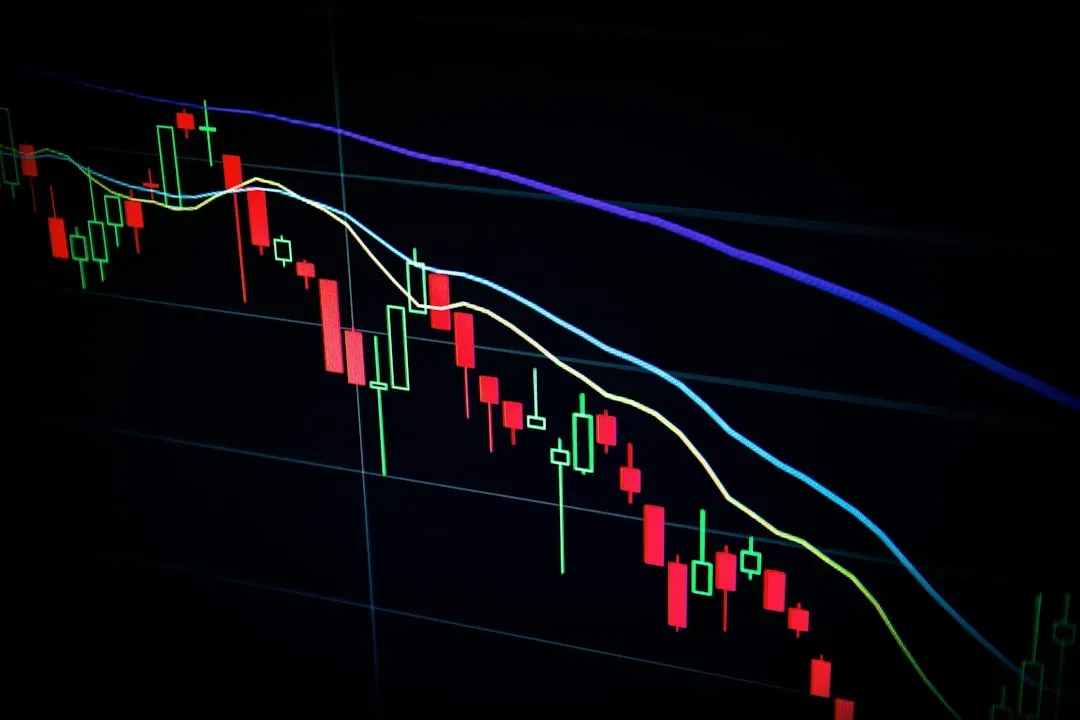
Here’s something that keeps financial planners up at night. Your RMD amount is calculated based on your December 31st account balance from the previous year. RMDs are calculated in part using your RMD account balance from the prior year. If there’s a market downturn in, say, 2026, you’ll still have to withdraw the predetermined amount at the end of 2025 (which might have been higher). This could result in the forced selling of IRA investments at a lower value just to satisfy your RMD obligation.
Imagine your account was worth five hundred thousand dollars at the end of 2025, requiring a specific RMD for 2026. Then the market crashes in February, your balance drops to four hundred thousand, but you still owe the same distribution based on the higher balance. You’re forced to sell assets at depressed prices, locking in losses just to meet the IRS requirement. It’s brutal timing that can permanently damage your retirement portfolio.
The Penalty Reduction Isn’t as Generous as It Sounds
You might have heard some good news about RMD penalties being reduced. Before SECURE 2.0, failing to take a RMD could lead to one of the steepest penalties in the entire tax code, as missing a RMD or not taking a big enough RMD triggered a 50% excise tax on the distribution shortfall (although the IRS rarely enforced the penalty if the mistake was corrected in a timely manner). SECURE 2.0 reduces the penalty to 25% in all cases. In addition, the penalty drops down to 10% if the necessary RMD is taken by the end of the second year following the year it was due.
Still, let’s not celebrate too much. A 25 percent penalty on a missed fifty thousand dollar RMD is still twelve thousand five hundred dollars. However, he added, the penalties remain significant. Correct it within two years and you’re still looking at five thousand dollars. These aren’t slaps on the wrist. They’re serious financial consequences that underscore how seriously the IRS takes these mandatory distributions.
Growing Account Balances Mean Bigger RMDs Over Time

The math behind RMDs is deceptively simple but increasingly painful as you age. The IRS calculates RMDs by taking the balances of your tax-deferred retirement accounts at the end of the prior year and dividing the total by a number based on your life expectancy factor. The denominator gets smaller as your age increases, meaning the minimum amount of your distributions gets larger as time goes by. Translation: every year you live, the percentage you must withdraw increases.
Real Example: A married couple retired at 62 with $2.4M in pre-tax IRAs. Without planning, their RMDs at age 73 would have exceeded $150,000 per year. By doing annual Roth conversions in the 12%–22% brackets during their 60s, we cut their future RMDs nearly in half and reduced lifetime taxes by hundreds of thousands of dollars. This example shows how quickly substantial retirement accounts can generate massive forced distributions that create enormous tax bills.
New 2025 Rules for Inherited IRAs Compound the Problem

For those who inherit retirement accounts, the situation got significantly more complicated. The most significant shift in the 2025 reality affects beneficiaries who inherited IRAs from owners who had already reached their required beginning date. For the last four years, the IRS issued consecutive notices waiving penalties for those who failed to take annual distributions under the “10-year rule.” Starting January 1, 2025, this grace period is over. According to IRS Final Regulations, beneficiaries subject to the 10-year rule where the decedent died after their required beginning date must now take annual distributions in years one through nine, in addition to emptying the account by the end of the tenth year.
This change hits families hard, particularly when adult children inherit accounts during their peak earning years. For example, a parent who dies between the ages of 80 and 90 may have children in their 50s or 60s, which are typically prime earnings years. The impact of this is that a majority of inherited IRA beneficiaries will now be required to withdraw assets in full from an inherited IRA during the years they will most likely fall into the highest marginal income tax bracket of their lifetimes.
Strategic Planning Can Reduce the RMD Bite

Look, I know it sounds crazy, but the years between retirement and RMD age represent a golden opportunity for tax planning. It’s the period between retirement and the start of RMDs. During this time, income and tax rates are usually lower. Roth conversions can help “fill up” those lower tax brackets and reduce the sting of future RMDs. It’s a great opportunity to manage your tax liability. Converting traditional IRA money to Roth accounts during low-income years means paying taxes now at lower rates to eliminate RMDs later.
Roth conversions allow you to move money from a traditional IRA to a Roth IRA, paying taxes now to eliminate RMDs later. Conversions reduce the future size of traditional IRAs → lowering future RMDs. Roth IRA withdrawals are tax-free and do not raise AGI. Ideal during low-income years between retirement and age 73. Qualified charitable distributions offer another powerful strategy for those charitably inclined, allowing direct transfers from IRAs to qualified charities that count toward RMDs without increasing taxable income.
The stealth tax of rising RMDs represents one of the most significant yet underestimated threats to retirement security in 2026. These mandatory withdrawals create a cascading series of tax consequences that can dramatically reduce your spendable retirement income. With proper planning during the crucial years before RMDs begin, however, you can significantly reduce their impact. The key is understanding the rules, anticipating the tax consequences, and implementing strategies well before you’re forced to start taking distributions. What’s your plan for managing RMDs? Have you calculated what yours might be?