By 2031, These 8 Home Features May Be So Outdated They’re Almost Worthless
Let’s be real here. What looks cutting edge or perfectly acceptable today might be laughable within just a few years. Your home is probably filled with design choices that felt right when you made them, yet the clock is ticking on their relevance.
Think about this for a second. Popcorn ceilings peaked in popularity between the 1950s and 1980s, and now they’re considered an eyesore that can actually hurt your home’s value. The same fate awaits certain features we’re still installing or tolerating right now.
Wall-to-Wall Carpeting Throughout the Home
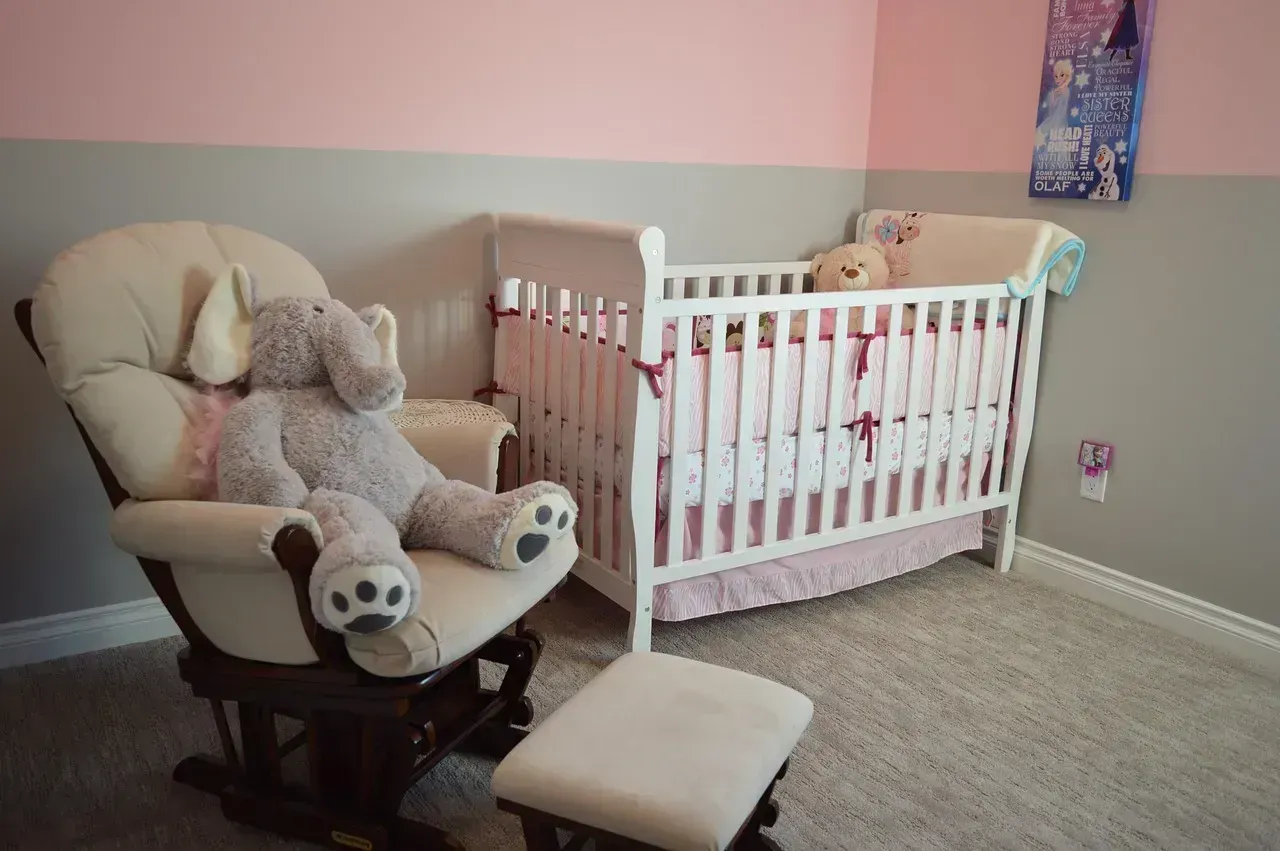
The growth of hard surfaces largely relegated carpet to bedrooms, and this trend is only accelerating. Remember when every room had plush carpeting? Those days are fading fast. Carpeting collects dust, allergens, and stains in ways that make modern buyers cringe. The current trend is to NOT install wall to wall carpet but hard surface flooring with area rugs.
Here’s the thing. Buyers in 2031 will likely view extensive carpeting as outdated, high maintenance, and frankly unhygienic. The future belongs to easy-to-clean surfaces with strategic rug placement for warmth. If your entire house is carpeted, you’re sitting on a feature that’s rapidly losing appeal.
Popcorn Ceilings
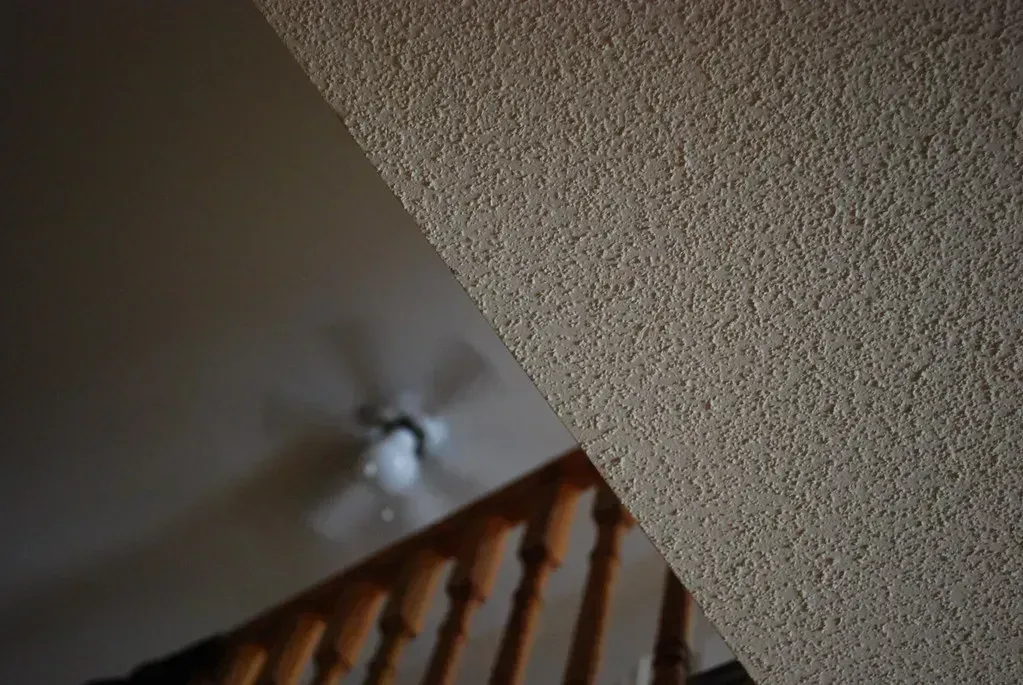
I know what you’re thinking. Aren’t these already outdated? Absolutely, yet they’re still present in countless homes. Modern buyers tend to associate popcorn ceilings with an older, less-maintained home. This perception is especially pronounced among younger buyers who prioritize clean, updated aesthetics.
According to some estimates, popcorn ceiling removal can have an ROI above 80%, which tells you everything about how much buyers detest them. The texture looks dated, traps dust, and creates shadows that make rooms feel darker. By 2031, having popcorn ceilings will be like advertising that your home is stuck in a time warp. Popcorn ceilings are easy to notice, and make homes look and feel dated.
Formal Dining Rooms
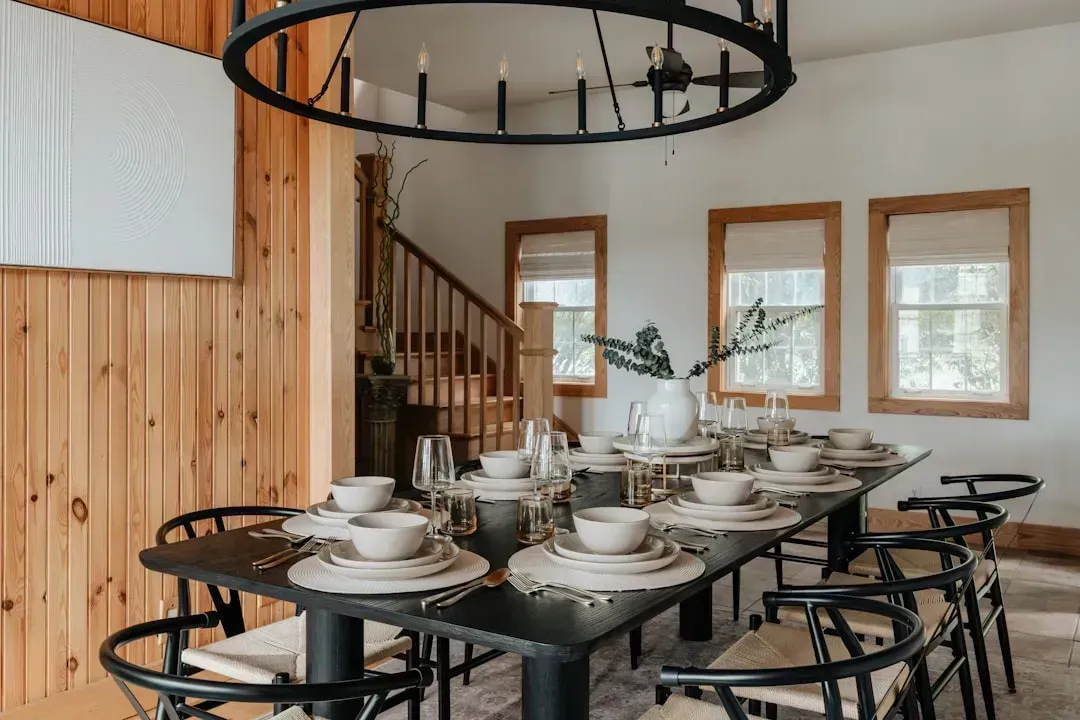
Once a staple in traditional homes, formal dining rooms are increasingly seen as wasted space. Most families don’t host elaborate dinner parties anymore. They eat at the kitchen island, grab food on the go, or gather casually around a table that doubles as a workspace.
Buyers today prefer multi-purpose spaces that can transform from home office to craft room to occasional dining area. The stiff, rarely used formal dining room feels impractical and out of touch. For decades, the formal dining room was a non-negotiable part of American home design – a room built to impress, used a handful of times a year, and left largely untouched the rest of the time. But in many homes today, that model no longer makes sense. By 2031, these spaces will seem like architectural relics from a more ceremonious era.
Built-In Entertainment Centers
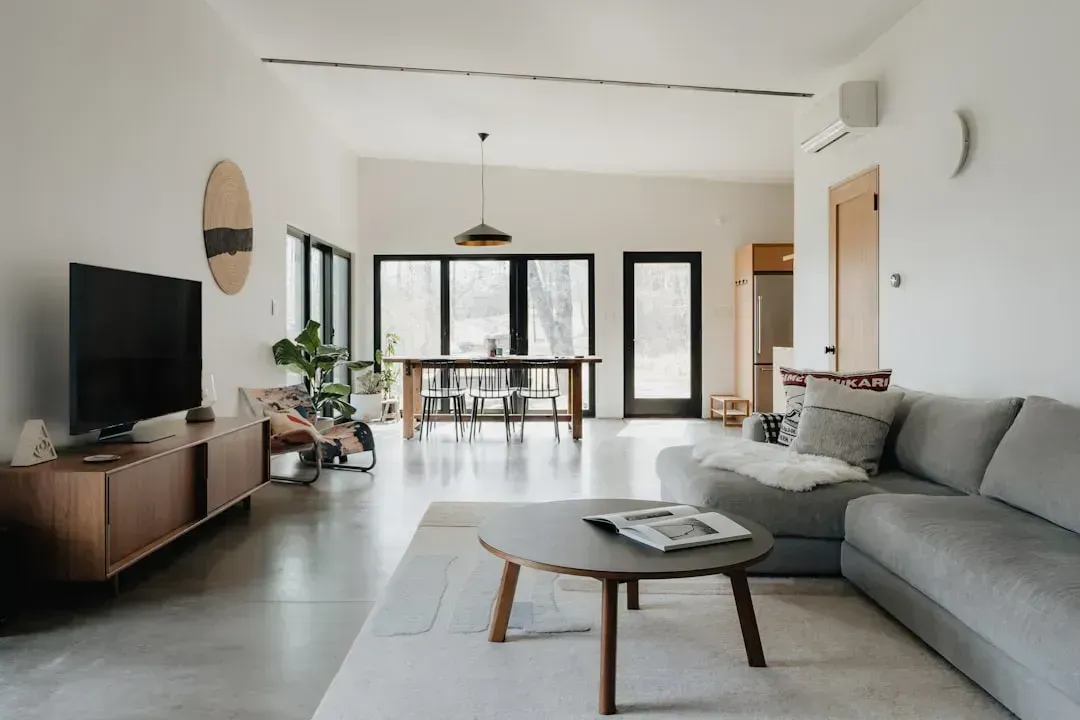
Remember those massive wall units built to house tube TVs and DVDs? They’re not only outdated – they’re a waste of valuable wall space. Technology changes faster than we can renovate. Today’s sleek wall-mounted screens and streaming devices have made bulky entertainment centers pointless.
Think about it. Those custom built-ins that once seemed so practical now just limit your options. Trending now: Wall-mounted TVs with floating shelves or clean, minimalist media consoles. In five years, we might not even mount TVs on walls anymore. Fixed furniture for rapidly evolving technology? That’s a losing proposition.
All-Gray Everything
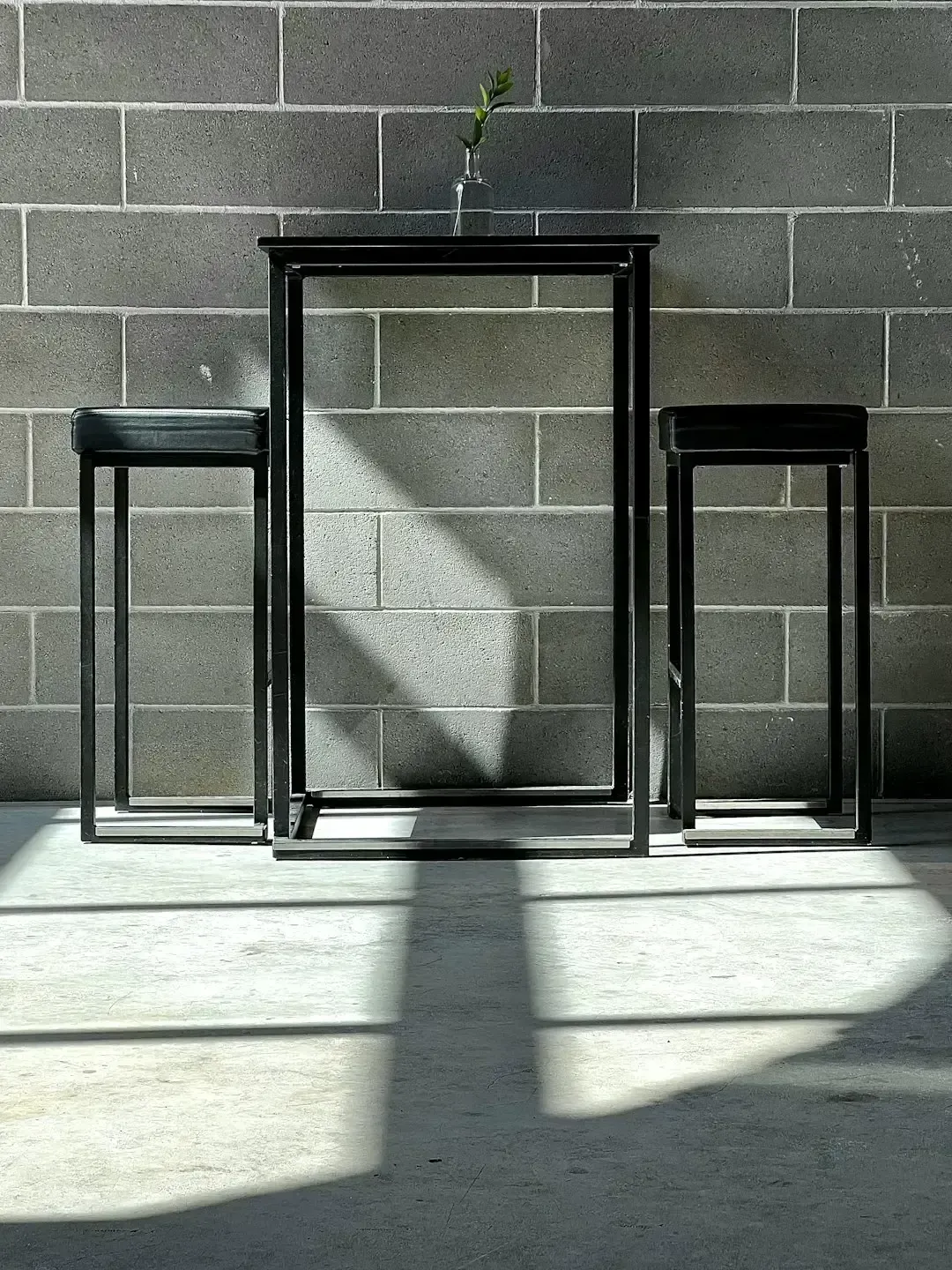
For years, real estate investors and home flippers have relied on gray walls, gray flooring, and gray cabinets to create a “modern” look. But in 2025, this trend was dead. Buyers now see all-gray interiors as cold, outdated, and overdone.
The monochromatic gray aesthetic dominated the 2010s, showing up everywhere from subway tile to luxury vinyl planks. Entire rooms dominated by varying shades of gray were once the epitome of modern sophistication. However, this trend is waning as warmer, more inviting color palettes gain popularity, like earth tones, greens and blues. What felt contemporary five years ago now screams “flip house special.” By 2031, all-gray interiors will date your home as surely as avocado green appliances dated homes in the past.
Jetted Tubs and Jacuzzis
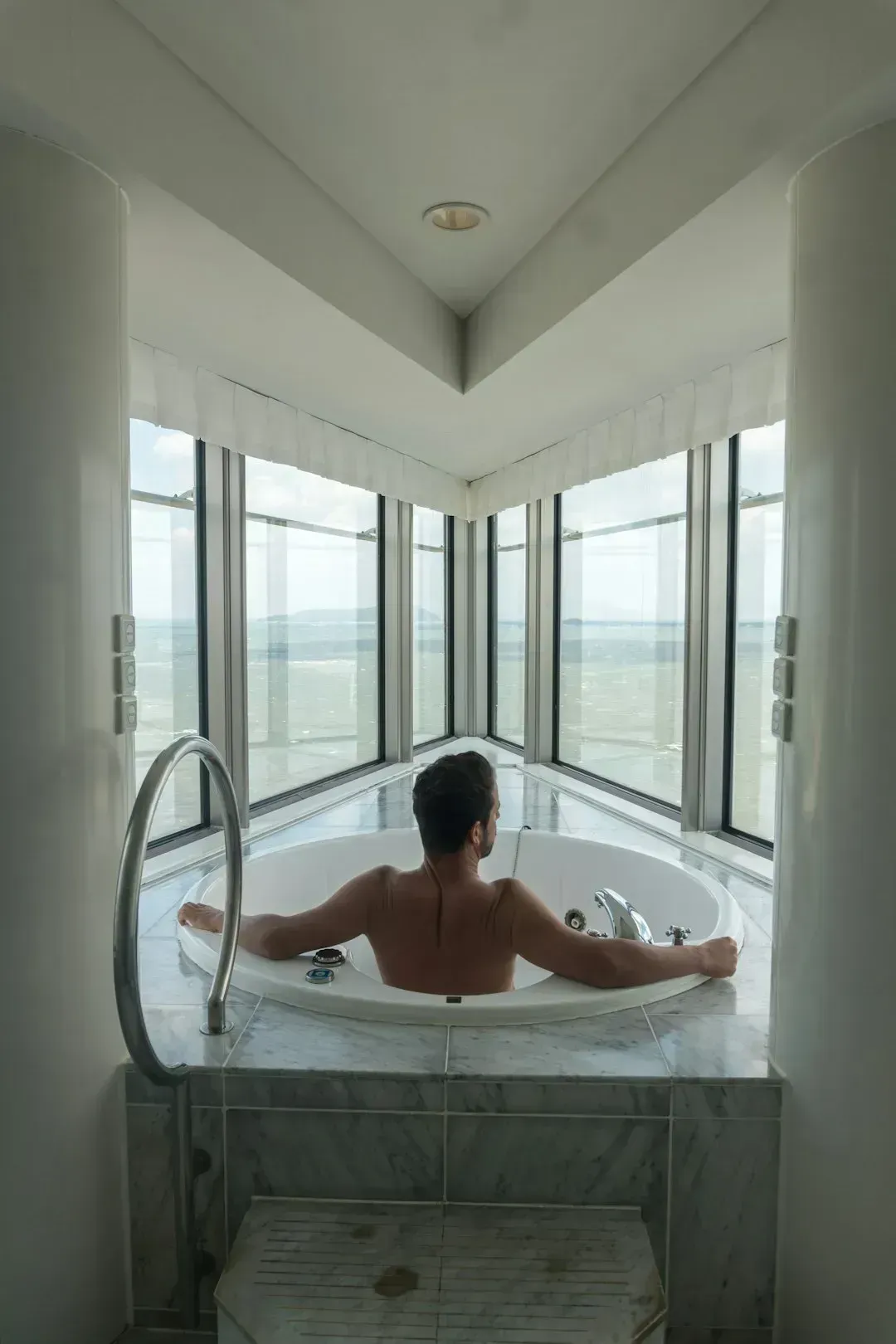
Once a symbol of luxury, the Jacuzzi tub has fallen out of favor with many modern buyers. With its larger size and impracticality for those who prefer showers, it may be time to remove your Jacuzzi tub and opt for a more modern shower design to appeal to a wider audience.
Here’s something you might find surprising. In a recent Redfin survey, Redfin Premier Agents shared that 58% of buyers are not at all interested in this feature. Those jets are hard to clean, harbor bacteria, and most people simply don’t use them. They’re high maintenance, water wasting, and take up precious bathroom real estate. Built-in tubs with large platforms and small grouted tiles are not only an eyesore, they take up valuable real estate that should be given to the shower. The spacious walk-in shower with rainfall fixtures? That’s what buyers want now and will definitely want by 2031.
Barn Doors
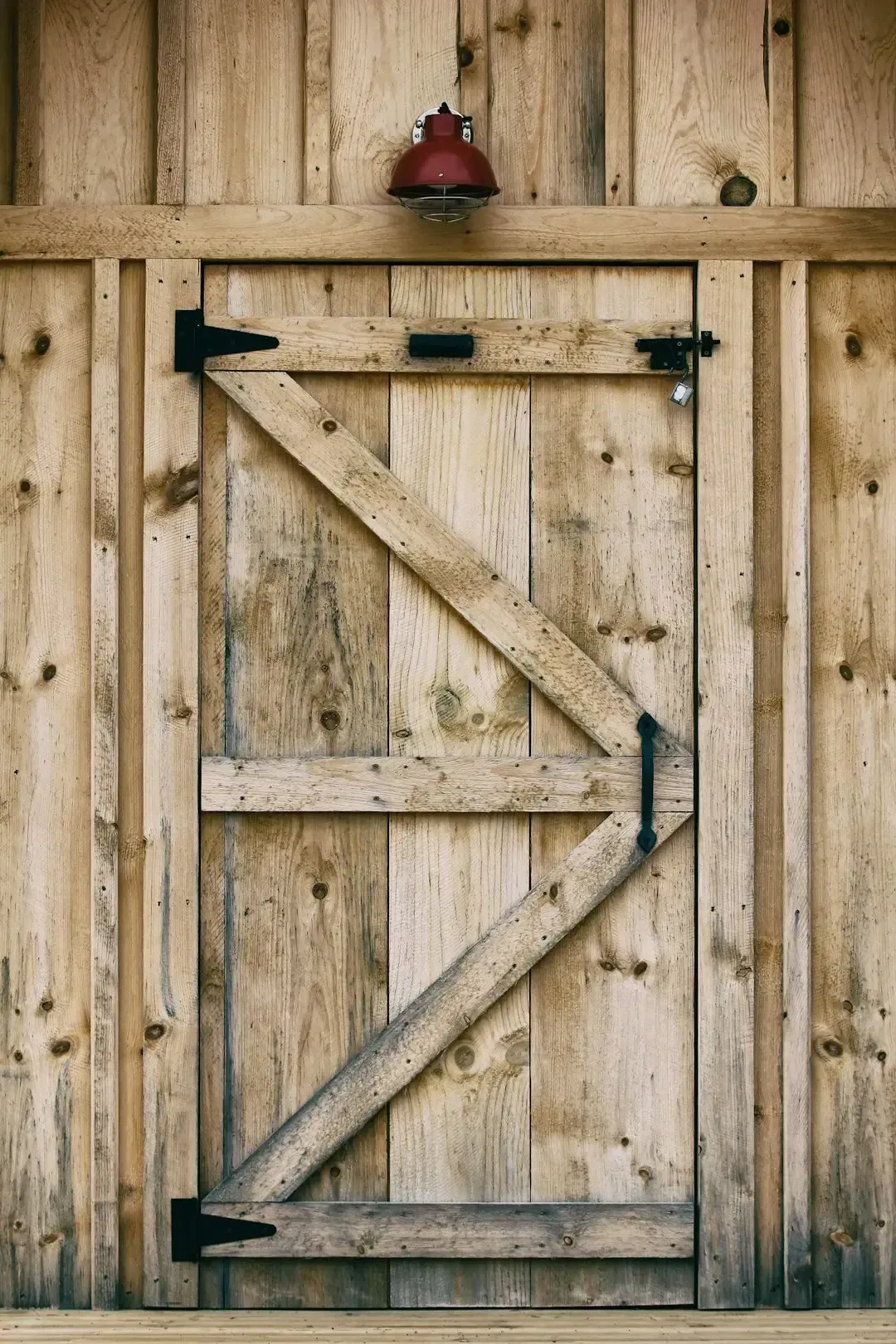
Since we said goodbye to the Farmhouse design style, sliding barn doors have gone out of style. While some people still prefer these, they are beginning to make a home look more dated. The rustic farmhouse craze swept through homes everywhere, and barn doors became the poster child for that aesthetic.
The problem? They don’t seal properly, offer zero sound insulation, and the hardware gets dusty and annoying. But in 2025, the overly “rustic chic” look is officially outdated. Buyers are moving towards sleek, modern, and transitional designs that feel less theme heavy. What seemed charming three years ago now looks like you tried too hard to jump on a trend. By 2031, barn doors will be the shiplap of hardware choices.
Linoleum Flooring
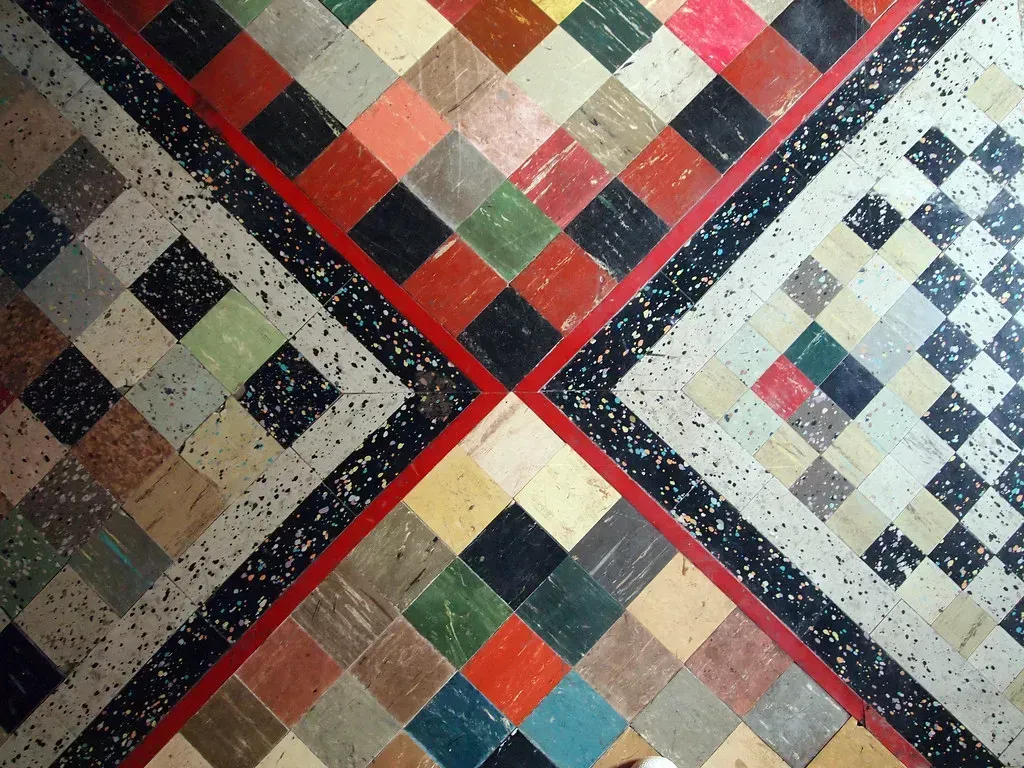
Linoleum floors were once a popular and practical choice for homeowners. However, they are now widely considered an outdated home trend. The numbers don’t lie on this one. With a staggering 88% of buyers expressing no interest, it’s clear that this flooring option can significantly deter interest.
Linoleum screams budget choice from decades past. Modern alternatives like luxury vinyl plank, tile, and engineered hardwood offer better durability, easier maintenance, and contemporary aesthetics. Honestly, if you’ve got linoleum in your kitchen or bathroom right now, you’re already behind the curve. By 2031, it’ll be about as desirable as wall-to-wall shag carpet. The material just doesn’t align with what buyers expect in terms of quality or style anymore.
What surprises you most about this list? It’s interesting how quickly our tastes evolve, isn’t it?