Travel Warning: 8 Countries Where American Tourists Say They Felt Unwelcome
Something has quietly shifted in the way the world receives American travelers. It used to feel straightforward – pack your bags, flash your passport, and expect a warm welcome almost anywhere. That picture has gotten considerably more complicated over the last couple of years, and the data backing it up is hard to ignore.
According to the results of a Global Rescue Snap Survey of more than 1,400 current and former members conducted in March 2025, the majority of the world’s most experienced travelers expect U.S. tourists will be less welcome and perceived more negatively while traveling internationally, due to recent international policy proposals introduced by the U.S. That is not a fringe opinion. That is a serious, documented trend. So before you book your next flight, you’ll want to read this first.
1. France – The Classic Cold Shoulder Gets Colder
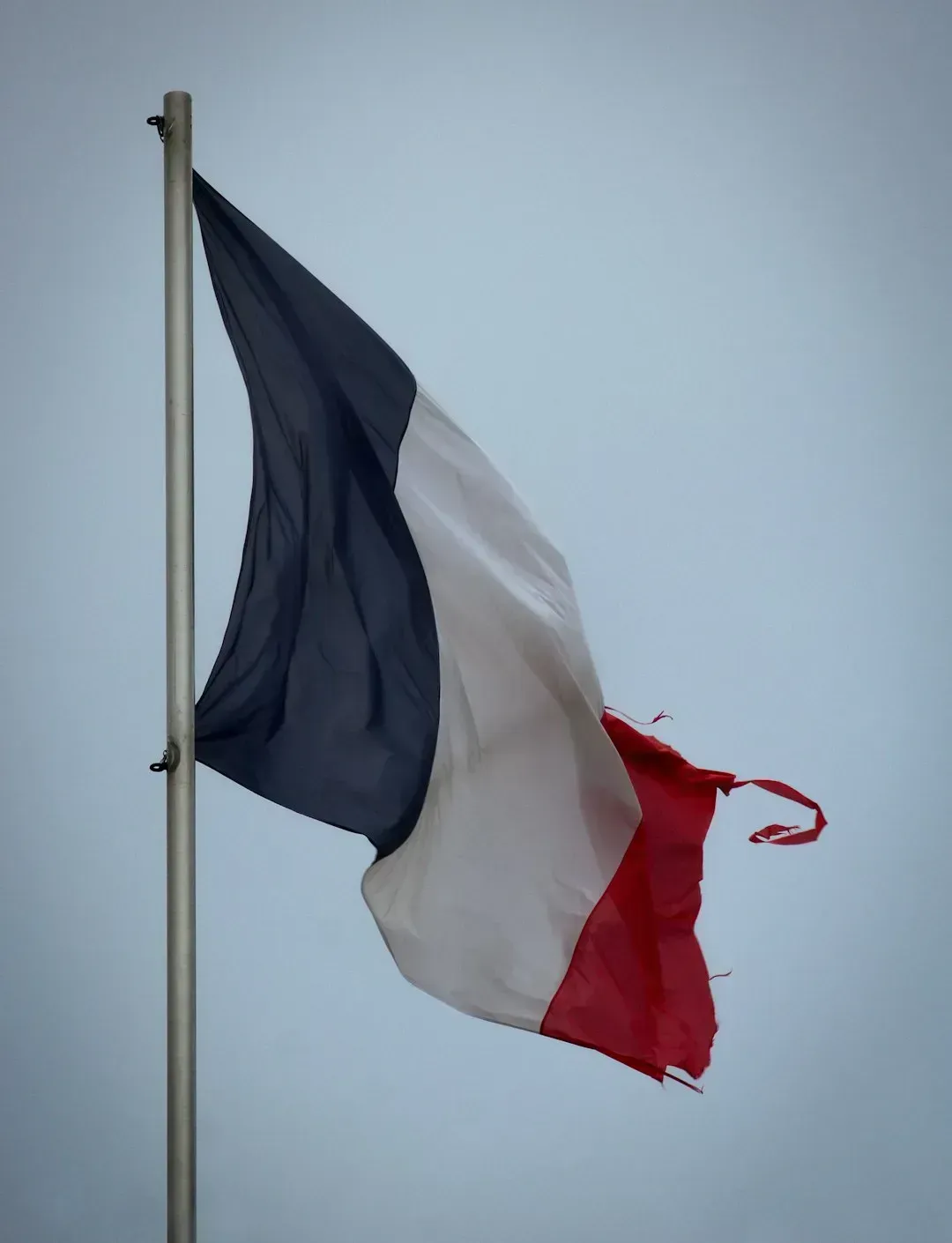
France has long carried a reputation for frostiness toward American visitors, but now there is actual data making that reputation official. France leads the pack when Europeans call their own country unwelcoming to American visitors, with a 2025 Upgraded Points survey finding 15% of French respondents admitting Americans aren’t always wanted, fueled by perceptions of loudness and entitlement. No other European country even comes close to that level of self-declared coolness.
U.S. favorability in France plunged 33 points by early 2025, linking to trade tensions and politics, and nearly half of Americans even picked France as the least friendly spot. Think of it this way: if roughly half of your own countrymen are already expecting a cold welcome before they even land, the experience on the ground rarely surprises anyone. Trade disputes and political friction have turned a long-simmering cultural tension into something much more visible.
2. Germany – A Welcome That Has Quietly Evaporated
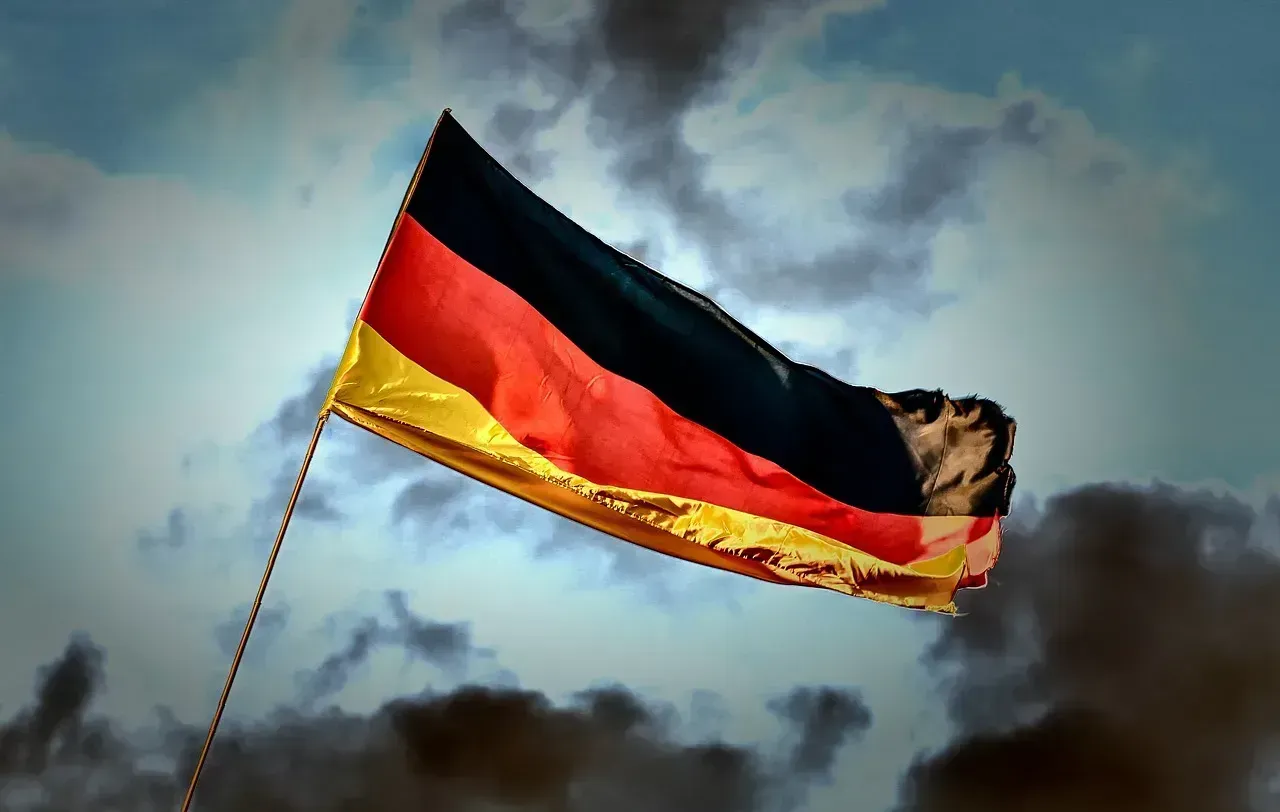
Germany’s relationship with American tourists has become increasingly tense, and the numbers tell a striking story. German tourist visits to the United States declined around 20 to 30% in 2025 amid economic pressures, and roughly 45 to 55% of Germans hold an unfavorable view of the U.S. That mutual coolness is very much spilling over in both directions.
NATO disputes and trade tensions have fueled anti-American feeling among locals, and German travel agencies now warn U.S. visitors about potential public hostility, especially in eastern regions. Honestly, it is worth pausing on that last detail. When the travel agencies of a country start warning visiting Americans about potential hostility from locals, something meaningful has fundamentally changed. Germany ranks number one with a steep 61% drop in interest in visiting America, followed by Canada with a staggering 40% drop since last year.
3. Canada – Your Friendliest Neighbor Slammed the Door
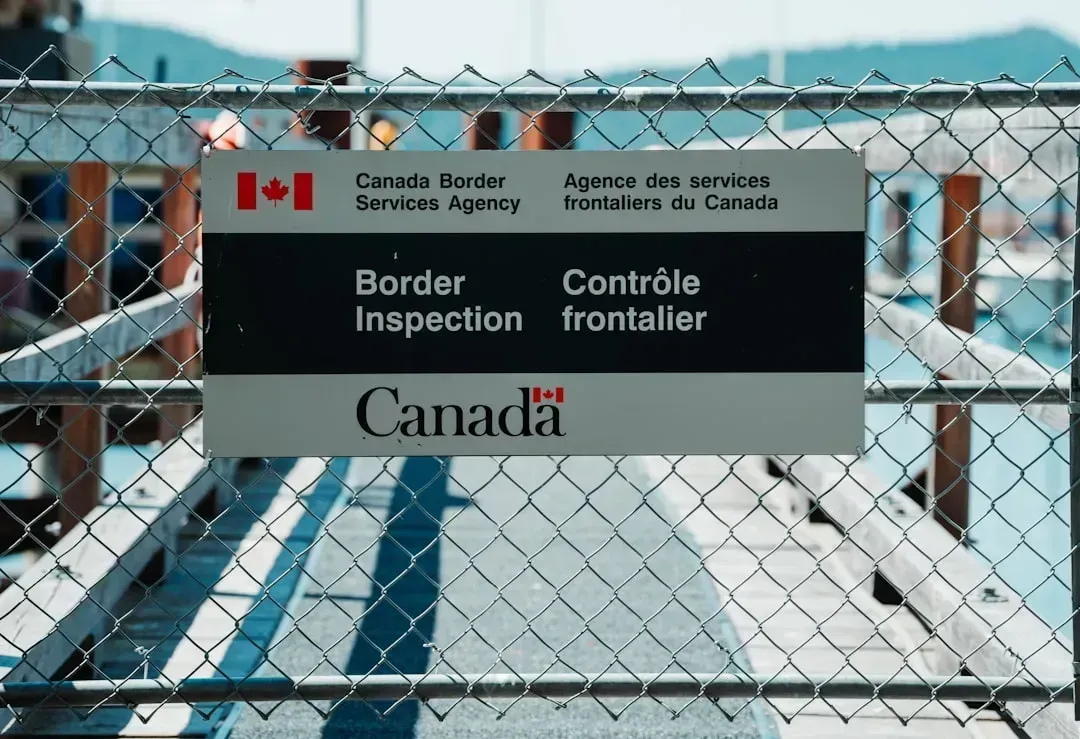
Here is the one that truly catches people off guard. Canada. The hockey-loving, maple-syrup-making next-door neighbor that was once the single largest source of international visitors to the United States. More Canadians visit the U.S. than visitors from any other country, according to the National Travel and Tourism Office. Canadians made up about 28% of total international visitor arrivals in 2024. That relationship now looks very different.
Travel bookings from Canada to the United States for the April through September 2025 period decreased by more than 70% compared to the previous year. That collapse has had real economic consequences. Since the onset of the boycott in early 2025, Canada’s decision to restrict travel to the U.S. has led to an economic loss of over $4.5 billion for the U.S. economy, and the downturn has been felt most strongly in sectors like national parks, where Canadian bookings plummeted by a staggering 93%. When Americans visit Canada today, the political tension is impossible to miss at the dinner table.
4. Norway – Quiet Resentment, Very Loud Statistics
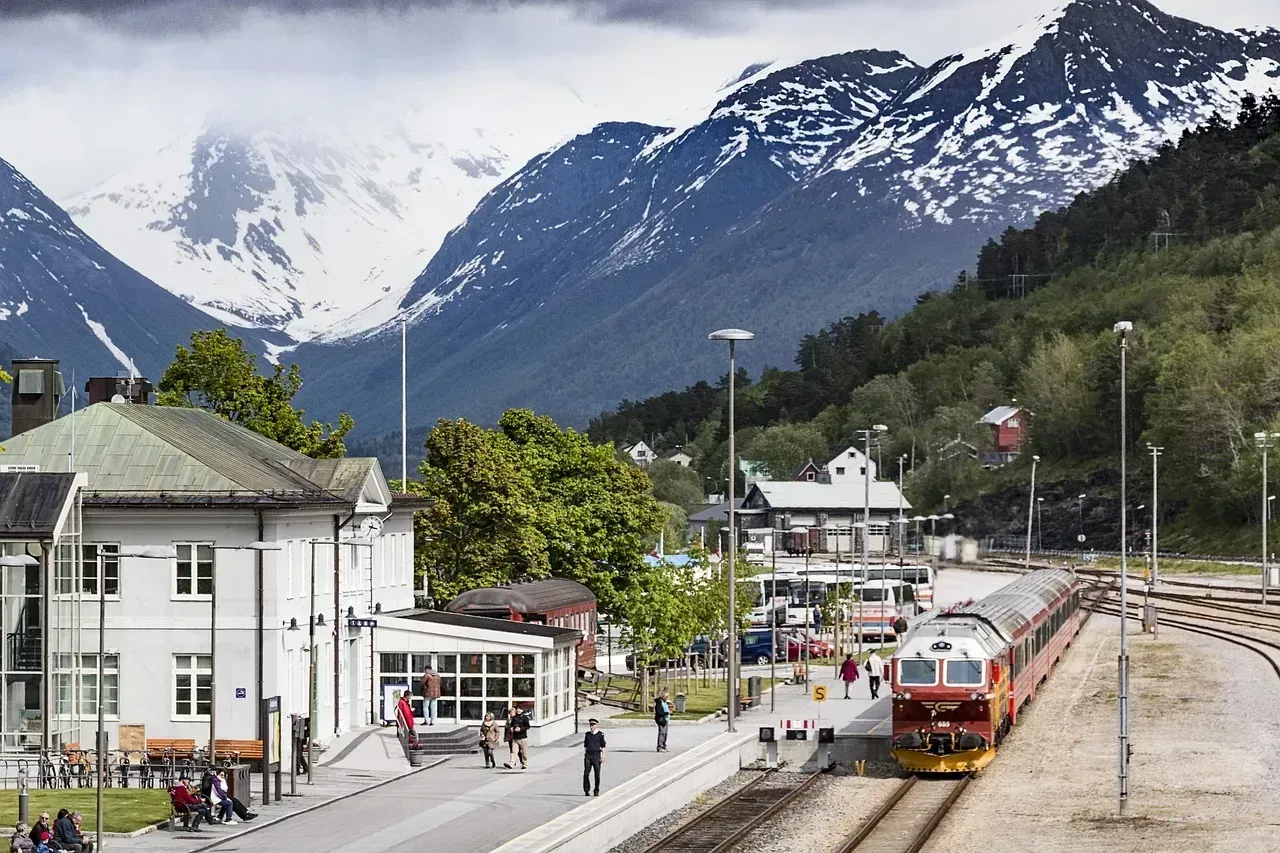
Norway is not a country known for dramatic outbursts or loud public protests. It is reserved, civil, and measured. Which is exactly why the data here is so striking. Norwegians quietly resent American visitors, with 8% calling their fjords unwelcoming in recent polls, and the 2024 U.S. election swayed 44% of Norwegians to view American travelers more harshly, amid drops in European tourism to America.
Scandinavian countries value quiet, orderly public behavior and personal space, and American tourists who bring typical U.S. social norms can feel jarringly out of place. Imagine hiking through a magnificent, silent Norwegian fjord landscape and someone beside you is narrating their entire experience loudly for their social media followers. That is not a hypothetical. That is the specific complaint that surfaces again and again. Norway topped the list at 44% saying the 2024 U.S. presidential election impacted how they view American travelers.
5. Denmark – Hygge Disrupted, Favorability Collapsed
Denmark operates on a very particular social code called hygge – a concept built around coziness, calm, and unobtrusive togetherness. Rowdy tourist groups are, to put it mildly, not in the spirit of that. Opinion toward the U.S. is lowest in Denmark. Just 20% of Danes express a favorable view of the U.S., plummeting from 48% in August 2024. That is a staggering collapse in goodwill in less than a year.
Polling in 2025 shows sharp declines in Danish favorability toward the United States, with YouGov reporting roughly 74% of Danes viewing the U.S. unfavorably in March 2025. The political trigger is hard to ignore here. Trump’s repeated suggestions of acquiring Greenland, which is an autonomous Danish territory, drove deep resentment into Danish public life. In Denmark, approximately half of consumers reported deliberately refraining from buying United States products since Trump’s inauguration. That kind of cultural hostility does not stay confined to grocery stores.
6. Spain – Overtourism Rage and the Americans Caught in It
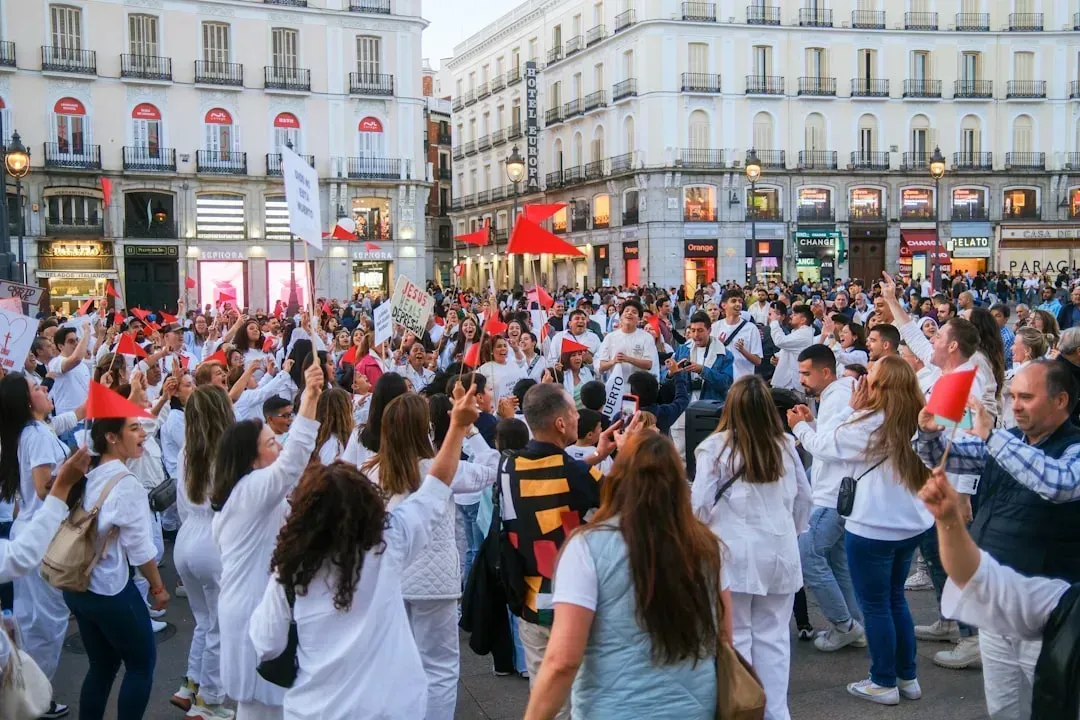
Spain’s tension with tourists is a different kind of animal from the rest of this list. It is not purely political. It is something far more visceral: locals who are completely exhausted by mass tourism. Spain lists among the top unwelcoming spots at 6.9% in survey results, amid 2024 to 2025 protests against mass tourism, and Americans get lumped in for loud dinners and beach hogging, despite 94 million visitors yearly. That figure, nearly 100 million visitors, is staggering for a country of roughly 48 million people.
Locals in Barcelona took to the streets, spraying water pistols at innocent visitors, and protests gripped parts of Mallorca. That actually happened. A Spanish mobility consulting firm reported that the availability of long-term rental property in the nation decreased by three percent in 2024, with rental prices reaching a new all-time high. Americans are not always singled out, but they are swept up in a much larger and very real wave of local frustration that has been building for years.
7. Hungary – Political Unease and Cold Shoulders in Budapest
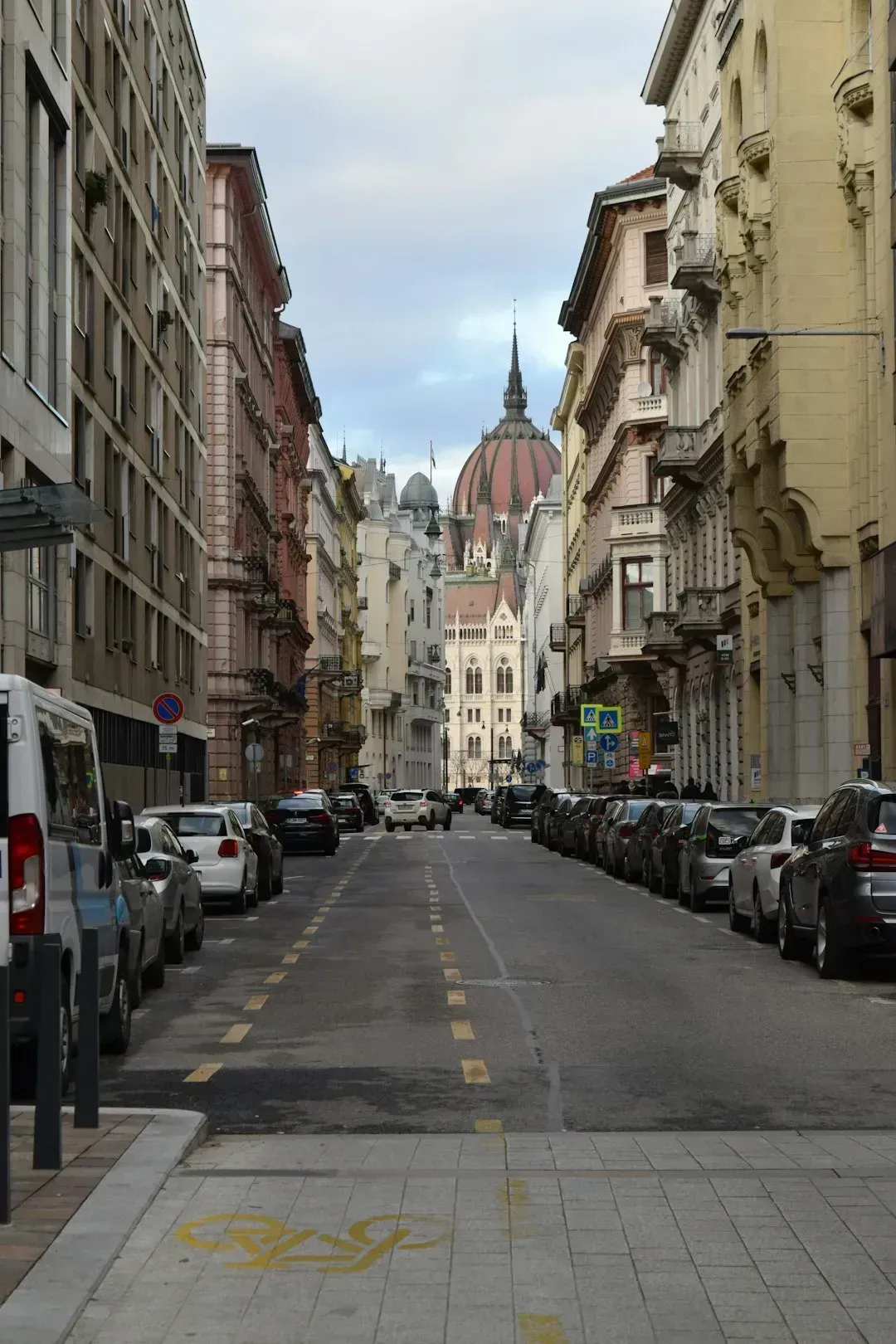
Hungary is a fascinating and complicated case. It sits at an interesting crossroads of Eastern European identity, political friction, and a complex relationship with Western values. Hungary ranks high for locals feeling Americans overstay their welcome, with 8.7% labeling it outright in surveys. Past U.S. policies during the 2020 pandemic left unfavorable views lingering into 2026.
Budapest’s political scene adds unease, making casual chats turn awkward fast. Travelers report cold shoulders in cafes, tied to broader anti-Western sentiments. It is hard to say for sure whether it is the politics or just the cultural mismatch that drives more of the friction here. But American tourists who arrive carrying strong assumptions about how a democracy should function often find the conversations become uncomfortable very quickly. The eye rolls, as one observer noted, are subtle but very much present.
8. Portugal – Europe’s Annoyance Capital
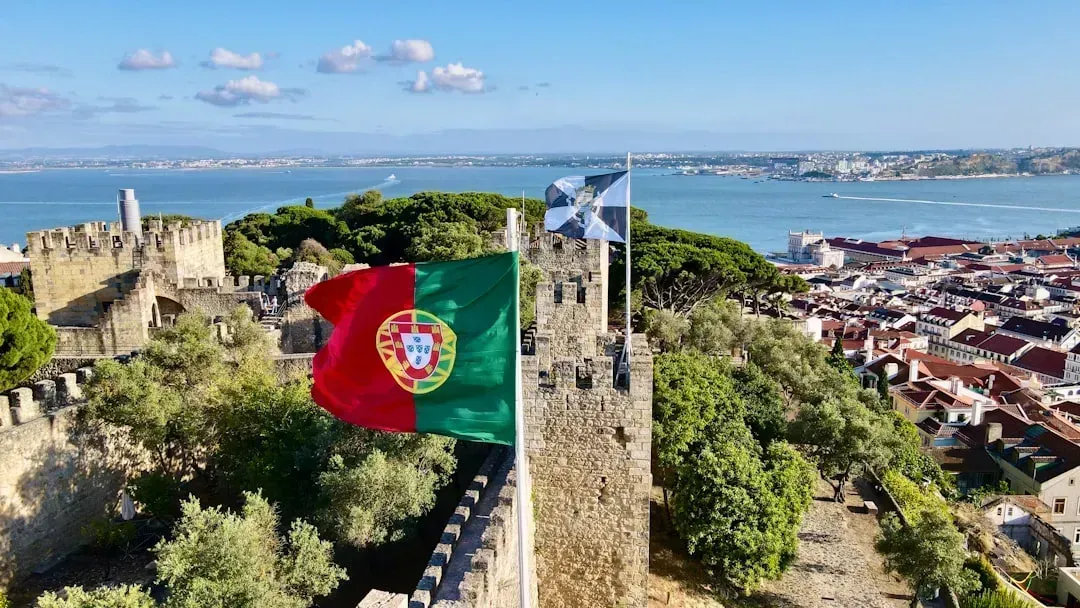
Portugal deserves its own special category. It keeps turning up in European surveys not necessarily as a hostile destination, but consistently in one very specific category: annoyance. Portugal tops annoyance charts at 18.8%, with Europeans citing noise from U.S. groups. Locals in Lisbon and the Algarve vent about ignored customs and English demands, and overtourism has fueled graffiti against visitors. Portugal consistently ranks high for tourist annoyance despite being relatively welcoming overall.
There is an important distinction here. Annoyed is not the same thing as hostile. Many American guests have expressed unease about the current political climate, telling local guides that they feel “ashamed” and “sorry.” Portugal has recently raised tourist taxes, but tourism guides let guests know how much American visitors are very much welcome there. Still, the volume complaints and cultural friction are real. Americans who visit Portugal and make no effort to engage with local customs tend to find that the warmth cools down fairly quickly.