Think Twice Before Buying: 10 Home Renovation Trends Realtors Say Could Worry Future Buyers
Millions of homeowners are pouring money into their properties right now, convinced every dollar spent is a dollar earned back at resale. It feels logical. You love your home, you upgrade your home, someone else pays for it. Simple, right?
Not quite. The truth is, some of the most popular and visually impressive renovation trends are quietly working against sellers when listing day arrives. Let’s dive into the ten that realtors say could genuinely worry future buyers.
1. The Over-the-Top Kitchen Gut Job
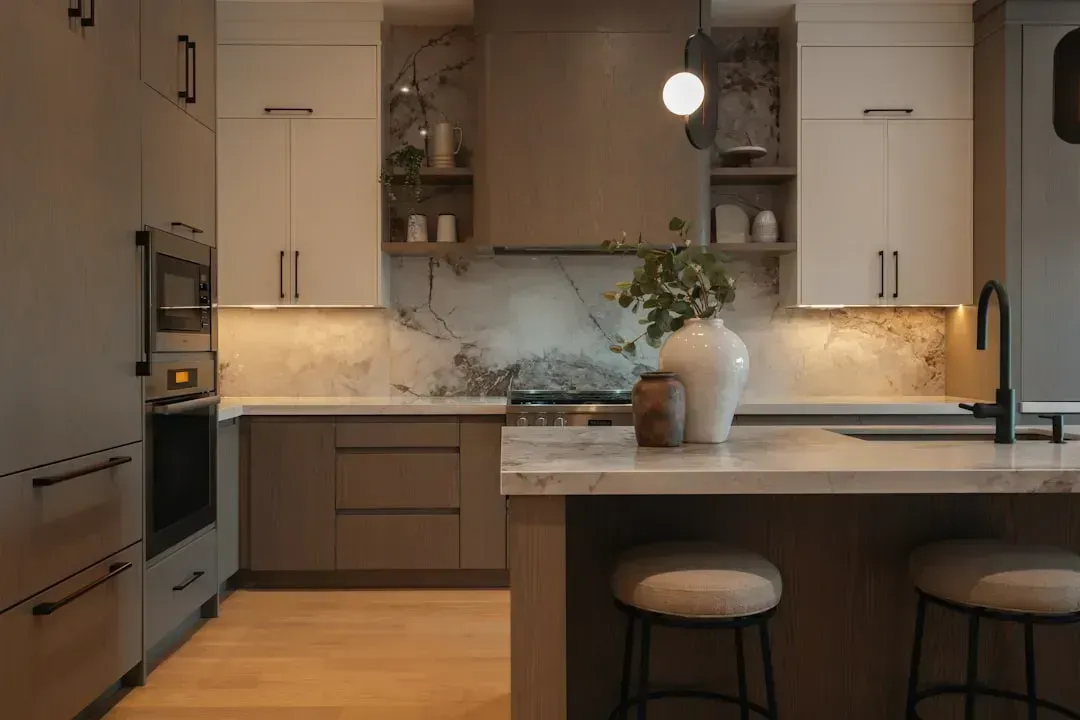
Here’s the thing about luxury kitchen renovations. They feel like an obvious win. You rip out the old, drop in marble counters, commercial-grade appliances, and custom cabinetry, and you expect buyers to lose their minds. The problem is the math almost never works out. Homeowners who complete a minor kitchen remodel recoup about 96% of the cost when they sell, while homeowners who complete a major upscale kitchen remodel recoup just 38% of the cost.
A top-of-the-line commercial stove and imported marble counters may look impressive, but they could push renovation costs far beyond what potential buyers in your area are willing to pay. It’s like tuning a regular car with Formula One parts. Impressive to look at, but nobody’s paying the racing team price for it. High-end kitchen remodeling with state-of-the-art appliances is unlikely to recoup its full cost.
2. The Spa-Like Bathroom Dream
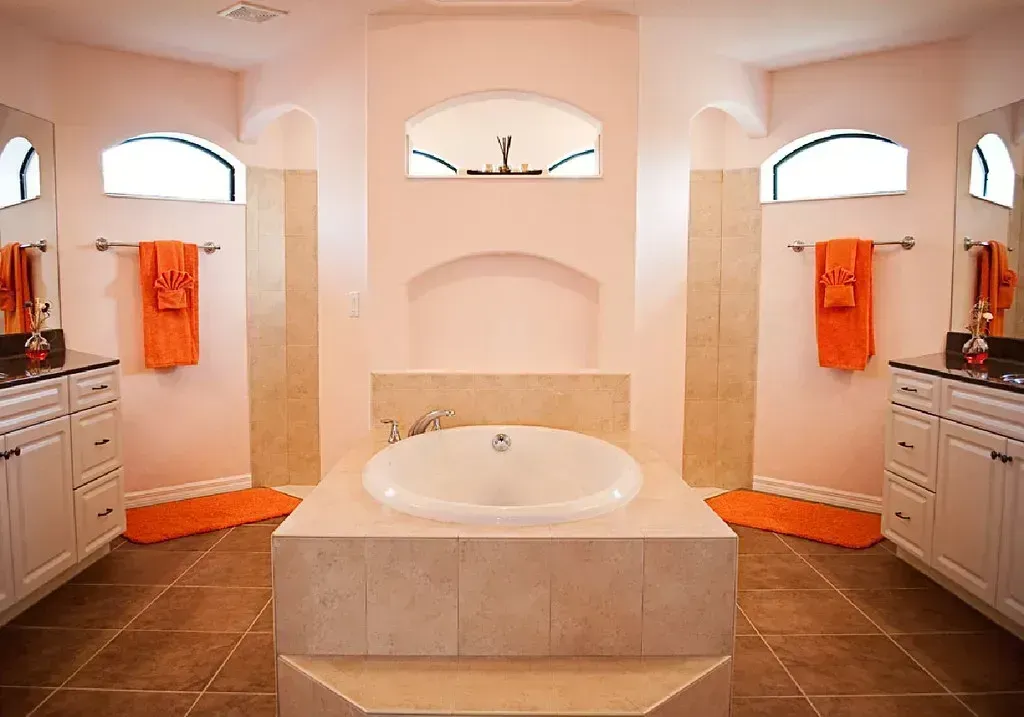
Spa-like bathrooms are everywhere on social media. Steam showers, heated floors, rainfall fixtures – all stunning, all incredibly expensive, and increasingly losing their shine in the resale market. Realtors consistently flag this as one of the most misunderstood renovation traps out there. The desire to create your own private wellness retreat is understandable. The resale logic, however, is much harder to justify.
The worst-ranking luxury project is an upscale bathroom remodel. The average cost is roughly $29,200, and the average expected value added clocks in at just under $14,300. This means homeowners will recoup less than half their upfront investment. One potential reason luxury upgrades see a lower return is that appraisals rely on comparisons between similar properties. If the rest of the homes on your street have standard bathrooms, your over-the-top spa suite simply won’t pull the numbers you’re hoping for at appraisal time.
3. Installing a Swimming Pool
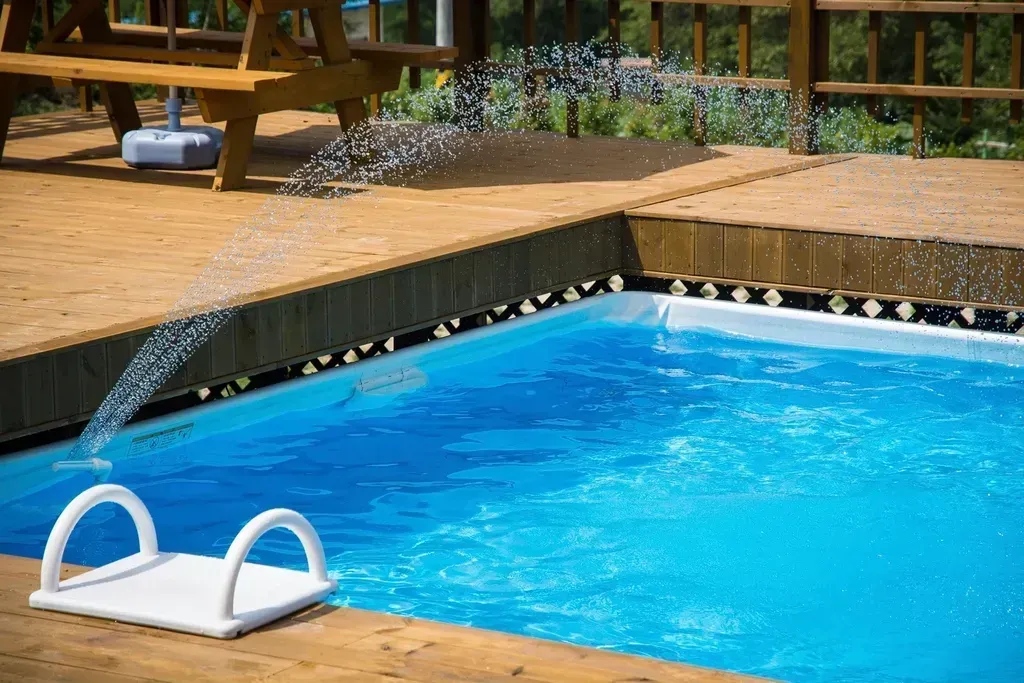
I know it sounds like a dream. Nothing says “summer” like your own backyard pool. The problem is that what feels like paradise to you may feel like a financial burden to the next buyer. A swimming pool can boost appeal, hurt resale, inflate liability, or quietly drain tens of thousands of dollars – sometimes all at once. The outcome depends heavily on where you live and who’s buying.
The average cost of an in-ground pool is $65,000. If a pool typically increases a home’s value by 7%, homes with pools sell on average for an additional $30,485. Considering that an average pool costs $65,000 to build, it usually is not worth it solely as an investment. In states such as Illinois, Oregon, Minnesota, and much of the Northeast, a pool may add little to no value at resale. In some cases, it can even be viewed as a liability, prompting buyers to factor in removal, maintenance, or insurance costs when making an offer.
4. Converting the Garage Into Living Space
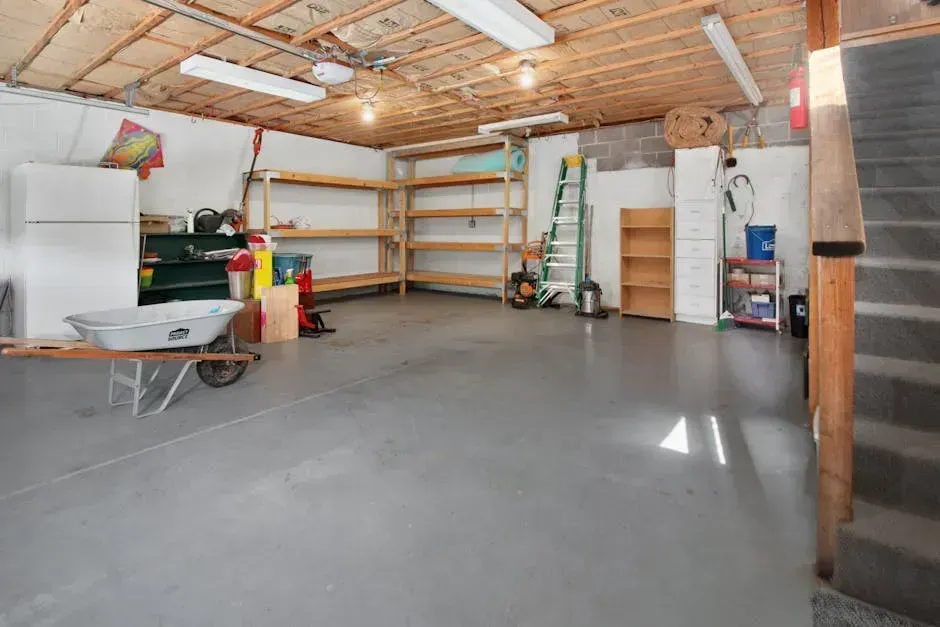
Converting a garage into a spare bedroom, home office, or gym sounds like a smart use of square footage. And honestly, for personal use, it often is. The resale story is a very different one. In the experience of many real estate professionals, garage conversions typically do not add value to a home. Right off the bat, a large handful of buyers will not even be interested in the property if it does not have a garage. Therefore, the seller is missing out on about 60% of the potential buyers.
Most of the time, garage conversions were not done with permits. This causes red flags for buyers and also eliminates more buyers who are using financing that will not allow non-permitted garage conversion purchases. Experts specifically list converting garages among the renovations to avoid, as these rarely return their investment and can actually deter buyers. Think of it this way: you may have gained a yoga studio, but you’ve taken parking off the table for the majority of house hunters.
5. Turning a Bedroom Into a Walk-In Closet
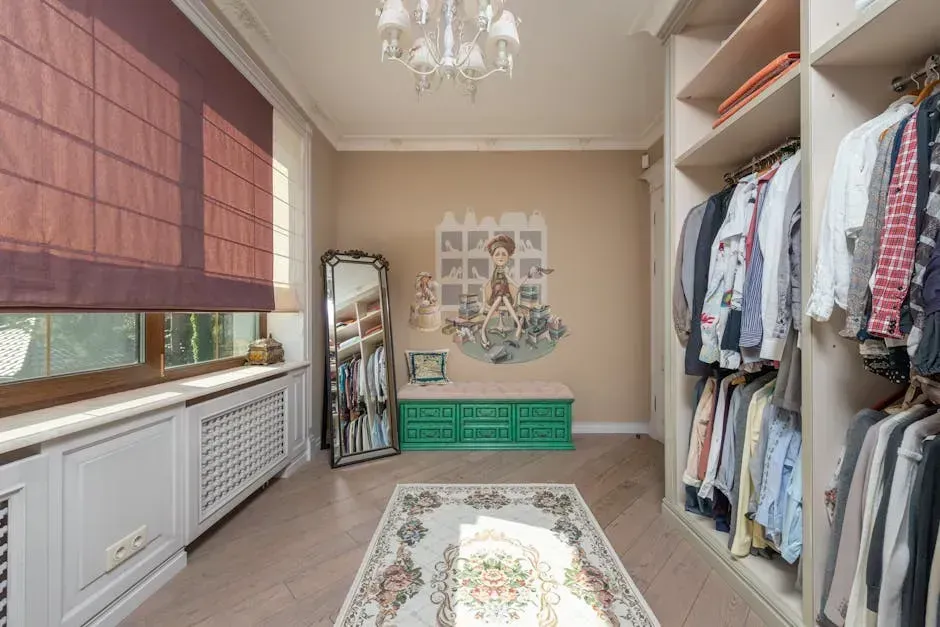
Walk-in closets are a fantasy for many homeowners. They look stunning on home tour videos, they feel luxurious, and the organization possibilities are genuinely exciting. Still, converting a full bedroom just to gain one is a move that realtors consistently flag as counterproductive at resale. Zillow’s 2024 research into home listings showed that walk-in closets can hurt a home’s value by 0.5%, which is a relatively small amount but an indication that it might not be worth the cost. If you’re tempted to turn a small bedroom into a closet, think twice before doing so.
Home shoppers usually search for homes based on the number of bedrooms, and a home’s value is derived in part from the number of bedrooms it has. A bedroom is going to be more valuable to most buyers than a walk-in closet. In 2025, 94% of experts surveyed believe thoughtfully designed storage spaces are the number one priority for home buyers – but that storage should not come at the cost of a bedroom count. Buyers filter searches by bedroom number. Drop from four bedrooms to three, and you’ve just eliminated yourself from thousands of search results.
6. Bold and Highly Personalized Wallpaper Schemes
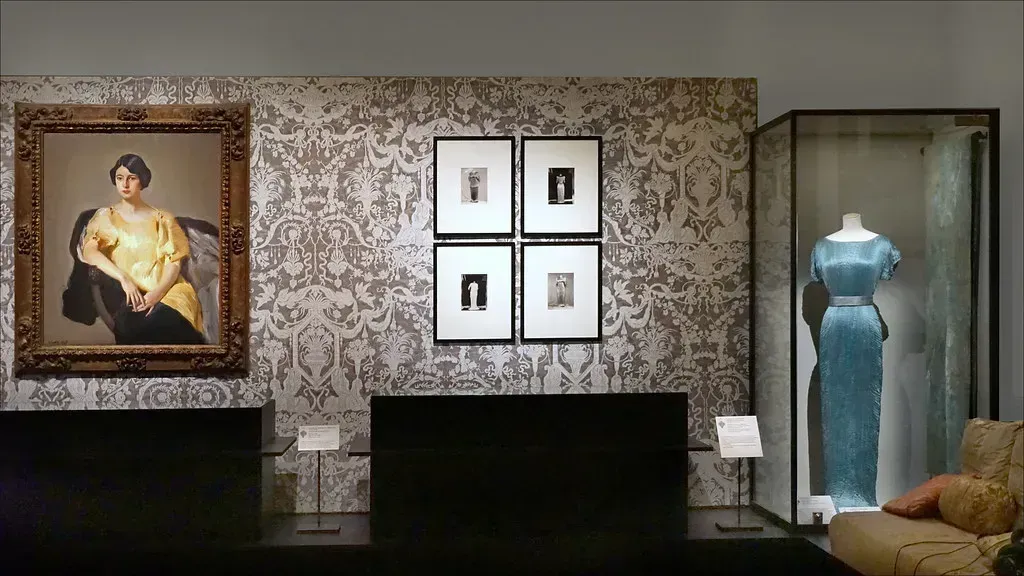
Wallpaper is having a massive cultural moment right now. Bold botanicals, dramatic geometric patterns, moody color stories covering entire accent walls. If you follow any interior design account on social media, you’ve seen it. It looks incredible in photoshoots. It’s genuinely risky at resale. Going too bold with paint colors, wallpaper, or trendy decor can make it harder for potential buyers to envision themselves in the space. Sticking to neutral palettes and timeless decor ensures that your home appeals to a broader audience.
Painting the interior of your home with a nonneutral color will likely add zero value to your home because there’s a good chance the next owner of the property will repaint it with a different color. The logic applies even more strongly to wallpaper, which costs considerably more to remove than paint. While you may look at your boldly patterned wallpaper and see perfection, buyers with different tastes will look at it and see a big project. It’s hard to say for sure where the line is, but realtors seem to agree: personalization that requires serious labor to undo becomes a negotiation point, not a selling feature.
7. Covering Original Hardwood Floors With Carpet
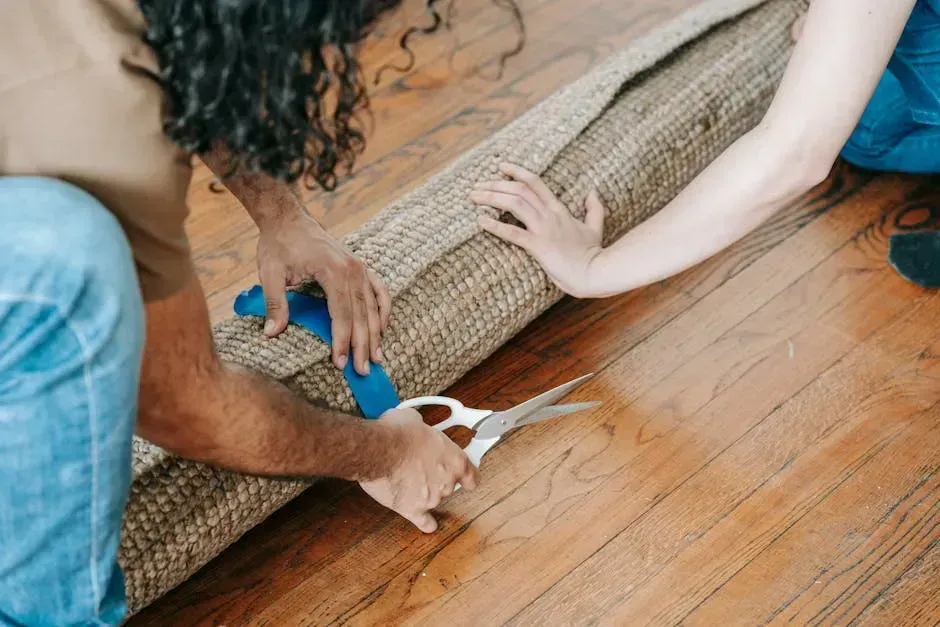
This one might be the most stubborn mistake in home renovation history. Homeowners still, in 2025 and 2026, occasionally lay carpet over original hardwood floors. The motivation is understandable. Carpet feels warmer, quieter, and cozier underfoot. For a growing family, it seems like the sensible choice. However, from a resale perspective, it’s almost always the wrong one.
Among interior renovations, refinishing hardwood floors, installing hardwood flooring, and upgrading the insulation brought the highest return on investment. Buyers actively search for hardwood floors and will pay a premium for them. Covering them with carpet doesn’t eliminate them, it just buries the value. Less popular remodeling projects such as refinishing hardwood floors and new wood flooring offer a larger return on investment than many splashier, costlier upgrades. In other words, the floors you’re hiding under cheap pile carpet might be the most valuable thing in your house.
8. Installing Highly Customized Built-In Electronics and Smart Home Tech

Built-in home theaters, whole-house speaker systems wired into the walls, complex smart home hubs that require a manual to operate. These projects feel incredibly futuristic at the time of installation. The challenge is that technology ages at a pace that almost nothing else in a home can match. While built-in electronics may be perfect for your home theater, they could turn away prospective buyers. Gadgets eventually become outdated or even obsolete, meaning this type of personalization can decrease home value.
High-tech smart hubs or adding a pool might deter some buyers since smart hubs age quickly. Imagine buying a home in 2026 and inheriting a media room wired for a home automation ecosystem that was discontinued in 2022. You’re not buying convenience, you’re buying a renovation project. A media room wired for top-of-the-line equipment quickly becomes a costly mess to update. Buyers either see a maintenance headache or something they’ll need to tear out entirely.
9. Highly Specific Room Conversions (Wine Cellars, Poker Rooms, Dedicated Gyms)

Converting a spare bedroom or basement into a dedicated wine cellar, poker room, or home gym is the kind of project that makes total sense if you plan to live in that house for decades. As a resale strategy, though, it’s a gamble. The buyer pool for a home with a built-in wine cellar is genuinely smaller than the pool for a home with a functional bedroom or flexible living space. Highly customized upgrades often fail to deliver a return on investment. The broader the appeal, the better the return.
Let’s be real: most buyers touring a home want to imagine their life in it. A gym with mirrored walls and rubber flooring doesn’t read as “flexible space,” it reads as “expensive undoing.” Minor renovations often have a better return on investment than major ones precisely because they keep the space universally usable. The more a room caters to one niche lifestyle, the harder it becomes to market to the widest range of buyers possible.
10. Overly Elaborate Landscaping and Complex Outdoor Features

A beautifully landscaped yard can unquestionably turn heads and create powerful curb appeal. The word “overly” is doing a lot of work here, though. When landscaping tips into high-maintenance complexity – multiple water features, extensive Japanese gardens, elaborate irrigation networks, rare specimen plants that require specialist care – it can shift from impressive to intimidating in a buyer’s mind. Pools, hot tubs, and extensive landscaping often come with high maintenance needs, which can be a turnoff for buyers who value low-maintenance living. Buyers often look for outdoor spaces that don’t require a lot of upkeep, so complex landscaping can actually reduce the number of offers you get.
Avoiding luxury renovations is important. Extensive landscaping with large gardens is unlikely to recoup its full costs. Think of it like buying a vintage sports car. Gorgeous, head-turning, absolutely thrilling for the right person. For the buyer who just wants reliable transport, it’s stress in a driveway. While elaborate outdoor features may boost resale value in some markets, their costs can offset the financial gain. Buyers often factor in ongoing expenses for maintenance, heating, and repairs, which can discourage them from paying a premium. Keeping outdoor spaces clean, functional, and low-maintenance almost always beats complex showmanship in terms of buyer psychology.