10 “Historical Facts” People Still Believe That Aren’t Actually True
We all think we know our history. School hammered it in. Documentaries confirmed it. Pop culture made it unforgettable. The problem? A surprising chunk of what most people “know” about history is simply wrong. Not slightly off, not open to interpretation, but flat-out, verifiably false. Honestly, some of these myths are so stubborn that even well-read, intelligent people repeat them without blinking.
The real question isn’t just what the truth is. It’s how these myths stuck around for so long in the first place. Let’s dive in.
1. Napoleon Bonaparte Was Unusually Short
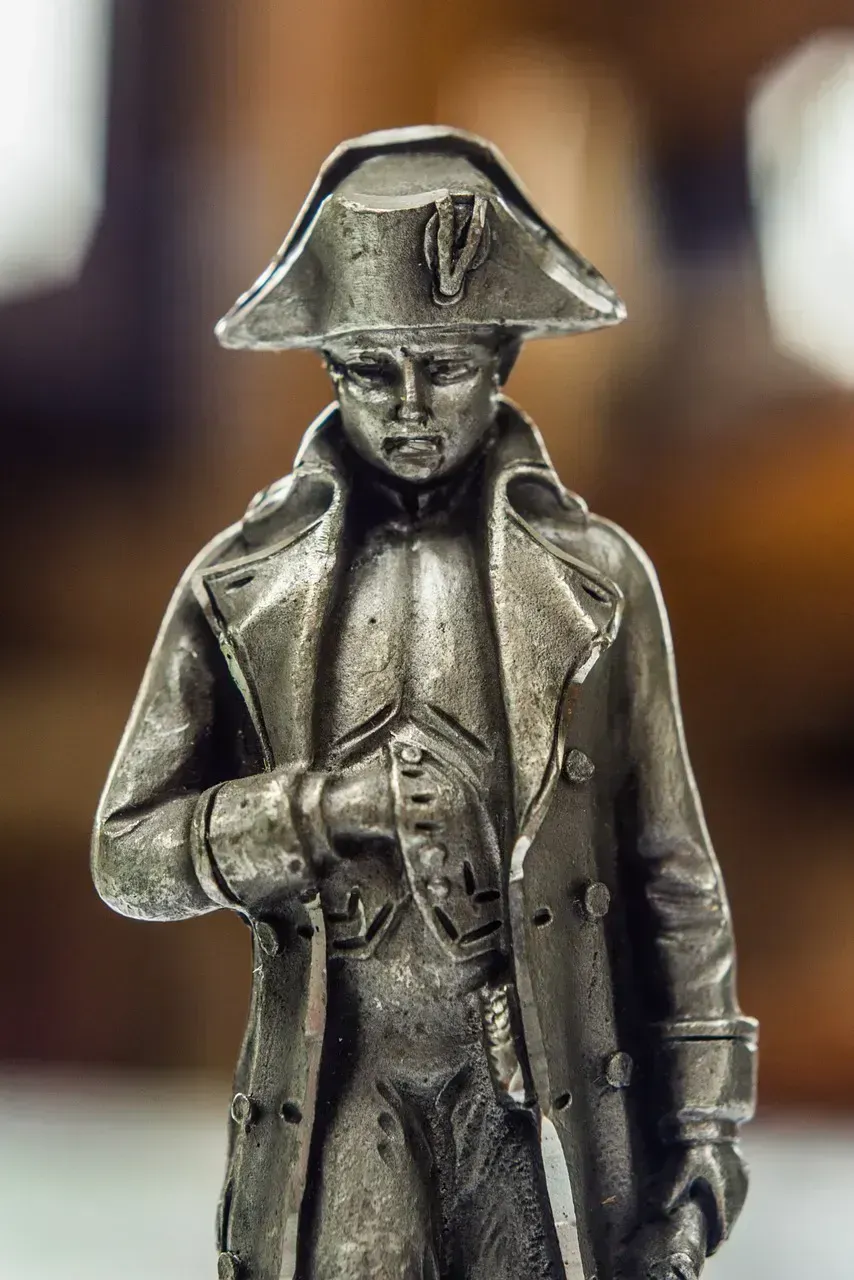
Few historical myths are as deeply lodged in popular culture as the idea that Napoleon was a tiny, bitter man who conquered Europe to compensate for his height. It’s a great story. It’s also mostly fiction. British political cartoonists repeatedly depicted Napoleon as short to mock both him and his expansionist ambitions, and he is estimated to have been about 1.67 metres tall – that’s just under 5 feet 6 inches in imperial measure.
The Napoleon confusion stems from the British and French measurements used at the time of Napoleon’s reign, which went by the same terms even though the actual measurements varied. According to pre-metric system French measures, he was 5 feet 2 inches. The French inch (pouce) of the time was 2.7 cm, while the Imperial inch was shorter, at 2.54 cm. So the number was the same – the unit was not.
Historians also point out that Napoleon was often seen in public alongside his Old Guard grenadiers, who were required to be physically large and who wore uniforms that may have made the emperor look slight in comparison. The short-Napoleon trope endures because it’s narratively satisfying: a powerful figure with a physical “flaw” makes for good drama and easy jokes.
Napoleon Bonaparte was many things – brilliant, ruthless, ambitious, and divisive. He was not especially short, and there is no evidence he suffered from a height complex.
2. The Great Wall of China Is Visible From Space

Ask almost anyone and they’ll tell you this one with complete confidence. It’s been in textbooks, travel guides, and dinner-table trivia for decades. The problem? It isn’t true. Despite myths to the contrary, the wall isn’t visible from the moon, and is difficult or impossible to see from Earth orbit without high-powered lenses.
The Great Wall is made of stone that generally doesn’t contrast well against the terrain, and it tends to curve as it follows the landscape. Astronauts have tried to see it but have never reliably done so. Even China’s first taikonaut, Yang Liwei, said he couldn’t see it from orbit, and certainly national pride would have motivated him to try.
When Yang Liwei returned from his 14-orbit Shenzhou 5 mission in 2003 and admitted to reporters that he had not seen the Great Wall, online forums exploded with disappointment. The Ministry of Education even moved to revise its elementary school textbooks, which had long claimed the ancient barricade was visible.
Misinformation about the barrier’s visibility dates back decades. A 1932 Ripley’s Believe It or Not! cartoon claimed that the wall is “the mightiest work of man, the only one that would be visible to the human eye from the moon.” One magazine entry. Decades of myth.
3. The Egyptian Pyramids Were Built by Slaves
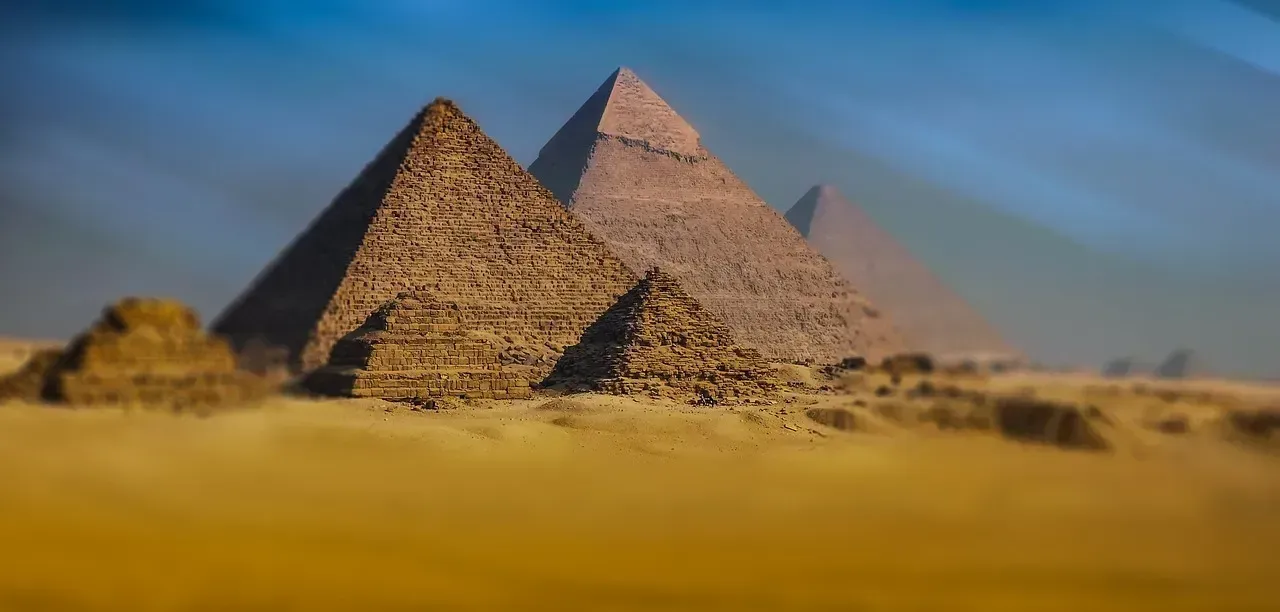
Hollywood loves this one. Armies of chained, whip-driven slaves dragging enormous stones across the desert. It’s dramatic. It’s also completely unsupported by the evidence. The Pyramids of Egypt were not constructed with slave labor. Archaeological evidence shows that the laborers were a combination of skilled workers and poor farmers working in the off-season, paid in high-quality food and tax exemptions.
Excavations at Giza, particularly the workers’ village of Heit al-Ghurab, reveal a complex, well-organized community where the pyramid builders lived with their families. The physical evidence contradicts every aspect of the slave-labor narrative. The workers’ village shows permanent housing structures, not temporary slave quarters. These homes were built of stone and mud brick, arranged in streets with clear urban planning.
Graffiti found inside the Great Pyramid shows work gangs with names like “Friends of Khufu” and “Drunkards of Menkaure,” suggesting a sense of pride and camaraderie among the builders. The workers’ cemetery contains evidence of medical care, including healed broken bones, indicating they received treatment when injured.
The idea that slaves were used originated with Herodotus, and the idea that they were Israelites arose centuries after the pyramids were constructed. One ancient historian’s claim, copied and repeated for millennia.
4. Vikings Wore Horned Helmets
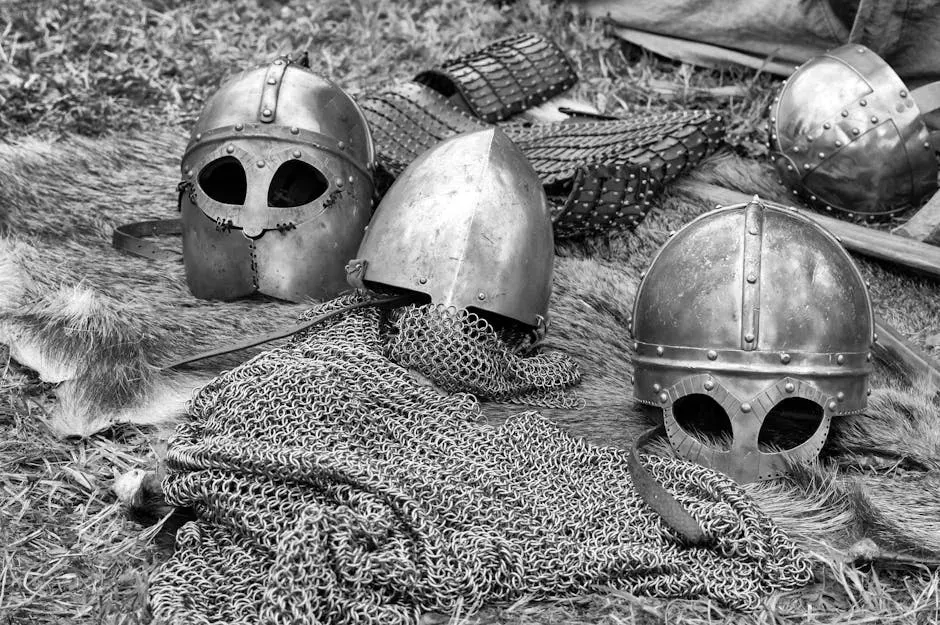
The horned helmet is perhaps the most iconic symbol of Viking culture. Every Halloween costume, every cartoon, every Hollywood blockbuster confirms it. There’s just one problem: there is no evidence that Viking warriors wore horns on their helmets, and this would have been impractical in battle.
Archaeological evidence shows that Viking warriors never wore helmets with horns. Real Viking helmets were simple, practical designs made for protection in battle. The horned helmet image came from 19th-century opera costumes and romantic artwork about Vikings. Horns on a helmet would actually be dangerous in combat because enemies could grab them or they could get caught on things.
The image of Vikings wearing horned helmets was borrowed from the scenography of an 1876 production of the “Der Ring des Nibelungen” opera cycle by Richard Wagner. Opera. Not archaeology. Not history. Let that sink in.
5. Marie Antoinette Said “Let Them Eat Cake”
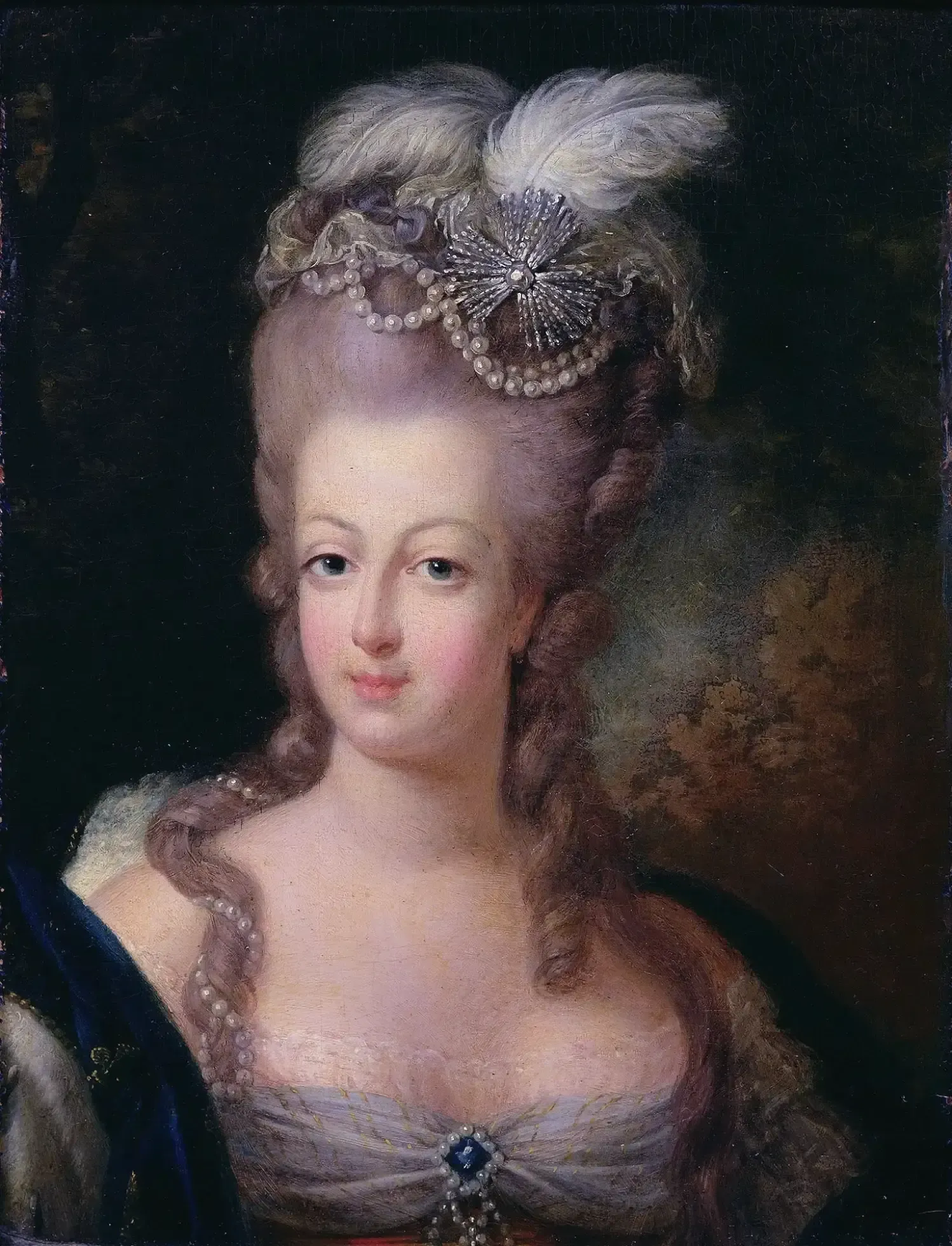
It is one of history’s most quoted lines. The heartless queen, told that her people have no bread, shrugs and suggests cake instead. The quote perfectly captures an image of arrogant, out-of-touch royalty. The only issue is that that exact phrase had been misattributed to other out-of-touch royals before, including one of her predecessors. There isn’t actually any evidence Marie Antoinette ever said it.
Biographer Antonia Fraser claims this quote is actually attributed to Maria Theresa, a Spanish princess who married Louis XIV more than a century before Marie Antoinette set foot in France. Rousseau never directly attributed the quote to Antoinette – that came later – instead he cited an unnamed “great princess.” Modern historians generally believe Marie Thérèse, the wife of Louis XIV, is a more likely source.
The quote stuck to Marie Antoinette because she was already unpopular, already vilified, and already a symbol of royal excess. It was simply too convenient not to use. The truth rarely stands a chance against a good narrative.
6. Medieval People Thought the Earth Was Flat
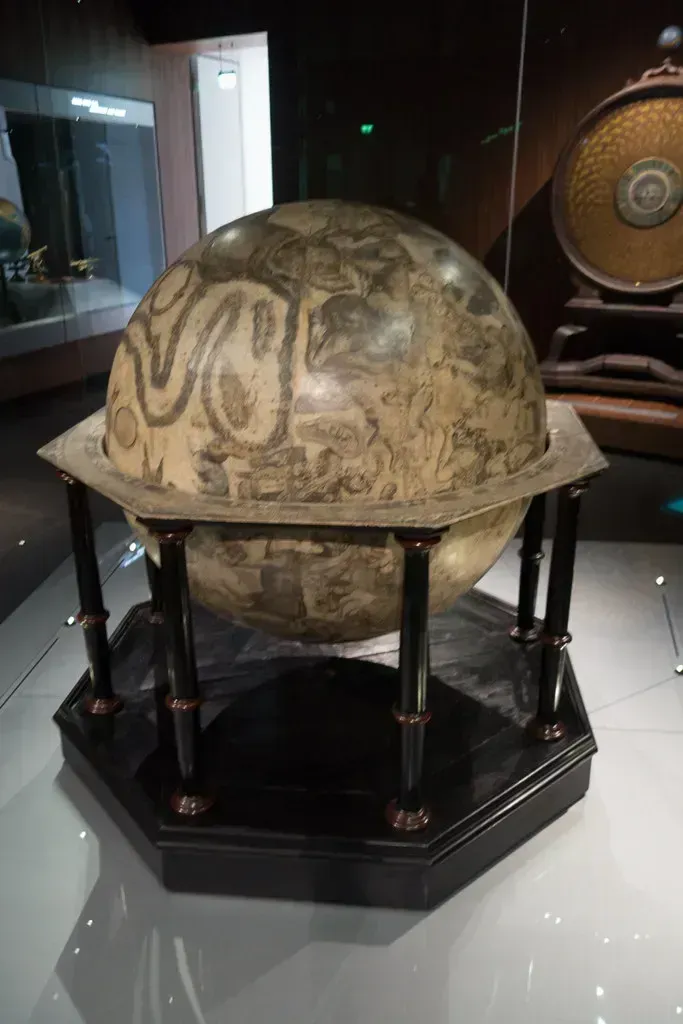
This myth paints the entire Middle Ages as a dark age of ignorance, populated by superstitious people who genuinely feared falling off the planet’s edge. It makes a tidy contrast with the “enlightened” modern era. It also happens to be false. Medieval scholars, sailors, and educated people knew the Earth was round. Ancient Greek mathematicians had already calculated the Earth’s circumference centuries before the Middle Ages began.
This misconception largely emerged in the 19th century, driven by a desire to depict the Middle Ages as a time of ignorance. In truth, medieval scholars like Thomas Aquinas and Roger Bacon contributed to the advancement of astronomy and geography. Recognizing their intellectual achievements challenges the simplistic portrayal of the Middle Ages as an era of superstition.
In fact, Galileo wasn’t even persecuted by the Church for suggesting the Earth was round, as the Church had already accepted this. What actually got Galileo in trouble was saying that the Earth wasn’t the center of the universe. That’s a very different argument, and a much more nuanced story than the one most people know.
7. George Washington Had Wooden Teeth
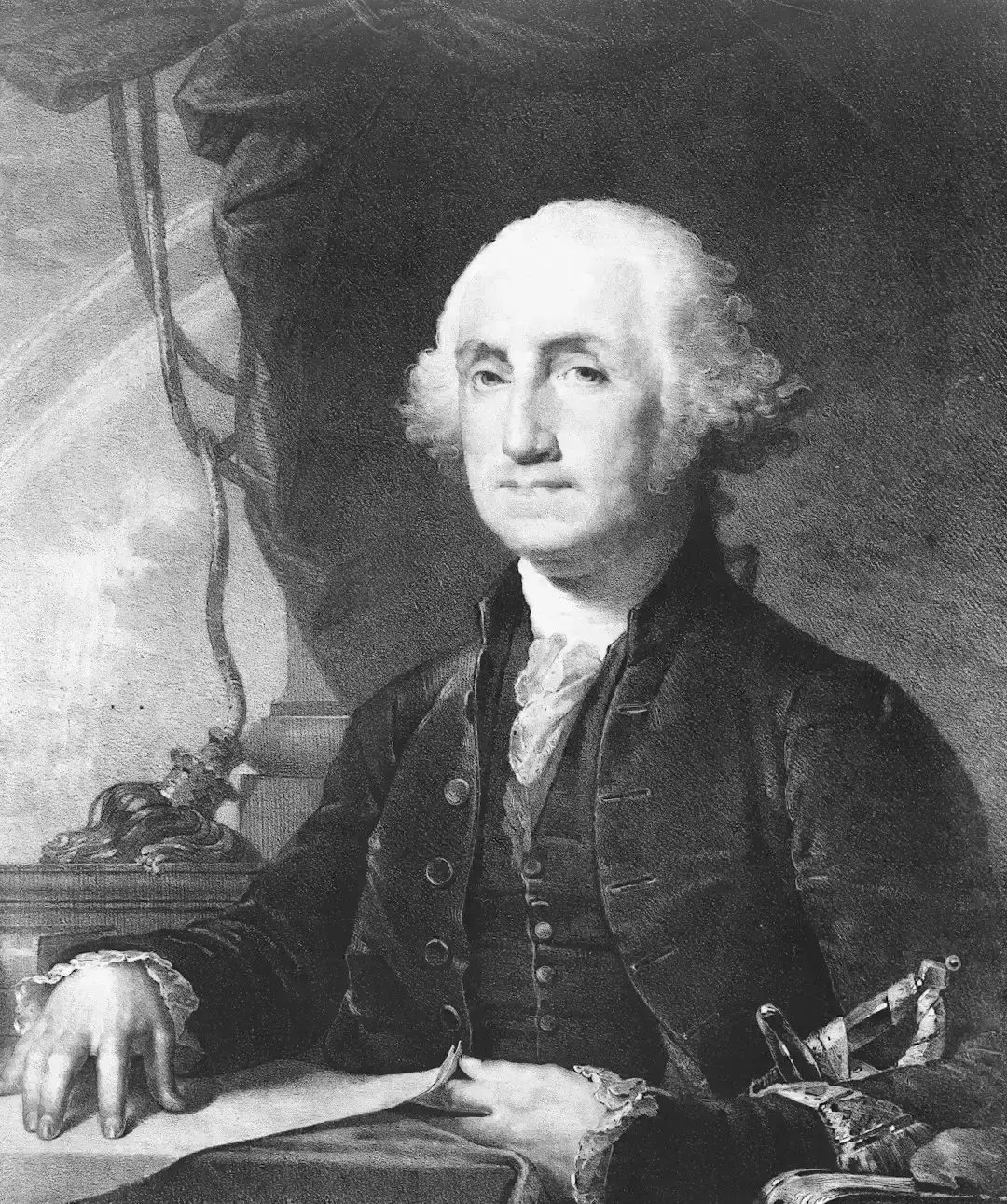
This is one of the most enduring myths in American history. The image of Washington’s stiff, formal portraits somehow merges with the idea of wooden dentures in the popular imagination. Here’s the real story: it turns out the first president wasn’t wearing wooden dentures. The historians at the Washington Library say that while George Washington did suffer from dental problems, his dentures were composed of ivory, gold, lead, and even other human teeth, but never any wood.
They believe this common myth is the result of the ivory becoming stained over time, giving the fake teeth the appearance of wood. His dentures were made of lead, gold, hippopotamus ivory, the teeth of various animals including horse and donkey teeth, and human teeth, possibly bought from enslaved people. Honestly, the real story is arguably more disturbing.
Washington suffered from dental problems all throughout his life. His dentures were made from a combination of human teeth, cow teeth, hippopotamus ivory, and metal, as was standard for wealthier people at the time. The “wooden teeth” story softens what was actually a rather grim reality.
8. Columbus Discovered America
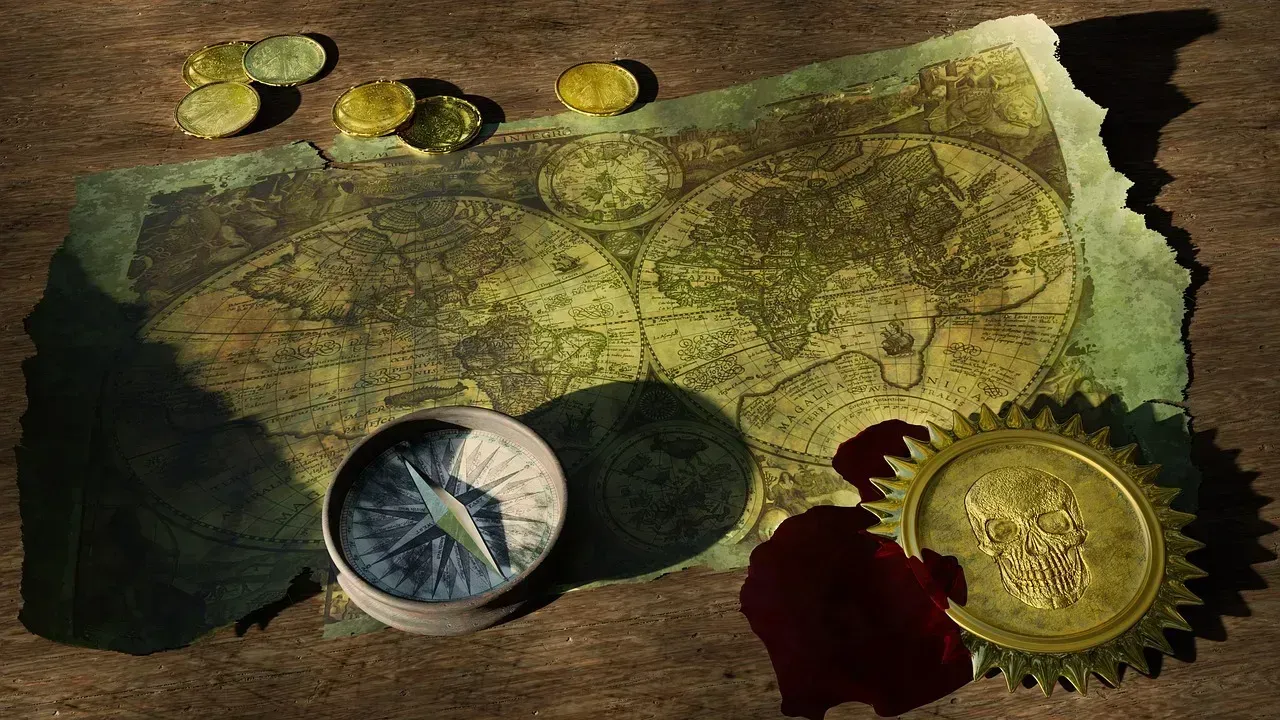
This one is taught to children across the Western world and celebrated with a federal holiday in the United States. Yet historians have long known it tells only a fraction of the story. Contrary to popular belief, Christopher Columbus was not the first European to reach the Americas. Norse explorer Leif Erikson is believed to have reached North America around the year 1000, almost five centuries before Columbus set foot in the Bahamas. Despite this, Columbus is often credited with the discovery of America, perpetuating a historical myth that has endured for centuries.
Columbus was not the first European to visit the Americas. Leif Erikson, and possibly other Vikings before him, explored Vinland, an area of coastal North America. Ruins at L’Anse aux Meadows prove that at least one Norse settlement was built in Newfoundland, confirming a story in the Saga of Erik the Red.
While Columbus has historically been treated as an American hero for the discovery of what is now the United States, he never actually set foot in North America. He landed in the Caribbean. And of course, tens of millions of Indigenous people already lived across the Americas long before any European arrived – making the word “discovery” arguably problematic in the first place.
9. People in the Middle Ages Never Bathed
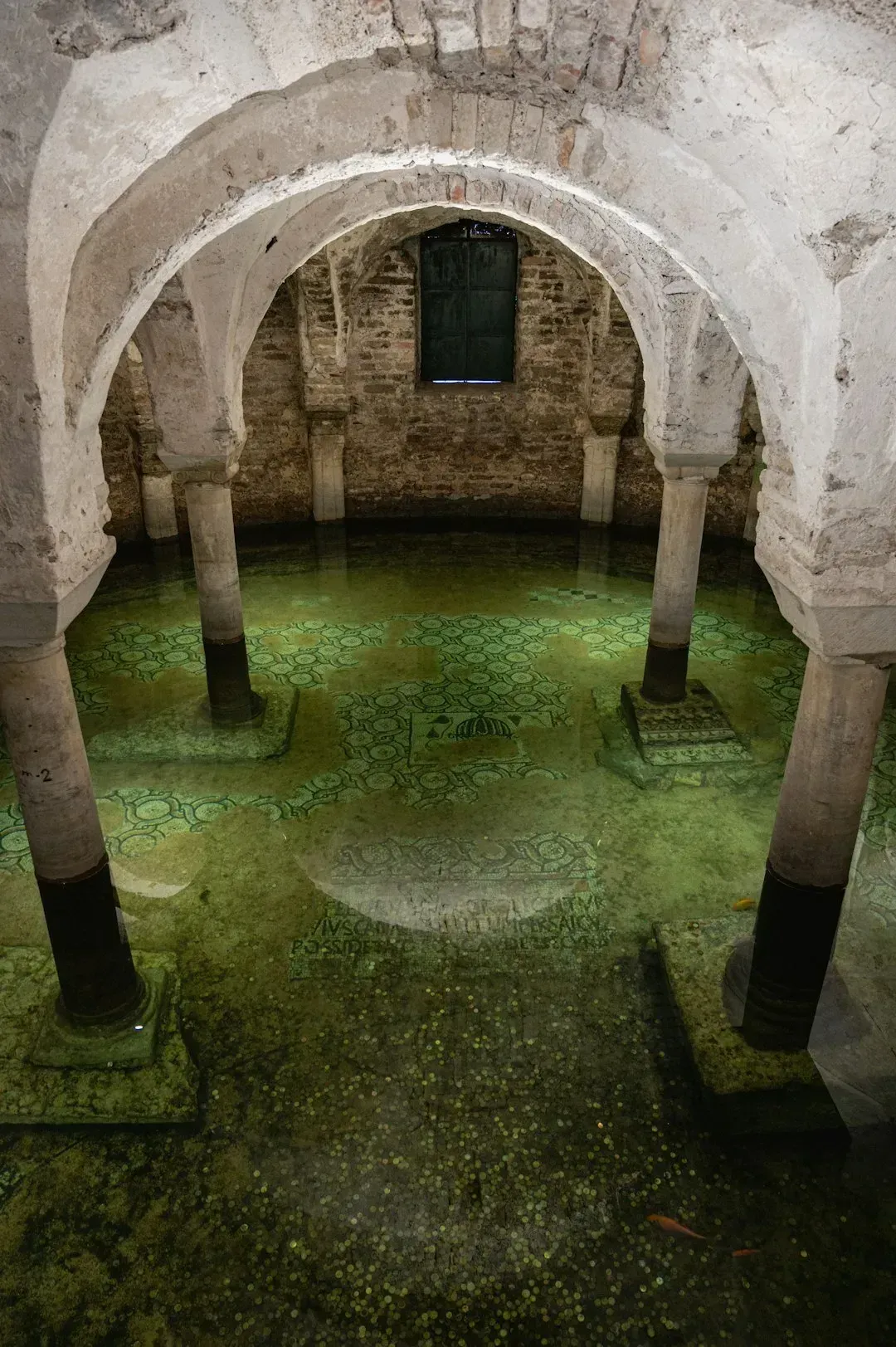
The image of grimy, stinking medieval peasants who never washed is so widespread it feels like a historical given. Movies and TV shows reinforce it constantly. Contrary to popular belief, the collapse of the Western Roman Empire did not mark the end of bathing and sanitation in Europe. Throughout the Middle Ages, public bathhouses remained common, particularly in large towns and cities, serving as significant social hubs.
It turns out people in medieval times were frequent bathers. In fact, it was expected that people be clean before going to church on Sundays. Washing and bathing was part of daily life for centuries. The idea that bathing culture dramatically declined when the Roman empire withdrew is also not true.
Public bathhouses provided access to bathing for people without private facilities. Linen undergarments absorbed sweat and were easier to wash than outer clothes, while herbal preparations for washing and freshening provided pleasant scents. The “filthy medieval peasant” is really a product of later centuries projecting their own anxieties backward onto the past.
10. Albert Einstein Failed Math as a Child
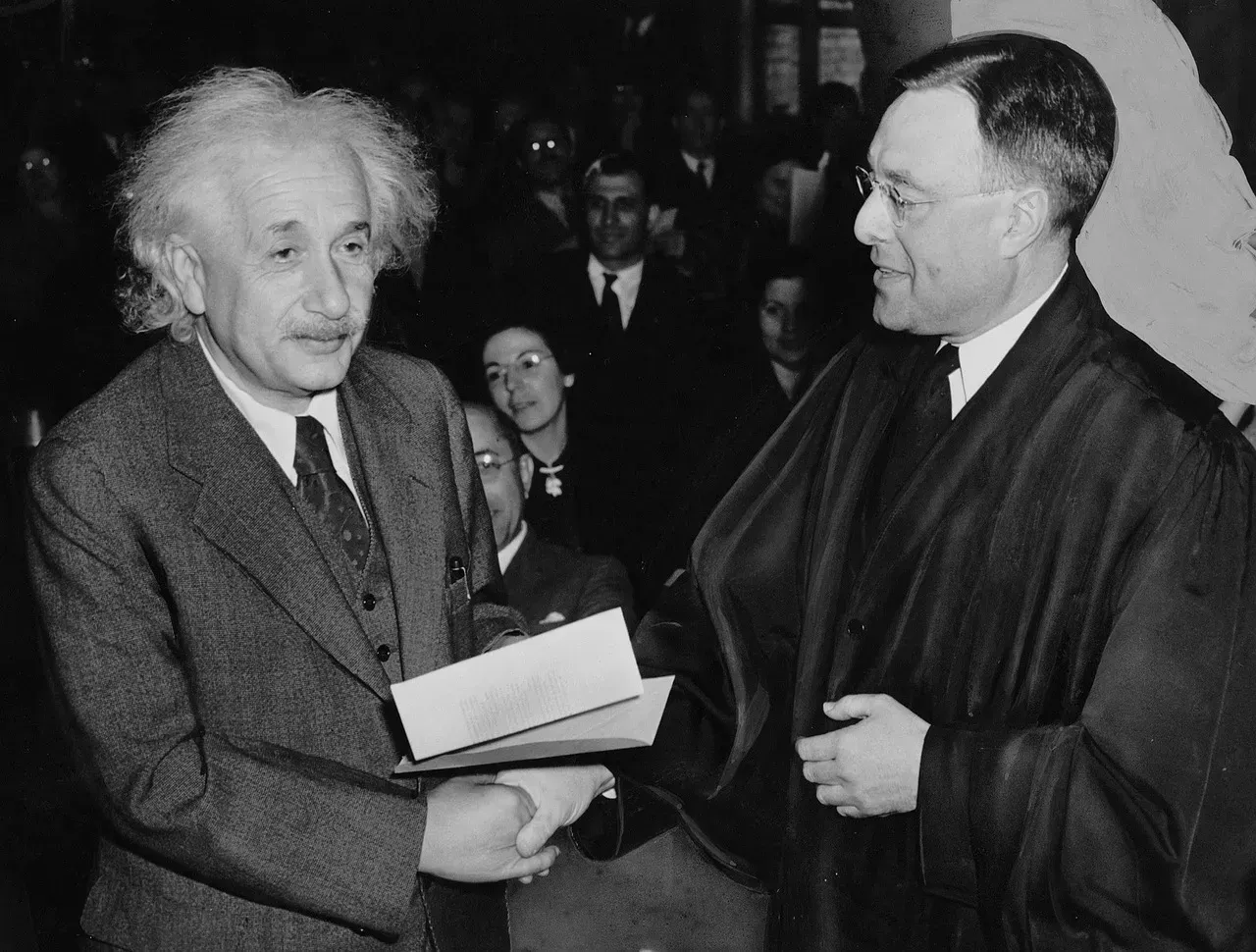
Every struggling student has heard this one as a motivational pick-me-up. “Even Einstein failed math!” It’s comforting. It’s also not true. Albert Einstein was a fine student in math. The theoretical physicist did fail the entrance exam to the Zurich Polytechnic Institute on his first try at age 16. The exam was given in French, which Einstein wasn’t fluent in, and records show he passed the math section but failed the language, botany, and zoology sections.
People believe that Albert Einstein was a mediocre student with failing grades. In actuality, he was as smart as a kid as he was as an adult, and his student papers were highly insightful. The myth likely persists because it’s a feel-good story, the kind people want to believe in.
Here’s the thing – the truth is actually more interesting. Einstein wasn’t a struggling kid who defied the odds. He was a brilliant child who simply failed an entrance exam in a language he didn’t fully speak yet. Context changes everything, and that’s exactly what these myths tend to erase. History is richer, messier, and far more fascinating when you actually look at the evidence.
So, which of these myths surprised you the most? Feel free to share your thoughts in the comments below.