12 Parenting Trends Child Psychologists Are Seriously Warning About
Parenting has always been one of the most debated topics on the planet. Every generation thinks it has finally cracked the code, and every generation gets at least a few things seriously wrong. In 2026, we’re living through a perfect storm of social media trends, viral TikTok parenting advice, and a genuine, well-documented youth mental health crisis that no one can afford to ignore any longer.
Child psychologists have been watching closely, and some of them are genuinely alarmed. The trends below aren’t just internet fads. Several are backed by growing bodies of clinical research, national health data, and warnings from some of the most respected voices in developmental psychology. Some might surprise you. A few might feel uncomfortably familiar. Let’s dive in.
1. Helicopter Parenting: Hovering Your Child Into Helplessness

Here’s the thing about helicopter parenting: it comes from a beautiful place. Parents want to protect their kids, shield them from failure, and make sure everything works out. Honestly, who can blame them? But the science tells a very different story about what actually happens when parents hover too close.
Research shows that helicopter parents can negatively affect their children’s autonomy, sense of competence, and decision-making processes, and similar studies have indicated that this style of parenting can lead to a lack of autonomy and a decreased sense of competence. That’s not a minor inconvenience. That’s the foundation of a child’s ability to function as an adult.
Helicopter parenting has also been associated with “social withdrawal” in children, meaning an unwillingness to participate in social environments. Think about what that means long-term. A child who can’t tolerate social friction becomes a teenager who avoids challenges, and eventually an adult who struggles to hold down a job or maintain relationships.
Helicopter parenting affects a child’s learning and development, resulting in poor self-regulation and childhood anxiety. Higher levels of anxiety, depression, stress, and poorer academic adjustment were reported by children of controlling parents. The very protection parents are trying to provide ends up creating the exact vulnerabilities they feared most.
2. Unlimited Screen Time: The Invisible Danger in Every Home
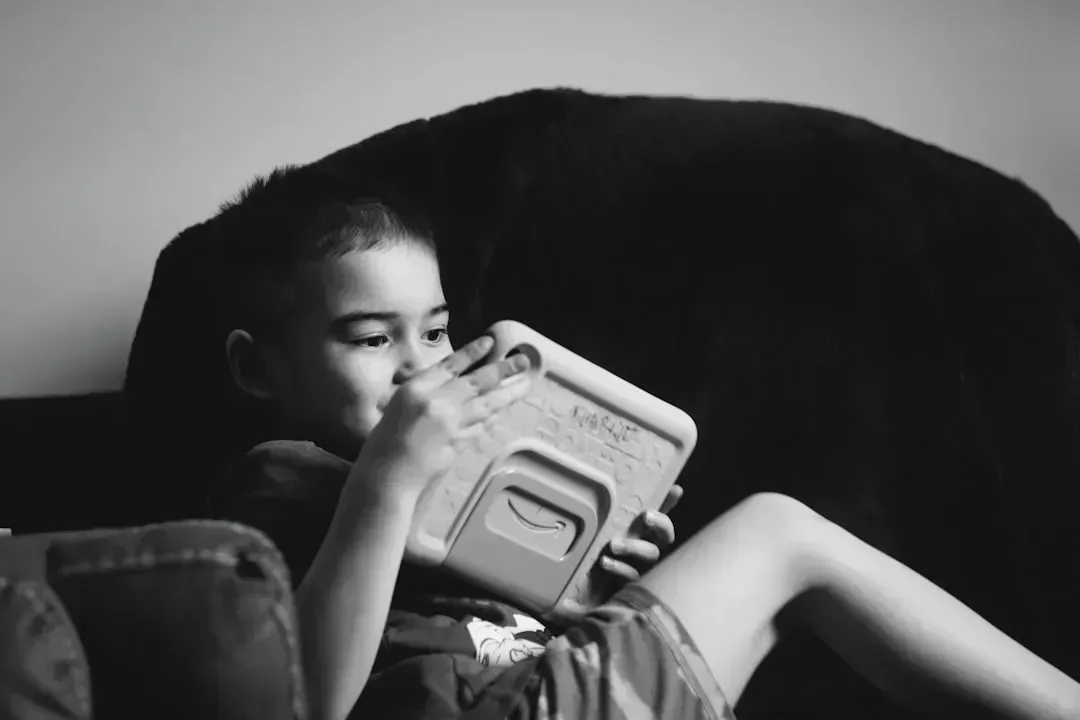
Few parenting topics have generated more research in recent years than children and screen time. The data coming out is, frankly, hard to look away from. Since the increased use of social media starting around 2010, the prevalence of mental health problems in youth has also increased significantly. This increase, particularly in depression, anxiety, and suicidal thoughts, continued through the 2020 pandemic years.
Daily screen time of four or more hours was associated with higher risks of anxiety, depression, behavior or conduct problems, and ADHD in children and adolescents. Four hours sounds like a lot, but given that the average screen time is eight to ten hours, not including school, a worrying number of children are already well past that threshold every single day.
Teenagers with higher non-schoolwork daily screen time are more likely to experience a series of adverse health outcomes, including depression symptoms, anxiety symptoms, infrequent social and emotional support, insufficient peer support, and an irregular sleep routine. It’s not just one problem. It’s a cascading web of interconnected issues that all trace back to the same root.
A UCSF study that followed a diverse group of kids from around the country for two years found that more screen time was associated with more severe symptoms of depression, anxiety, inattention, and aggression. Child psychologists are no longer simply suggesting moderation. Many are now urging much stronger limits, especially before adolescence.
3. Sharenting: Sharing Your Child’s Life Online Without Their Consent

“Sharenting” sounds harmless. After all, proud parents posting cute baby photos seems practically harmless, right? Child development experts and psychologists, however, are pushing back hard on this trend, and the concerns go far deeper than privacy alone.
In 2024, we started to see a “sharenting” reckoning. A term that describes parents who share their children’s lives online, sharenting has existed since the 2000s, with the rise of so-called mommy bloggers and family influencers. What’s changed is that researchers now have enough longitudinal data to understand the real-world psychological impact on the children being photographed and filmed.
Children have little control over their digital presence. Letting them decide what moments feel okay to share can help them feel safer and more in control, and it is a way of teaching them early about consent, privacy, and boundaries. When parents ignore that and post anyway, they’re undermining the very sense of security they’re trying to project to the world.
The U.S. Surgeon General’s report warned that part of modern parenting’s unique struggles are what he calls our “culture of comparison,” propagated by influencers and online trends that create unrealistic expectations for parents to pursue. The pressure to perform parenthood online turns children into content, and psychologists say that’s a problem no filter can fix.
4. Permissive Parenting: When “No Rules” Becomes “No Foundation”
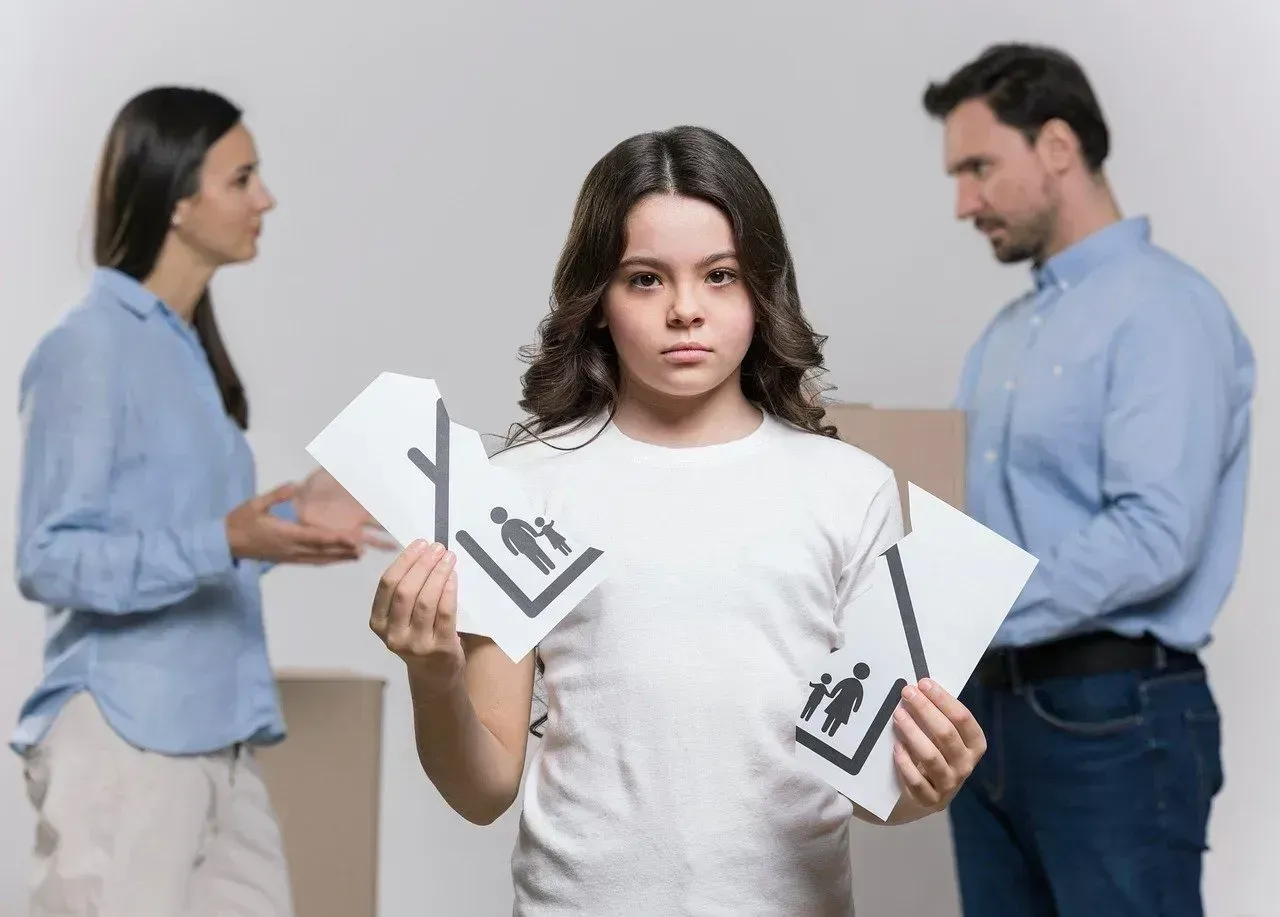
Permissive parenting has been glamorized in certain parenting circles as the emotionally attuned, modern alternative to strict parenting. The reality, according to developmental psychology research, is considerably messier. Let’s be real: warmth without boundaries isn’t kindness. It’s just confusion.
The permissive style of parenting, sometimes referred to as indulgent parenting, has very few or no demands to make of their children. Self-regulation and discipline become unfamiliar concepts to children raised by permissive parents. And self-regulation, it turns out, is one of the single most important predictors of lifelong success and wellbeing.
Permissive parents make very few demands from their children but allow the children’s freedom to behave in any manner they please. Children of these parents can develop a sense of insecurity, fear, aggression, and anxiety. That seems like a paradox, but it tracks. Children without structure often feel abandoned, even in houses full of love.
Previous studies have provided evidence that suggests parenting style is a potential risk factor for child mental health problems. Permissive parenting doesn’t protect children from the world. It just sends them out into it without the tools to handle what they’ll find there.
5. Overscheduling Children: Busy Is Not the Same as Thriving

There’s an unspoken belief in modern parenting culture that a packed schedule equals a productive, well-rounded child. Piano lessons, soccer practice, coding camp, tutoring. If every hour is accounted for, surely you’re doing something right? Psychologists are not so sure.
There have always been parents who believe in keeping their children’s schedules packed. These days, however, parents are seeing the value in allowing their children downtime, because in a world where kids are constantly on the go, they rarely get the chance to be bored and figure things out on their own. In these moments of unstructured play, children tap into their creativity, problem-solving skills, and emotional intelligence.
The problem isn’t ambition. The problem is that children who are never bored never learn how to manage their own inner world. Boredom is not a problem to be solved. It’s the incubator for imagination, self-direction, and resilience. Scheduling it away is, ironically, one of the least productive things a parent can do.
The significant mental labor involved with parenting, including balancing complex schedules and making countless decisions each day on behalf of a child, can limit working memory capacity and negatively impact attentional resources, cognitive functioning, and psychological well-being. What’s exhausting the parent is also exhausting the child.
6. Technoference: When Parents’ Own Screens Harm Their Kids

We spend a lot of time talking about children’s screen time. Far less attention goes to what happens when it’s the parents who can’t put the phone down. Psychologists have given this phenomenon a name that’s every bit as awkward as the problem itself: technoference.
The distractions of digital devices can make parenting more difficult. This “technoference” is associated with child behavior problems, which could have knock-on effects later in life. Children who are repeatedly interrupted or ignored while a parent scrolls through their phone learn quickly that they are less interesting than the device. That message lands deep.
Think of it like trying to have a conversation with someone who keeps glancing at their watch. You’d eventually stop trying, too. Children who learn early that their bids for connection are consistently met with distraction start to disconnect emotionally as a coping mechanism. That’s not a melodramatic interpretation. That’s developmental psychology 101.
Experts caution that AI and digital tools should never replace human connection. Parents provide warmth, empathy, and guidance, which are qualities no machine can replicate. The most powerful parenting tool still costs nothing and requires no Wi-Fi: your full, undivided attention.
7. The Intensive Parenting Trap: More Effort, More Anxiety

Intensive parenting is the idea that children need constant stimulation, careful monitoring, emotional coaching, and total parental devotion at all times to develop properly. It sounds like good parenting on paper. In practice, it’s producing one of the most anxious generations of both parents and children in modern history.
Parenting today may feel more difficult because of the rise of intensive parenting. Parents are bombarded with messages about gentle parenting, warnings that rushing children causes them to become anxious adults, and a steady stream of guidance about remaining regulated when a child is dysregulated. The sheer volume of conflicting advice has become a source of chronic stress in itself.
Over the past decade, parents have been consistently more likely to report experiencing high levels of stress compared to other adults. In 2023, roughly a third of parents reported high levels of stress in the past month, compared to about a fifth of other adults. Stressed parents raise stressed children. It is, tragically, that simple.
The Surgeon General’s Advisory highlights the stressors that impact the mental health and well-being of parents and caregivers and the critical link between parental mental health and children’s long-term well-being. Nearly half of parents say that most days their stress is completely overwhelming, compared to roughly a quarter of other adults. Intensive parenting may be producing exactly the fragile, anxious children it was designed to prevent.
8. Early Smartphone Access: A Growing Crisis in Plain Sight
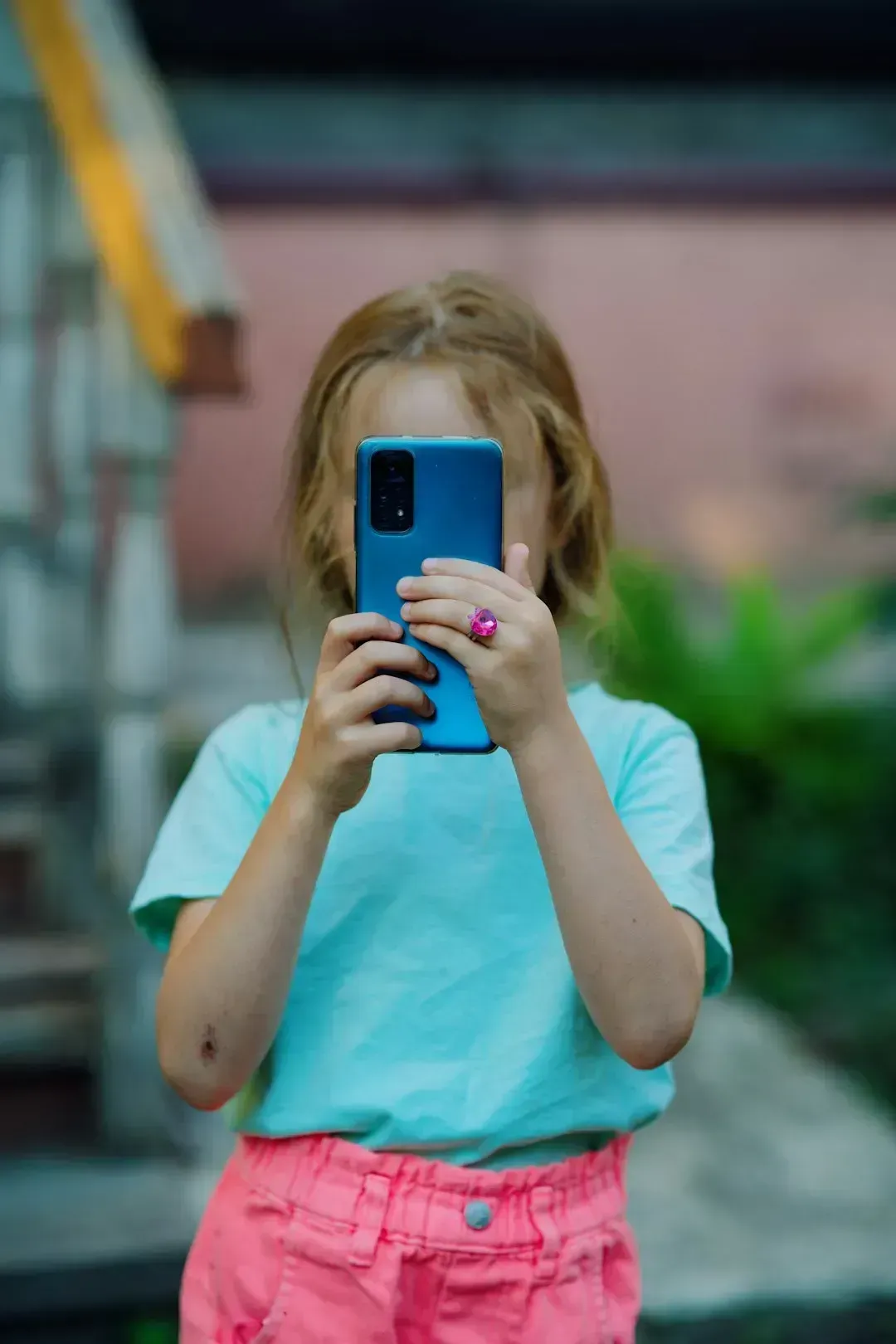
Handing a young child their own smartphone is one of the most normalized parenting decisions of the past decade. It keeps them quiet, gives them access to educational apps, and lets parents keep an eye on them via location tracking. Child psychologists are increasingly alarmed by how early this is happening and how little parents understand the risks.
Jonathan Haidt’s best-selling book “The Anxious Generation” sparked a movement to delay smartphone use and lean into a more play-based childhood. In some elementary schools, large cohorts of parents have signed pledges to wait until high school before giving kids cell phones. Across the country, school phone bans moved quickly in many states with the start of the 2025 to 2026 school year.
The prefrontal cortex, the part of the brain responsible for decision-making and impulse control, is not fully developed in teens. This can make it difficult for them to manage their use of smartphones and social media, often leading to addictive-like behaviors. Giving a child a smartphone before their brain is equipped to handle it is a bit like handing car keys to someone who hasn’t learned to walk yet.
In December 2024, Australia became the first country to ban social media for kids until age 16, with other countries like Denmark considering similar restrictions. The science has been building for years. Governments are now starting to act on it. Whether individual parents will follow is another question entirely.
9. Dismissing Children’s Emotions: The Long Shadow of “Toughen Up”

Dismissing a child’s feelings with phrases like “stop crying,” “you’re fine,” or “it’s not a big deal” has been a parenting default for generations. It’s quick. It stops the noise. It works in the immediate moment. But the long-term developmental cost, according to child psychologists, is substantial.
Parents’ psychological problems may lead to negative parenting behaviors, lack of attention to children’s needs, or increased dysfunction within the home. Both mothers’ and fathers’ mental health problems are key sources of stress for children and have been linked to worse mental health and more behavioral problems for children during their youth.
When emotions are consistently dismissed or punished, children don’t learn how to feel less. They learn how to hide what they feel. That suppression is one of the most reliable precursors to anxiety, depression, and emotional dysregulation in adolescence. It’s the emotional equivalent of putting tape over a check engine light.
Research has found significant associations between severe childhood anxiety and poor caregiver mental and emotional health. A child whose emotional world is regularly invalidated internalizes the message that their inner life is a burden. That belief, once rooted, takes years of work to undo.
10. Raising Children in Front of Screens: The Digital Babysitter Epidemic

Using screens as a babysitter is one of those parenting behaviors that almost everyone admits to, usually in a slightly guilty tone. A tablet to get through the grocery run. A cartoon to survive a long flight. The problem, child psychologists note, isn’t the occasional use. It’s the habitual reliance that has become the norm for millions of families.
Sleep problems are prevalent among children and adolescents, with pediatric sleep disorders affecting roughly a quarter to nearly half of all children. Children and adolescents’ screen time increased by more than half during the 2020 pandemic, while the prevalence of daily physical activity significantly decreased. These aren’t isolated statistics. They’re describing the same child, in the same household, experiencing the same cascade of interconnected consequences.
Proposed mechanisms underlying the connection between screen time and poor mental health include screen time displacing adaptive behaviors such as physical activity, sleep, and in-person interactions, as well as reducing positive self-concept through comparisons with unrealistic ideals and exposure to inappropriate content and cyberbullying.
Children’s use of technology is one of parents’ top concerns, and communities of parents are getting together to delay their children’s access to technology. The fact that parents are organizing around this issue is a sign that the awareness is finally catching up to the problem. But for many kids, the damage is already a work in progress.
11. Ignoring Children’s Mental Health Until It Becomes a Crisis
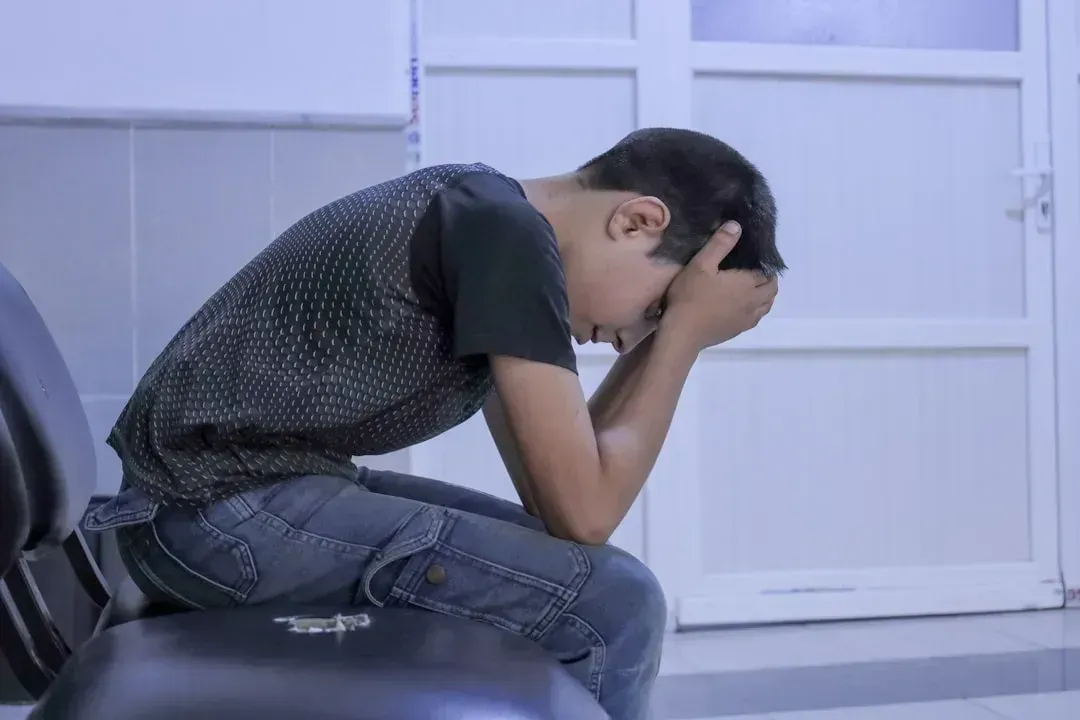
For a long time, children’s mental health was treated as either invisible or as a phase to grow out of. Psychologists have been trying to shift this for decades. The data from the last several years make the stakes undeniable. I think the most frightening part isn’t the severity of the numbers. It’s how long the warning signs are ignored before a family seeks help.
From 2016 through 2021, the prevalence of mental, behavioral, and developmental disorders among children aged 3 to 17 years increased from roughly one in four to more than one in four children, with increases specific to anxiety, depression, learning disability, developmental delay, and speech disorders.
The 2020 pandemic influenced social determinants of health and exacerbated many stressors associated with mental, behavioral, and developmental disorders in children. Research findings suggest that risk factors increased during the 2020 pandemic, including evidence of worsening adult mental health and decreases in parents’ reported ability to cope with the demands of raising children.
Findings suggest opportunities to improve pediatric mental health training for health care providers, for prevention and intervention efforts, and for policies addressing economic stability and equitable access to mental health services. Waiting until a child is in crisis before taking action is like waiting for a flood before checking the roof. Early intervention remains one of the most powerful tools available, and too many parents still aren’t using it.
12. The “Culture of Comparison” Driven by Parenting Influencers

Social media has given parents an endless stream of other people’s apparently perfect childhoods to measure themselves against. It’s a comparison machine that runs 24 hours a day, and the psychological toll on both parents and children is real, documented, and growing.
Social media can exacerbate peer pressure and has introduced cyberbullying. Influencer trends risk instilling unrealistic body image ideals, which can contribute to body dysmorphia. Children absorb the culture their parents create online, and when that culture is saturated with curated perfection, the message to kids is clear: who you are isn’t quite enough.
In one notable case, a U.S. parenting influencer and YouTube personality was sentenced to up to 30 years in prison after pleading guilty to four counts of aggravated child abuse. That extreme case illustrates a broader truth: when parenting becomes performance, the child’s actual needs can become secondary to the content.
The U.S. Surgeon General’s report warned that part of modern parenting’s unique struggles are what he calls our “culture of comparison,” propagated by influencers and online trends that create unrealistic expectations for parents to pursue. Chasing someone else’s highlight reel isn’t just exhausting for parents. It quietly teaches children that their authentic, messy, imperfect life is somehow not enough. And that, child psychologists would say, may be one of the most damaging lessons of all.