I Lived in 20 Countries in 2 Years – Here Are the 6 Best Places to Disappear (and 4 to Skip)
Two years. Twenty countries. A carry-on suitcase, a decent laptop, and a very strong opinion about which country makes the best coffee. Sounds romantic, right? Honestly, it mostly was. There were weeks where I pinched myself watching the sun set over a rooftop in Lisbon or typing away at a rickety desk above a rice paddy in Bali. There were also weeks where I wanted to throw my router out of a window in frustration, lost in some bureaucratic nightmare or paying through the nose for a mediocre apartment in a city everyone else seemed to love.
The nomadic life is real and it is massive. Globally, an estimated 40 million people were living as digital nomads by 2025, roughly doubling from around 20 million just a few years prior. In the United States alone, the number of people identifying as digital nomads increased from approximately 7.3 million in 2019 to 18.1 million in 2024, a 147% rise since pre-pandemic times. So if you’ve been thinking about doing what I did, you are far from alone. Let’s get into the places that actually delivered.
1. Portugal – Where the Wi-Fi Is Fast and the Wine Is Cheap
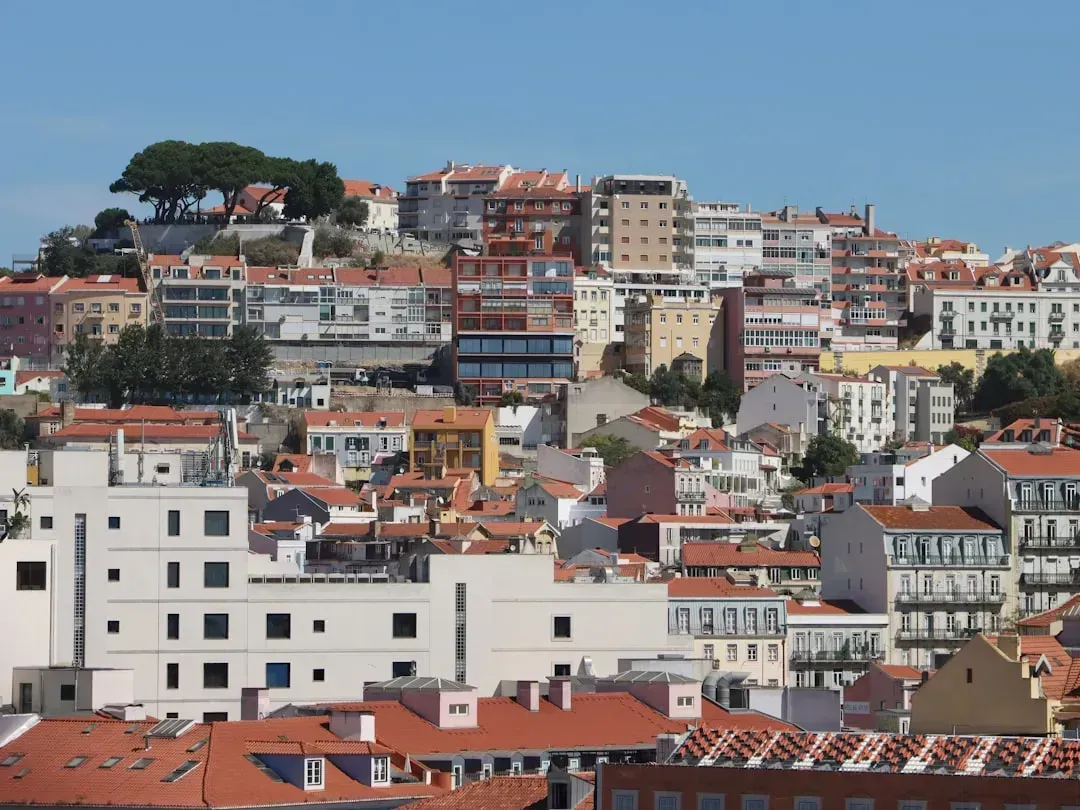
If there is one country that kept coming up in every nomad forum, every Reddit thread, and every “best of” list during my travels, it was Portugal. Lisbon in particular has quietly become a nomad legend, and honestly, the reputation is earned. Lisbon is recognised as the most convenient city for digital nomads worldwide, offering the most developed infrastructure in Portugal, vibrant cultural life, accessible Wi-Fi almost anywhere, and plenty of coworking spaces to choose from.
The visa situation is one of the cleanest in Europe too. Portugal offers two residency options ideal for remote workers: the Temporary-Stay Visa (D8 Digital Nomad Visa) and the D7 Passive Income Visa, with the D8 tailored for freelancers and remote employees earning active income from abroad. In 2026, the required income is €3,680 or more and does not depend on the number of family members included in the application. That’s not nothing, but for anyone earning a Western salary, it’s manageable.
The cost of living is where Portugal still holds its edge, even as prices creep up. A one-bedroom apartment in Lisbon’s city center costs between roughly €1,200 and €1,800 per month, with total monthly living expenses ranging from €2,000 to €3,000 depending on lifestyle. Porto is kinder on the wallet. Rent for a one-bedroom in Porto’s center ranges from €800 to €1,200 per month, with monthly costs typically falling between €1,500 and €2,000 including food, transport, and internet. The path to citizenship here is a bonus few countries offer so clearly: both visas allow access to Portugal’s high quality of life, healthcare, and the broader Schengen Area, with a clear path to permanent residency and citizenship after five years.
Portugal’s D8 remote worker residence route offers digital nomads either a temporary-stay visa or a residence permit, with the country benefiting from strong internet speeds and strong EU research links, as well as its moderate cost of living and tax incentives for foreign professionals from specific backgrounds. I spent three months in Porto and genuinely could have stayed longer. The cobblestones, the port wine, the impossibly fresh seafood – it’s hard to argue with any of it.
2. Spain – The Sunshine Country That Actually Has Its Paperwork Together

Some countries talk a big game about welcoming remote workers. Spain actually followed through. Spain is the top country for digital nomads, according to the VisaGuide Digital Nomad Index. For the second year in a row, Spain came in at the top of that list. That’s not an accident – it’s the result of building real infrastructure around the nomadic lifestyle.
Spain’s digital nomad visa, introduced under the Startup Law, has put the country on the map as a competitive hub for remote workers and startups. Unlike the Spanish golden visa, it requires no investment, and the income requirements are quite low, with a minimum of around €2,600 as a single applicant to qualify. That low bar combined with a high quality of life is a rare combination in Europe.
Remote workers in sunny Spain benefit from low tax rates and the ability to earn up to 20% of their income from local Spanish companies. Spain’s tech industry is also booming and looking for international talent to contribute to its growth. Families are covered too. In 2024, Spain announced it was allowing spouses and families to join successful applicants of the digital nomad visa.
Here’s the thing: Spain offers something few destinations can match, which is a combination of world-class cities, incredible food culture, consistent sunshine, and surprisingly modern infrastructure. Spain is the preferred spot for digital nomads in Europe, mainly because it offers a digital nomad visa, has a lower cost of living than other Western European countries, and has a relaxed lifestyle, along with reduced tax rates and some of the highest internet speeds in the world. Barcelona, Málaga, Valencia – take your pick. I personally loved Málaga, which felt like a city that hadn’t quite figured out it was supposed to be expensive yet.
3. Thailand – The Tried-and-True Classic That Still Delivers

Before there were digital nomad visas, there was Thailand. This country essentially invented the lifestyle as we know it, and it still draws enormous crowds of remote workers for very good reasons. Thailand was considered one of the best countries for expats in 2025, thanks to its welcoming locals, low cost of living, and high quality of life, with a mix of beautiful beaches, bustling cities like Bangkok and quiet rural areas that offer a lifestyle to suit every taste.
Together with Vietnam and Indonesia, Asian countries dominate half of the top expat destinations list, and one thing that unites expats in these countries is their satisfaction with personal finance, with all of them ranking in the top 10 of that index. Thailand is no exception. The cost of living here is genuinely low, food from street vendors costs almost nothing, and the quality is remarkable.
Thailand has introduced a New Long-Term Resident Visa (LTR), allowing stays of up to 10 years for high-income earners. That is a significant development for anyone considering a semi-permanent base in Southeast Asia. There’s a reason Thailand is such a classic location for the digital nomad lifestyle. From the northern mountains of Chiang Mai to the digital-nomad-packed beach bars of Koh Lanta, the country accommodates almost every personality type. I spent six weeks in Chiang Mai and could have stayed for six months. The coworking scene alone is worth the flight.
4. Indonesia (Bali) – Yes, It’s Crowded. Yes, It’s Still Worth It.

I’ll be honest: I arrived in Bali with something close to disdain. Overrated, over-hyped, overrun – I’d heard all of it and I agreed before even landing. Then I stayed for two months and completely understood why people never leave. Indonesia excels with its low cost of living, friendly locals, and exceptional work-life balance, with 84% of expats reporting happiness with their life in Indonesia, well above the global average of 68%.
For the third consecutive year, Indonesia ranks in the top 10 of the Personal Finance Index, and thanks to low living costs, 86% of expats find their disposable income sufficient or more than sufficient for a comfortable life. The coworking scene is mature and well-developed too. Whether you choose Bali or Jakarta, Indonesia has plenty of coworking spaces filled with expats from every corner of the world.
The country also ranked third in the Expat Insider 2024 survey thanks to the ease of settling in it offers. The visa situation has also improved. The C211A Visa for digital nomads and remote workers allows stays of two to six months, and non-residents are only taxed on their Indonesian-sourced income, so you can save significantly in Indonesia if you earn a foreign income. One honest caveat: digital life in Indonesia is challenging, with the country ranking 46th overall in that category. Internet can be inconsistent outside major hubs, so manage your expectations accordingly.
5. Colombia (Medellín) – The City of Eternal Spring That Earns Its Hype

If you want to feel like you discovered something before the rest of the world caught on, move to Medellín. Except – don’t tell anyone I said that, because the secret is already well out. Medellín ranks as the number one city for female digital nomads for three consecutive years running. That is a remarkable streak for a city that was once considered off-limits to most travelers.
The top three positions in the Expat Insider 2025 overall ranked occupied by the Latin American countries Panama, Colombia, and Mexico, and their commonality is a friendly and welcoming culture with no shortage of a social life, with all subcategories ranking in the top five for ease of settling in. Colombia’s digital nomad visa requires only a minimum monthly income of around $900, making it one of the most accessible in the world for independent workers.
Medellín’s eternal spring climate, sitting at around 1,500 meters elevation, means temperatures hover comfortably all year round without ever becoming oppressive. The food scene is inventive, the people are genuinely warm, and the cost of living allows you to live well on a modest budget. Almost three quarters of expats rate their social experiences in Mexico and Colombia positively, with over a third giving it the highest possible rating, compared to global averages of roughly half and about a fifth. The nomad community here is tight-knit, enthusiastic, and genuinely welcoming to newcomers.
6. Georgia (the Country, Not the State) – The Sleeper Hit Nobody Talks About Enough

If Portugal is the obvious answer and Spain is the popular one, Georgia is the insider pick. And I mean that in the best possible way. For more than 90 nationalities, the Republic of Georgia will let you in for a year on a tourist visa, making this the most generous country in the world in that respect, and it’s quite popular with remote workers, with good wine and gorgeous mountain scenery helping.
The cost of living in Tbilisi is absurdly low by any Western European or North American standard. Fast internet is widely available in the capital, coffee shop culture is thriving, and there is a growing community of long-term nomads who use Georgia as a quiet, affordable base to recharge between louder destinations. According to recent data from Nomad List and Statista, Georgia ranks consistently as a top digital nomad hub thanks to one-year visa-free access for 95-plus countries, low cost of living, and fast Wi-Fi.
There is one catch worth knowing about before you book. There is a real winter in Georgia, and the time zone is a long way from North America, much worse than being in central Europe. If your clients or team are based in the Americas, you’ll be burning midnight oil for meetings. For Europeans or anyone with a flexible schedule, though, this is a genuinely underrated gem that feels nothing like a tourist destination – it feels like a real place where real people live, and you get to live there too.
Now the Honest Part: 4 Places That Disappointed Me

Here’s where I’ll lose some friends. Every destination on this list has passionate advocates, and I respect that. Travel is deeply personal. But after two years of moving through 20 countries, patterns emerge, and some places just made the nomadic life harder than it needed to be. The data backs me up too, so at least I’m not entirely alone in my opinions.
Germany is first on the skip list. I know. I know. But Germany comes in 50th out of 53 countries in the Expat Insider 2024 survey, and expats in Germany seem to be among some of the unhappiest and loneliest in the world. Expats express frustration at slow bureaucracy and how the lack of digitalisation makes everything from visa applications to opening a bank account an exercise in patience. For a remote worker who depends on digital processes, this is not a minor inconvenience. It’s a daily battle.
Turkey is next, and this one genuinely surprises people. Istanbul is one of the most visually stunning cities on earth. The food is extraordinary. But in the Expat Insider 2024 survey, Turkey was ranked the second worst place for expats to move to. Turkey ranks among the worst places for expats overall due to limited career opportunities, a lack of job security, unfavorable working hours, and a language barrier, as Turkish is considered a moderately difficult language to learn. High inflation during the period of my visit made financial planning genuinely stressful.
Norway is painfully beautiful and painfully expensive. While the quality of life in Norway is top-notch with a strong work-life balance and excellent digital services, renting a one-bedroom apartment averages around $1,082 a month. Norway also ranks poorly in terms of ease of settling in, largely because of its cold climate, which can make it difficult for expats to adjust. For a nomad on a budget, the math simply doesn’t work. You’ll spend more, save less, and make fewer friends than almost anywhere else on the list.
South Korea rounds out the four. I wanted to love it. The technology is genuinely extraordinary, the food is incredible, and cities like Seoul are unlike anything else in Asia. But South Korea took a major tumble of 21 places in the 2025 Expat Insider rankings, landing near the very bottom of 46 countries surveyed. Living in South Korea can be a challenge for immigrants, as finding new friends and maintaining a social life can be challenging given the peculiarities of the local culture. Without language skills, daily life becomes isolating surprisingly quickly, and the culture of overwork can seep into your own habits if you’re not careful.
What the Data Actually Tells Us About Picking the Right Place

After all of this, there are some clear patterns worth naming. The best destinations share a combination of easy bureaucracy, affordable costs, warm social cultures, and genuine digital infrastructure. With 64 countries now offering nomad or remote-worker visas, governments are actively competing for globally mobile earners. That competition is genuinely good news for nomads, as it forces countries to improve their offerings rather than just slap a visa label on their existing tourist framework.
In 2025, the average digital nomad visited 6.2 locations, compared to 6.6 in 2024 and 7.2 in 2023, while the amount of time spent at each location has increased, with digital nomads averaging 6.4 weeks per stop in 2025, up from 5.7 weeks in 2024. The trend is clear: people are moving less and staying longer. Slow travel is replacing constant motion, and that shift changes which destinations actually work.
A study from March 2024 found that roughly a third of digital nomads around the world make between $100,000 and $250,000 each year. The average annual income for digital nomads in 2025 was at $123,762, considerably higher than the global average, reflecting the prevalence of skilled remote work. That means the best destinations are not just about being cheap – they’re about value, quality, and stability. A place where your money buys you genuine comfort and genuine connection, not just a low rent number on a spreadsheet.
Technology will continue lowering the barriers to nomadic work, with improvements in global internet infrastructure making the internet faster and more reliable, and AI assistants helping digital nomads navigate language barriers, local regulations, cultural nuances, and travel planning more effectively. The future of this lifestyle is bright. The destinations that understand that will thrive. The ones still stuck in bureaucratic amber will keep watching talented, high-spending visitors quietly choose somewhere else.