8 Subtle Signs Your Cat Has Finally Made It Feel Like Home
There is something quietly magical about the moment a cat truly settles in. One day they are a nervous shadow darting behind the sofa, and the next they are sprawled across your favorite chair like they own the place. Which, honestly, they probably feel they do. Cats are complex, territorial, emotionally layered creatures, and reading their signals takes patience and a genuine curiosity about how they think.
Between 2023 and 2025, roughly 46.5 million US households own a cat, yet a surprising number of owners admit they are never quite sure whether their cat is truly comfortable or just tolerating the arrangement. The truth is, the signs are there. They are just subtle. Let’s dive in.
Sign #1: They Start Freely Exploring Every Corner of Your Home

Think of your home from a cat’s perspective. It is an enormous, unfamiliar territory full of strange smells, unpredictable sounds, and unknown risks. A stressed cat will stay anchored to one safe spot, almost like a ship refusing to leave the harbor. So when your cat begins to wander? That is a very big deal.
One of the first signs that your cat is settling in is their willingness and curiosity to explore their new home. Initially, your cat may hide in one spot, not venturing out even for food in extreme cases, but as they become more comfortable, they will start to decompress and cautiously venture out, slinking around with a low belly to the ground, investigating different rooms, sniffing around furniture, and showing curiosity about their new surroundings.
This exploration is crucial for them to feel secure in their new territory and leave their pheromone deposits around the home, which add to their security and habituation to any new environment. Basically, they are decorating the place in their own invisible way. And you should let them.
Sign #2: They Give You the Famous Slow Blink
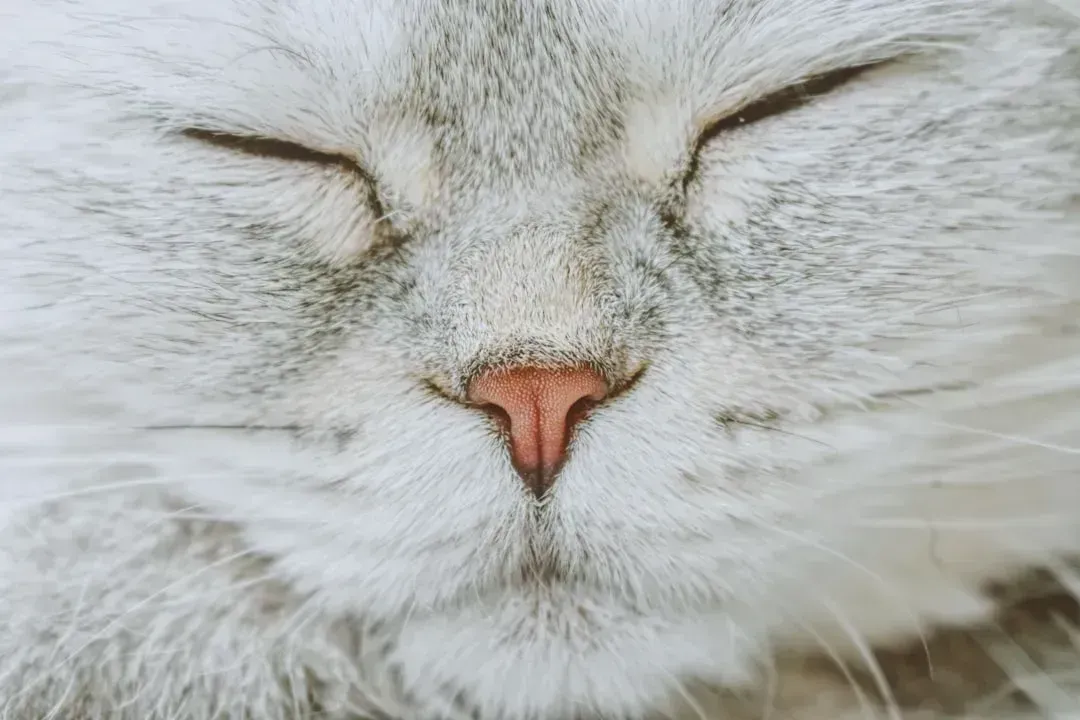
If you have never noticed a cat quietly gazing at you and then slowly, deliberately closing and reopening their eyes, you might have missed one of nature’s most understated love letters. The slow blink is genuinely one of the most fascinating things cats do, and the science behind it is surprisingly solid.
Slow blinking is a sign of trust. Any cat that gives you a slow blink means they are feeling quite comfortable with you, and they trust that you don’t mean them any harm. When your cat looks at you and slow blinks, they are relaxing their guard, and just like when they roll onto their backs and show their bellies in your presence, they are making themselves vulnerable, knowing that they are safe with you.
In a 2020 study, researchers found that cats were more likely to slow blink after their owners slow blinked at them. They took it a step further by leaving the cat alone with a researcher whom the cat did not know. The researcher slow blinked at the cat, which led to the cat approaching the researcher’s outstretched hand, suggesting that when humans initiate the slow blink, we are telling the cat that we trust them. Try it tonight. The results might surprise you.
Sign #3: They Knead on You or Your Belongings
Cat owners call it “making biscuits,” and it is as endearing as it sounds. Your cat rhythmically pushing their front paws in and out against your lap, a blanket, or even your stomach is not random. It is rooted in something deeply emotional and biological. I think this one is personally the most touching sign of all, because it connects back to the earliest comfort they ever knew.
Originally, kittens knead their mother’s belly to stimulate milk flow. As cats grow older, this behavior persists, evolving into a comforting action that signifies contentment and security. Experts believe kneading is also a cat’s way of marking territory, since the pads of their paws contain scent glands that release pheromones.
Kneading triggers the release of dopamine, a neurotransmitter associated with pleasure and reward. This behavior, often beginning in kittenhood, is instinctive and tied to the comfort of nursing. As kittens knead their mother’s belly, dopamine is released, enhancing feelings of contentment and security. This physiological response persists into adulthood, meaning that when adult cats knead, they are re-experiencing those early comforting sensations, psychologically reinforcing feelings of safety and affection.
Sign #4: They Begin to Sleep Deeply Near You
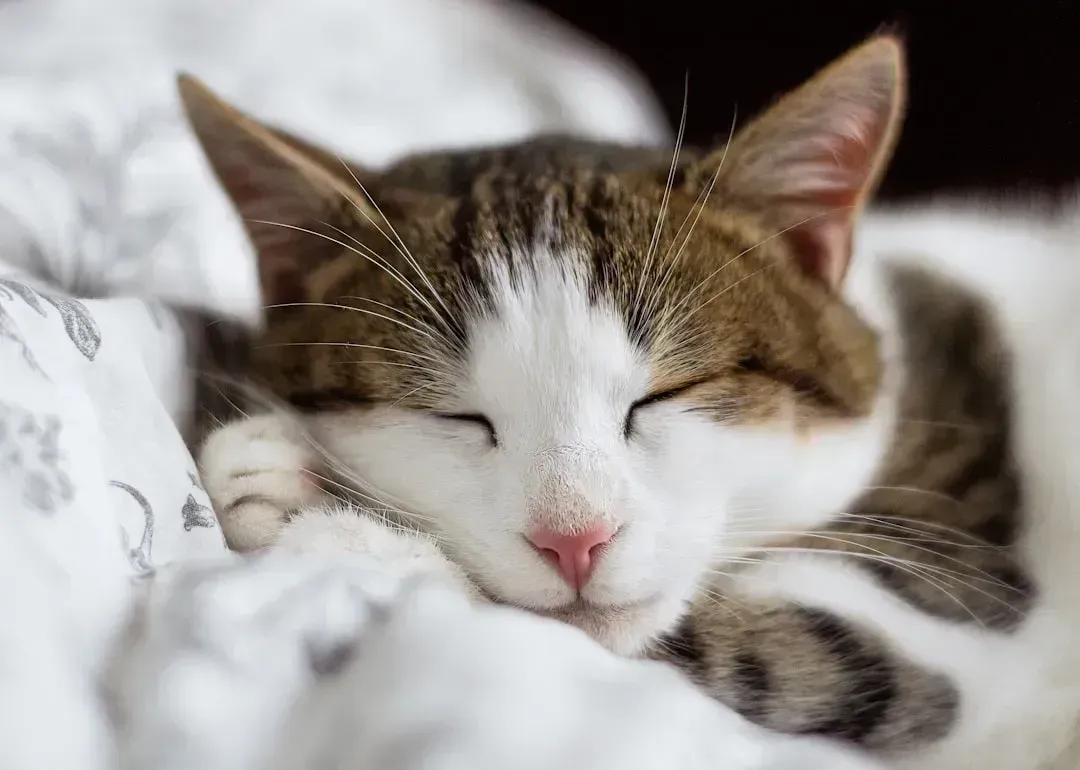
Here is something worth sitting with: sleep is when all animals, including cats, are at their most vulnerable. A cat that chooses to nap in your presence, especially in a fully stretched-out or belly-up position, is making an extraordinary statement about how safe they feel. It is not something they do lightly.
If your kitty likes to sleep near you, or even on you, this is an indication that they have total trust in you. When a cat is asleep they are of course vulnerable, so choosing to sleep in your presence, rather than wandering off and finding another safe haven, means that they feel relaxed and don’t see you as a threat.
When a cat stretches out, they are voluntarily exposing themselves, which shows that they don’t feel threatened. On the other hand, a ball-shaped cat is usually not feeling open to advances. So the next time your cat sprawls across the entire bed like they pay rent, take it as the highest compliment they know how to give.
Sign #5: They Rub Their Face on Furniture and on You
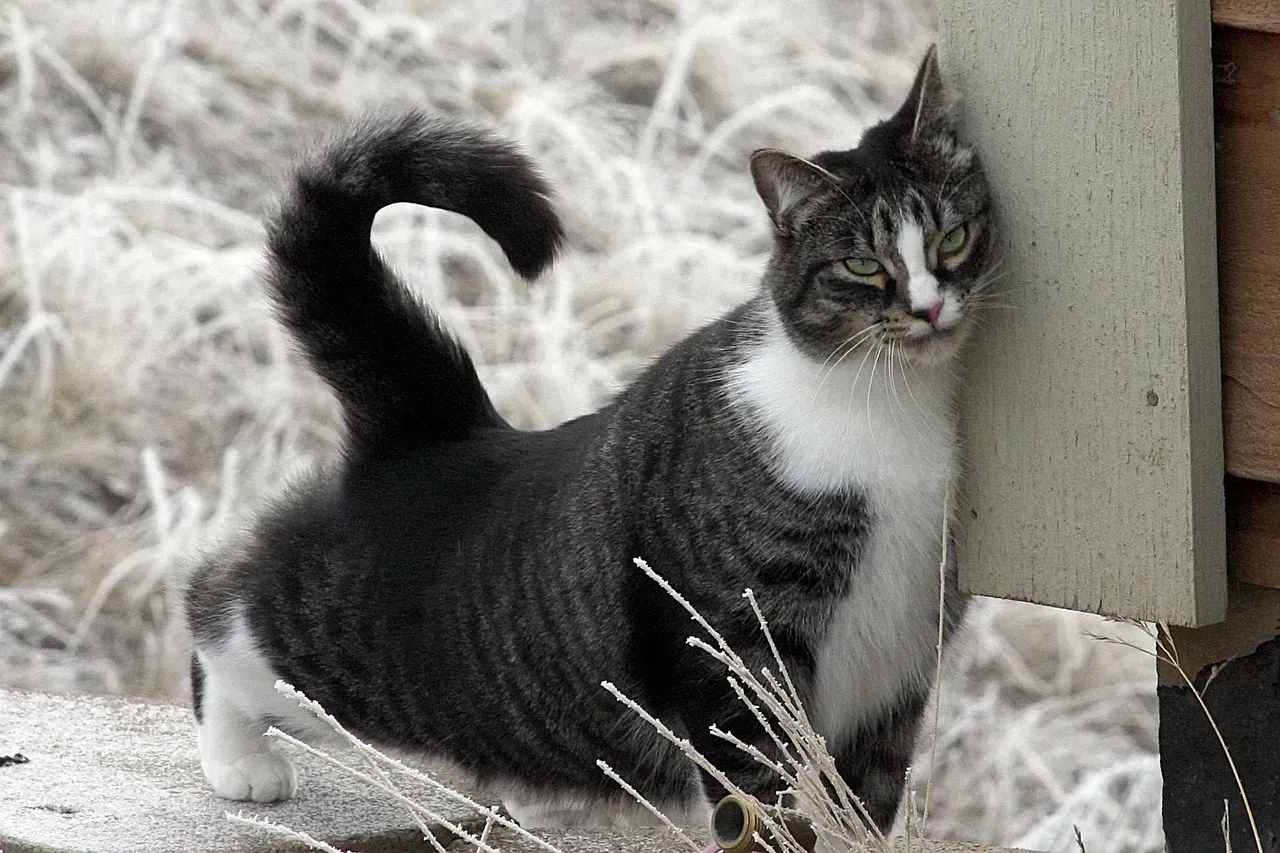
Cats have a very specific way of saying “this is mine, and I love it here.” It involves their face. The cheek rubs your cat leaves on chair legs, doorframes, and your ankles are not just random affection. They are deliberate, chemical communications rooted in millions of years of feline behavior. Honestly, it’s kind of extraordinary when you think about it.
Facial marking behavior is used to mark their territory as “safe.” The cat rubs its cheeks on prominent objects in the preferred territory, depositing a chemical pheromone known as a contentment pheromone. This is their way of essentially painting the walls of your home with invisible comfort signals.
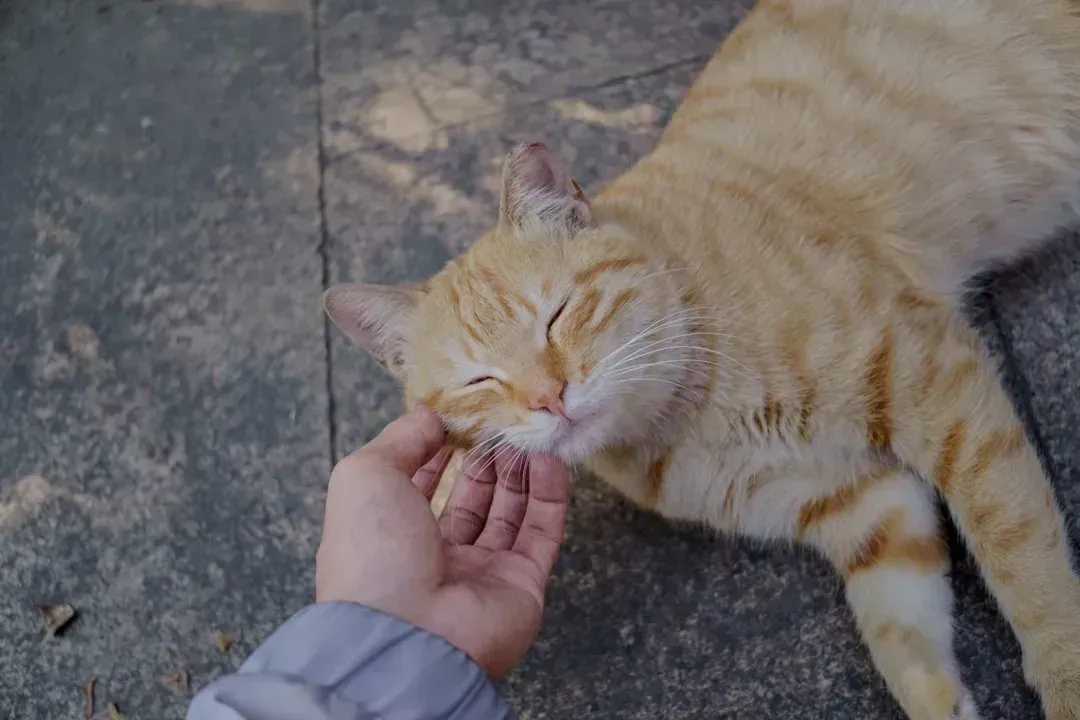
Your cat marks his scent by rubbing his face and body, which deposits natural pheromones to establish boundaries within which he feels safe and secure. You have probably noticed your cat rubbing up against you, the furniture, and other items in your home. He is scent-marking you and these items as part of his territory. When your cat face-rubs you specifically, they are folding you into their safe world. That is a big deal.
Sign #6: They Eat Regularly and With Relaxed Confidence
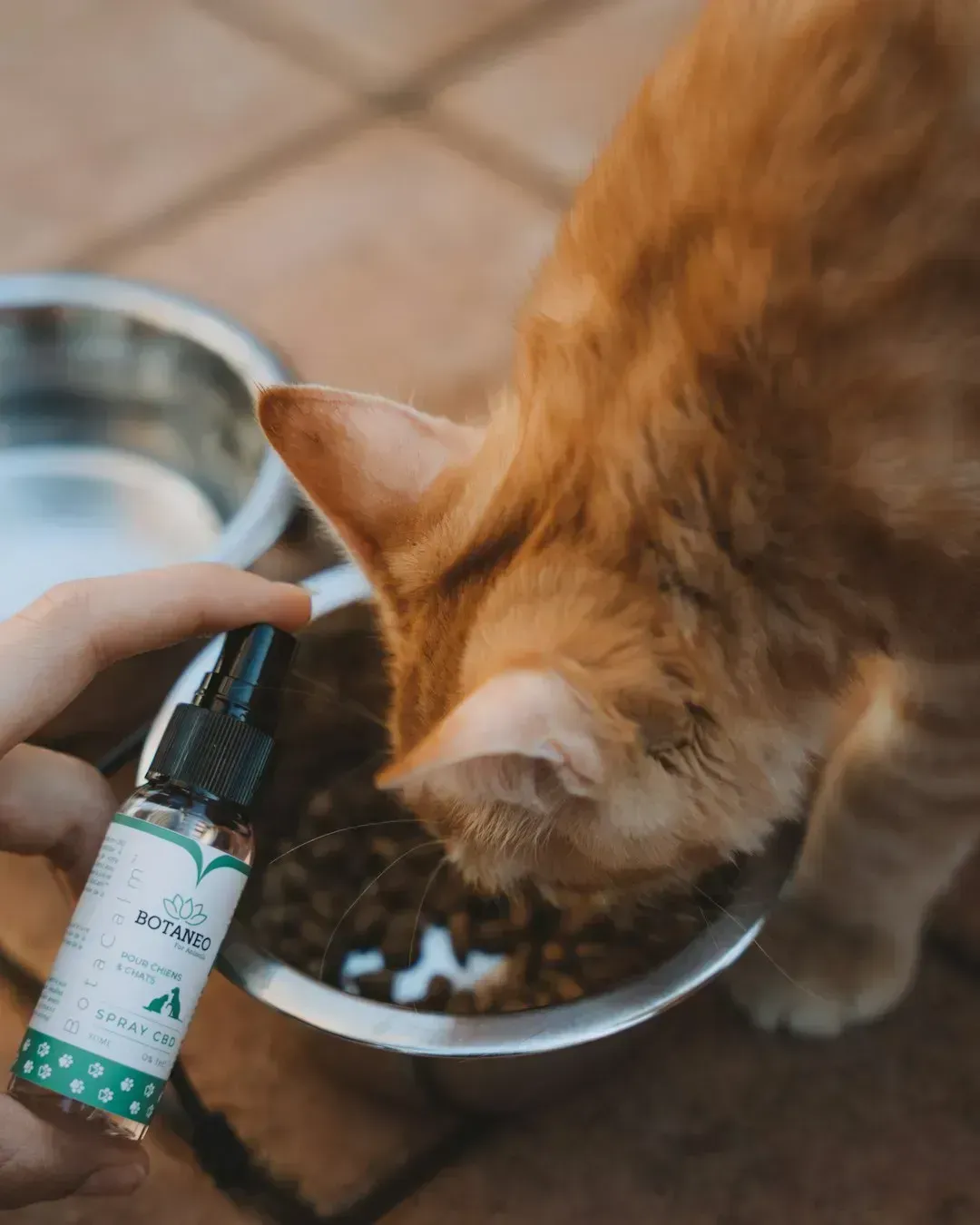
Food is one of the most reliable emotional barometers in cats. A stressed or unsettled cat will often skip meals, eat erratically, or seem tense and watchful even while eating. A cat that has truly made a place home will eat calmly, sometimes even with their back turned, which requires a genuine sense of security.
A cat’s eating and drinking habits can be a clear indicator of their comfort level. In the initial few days, a new cat might eat less or even skip meals due to stress. However, as they adjust, their appetite will normalize. Watching a cat eat contentedly, without constantly scanning the room for threats, is one of those small, satisfying signs that everything is going well.
Cats share a lot of information about their well-being through their appetites. Like humans, they can be prone to stress and boredom eating. When your cat is healthy and in good spirits, they should eat a consistent but not excessive amount. Too much and too little can be signs of a variety of problems. Keep an eye on this one. It tells you a lot more than you might expect.
Sign #7: They Initiate Play on Their Own Terms
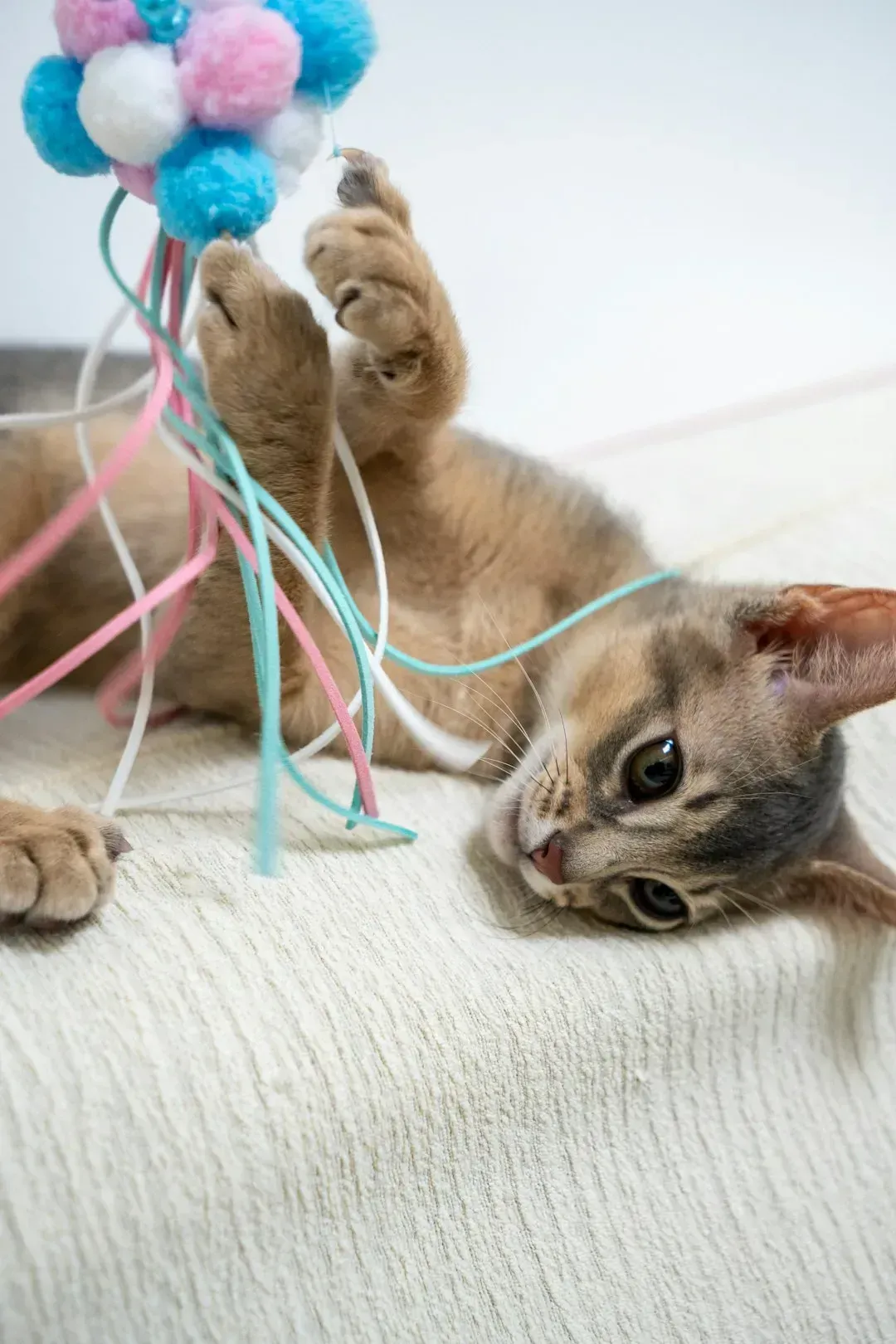
A playful cat is a happy cat. It sounds almost too simple, but it is genuinely one of the clearest signals that your cat feels safe enough to let its guard down. Play requires mental openness, physical relaxation, and a sense that the environment is not threatening. Stressed cats simply do not play. It’s like trying to joke around when you are genuinely afraid, it just doesn’t happen.
Depending on age, the urge to play may be more or less dramatic, but in general, cats only play when they are content. If your cat plays, it means you’re meeting all of their larger needs. That is a remarkably clean signal. No complicated analysis required.
When cats start to play and engage with their toys or with their human family, it shows that they are feeling comfortable enough to let their guard down and have fun. A happy cat often demonstrates a playful attitude, and playfulness is a strong indicator of mental and emotional well-being. Cats that are consistently disinterested in play may be stressed, unwell, or depressed. So bring out the toy, and let your cat lead the session.
Sign #8: They Follow You From Room to Room
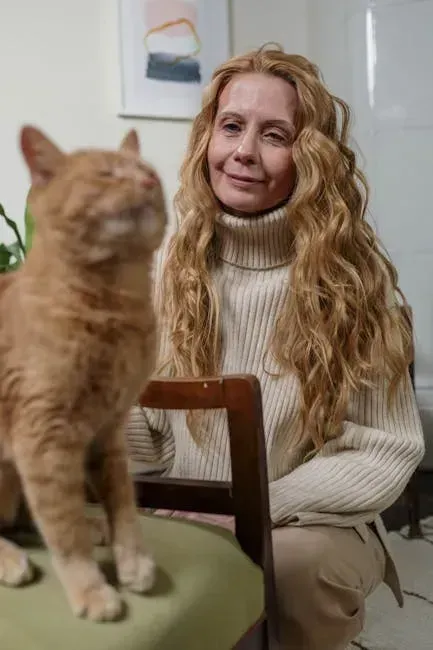
It sounds like such a small thing, a cat quietly padding after you into the kitchen, or appearing mysteriously in whatever room you settle into. Yet this behavior is loaded with meaning. It is not clinginess. It is trust. A cat that follows you is a cat that has decided you are their safe anchor in the world.
Secure attachment is when the cat shows signs of distress when the owner is out of the room but recovers quickly when the owner returns. This cat likes their owner and is confident with their owner around. A nervous cat would run and find somewhere to hide, but if they are happy sauntering around the house with you around, it means they feel safe. Whether they like to curl up on your lap, follow you from room to room, or even sleep on you, spending time with you is a sign you are in their good books.
Cats are capable of forming strong bonds with people, and they have social needs. Failure to meet their social needs can cause emotional distress and lead to behavioral issues, including separation anxiety and engaging in destructive activities. The cat that follows you around like a quiet, furry shadow has found something worth staying close to.