8 Travel Destinations Where Tourist Violence Has Reached Concerning Levels
Every year, millions of travelers book their dream trips to places that look like paradise in brochures but tell a very different story on the ground. Crime against tourists is not some obscure footnote in global travel data. It has become a measurable, documented trend, tracked by government agencies, independent researchers, and international security organizations alike.
Honestly, most of us don’t want to think about this stuff when we’re excited about a trip. But the numbers don’t care about your vacation mood. So let’s get into it, destination by destination.
1. Tulum, Mexico: A Beach Town With a Brutal Homicide Rate

Tulum used to be the kind of place people bragged about discovering. Turquoise water, ancient ruins, and a laid-back bohemian vibe. That reputation has not aged well. Tulum ranked 20th among Mexico’s most violent municipalities, with a homicide rate of 83.9 per 100,000 residents. The municipality, home to just under 55,000 people, recorded 46 homicides in the period between September 2024 and August 2025.
Among the victims were two individuals killed during an armed attack at a bar in August 2025, as well as previous attacks involving foreigners at a beach club in February 2024. These aren’t isolated mishaps. In October 2024, the U.S. State Department updated its travel advisory for Quintana Roo, warning of increased violent crime including armed robbery and assault.
The drug war in Mexico is one of the most violent conflicts on the planet, with cartel activity permeating through many levels of the Mexican economy and society. Cartel conflicts continue to drive violence across Mexico, including tourist areas previously less affected, such as Cancun, Tulum, and Puerto Vallarta. The picture here is becoming harder and harder to ignore.
2. Acapulco, Mexico: Once Hollywood’s Playground, Now One of the World’s Most Violent Cities
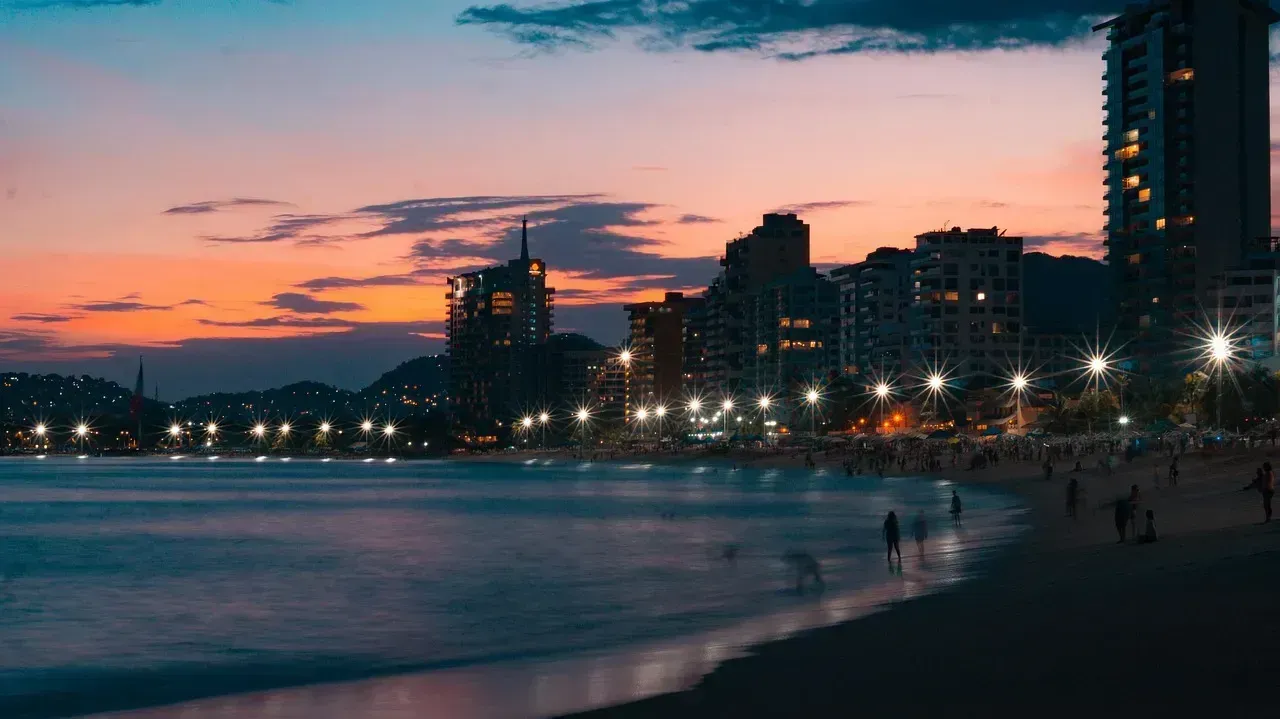
Acapulco was once where the glamorous went. Old Hollywood loved it. That version of the city feels almost mythological now. Acapulco, once the playground of Hollywood royalty, has struggled to shed its reputation as a hotbed for violence. Ranking 34th among Mexico’s most violent municipalities with 71 homicides per 100,000 residents, the city recorded a staggering 560 homicides between September 2024 and August 2025.
Drug cartel conflicts have bled into tourist zones, making even beachfront resorts feel less like vacation spots and more like danger zones. Authorities urge extreme caution for anyone still booking trips to the most affected areas. Think about that number: 560 homicides in a single year in one city.
The current criminal landscape in Mexico is driven largely by the battle between the Cartel de Jalisco Nueva Generación (CJNG) and the Sinaloa Cartel (CDS), though three other major transnational criminal organizations – Los Zetas, Gulf Cartel, and Juarez Cartel – all contribute to high levels of violence. For a destination still listed on some travel websites as a beach resort, this context is striking.
3. Rio de Janeiro, Brazil: Armed Robberies and the “Arrastão” Problem

Rio is genuinely one of the most visually stunning cities on Earth. Copacabana, Ipanema, the Christ statue on the hill. It’s all real and it’s all breathtaking. Here’s the thing, though: the crime situation has escalated significantly in recent years. Brazilian news outlet O Globo reported in December 2024 that armed robberies on Copacabana Beach increased by 40% during the peak tourist season compared to the previous year, with thieves often working in organized groups called “arrastões” that sweep through beach areas targeting visitors.
The situation escalated to the point where Rio’s state government implemented a controversial new security protocol in January 2025, deploying military police with visible weaponry along the beachfront. Tourists have reported being robbed at gunpoint even in broad daylight, with criminals specifically targeting those wearing jewelry or carrying expensive cameras.
Brazil shares third position on the Everly Life Travel Danger Scale with a score of 59. Brazil’s safety concerns are diverse, with 27.9 sexual assaults per 100,000 population and a high crime index of 65.6. Rio’s beaches may look like paradise, but the statistics paint a sobering picture that every traveler should understand before arriving.
4. Cape Town, South Africa: Staggering Murder Rates Behind the Mountain Views
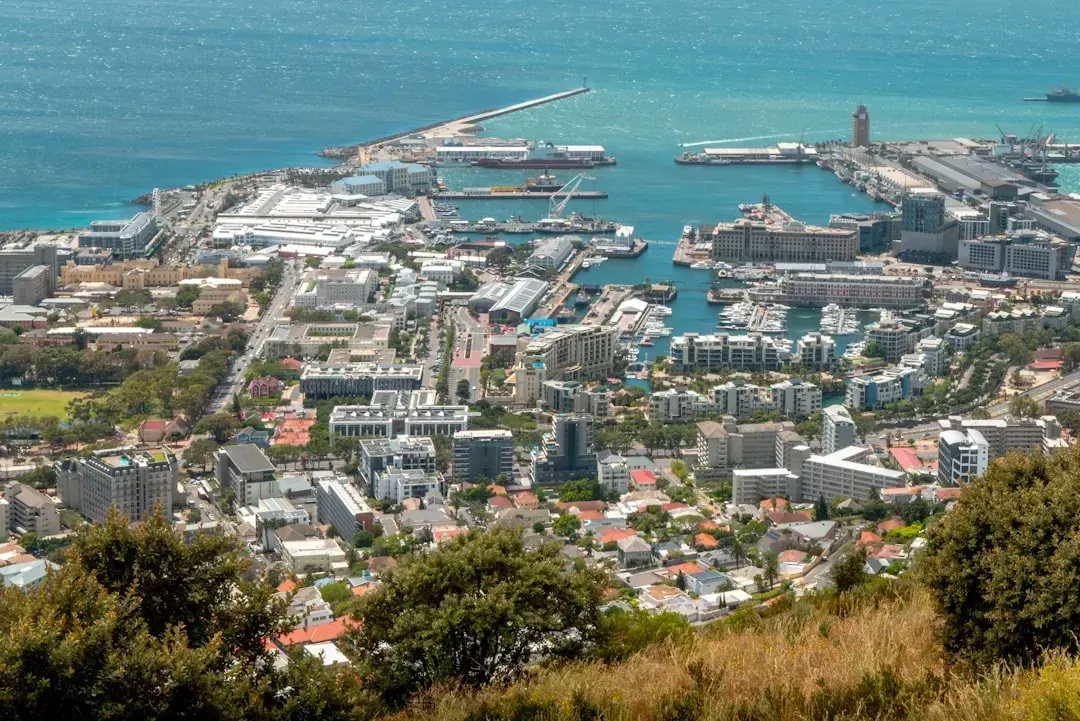
Cape Town is the kind of place that wins “world’s most beautiful city” polls. Table Mountain, the Cape Winelands, stunning Atlantic beaches. Tourists come from everywhere. In 2024, Cape Town attracted nearly 9 million tourists, establishing itself as South Africa’s premier tourist destination. Yet behind the scenery lies a deeply troubling reality.
Cape Town’s murder rate increased from 51.0 in 2013 to 70.2 in 2024, an increase of nearly 38%. Cape Town has gone in the opposite direction compared to other cities, with its murder rate jumping significantly even as other South African cities improved. That’s not a short-term blip. That’s a trend spanning more than a decade.
Table Mountain National Park, a premier tourist attraction, has experienced violent attacks and muggings targeting hikers and visitors. The UK government advises travellers to avoid quieter areas and remain on busy, marked trails to minimise exposure to criminal activity. South Africa, with a Travel Danger Score of 76 according to Everly Life’s research, tops the list of perilous destinations. The country’s safety concerns are multifaceted, with the highest crime index of 75.4 among analyzed destinations.
5. Venezuela: A Level 4 Warning and No U.S. Embassy to Call
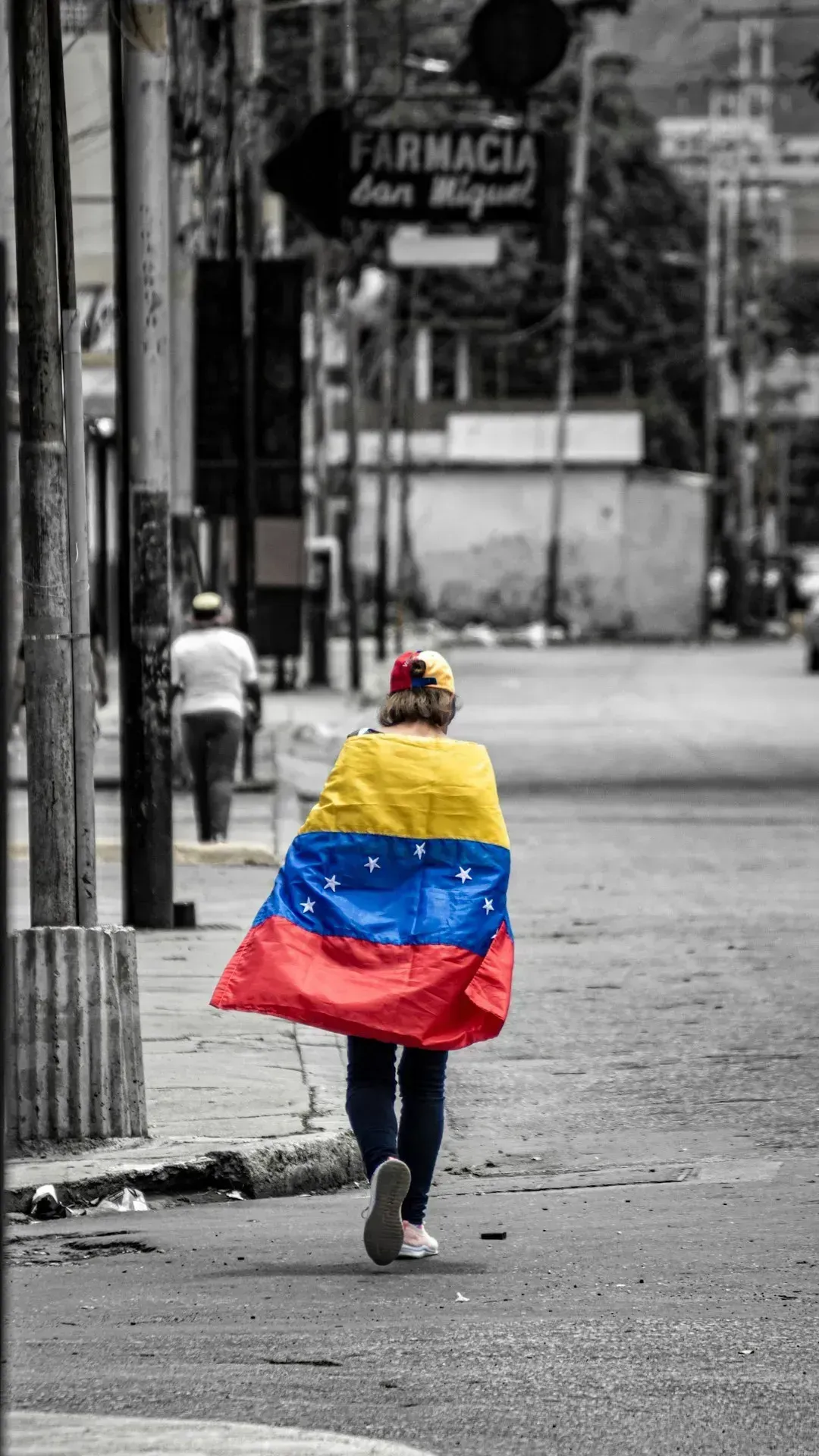
Venezuela sits in a category of its own. As per 2025 data, Venezuela holds the highest Numbeo Crime Index score of 80.7 of any country in the world. That’s not a perception issue. That’s a measurement. The U.S. State Department advises: do not travel to or remain in Venezuela due to the high risk of wrongful detention, torture in detention, terrorism, kidnapping, and crime. All U.S. citizens and Lawful Permanent Residents in Venezuela are strongly advised to depart immediately.
Venezuela is not just risky by the standards of Latin America. It has one of the highest rates of violent crime, corruption, and unrest in the world. The capital city of Caracas is a focal point for violent demonstrations, organized crime, robbery, kidnapping, and homicide. Most kidnappings are “express” and last less than 48 hours, frequently targeting people leaving hotels, traveling in taxis, or walking in wealthier areas.
On January 3, 2026, military strikes took place on several sites in Venezuela, including military facilities in the city of Caracas. Venezuelan authorities declared a State of External Commotion, granting them exceptional political, economic and social powers. The situation is, to put it plainly, not improving.
6. Barcelona, Spain: Organized Theft Rings and a 47% Crime Jump in Key Areas
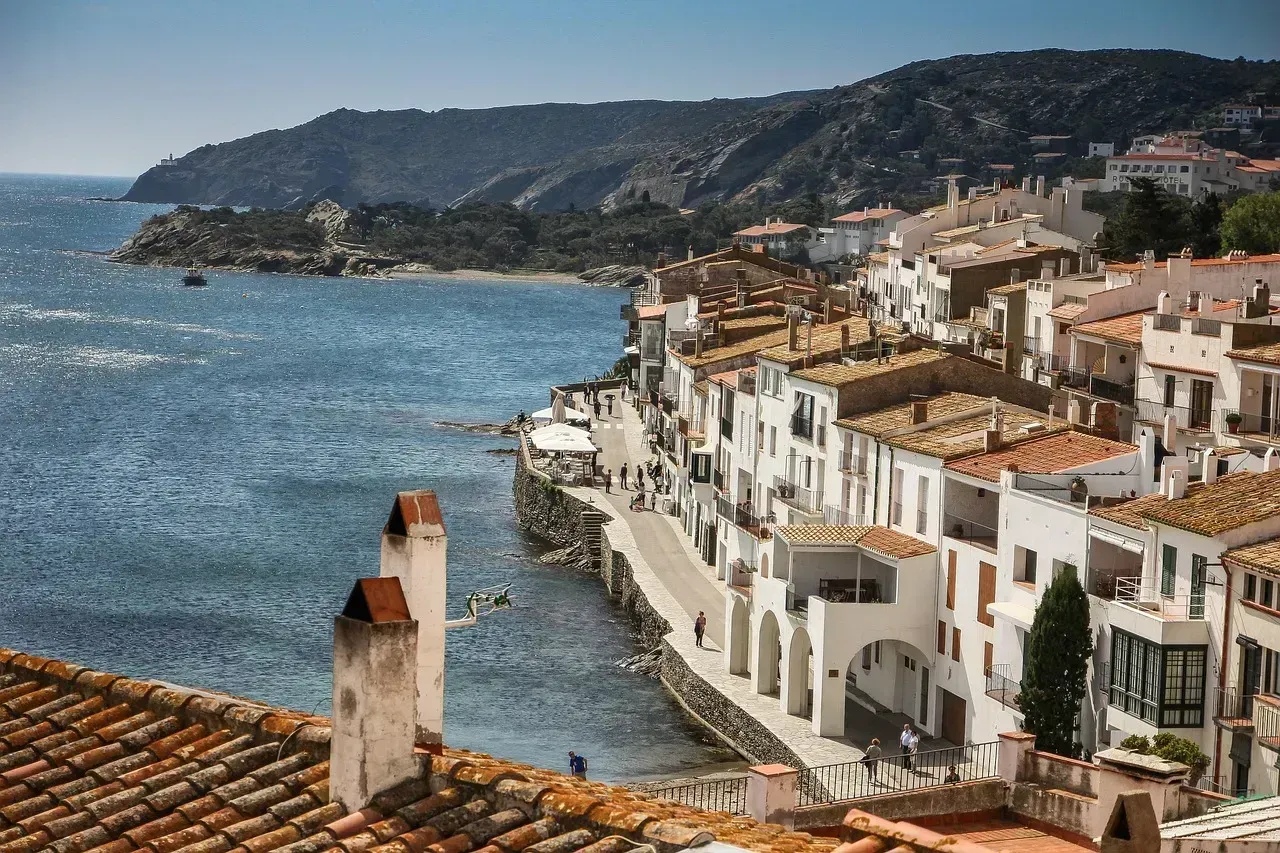
Barcelona might feel like a safe European city, and compared to many places on this list, it is. But that doesn’t mean tourists aren’t being systematically targeted. Barcelona has seen a dramatic surge in tourist-targeted theft, with the city’s police reporting a 25% increase in pickpocketing incidents during the first half of 2024 compared to the previous year, according to data from the Mossos d’Esquadra.
Theft accounts for about 6 in 10 crimes in the city, with a large share occurring on streets and public transport. The Las Ramblas district and the Sagrada Familia area have become notorious hunting grounds for organized theft rings that specifically target distracted visitors taking photos, with some gangs using children as decoys.
The La Barceloneta Beach Metro Station has experienced a concerning 47% jump in theft reports, underscoring a worrying trend of rising crime in Barcelona. Pickpocketing might sound minor compared to armed robbery, but these operations are sophisticated and often violent when victims resist. Barcelona’s beauty is real. So is its growing crime problem.
7. Paris, France: Armed Robberies Up Near Iconic Landmarks

Let’s be real: Paris is still one of the world’s great cities. But the City of Light has developed a noticeably darker edge for travelers. French police statistics from late 2024 show that armed robberies targeting tourists near the Eiffel Tower and Champs-Élysées increased by roughly one-third compared to 2022 figures. A third. Near the most visited monument on earth.
These are not just bag snatchings. Travelers have reported being threatened with weapons, particularly in metro stations serving major tourist destinations. The Prefecture of Police Paris confirmed in a January 2025 statement that they have assigned additional plainclothes officers to tourist zones.
Extra vigilance was advised during and after the 2024 Olympics, with the Eiffel Tower, Arc de Triomphe, Notre-Dame, the Louvre, and the metro lines serving them flagged as key risk points. The Olympic spotlight may have faded, but the security challenges that came with it have not entirely disappeared. Paris remains a destination worth visiting, but the risks are real and should be factored into any travel plan.
8. Jamaica: One of the Highest Crime Indices in the Caribbean
Jamaica has long been one of the most popular Caribbean destinations, and the beaches, culture, and music genuinely live up to the hype. But the country’s crime data demands serious attention. Jamaica has a Numbeo Crime Index of 67.4, placing it among the countries with the highest crime levels in the 2025 dataset. Violent crime remains a major concern, particularly in urban areas such as Kingston, where gang activity and firearm-related offenses are prevalent.
Organized criminal groups are heavily involved in drug trafficking and extortion, contributing to persistent insecurity. While popular tourist areas are generally better policed, visitors can still be targets of robbery and assault, especially outside resort zones. The moment you step beyond the resort perimeter, the risk profile changes dramatically.
It’s a bit like visiting a zoo where the fences are mostly fine, until they’re not. The U.S. State Department currently maintains a Level 3 advisory for Jamaica, urging travelers to reconsider travel due to crime. For a destination that draws millions of visitors annually, the gap between its tourist image and its violent crime statistics is one of the more jarring contrasts in Caribbean travel.