Ignore the New 2026 IRS Rules and It Could Cost You: The 1% Excise Tax on Cash Transfers Explained
A new federal tax quietly took effect on January 1, 2026, and millions of Americans who regularly send money abroad may not even know it applies to them. The U.S. remittance tax is a 1% federal excise tax on certain money transfers sent from the United States to foreign countries, effective January 1, 2026. It does not affect everyone equally, but if you are still walking into a pharmacy or grocery store to hand over cash for an international transfer, you are now paying more than you used to. The rules are new, the compliance machinery is still catching up, and understanding what triggers the tax is the first line of defense.
Where This Tax Came From

The One Big Beautiful Bill Act, signed into law on July 4, 2025, is a landmark budget reconciliation measure that consolidates multiple congressional proposals into a single, far-reaching statute. The tax was enacted as part of this legislation, and the rate evolved during Congressional debate, starting at a proposed 5% and landing at the final 1% rate. The lower final rate was partly a concession to industry groups who argued a higher percentage would push more transfers into informal, untracked channels. Still, the law moved fast, with a July 4 signing and a January 1 implementation date leaving providers only months to adapt.
New Section 4475 imposes a 1% federal excise tax on the amount of each remittance transfer from a sender in the U.S. to a person located in a foreign country, through a remittance transfer provider. Supporters say it will increase revenue by about $10 billion over 10 years, discourage illegal immigration, improve money tracking, and make it harder for illicit funds to leave the country, while critics predict double taxation, more red tape for taxpayers and financial institutions, and increases in illicit money transfers. The debate is real, but the law is now in effect regardless of where you fall on that argument.
Exactly Who Gets Taxed – and Who Does Not

The 1% remittance tax will apply to certain remittances when the sender makes the transaction with cash, a money order, a cashier’s check, or a similar physical instrument. The tax applies to all senders regardless of citizenship, residency status, or income level. That is a critical point many people miss. Whether you are a U.S. citizen, a green card holder, or a visa holder working in the country, if you use a physical payment method at an agent location, you are within the law’s reach.
Certain transfers are exempt from the excise tax, including those funded through withdrawals from accounts held in or by certain financial institutions or made using debit or credit cards issued in the U.S. Excluded transfers include electronic transfers like ACH, wire, or card-based payments, which are not taxed. So if you are wiring money directly from your U.S. bank account or paying through a digital app linked to a debit card, you likely will not see the new tax appear on your receipt. The distinction is entirely about the payment method, not the destination or the amount.
How Much This Actually Costs You in Real Numbers

If you send $500 using cash at a physical location, the provider will collect an additional $5 in tax, which goes directly to the IRS. If you send $2,000 using a cashier’s check, the remittance tax would be $20. Those amounts sound small in isolation, but for the millions of immigrant families who send money home monthly to cover rent, food, or school fees in lower-income countries, the numbers accumulate quickly over a year. This is not a one-time fee – it applies every single time a qualifying cash-based transfer is made.
The World Bank estimates that global remittances increased by 4.6% to $905 billion in 2024, up from $865 billion in 2023. The Joint Tax Committee estimates the tax will generate approximately $10 billion in federal revenue over 10 years, representing a small fraction of total U.S. outbound remittance flows, which exceed $100 billion annually. From the government’s perspective, the revenue is modest. From the perspective of a family sending $300 every month to relatives abroad, the ongoing cost is very concrete and entirely avoidable with the right payment method.
How Providers Are Required to Collect and Report It

Beginning January 1, 2026, remittance transfer providers are required to collect the remittance transfer tax from certain senders, make semimonthly deposits, and file quarterly returns with the IRS. Remittance transfer providers must collect the tax and report quarterly to the IRS on Form 720. The burden of actually handling the collection and paperwork falls squarely on the provider, not on the individual sender. For senders, the transaction receipt is the key document to hold onto.
Remittance transfer providers must collect the tax and report quarterly to the IRS on Form 720. If a provider fails to collect, they are secondarily liable and must pay it themselves. This change affects more than just large banks – any business facilitating cross-border transfers, including check cashers, payment processors, and smaller remittance companies may fall under the new rule. That means the corner store that doubles as a Western Union agent is now a tax-collection point whether its owner fully understands the obligation or not.
The Penalty Relief Window and What It Means

The Department of the Treasury and the Internal Revenue Service issued guidance providing deposit penalty relief for the first three quarters of 2026 to remittance transfer providers. Notice 2025-55 provides relief in connection with the new excise tax imposed on certain remittance transfers under the One, Big, Beautiful Bill. Treasury and the IRS understand there might be challenges implementing the new law and have determined it is in the interest of sound tax administration to provide limited penalty relief related to remittance transfer tax deposits. In plain language, the government is giving providers some breathing room to get their systems in order, but only through the first three quarters of the year.
Companies should put processes in place for tracking the remittance transfer tax for all three quarters with a focus on third-quarter tax deposits, as these will determine required deposit amounts for the fourth quarter which, if computed incorrectly, will not benefit from penalty relief or the safe harbor rules applicable to the first three quarters. The remittance tax is an unprecedented intervention of the United States government in financial transactions. Industry groups acknowledge that Treasury and the IRS issued Notice 2025-55 to provide penalty relief, but the larger concern of industry participants is the ability to collect and remit the tax in a compliant manner. By the fourth quarter of 2026, the grace period ends and full compliance is expected across the board.
What Senders Should Do Right Now
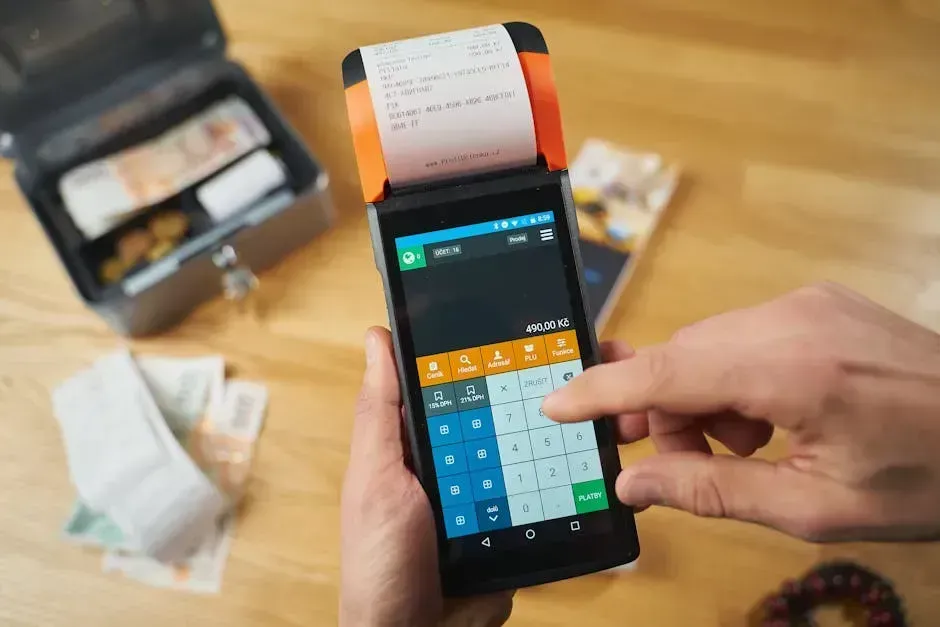
Keep all remittance transaction receipts showing the 1% tax paid – the recommended retention period is three years minimum, in line with the standard IRS audit period. The 1% tax is not reported on your annual Form 1040. It is an excise tax collected at the point of transfer, and your provider handles all reporting on their end. That means no separate filing headache for senders, but it does not mean you should ignore the records. Keeping those receipts could matter if any future credit guidance is issued.
IRC Section 36C may allow a credit against income tax liability for remittance tax paid. As of February 2026, the IRS has not issued guidance on this credit – do not claim it on your return until official instructions are published. For those who occasionally use cash, consolidating multiple small transfers into fewer larger ones reduces total provider fees. If you send money on a regular basis, the best move is to open a U.S. bank account – it gives you access to all the tax-exempt transfer methods. The simplest and most immediate way to sidestep the tax entirely is to fund your international transfers digitally, directly from a U.S.-based bank account or a U.S.-issued debit or credit card. That single shift in payment method puts the 1% charge out of reach for most everyday senders.